Educational resources discussing lifestyle, public policy, and wellness relevant for all healthcare providers
I am Dr. Dara Kass, Director of Undergraduate Medical Education, NYU/Bellevue: How I Work Smarter
 We are continuing our series with Dr. Dara Kass (@darakass). In addition to being director of Undergraduate Medical Education at NYU/Bellevue in New York City, Dr. Kass has recently unveiled a new initiative: FemInEM. Along with Dr. Jenny Beck-Esmay (@jbeckesmay) and several superstar section editors, Dr. Kass has debuted a site focused on professional development for women in Emergency Medicine. But FemInEM is more than just a blog: it seeks to bring open access principles to the traditional model of membership based professional women’s networks like Academy for Women in Academic Emergency Medicine (AWAEM) and American Association of Women Emergency Physicians (AAWEP). FemInEM will be a hub for mentorship, growth, leadership, wellness, and more, all specially geared to women in Emergency Medicine. How does Dr. Kass go about managing this ambitious initiative, full time work, medical students and family? She shares her insights into working efficiently.
 Dr. James Huffman (
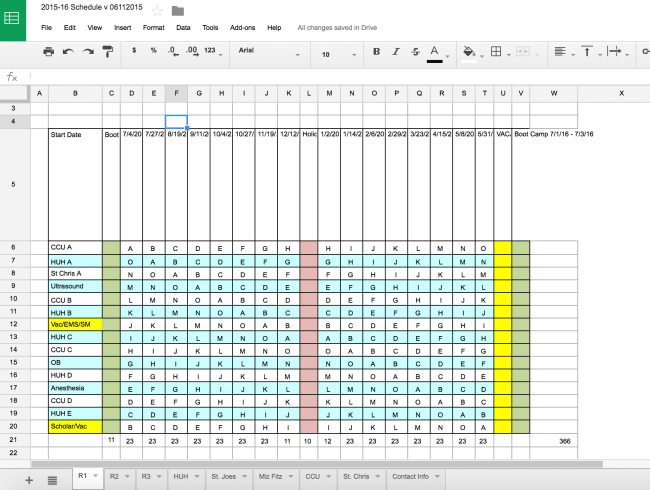
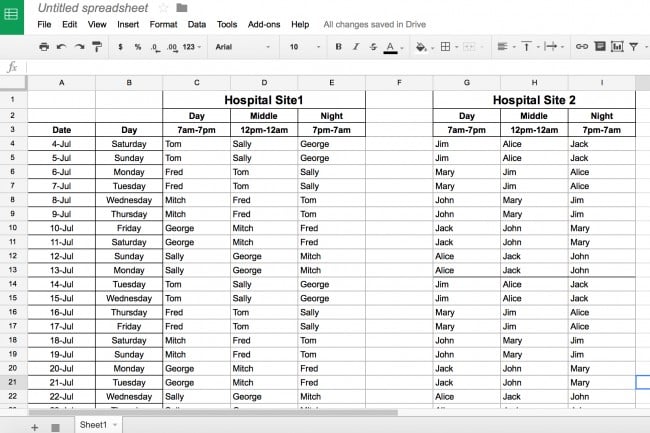
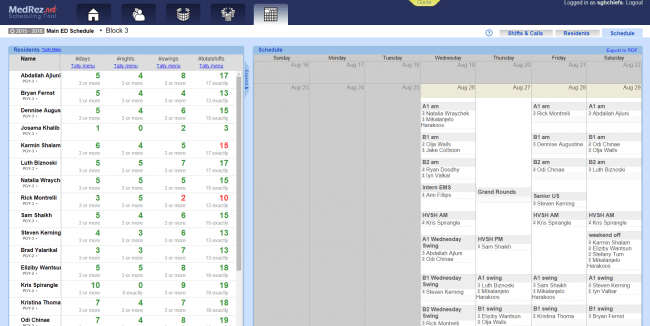
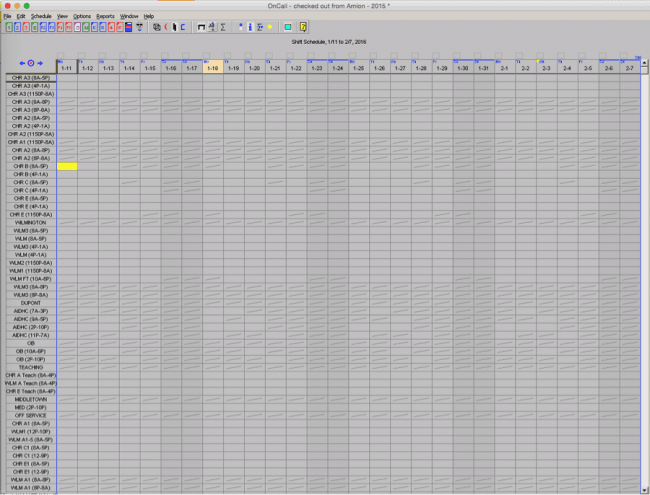
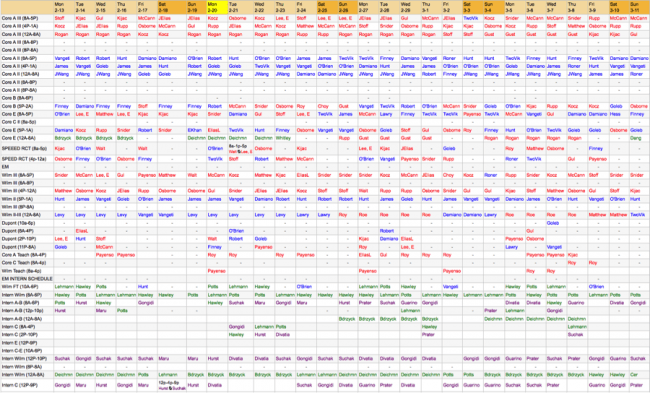
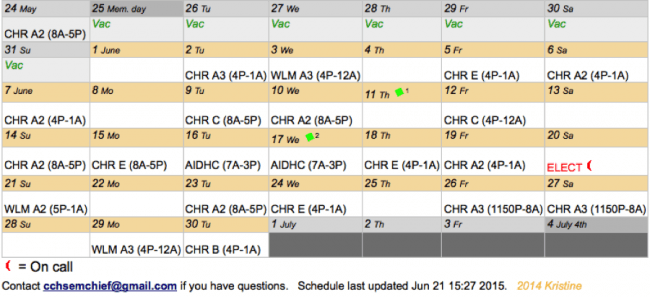
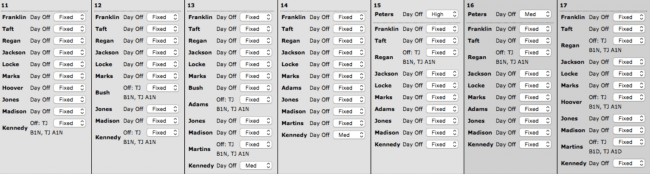
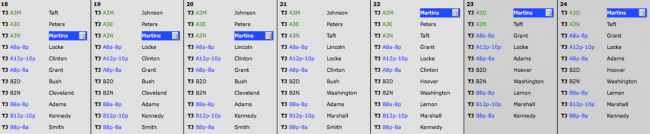
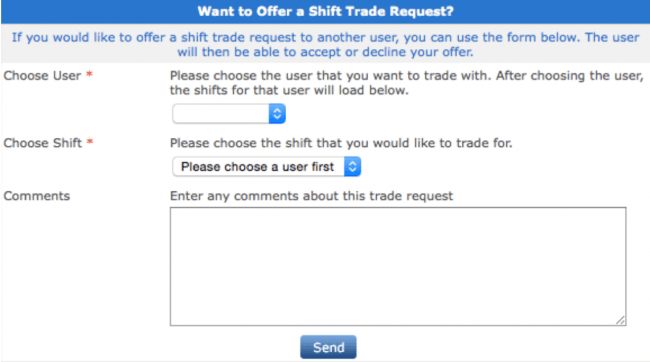
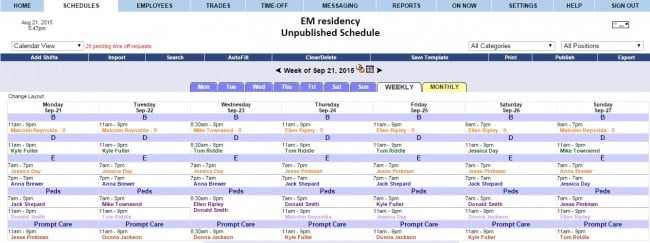
 From the dawn of Emergency Medicine, the tradition of schedule creation has been an arduous task handed down from chief to chief. Only the most masochistic of individuals dared to rise to the challenges inherent in planning shift coverage around the concerts, reunions, and weddings of their closest peers. Luckily, as design and technology continue to advance, an increasing number of software options have become available to help assist the Scheduler in his or her duties. The software options have dramatic variations in price, interface, and capabilities. The inaugural ALIEM Chief Resident Incubator team hopes to shed some light on the various options, to help you pick the right tool for your program.