


8 Tips on How to Succeed in Your EM Sub-Internship
 This time of year is almost universally overwhelming for visiting medical students at away rotations. They are thrown into a new environment for a brief amount of time and there is a great deal of pressure to impress both faculty and residents. After years of hard work and study, these few weeks may be one of the most influential aspects of a residency application. A survey study of Emergency Medicine (EM) residency program directors by Crane et al. showed that EM rotation grade was the single most important factor in resident selection.1
Given the importance of performing well on this rotation, how do you succeed? Or equally as important, how do you NOT fail? This blog post was developed as a culmination of advice from personal experiences combined with those of the ALIEM 2015-16 Chief Resident Incubator, a network of over 200 chief residents from 71 programs across the country. While some of these tips may appear obvious, the potential anxiety associated with this high-stakes rotation causes many of these issues to still occur every month at programs across the country. Follow this advice to demonstrate your best self and avoid the problems that may easily overshadow many others.
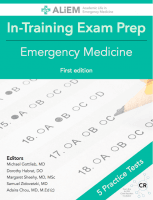 It is with great pleasure that we announce the first edition of the ALiEM In-Training Exam Prep Book in both PDF and iBook form. This free book was a year-long project from the Chief Resident Incubator, led by the Editors Dr. Michael Gottlieb, Dr. Dorothy Habrat, Dr. Margaret Sheehy, Dr. Samuel Zidovetsky, and Dr. Adaira Chou with the support of Associate Editors Dr. Nikita Joshi and Dr. Michelle Lin. Over 90 EM residents and faculty from the Incubator and across U.S. emergency medicine residency programs contributed board-review type questions. Five practice tests are included for those preparing for the in-training exam (also known as the in-service exam) or even for the ABEM written board exam. You can download the free PDF or iBook below.
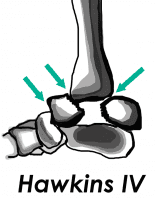 Orthopedic fractures and injuries are commonly managed in the emergency department. Often a quick bedside reference card is needed to remind the clinician about the acute management and follow-up instructions. Thanks to the efforts of a 2015-16
  We are very excited to officially announce the inaugural 2016-17 ALiEM Faculty Incubator Class of Educator-Scholars! We received applications from across the country and internationally with broad ranges of background and experiences. We narrowed it down to the top 30 applicants, who we know are budding leaders in the field.
 There is a great need for faculty development, also known as professional development, in medicine and more specifically medical education. A recent JGME publication advocates for more online opportunities for faculty to join digital communities of practice and communities of inquiry to harness the power of experts and mentors worldwide [free PDF]. With our recent successes with the