Conference Tweeting: Do not start tweet with @ symbol
 In the last two years, live tweeting from medical and education conferences has become mainstream. What better way to stay up-to-date with what is being taught around the globe! Pioneers like Dr. David Marcus (@EMIMDoc) even archive all of the conferences with hashtags, Twitter handles, and topic focus on his EM IM Doc blog.
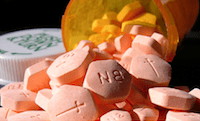
 Vancomycin remains one of our workhorse antimicrobials for treating infections caused by methicillin-resistant S. aureus
 We sometimes hear information stated as fact that may not be entirely accurate. One such example is, “I’m going to use lorazepam because it isn’t metabolized by the liver.”
 Blogs, podcasts, and other social media platforms in medical education, known collectively as Free Open Access Meducation (FOAM), are becoming increasingly popular and integrated into daily learning habits. Through various push technologies, these resources come to you in the form of RSS feeds, podcast tools, and other apps. Do you have a mental checklist to help you determine whether the content is trustworthy and accurate? How do you process the information from FOAM sites?