Emergency Medicine factoids on Twitter
The medical profession is slowly incorporating Twitter. If you have a Twitter account, here are some great Twitter accounts to follow:



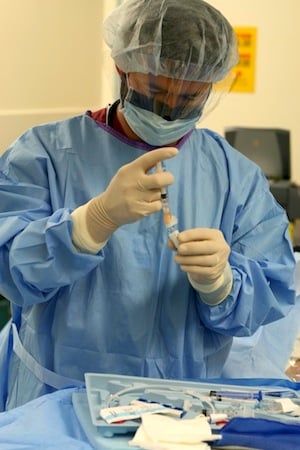
To follow-up with Dr. Connolly’s perspective about the Top 10 tips for medical students to rock the EM clerkship rotation, I thought I would post some additional tips. Here are some more pearls:
This means that you should take it upon yourself to make sure that your patient’s care is stellar, addresses key clinical and social issues, and is timely. Constantly check for your patient’s results. Don’t be the last to hear of your patient’s lab or imaging results. Figure out why there are unexpected delays. Address any psychosocial issues which may hamper your patient’s clinical improvement in the ED. (more…)
It’s that time of year again. When medical students interested in EM are stressing over doing well on their EM rotation.
Here’s a very insightful guest post from Dr. James Connolly, who is a new PGY-1 resident at Hahnemann Hospital in Philadelphia. I’ll write my personal top-10 list next week, from the perspective of a faculty member.
Many MS4 interested in emergency medicine will be starting their EM Sub-I’s in the next few weeks and are naturally wondering what to expect, and how they can be successful, both in terms of getting a strong letter of recommendation, and all while still having a fun and enjoyable rotation. With that in mind, I’d like to present a unique “Top Ten” list, written with the aim of helping the student succeed on his or her upcoming rotation. The list is my own, based on my experiences during three EM rotations last year as a medical student. I’ve also asked a few of my fellow interns for their input on the list, so the list really reflects thoughts of a handful of people who recently successfully matched into emergency medicine.
 In 2010, the Carnegie Foundation for the Advancement of Teaching published recommendations for the future reform of medical education. This same Carnegie Foundation had also commissioned and published the landmark 1910 Flexner report 1 on medical education, exactly 100 hears prior.
Here is a summary of the four major recommendations:
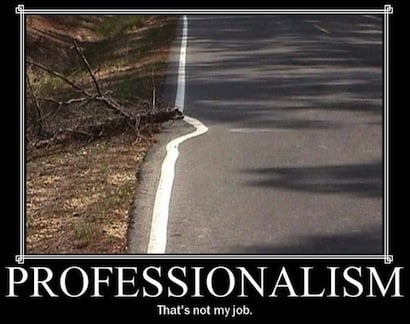 Teaching professionalism in a formal curriculum is so much different than demonstrating professionalism in the Emergency Department. So much of what students and residents learn about professionalism are from observed behaviors of the attending physicians — that is, the hidden curriculum.
In a qualitative study assessing medical student reflection essays during an EM clerkship, the authors (my friends Dr. Sally Santen and Dr. Robin Hemphill) found some startling results. The instructions to the medical students were to “think about an aspect of professionalism that has troubled you this month. Write a minimum of one half-page reflection describing what was concerning and how you might handle it.”
I came across this great SlideShare set on some simple rules on slide design to make your Powerpoint-based talk great. Think of your favorite speakers (i.e. the Mattus and Weingarts) and inevitably part of the reason they are so great is because of their slide design.
 At the CDEM meeting during the SAEM national meeting this past week, the keynote speaker (Dr. Charles Hatem from Harvard) mentioned a great editorial article called “Inconvenient Truths About Effective Clinical Teaching.”
Here’s a summary of the opinion article from Lancet: