About Corinne Espinosa, DO

Attending
RWJ Barnabas Health

SAEM Clinical Images Series: Tongue Twisters
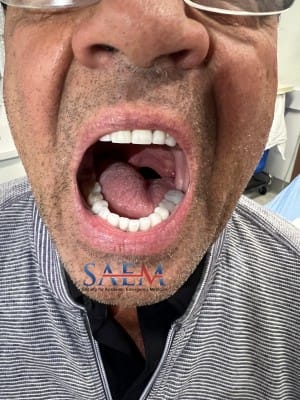
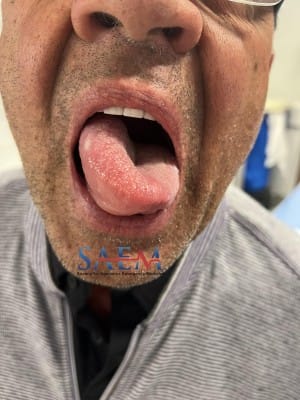
tongue
The patient is a 68-year-old male with a past medical history of hypertension who presents to the Emergency Department for evaluation of tongue swelling. The patient reports that his left tongue was swollen 3 weeks ago. He was evaluated, prescribed Levaquin, and was advised to gargle peroxide/salt water per his primary care provider. The swelling resolved after approximately 2 days. This morning, he awoke at 2 AM with swelling in the right side of his tongue. He denies any allergies or prior intubations. He denies any new foods, exposures, any other complaints at this time. He states that his tongue has not increased in size since awakening. The patient has been on no new medications and has taken enalapril daily for the past 10 years.
Vitals: BP 130/90, HR 77, RR 14, T 97.8F, O2sat 99% room air.

General: Comfortable, no signs of distress, voice tone is clear but he has difficulty articulating his words due to his tongue swelling.
HEENT: Relevant findings are shown in the image provided. Uvula midline. Mallampati class 2 airway.
Neck: Supple, no stridor.
Cardiovascular: Regular rate, rhythm, normal peripheral pulses.
Skin: No rash or urticaria seen.

ACE-inhibitor-induced angioedema.

Our patient presented to the ED complaining of unilateral tongue swelling in the setting of enalapril as his only medication, making ACE-inhibitor- induced angioedema his most likely diagnosis. ACE-inhibitor-induced angioedema can occur at any point during the course of treatment (our patient had been on enalapril for ten years). Non-histaminergic (non- allergic) angioedema is typically a result of elevated bradykinin levels. Classification of angioedema includes four subtypes: Hereditary angioedema with or without C1 esterase inhibitor deficiency, acquired C1 esterase inhibitor deficiency, ACE-inhibitor-induced angioedema, and idiopathic angioedema. ACE-inhibitor induced angioedema has an overall incidence of 0.3% to 0.7% and is 3 to 4 times more likely in African-Americans. Females are at a 50% higher risk than males. Airway compromise is the most feared complication of angioedema. In cases requiring intubation, advanced airway setups and techniques along with surgical backup is advisable.

Take Home Points

1. ACE-inhibitor-induced angioedema does not respond to epinephrine and treatment is mainly supportive.
2. In severe cases requiring intubation, awake fiberoptic intubation is a preferred method when accessible and feasible, and paralytics should be utilized with caution.

  1. Frank MM, Gelfand JA, Atkinson JP. Hereditary angioedema: the clinical syndrome and its management. Ann Intern Med. 1976;84:580–593. doi: 10.7326/0003-4819-84-5-580.
  2. Lee JH, Cho JY, Nam DH, Hong CS. A case of hereditary angioedema. Allergy. 1994;14:695–701. Weis M. Clinical review of hereditary angioedema: diagnosis and management. Postgrad Med. 2009;121:113–120. doi: 10.3810/pgm.2009.11.2071.
By |2025-10-27T08:32:23-07:00Oct 20, 2025|ENT, SAEM Clinical Images, Uncategorized|

SAEM Clinical Images Series: Case of Painless Vision Changes

lens

A 62-year-old female presented to the emergency room with a chief complaint of atraumatic painless blurry vision. She reported a medical history of bilateral lens replacements in 1999 and a prior history of bilateral retinal detachments and expressed concern that she may have detached her retina again. The patient first noted floaters starting 3 days ago, that progressed yesterday to sudden onset blurry vision of her right eye. She denied any sensation of “a curtain falling. The patient clarified that this presentation is different in nature to her prior bilateral retinal detachments.

Vitals: BP 115/70; Pulse 98; Temp 98.7°F, Resp 22, SpO2 100%

Constitutional: Patient is well-appearing, alert, oriented x 3 in no acute distress.

HEENT:

Visual acuities: Left eye: 20/ 30 ; Right eye: 20/ 200 . Bilateral: 20/25.

Lids & Lashes: Normal, no erythema or swelling.

Pupils: Equal and reactive to light and accommodation, 3 mm bilaterally reactive.

EOM’s: Intact. Nonpainful. Horizontal beating nystagmus noted of the right eye.

Conjunctivae: No injection noted Cornea: No corneal abrasion visualized.

Anterior chamber: Fluttering of iris during EOM right eye IOP in right eye 18 mmHg; left eye 20 mmHg

Cardiovascular: Normal rate, regular rhythm and normal heart sounds.

Neurological: She is alert. She exhibits normal muscle tone. NIH 0.

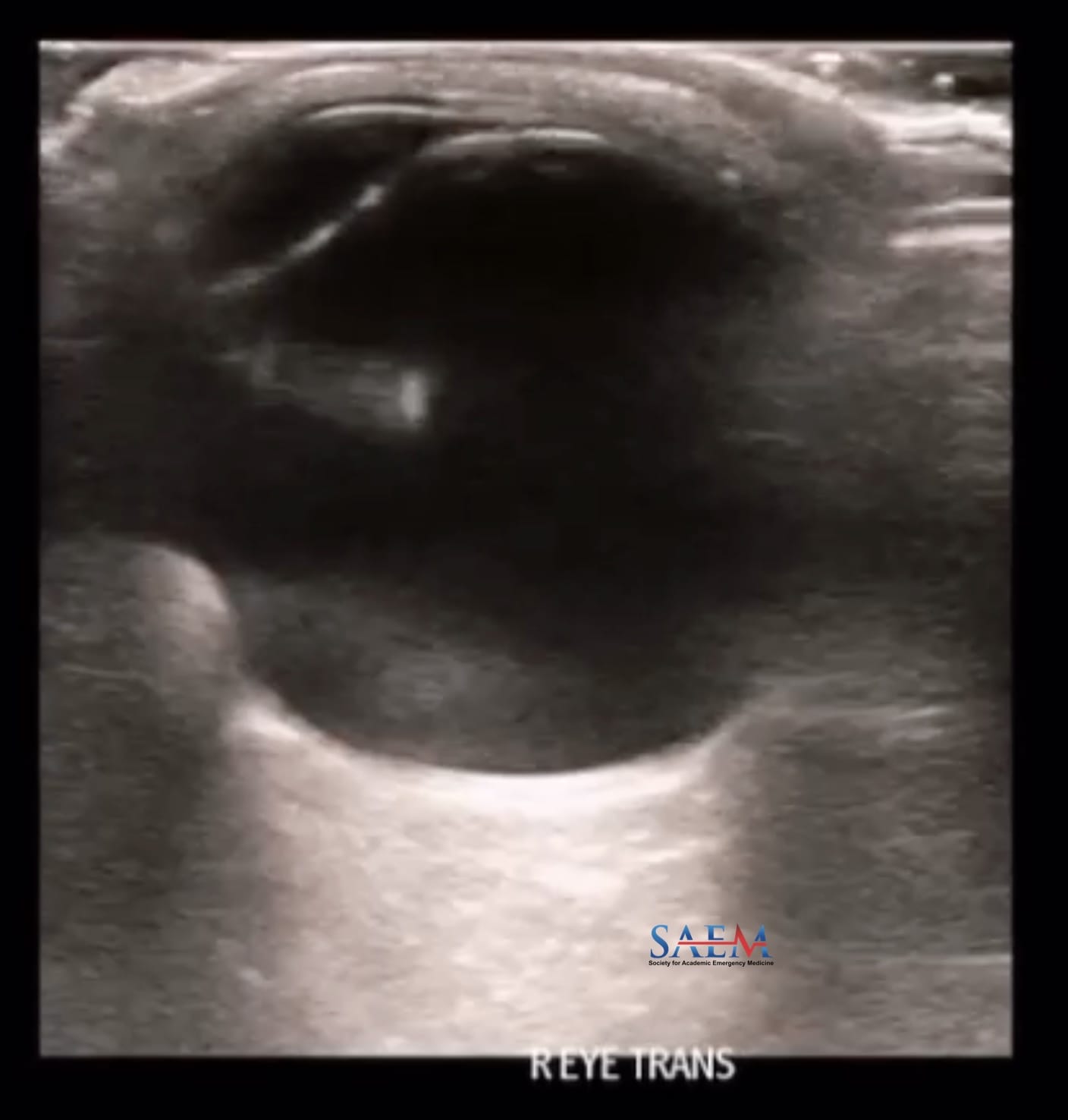
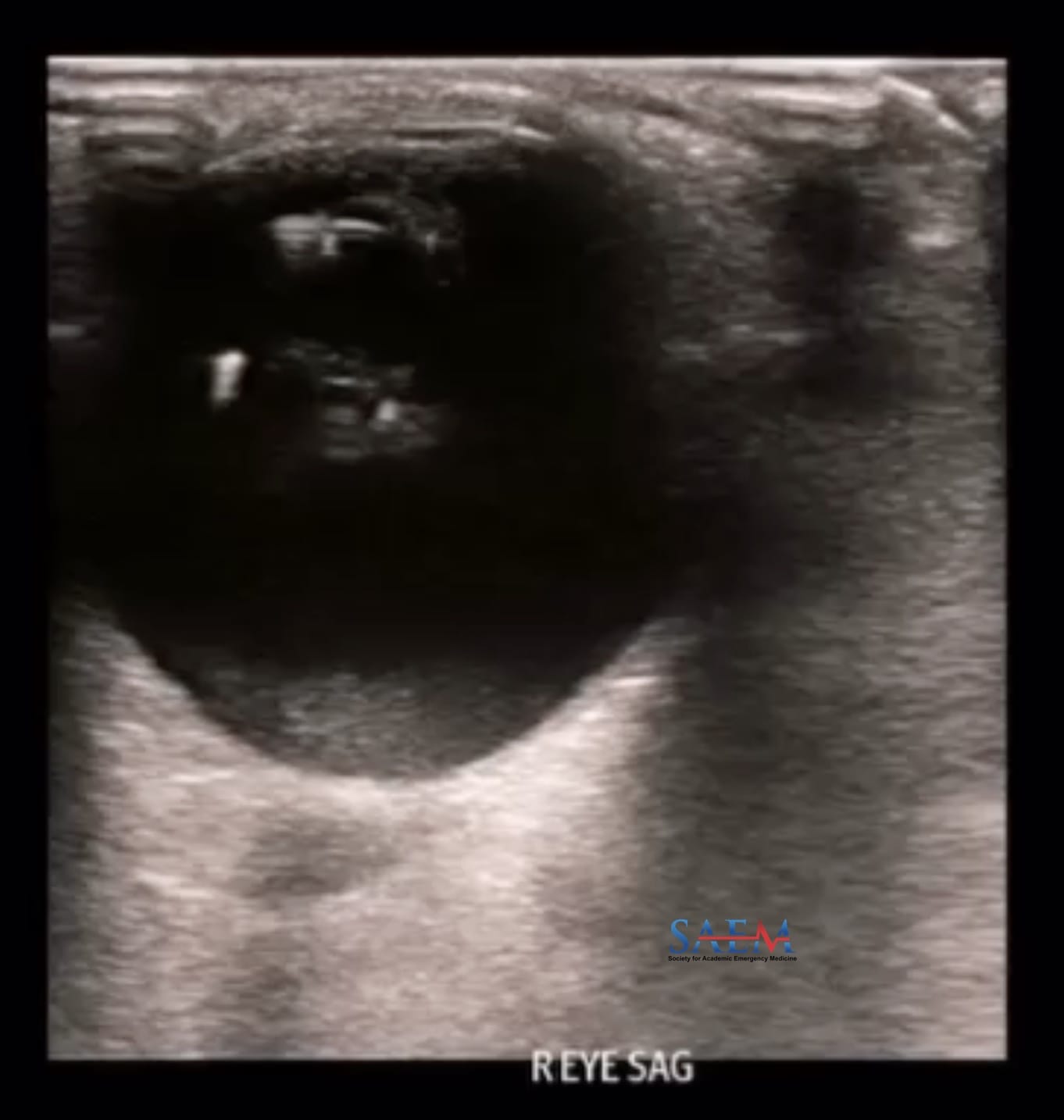
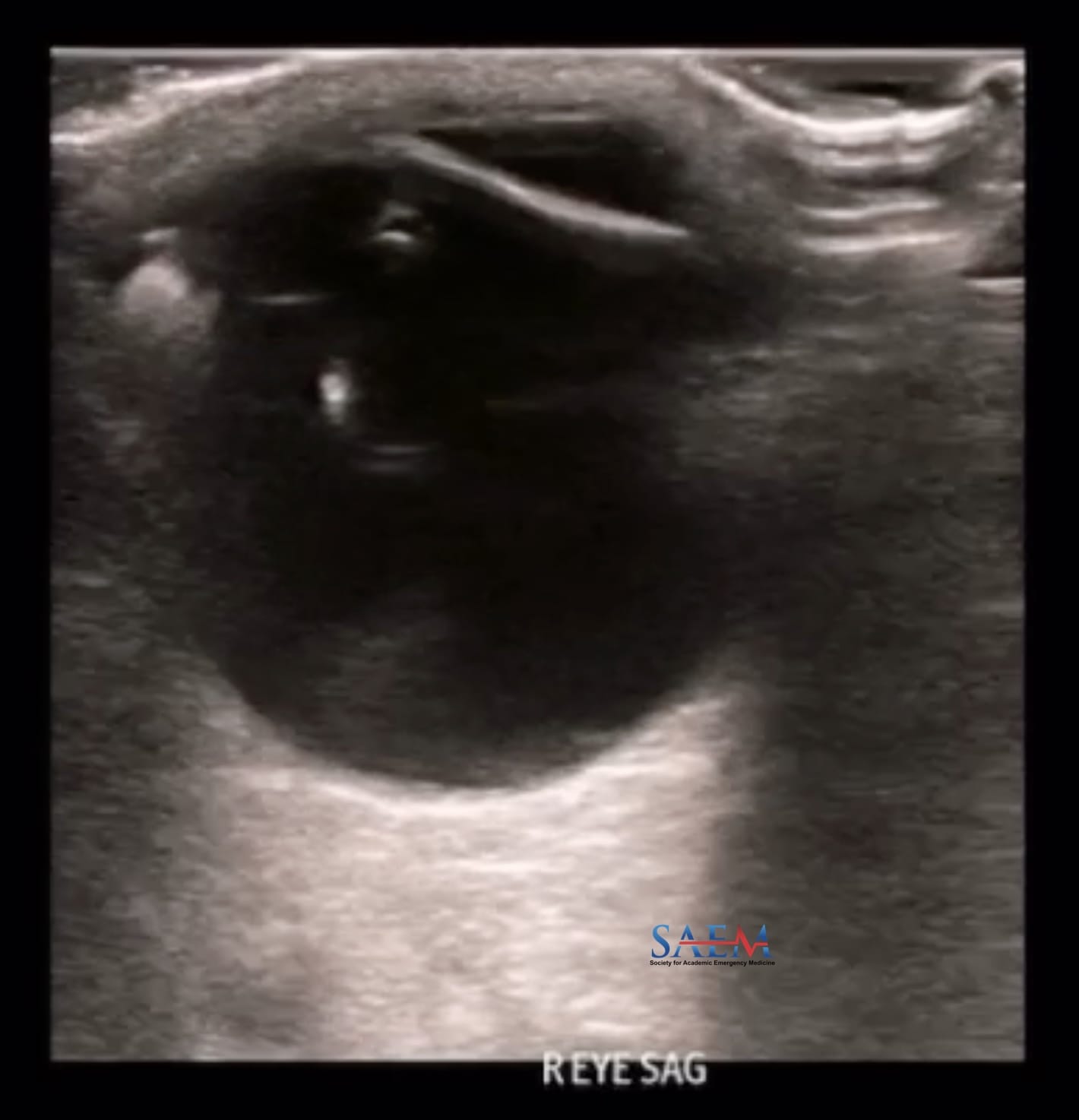
Image 2 is a great image demonstrating the anterior chamber, iris and ciliary body, posterior chamber, and the lens floating.

This case highlights the importance of recognizing iridodonesis as a clinical sign for possible lens subluxation and partial dislocation. Iridodonesis is a clinical sign commonly seen in lens partial dislocation/subluxation. It can indicate weakness or laxity in the zonular fibers that support the lens within the eye. This is particularly relevant in cases of trauma, advanced age, or surgical complications. This case emphasizes the importance in performing a thorough history and physical exam. In particular, the history of cataract surgery in the right eye raises suspicion for zonular weakness as a potential cause of iridodonesis. Lastly, point-of-care ocular ultrasound is an essential diagnostic modality in the emergency department for ophthalmologic presentations.

Image 1 demonstrates subluxation of the right lens. Image 3 is a freeze frame of the iridodonesis movement.

Take-Home Points

  • In patients who have undergone cataract surgery, the presence of lens subluxation and iridodonesis likely suggest compromised zonular integrity.

  • Iridodonesis is commonly associated with pseudoexfoliation syndrome, a condition characterized by the accumulation of abnormal extracellular material in various ocular tissues.

  • Oustoglou, Eirini, et al. “Prime Pubmed: Reoperations after Cataract Surgery: Is the Incidence Predictable through a Risk Factor Stratification System?” PRIME PubMed | Reoperations After Cataract Surgery: Is the Incidence Predictable Through a Risk Factor Stratification System?, 3 Nov. 2020, www.unboundmedicine.com/medline/citation/33133858/ Reoperations_After_Cataract_Surgery:_Is_the_Incidence_Predictable_Through_a_Risk_Factor_Stratification_System. Pieklarz B;Grochowski ET;Saeed E;Sidorczuk P;Mariak Z;Dmuchowska DA; “IRIDOSCHISIS-A Systematic Review.” Journal of Clinical Medicine, U.S. National Library of Medicine, pubmed.ncbi.nlm.nih.gov/33081187/. Accessed 9 Jan. 2024.

  • RH;, Marques DM;Marques FF;Osher. “Subtle Signs of Zonular Damage.” Journal of Cataract and Refractive Surgery, U.S. National Library of Medicine, pubmed.ncbi.nlm.nih.gov/15177607/. Accessed 9 Jan. 2024.

By |2025-03-30T20:20:14-07:00Mar 31, 2025|Ophthalmology, SAEM Clinical Images|
Go to Top