SAEM Clinical Images Series: Painful Red Eye
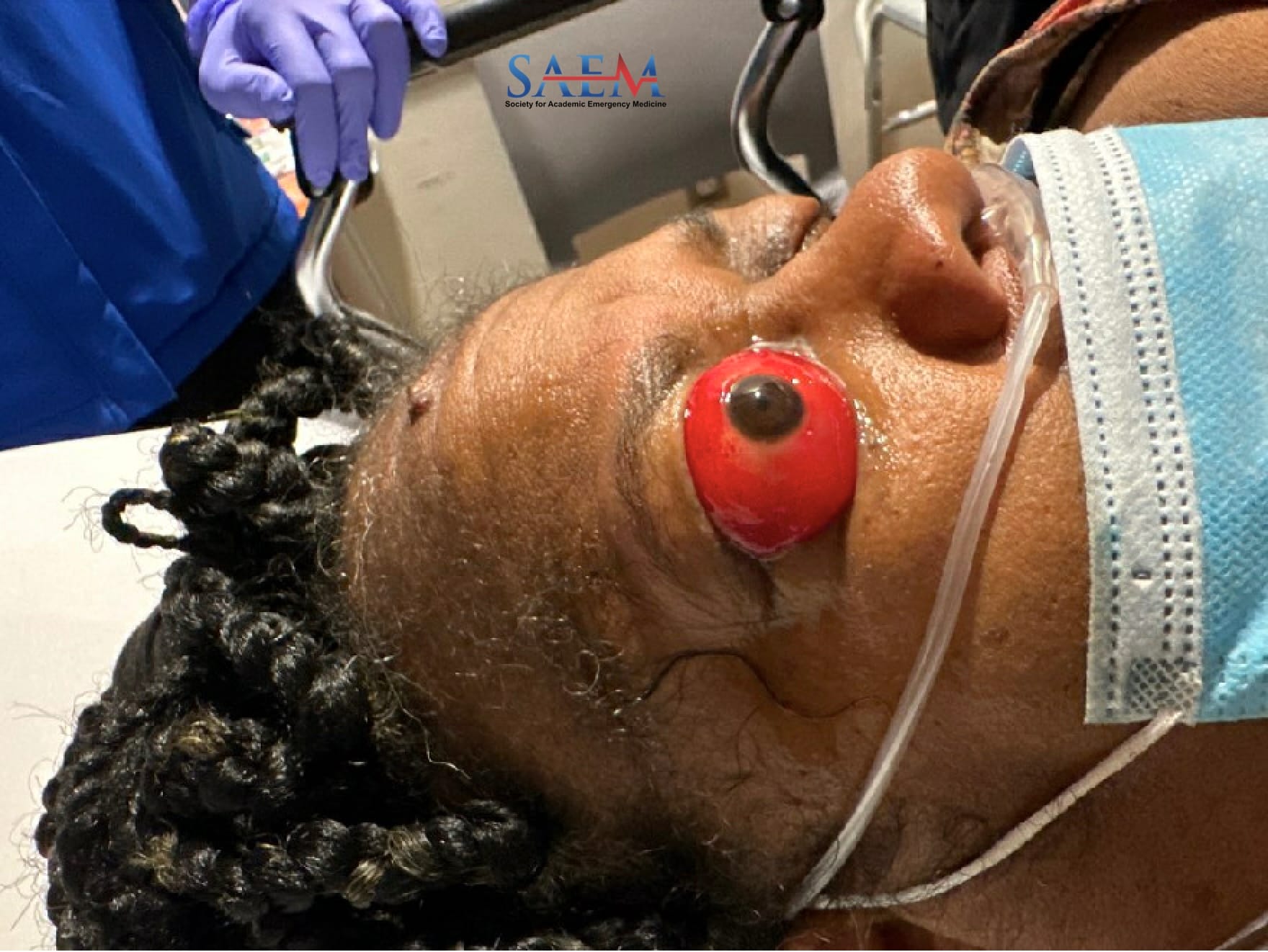
The patient is a 60-year-old male with a history of insulin-dependent diabetes, hypertension, and hyperlipidemia who presents to the Emergency Department after one day of sudden onset right eye pain associated with nausea and vomiting. He notes progressively blurring vision and vision loss in his right eye since the onset of the pain. His wife noted redness of his sclera and urged him to go the emergency department. He can now only sense light and shadows with his right eye. He denies traumatic injury or any history of serious ophthalmological pathology. He wears corrective eyeglasses and does not use contacts. He has no other complaints at this time.
Vitals: BP 149/83; HR 107; R 17; T 98.9°F; O2 sat 100 on room air.

General: Appears to be in pain and uncomfortable.

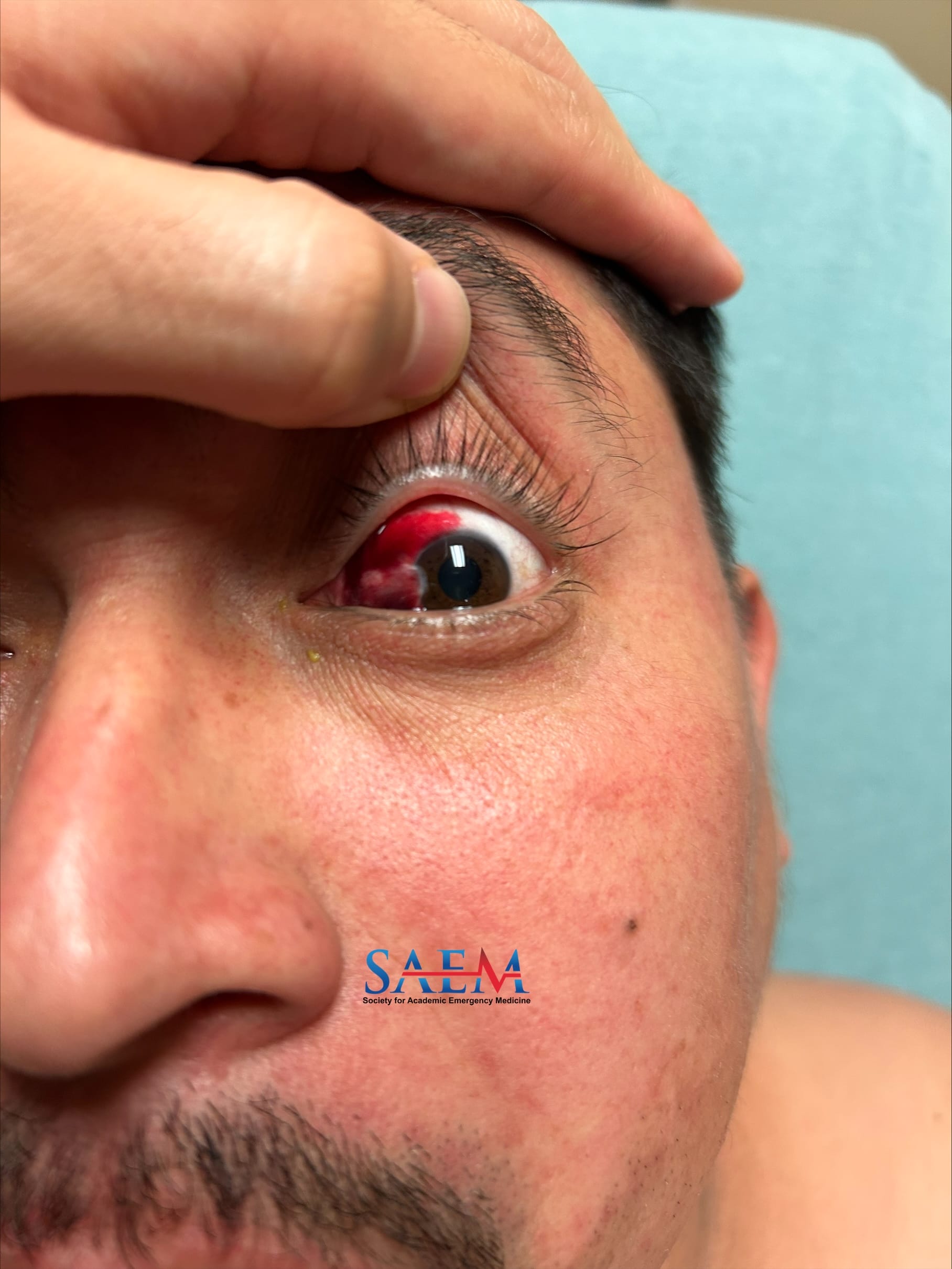
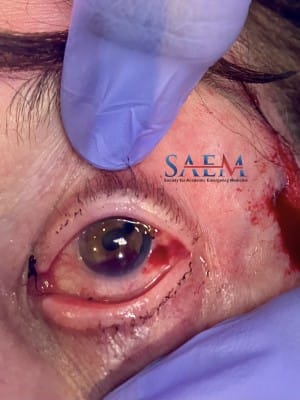
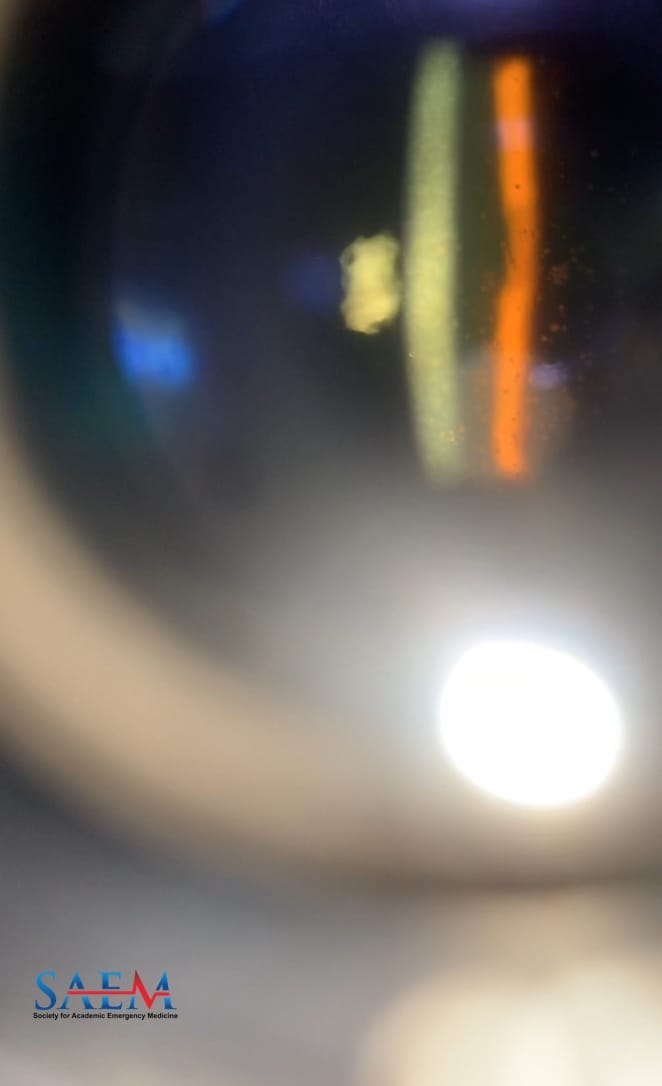
HEENT: As shown. Extraocular movements are intact. The right pupil is fixed and dilated with a relative afferent pupillary defect. There is no sign of traumatic injury.

Neck: There are no carotid bruits auscultated.

Cardiovascular: Regular rate and rhythm, no murmur.

Neurologic: Normal other than the abnormal findings of the right eye.

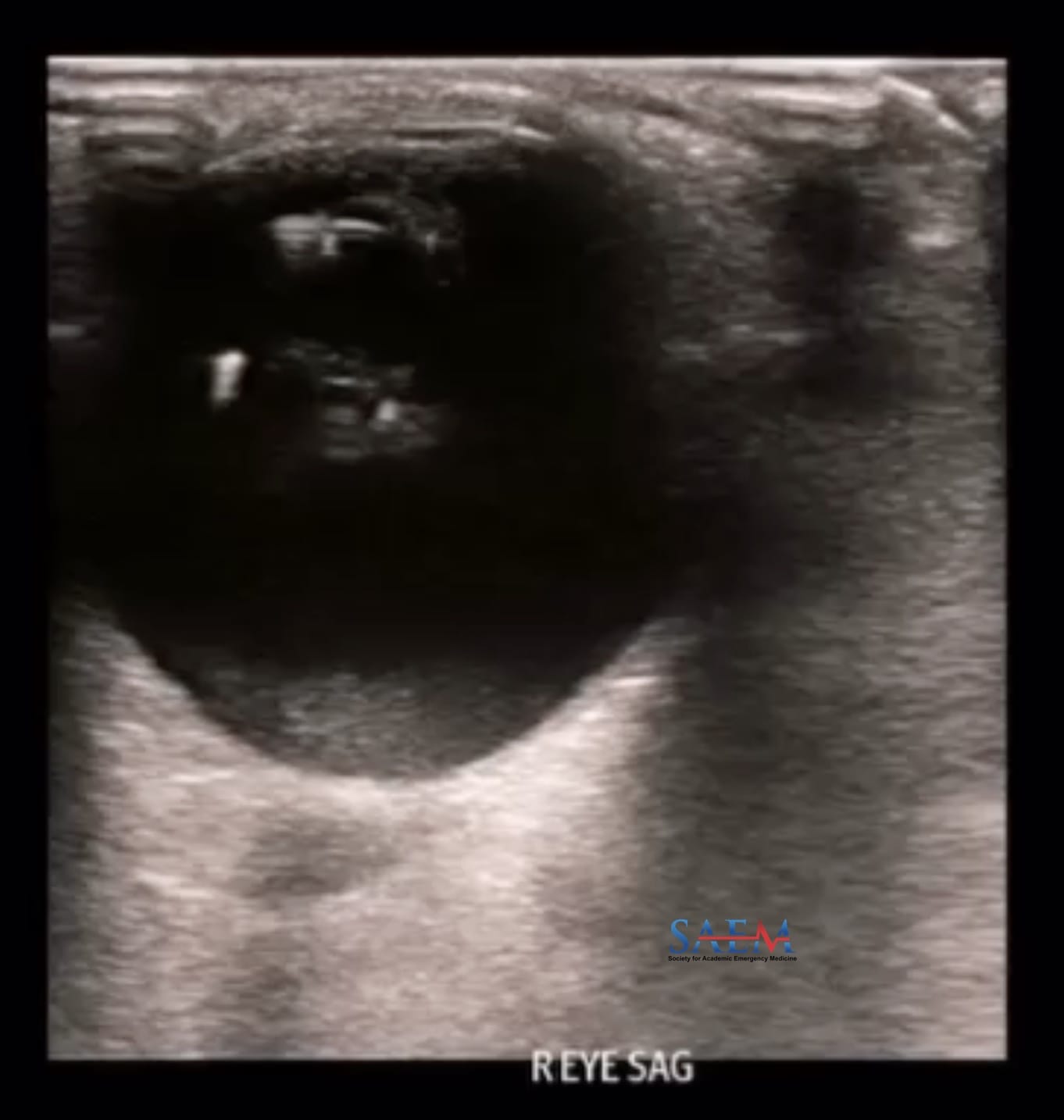
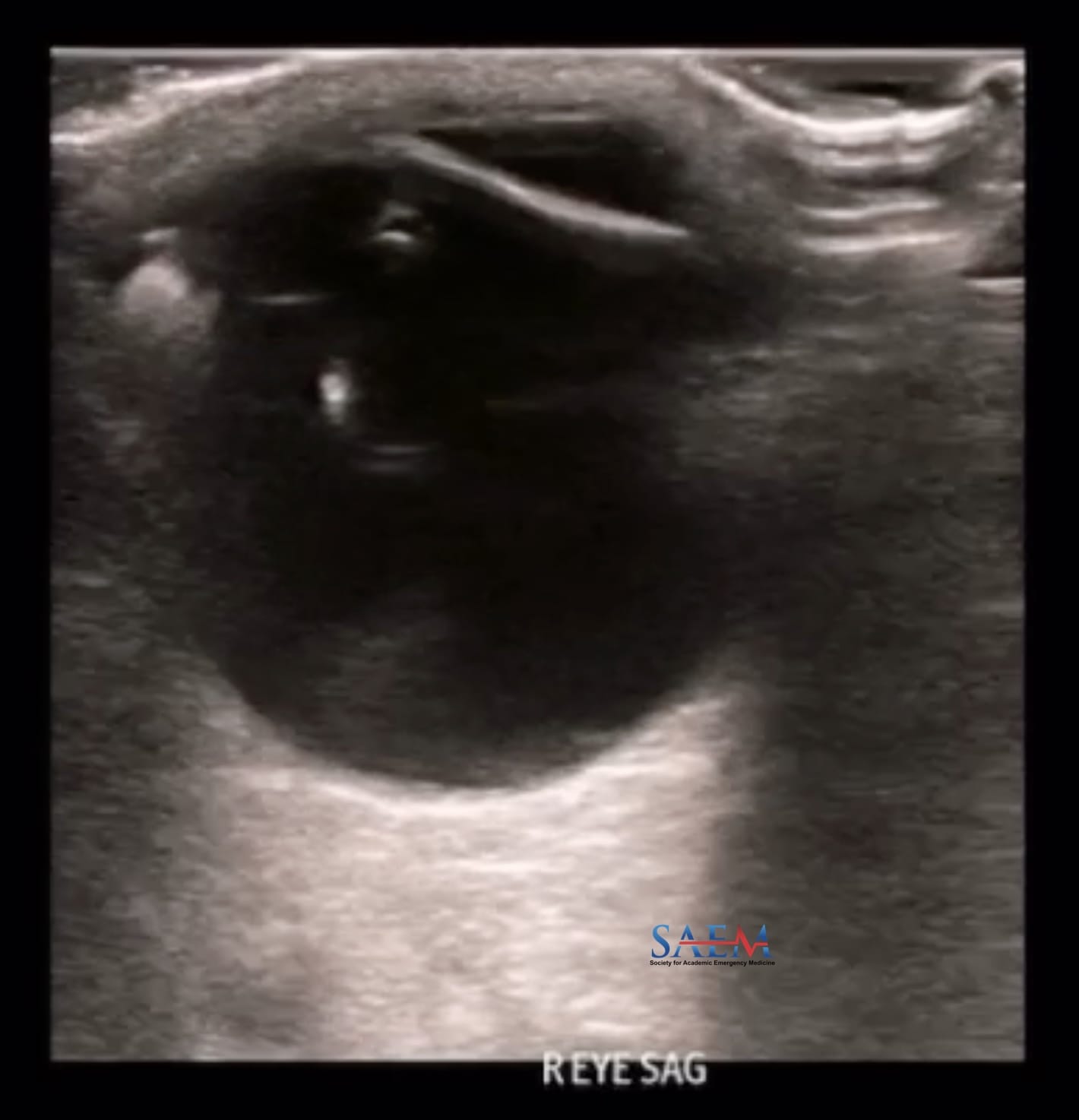
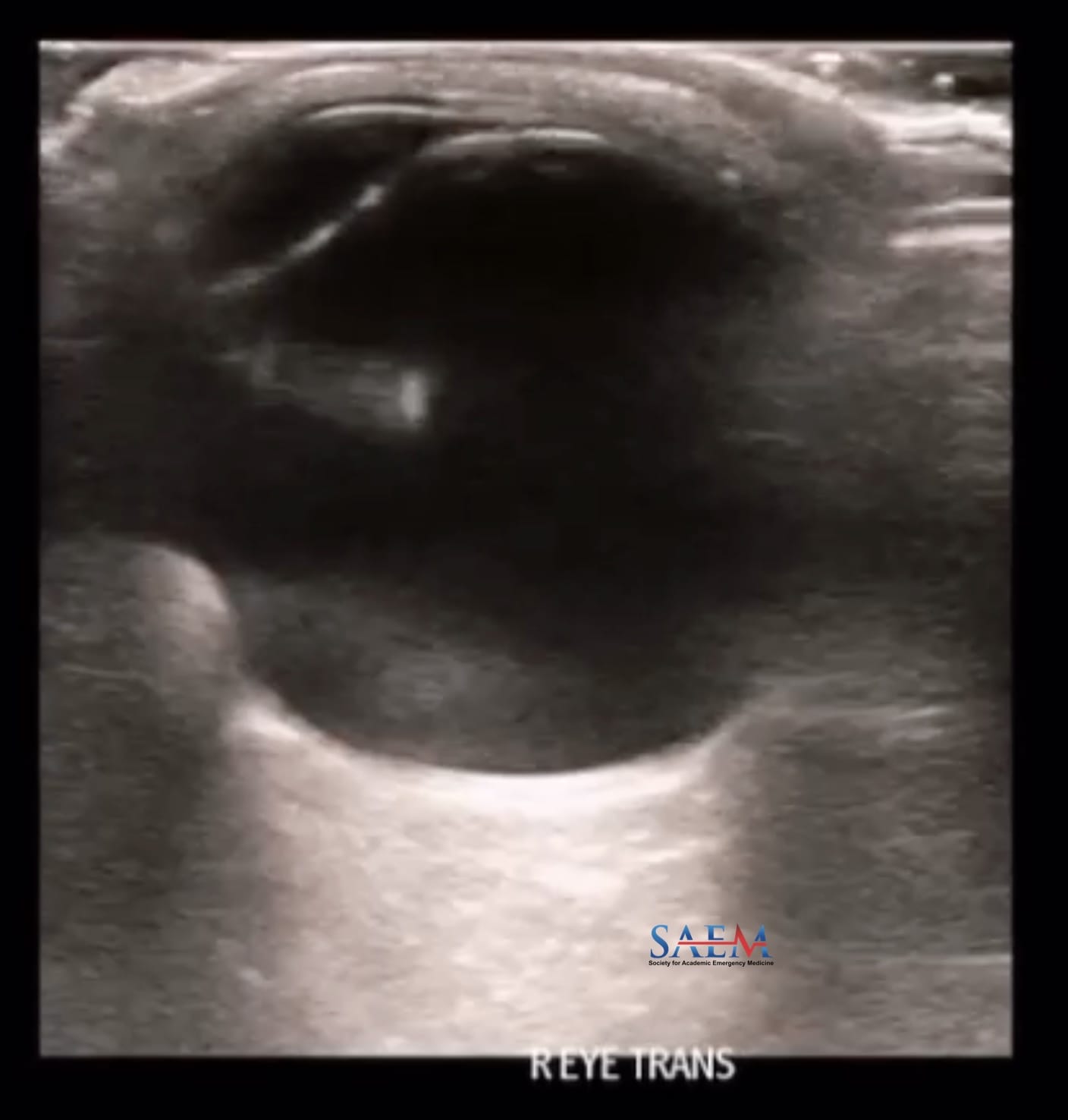
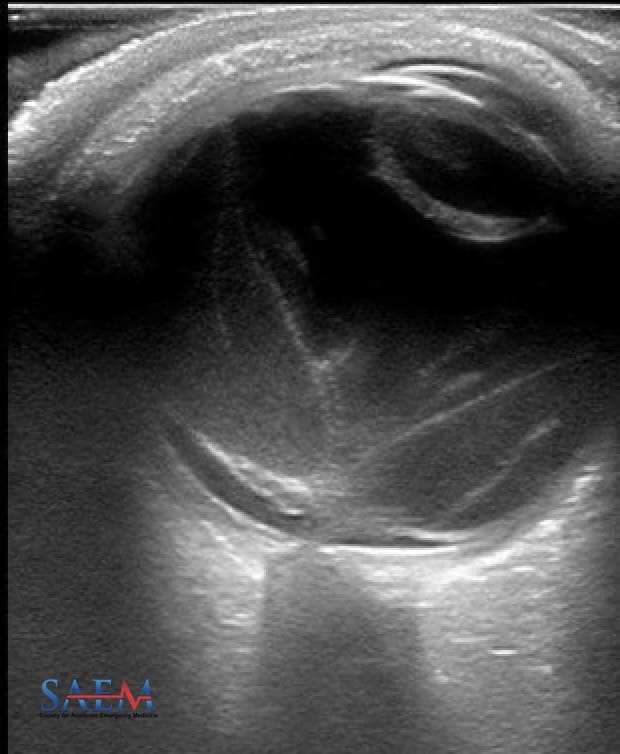
Imaging: POCUS of the right eye is performed, image as shown.

Ultrasound shows retinal detachment with subretinal hemorrhage and associated choroidal detachment.

Acute angle-closure glaucoma occurs due to a rapid increase in intraocular pressure (IOP) due to outflow obstruction of the aqueous humor. Patients with a shallower angle between the iris and the cornea in the anterior chamber are predisposed to this condition. This is characterized clinically by severe eye pain, headache, nausea, vomiting, blurred vision, and multicolored halos around lights. If left untreated, this can result in optic neuropathy and vision loss. The diagnosis of acute angle-closure glaucoma is confirmed with elevated intraocular pressure (IOP) measurements obtained via tonometry. Normal IOPs are between 10 and 21 mmHg. The pressure in this patient’s right eye was 47 mmHg. Slit-lamp microscope exam showed a shallow anterior chamber, corneal edema, fixed dilated pupil, and conjunctival injection around the limbus (ciliary flush). Uncommonly, retinal and choroidal detachment may cause secondary acute angle-closure glaucoma, as seen in this case. Treatment includes medical and surgical interventions to reduce IOP, address underlying causes, and manage associated pain and nausea.

Take-Home Points

  • Retinal detachments are seen as a “V”-shaped hyperechoic and freely moving membrane tethered to the optic disc on ultrasound.

  • Acute angle-closure glaucoma is an ocular emergency. Delays in treatment can result in optic neuropathy and permanent vision loss.

  • Stenberg RT, Nelson J, Rabinowitz J, Simon EL. Spontaneous Hyphema and Vitreous Hemorrhage Causing Secondary Glaucoma in a Patient on Apixaban. J Emerg Med. 2023;64(3):359-362. doi:10.1016/j.jemermed.2022.12.021
  • Jersey A, Perice L, Li N, Johnson J, Dulani T. Acute Angle-Closure Glaucoma Secondary to Vitreous Hemorrhage Diagnosed with the Aid of Point-of-Care Ultrasound. J Emerg Med. 2020 Dec;59(6):e235-e237. doi: 10.1016/j.jemermed.2020.08.015. Epub 2020 Sep 29. PMID: 33004244.
  • Chen SN, Ho CL, Ho JD, Guo YH, Chen TL, Chen PF. Acute angle-closure glaucoma resulting from spontaneous hemorrhagic retinal detachment in age-related macular degeneration: case reports and literature review. Jpn J Ophthalmol. 2001 May-Jun;45(3):270-5. doi: 10.1016/s0021-5155(00)00382-8. PMID: 11369377.
By |2026-03-10T21:17:06-07:00Mar 20, 2026|Ophthalmology, SAEM Clinical Images|

SAEM Clinical Images Series: Ocular Trauma Following Ground Level Fall

eye

The patient is an 82-year-old female who presents to the Emergency Department after an unwitnessed fall from standing approximately 2 hours prior to arrival. The patient states that she thinks she lost her balance and fell, striking her face. She denies loss of consciousness or any antecedent dizziness or presyncopal symptoms, but has limited recollection of the event. At presentation, she reports pain to the left side of the face, a laceration to the left side of her face, and decreased vision in her left eye. She has no other complaints at this time and denies any other injuries.

Vitals: BP 184/86 HR 83 R 17 T 98.4 O2sat 85% room air

General: Awake, alert, conversational, and in mild distress from pain.

HEENT: 2cm laceration over the left temple. Eye exam physical findings as shown in the image provided. Visual acuity 20/30 OD, 20/100 OS. Visual fields intact. Extraocular movement intact. Right pupil reactive to light. Left pupil non-reactive to light. Tympanic membranes clear. Examination otherwise unremarkable.

This patient has a hyphema, uveal prolapse, iridodialysis, teardrop pupil, and subconjunctival hemorrhage.

This patient has a ruptured globe with multiple significant traumatic eye findings on examination. The clinical image shows a globe rupture with the iris prolapsing through a corneal defect at the 2 o’clock position, an irregularly shaped (teardrop) pupil, a hyphema, iridodialysis (separation of the iris from the ciliary body), and a subconjunctival hemorrhage. CT is specific for diagnosing a globe rupture, but a negative CT scan does not definitively rule out a globe rupture. Management of globe rupture includes emergent ophthalmologic consultation, firm ocular shield, antibiotics, and tetanus prophylaxis if indicated. The initial ED management of a globe rupture should focus on preventing further expulsion of additional intraocular material. Anti-emetics should be given to prevent vomiting, which may cause a sudden rise in intraocular pressures and expulsion of intraocular contents.

Take-Home Points

  • Do not put any pressure on the eye in cases of suspected globe injury. Commercial firm ocular shields are available, but the bottom of a Styrofoam or Dixie cup can be used if such a shield is unavailable.
  • Emergency Department treatment is aimed at expediting emergent ophthalmology consultation and definitive management while minimizing further damage to the eye.

  • Romaniuk VM. Ocular trauma and other catastrophes. Emerg Med Clin North Am. 2013; 31(2): 399-411. PMID: 23601479. DOI: 10.1016/j.emc.2013.02.003.
  • Mohseni M, Blair K, Gurnani B, Bragg BN. Blunt eye trauma. In: StatPearls [Internet]. Treasure Island (FL): StatPearls Publishing; 2023. PMID: 29261988.

SAEM Clinical Images Series: I Cannot See My Rashes

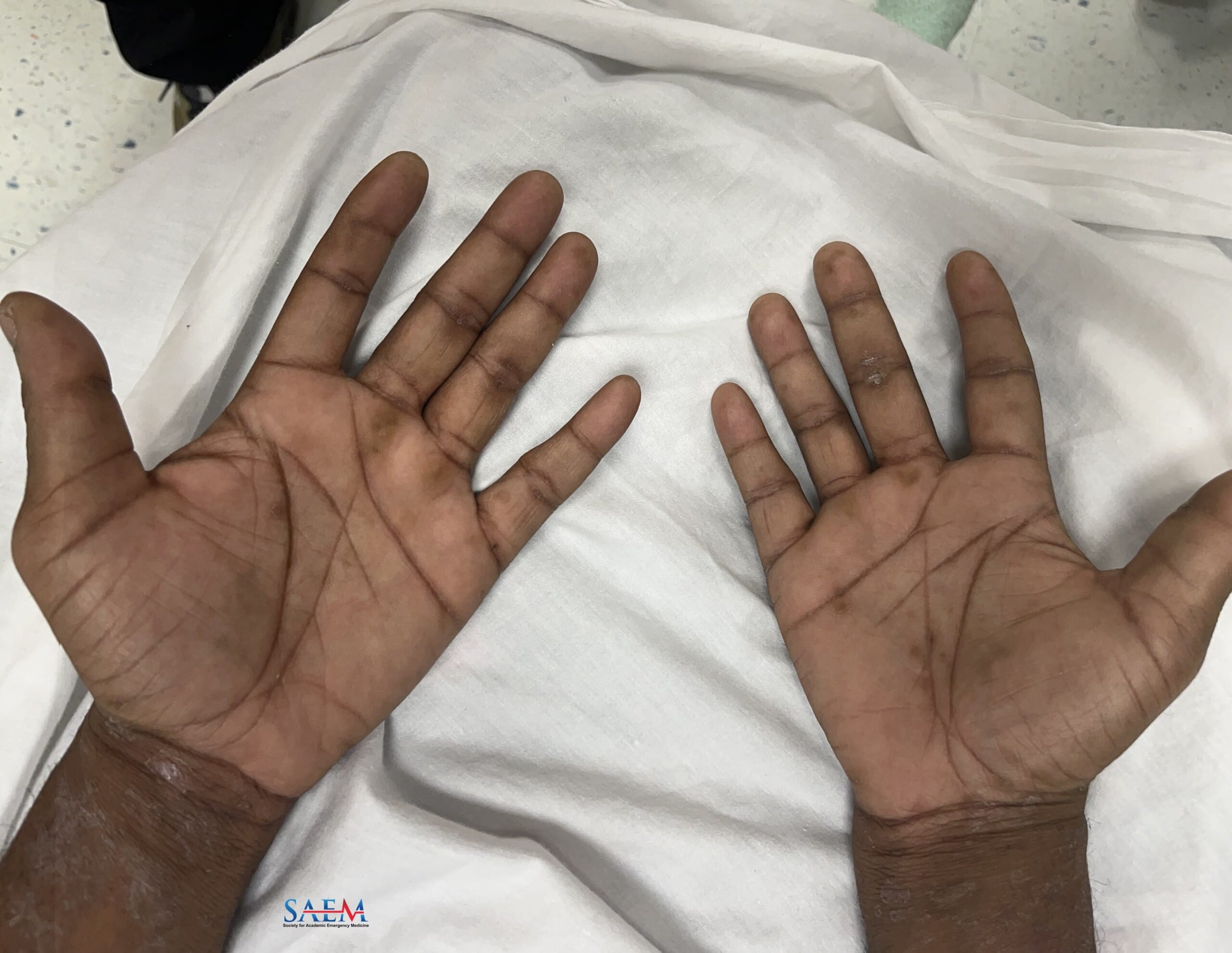
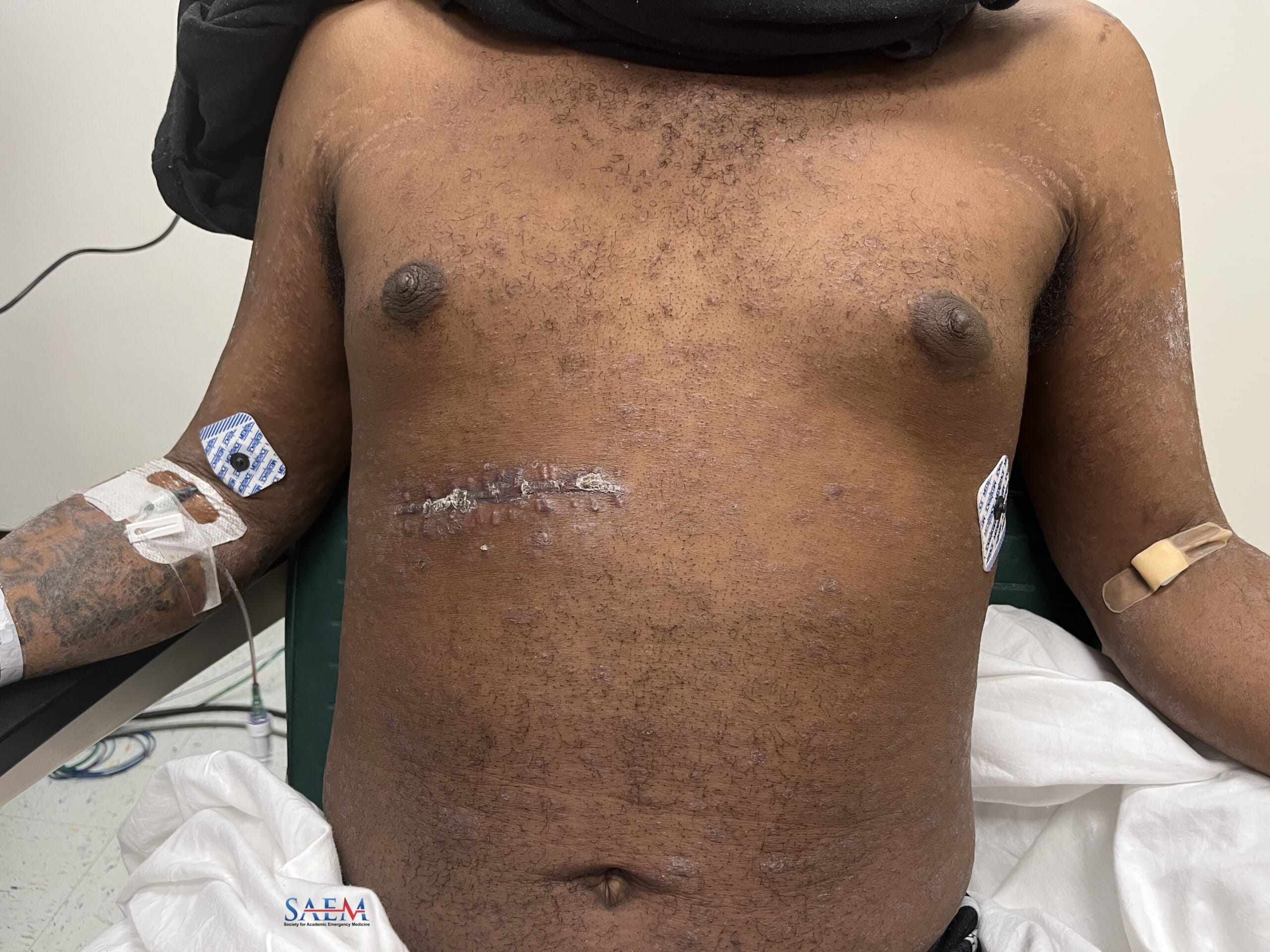
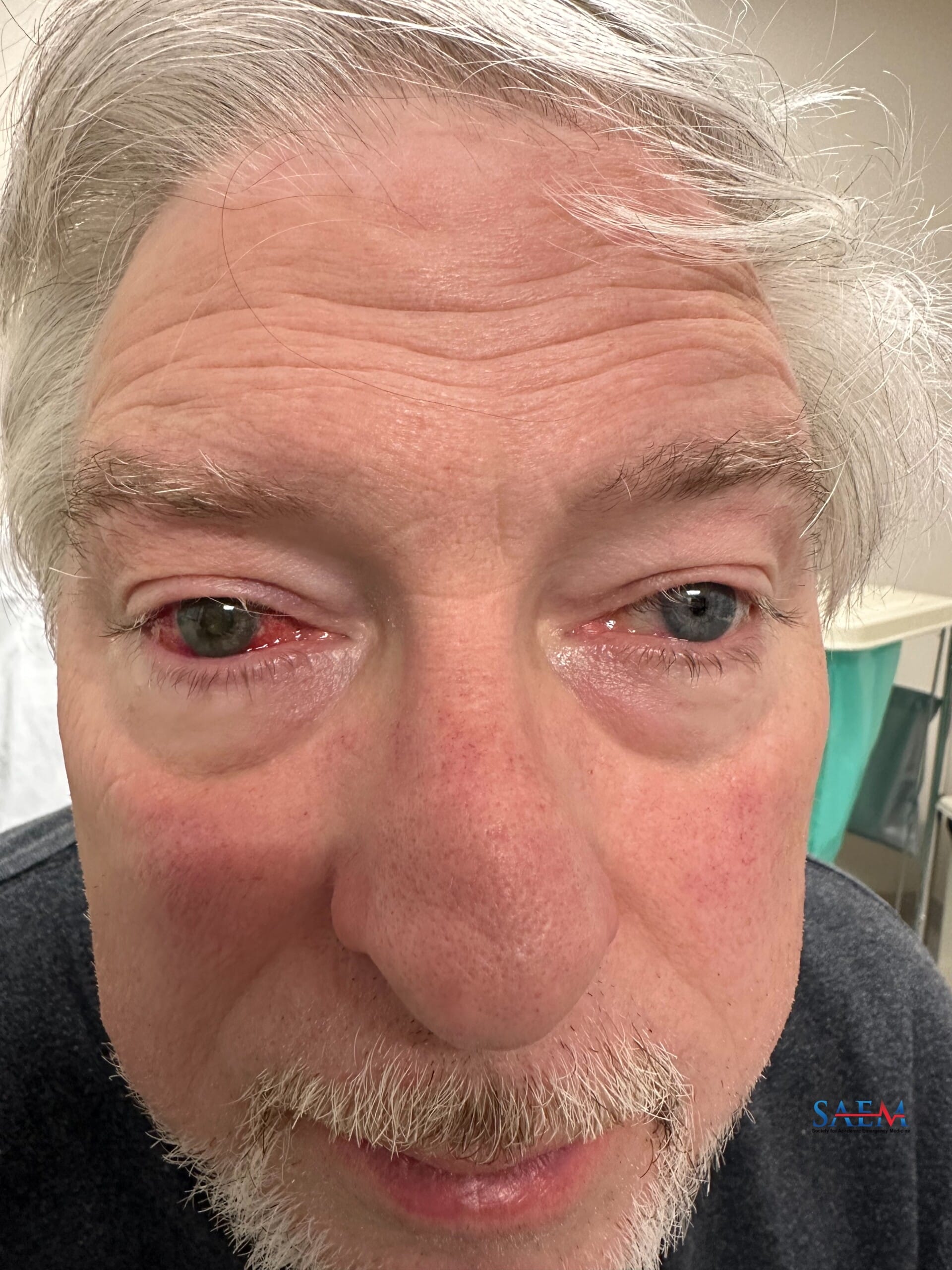
A 37-year-old African-American transgender patient presented with progressive, bilateral painful vision loss. The symptoms began acutely in the right eye two weeks prior to presentation, eventually extending to the left eye. Symptoms were worse in the right eye and included headache, blurry vision, photophobia, and pain with eye movement. Additionally, the patient reported the appearance of a diffuse, generalized, non-pruritic, non-tender rash of unknown duration or timeline. The rash was hyperpigmented and located on the trunk, face, genitalia, palms, and soles. The patient denied any recent trauma, using eye drops, wearing glasses, recent new detergents, soaps, illness, nausea, vomiting or sick contacts.

Vitals: HR 114; Temp 101.4 °F; BP 120/77; Resp 16; O2 98%

HEENT: Erythematous eyelids, bilateral conjunctival injection with a hazy cornea. Dilated and poorly reactive pupils, and overlying corneal edema without abrasion. Slit-lamp examination showed keratic precipitates in the anterior chamber. Visual acuity RE 20/200, LE 20/70. Intraocular Pressure (IOP) notable for OD 52, LOS 32.

Respiratory: Good bilateral air entry, clear breath sounds.

Cardiovascular: Normal rate, regular rhythm, S1,S2, no added sounds.

Skin/Extremities: Disseminated maculopapular rash all over the body, not itchy/crusty, nontender.

Neuro: At baseline mental status, AO X 3

WBC: 11.6

Hgb: 11.2

Platelets: 507

ALT: 70

AST: 80

ALK PHOS: 1449

HIV: Non-reactive

Hepatitis B: Non-reactive

Orthopoxvirus DNA: Not-detected

If emergency medicine physicians consider glaucoma due to syphilitic uveitis on their differential for patients presenting with skin and ocular symptoms, this can result in more rapid diagnosis and aggressive treatment. The CDC reported 176,713 cases of syphilis in 2021, showing an annual increase and a collective surge of 28.6% from 2020 to 2021. While the frequency of confirmed syphilis cases can vary, the global trend reveals a consistent rise in reported incidences, suggesting continued transmission of the infection. This is especially concerning because some individuals may not exhibit noticeable symptoms due to its challenging diagnosis and presentation. As a result, not all cases of syphilis are diagnosed or confirmed. Prompt recognition and treatment are crucial to save the patient’s vision and quality of life. The patient was empirically started on IOP-reducing medications, intravenous penicillin and admitted with a presumptive diagnosis of ocular syphilis. During admission, both Rapid Plasma Reagin (RPR) and trepanomal tests confirmed the syphilis diagnosis. Subsequently, the patient’s IOP normalized and vision improved to 20/200 in the right eye and 20/70 in the left.

Take-Home Points

  • High suspicion, improved awareness, increased testing, and effective surveillance systems are essential for accurately assessing the prevalence of syphilis in a given population.

  • Beginning treatment early on and before confirmatory testing in the ED will only help improve patient outcomes throughout hospitalization.

  • Centers for Disease Control and Prevention. Sexually Transmitted Disease Surveillance 2021 – Syphilis. Centers for Disease Control and Prevention. https://www.cdc.gov/std/statistics/2021/overview.htm#Syphilis. Accessed January 10, 2024.

  • Mathew D, Smit D. Clinical and laboratory characteristics of ocular syphilis andneurosyphilis among individuals with and without HIV infection. Br J Ophthalmol.2021;105:70-74.

SAEM Clinical Images Series: Case of Painless Vision Changes

lens

A 62-year-old female presented to the emergency room with a chief complaint of atraumatic painless blurry vision. She reported a medical history of bilateral lens replacements in 1999 and a prior history of bilateral retinal detachments and expressed concern that she may have detached her retina again. The patient first noted floaters starting 3 days ago, that progressed yesterday to sudden onset blurry vision of her right eye. She denied any sensation of “a curtain falling. The patient clarified that this presentation is different in nature to her prior bilateral retinal detachments.

Vitals: BP 115/70; Pulse 98; Temp 98.7°F, Resp 22, SpO2 100%

Constitutional: Patient is well-appearing, alert, oriented x 3 in no acute distress.

HEENT:

Visual acuities: Left eye: 20/ 30 ; Right eye: 20/ 200 . Bilateral: 20/25.

Lids & Lashes: Normal, no erythema or swelling.

Pupils: Equal and reactive to light and accommodation, 3 mm bilaterally reactive.

EOM’s: Intact. Nonpainful. Horizontal beating nystagmus noted of the right eye.

Conjunctivae: No injection noted Cornea: No corneal abrasion visualized.

Anterior chamber: Fluttering of iris during EOM right eye IOP in right eye 18 mmHg; left eye 20 mmHg

Cardiovascular: Normal rate, regular rhythm and normal heart sounds.

Neurological: She is alert. She exhibits normal muscle tone. NIH 0.

Image 2 is a great image demonstrating the anterior chamber, iris and ciliary body, posterior chamber, and the lens floating.

This case highlights the importance of recognizing iridodonesis as a clinical sign for possible lens subluxation and partial dislocation. Iridodonesis is a clinical sign commonly seen in lens partial dislocation/subluxation. It can indicate weakness or laxity in the zonular fibers that support the lens within the eye. This is particularly relevant in cases of trauma, advanced age, or surgical complications. This case emphasizes the importance in performing a thorough history and physical exam. In particular, the history of cataract surgery in the right eye raises suspicion for zonular weakness as a potential cause of iridodonesis. Lastly, point-of-care ocular ultrasound is an essential diagnostic modality in the emergency department for ophthalmologic presentations.

Image 1 demonstrates subluxation of the right lens. Image 3 is a freeze frame of the iridodonesis movement.

Take-Home Points

  • In patients who have undergone cataract surgery, the presence of lens subluxation and iridodonesis likely suggest compromised zonular integrity.

  • Iridodonesis is commonly associated with pseudoexfoliation syndrome, a condition characterized by the accumulation of abnormal extracellular material in various ocular tissues.

  • Oustoglou, Eirini, et al. “Prime Pubmed: Reoperations after Cataract Surgery: Is the Incidence Predictable through a Risk Factor Stratification System?” PRIME PubMed | Reoperations After Cataract Surgery: Is the Incidence Predictable Through a Risk Factor Stratification System?, 3 Nov. 2020, www.unboundmedicine.com/medline/citation/33133858/ Reoperations_After_Cataract_Surgery:_Is_the_Incidence_Predictable_Through_a_Risk_Factor_Stratification_System. Pieklarz B;Grochowski ET;Saeed E;Sidorczuk P;Mariak Z;Dmuchowska DA; “IRIDOSCHISIS-A Systematic Review.” Journal of Clinical Medicine, U.S. National Library of Medicine, pubmed.ncbi.nlm.nih.gov/33081187/. Accessed 9 Jan. 2024.

  • RH;, Marques DM;Marques FF;Osher. “Subtle Signs of Zonular Damage.” Journal of Cataract and Refractive Surgery, U.S. National Library of Medicine, pubmed.ncbi.nlm.nih.gov/15177607/. Accessed 9 Jan. 2024.

SAEM Clinical Images Series: Snake it Off

snake

A 35-year-old male with no past medical history presented to the Emergency Department with eye redness. Two days prior, the patient reported he was cutting brush with a chainsaw when he felt something “spray” into his face. After inspecting the area, the patient found the remnants of a dead rattlesnake that unfortunately got in the way of his chainsaw. He subsequently developed bilateral eye redness without pain or vision changes, as well as a painless, pruritic facial rash. The patient denied any additional trauma, injury, snake bite, headache, fever, chills, cough, congestion, or other symptoms.

Vitals: T 36.8°F; BP 147/90 mmHg; HR 81; pulse ox 99% on room air; RR 20

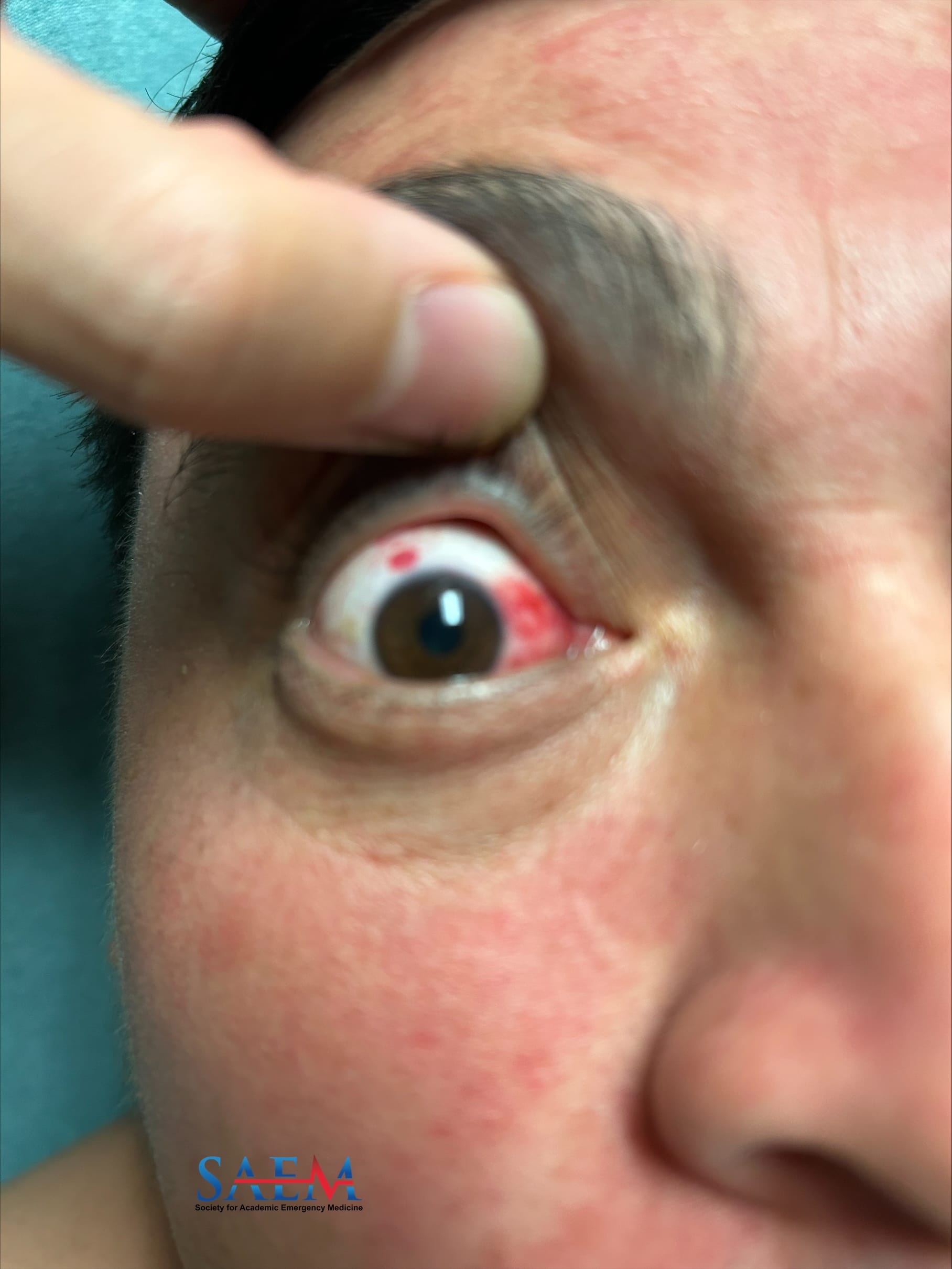
Ophthalmic: OD (right eye) – Visual acuity: 20/20. Tonometry: 18 mmHg. Pupil equal and reactive to light. Conjunctiva: Nasal subconjunctival hemorrhage with small area of fluorescein uptake on the nasal conjunctiva. OS (left eye) – Visual acuity: 20/20. Tonometry: 20 mmHg. Pupil equal and reactive to light. Conjunctiva: Nasal subconjunctival hemorrhage with small area of fluorescein uptake on the nasal conjunctiva. Pterygium on the nasal side.

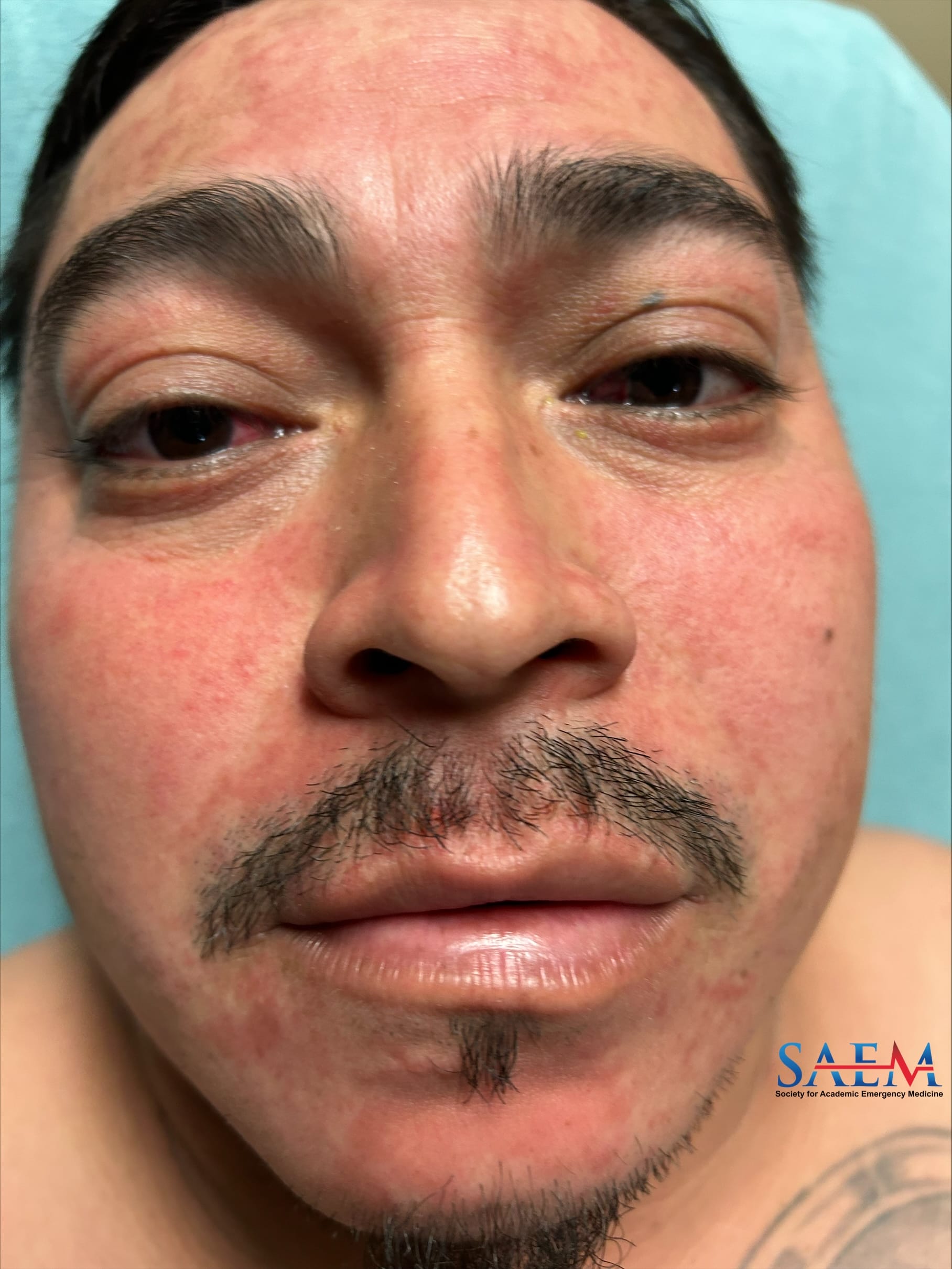
HENT: Maculopapular, erythematous, blanching rash across the forehead and bilateral cheeks. The remainder of the body is spared.

No other abnormal findings on physical examination.

WBC: 8.97 x 10^9/L

Platelets: 280 x 10^9/L

Hemoglobin: 15.4 g/dL

Fibrinogen: 203 mg/dL

Diagnosis: Ophthalmic Envenomation.

This is a case of ophthalmic envenomation causing subconjunctival hemorrhage. The patient also exhibits irritant contact dermatitis of the face related to topical cutaneous venom exposure. Ophthalmic envenomation is extremely rare in North America but occurs more commonly in areas of the world where “spitting” cobras are native species. Snake venom consists of a complex mixture of cytotoxins, including metalloproteinases and hyaluronidases. Topical ocular venom exposure can cause pain, photophobia, conjunctivitis, subconjunctival hemorrhage, keratitis, uveitis, corneal ulceration, angle-closure glaucoma, retinal hemorrhage, and rarely, blindness. The classic patient is a snake handler who lacks proper eye protection when encountering “spitting” cobras. However, inadvertent ocular exposure, such as accidental venom aerosolization after cutting through a rattlesnake’s head and venom glands with a chainsaw, can also cause ophthalmic envenomation.

The treatment for suspected ophthalmic envenomation is copious ocular irrigation with neutral fluids to clear venom and reduce subsequent damage. Topical antibiotics and supportive care measures can then be applied to prevent infection and minimize irritation. Unlike venomous snake bites, there is usually no indication for antivenom unless the patient develops systemic symptoms.

Take-Home Points

  • Ocular envenomation from aerosolized snake venom can cause pain, photophobia, conjunctivitis, subconjunctival hemorrhage, keratitis, uveitis, corneal ulceration, angle-closure glaucoma, retinal hemorrhage, and rarely, blindness.

  • Dilution is the solution! Early ocular irrigation can decrease the morbidity of ophthalmic envenomation. There is no utility for antivenom for simple ocular envenomation. Save the CroFab for those with severe, systemic signs of envenomation.

  • Eye protection is strongly recommended for those working with power tools, as well as snake handlers (especially when working with spitters!).

  • Hoffman, R. S., Howland, M. A., Lewin, N. A., Nelson, L., Goldfrank, L. R., & Smith, S. W. (Eds.). (2019). Goldfrank’s toxicologic emergencies (Eleventh edition.). McGraw-Hill.

  • Chu ER, Weinstein SA, White J, Warrell DA. Venom ophthalmia caused by venoms of spitting elapid and other snakes: Report of ten cases with review of epidemiology, clinical features, pathophysiology and management. Toxicon. 2010 Sep 1;56(3):259-72. doi: 10.1016/j.toxicon.2010.02.023. Epub 2010 Mar 21. PMID: 20331993.

  • Chang KC, Huang YK, Chen YW, Chen MH, Tu AT, Chen YC. Venom Ophthalmia and Ocular Complications Caused by Snake Venom. Toxins (Basel). 2020 Sep 8;12(9):576. doi: 10.3390/toxins12090576. PMID: 32911777; PMCID: PMC7551025.

SAEM Clinical Images Series: Spontaneous Eye Luxation

eye

A 55-year-old female presented with the complaint of “my right eye popped out.” Symptoms started approximately seven hours prior to arrival and progressive, severe pain eventually prompted her visit to the ED. This happened once 10 years ago, requiring reduction in the ED. The patient denied preceding trauma, rubbing her eyes/eye-lids, or any history of thyroid disease. She endorsed right eye blurred vision and severe pain.

Vitals: HR 86; RR 16; SpO2 97% on room air; BP 179/111

General: Appears uncomfortable

Head: Atraumatic

Ocular:

OD: globe luxation with severe injection and chemosis. Severe corneal dryness. Pupil appears 3mm, minimally reactive, though poor view of pupil secondary to exposure keratopathy. Upper and lower lids inverted beneath globe. IOP 21. Unable to assess extraocular movements

OS: appears grossly normal. Pupil 3mm and reactive. Full extraocular movements.

Thyroid stimulating hormone and thyroxine within normal limits.

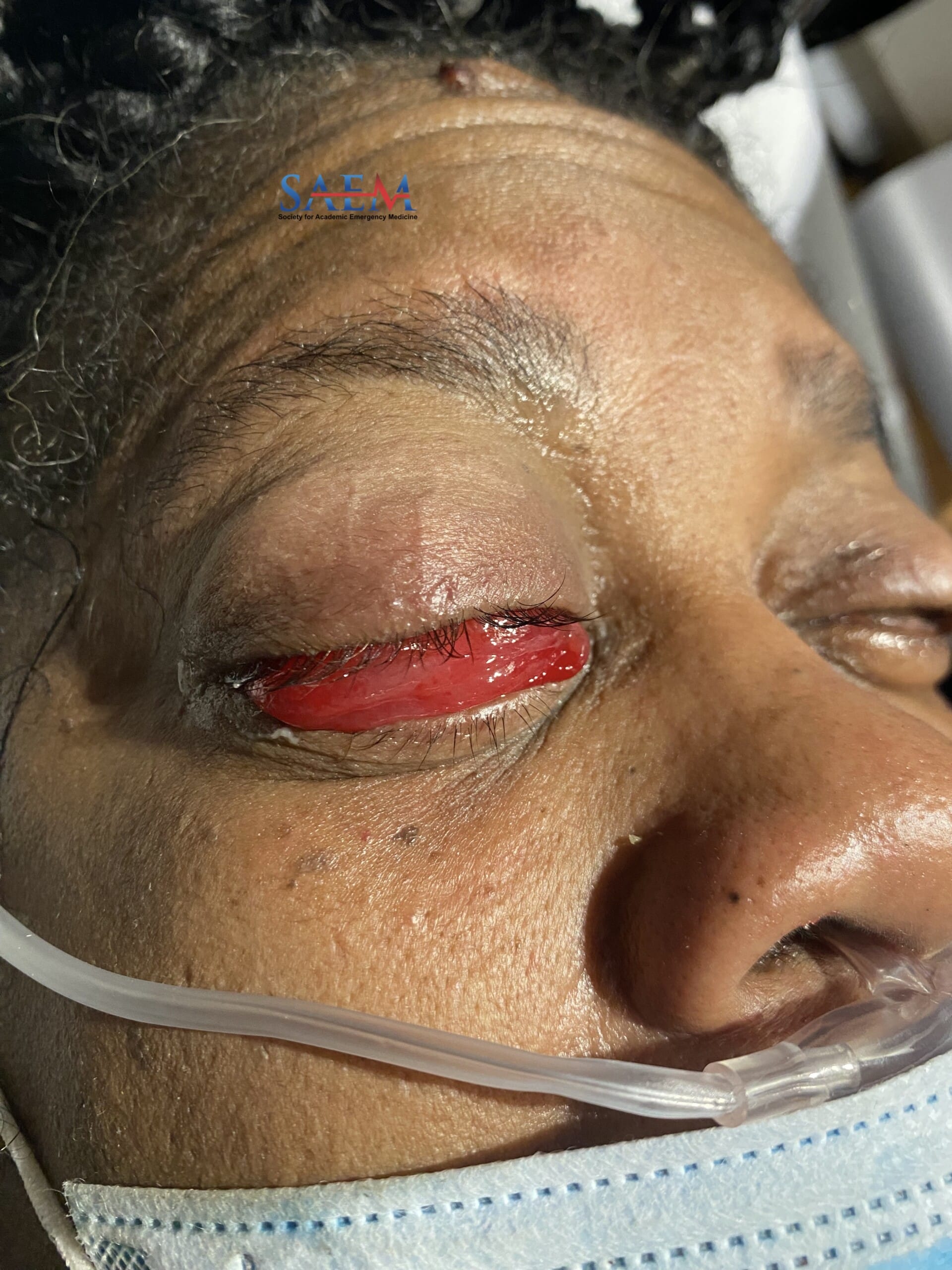
Spontaneous globe luxation (SGL). Luxation of the globe is characterized by the anterior displacement of the globe beyond the orbital rim [1], as seen in photo one. Though SGL is a rare condition, risk factors include proptosis, shallow orbits, or space-invading retrobulbar lesions [2]. Case study reports have also indicated trauma and frequent eyelid manipulation as causes of globe luxation [1].

After assuring adequate anxiolysis and analgesia with IV medications and tetracaine eye drops, the patient should be placed in a supine position. To reduce the globe, the eyelids should be extracted from behind the globe and retracted outwards while direct and even pressure is applied to the globe with damp gauze. For our patient, a lateral tarsorrhaphy was performed by ophthalmology at the bedside given severe keratopahy, lagopthalmos (as seen in photo two), and re-subluxation with Valsalva. Given the unknown etiology of the luxation, thyroid laboratory testing and orbit computed tomography were performed, which were unremarkable. The patient was discharged from the emergency department with tobradex ointment and ophthalmology follow-up in one week

Take-Home Points

  • Immediate reduction of a luxed globe is paramount.

  • Consider topical anesthetic drops and IV analgesia and/or anxiolytics to help assist with patient discomfort and dry eye.

  • Consider labs and imaging to assess for any underlying etiology of spontaneous globe luxation.

  • Kelly, E.W. and Fitch, M.T. (2013) Recurrent Spontaneous Globe Subluxation: A Case Report and Review of Manual Reduction Techniques. Available at: https://www.sciencedirect.com/science/article/abs/pii/S0736467911011462 (Accessed: 04 January 2024).

  • Yadete, T. et al. (2021) Spontaneous globe subluxation: A case report and review of the literature – international journal of emergency medicine, BioMed Central. Available at: https://intjem.biomedcentral.com/articles/10.1186/s12245-021-00398-x (Accessed: 04 January 2024).

By |2025-01-06T21:18:46-08:00Jan 13, 2025|Ophthalmology, SAEM Clinical Images|

SAEM Clinical Images Series: A Curious Case of Anisocoria

anisicoria

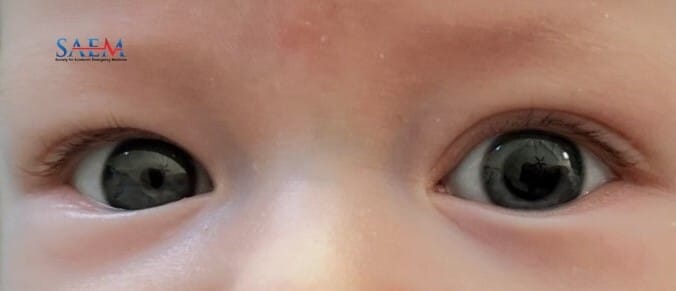
A 3-month-old male with no past medical history was brought to the emergency department for evaluation of newly asymmetric pupils. The infant appeared to be asymptomatic per parents, without any behavior changes or associated symptoms noted. The patient’s mother noticed her son’s left pupil was dilated and unresponsive to light the morning of presentation. The father had applied a prescription antiperspirant containing glycopyrronium to his axillae the previous evening but denied any known exposure to the infant.

Vitals: BP 85/66; HR 143; RR 42; SpO2 100%; T 98.3°F

Constitutional: No distress, well appearing.

HENT: Left pupil fixed and dilated to 7 mm in the light and the dark; right pupil 2 mm and reactive in the light, 5 mm in the dark. EOM intact bilaterally. No stigmata of trauma. Normal TMs bilaterally.

Neck: Normal range of motion.

Cardiovascular: Normal rate, regular rhythm and normal heart sounds.

Pulmonary: Breath sounds normal, no respiratory distress.

Abdominal: Soft, nontender, nondistended.

Neurological: Alert. Moving all 4 extremities spontaneously. Normal muscle tone. Normal suck and Moro reflexes.

Skin: Normal. No piloerection or sweating. No bruising or lesions.

No labs drawn. Head CT was obtained, which showed no acute intracranial pathology.

Ophthalmology consultation was sought, and an ophthalmologic exam demonstrated unremarkable slit lamp and fundal exams, with no afferent pupillary defect by reverse. The patient’s anisocoria was ultimately attributed to inadvertent glycopyrronium exposure from his father’s prescription antiperspirant, Qbrexza. The patient’s father later noted that he cradled the patient against his chest after applying the antiperspirant, and was not wearing a shirt at the time

Pilocarpine, a cholinergic antagonist that stimulates pupillary constriction, can be used to test mydriatic pupils. Pilocarpine drops will not reverse pharmacologically-induced anisocoria (1). Conversely, it will correct mydriasis caused by tonic pupil or third nerve palsy (2). In our patient’s case, pilocarpine administration did not result in pupillary constriction, supporting the diagnosis of drug-induced anisocoria.

Take-Home Points

  • Evaluation of acute anisocoria in the pediatric population can be challenging due to its wide range of potential etiologies including traumatic, neurologic, inflammatory, and pharmacologic causes. Though most commonly physiologic, anisocoria may represent a pediatric emergency due to the potential for underlying trauma or neurovascular compromise and thus a thorough neurologic exam and history is crucial (1, 20).

  • Inadvertent exposure to drugs such as glycopyrronium, a topical antiperspirant with anticholinergic properties, has been implicated in the pathogenesis of anisocoria in both adult and pediatric patients via inhibition of acetylcholine at the pupillary sphincter muscle (3-13). Other documented pharmacological causes of anisocoria include nebulized ipratropium bromide and scopolamine (14-19).

  • EM Clinicians should consider exposure-related anisocoria in the differential diagnosis of infant patients with acutely asymmetric pupils. In the absence of concerning neurologic findings, identification of potential drug exposures may help to minimize unnecessary testing and radiation exposure, sparing certain patients from time-intensive and costly interventions.

  • 1. Falardeau J. Anisocoria. Int Ophthalmol Clin. 2019;59(3):125-39.

  • 2. Payne WN, Blair K, Barrett MJ. Anisocoria. StatPearls. Treasure Island (FL): StatPearls Publishing Copyright © 2023, StatPearls Publishing LLC.; 2023.

  • 3. Pecha JD, Yen KG, Moisiuc A, et al. Anisocoria secondary to antiperspirant wipes in a pediatric population: a case series. J aapos. 2022;26(1):42-3.

  • 4. Chabicovsky M, Winkler S, Soeberdt M, et al. Pharmacology, toxicology and clinical safety of glycopyrrolate. Toxicol Appl Pharmacol. 2019;370:154-69.

  • 5. Coleman MJ, Tomsak RL. A 15-year-old girl with variable anisocoria. Digit J Ophthalmol. 2014;20(1):13-4.

  • 6. Micieli R, Micieli JA. Dilated Pupil in a Patient With Hyperhidrosis. JAMA. 2019;322(3):264-5.

  • 7. Radotra A, Baneke A, Paul B. Mydriasis secondary to use of glycopyrrolate cream. Br J Hosp Med (Lond). 2019;80(12):736.

  • 8. Pashaei-Marandi A, Assam JH, Arnold A, et al. Reversible anisocoria due to inadvertent ocular exposure to topical anticholinergic treatment for primary axillary hyperhidrosis. Can J Ophthalmol. 2019;54(6):e300-e2.

  • 9. Siscos SM, Figenshau K, Rajpara A. Use of gloves when applying topical glycopyrronium for treatment of primary axillary hyperhidrosis. J Am Acad Dermatol. 2020;83(4):e275.

  • 10. Kaufman AR, Gulati S, Curnyn KM. Pharmacologic anisocoria secondary to topical glycopyrronium for axillary hyperhidrosis: an emerging clinical presentation. Can J Ophthalmol. 2020;55(5):464.

  • 11. Al-Holou SN, Lipsky SN, Wasserman BN. Don’t Sweat the Blown Pupil: Anisocoria in Patients Using Qbrexza. Ophthalmology. 2020;127(10):1381.

  • 12. Kaufman AR, Gulati S, Pula JH, et al. Pharmacologic Mydriasis Secondary to Topical Glycopyrronium Tosylate Cloths: Clinical Characterization From a Multicenter Analysis. J Neuroophthalmol. 2022;42(4):530-4.

  • 13. Sandhu M, Eisenstein K. Mydriasis and anisocoria in a pediatric hyperhidrosis patient with interesting findings in the family cat. Pediatr Dermatol. 2023;40(1):210-1.

  • 14. Derinoz-Guleryuz O, Fidanci İ, Men-Atmaca Y. Nebulized Ipratropium Bromide-induced Anisocoria: Why Is Anisocoria Observed?. Iran J Allergy Asthma Immunol. 2021;20(1):125-128.

  • 15. Kokulu K, Öner H, Özen C, Eroğlu SE, Altunok İ, Akça HŞ. Pharmacologic anisocoria due to nebulized ipratropium bromide: A diagnostic challenge. Am J Emerg Med. 2019;37(6):1217.e3-1217.e4.

  • 16. Pejic R, Klaric B. Transient anisocoria in a patient treated with nebulized ipratropium bromide. Am J Ophthalmol Case Rep. 2017;7:11-13. Published 2017 Apr 12.

  • 17. Thiele EA, Riviello JJ. Scopolamine patchinduced unilateral mydriasis. Pediatrics. 1995;96(3 Pt 1):525.

  • 18. Rodor F, Cottin C, Jouglard J. Transdermal scopolamine and mydriasis. Therapie. 1989;44(6):447-448.

  • 19. Rubin MM, Sadoff RS, Cozzi GM. Unilateral mydriasis caused by transdermal scopolamine. Oral Surg Oral Med Oral Pathol. 1990;70(5):569-570.

  • 20. Gross JR, McClelland CM, Lee MS. An approach to anisocoria. Curr Opin Ophthalmol. 2016;27(6):486-492.

Go to Top