About Felipe Ocampo, MD MPH

Emergency Medicine Resident
Department of Emergency Medicine
University of California, San Francisco (UCSF)

Procedural Use of a Mini C-arm in the Emergency Department

C-arms are mobile, C-shaped X-ray units that allow dynamic imaging for a wide range of procedures in outpatient clinics, procedure suites, operating rooms, and even emergency departments. Their uses include: fracture reduction and fixation, hardware placement, joint injections, and other image-guided interventional procedures. They are available in a variety of sizes including a mini C-arm that is specifically designed for imaging smaller body parts such as the hands and wrists.

Mini C-arms in emergency departments (ED) are not commonplace but when available they are often in trauma centers and most commonly utilized by orthopedic surgeons. Literature on the use of mini C-arms in the ED has mostly been for distal forearm fractures, where they have been shown to facilitate safe and effective fracture reductions and reduce the need for repeat formal radiographs during reductions [1-4]. Although mini C-arms are not typically used by emergency medicine (EM) physicians, familiarity with this imaging modality may be a valuable skill, especially for trainees rotating on the orthopedics service.

This article reviews mini C-arm anatomy, fluoroscopic principles, radiation safety and equipment, and illustrates its application in a case of a distal radius fracture.

Mini C-arm structure

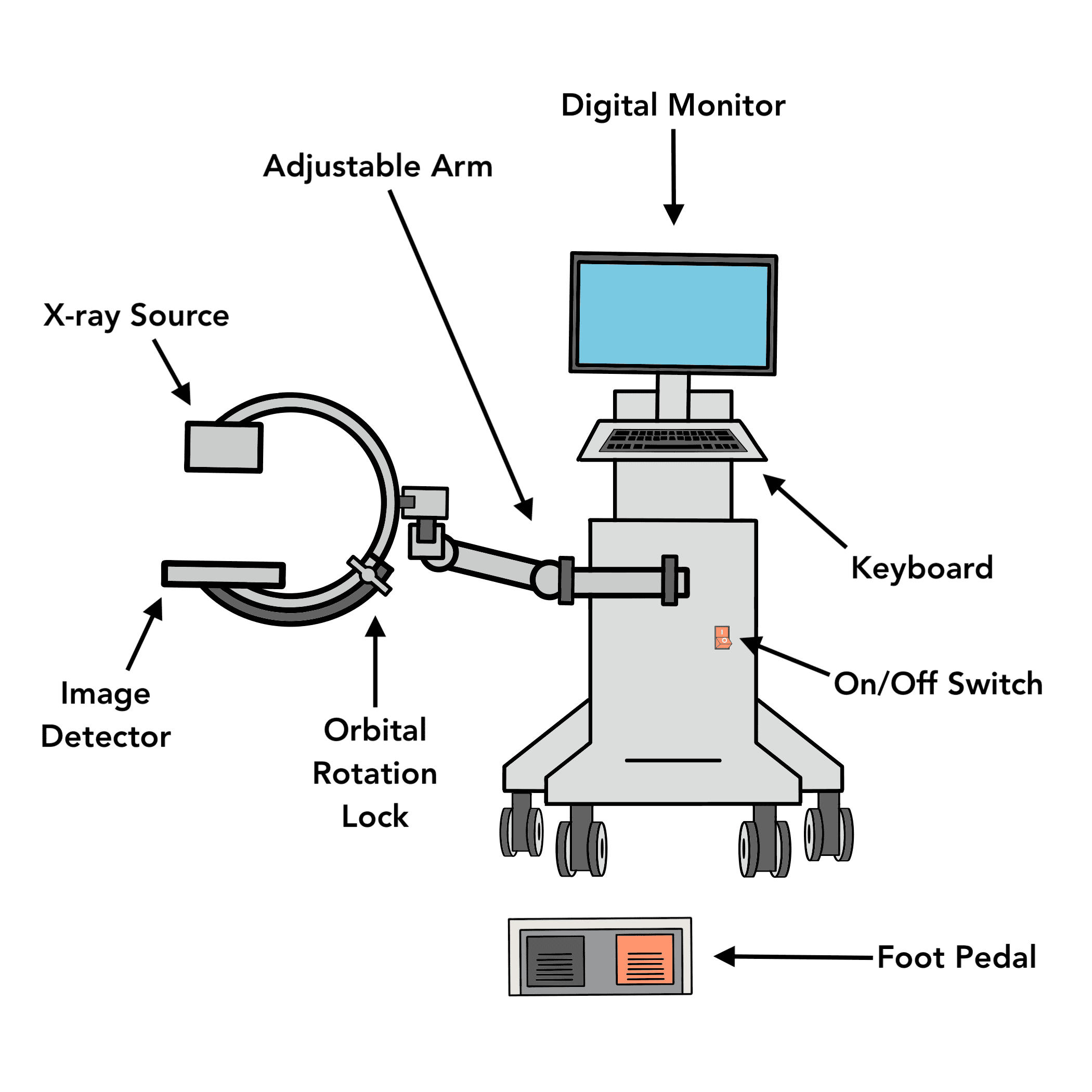
The C-arm’s name comes from the C-shape that connects the X-ray source on one side to the image detector on the other, allowing rotation around the patient (Figure 1).
Anatomy of a mini c-arm machine illustration

Figure 1. Anatomy of a mini c-arm machine

How it works

  1. The operator controls acquisition of images through a foot pedal (allowing single images or live imaging).
  2. X-rays are generated through a tube which diverge out in a cone-like projection and pass through structures such as bone, which absorb X-rays differently based on characteristics like density and tissue thickness.
  3. After passing through structures, X-rays are absorbed on the opposite side by an image detector.
  4. The image detector converts this radiation to light, which is then processed by a computer to create a digital image visible on the monitor.

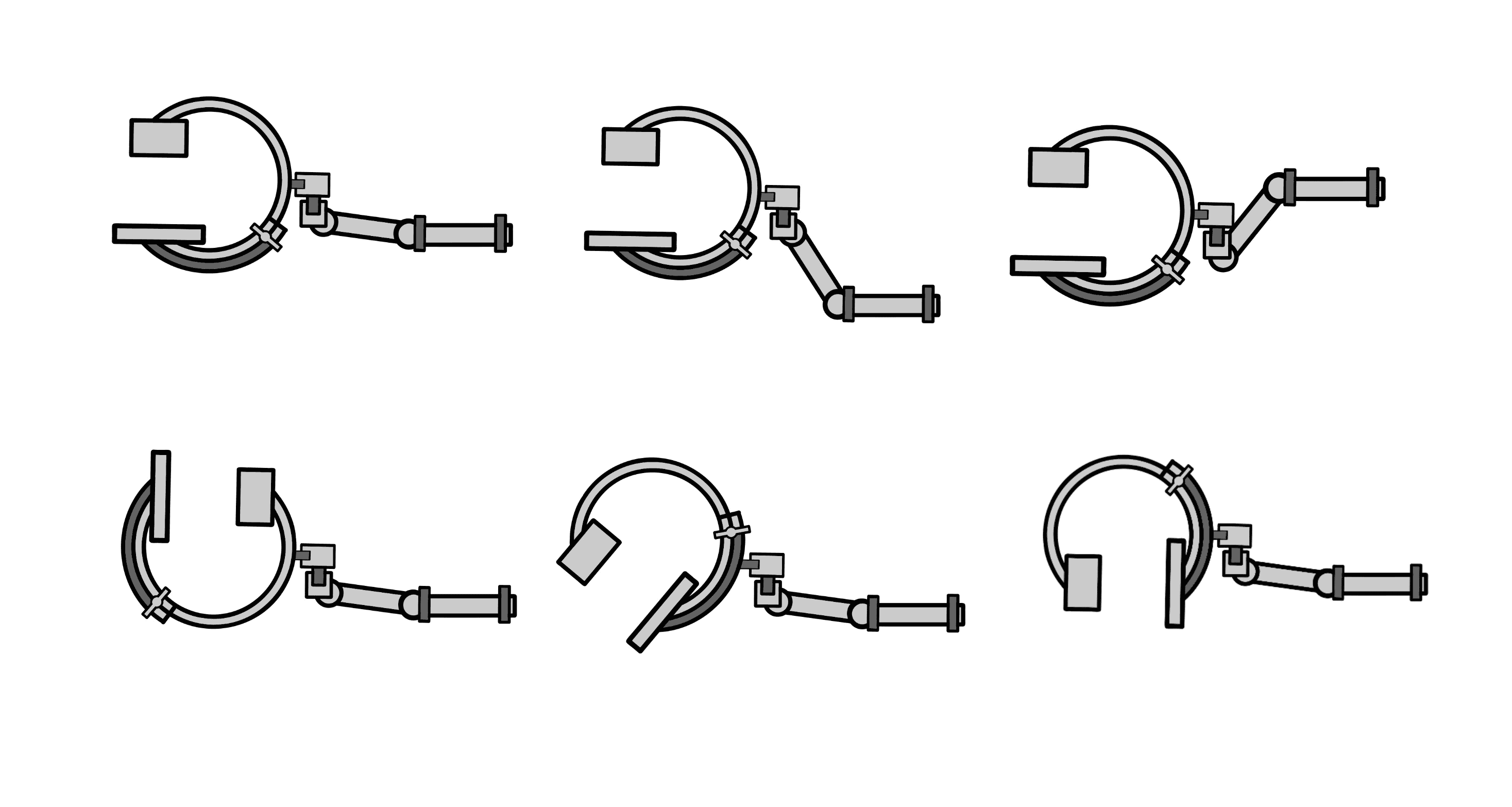
The C-arm has a rotation mechanism and an adjustable arm with various joints that allow movements in multiple planes. It allows orbital rotation, vertical and lateral movements, tilt, or swivel (Figure 2).
Maneuverability of a mini c-arm illustration

Figure 2: Maneuverability of a mini c-arm

How to set up a mini C-arm

  1. Plug in the device to a power source
  2. Turn on the switch to power on the device
  3. Use the monitor and/or keyboard to set up a study (some monitors are touch screen)
  4. Enter patient information
    • Find and select the option to begin study
    • Adjust the C-arm to the desired position
  5. Position the body part of interest flat and center on the detector
  6. Place the foot pedal in an easy to reach position
  7. Ensure that everyone in the room has radioprotective equipment (see radiation safety and equipment below)
  8. Step on the foot pedal to obtain an image or activate live imaging (review individual devices manuals to determine function of pedals)
  9. Save desired images

How to interpret images on a mini C-arm

Interpreting an image with a mini C-arm requires familiarity with fundamental radiographic principles related to image projection.

Laterality:

Unlike formal radiographs which include left or right markers, orientation of fluoroscopic images on a mini C-arm will be displayed based on the orientation of the image detector.

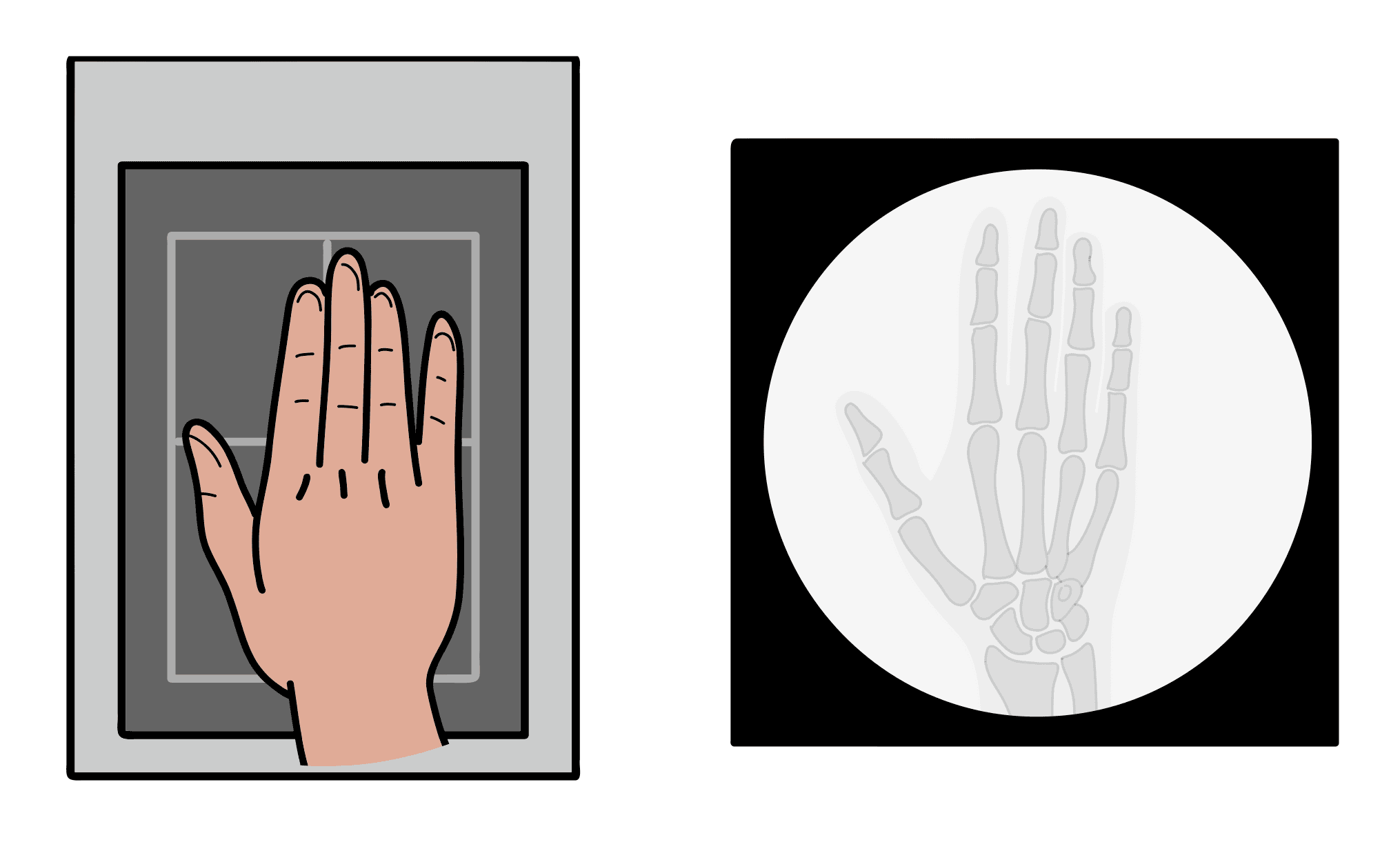
To illustrate this, in Figure 3, the right hand is rested with the palm resting directly on the image detector. On the monitor, the image appears as if the operator were directly looking at the hand, with the thumb on the left-most side. Most C-arms allow inversion of images on the monitor if another orientation is preferred.

Note: The X-ray beam travels from dorsal (posterior) to palmar (anterior), corresponding to a posteroanterior (PA) view.
Illustrated mini C-arm image of hand in posteroanterior view.

Figure 3: Illustrated mini C-arm image of hand in posteroanterior view

Magnification and depth

The relative distance between the X-ray source, the object, and the image detector affects image magnification and apparent depth of structures. To put it simply: the closer an object is to an X-ray source, the more magnified it appears; the closer an object is to the image detector, the less magnified it appears. This is analogous to the size of a shadow formed when a finger is moved closer to a light source. This principle affects image interpretation and highlights the importance of standardized positioning when obtaining images [5].

To illustrate this effect, we can consider the lateral view of the hand. Starting from the position in Figure 3, the hand can be supinated so that the ulnar aspect rests on the detector producing a lateral view (Figure 4). In this orientation, the thumb and second metacarpal may appear slightly magnified because they are now closer to the X-ray source. This also applies to the relative appearance of the radius and ulna.
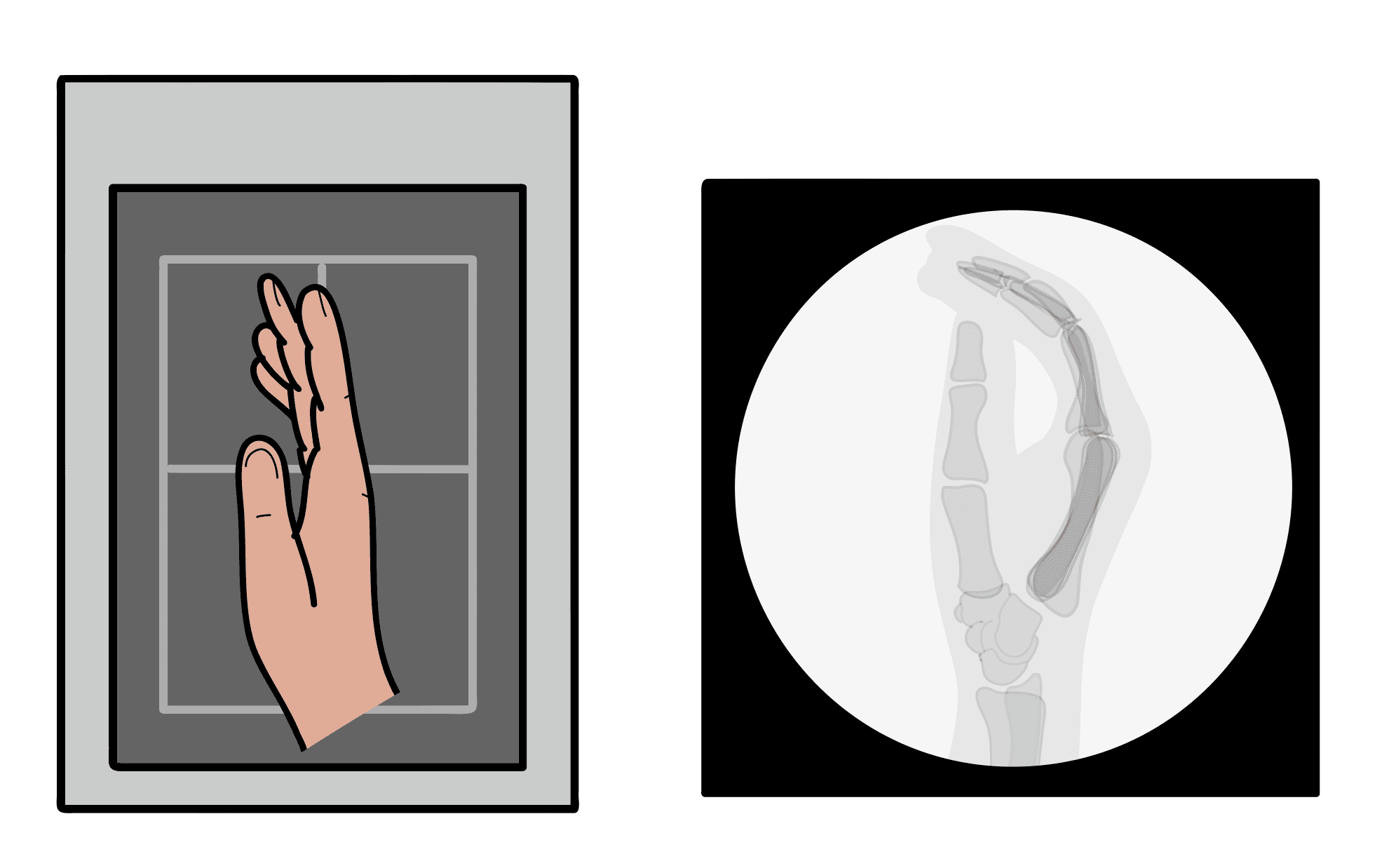
Illustrated mini C-arm image of hand in lateral view

Figure 4: Illustrated mini C-arm image of hand in lateral view

As an analogy, imagine using a mini C-arm to image a rubber duck. If the duck is placed flat on the detector, the part closest to the X-ray source—the head—will appear slightly magnified. If the duck has an abnormally long neck that brings the head closer to the X-ray source, this magnification increases further (Figure 5). This same concept explains the apparent difference in heart size between posteroanterior (PA) and anteroposterior (AP) chest radiographs.
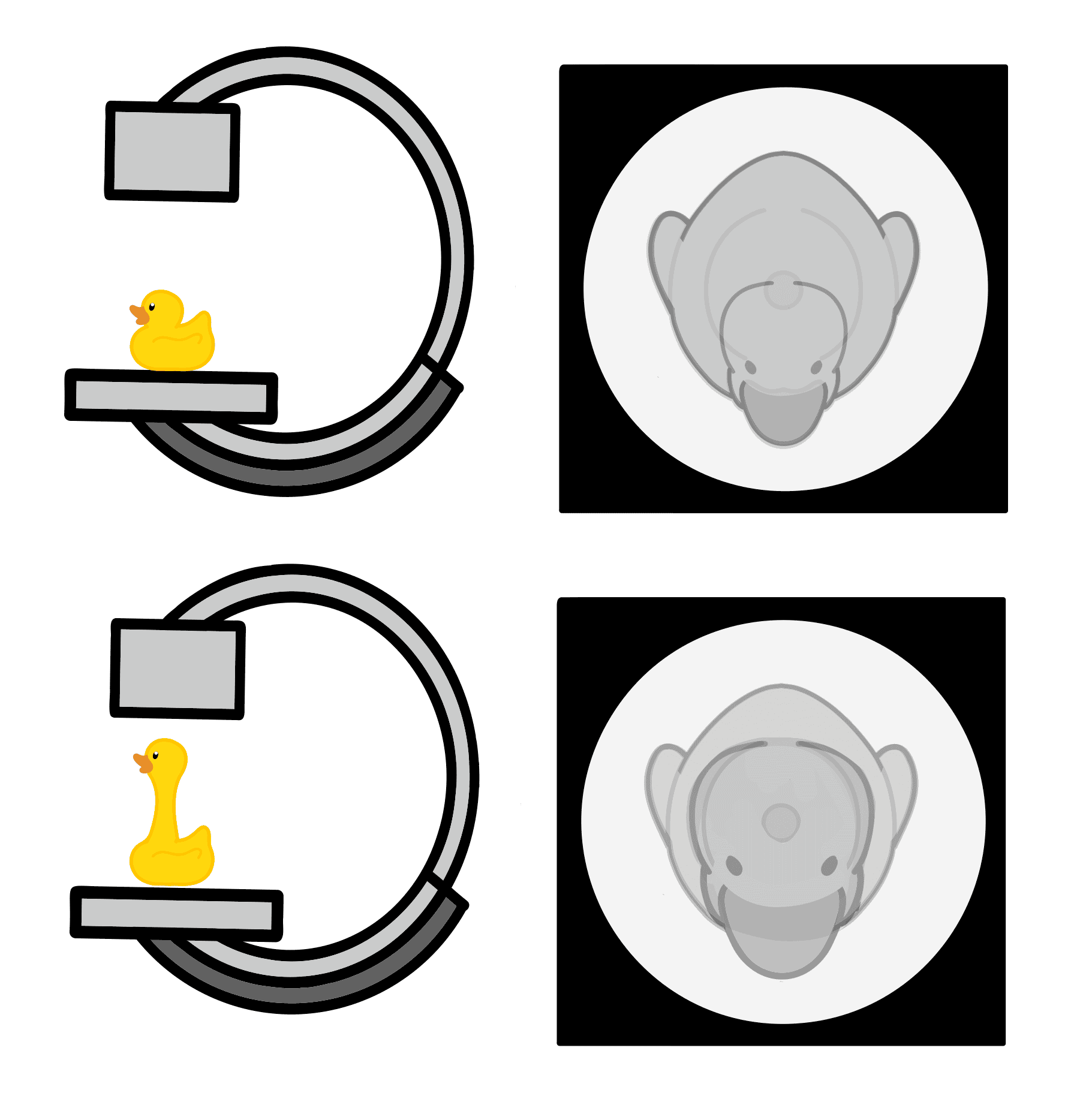
llustrated mini C-arm image of rubber duck

Figure 5: Illustrated mini C-arm image of rubber duck

This concept is important when using the mini C-arm for fracture reduction. You often want to capture as much of the entire body part as possible in the X-ray image while decreasing magnification, which means you will position the extremity directly against the image detector as far away as possible from the X-ray source while performing a reduction.

Radiation safety and protection

C-arms, like standard X-rays, emit ionizing radiation. Although most of the radiation is directed at patients, interactions between X-rays and surrounding matter produce scatter radiation, which is the primary source of radiation exposure to personnel. Repeated exposure is associated with increased lifetime risk of cancer, cataracts, thyroid issues including cancer, and fertility issues [6].

Radiation dose is measured in various units, including millirem (mrem) [5]. For context:

  • Average background radiation exposure (due to cosmic rays, radioactive elements in earth’s crust, etc) to U.S. residents is on average 310 mrem/year or <1 mrem/day
  • A cross country flight from NY to LA is ~5 mrem
  • A chest x-ray is ~10 mrem
  • A CT abdomen/pelvis is ~1,000 mrem

A benefit of the mini C-arm is that it emits less radiation than a standard-sized C-arm [8, 9]. In pediatric studies of distal forearm reductions performed with mini C-arm fluoroscopy, the estimated radiation exposure per case ranged from approximately 30 to 80 mrem, with lower exposures observed when trainees had completed radiation safety training, likely reflecting behavioral changes including fewer image acquisitions and shorter fluoroscopy activation [10]. Thus image acquisition should be intentional to reduce unnecessary radiation to both patients and personnel.

Radiation exposure follows the inverse square law, where if you double your distance from the X-ray source, you reduce exposure by one-fourth the original intensity. When possible, standing further away (at least 1 meter) from the X-ray source is recommended to reduce exposure (Figure 6) [5].

Additionally, use of radiation protective equipment such as lead aprons, thyroid shields, and leaded glasses, can significantly attenuate scatter radiation [8]. See Figure 7.
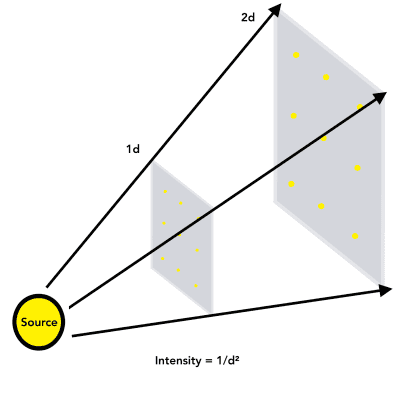
Inverse square law of radiation

Figure 6: Inverse square law of radiation
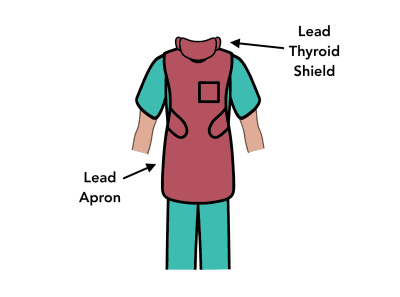
Radiation protective equipment

Figure 7: Radiation protective equipment

Bottom line:

  • Image only when necessary
  • Stand at least 1 meter away from the X-ray source when feasible
  • Utilize appropriate radiation protective equipment
  • By adhering to these principles, radiation exposure can be minimized when using a mini C-arm

Case: Distal radius fracture reduction with mini C-arm fluoroscopy

You are rotating through orthopedics and holding the consult pager. A 30-year-old patient presents to the ED after falling on their right outstretched hand, resulting in a deformity to the right distal forearm.

On examination, the skin appears intact and distal neurovascular exam is normal. Formal three-view wrist radiographs show an impacted, dorsally angulated transverse distal radius fracture without intra-articular extension.

Your senior recommends a reduction under fluoroscopy with your assistance. You perform a hematoma block, apply finger traps, and suspend the extremity vertically under ~10 lbs of traction. While the arm remains in traction, you bring the mini C-arm into the room and apply lead shields.

Obtaining images:

  1. Position the C-arm so that the image detector is near the affected arm. For a reduction, you should obtain PA and lateral views (oblique views are excluded in this example for simplicity).
  2. To obtain a PA view, ensure the palmar side of the distal forearm is against the detector (Figure 8).
  3. To obtain a lateral view, place the ulnar aspect of the distal forearm against the detector (Figure 9).

Note: Since the forearm is suspended in traction, sometimes you will need to rotate the mini C-arm around the extremity to obtain the correct alignment, instead of manipulating the arm.
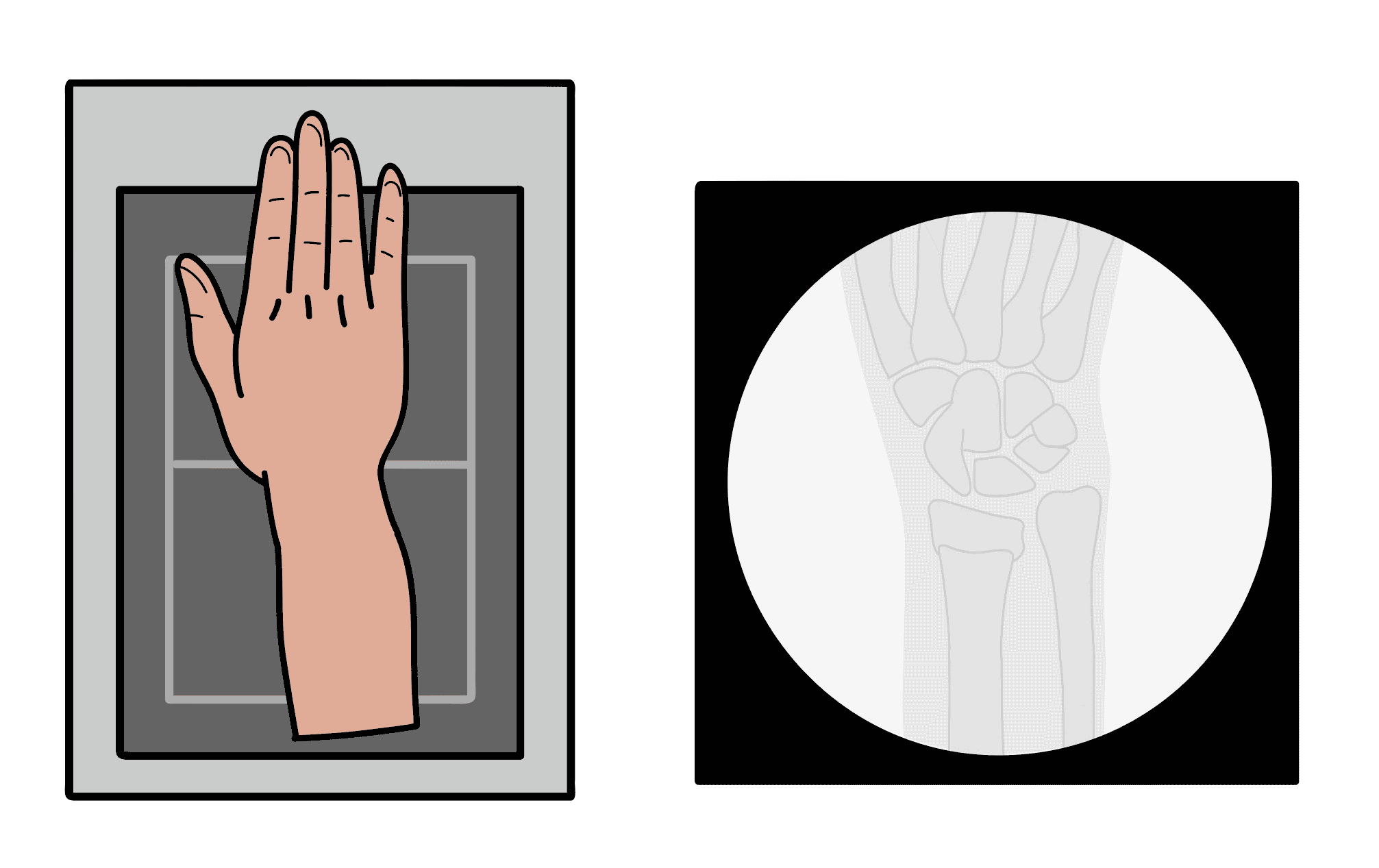
Illustrated mini C-arm image of a distal radius fracture in posteroanterior view
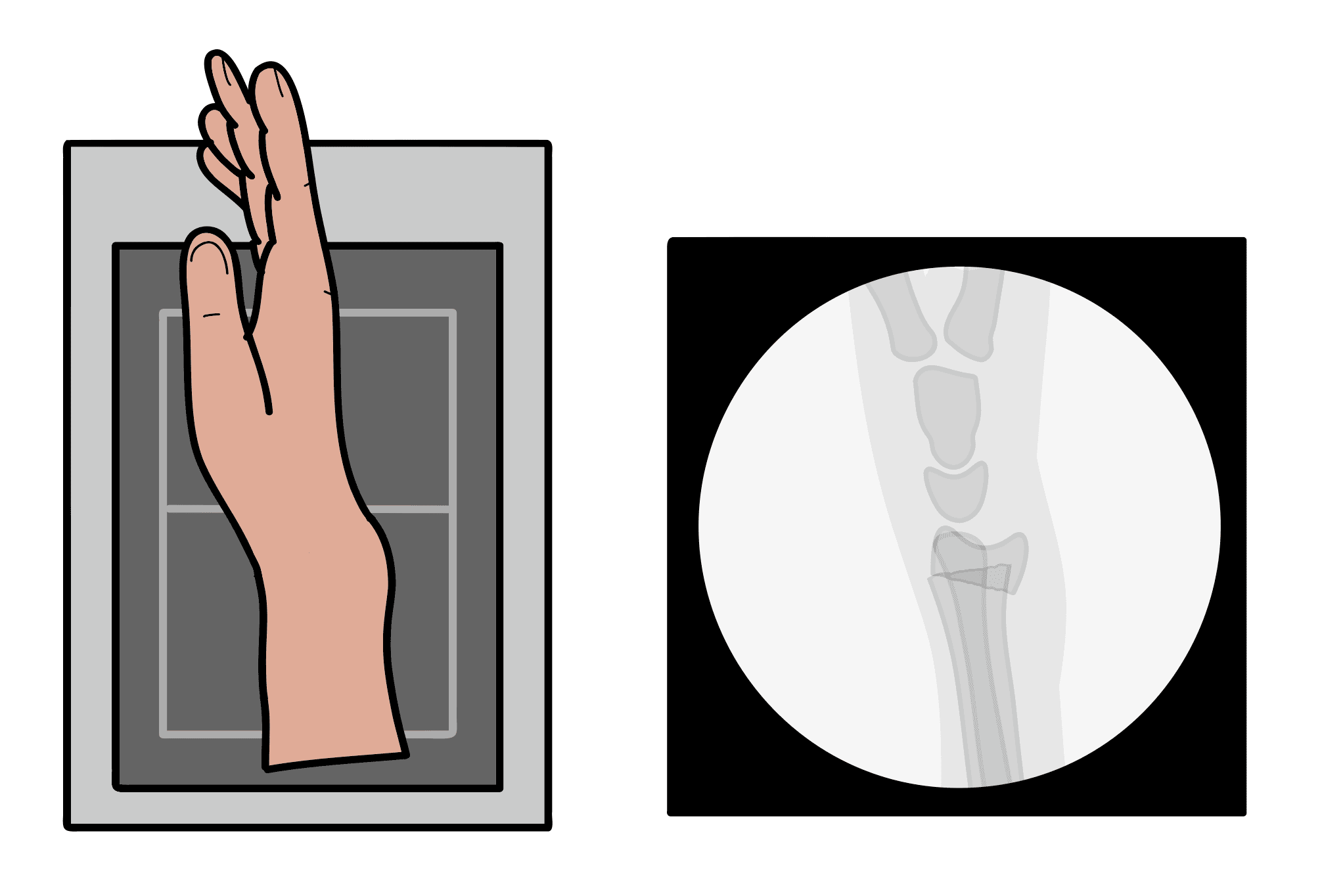
Figure 8: Illustrated mini C-arm image of a distal radius fracture in posteroanterior view

\Illustrated mini C-arm image of a distal radius fracture in lateral view

Figure 9: Illustrated mini C-arm image of a distal radius fracture in lateral view

Important radiographic measurements:

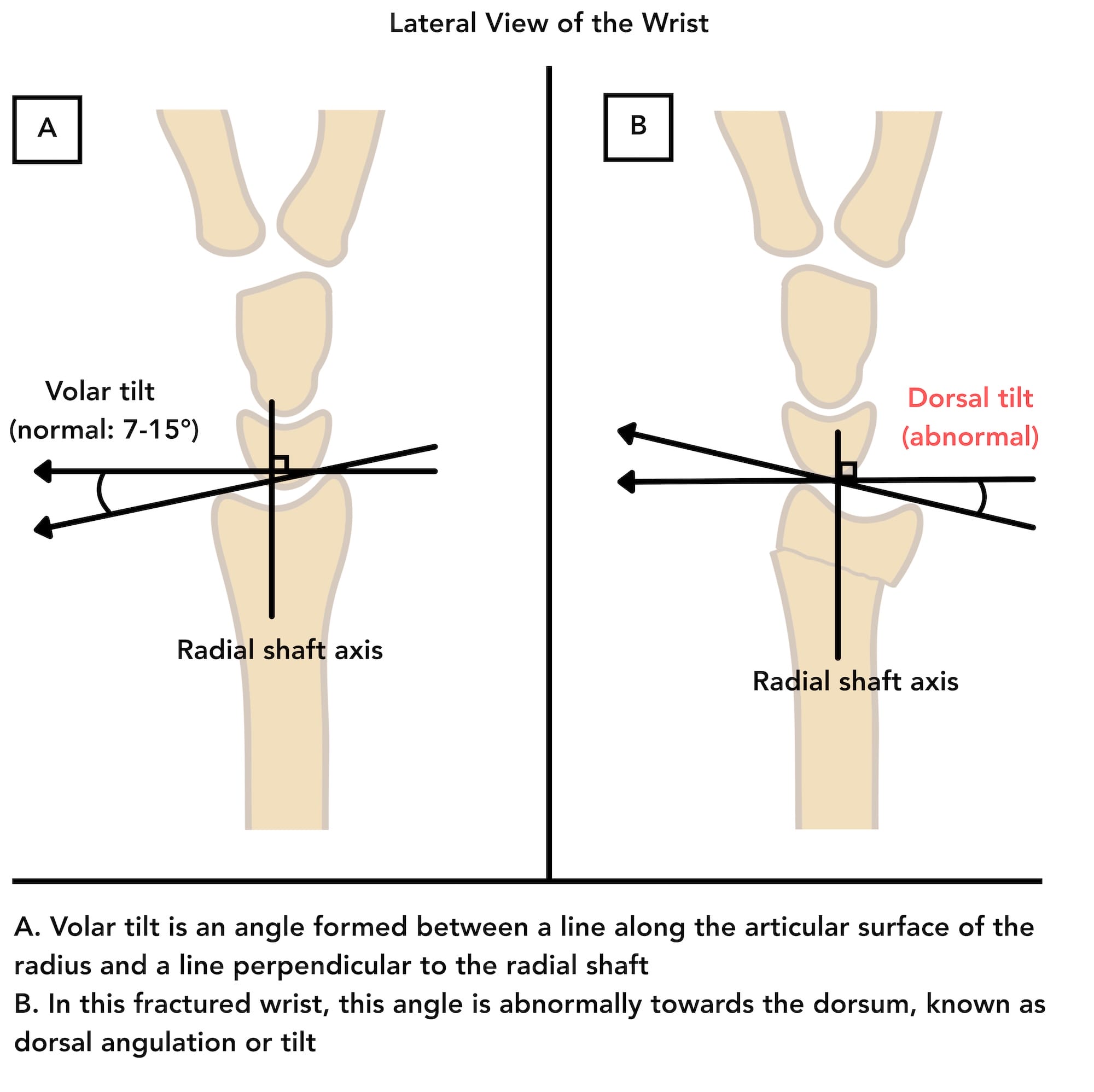
In these views, assess radiographic parameters such as radial height, radial inclination, ulnar variance, and volar versus dorsal angulation angles (Supplemental Figures 1 and 2).

Post-reduction imaging:

Once the fracture appears appropriately reduced, obtain repeat C-arm images prior to applying a splint (Figure 10). After splint placement, obtain another set of images to confirm the reduction was maintained. Finally, order a formal post-reduction three-view wrist radiograph.
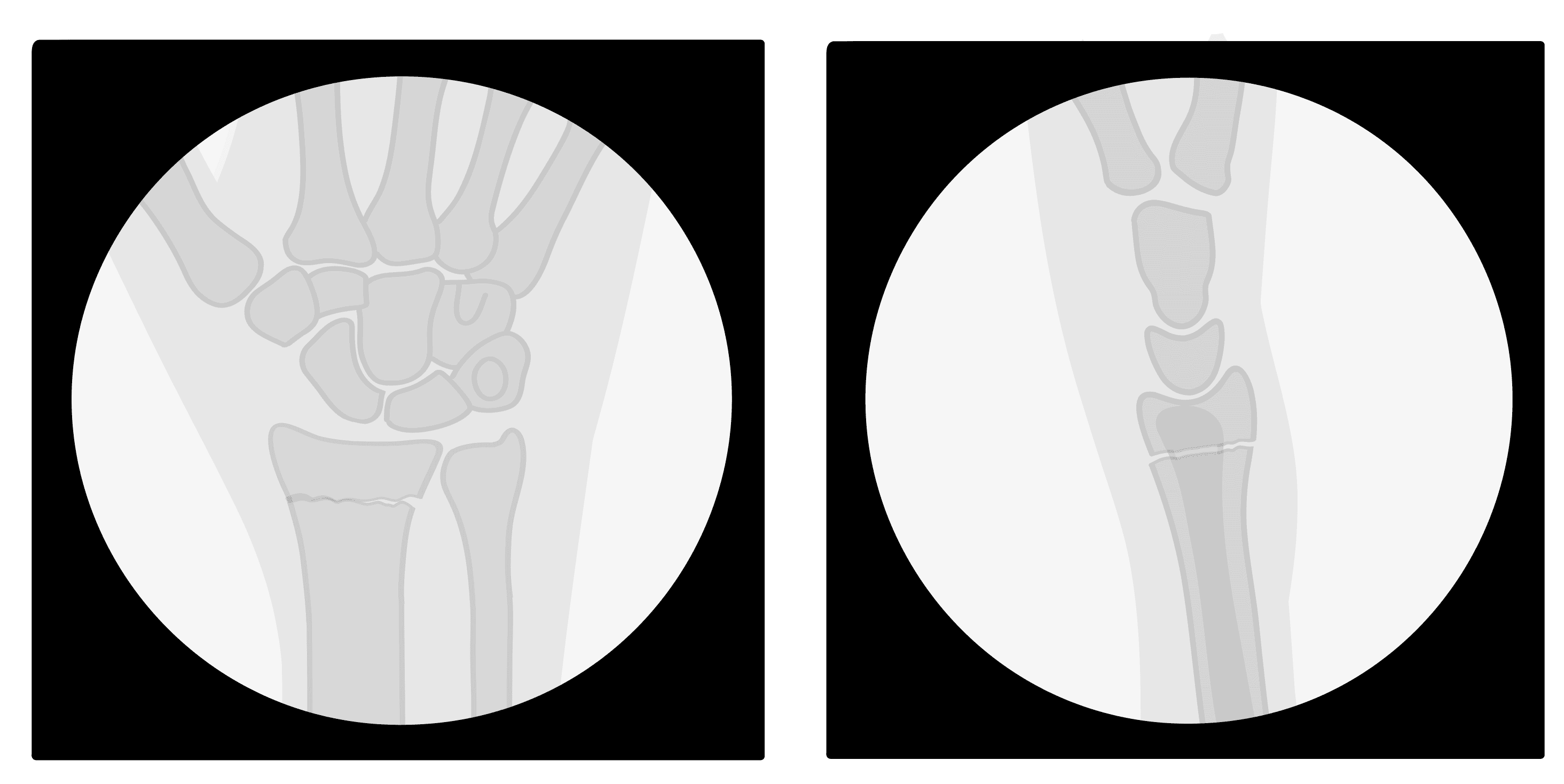
Illustrated mini C-arm images of a post-reduction distal radius fracture

Figure 10: Illustrated mini C-arm images of a post-reduction distal radius fracture

Restrictions on the use of fluoroscopy

Before using a mini C-arm, clinicians should confirm that they are appropriately credentialed and permitted to operate the device under local or state regulations, as fluoroscopy use laws differ across states and countries. Alternatively, a fluoroscopy credentialed radiation technologist can operate the device while the clinician performs the reduction.

Conclusions

Mini C-arms are a useful imaging modality available in select emergency departments. With an understanding of proper device operation and radiographic concepts such as image projection and radiation safety, the mini C-arm can be an effective tool to facilitate procedures such as distal radius fracture reduction. Although ultrasound remains the primary imaging modality for many procedures in the emergency department, the mini C-arm may potentially be a useful adjunct in other ED procedures such as joint aspirations and could warrant future exploration.
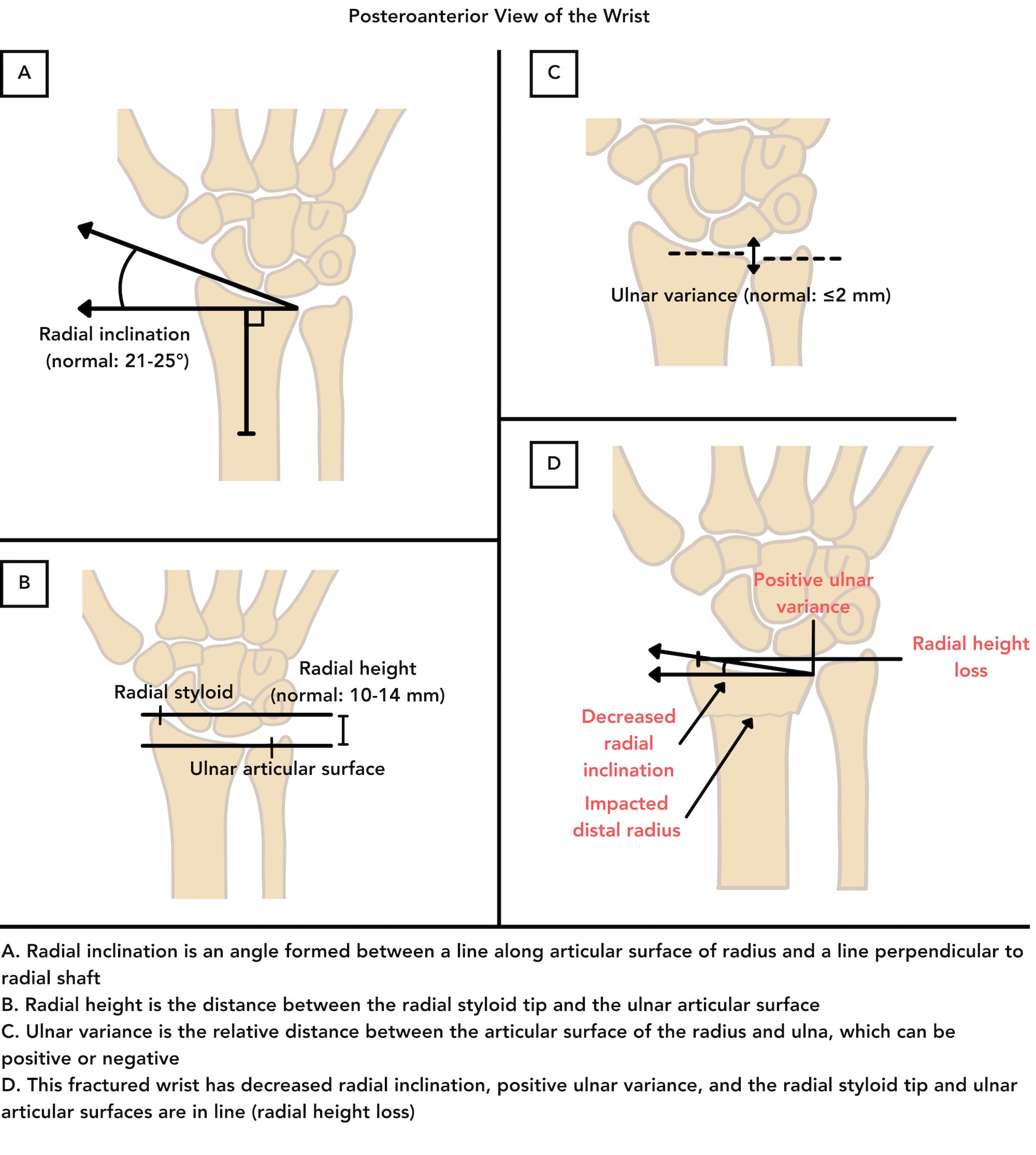
Measurements of the distal radius in posteroanterior view
Supplemental Figure 1: Measurements of the distal radius in posteroanterior view

Measurements of the distal radius in lateral view

Supplemental Figure 2: Measurements of the distal radius in lateral view

References

  1. Lee SM, Orlinsky M, Chan LS. Safety and effectiveness of portable fluoroscopy in the emergency department for the management of distal extremity fractures. Ann Emerg Med. 1994;24(4):725-730. doi:10.1016/S0196-0644(94)70284-5. PMID: 7998561
  2. Lee MC, Stone NE 3rd, Ritting AW, et al. Mini-C-arm fluoroscopy for emergency-department reduction of pediatric forearm fractures. J Bone Joint Surg Am. 2011;93(15):1442-1447. doi:10.2106/JBJS.J.01052. PMID 21915550 
  3. Dailey SK, Miller AR, Kakazu R, Wyrick JD, Stern PJ. The effectiveness of mini-C-arm fluoroscopy for the closed reduction of distal radius fractures in adults: a randomized controlled trial. J Hand Surg Am. 2018;43(10):927-931. doi:10.1016/j.jhsa.2018.02.015. PMID: 29573894
  4. Sumko MJ, Hennrikus WL, Slough J, King S. Measurement of radiation exposure when using the mini C-arm in pediatric orthopaedics. J Pediatr Orthop. 2016;36(2):122-125. doi:10.1097/BPO.0000000000000418. PMID: 25730377
  5. Bushberg JT, Seibert JA, Leidholdt EM Jr, Boone JM. The essential physics of medical imaging. 3rd ed. Philadelphia, PA: Lippincott Williams & Wilkins; 2012.
  6. Agency for Toxic Substances and Disease Registry (ATSDR). Toxicological Profile for Ionizing Radiation. Atlanta, GA: US Department of Health and Human Services; 1999. Available from: https://www.ncbi.nlm.nih.gov/books/NBK597577/
  7. Centers for Disease Control and Prevention. Radiation Thermometer. Updated January 2, 2024. Accessed December 26, 2025. https://www.cdc.gov/radiation-emergencies/causes/radiation-thermometer.html
  8. Giordano BD, Ryder S, Baumhauer JF, DiGiovanni BF. Exposure to direct and scatter radiation with use of mini-C-arm fluoroscopy. J Bone Joint Surg Am. 2007;89(5):948-952. doi:10.2106/JBJS.F.00733. PMID: 17473130
  9. Giordano BD, Baumhauer JF, Morgan TL, Rechtine GR. Patient and surgeon radiation exposure: comparison of standard and mini-C-arm fluoroscopy. J Bone Joint Surg Am. 2009;91(2):297-304. doi:10.2106/JBJS.H.00407. PMID: 19181973
  10. Gendelberg D, Hennrikus W, Slough J, King S. A radiation safety training program results in reduced radiation exposure for orthopedic residents using the mini C-arm. J Pediatr Orthop. 2015;35(8):e123-e129. doi:10.1097/BPO.0000000000000345. PMID: 26566977
By |2025-12-30T18:08:43-08:00Dec 31, 2025|Orthopedic, Radiology|

Greater Occipital Nerve Block in the Emergency Department

Chief complaints of non-traumatic headaches represent approximately 2% of emergency department (ED) visits in the United States [1]. Headaches are classified as primary (standalone condition) or secondary (a symptom of another medical condition), with primary headaches being the more common type [2].

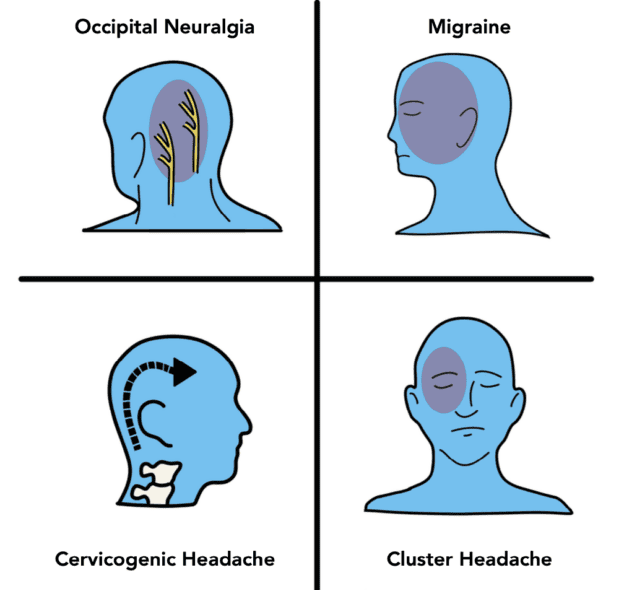
In the ED, it is critical to rule out life-threatening causes of headaches such as subarachnoid hemorrhages, stroke, or meningitis. Headaches such as migraines, occipital neuralgia, cervicogenic headaches, and cluster headaches while more benign may still be debilitating for patients (Figure 1).

GON headache types

Figure 1. Headaches that may benefit from greater occipital nerve blockade [illustration by Dr. Felipe Ocampo]

Treatment of such headaches includes supportive care, medications, and procedures, including blockade of the greater occipital nerve (GON) [3, 4]. Peripheral nerve blocks such as GON blockade provide pain relief and its effects may outlast the duration of the local anesthetic. The GON block is an efficient, low-cost, and safe intervention for treatment of such headaches in the ED [5, 6]. In this article, we review the GON block, its relevant anatomy, indications, and procedural technique.

Identifying the Greater Occipital Nerve

Anatomy

Bilaterally, the GON originates from the second cervical spinal nerve (C2) and innervates the posterior scalp [7].

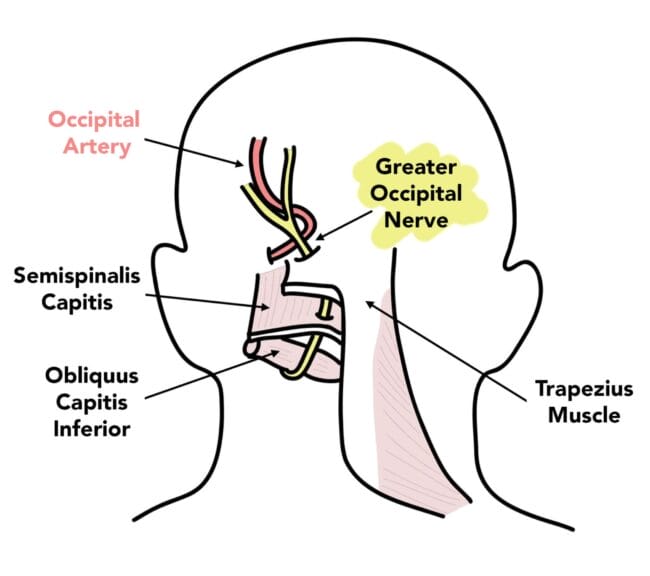
After arising from the C2 spinal nerve, the fibers of the GON ascend through the fascial plane between the obliquus capitis inferior and semispinalis capitis muscles. The fibers then pierce the semispinalis capitis and travel deep to the trapezius muscle until exiting the aponeurosis inferior to the superior nuchal line where it lies subcutaneously, medial to the occipital artery (Figure 2). The nerve measures approximately 2.5 to 3.5 mm in diameter [8].

Anatomy of greater occipital nerve for block

Figure 2: Anatomy around the greater occipital nerve (occipital aspect of the skull) [illustration by Dr. Felipe Ocampo]

GON Block: Necessary Equipment

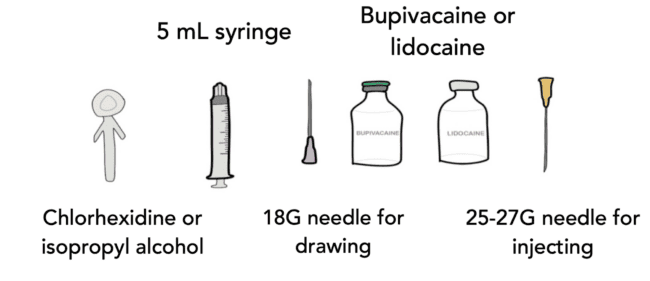
The basic supplies one should collect for the GON block procedure:

  • Chlorhexidine gluconate or isopropyl alcohol applicator
  • 5 mL syringe
  • 18 gauge needle for drawing solution
  • 2 to 4 mL of either: 0.25 – 0.5% bupivacaine or 1 – 2% lidocaine
    • Consider a 1:1 mix in the same syringe for both short and longer lasting relief,
    • Example: 1.5 mL 1% lidocaine + 1.5 mL 0.25% bupivacaine
  • 1.5 inch 25- or 27-gauge needle for injecting solution

Note about inclusion of corticosteroids: The data is weak except in the case of cluster headaches where it is moderate [9].

equipment for greater occipital nerve block

Figure 3. Basic equipment necessary to perform a GON block [illustration by Dr. Felipe Ocampo]

GON Block: Procedural Technique

Procedural Technique #1: Palpation Approach

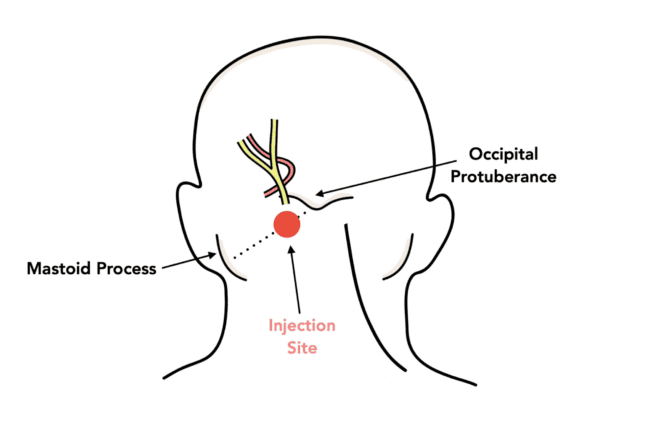
Traditionally, the GON block can be done by palpating the external occipital protuberance (OP) and the mastoid process (MP). Anesthetic is injected approximately one-third the distance from the OP to the MP (Figure 4) [6]. With this approach, the nerve is targeted more distally from its origin, where it is found more superficially at a median depth of 8 mm [10]. Here, the occipital artery can typically be palpated lateral to the location of the greater occipital nerve but anatomy can vary [11].

surface anatomy injection site for greater occipital nerve block

Figure 4: Injection site for the greater occipital nerve block along the occipital surface of the scalp [illustration by Dr. Felipe Ocampo]

  1. Position patients with their head flexed forward with either technique:
    • Sitting on the edge of the bed with their palms (or a procedure stand with a pillow) supporting their face
    • Prone with a pillow under the chest
  2. Find landmarks by palpating the external OP and MP
  3. Your target will be approximately one-third the distance from the OP to MP
  4. Ensure there is no palpable pulse at your target
  5. After sterilizing the area, insert the needle approaching from an inferior angle.
    • If you hit periosteum/skull, withdraw the needle slightly
    • Aspirate to ensure that you are not in the occipital artery or another vessel
    • Inject the anesthetic solution (typically 1-3 mL per side)
    • Consider slightly withdrawing and advancing while injecting to bathe multiple planes in anesthetic
  6. Assess for numbness along the posterior scalp (within 5 minutes for lidocaine and 10-15 minutes for bupivacaine)

Note: A modified version of this technique is to ask patients to pinpoint the area where pain is maximal or originates and if in general distribution of the GON between the OP and MP, this can be targeted assuming no palpable pulse and/or blood on withdrawal of syringe.

Procedural Technique #2: Ultrasound-Guided Approach

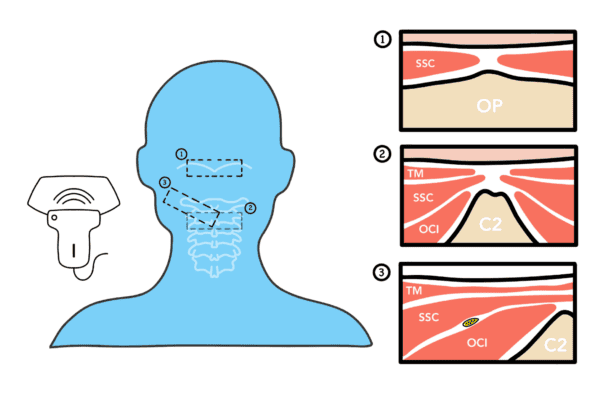
For the ultrasound-guided approach, the GON is typically targeted more proximally from its origin, at the level of the C2 vertebra. Here, the GON lies within the fascia above the obliquus capitis inferior (OCI) at a median depth of 1.8 cm [10].

  1. Positioning: same as landmark approach above.
  2. Prep the skin and transducer before insertion of the needle.
  3. Apply a generous amount of ultrasound gel to the lower posterior scalp
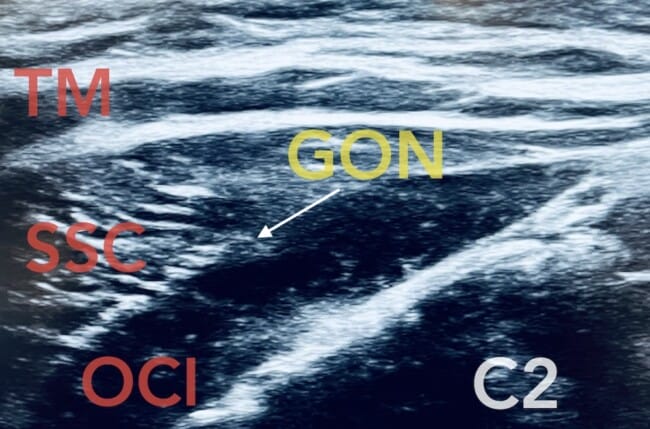
  4. A high-frequency linear probe is used with the indicator pointing towards the scanner’s left in the axial view starting at the midline external occipital protuberance (OP). With this view, one can see the semispinalis capitis (SSC) on either side. Note that this view may not be attainable in a patient with longer hair.
  5. Then, the probe can be translated downwards until the bifid C2 spinous process is visualized – here the trapezius, SSC, and obliquus capitis inferior (OCI) are seen on either side.
  6. By rotating the probe obliquely and slightly laterally towards the ear of the affected side, one can visualize the GON lying in the fascia above the OCI. Once this view is achieved, lateral to medial in-plane technique can be used to position the needle (25-27 gauge needle) adjacent to the GON, injecting 1-3 mL of solution to achieve spread around the nerve.
    • Pro Tip: The GON is often not visualized on ultrasound, but as long as your other landmarks are clear (between the OCI and SSC), injecting the solution into the plane is sufficient as long as you visualize your needle tip and confirm you are not intravascular.
  7. As with the palpation method, assess for numbness along the posterior scalp after 5-15 minutes, depending on anesthetic used.

ultrasound GON block

Figure 5: Illustrated sonographic views around the greater occipital nerve (yellow); SSC – semispinalis capitis, OP – occipital protuberance, TM – trapezius muscle, OCI – obliquus capitis inferior, C2 – C2 vertebra [illustration by Dr. Felipe Ocampo]

Greater occipital nerve block GON ultrasound anatomy

Figure 6: Sonographic anatomy of the greater occipital nerve (GON); TM- trapezius muscle, SSC – semispinalis capitis, OCI – obliquus capitis inferior, C2 – C2 vertebra [image from Dr. Felipe Ocampo]

GON Block: Comparing Techniques

Choosing a GON block technique may be up to clinician and/or patient preference or equipment availability.

Studies comparing the 2 approaches seem to favor ultrasound-guided GON blockade at the proximal (C2) site due to:

  • Improved analgesia [10]
  • A theoretical lower risk of damaging the occipital artery because (a) it is further from the GON in the proximal ultrasound-guided approach and (b) the ability to visualize structures [11]
  • Easier skin disinfection as injection site tends to be below the hairline [10, 11]
  • Anatomical variants in GON location making the landmark-based/palpation approach less accurate [14]

GON Block: Contraindications and Adverse Effects

Absolute Contraindications

  • Patient refusal
  • Anesthetic allergy
  • Open skull defect
  • Infection at procedural site

Relative Contraindications

  • Coagulopathy
  • Arnold-Chiari Malformations
  • Inability to lie still

Adverse Effects

  • Hematoma
  • Local infection
  • Lesion to nerve
  • Allergy to local anesthetics
  • Local anesthetic systemic toxicity (LAST)
  • Intradural infiltration
  • Vasovagal syncope
  • Alopecia around injection site

Common Indications for GON Block

Conclusions

In the emergency department, it is critical to evaluate for life-threatening headaches. However, when indicated for patients presenting with specific headaches, the GON block may be an effective and efficient tool in providing analgesia.

References

  1. Goldstein JN, Camargo CA Jr, Pelletier AJ, Edlow JA. Headache in United States emergency departments: demographics, work-up and frequency of pathological diagnoses. Cephalalgia. 2006;26(6):684-690. doi:10.1111/j.1468-2982.2006.01093.x PMID 16686907
  2. Headache Classification Committee of the International Headache Society (IHS). The International Classification of Headache Disorders, 3rd edition (beta version). Cephalalgia. 2013;33(9):629-808. doi:10.1177/0333102413485658. PMID 23771276
  3. Austin M, Hinson MR. Occipital Nerve Block. [Updated 2023 Apr 17]. In: StatPearls [Internet]. Treasure Island (FL): StatPearls Publishing; 2024 Jan-.
  4. Afridi SK, Shields KG, Bhola R, Goadsby PJ. Greater occipital nerve injection in primary headache syndromes–prolonged effects from a single injection. Pain. 2006;122(1-2):126-129. doi:10.1016/j.pain.2006.01.016. PMID 16527404
  5. Guner D, Bilgin S. Efficacy of Adding a Distal Level Block to a C2 Level Greater Occipital Nerve Block under Ultrasound Guidance in Chronic Migraine. Ann Indian Acad Neurol. 2023;26(4):513-519. doi:10.4103/aian.aian_169_23. PMID 37970254
  6. Levin M. Nerve blocks in the treatment of headache. Neurotherapeutics. 2010;7(2):197-203. doi:10.1016/j.nurt.2010.03.001. PMID 20430319
  7. Yu M, Wang SM. Anatomy, Head and Neck, Occipital Nerves. [Updated 2022 Oct 31]. In: StatPearls [Internet]. Treasure Island (FL): StatPearls Publishing; 2024 Jan-.
  8. Güvençer M, Akyer P, Sayhan S, Tetik S. The importance of the greater occipital nerve in the occipital and the suboccipital region for nerve blockade and surgical approaches–an anatomic study on cadavers. Clin Neurol Neurosurg. 2011;113(4):289-294. doi:10.1016/j.clineuro.2010.11.021. PMID 21208741
  9. Benzon HT, Elmofty D, Shankar H, et al. Use of corticosteroids for adult chronic pain interventions: sympathetic and peripheral nerve blocks, trigger point injections – guidelines from the American Society of Regional Anesthesia and Pain Medicine, the American Academy of Pain Medicine, the American Society of Interventional Pain Physicians, the International Pain and Spine Intervention Society, and the North American Spine Society. Reg Anesth Pain Med. Published online August 7, 2024. doi:10.1136/rapm-2024-105593. PMID 39019502
  10. Greher M, Moriggl B, Curatolo M, Kirchmair L, Eichenberger U. Sonographic visualization and ultrasound-guided blockade of the greater occipital nerve: a comparison of two selective techniques confirmed by anatomical dissection. Br J Anaesth. 2010;104(5):637-642. doi:10.1093/bja/aeq052. PMID 20299347
  11. Gürsoy G, Tuna HA. Comparison of two methods of greater occipital nerve block in patients with chronic migraine: ultrasound-guided and landmark-based techniques. BMC Neurol. 2024;24(1):311. Published 2024 Sep 4. doi:10.1186/s12883-024-03816-8. PMID 39232647
  12. Santos Lasaosa S, Cuadrado Pérez ML, Guerrero Peral AL, et al. Consensus recommendations for anaesthetic peripheral nerve block. Guía consenso sobre técnicas de infiltración anestésica de nervios pericraneales. Neurologia. 2017;32(5):316-330. doi:10.1016/j.nrl.2016.04.017. PMID 27342391
  13. Blumenfeld A, Ashkenazi A, Napchan U, et al. Expert consensus recommendations for the performance of peripheral nerve blocks for headaches–a narrative review. Headache. 2013;53(3):437-446. doi:10.1111/head.12053. PMID 23406160
  14. Shim JH, Ko SY, Bang MR, et al. Ultrasound-guided greater occipital nerve block for patients with occipital headache and short term follow up. Korean J Anesthesiol. 2011;61(1):50-54. doi:10.4097/kjae.2011.61.1.50. PMID 21860751
  15. Djavaherian DM, Guthmiller KB. Occipital Neuralgia. [Updated 2023 Mar 6]. In: StatPearls [Internet]. Treasure Island (FL): StatPearls Publishing; 2024 Jan-.
  16. Choi I, Jeon SR. Neuralgias of the Head: Occipital Neuralgia. J Korean Med Sci. 2016 Apr;31(4):479-488. https://doi.org/10.3346/jkms.2016.31.4.479. PMID 27051229
  17. Pescador Ruschel MA, De Jesus O. Migraine Headache. [Updated 2024 Jul 5]. In: StatPearls [Internet]. Treasure Island (FL): StatPearls Publishing; 2024 Jan-.
  18. Korucu O, Dagar S, Çorbacioglu ŞK, Emektar E, Cevik Y. The effectiveness of greater occipital nerve blockade in treating acute migraine-related headaches in emergency departments. Acta Neurol Scand. 2018;138(3):212-218. doi:10.1111/ane.12952. PMID 29744871
  19. Yanuck J, Shah S, Jen M, Dayal R. Occipital Nerve Blocks in the Emergency Department for Initial Medication-Refractory Acute Occipital Migraines. Clin Pract Cases Emerg Med. 2019;3(1):6-10. Published 2019 Jan 22. doi:10.5811/cpcem.2019.1.39910. PMID 30775654
  20. Al Khalili Y, Ly N, Murphy PB. Cervicogenic Headache. [Updated 2022 Oct 3]. In: StatPearls [Internet]. Treasure Island (FL): StatPearls Publishing; 2024 Jan-.
  21. Gabrhelík T, Michálek P, Adamus M. Pulsed radiofrequency therapy versus greater occipital nerve block in the management of refractory cervicogenic headache – a pilot study. Prague Med Rep. 2011;112(4):279-287. PMID 22142523
  22. Kandel SA, Mandiga P. Cluster Headache. [Updated 2023 Jul 4]. In: StatPearls [Internet]. Treasure Island (FL): StatPearls Publishing; 2024 Jan-.
  23. Gönen M, Balgetir F, Aytaç E, Taşcı İ, Demir CF, Müngen B. Suboccipital steroid injection alone as a preventive treatment for cluster headache. J Clin Neurosci. 2019;68:140-145. doi:10.1016/j.jocn.2019.07.009. PMID 31326284
  24. Gordon A, Roe T, Villar-Martínez MD, Moreno-Ajona D, Goadsby PJ, Hoffmann J. Effectiveness and safety profile of greater occipital nerve blockade in cluster headache: a systematic review. J Neurol Neurosurg Psychiatry. 2023;95(1):73-85. Published 2023 Dec 14. doi:10.1136/jnnp-2023-331066. PMID 36948579
Go to Top