


PEM POCUS Series: Pediatric First-Trimester Pregnancy

Read this tutorial on the use of point of care ultrasonography (POCUS) for pediatric first-trimester pregnancy evaluation. Then test your skills on the ALiEMU course page to receive your PEM POCUS badge worth 2 hours of ALiEMU course credit.
Module Goals
- List the indications for performing an obstetric point-of-care ultrasound (POCUS)
- Identify the characteristic findings of an intrauterine pregnancy in the first-trimester
- Describe how to measure fetal heart rate (FHR) and methods of estimating gestational age using POCUS
- Identify findings concerning for ectopic pregnancy in the first-trimester of pregnancy
Case Introduction
A 17-year-old female with a past medical history of pelvic inflammatory disease, presents as a walk-in from triage with lower abdominal pain and vaginal bleeding that started this morning. She has soaked through three pads since this morning without the passage of clots. She reports mild nausea, and dizziness. She denies any fevers, chills, chest pain, shortness of breath, vomiting, or decreased appetite. She is currently sexually active with one male partner in a monogamous relationship and does not use protection. Her menstrual periods are irregular and she is unsure of her last menstrual period.
On arrival, her vital signs are:
| Vital Sign | Finding |
|---|---|
| Temperature | 37 C |
| Heart rate | 94 bpm |
| Blood pressure | 98/62 |
| Respiratory rate | 14 |
| Oxygen saturation (room air) | 99% |
Exam
Diagnostics and Management
An obstetric POCUS can be performed using both the curvilinear (transabdominal approach) and endocavitary probes (transvaginal approach). Certain anatomical structures such as the ovaries and an early pregnancy can be visualized earlier and with greater detail using an endocavitary probe due to its closer proximity to the area of interest. While earlier pregnancies may be identified by the transvaginal approach, we recommend starting with the transabdominal probe because it is less invasive. The transabdominal examination is best performed with a full bladder and the endocavitary examination is best performed with an empty bladder. Longitudinal and transverse views of the uterus should be obtained when using either the transabdominal or endocavitary probe.
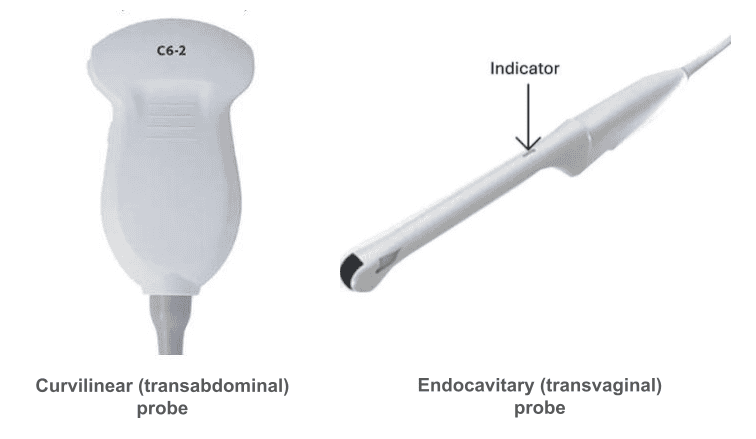
Figure 1. Different probes used for first-trimester pregnancy ultrasound
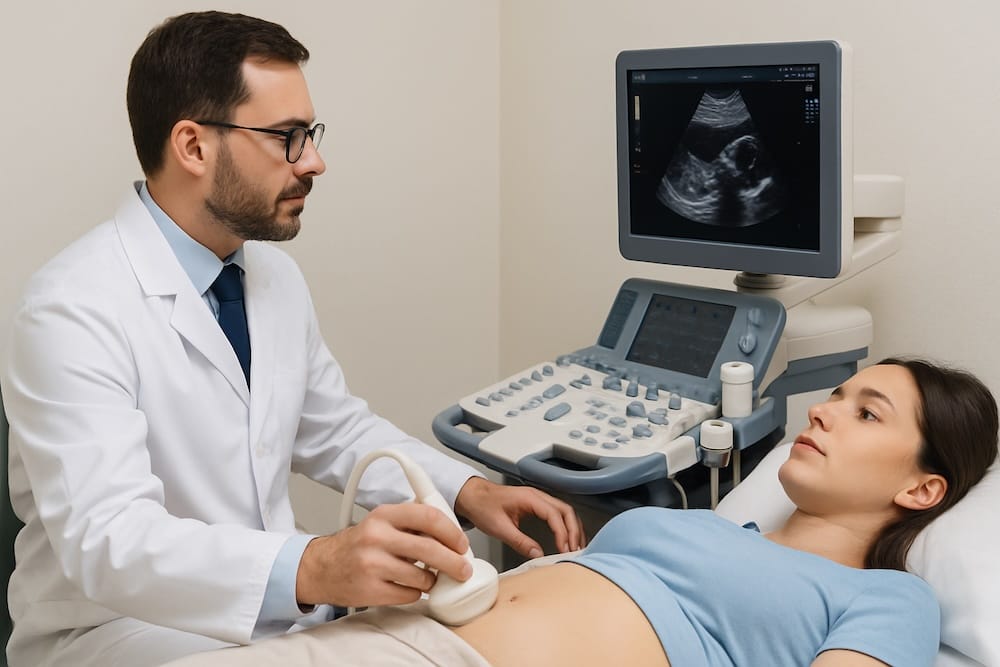
Figure 2. Positioning for transabdominal approach
- Position the ultrasound machine to the patient’s right with the screen facing you (figure 2).
Obtaining the transverse view
- Place the transabdominal probe with the probe marker toward the patient’s right, just above the pubic bone and identify the bladder and uterus. The fundus of the uterus may be visualized superior to the bladder if the uterus is anteverted and posterior to the bladder if retroverted.
- Once the uterus is identified, scan through the uterus in its entirety and identify the myometrium, and endometrium.
- An examination of the adnexa can also be attempted to identify the ovaries, potential masses, or surrounding free fluid. The ovaries typically measure 2-3 cm in diameter and appear less echogenic than the surrounding tissue.
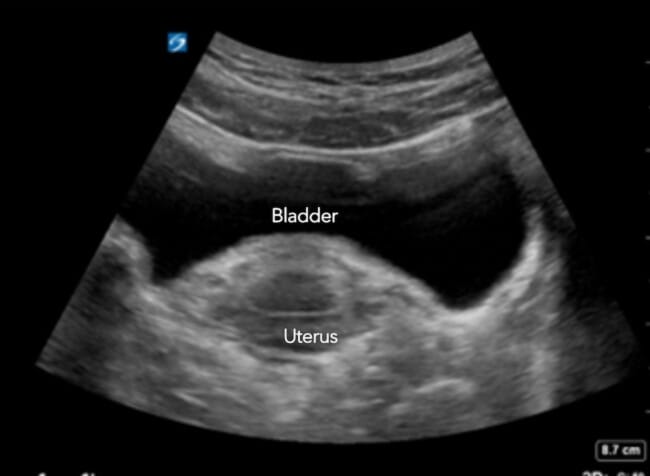
Figure 3. Normal transverse view of the uterus and bladder using the transabdominal probe. Image courtesy of The Pocus Atlas and Drs. Lindsay Davis and Hannah Koplinski
Obtaining the longitudinal (sagittal) view
- Rotate the transabdominal probe clockwise 90 degrees so that the probe marker is facing the patient’s head.
- In this view, you should be able to identify the bladder, uterine fundus, uterine body, cervix, vaginal canal, posterior cul-de-sac, and rectum. The thin, hyperechoic line in the center of the uterus is the endometrial stripe.
- An examination of the adnexa may also be attempted to identify the ovaries, potential masses, or surrounding free fluid (especially in the retrouterine cul de sac) by fanning slowly left and right.
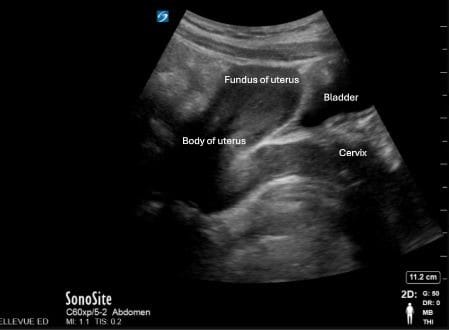
Figure 4. Normal longitudinal (sagittal) view of an anteverted uterus and bladder using the transabdominal probe. Image courtesy of The Pocus Atlas and Drs. Lindsay Davis and Hannah Koplinski
Not all institutions have access to an endocavitary probe. However, if your institution does, the transvaginal ultrasound examination can provide additional views of the uterus and surrounding structures.
- Position the ultrasound machine to the patient’s right with the screen facing you, similar to the transabdominal positioning.
- Position the patient in the dorsal lithotomy position (similar to a normal pelvic exam), drape the patient, and have a chaperone present in the room
- Place gel at the tip of the endocavitary probe and apply a sterile condom or cover over the endocavitary probe. Subsequently apply sterile gel to the tip of the covered probe.

Figure 5a. Positioning of endocavitary probe in transvaginal approach using a simulation model
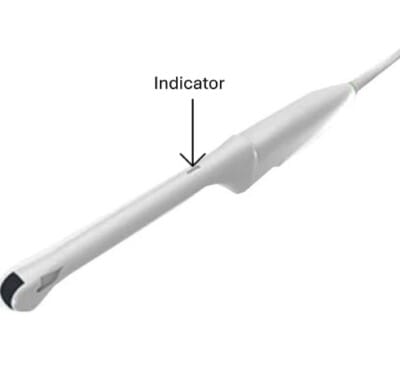
Figure 5b. Indicator labeled on endocavitary probe
Obtaining the longitudinal view
- Hold the probe with the indicator at the 12 o’ clock position (figure 5b).
- Slowly insert the probe until the endometrial stripe is visualized
- Tilt/fan the probe to the left and right and identify the bladder, uterine fundus, endometrial stripe, myometrium, cervix, posterior cul-de-sac, and rectum
Obtaining the transverse view
- Rotate the probe counterclockwise so that the indicator is facing the patient’s right (9 o’ clock position).
- Tilt/fan the probe up and down to visualize the bladder, endometrium and myometrium.
- Obtain a view of the ovaries by looking at the adnexa (lateral and/or posterior to the uterus).
Key Point: To definitively diagnose an intrauterine pregnancy, either a yolk sac or fetal pole must be visualized within the gestation sac of the uterus.
There are many conflicting opinions about the upper limits of the discriminatory zone (B-hCG level at which an embryo is expected to be seen). In general, for a patient with a positive B-hCG with concern for an ectopic pregnancy, an ultrasound should be performed. Typically, a pregnancy should be visible by transvaginal ultrasound examination with a B-hCG of 1000-2000 mIU/mL and by transabdominal ultrasound examination at 6000-6500 mIU/mL [1, 2].
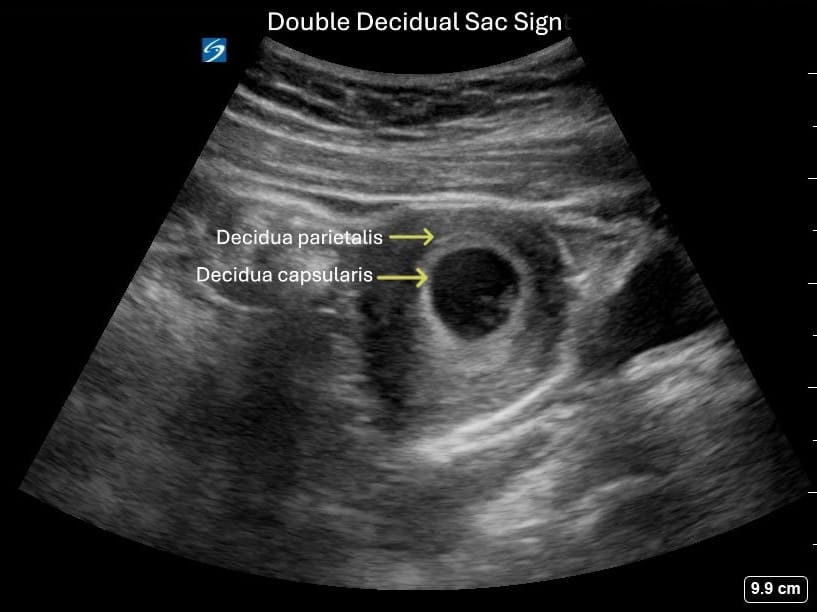
Figure 6. Double decidual sac sign in a normal intrauterine pregnancy
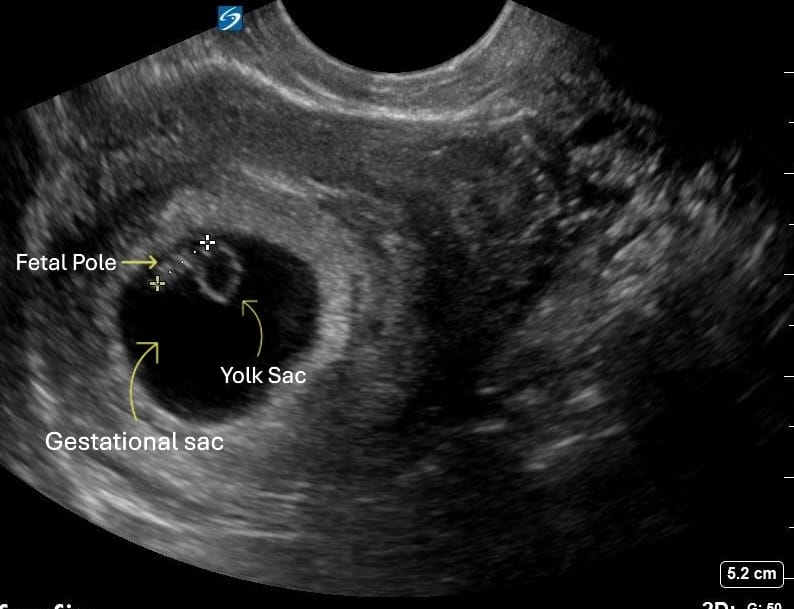
Figure 7. Fetal pole and yolk sac in a normal intrauterine pregnancy
In these sonographic images, there are several characteristic sonographic features of a normal first-trimester IUP. To definitively diagnose an intrauterine pregnancy, either a yolk sac or fetal pole must be visualized within the gestation sac of the uterus.
- Gestational sac – an intrauterine, fluid-filled (anechoic or black) structure surrounding the embryo. This is the first structure seen in pregnancy by ultrasound in the first trimester and is characterized as an anechoic circular cavity
- Double decidual sac sign – consists of the decidua parietalis (lining of the uterine cavity) and the decidua capsularis (lining of the gestational sac) which on ultrasound is visualized as two concentric rings surrounding an anechoic gestational sac. The presence of a double decidual sac sign is highly indicative of an early intrauterine pregnancy (figure 6) [3].
- Yolk sac – this is the first anatomic structure identified within the gestational sac in the first-trimester and is seen on ultrasound as a circular, thick-walled echogenic structure with an anechoic center within the gestational sac (figure 7).
- Fetal pole – the growing embryo appears as an echogenic thickened margin on the edge of the yolk sac (figure 7).
- Ensure the gestational sac is well seated within the fundus of the uterus and surrounded by at least 5 mm of myometrium on all sides.
Once the embryo is identified, a fetal heart rate (FHR) can be obtained as early as 6 weeks of gestation. The fetal heart movement may be visualized as a flicker of movement. Visualization can be performed using either the endocavitary or curvilinear probe and the M-mode function. In POCUS, we do not use Doppler as this has a theoretical risk to the fetus.
To calculate the FHR, follow the following steps:
- Identify the beating fetal heart.
- Enlarge and center: Use the zoom function on the machine to enlarge fetal heart image
- M-mode: Align the M-mode line over the fetal heart, record the M-mode, and freeze the image. Find the sine wave and measure either crest to crest, or trough to trough.
A normal FHR usually ranges from 110-160 beats per minute. It begins around 90–110 bpm and increases to 170 bpm by 9 weeks of estimated gestational age.
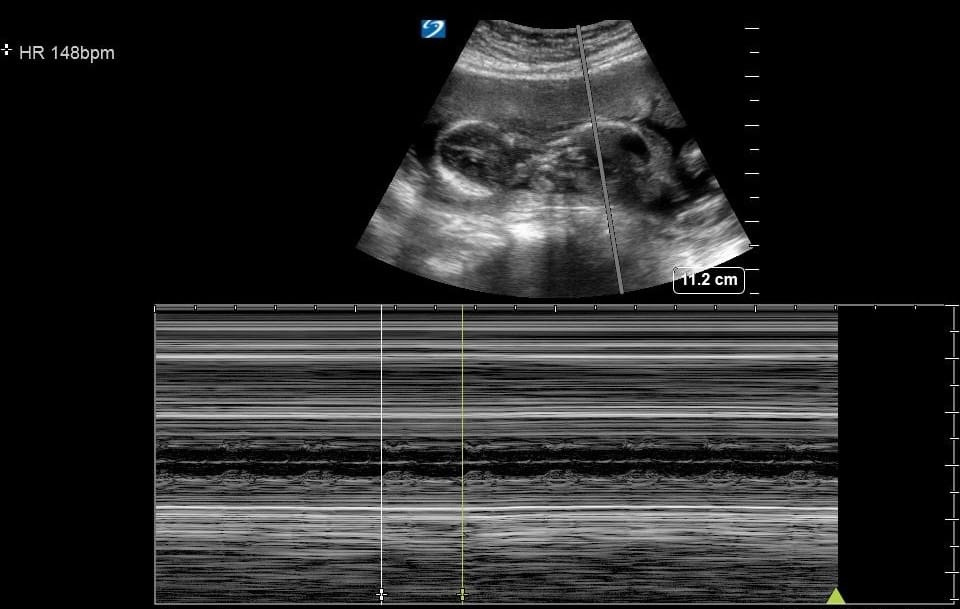
Figure 8. Fetal heart rate measurement (rate of 148 bpm) using M-mode
The most accurate time to estimate gestational age is during the first trimester. Accurate estimation of gestational age is crucial for guiding prenatal care, decision making in high-risk pregnancies, and establishing a reliable due date. This can be performed by either measuring mean sac diameter (MSD) or crown-rump length (CRL).
Measuring mean sac diameter (MSD)
The MSD is the earliest measurement that can be used to estimate gestational age. This measurement is, however, less accurate than using crown-rump length and is typically performed between 5-8 weeks of gestation using the following steps:
- Obtain a longitudinal view of the gestational sac
- Measure the height and the length of the gestational sac
- Rotate the probe 90 degrees to obtain a transverse view of the gestation sac
- Measure the width of the gestational sac
- Add the height, length, and width then divide by 3 to obtain the MSD
Most ultrasound machines should help you perform this calculation; however, the gestational age can be calculated manually using the following formula: [4]
Gestational Age (days) = MSD (mm) + 30
Measuring crown-rump length (CRL)
Once an embryo is present in the gestational sac, CRL can be measured. CRL is the most accurate single measurement and is typically used to estimate gestational age between 6-13 weeks of gestation [4]. This measurement can be performed using the following steps:
- Obtain a mid-sagittal view of the entire embryo
- Measure the cephalic pole to caudal rump
Most ultrasound machines should help you perform this calculation. There are also available calculators (e.g. perinatology.com CRL calculator).
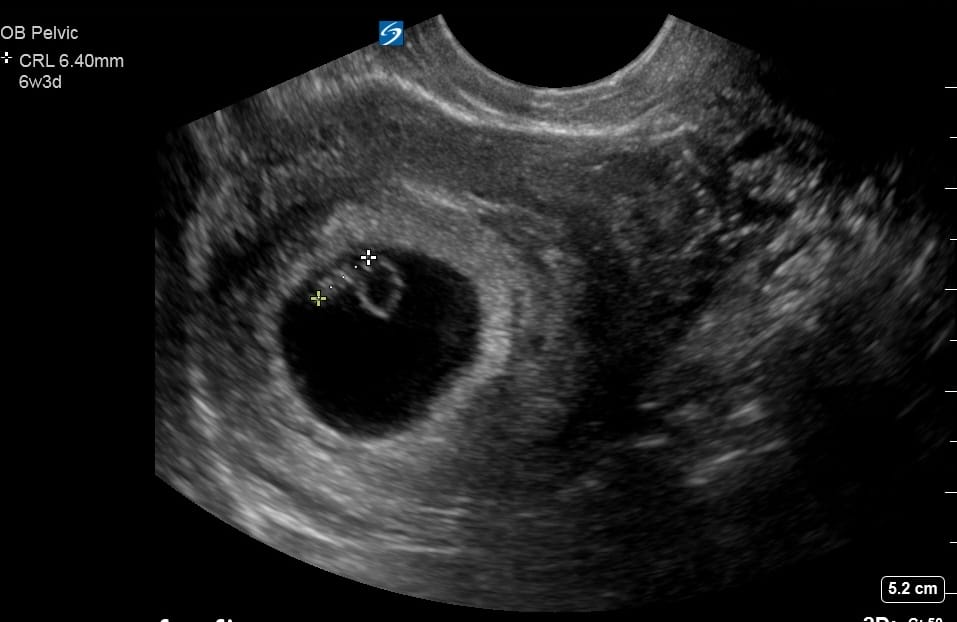
Figure 9. Crown rump length measurement showing an estimated fetal age of 6 weeks and 3 days
An ectopic pregnancy is a pregnancy in which a fertilized egg implants and grows outside the uterine cavity. The most common site for an ectopic pregnancy is the ampulla of the fallopian tube. The primary goal of performing an obstetric ultrasound in a pregnant patient who presents with abdominal pain, pelvic pain, and vaginal bleeding is not to rule in an ectopic pregnancy, but rather to rule in an IUP.
Ruling in an IUP essentially rules out an ectopic pregnancy, given that the incidence of a heterotopic pregnancy – the simultaneous occurrence of an intrauterine and an ectopic pregnancy – is 1 in 30,000. The rate of heterotopic pregnancies, however, rises significantly in patients who have undergone in-vitro fertilization (IVF) to ranges from 1 in 100 to 1 in 500 pregnancies [5]. A history of pelvic inflammatory disease also increases concern for heterotopic and ectopic pregnancy.
Uterus Views
If an empty uterus is visualized on bedside ultrasound in a patient (as shown below) with a B-hCG level greater than the discriminatory zone, the next step is to examine the adnexa for sonographic signs of an ectopic pregnancy. However, the lack of a visualized IUP on POCUS in a pregnant patient is concerning for ectopic pregnancy, and it is not expected to be able to visualize the actual ectopic pregnancy.
Video 1. Coronal (transverse) view of uterus without an intrauterine pregnancy
Video 2. Sagittal (longitudinal) view of uterus without an intrauterine pregnancy
Adnexa Views
To examine the adnexa in the transabdominal view, ensure that the patient has a full bladder and identify the uterus in the sagittal and transverse views. Using the uterus as a landmark, sweep laterally and posteriorly at which point the ovaries may or may not be visualized. Use color Doppler to help distinguish the ovary (which has a vascular hilum) from surrounding structures. Sonographic signs of an ectopic pregnancy include:
1. Tubal ring sign
A thick hyperechoic ring around a hypoechoic tubal mass
Video 3. Coronal (transverse) view of uterus showing tubal ring sign
2. Ring of fire sign
A well-circumscribed hypoechoic structure surrounded by a hypervascular ring seen on color Doppler due to trophoblastic activity and neovascularization. Note that the ring of fire sign is also present in corpus luteum cysts, which are a type of functional ovarian cyst that forms after ovulation to support a possible pregnancy.
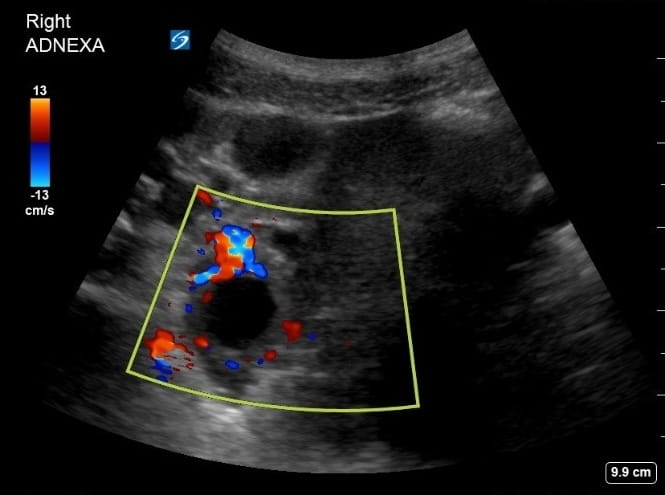
Figure 10. Ring of fire of the adnexa
Free Fluid Assessment
If there is high suspicion for an ectopic pregnancy, assess for free fluid in the pelvis and abdomen, especially in the posterior cul-de-sac (pouch of Douglas) and hepatorenal recess (Morison’s pouch). The hepatorenal view is key for detecting hemoperitoneum in the supine patient. Fluid will often collect in Morison’s pouch first. Sweep through the pelvis in both sagittal and transverse planes to look for anechoic or hypoechoic fluid. While trace fluid may be normal in patients, the presence of moderate to large amounts of free fluid, particularly if echogenic (suggesting hemoperitoneum), raises concern for ruptured ectopic pregnancy and warrants immediate intervention. Ultimately, if the bedside ultrasound is inconclusive in a patient with clinical concern for ectopic pregnancy, a radiology performed ultrasound and/or gynecology consult should be ordered urgently.
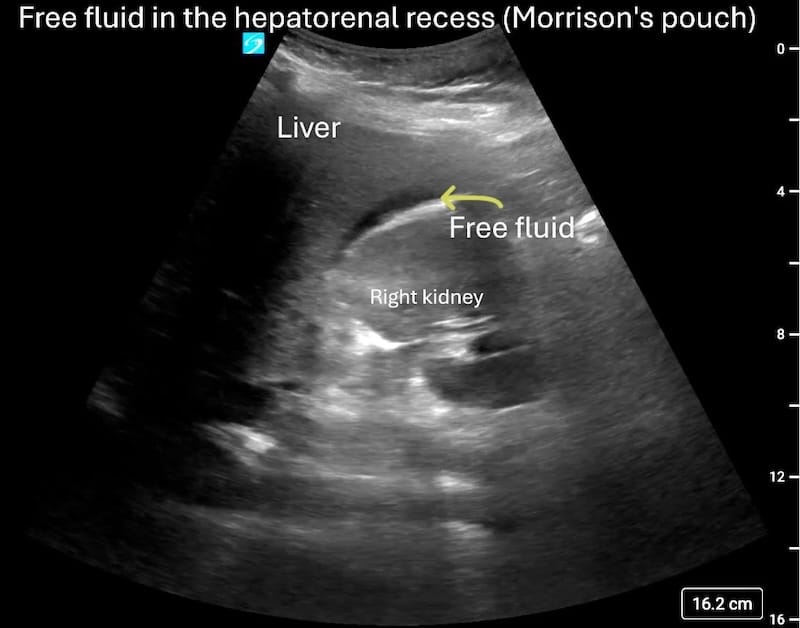
Figure 11. Free fluid collecting in the right upper quadrant hepatorenal recess (Morison’s pouch)
Uterine fibroids, also known as leiomyomas or myomas, are benign smooth muscle tumors of the uterus. On ultrasound, they typically appear as well-circumscribed, hypoechoic (relative to the myometrium) structures that can arise within the myometrium (intramural), along the outer surface of the uterus (subserosal), project into the endometrial cavity (submucosal), and can be attached by a stalk (pedunculated).
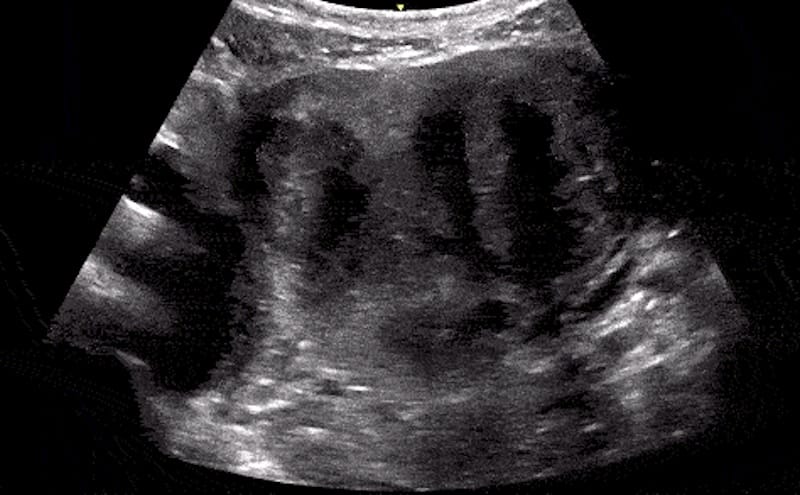
Figure 12. Uterine fibroids
A molar pregnancy, also called a hydatidiform mole, is a type of gestational trophoblastic disease that results from abnormal fertilization, leading to the growth of abnormal trophoblastic tissue rather than a normal embryo.
A complete mole, which occurs due to fertilization of an empty ovum by one (or two) sperm, typically has a “snowstorm” or “cluster of grapes” appearance. On ultrasound, the uterus may appear larger than expected for gestational age and may show a diffusely echogenic intrauterine mass with numerous cystic spaces.
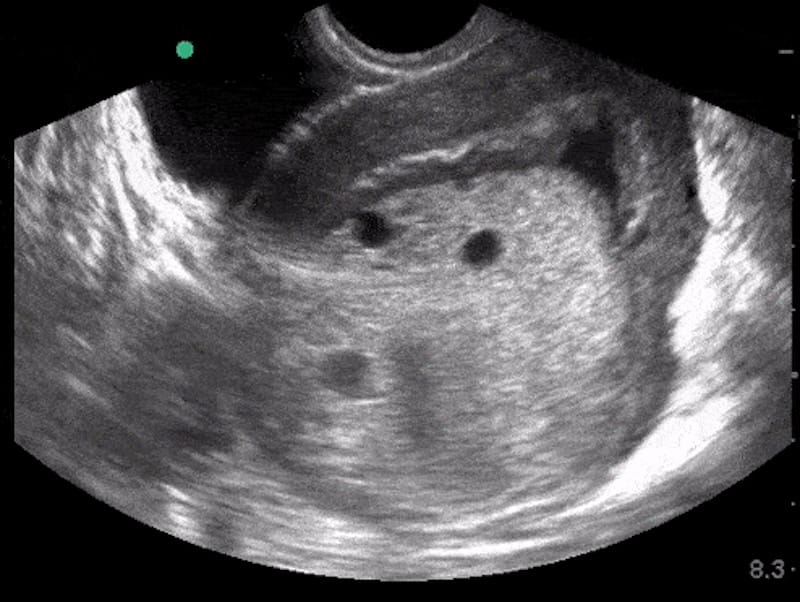
Figure 13. Molar pregnancy
An ovarian cyst is a fluid-filled sac within or on the surface of the ovary. Most are benign and functional, especially in reproductive-age women, and often resolve spontaneously.
On ultrasound, simple ovarian cysts appear as a thin, smooth-walled anechoic structure. A corpus luteum cyst, which may have a “ring of fire” appearance on color Doppler, is more thick-walled in appearance. Hemorrhagic cysts tend to have mixed echogenicity with a lacy, reticular pattern.
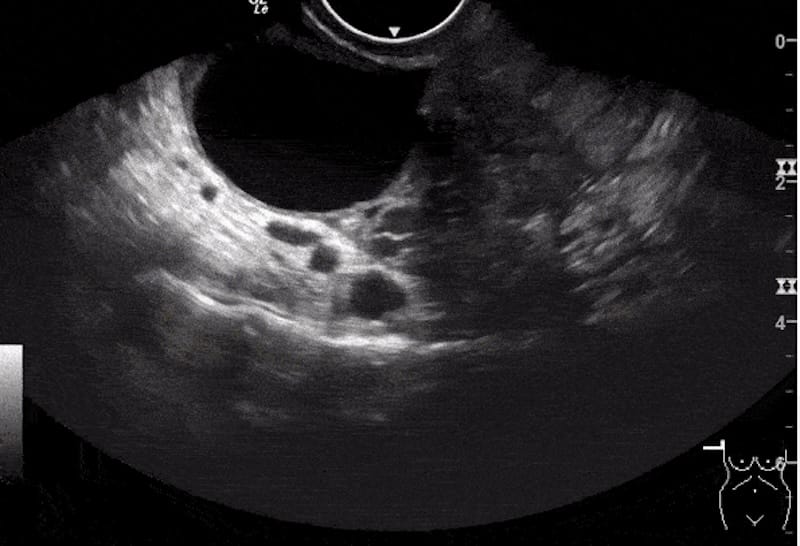
Figure 14. Ovarian cysts
Ovarian torsion is often on the differential for female patients presenting with sudden onset lower abdominal pain. It is a gynecologic emergency where the ovary twists on its own vascular pedicle, compromising blood flow. Patients with large ovarian cysts or masses ≥5cm are at increased risk.
On ultrasound, an enlarged, edematous ovary with absent or decreased flow may suggest this diagnosis. The ovary also tends to have peripheralized follicles. A midline ovary can also be a concerning sign. Venous flow is typically lost prior to arterial flow; however, presence of flow does not rule out ovarian torsion. Lastly, a highly specific finding for ovarian torsion may be the presence of a whirlpool sign which is visualized as a targetoid, coiled structure on color Doppler.
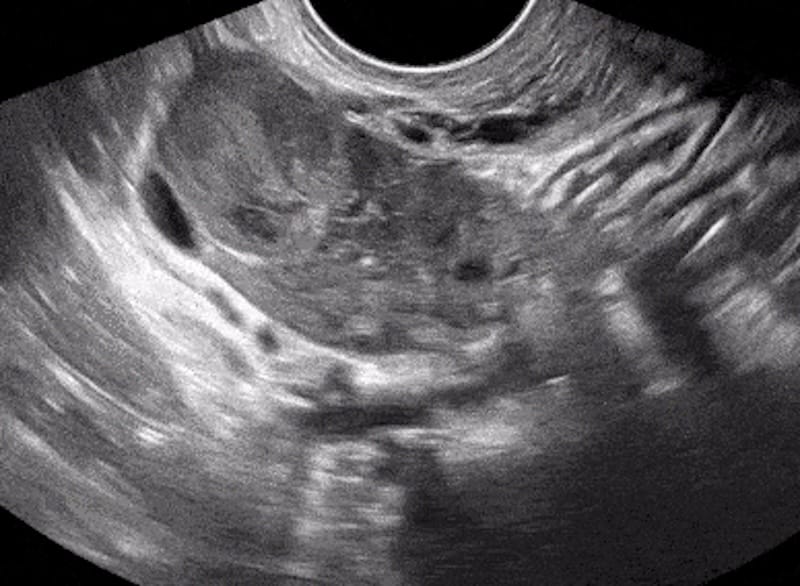
Figure 15. Ovarian torsion with midline, edematous ovary
Integration of the obstetric POCUS into early pregnancy assessment can significantly accelerate diagnosis and initiation of treatment, particularly in urgent cases like an ectopic pregnancy. Faster timelines could translate into improved clinical outcomes and more efficient ED workflows.
Studies that helped shape the landscape for the utility of POCUS in early pregnancy in the emergency department setting include:
| Study | Study Type, Location (Time frame) | N, Ages | Notes |
|---|---|---|---|
| Doubilet et al., N Engl J Med. 2013 [6] | Review Article | N/A | This review establishes more stringent ultrasound criteria for diagnosing early pregnancy failure to minimize false-positive results:
These guidelines are designed to protect viable pregnancies from premature or inappropriate interventions. |
| Thamburaj et al. Pediatr Emerg Care. 2013 [7] | Retrospective case-cohort review, Single ED at Newark Beth Israel Medical Center (2007) | 330 Female patients aged 13-21
Bedside POCUS group (n = 244, ~74%; Radiology group (n = 86) |
Time-to-scan: 82 min vs. 149 min (POCUS vs. radiology), P < 0.001
LOS: 142 min vs. 230 min (P < 0.001) Despite similar demographics, chief complaints, diagnoses, and dispositions between groups, bedside ultrasound significantly reduced both scan time and overall ED stay. |
| McRae et al. CJEM. 2009 [8] | Systematic review, multiple EDs including international data | N/A | ED-targeted ultrasound is highly specific and reliably identifies IUP. The specificity for detecting IUP exceeded 98% in most studies, and sensitivity typically above 90%.
Bedside ultrasound reduced missed ectopic diagnosis, decreased time to surgical treatment for ectopic cases, shortened ED lengths of stay in normal pregnancies, and showed greater cost-effectiveness versus formal radiology ultrasound. |
| Durston et al. Am J Emerg Med. 2000 [9] | Retrospective cohort, single-center (1992-1998) | 120 patients diagnosed with ectopic pregnancy | Compared 3 different ultrasound availability models over sequential time periods:
Increasing ED ultrasound availability improved the quality of ectopic pregnancy detection. The combined approach of initial ED physician bedside ultrasound followed by formal imaging when indicated was the most cost-effective and efficient. |
| Mateer et al. Acad Emerg Med. 1995 [10] | Prospective cohort, single-center | 148 pregnant women at risk for ectopic pregnancy | Emergency physicians trained in bedside transvaginal ultrasound (TVUS) demonstrated a 93% agreement rate with gynecologists in interpreting scans. Most ectopic pregnancies were identified early, allowing prompt management.
Established feasibility and high accuracy of ED physician-performed POCUS for early pregnancy evaluation, promoting wider adoption in emergency care. |
| Beals et al. Am J Emerg Med. 2019 [11] | Systematic review, multi-center | 2,350 patients across 6 studies | Patients who received POCUS had a mean reduction in ED LOS of 73.8 minutes (95% CI: 49.1–98.6) compared to those who underwent comprehensive ultrasound.
All included studies reported decreased LOS with POCUS. |
Table 1. Key published studies on first-trimester obstetric POCUS
Case Resolution
You use a curvilinear abdominal probe (Figure 16) and endocavitary probe (Figure 17) and visualize the following:
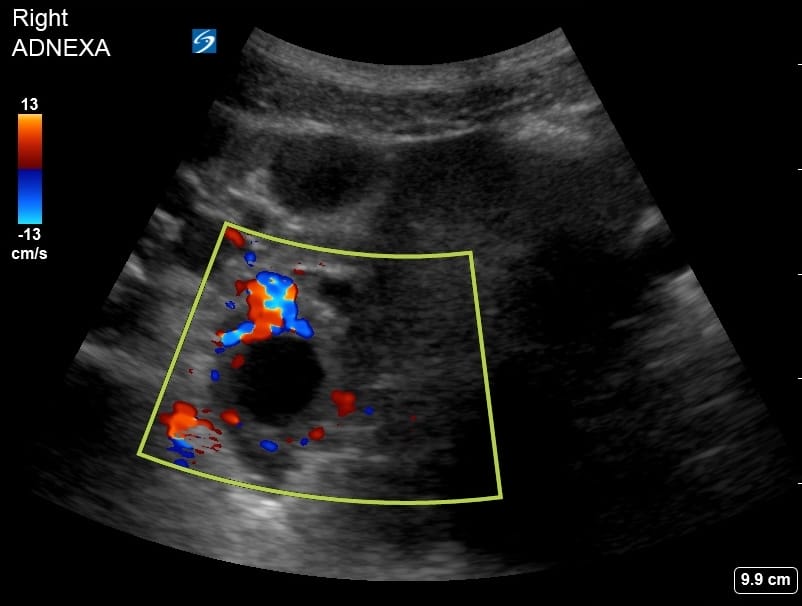
Figure 16. Right adnexal view showing a “ring of fire” sign suggestive of an ectopic pregnancy
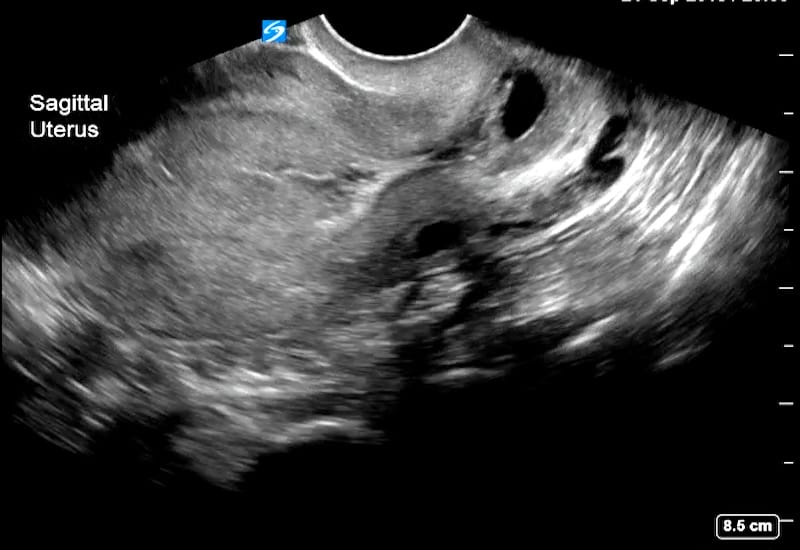
Figure 17. Sagittal view of uterus showing the absence of an intrauterine pregnancy
Given her initial low blood pressure and an obstetric ultrasound concerning for an ectopic pregnancy, you decide to perform a FAST exam, and you see free fluid in the hepatorenal recess.
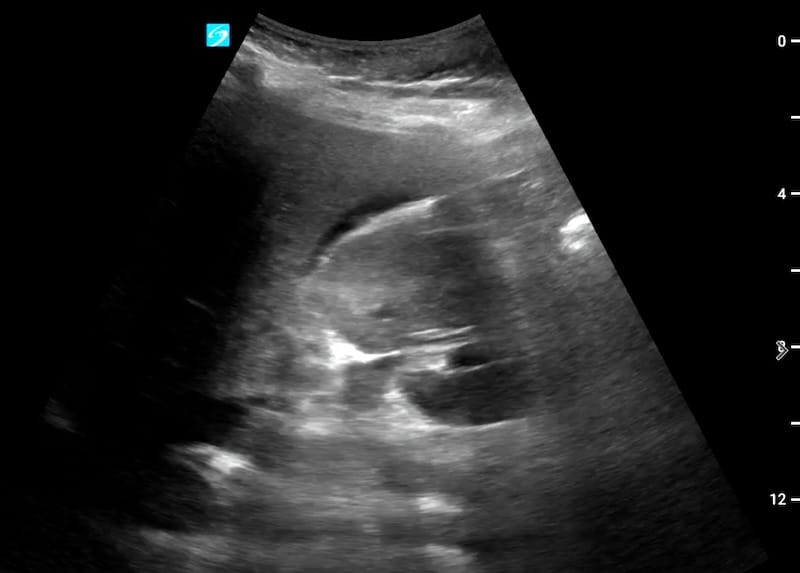
Figure 18. Right upper quadrant abdominal view, showing free fluid in Morison’s pouch
ED Course
Serum labs show the following:
- hCG 8400 mIU/mL
- WBC 13.3 x 10³/uL
- Hematocrit 25.1%
The obstetrics and gynecology team is consulted for a likely ectopic pregnancy, and the patient is taken to the OR for an emergent laparotomy.
References
- Hamza A, Meyberg-Solomayer G, Juhasz-Böss I, et al. Diagnostic Methods of Ectopic Pregnancy and Early Pregnancy Loss: a Review of the Literature. Geburtshilfe Frauenheilkd. 2016;76(4):377-382. doi:10.1055/s-0041-110204
- Kadar N, DeVore G, Romero R. Discriminatory hCG zone: its use in the sonographic evaluation for ectopic pregnancy. Obstet Gynecol. 1981;58(2):156-161. PMID: 7254727
- Rodgers SK, Chang C, DeBardeleben JT, Horrow MM. Normal and Abnormal US Findings in Early First-Trimester Pregnancy: Review of the Society of Radiologists in Ultrasound 2012 Consensus Panel Recommendations. Radiographics. 2015;35(7):2135-2148. doi:10.1148/rg.2015150092
- Weissleder R, Wittenberg J, Harisinghani MG, Chen JW. Primer of Diagnostic Imaging. 5th ed. Mosby/Elsevier; 2011. ISBN: 9780323065382
- Habana A, Dokras A, Giraldo JL, Jones EE. Cornual heterotopic pregnancy: contemporary management options. Am J Obstet Gynecol. 2000;182(5):1264-1270. doi:10.1067/mob.2000.103620. PMID: 10819869
- Doubilet PM, Benson CB, Bourne T, Blaivas M. Diagnostic Criteria for Nonviable Pregnancy Early in the First Trimester. N Engl J Med. 2013;369(15):1443-1451. doi:10.1056/NEJMra1302417
- Thamburaj R, Sivitz A. Does the use of bedside pelvic ultrasound decrease length of stay in the emergency department? Pediatr Emerg Care. 2013;29(1):67-70. doi:10.1097/PEC.0b013e31827b53f9. PMID: 23283267
- McRae A, Murray H, Edmonds M. Diagnostic accuracy and clinical utility of emergency department targeted ultrasonography in the evaluation of first-trimester pelvic pain and bleeding: a systematic review. CJEM. 2009;11(4):355-364. doi:10.1017/s1481803500011416. PMID: 19594975
- Durston WE, Carl ML, Guerra W, Eaton A, Ackerson LM. Ultrasound availability in the evaluation of ectopic pregnancy in the ED: comparison of quality and cost-effectiveness with different approaches. Am J Emerg Med. 2000;18(4):408-417. doi:10.1053/ajem.2000.7310. PMID: 10919529
- Mateer JR, Aiman EJ, Brown MH, Olson DW. Ultrasonographic examination by emergency physicians of patients at risk for ectopic pregnancy. Acad Emerg Med. 1995;2(10):867-873. doi:10.1111/j.1553-2712.1995.tb03099.x. PMID: 8542485
- Beals T, Naraghi L, Grossestreuer A, Schafer J, Balk D, Hoffmann B. Point of care ultrasound is associated with decreased ED length of stay for symptomatic early pregnancy. Am J Emerg Med. 2019;37(6):1165-1168. doi:10.1016/j.ajem.2019.03.025. PMID: 30948256