Assessment in medical education: Finding the signal in the noise
 This past December it was reported in the Harvard Crimson that the median grade at their prestigious University was an A-.1 A flood of articles followed bemoaning grade inflation at educational institutions with a former Harvard President noting cheekily that “the most unique honor you could graduate with was none”.2 This might be alright if well-developed criterion-based instruments are used to grade the students, but given the variability in courses taught at the University and difficulty of developing such tools, it is unlikely. That being the case, if the median is an A-, one wonders how sub-par performance must be to fail.

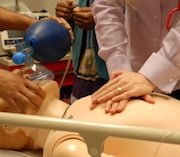
 Being a learner in a medical simulation case can be tough
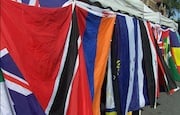 The Case of the Culture Clash presented a conflict within a multi-cultural team of doctors. Mary, a registrar was unable to effectively teach all her interns, who had diverse personal and professional backgrounds. Working in teams with many cultural and linguistic difficulties is becoming more and more common worldwide. This month we asked about personal experiences of difficulties with multi-cultural teams, how to overcome these difficulties, and how we as educators can improve our teaching of learners from different backgrounds.