Should the Trainee be Trusted? A User’s Guide to Assessment with EPAs
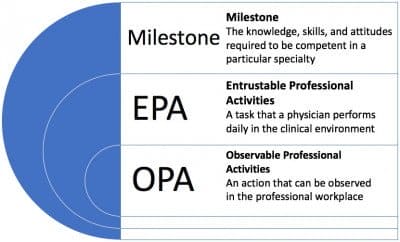 You are an attending working with a fourth-year medical student on their emergency medicine clerkship. The student sees a patient with the chief complaint of dizziness. After an initial assessment, the student says that there are no red flags in the history and the patient has a normal neurological exam. In the back of your mind you are thinking, “Does this student know the risk factors, comorbidities, and red flags? Was a thorough neurological exam performed?” How do you know the trainee should be trusted?

 There are a number of personal attributes characterizing the professional identity of “physician.” We are dedicated to patients, committed to lifelong learning, and responsible for a variety of other professional obligations. Each requires physicians to be highly accountable – obligated or willing to accept responsibility for one’s actions. In this post we present examples of how we’ve adopted peer accountability as a strategy to help us with the myriad responsibilities and obligations at the heart of our profession. Just in time for the New Year – we challenge each of our readers to consider finding an “accountability partner” in 2020!