


Author Insight: Ultrasonography versus CT for suspected nephrolithiasis | NEJM
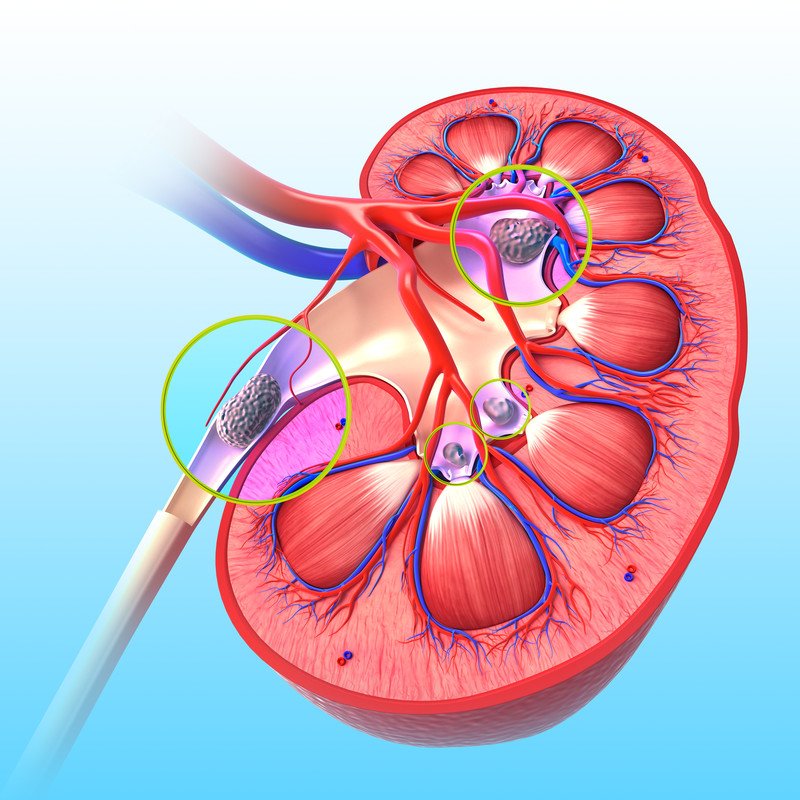 Are you getting a CT or bedside ultrasound as your first-line diagnostic approach to patients with undifferentiated abdominal or flank pain in whom you suspect kidney stones? In a landmark 15-center, multidisciplinary study published in the New England Journal of Medicine in September 2014, Dr. Rebecca Smith-Bindman (UCSF Department of Radiology) and her research team looked at exactly this question for emergency department patients. In the paper, “Ultrasonography versus CT for suspected nephrolithiasis,” Dr. Smith-Bindman and Dr. Ralph Wang (UCSF Department of Emergency Medicine) kindly joined us on a quick discussion about her paper.
 We at ALiEM are incredibly excited to publicly announce the
  practitioners. Allowing access to scholarly publications and academic work is also widely debated in the humanities as well. We found this out as we sat down and discussed Open Access with Dr. Martin Eve (
 With interview season now in full swing this winter season, we gathered a few more of our favorite program directors to discuss the hot topic of making the post-interview communication etiquette. We feature Dr. Jim Colletti (Mayo Clinic), Dr. Jessica Smith (Brown University), and Dr. Jeff Schneider (Boston Medical Center). Thanks again to Dr. Mike Gisondi (Northwestern) for spearheading this innovative and helpful
 DNR/DNI, Code Blue, Cardiac Arrest, Traumatic Brain Injury, Exsanguination, Septic Shock, Respiratory Arrest… and the list goes on. As healthcare providers, we are well versed in the medical and emergency resuscitations that can spiral into these dangerous arenas. Even if we don’t always know the exact cause, we know the mantra of ABCs and we stick to it until the end. The very last end… But the end of what? Where is the dignity in resuscitating a body that has already died? Ultimately the question becomes, are we as practitioners as well versed in letting go, in letting the body die, and then ultimately explaining that process to the family?