SAEM Clinical Images Series: I’m Plugged Up

foreign body

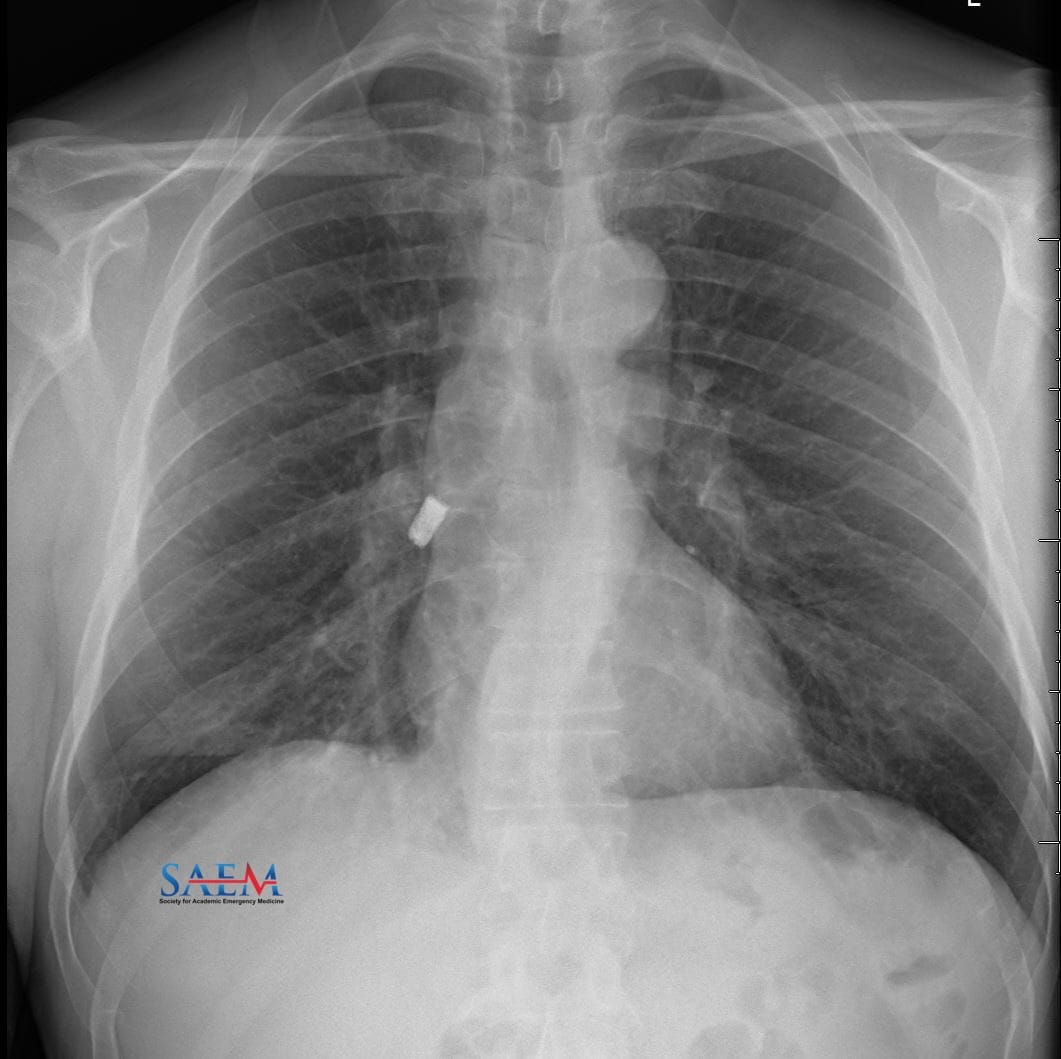
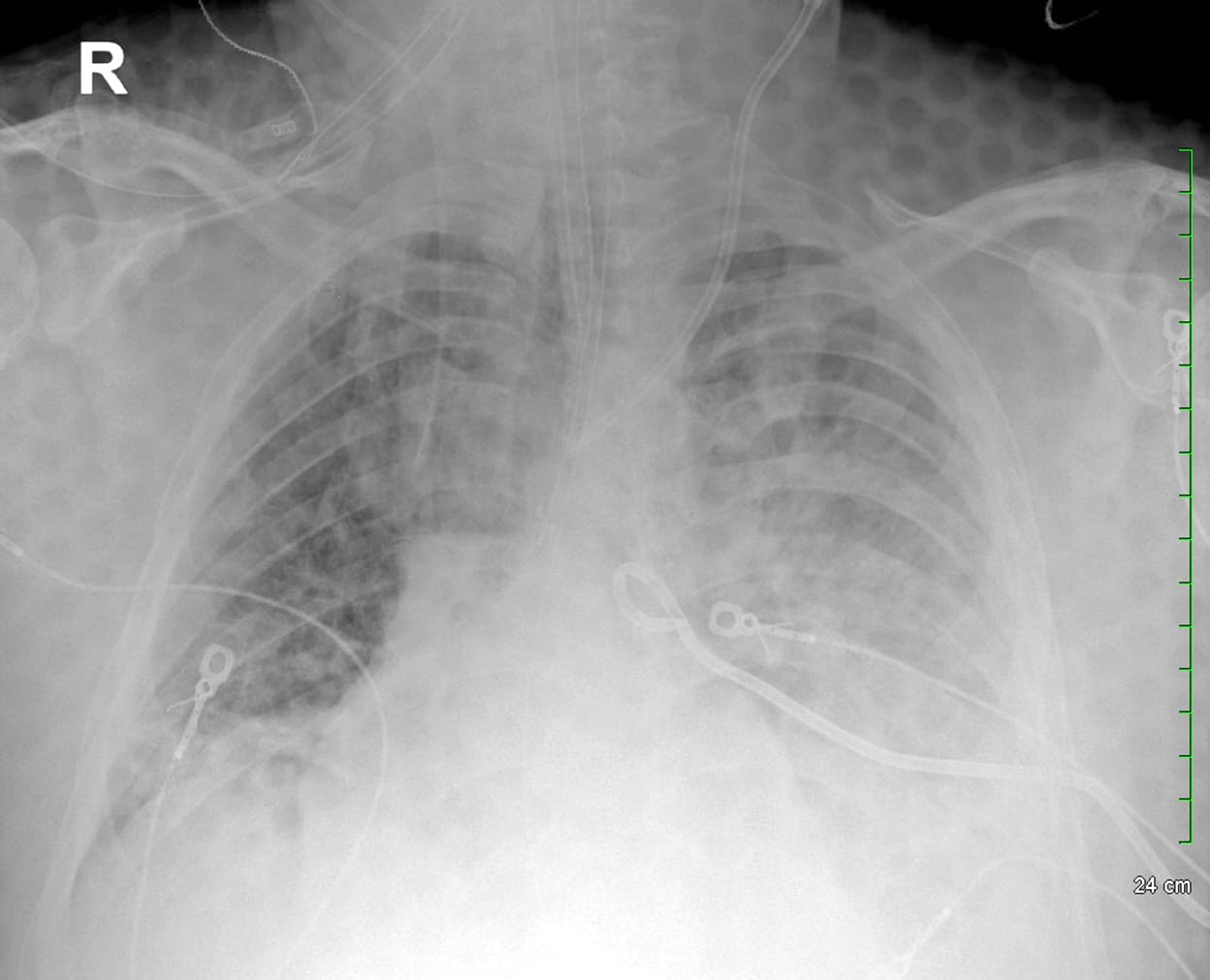
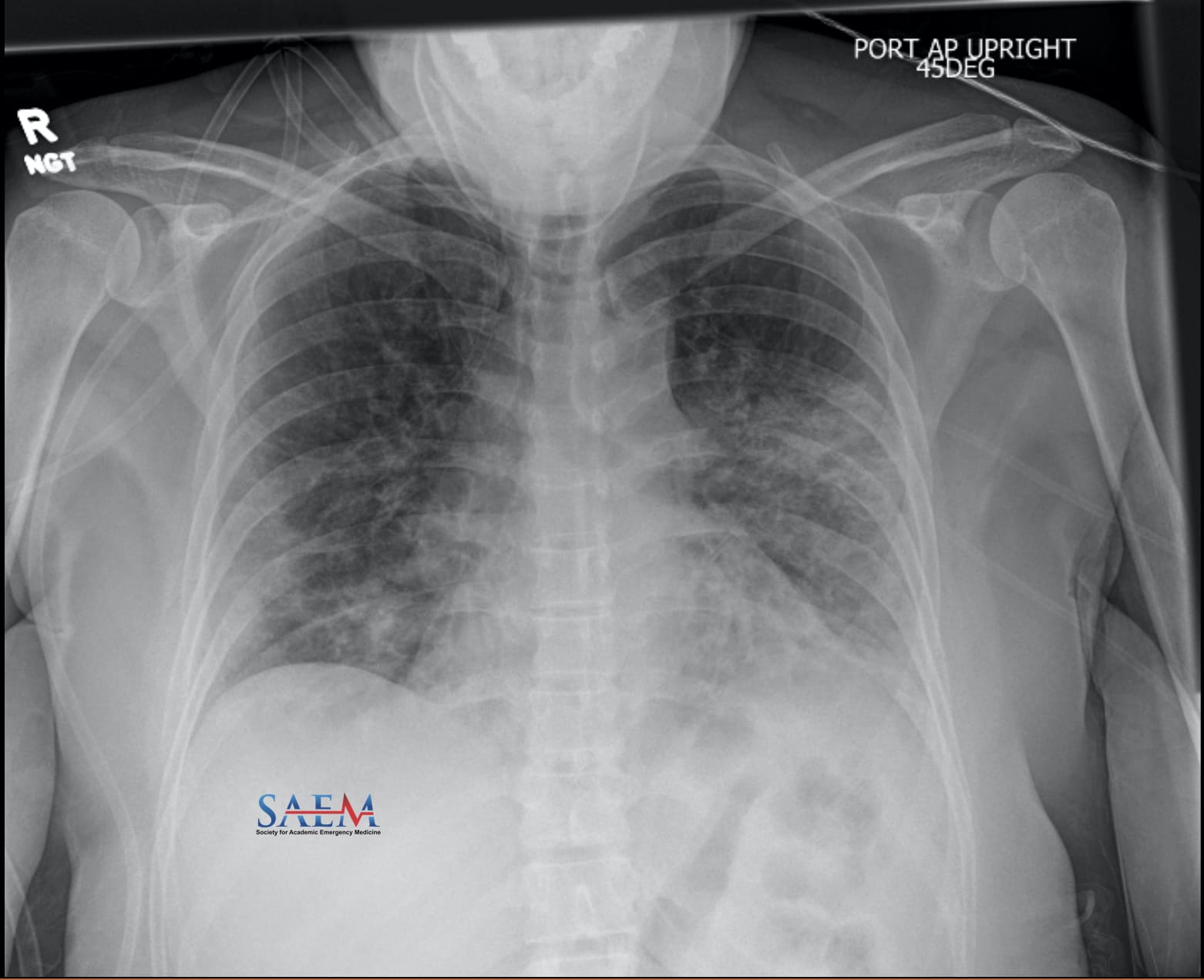
A 56-year-old male with a history of crack cocaine and opiate drug use presented to the Emergency Department (ED) with concerns about a persistent dry cough for seven days. The cough started after smoking cocaine from a homemade glass pipe. The day before arrival, he developed sharp chest pain with coughing associated with shortness of breath and a sore throat. The patient denied fevers, chills, or shortness of breath. He denied hemoptysis, nausea, vomiting, and diarrhea. A chest x-ray was obtained with the findings seen below.

Vitals: Temp: 36.6°C; HR: 78 bpm; RR: 18; BP: 128/85 mmHg; SpO2: 98% RA

General: Disheveled male who is alert in no acute respiratory distress.

Neck: Supple, no crepitus.

Cardiovascular: Regular rate and rhythm, No murmur, gallop, rubs.

Respiratory: Decreased air movement in the right lower lobe without wheezes, rales, rhonchi.

Chest wall: No tenderness.

Gastrointestinal: Soft, Nontender, Non distended, Normal bowel sounds.

WBC: 16.59 x10(3)/mcL

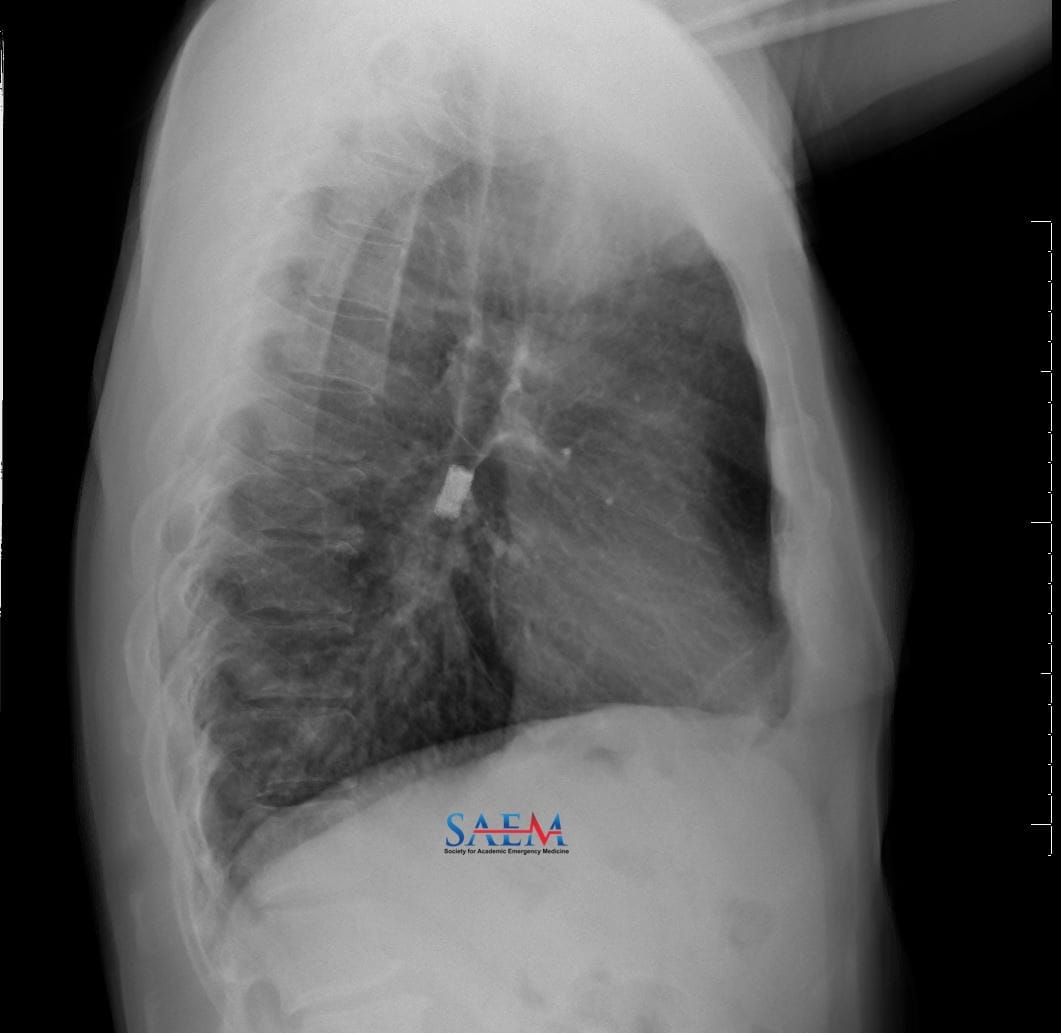
Images 1 and 2 show a radiopaque object in the right bronchus intermedius. By age 15 the aorta makes a prominent indent on the trachea and left mainstem bronchus, increasing the acute angle of the left bronchus compared to the trachea. This results in a relative straightening of the right mainstem bronchus in relation to the trachea and left mainstem bronchus. Thus, foreign bodies are more commonly found in the right bronchial tree of adults and children over 15 years old. In children younger than 15 years of age the angle of the left and right bronchus are symmetrical thus bronchial aspirated foreign bodies are equally likely to be found in either lung. In younger children the relative anatomical narrowing of the tracheobronchial tree results in more proximal airway obstructions at the level of the glottis, larynx, or trachea. (1)

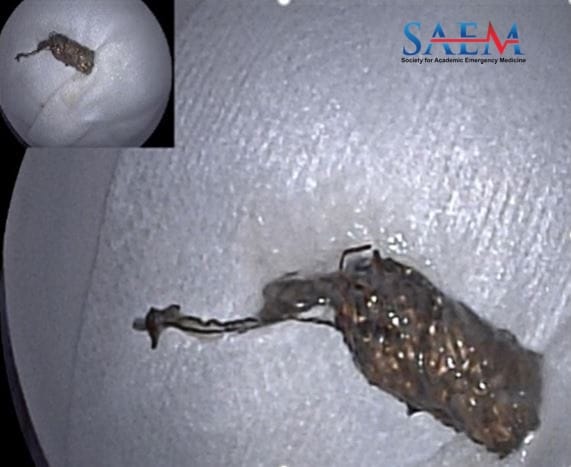
Picture 3 shows a steel wool plug after it was removed from the right bronchus by flexible bronchoscopy. The patient had used the steel wool as a filter for smoking cocaine and accidentally inhaled it during use. Steel wool, like most foreign bodies, causes direct trauma to the tracheobronchial tree as well as post-obstructive pneumonia. Steel wool filters present an added hazard in crack cocaine smoking due to thermal injury to the upper airway (2). Flexible bronchoscopy is the preferred modality for evaluation and treatment of tracheobronchial tree foreign bodies in adults. It has several advantages over rigid bronchoscopy. Flexible bronchoscopy allows better visualization of the distal airways and may be performed using local anesthesia under procedural sedation. (3) In one meta-analysis the procedure had a 90% success rate for foreign body removal. (4) The use of flexible bronchoscopy in children is less clear. A comparison of rigid verses flexible bronchoscopy in children showed a lower rate of respiratory complication in the rigid bronchoscopy group. However, there was no statistically significant overall complication rate for the two modalities. (5)

Take-Home Points

  • Right bronchial foreign bodies are more common after age 15.

  • Steel wool used as a filter in a glass pipe may lead to thermal or mechanical injuries to the upper airway, and post obstructive pneumonia due to aspiration of the entire steel wool plug.

  • Flexible bronchoscopy is the procedure of choice for the removal of bronchial foreign bodies in adults.

  • Cramer N, Jabbour N, Tavarez MM, et al. Foreign Body Aspiration. [Updated 2023 Jul 31]. In: StatPearls [Internet]. Treasure Island (FL): StatPearls Publishing; 2023 Jan-.Available from: https://www.ncbi.nlm.nih.gov/books/NBK531480/

  • Alda Moettus, Dan Tandberg, Brillo® pad crack screen aspiration and ingestion. The Journal of Emergency Medicine, Volume 16, Issue 6, 1998, Pages 861-863, ISSN 0736-4679, https://doi.org/10.1016/S0736-4679(98)00099-7. (https://www.sciencedirect.com/science/article/pii/S0736467998000997)

  • Bajaj D, Sachdeva A, Deepak D. Foreign body aspiration. J Thorac Dis. 2021 Aug;13(8):5159-5175. doi:10.21037/jtd.2020.03.94. PMID: 34527356; PMCID:PMC8411180.

  • Sehgal IS, Dhooria S, Ram B, Singh N, Aggarwal AN, Gupta D, Behera D, Agarwal R. Foreign Body Inhalation in the Adult Population: Experience of 25,998 Bronchoscopies and Systematic Review of the Literature. Respir Care. 2015 Oct;60(10):1438-48. doi: 10.4187/respcare.03976. Epub 2015 May 12. PMID: 25969517.

  • Wiemers A, Vossen C, Lücke T, Freitag N, Nguyen TMTL, Möllenberg L, Pohunek P, Schramm D. Complication rates in rigid vs. flexible endoscopic foreign body removal in children. Int J Pediatr Otorhinolaryngol. 2023 Mar;166:111474. doi: 10.1016/j.ijporl.2023.111474. Epub 2023 Feb 1. PMID: 36753891.

By |2025-04-15T21:24:51-07:00Apr 18, 2025|Pulmonary, SAEM Clinical Images|

Top 3 SOAR Blog Posts on Pediatric Respiratory Infectious Disease

pediatric respiratory infectious diseases soar review

There has been a well-documented growth in the use of FOAM in graduate medical education [1-4]. The decentralized nature of FOAM along with concerns with the lack of peer review make the assessment of the quality of information difficult. Several years ago, a group of physicians set out to solve these problems by modifying the traditional systematic review format, and created the Systematic Online Academic Resource (SOAR) review. The SOAR review aims to “systematically identify online resources by topic…[and] assess the quality of these resources with a validated tool, and collate links.” [5]

Our review, “Systematic online academic resource (SOAR) review: Pediatric respiratory infectious disease,” [6] is the fourth in the AEM Education and Training series – and the first focusing on pediatrics. We identified 36 high-quality blog posts on this topic.

Previous SOAR reviews included the following:

What were the top 3 posts for pediatric respiratory ID?

rMETRIQ ScoreTopicBlog/Podcast PostDate of Publication
20EpiglottitisRadiopaedia: Epiglottitis1/29/10
19Strep pharyngitisemDOCs Podcast – Episode 27: An Understated Myth? Strep Throat & Rheumatic Fever4/27/21
19Hand-foot-and-mouth diseaseRadiopaedia: Enterovirus 711/24/14

How can I find the entire list of the 36 high-quality blog posts?

Looking for a blog post on bronchiolitis? Pneumonia? Croup? Look no further! You can view these high-quality blog posts in our SOAR publication (subscription required) [6]. To make it easier, you can also identify these resources by topic on PEMBlog with Dr. Brad Sobolewski (coauthor of the SOAR review):

  1. Bronchiolitis
  2. Epiglottitis
  3. Pneumonia
  4. Croup
  5. Everything else

How did we arrive at 36 blog posts?

Using 177 search terms, our initial search yielded 44,897 resources, 441 of which met criteria for quality assessment.

  • 36 of the 441 blog posts reached the high-quality cutoff score of ≥16 using the rMETRIQ scoring tool.
  • 67 of the 441 blog posts had an rMETRIQ score of ≤7, meeting the threshold for poor quality.
  • Similar to prior SOAR reviews, there was an uneven distribution of blog posts for each topic.
  • For all of the posts reviewed, the highest mean scores were seen in the first 3 questions of the rMETRIQ tool, which relate to the “Content” domain (vs. the “Credibility” and “Review” domains).
  • Only 5 of the 441 posts specified an intended audience level.

How do our findings compare to prior SOAR Reviews?

RenalEndocrineSickle CellPediatric Resp ID
# Reviewed34175653441
High Quality34 (10%)121 (16%)8 (15%)36 (8%)
Poor Quality*NANA11 (21%)67 (15%)

* Poor quality was not assessed in the first 2 SOAR reviews

Special thanks to SOAR coauthors Brad Sobolewski, Cindy Roskind, Andrew Grock, JooYeon Jung, Shirley Bae, and Lisa Zhao.

References

  1. Purdy E, Thoma B, Bednarczyk J, Migneault D, Sherbino J. The use of free online educational resources by Canadian emergency medicine residents and program directors. Can J Emerg Med. 2015;17(2):101-106. doi:10.1017/cem.2014.73. PMID 25927253
  2. Mallin M, Schlein S, Doctor S, Stroud S, Dawson M, Fix M. A survey of the current utilization of asynchronous education among emergency medicine residents in the United States. Acad Med. 2014;89(4):598-601. doi:10.1097/ACM.0000000000000170. PMID 24556776
  3. Thurtle N, Banks C, Cox M, Pain T, Furyk J. Free open access medical education resource knowledge and utilisation amongst emergency medicine trainees: a survey in four countries. Afr J Emerg Med. 2016;6(1):12-17. doi:10.1016/J.AFJEM.2015.10.005. PMID 30456058
  4. Reiter DA, Lakoff DJ, Trueger NS, Shah KH. Individual interactive instruction: an innovative enhancement to resident education. Ann Emerg Med. 2013;61(1):110-113. doi:10.1016/J. ANNEMERGMED.2012.02.028. PMID 22520994
  5. Grock A, Bhalerao A, Chan TM, Thoma B, Wescott AB, Trueger NS. Systematic online academic resource (SOAR) review: renal and genitourinary. AEM Educ Train. 2019;3(4):375-386. doi:10.1002/ aet2.10351. PMID 31637355
  6. Belfer J, Roskind CG, Grock A, et al. Systematic online academic resource (SOAR) review: Pediatric respiratory infectious disease. AEM Educ Train. 2024;8(1):e10945. Published 2024 Feb 21. doi:10.1002/aet2.10945. PMID 38510728

Pigtail catheter for pleural drainage: Tips to minimize complications

pigtail

Traditionally large-bore tube thoracostomy has been the standard of care for treating many acute intrathoracic pathologies [1]. However, the advent of less invasive small-bore chest tubes, also known as pigtail catheters, has gradually led to a paradigm shift. Pigtails provide a less invasive and often better tolerated alternative to traditional chest tubes and allow for adequate treatment of pneumothoraces and uncomplicated pleural effusions [1-5]. Unfortunately, these less invasive catheters are not without complications – both unique and similar to traditional chest tubes.

Case

A 48 year-old male with a history of hypertension and polysubstance abuse presented to the emergency department (ED) for shortness of breath and was found to have a left sided parapneumonic pleural effusion (Figure 1). The patient underwent thoracentesis and placement of a pigtail catheter using the Seldinger technique to drain the fluid collection. Pigtail catheter placement was confirmed by chest x-ray (Figure 2).

pleural effusion chest x-ray

Figure 1: Chest x-ray with left sided pleural effusion

pleural effusion chest x-ray pigtail catheter

Figure 2: Chest x-ray with the pigtail catheter in the left chest

Case Progression

Despite pigtail catheter placement, there was minimal drainage from the catheter. In collaboration with the inpatient team, intrapleural thrombolytics were administered via the pigtail catheter did not resolve the issue. Although the patient’s chest x-ray did improve after the procedure, the patient continued to deteriorate clinically and became increasingly hypoxic.

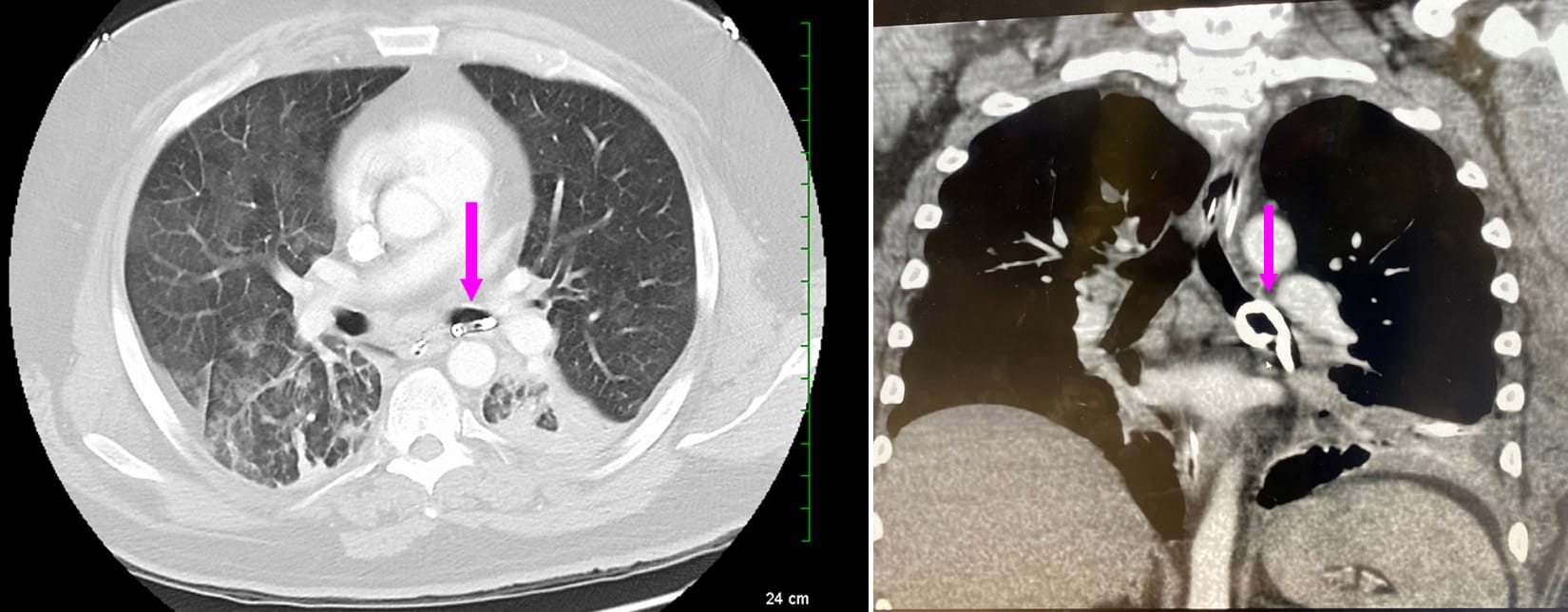
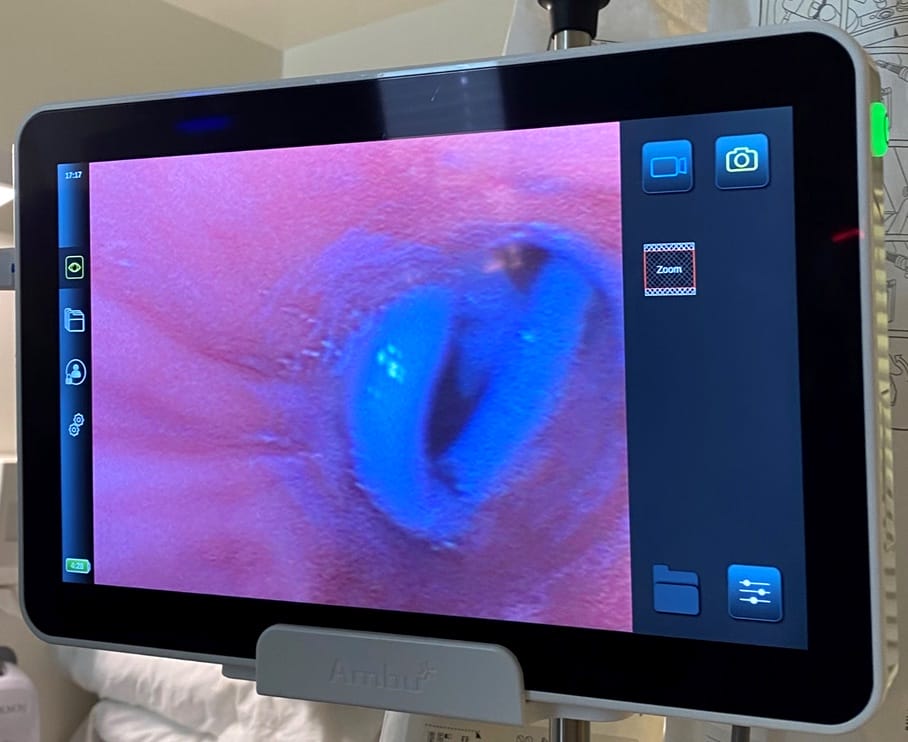
A CT angiogram was then performed and showed that the pigtail catheter had been accidentally introduced through the lung parenchyma and was lodged in the left main stem bronchus (Figure 3). This was confirmed on bronchoscopy (Figure 4).

pigtail catheter chest ct in bronchus

Figure 3: Chest CT angiogram showing the pigtail catheter (arrow) in the left mainstem bronchus

bronchoscopy pigtail

Figure 4: Bronchoscopy view of the left mainstem bronchus showing the pigtail catheter

This case highlights one of the more rare and potentially severe complications of small-bore chest tubes. With the increasing utilization of such devices, this case  highlights the need for better education about the indications, complications, and troubleshooting approaches with these pigtail catheters. 

Complications

The overall complication rate for small-bore catheters is lower than their large-bore counterparts, partly because of their smaller caliber. Also unlike traditional large-bore tube thoracostomy, the lack of tactile feedback (not feeling the pleural puncture ‘pop’ with Kelly clamps and then identifying the intrapleural space with the finger) can lead to malpositioning complications. Both approaches, however, share common complications:

  • Most common complication: Chest tube kinking and obstruction [6, 7, 10]
    • Due to the small caliber of the pigtail catheter, it can easily become twisted or kinked between the pleura and lung parenchyma, obstructed within lung fissures, or kinked externally between the body and environment [9].
    • Obstruction may also occur from clotted blood [9] or pleural effusion loculations [12, 13] within the catheter lumen.
      • For loculated effusions and empyemas, an interdisciplinary inpatient discussion should weigh the pros and cons of intrapleural thrombolytics versus surgical drainage and pleurodesis.
      • One often used thrombolytic regimen is the MIST-II protocol, which involves the combination of alteplase (tPA) 10 mg BID plus dornase alfa (DNase) 5 mg BID [13, 14].
  • Laceration of tissue/vessel [2, 3, 6, 8]
    • Can be prevented by using standard landmarks and inserting above the rib margin
  • Air emboli [2, 3, 6, 9]
    • Thought to be due to parenchymal injury resulting in a fistula involving the pulmonary vessels
  • Parenchymal injury [9]

References

  1. Gammie JS, Banks MC, Fuhrman CR, et al. The pigtail catheter for pleural drainage: a less invasive alternative to tube thoracostomy. JSLS: Journal of the Society of Laparoendoscopic Surgeons. 1999;3(1):57-61. PMID: 10323171
  2. Saqib A, Ibrahim U, Maroun R. An unusual complication of pigtail catheter insertion. Journal of Thoracic Disease. 2018;10(10):5964-5967. doi:https://doi.org/10.21037/jtd.2018.05.65
  3. Broder JS, Al-Jarani B, Lanan B, Brooks K. Pigtail Catheter Insertion Error: Root Cause Analysis and Recommendations for Patient Safety. The Journal of Emergency Medicine. 2020;53(3). doi:https://doi.org/10.1016/j.jemermed.2019.10.003
  4. Vetrugno L, Guadagnin GM, Barbariol F, et al. Assessment of Pleural Effusion and Small Pleural Drain Insertion by Resident Doctors in an Intensive Care Unit: An Observational Study. Clinical Medicine Insights Circulatory, Respiratory and Pulmonary Medicine. 2019;13:1179548419871527. doi:https://doi.org/10.1177/1179548419871527
  5. Kulvatunyou N, Vijayasekaran A, Hansen A, et al. Two-year experience of using pigtail catheters to treat traumatic pneumothorax: a changing trend. J Trauma. 2011;71(5):1104-1107. doi:https://doi.org/10.1097/ta.0b013e31822dd130
  6. Remérand F, Luce V, Badachi Y, Lu Q, Bouhemad B, Rouby JJ. Incidence of Chest Tube Malposition in the Critically Ill. Anesthesiology. 2007;106(6):1112-1119. doi:https://doi.org/10.1097/01.anes.0000267594.80368.01
  7. Horsley A, Jones L, White J, Henry M. Efficacy and Complications of Small-Bore, Wire-Guided Chest Drains. Chest. 2006;130(6):1857-1863. doi:https://doi.org/10.1378/chest.130.6.1857
  8. Hyo Jin Kim, Yang Hyun Cho, Gee Young Suh, Jeong Hoon Yang, Jeon K. Subclavian Artery Laceration Caused by Pigtail Catheter Removal in a Patient with Pneumothorax. The Korean Journal of Critical Care Medicine. 2015;30(2):119-122. doi:https://doi.org/10.4266/kjccm.2015.30.2.119
  9. Anderson D, Chen SA, Godoy LA, Brown LM, Cooke DT. Comprehensive Review of Chest Tube Management: A Review. JAMA surgery. 2022;157(3):269-274. doi:https://doi.org/10.1001/jamasurg.2021.7050
  10. Aho JM, Ruparel RK, Rowse PG, Brahmbhatt RD, Jenkins D, Rivera M. Tube Thoracostomy: A Structured Review of Case Reports and a Standardized Format for Reporting Complications. World Journal of Surgery. 2015;39(11):2691-2706. doi:https://doi.org/10.1007/s00268-015-3158-6
  11. Gayer G, Rozenman J, Hoffmann C, et al. CT diagnosis of malpositioned chest tubes. Br J Radiol. 2000;73(871):786-790. doi: https://doi.org/10.1259/bjr.73.871.11089474
  12. Altmann, E. S., Crossingham, I., Wilson, S., & Davies, H. R. (2019). Intra-pleural fibrinolytic therapy versus placebo, or a different fibrinolytic agent, in the treatment of adult parapneumonic effusions and empyema. The Cochrane database of systematic reviews, 2019(10), CD002312. https://doi.org/10.1002/14651858.CD002312.pub4
  13. Rahman NM, Maskell NA, West A, et al. Intrapleural use of tissue plasminogen activator and DNase in pleural infection. N Engl J Med. 2011;365(6):518-526. https://doi.org/10.1056/NEJMoa1012740
  14. Chaddha U, Agrawal A, Feller-Kopman D, et al. Use of fibrinolytics and deoxyribonuclease in adult patients with pleural empyema: a consensus statement. Lancet Respir Med. 2021;9(9):1050-1064. doi:10.1016/S2213-2600(20)30533-6. PMID 33545086
By |2024-04-14T09:44:45-07:00Apr 12, 2024|Pulmonary, Trauma|

SAEM Clinical Images Series: A Lethal Combination of Skin and Lung Findings

dermatomyositis

A 49-year-old female with a past medical history of recurrent diverticulitis initially presented with one month of shortness of breath and a minor nonproductive cough for which she was started on doxycycline by her primary care provider. She then developed a rash on her chest, upper back, and face. Antibiotics were switched to amoxicillin and azithromycin. She underwent a brief admission of six days for shortness of breath but did not have an oxygen requirement at that time. She was evaluated by pulmonology (evaluated for cocci, unknown results), and then discharged. She then presented again to the ED with two weeks of worsening shortness of breath, intermittent fevers (Tmax 101°F), nausea/vomiting, fatigue, and arthralgias.

Vitals: BP 100/66; HR 128; Temp 37.2 °C (99 °F); Resp 44; SpO2 84%; BMI 28.25 kg/m2; Wt 79.4 kg (175 lb); Ht 1.676 m (5′ 6″)

General: NAD

Cardiovascular: Tachycardia, no m/r/g

Lungs: Coarse breath sounds at bases bilaterally, tachypneic

Abdomen: Soft, non-distended

Skin: Heliotrope rash to face (violaceous, erythematous rash to eyelids and nasolabial fold), shawl sign (erythematous patches to chest and upper back), shallow ulcers to tongue and lower inner lip, tender papules involving palms and lateral fingers bilaterally, and faint erythema of proximal nail fold

White blood cell (WBC) count: No leukocytosis

ESR: Elevated

LDH: Elevated

CK: Within normal limits

CXR: Bilateral infiltrates

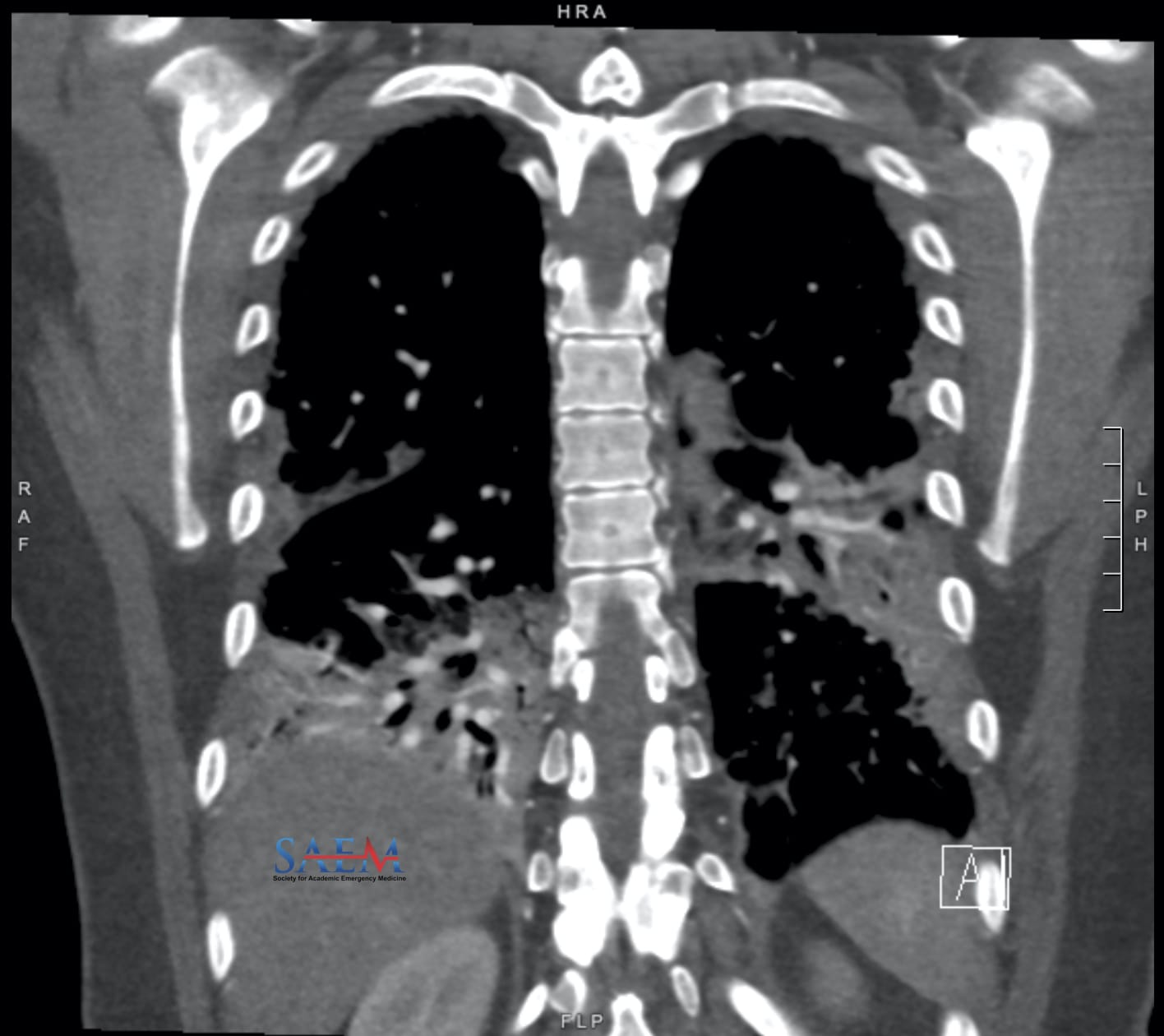
CTPE: Negative for PE, but with scattered areas of ground glass and consolidative opacities throughout both lungs.

If emergency medicine physicians consider MDA5 Dermatomyositis (MDA5 DM) with rapidly progressive interstitial lung disease (RP-ILD) on their differential for patients presenting with skin and pulmonary symptoms, this can result in more rapid diagnosis and aggressive treatment.

This patient was admitted requiring 40 L HFNC, then two days later required intubation for severe ARDS and was placed on VV-ECMO the same day. Her hospital course was complicated by tachyarrhythmias requiring cardioversion, and Takostubo physiology. She was found to be MDA-5 antibody positive and ultimately expired while waiting for a lung transplant.

Take-Home Points

  • Critical actions in approaching ED patients with dermatological physical exam findings (even in the absence of known rheumatological history) with progressive pulmonary symptoms should include early consideration of dermatomyositis, serologic testing, early rheumatology and pulmonology consults, and early consideration of ECMO as a bridge to response to immunotherapy or lung transplant
  • Beginning these critical actions with first patient contact in the ED will only help improve patient outcomes throughout hospitalization.
  • Huang K, Levy RD, Avina-Zubieta JA. Successful lung transplant in rapid progressive interstitial lung disease associated with anti-melanoma differentiation associated gene 5. Rheumatology (Oxford). 2020 Aug 1;59(8):2161-2163. doi: 10.1093/rheumatology/keaa032. PMID: 32068868.
  • Koga T, Fujikawa K, Horai Y, Okada A, Kawashiri SY, Iwamoto N, Suzuki T, Nakashima Y, Tamai M, Arima K, Yamasaki S, Nakamura H, Origuchi T, Hamaguchi Y, Fujimoto M, Ishimatsu Y, Mukae H, Kuwana M, Kohno S, Eguchi K, Aoyagi K, Kawakami A. The diagnostic utility of anti-melanoma differentiation-associated gene 5 antibody testing for predicting the prognosis of Japanese patients with DM. Rheumatology (Oxford). 2012 Jul;51(7):1278-84. doi: 10.1093/rheumatology/ker518. Epub 2012 Feb 29. PMID: 22378718.
  • Moghadam-Kia S, Oddis CV, Sato S, Kuwana M, Aggarwal R. Anti-Melanoma Differentiation-Associated Gene 5 Is Associated With Rapidly Progressive Lung Disease and Poor Survival in US Patients With Amyopathic and Myopathic Dermatomyositis. Arthritis Care Res (Hoboken). 2016 May;68(5):689-94. doi: 10.1002/acr.22728. PMID: 26414240; PMCID: PMC4864500.

SAEM Clinical Images Series: More Than Skin Deep

skin

A 57-year-old female college counselor living in the northeastern United States with no PMH presented for evaluation of rash, joint pain, and dyspnea for the past three weeks. The patient first noticed the rash on her upper back, describing it as being itchy. The rash then spread to her face, scalp, and thighs. Two weeks ago, she noticed swelling in her hands and had a gradual onset of dyspnea on exertion. The patient has pain in her hands and when moving her fingers. She denied fever, cough, chills, chest pain, headache, vision changes, focal weakness, abdominal pain, nausea, vomiting, and diarrhea. She denied recent travel, sick contacts, significant time spent outdoors, known tick bites, new medications, and changes in her diet. She has never had a rash like this before.

Vitals: BP 110/70; HR 86 BPM; RR 18 breaths/min; T 37°C; SpO2 96% on RA

Skin: Warm and dry. There is a macular, violaceous rash to the upper back and upper thighs. The patient’s hands are slightly edematous with nontender papules on the palmar aspect of the hands.

CV: Heart sounds are normal. No jugular venous distention or lower extremity edema.

Lungs: There are faint bibasilar rales heard on auscultation of the chest.

Extremities: Full ROM of the joints and there are no bony deformities. The patient does not have muscular tenderness.

Neuro: Within normal limits; muscle strength 5/5 in all four extremities.

CBC w/ differential: Normal

BMP: Na 142, K 3.8, Cl 106, HCO3 24, BUN 16, Cr 0.44, Glu 112, Ca 8.5, Mg 2.2, Phos 3.4

LFT’s: AST 105, ALT 76, ALP 68, Tbili 0.2 Alb 3.7

PT/PTT/INR: 12.0s/32.2/1.04

D-dimer: 347

ESR: 62

CRP: 0.75

Ferritin: 625

CK: 195

LDH: 276

Procalcitonin: undetectable

Amyopathic dermatomyositis – specifically anti-melanoma differentiation-associated gene 5 (anti-MDA5) positive dermatomyositis as determined by subsequent inpatient auto-immunological workup. Compared to other dermatomyositides, anti-MDA5 positive dermatomyositis is characterized by an absence of traditional muscular involvement. Additionally, patients can present with respiratory symptoms related to interstitial lung disease (ILD). One phenotype of this condition is associated with a rapidly progressive ILD, but respiratory involvement may be delayed years after the initial symptoms are noticed. The patient’s clinical images demonstrate a macular, violaceous rash in the “shawl sign” and “holster sign” distribution patterns typical of dermatomyositides. Palmar papules (not to be confused with Gottron’s papules which are found on the dorsal surface of the metacarpophalangeal and interphalangeal joints) are fairly specific for anti-MDA5 positive dermatomyositis

There are no specific guidelines for treating anti-MDA5 positive dermatomyositis. Patients are typically started on a high-dose steroid regimen. A rheumatology consult should be obtained to determine if the patient would benefit from treatment with immunosuppressants. Given her complaints of dyspnea, the patient should undergo a non-contrast CT of the chest to evaluate for evidence of scarring or pulmonary fibrosis.

Take-Home Points

  • Anti-MDA5 positive dermatomyositis is associated with rapidly progressive ILD has a poor prognosis.
  • This rare form of dermatomyositis should be suspected if the patient has respiratory complaints in addition to the hallmark cutaneous findings commonly observed in all types of dermatomyositides. Palmar papules are fairly specific for anti-MDA5 positive dermatomyositis. It often lacks typical historical and physical features of muscular weakness.
  • Treatment involves high-dose corticosteroids and consideration of immunomodulator therapy.

  • Allenbach Y, Uzunhan Y, Toquet S, Leroux G, Gallay L, Marquet A, Meyer A, Guillaud C, Limal N, Gagnadoux F, Hervier B, Borie R, Deligny C, Terrier B, Berezne A, Audia S, Champtiaux N, Devilliers H, Voermans N, Diot E, Servettaz A, Marhadour T, Castelain V, Humbert S, Blanchard-Delaunay C, Tieulie N, Charles P, Gerin M, Mekinian A, Priou P, Meurice JC, Tazi A, Cottin V, Miyara M, Grange B, Israël-Biet D, Phin-Huynh S, Bron C, De Saint Martin L, Fabien N, Mariampillai K, Nunes H, Benveniste O; French Myositis Network. Different phenotypes in dermatomyositis associated with anti-MDA5 antibody: Study of 121 cases. Neurology. 2020 Jul 7;95(1):e70-e78. doi: 10.1212/WNL.0000000000009727. Epub 2020 Jun 2. PMID: 32487712; PMCID: PMC7371381.
  • Nombel A, Fabien N, Coutant F. Dermatomyositis With Anti-MDA5 Antibodies: Bioclinical Features, Pathogenesis and Emerging Therapies. Front Immunol. 2021 Oct 20;12:773352. doi: 10.3389/fimmu.2021.773352. PMID: 34745149; PMCID: PMC8564476.

ALiEM AIR Series | Respiratory 2023 Module

ALiEM AIR- respiratory module 2023

Welcome to the AIR Respiratory Module! After carefully reviewing all relevant posts in the past 12 months from the top 50 sites of the Digital Impact Factor [1], the ALiEM AIR Team is proud to present the highest quality online content related to related to respiratory diseases in the Emergency Department. 6 blog posts met our standard of online excellence and were approved for residency training by the AIR Series Board. More specifically, we identified 3 AIR and 3 Honorable Mentions. We recommend programs give 3 hours of III credit for this module.

AIR Stamp of Approval and Honorable Mentions

In an effort to truly emphasize the highest quality posts, we have 2 subsets of recommended resources. The AIR stamp of approval is awarded only to posts scoring above a strict scoring cut-off of ≥30 points (out of 35 total), based on our scoring instrument. The other subset is for “Honorable Mention” posts. These posts have been flagged by and agreed upon by AIR Board members as worthwhile, accurate, unbiased, and appropriately referenced despite an average score.

Take the AIR Respiratory Module at ALiEMU

Interested in taking the AIR quiz for fun or asynchronous (Individualized Interactive Instruction) credit? Please go to the above link. You will need to create a free, 1-time login account.

Highlighted Quality Posts: Respiratory

SiteArticleAuthorDateLabel
EMCritIBCC: Asthma Josh Farkas, MDApril 12, 2023AIR
EMCritIBCC: Severe Community Acquired PneumoniaJosh Farkas, MDOctober 11, 2022AIR
EM DocsEmpyema: ED Presentation, Evaluation, and ManagementHeath Garner, MDApril 11, 2022AIR
Rebel EMPigtail Catheter vs Large Bore Chest Tube for PneumothoraxJessica DiPeri, MDDecember 1, 2022HM
The Skeptics Guide to EMHey Ho! High Flow vs Standard O2 therapy for hospitalized children with respiratory failureDennis Ren, MDApril 22, 2023HM
PEM BlogWhy we do what we do: Treatments for severe asthmaBrad Sobolewski, MDAugust 23, 2022HM

(AIR = Approved Instructional Resource; HM = Honorable Mention)

If you have any questions or comments on the AIR series, or this AIR module, please contact us!

Reference

  1. Lin M, Phipps M, Chan TM, et al. Digital Impact Factor: A Quality Index for Educational Blogs and Podcasts in Emergency Medicine and Critical Care. Ann Emerg Med. 2023;82(1):55-65. doi:10.1016/j.annemergmed.2023.02.011, PMID 36967275


SAEM Clinical Images Series: ‘Tis Not the Season to be Wheezing

wheezing

A 2-year-old male with a history of solitary kidney presented with greater than one month of daily coughing, wheezing, and decreased appetite. The patient was previously seen by his primary care physician after three weeks of symptoms where he was prescribed albuterol as needed for viral bronchospasm. The patient’s wheezing did not improve after two weeks of albuterol treatment so a chest x-ray was ordered. The patient’s mother denied any fevers, vomiting, diarrhea, weight changes, or night sweats.

Vitals: BP 131/60; Pulse 148; Temp 36.7 °C (98.1 °F) (Axillary); Resp 28; Wt 15.7 kg (34 lb 9.8 oz); SpO2 95%

General: Alert; well appearing

HEENT: Pupils equally reactive to light; moist mucous membranes; nares with normal mucosa without discharge

Cardiovascular: Regular rate; regular rhythm; normal S1, S2; no murmur noted; distal pulses 2+

Pulmonary: Good aeration throughout all lung fields; clear breath sounds bilaterally; prolonged expiratory phase; stridor with agitation

Abdomen: Soft; non-tender; non-distended

White blood cell (WBC) count: 56.1/uL (Blasts 58%)

Platelets: 288/uL

Uric acid: 8.3 mg/dL

LDH: 2231 iU/LD

D-Dimer: 3.22 ug/mL

Fibrinogen: 463 mg/dL

Bronchospasm, bronchiolitis, viral infection, pneumonia, foreign body aspiration, space-occupying lesion, vocal cord dysfunction, cardiac dysfunction, and acute chest in patients with sickle cell disease.

The radiograph shown demonstrates a mediastinal mass. This patient was ultimately diagnosed with T-cell acute lymphoblastic leukemia. T-ALL can present with fatigue, fevers, weight loss, easy bleeding/bruising, paleness, or a mediastinal mass. Mediastinal masses found on chest x-ray require further evaluation to determine the diagnosis, location, and treatment. If malignancy is suspected, an oncology referral and bone marrow sample will be necessary.

Take-Home Points

  • In patients with first-time wheezing that does not improve with bronchodilator therapy, consider alternative diagnoses and further evaluation.
  • A mediastinal mass is found at the time of diagnosis in 10% to 15% of children with acute lymphoblastic leukemia.

  • Steuber, P (2021). Overview of common presenting signs and symptoms of childhood cancer.UpToDate. Retrieved January 2, 2021.2.
  • Juanpere, S., Cañete, N., Ortuño, P., Martínez, S., Sanchez, G., & Bernado, L. (2013). A diagnostic approach to the mediastinal masses. Insights into imaging, 4(1), 29–52.https://doi.org/10.1007/s13244-012-0201-0

Go to Top