About Christina Shenvi, MD, PhD, MBA

Professor of Emergency Medicine
Department of Emergency Medicine
University of North Carolina - Chapel Hill

10 Tips on How to Succeed Your First Year Out After Residency Graduation

residency graduation success sign

If you are graduating from an EM residency this year, you may be feeling nervous (or petrified) about your first shift out on your own. You’re wondering how you can gain the trust of the nurses and doctors at your new hospital. Perhaps you are wondering how you will keep learning without the residency leadership forcing articles and lectures on you.

In this post we will give you our top 10 tips, each with a practical pearl, for how to succeed your first year out. These keys to success will help keep you from making common mistakes, blowing your chance at a good first impression, and also help keep you out of deep, troubled waters when it comes to HIPAA violations and keeping your medical license.

(more…)

I am Dr. Michael Epter: How I Promote Wellness in EM

Promoting the wellness and resilience of his residents and colleagues is a passion for Dr. Michael Epter. He has become a leading spokesperson on the topic within the residency leadership community. With over a decade of experience as a program director, as well as the challenges he worked through caring for twins born at 24 weeks, he has plenty of wisdom and insight to share on how we can help promote wellness in EM!
(more…)

By |2017-01-14T22:44:35-08:00Feb 5, 2017|Wellness|

I am Dr. Michelle Lall – How I Promote Wellness in EM

Dr. Michelle Lall, an Assistant Professor and Assistant Residency Director is dedicated to promoting work-life balance and resilience among her co-workers and nationally. She was inspired in part by her experience growing up as the daughter of a physician who worked long hours his whole life. In addition to promoting wellness through national committees, she has developed a multi-tiered approached involving faculty, residents, advanced practice providers, as well as significant others to promote wellness at every level in her department.

(more…)

By |2016-12-14T17:48:21-08:00Nov 13, 2016|How I Promote Wellness|

I am Dr. Alicia Pilarski – How I Promote Wellness in EM

Wellness is not the sole responsibility of each individual physician, rather it is something we have to foster as a community. Many if not most of the things that contribute to burnout or detract from wellness are systems-level problems. Therefore the solutions also need to be systems-based, which inspired us to launch this series on how to promote wellness in EM. The goal is to share ideas, practices, and programs that have worked at different institutions to promote wellness. Our hope is that in reading these posts, you will be inspired to take some of the ideas and implement them in your own program. In this way we can slowly change the system that has produced a 70% burnout rate among Emergency Physicians and start to build programs and systems that promote wellness, resiliency, and career longevity. In this post, Dr. Pilarski discusses how she founded the Medical College of Wisconsin Wellness Committee, the challenges she overcame, and what the committee has accomplished.

(more…)

By |2016-12-14T17:00:19-08:00Oct 12, 2016|How I Promote Wellness|

Tips for Interpreting the CSF Opening Pressure

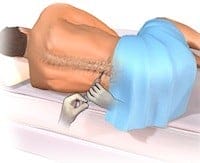
Lumbar Puncture positioning. Creative Commons License - Blausen staff

In Emergency Medicine, we are like Goldilocks when it comes to many things: We don’t like a patient’s PaO2 to be too high or too low. We don’t like the bed too high or too low when we intubate. We get concerned when we see a potassium that is too high or too low. The Goldilocks principle is also true of opening pressures on a lumbar puncture (LP). This post will discuss what the opening pressure means, and a differential diagnosis for when it is too high or too low and even when it is in the normal range.

(more…)
By |2019-04-26T19:09:38-07:00Aug 10, 2016|Neurology|

5 Tips for Managing Pain in Older Adults

painPain is the most common reason people seek care in Emergency Departments. In addition to diagnosing the cause of the pain, a major goal of emergency physicians (EPs) is to relieve pain. However, medications that treat pain can have their own set of problems and side effects. The risks of treatment are particularly pronounced in older adults, who are often more sensitive to the sedating effects of medications, and are more prone to side effects such as renal failure. EPs frequently have to find the balance between controlling pain and preventing side effects. Untreated pain has large personal, emotional, and financial costs, and more effective, multi-modal pain management can help reduce the burden that acute and chronic pain place on patients.1 There is evidence that older adults are less likely to receive pain medication in the ED.2,3 The first step to improving, is being aware of the potential tendency to under-treat pain in older adults. Here are 5 tips to help you effectively manage pain in older adults on your next shift.
(more…)

Traumatic Brain Injuries in Older Adults

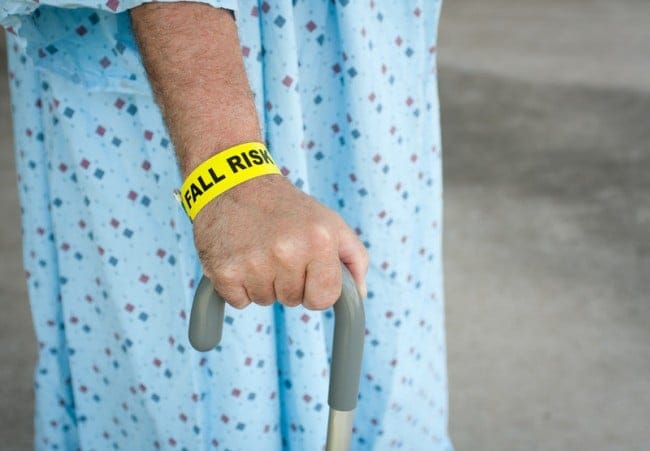
Fall Risk traumatic brain injuries older adultsOlder adults are at high risk of poor outcomes from even minor head injuries. We see many older patients in the ED who present after a fall or head injury, and we have good decision rules for which patients need brain imaging.1 However, even patients with mild traumatic brain injuries, who have a negative CT scan, are at risk for mortality and significant long-term sequelae. The CDC has called traumatic brain injuries a ‘silent epidemic’.2,3 The first steps to breaking that silence are awareness and recognition.

Case

A 75 year old male who is not on any anticoagulants presents to your ED after a mechanical fall from standing. He is mildly confused, and amnestic to the event, but otherwise has no neurologic deficits. He has some mild dizziness when he stands. What is the diagnosis, and what should you tell the patient and his family to expect?

Traumatic Brain Injuries

tbi imageFrom 2002-2006, there were about 142,000 ED visits by older adults (age 65 and over) for TBIs, 81,500 hospitalizations, and over 14,300 deaths.4 The hospitalization and death rates are much higher in this group than in younger adults. Older adults account for only 10% of TBI-related ED visits, but 50% of deaths.5 Many studies have tried to find a cutoff at which age contributes to increased morbidity and mortality, and the values have ranged from 39 to 66. However, there is consensus that after age 75, the mortality is much higher.5 Falls are the most common cause of brain injury in older adults, responsible for 60% of TBIs, compared with 33% in the population overall.2,6 Falls are also the most common cause of trauma-related mortality.7 About 8% of older adults will visit the ED every year because of a fall, and a quarter of those patients are admitted.2

There are multiple factors that put older adults at higher risk for TBI and adverse sequelae from it:

  1. They have more frequent falls. Falls are multifactorial. Gait instability, as well as poly-pharmacy can both contribute.
  2. They have higher injury severity from falls than younger patients. This may be in part due to higher rates of anti-coagulant therapy, but also physiological and anatomic changes as the dura becomes more adherent to the skull.2
  3. Older adults have more prolonged courses following injury, with slower recovery rates.8 They are at higher risk of secondary consequences such as skin breakdown from decreased mobility.

Traditionally, TBI severity has been determined based on GCS, duration of loss of consciousness and post-traumatic amnesia as outlined in this Northeastern University site. However, this determination is challenging because the GCS may fluctuate (it may improve or may worsen) with time. In addition, the patient may not fall neatly into one category based on each of those criteria. Finally, this classification system also does not take into account imaging findings, which will affect prognosis and management. The literature on this topic is complicated in part by the fact that certain publications equate concussion with mild TBI, while others consider the two separate entities.9 Other classification systems, such as the Mayo TBI classification take into account symptoms as well as CT findings.10 Acutely in the ED, the first priority is to stabilize and resuscitate, to manage the airway if needed, and to evaluate for any other trauma. If the patient is stable and imaging negative, we should at least warn the patient that there can be delayed symptoms, and encourage early follow up for re-evaluation.

Mild TBI in Older Adults

The diagnosis of mild TBI in older adults can be challenging if the patient’s baseline cognitive function is not known. It is important to try to speak with family members or caregivers who know the patient to establish whether they are usually oriented to person, place, time, and events before you can establish whether their state in the ED is a change or not. Even in older patients with mild TBIs, there are high rates of abnormal CT findings in patients with mild TBIs. In one report, 14% of older adults with mild TBIs had an abnormal CT scan, and 20% of those required neurosurgical intervention.11

Older age is associated with worse outcomes and more prolonged symptoms following injury.5,12 The mortality and rates of adverse outcomes are high even in patients with mild TBIs without abnormal CT findings. The CRASH study data13 were used to create an online prognostic tool for outcomes after TBI. Based on their predictive models, for a 70 year old male in the United States who has a GCS of 14 after TBI, with bilaterally reactive pupils, no major extra-cranial injuries, and a negative CT, the risk of 14 day mortality is 6.7%, and the risk of “unfavorable outcome” at 6 months, which they define as “dead, vegetative state, or severe disability as defined by the Glasgow Outcome Score” is 35%. By contrast, a 40-year old male with all the same characteristics will have a 14 day mortality of 0.9%, and a 6 month risk of unfavorable outcomes of 6.2%. This tool can be useful for anticipating which patients will need more services and closer follow-up, and also to help give patients and families some sense of what to expect.

As the example above illustrates, even with a mild TBI and a negative CT head, patients can experience significant, long-term sequelae, such as:6

  • Headaches
  • Worse or new cognitive impairment
  • Vestibular dysfunction and gait instability or vertigo
  • Fatigue
  • Depression or behavioral changes
  • Sleep difficulties
  • Hearing or vision changes

Case Conclusion

This patient has a GCS of 14 and has suffered a mild TBI. His 14 day mortality risk is 6.7%, and the 6 month risk of unfavorable outcome is 35%. If the head CT is negative, then a symptom and functional assessment should be done. If he is able to ambulate easily, and has family or a caregiver who can assist him if needed, he may be able to be discharged home with follow-up for physical therapy and early reassessment. If he is unstable, or is too confused to manage his activities of daily living and self-care, then other options such as admission, or referral to a rehab or skill nursing center should be considered.

The Future

In 2003, the annual cost of caring for older adults with TBI was estimated at $2.2 billion.2 As the population of older adults grows, we can expect to see even more patients in the ED for falls and TBIs. Both the impact on the health care system and resource utilization, as well as the need for longer term services, therapy visits, and nursing care are important public health concerns. Most importantly, however, the impact on individuals and their families can be great. In the ED, we play a critical role in helping educate patients and families about their injury and potential sequelae. In addition, at the time of their injury, we have the opportunity to help connect them to services to improve their changes of recovery and minimize loss of function.

Take Home Points

  • Even if a CT scan is negative, if there are concussive symptoms, make sure to tell the patient they have suffered a concussion, and set expectations that the symptoms may resolve quickly but can sometimes be prolonged (3 months) or permanent (>18 months).
  • Make sure the patient can walk stably, and will be able to manage at home with the degree of help they have available.
  • Help facilitate early follow up for therapy or rehab if needed (speech, vestibular, physical), though most patients requiring these service will likely be admitted from the ED. Therapy, rehabilitation, and good nursing care can help reduce the sequelae of TBIs by maximizing early function, and preventing loss of muscle mass, skin breakdown, and contractures.5
  • Refer to a concussion clinic if you have one available.
  • Avoid ‘ageism’ and do not assume the patient does not need or will not want maximal intervention and follow up services simply because they are older or have some cognitive deficits.
  • Have a low threshold to admit if you are concerned about their safety or if they are at high risk of deterioration.

References

  1. Jagoda A, Bazarian J, Bruns J, et al. Clinical policy: neuroimaging and decisionmaking in adult mild traumatic brain injury in the acute setting. Ann Emerg Med. 2008;52(6):714-748. [PubMed]
  2. Thompson H, McCormick W, Kagan S. Traumatic brain injury in older adults: epidemiology, outcomes, and future implications. J Am Geriatr Soc. 2006;54(10):1590-1595. [PubMed]
  3. CDC’s Report to Congress on Traumatic Brain Injury Epidemiology and Rehabilitation | Concussion | Traumatic Brain Injury | CDC Injury Center . cdc.gov. http://www.cdc.gov/traumaticbraininjury/pubs/congress_epi_rehab.html. Published 2016. Accessed October 14, 2016.
  4. Traumatic Brain Injury in the United States: Emergency Department Visits, Hospitalizations, and Deaths 2002-2006 [PDF]. cdc.gov. http://www.cdc.gov/traumaticbraininjury/pdf/blue_book.pdf. Accessed October 14, 2016.
  5. Stippler M, Holguin E, Nemoto E. Traumatic brain injury in elders. Annals of Long Term Care: Clinical Care and Aging. 2012;20(5):41-46.
  6. Filer W, Harris M. Falls and traumatic brain injury among older adults. N C Med J. 2015;76(2):111-114. [PubMed]
  7. Carpenter C, Heard K, Wilber S, et al. Research priorities for high-quality geriatric emergency care: medication management, screening, and prevention and functional assessment. Acad Emerg Med. 2011;18(6):644-654. [PubMed]
  8. Frankel J, Marwitz J, Cifu D, Kreutzer J, Englander J, Rosenthal M. A follow-up study of older adults with traumatic brain injury: taking into account decreasing length of stay. Arch Phys Med Rehabil. 2006;87(1):57-62. [PubMed]
  9. Mack L, Chan S, Silva J, Hogan T. The use of head computed tomography in elderly patients sustaining minor head trauma. J Emerg Med. 2003;24(2):157-162. [PubMed]
  10. King N. A systematic review of age and gender factors in prolonged post-concussion symptoms after mild head injury. Brain Inj. 2014;28(13-14):1639-1645. [PubMed]
  11. MRC C, Perel P, Arango M, et al. Predicting outcome after traumatic brain injury: practical prognostic models based on large cohort of international patients. BMJ. 2008;336(7641):425-429. [PubMed]
  12. Sharp D, Jenkins P. Concussion is confusing us all. Pract Neurol. 2015;15(3):172-186. [PubMed]
  13. Malec J, Brown A, Leibson C, et al. The mayo classification system for traumatic brain injury severity. J Neurotrauma. 2007;24(9):1417-1424. [PubMed]
By |2021-03-01T08:44:24-08:00Feb 8, 2016|Geriatrics, Trauma|
Go to Top