Which of the following chemicals, commonly used in chemical peels, can cause severe, gray colored skin burns upon direct contact?

  1. Acetone
  2. Hydrogen peroxide
  3. Phenol
  4. Salicylic acid

[Author’s own image]

3. Phenol

Background [1-4]

  • Phenol, also known as carbolic acid, hydroxybenzene, phenylic acid, and phenylic alcohol, has a characteristic sweet smell and can cause systemic toxicity after dermal exposure, inhalation, or ingestion.
  • Phenol is one of the oldest antiseptic and antimicrobial agents. It has broad-spectrum effects against bacteria, mycobacteria, viruses, and fungi. Although less toxic alternatives have largely replaced it, phenol is still used today for various purposes.
    • Phenol is used in chemical peels to help with skin resurfacing, reducing wrinkles, and tightening the skin.
    • Podiatrists use phenol to ablate the nail matrix after ingrown toenail removal.
    • Otolaryngologists use topical phenol as an anesthetic for tympanostomy tube placement.
    • Phenol is a chemical precursor to many medications such as aspirin, acetaminophen, and propofol.
    • Outside of the medical field, phenol can be found in some home disinfectant products and in industrial settings where it is used to form plastic resins.

How does phenol exposure cause toxicity, and how does toxicity present? (1, 4-6)

  • Phenol is a protoplasmic poison that readily penetrates cells, leading to cell death, and a caustic agent causing coagulation necrosis
  • Higher concentration products would produce greater toxicity
  • Systemic toxicity can occur after dermal exposure, inhalation, or ingestion.
  • Dermal exposure may be initially painless, due to the anesthetic properties of the phenol.
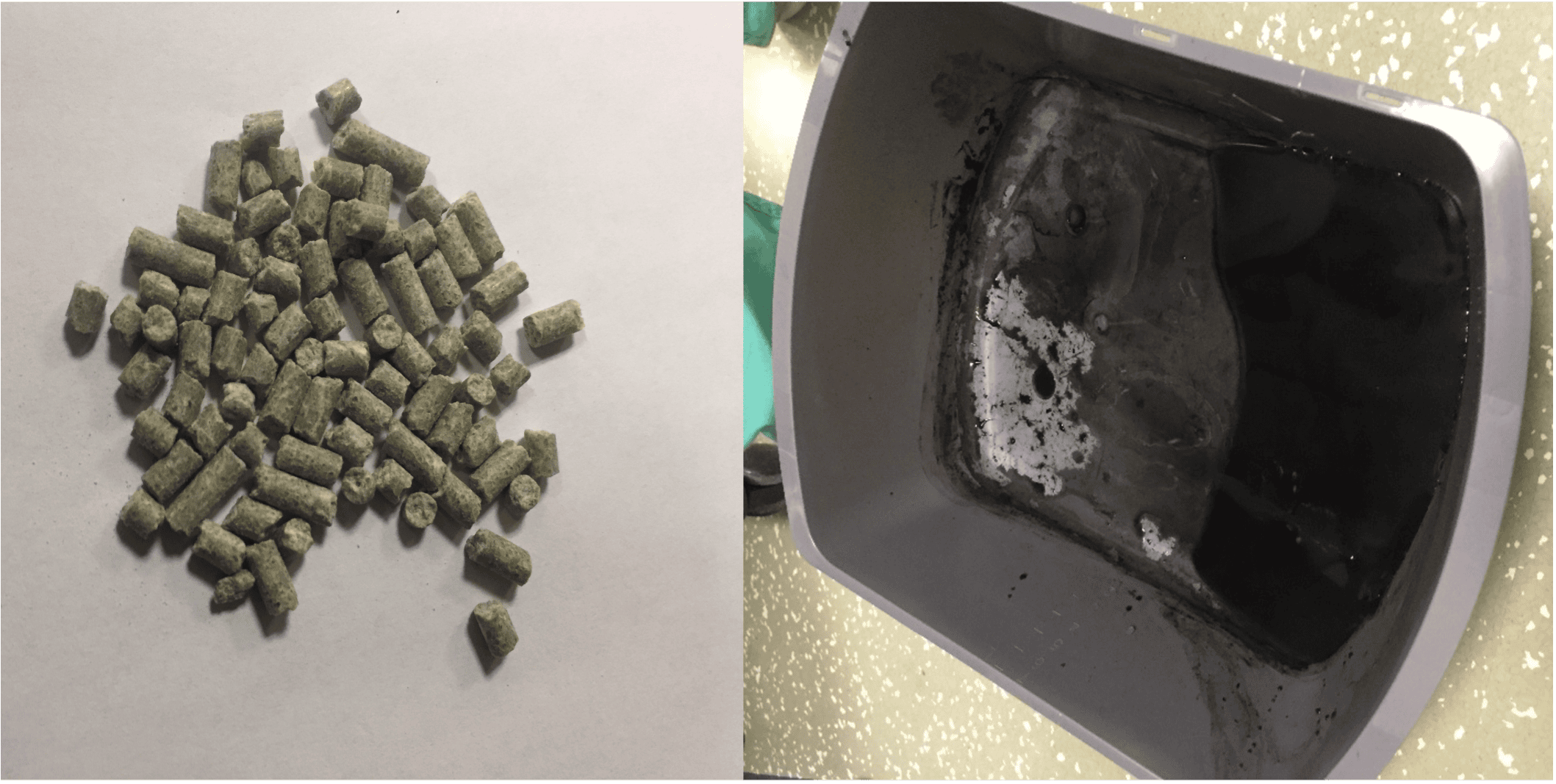
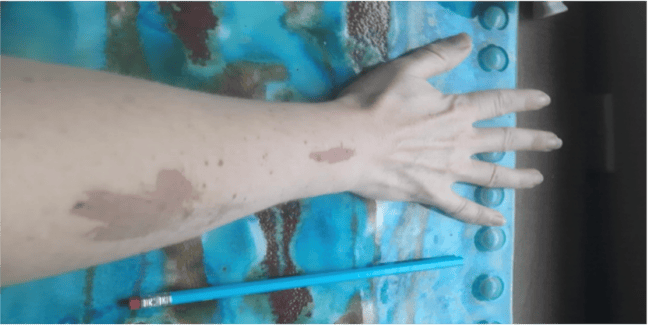
  • The affected area may initially appear white to dull gray, followed by erythema and blistering, brown staining, and skin desquamation after several days.
  • Deeper dermal burns can result in coagulative necrosis of the skin.
  • Ingestion may result in caustic injury to the gastrointestinal tract.
  • Systemic phenol toxicity can be life-threatening and include:
    • Altered mental status and coma
    • Seizures
    • Respiratory distress and ARDS
    • Cardiac arrhythmias
    • Hypotension

How do you treat Phenol toxicity? [1,4,6,7]

  • The management of phenol-poisoned patients primarily focuses on decontamination and supportive measures such as airway, oxygenation, and hemodynamic support.
  • Low-molecular-weight polyethylene glycol (LMW-PEG; different from high-molecular-weight PEG used in bowel preparation) irrigation is the recommended cutaneous decontamination method for phenol exposure.
  • If LMW-PEG is not readily available, irrigation with a large volume of soap and water for at least 15 minutes is recommended.
  • Ocular exposures can be treated with water irrigation.
  • Routine burn care for cutaneous exposures is indicated, and extensive burns may require management at a regional burn center.
  • Seizures should be treated with GABA agonists, and dysrhythmias with standard Advanced Cardiac Life Support (ACLS) protocols.
  • Endoscopy should be considered to evaluate for caustic injury after ingestion.
  • Patients with systemic symptoms should be admitted to a monitored setting.
  • Patients who are asymptomatic with normal vital signs and laboratory values may be released from the ED after 6-8 hours of monitoring.

Bedside Pearls

  • Phenol toxicity may cause severe systemic symptoms, including seizures and cardiac dysrhythmias, following dermal exposure, inhalation, or ingestion.
  • A characteristic sweet medicinal odor may be noted
  • Dermal exposure can be painless initially and can result in a white/gray discoloration to the skin.
  • Low molecular weight polyethylene glycol (LMW-PEG) is the standard for external decontamination following phenol exposure, although copious water irrigation is recommended if LMW-PEG is not immediately available.
  • Extensive dermal exposure may require management at a regional burn center
  • Patients with systemic symptoms should be admitted to a monitored setting

References

  1. Downs JW, Wills BK. Phenol Toxicity. In: StatPearls. Treasure Island (FL): StatPearls Publishing; March 13, 2023. PMID: 31194451.
  2. Rimell FL, Cofer S, Truitt T, Nimmons G, Raisen J. Use of Topical Phenol in Awake Young Children for Tympanostomy Tube Placement. Ear Nose Throat J. Published online November 24, 2023. PMID: 37997671.
  3. Wambier CG, Lee KC, Soon SL, et al. Advanced chemical peels: Phenol-croton oil peel. J Am Acad Dermatol. 2019;81(2):327-336. PMID: 30550827
  4. Vearrier D, Jacobs D, Greenberg MI. Phenol Toxicity Following Cutaneous Exposure to Creolin®: A Case Report. J Med Toxicol. 2015;11(2):227-231. PMID: 25326371
  5. Lin TM, Lee SS, Lai CS, Lin SD. Phenol burn. Burns. 2006;32(4):517-521. PMID: 16621299
  6. Monma-Ohtaki J, Maeno Y, Nagao M, et al. An autopsy case of poisoning by massive absorption of cresol a short time before death. Forensic Sci Int. 2002;126(1):77-81. PMID: 11955837
  7. Conning DM, Hayes MJ. The dermal toxicity of phenol: an investigation of the most effective first-aid measures. Br J Ind Med. 1970;27(2):155-159. PMID: 5428634
Emma Lindemann, MD

Emma Lindemann, MD

Emergency Medicine Resident
Corewell Health West - Butterworth Hospital
Grand Rapids, MI
Emma Lindemann, MD

Latest posts by Emma Lindemann, MD (see all)

Brian Lewis, MD

Brian Lewis, MD

Medical Toxicology Faculty
Corewell Health West - Butterworth Hospital
Grand Rapids, MI