


Subsegmental Pulmonary Embolisms (SSPE) are Important
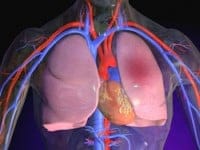 Multi-detector computed tomographic pulmonary angiography (CTPA) allows for better visualization of peripheral pulmonary arteries allowing for diagnosis of small peripheral emboli limited to the subsegmental pulmonary arteries. Interestingly as these SSPE’s get diagnosed more and more, two questions come to mind:
- What is the prognostic utility of diagnosing SSPEs?
- What is the morbidity and mortality of SSPEs compared to more proximal PEs?
A recent study in 2013 Blood looked at these questions. 1

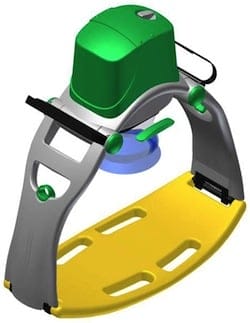
 Pauses in chest compressions are known to be detrimental to survival in cardiac arrest, so much so that the 2010 American Heart Association (AHA) emphasize high-quality compressions while minimizing interruptions. There have been some studies that now advocate for continuous chest compressions during a defibrillation shock. There have been substantial changes to external defibrillation technology including:
 When talking about Out of Hospital Cardiac Arrest (OHCA) there are really only three things that make a true difference on outcomes (i.e. survival and neurologic function):
 Door-to Balloon (D2B) time is a time measurement that starts with patient arrival to the emergency department (door) and ends when a catheter crosses a culprit lesion in the cardiac cath lab (balloon). The benefit of prompt primary percutaneous coronary intervention over thrombolytic therapy for acute ST elevation myocardial infarction is very well established. Because of this “time is muscle” strategy, the American College of Cardiology (ACC) launched a national Door to Balloon (D2B) initiative in November 2006. The purpose of this was to recommend a D2B time of no more than 90 minutes. Currently, there is quite a bit of effort put into this guideline by cardiology and emergency medicine, but are we measuring the right thing?