Pediatric Emergency Medicine POCUS

Created in 2020 by series editor, Dr. Margaret Lin-Martore, this series focuses on point-of-care ultrasonography (POCUS) for pediatric emergency medicine (PEM).



Created in 2020 by series editor, Dr. Margaret Lin-Martore, this series focuses on point-of-care ultrasonography (POCUS) for pediatric emergency medicine (PEM).

Read this tutorial on the use of point of care ultrasonography (POCUS) for pediatric appendicitis. Then test your skills on the ALiEMU course page to receive your PEM POCUS badge worth 2 hours of ALiEMU course credit.
Mason is an 8-year-old boy who comes to the emergency department for abdominal pain. The pain has been present for 12 hours, started near his belly button, and now has migrated to the lower right side. He describes it as constant and worsening. His parents are concerned because he had a fever to 101F since 2 hours prior to arrival and had 2 episodes of emesis. They deny diarrhea or bloody stool. They gave acetaminophen for fever 2 hours prior to arrival. He has not wanted to eat anything today.
| Vital Sign | Finding |
|---|---|
| Temperature | |
| Heart Rate | 120 bpm |
| Blood Pressure | 106/58 |
| Respiratory Rate | 18 |
| Oxygen Saturation (room air) | 100% |

Figure 1. Linear (left) and curvilinear (right) transducer for ultrasonography
Figure 2: Starting in the RLQ abdomen and inferior to the iliac crest, visualize the iliacus muscle and pelvis with no bowel in view. The first bowel you visualize should be the cecum as you scan in a cephalad direction.

Figure 3: Moving the probe in a progressively more cephalad direction, attempt to visualize the iliopsoas, abdominis rectus muscles, and iliac vessels. These anatomic landmarks to help identify the appendix (marked as *) with the CURVILINEAR probe. The appendix may appear in the triangle made by these structures as a blind-ended pouch that does not have peristalsis.[Image courtesy of Dr. Sally Graglia]

Figure 4: Anatomic landmarks to help identify the appendix with the LINEAR probe [image courtesy of Dr. Sally Graglia]

Figure 5: Visualize the appendix in the longitudinal view. In this plane, visualize the end of the pouch to confirm it is a blind-ending tubular structure with no peristalsis that initiates at the cecum. [Image courtesy of Dr. Margaret Martore-Lin]

Figure 6: Visualize the appendix in the transverse view. In this plane, measure the diameter of the appendix from the outer wall to outer wall. An abnormal appendix is >6 mm and non-compressible. [Image courtesy of Dr. Margaret Martore-Lin]
A technique described in Sivitz et al. [1] involves placing the ultrasound probe in a transverse position and starting at the level of the umbilicus. Using compression, move the probe along POCUS-identified anatomical landmarks.

Figure 7: The Sivitz et al technique for identifying the appendix on POCUS
Sometimes there is a suboptimal view of the anatomy landmarks on POCUS. The following are troubleshooting tips that may be useful:

Figure 8: Posterior manual compression technique to assist with POCUS visualization of the appendix

Figure 9: Normal appearing appendix on POCUS [Image courtesy of Dr. Will Shyy]

Figure 10: Enlarged appendix measuring 1.36 cm (>6 mm is abnormal) with hyperechoic fat concerning for inflammation [Image courtesy of Dr. Will Shyy]
| Secondary Sign of Appendicitis | Ultrasound View |
|---|---|
| Peri-appendiceal free fluid secondary to inflammatory edema or perforation. You may also see an abscess that appears as a complex mass and is a sign of a ruptured appendicitis. |
 Figure 11. Appendix with peri-appendiceal fluid collection [image by Dr. Will Shyy] |
| Hyperechoic mesenteric fat as a sign of inflammation visible (also see figure 10) |  Figure 12: Appendicolith (A) within the lumen of the appendix in addition to hyperechoic fat (arrows) concerning for inflammation [image courtesy of Dr. Will Shyy]  Figure 13. Appendicitis with hyperechoic fat suggestive of inflammation Video 4: POCUS clip of a pediatric patient with appendicitis. Notice the hyperechoic fat surrounding the appendix, visible in transverse as a tubular structure at the bottom of the screen. [Video courtesy of Dr. Ashkon Shaahinfar] |
| Appendicolith: A hyperechoic structure within the appendiceal lumen has a dark, clean acoustic shadow, similar to the appearance of a gallstone. | Figure 12 above |
| “Ring of Fire”, or increased blood flow surrounding the appendix: Using the color Doppler mode on the ultrasound, the appendix in transverse view will appear hyperemic, suggestive of appendiceal inflammation. |  Figure 14. “Ring of fire” appendiceal hyperemia using the color Doppler mode on ultrasound [image by Dr. Will Shyy]  Figure 15. Cross-sectional image of appendicitis with hyperemia |
| Complex RLQ mass: A ruptured appendicitis may appear as a complex right lower quadrant mass, where the appendix itself may be difficult to visualize. It can be difficult to distinguish this from other pathologies, such as intussusception or ruptured Meckel’s diverticulitis. |
Video 5: POCUS clip of ruptured appendicitis, appearing as a complex right lower quadrant mass [Video courtesy of Dr. Ashkon Shaahinfar] Figure 16. Close-up POCUS view of the appendix from video 5 [image courtesy of Dr. Ashkon Shaahinfar] |
An appendix POCUS benefits children with suspected appendicitis, as demonstrated in the literature:
The studies below examine the sensitivity and specificity of appendix POCUS for identification of appendicitis in patients of any age with the exception of Sivitz et al., which specifically studied pediatric patients only. (Table 1).
| Study | N | Patient Age | Sensitivity | Specificity | Comments |
|---|---|---|---|---|---|
| Sivitz et al., 2014 [1] | 264 | Pediatric |
85%
(95% CI: 75-95%)
|
93%
(95% CI: 85-100%)
|
In this study, pediatric emergency medicine ultrasonographers were able to visualize the appendix in 71% of patients. Gold standard was either pathologic review, telephone follow-up to 6 months, or electronic medical records review up to 1 year, if unable to reach the patient.
|
| Fields et al., 2017 [9] | 6,636 | Pediatric | 89%
(95% CI: 47–99%) |
97%
(95% CI: 84–99%) |
These test characteristics were derived from a pediatric-only sub-analysis of a larger systematic review and meta‐analysis study across all ages to identify the test characteristics of the appendix POCUS, performed by emergency physicians. The overall test characteristics across all ages was 91% (95% CI: 83–96%) sensitivity and 97% (95% CI: 91–99%) specificity. |
| Chen et al., 2000 [10] | 317 | Any age | 85% | 98% | After a 5-day intensive training course in abdominal ultrasound, emergency physician-performed POCUS was compared to surgeon’s clinical impression in diagnosing acute appendicitis, as confirmed by pathological reports. Ultrasonography performed better than surgeon clinical impression and resulted in a high sensitivity and specificity. |
| Fox et al., 2008 [11] | 132 | Any age | 65%
(95% CI: 52-76%) |
90%
(95% CI: 81-95) |
Emergency physicians performed a 5-minute appendix POCUS for patients with a clinical suspicion for acute appendicitis. The gold standard confirmation was either pathology specimens from appendectomy surgery or telephone follow-up. |
The patient has a leukocytosis with a WBC 13.3 x 10⁹/L and an absolute neutrophils count (ANC) 10.3 x 10⁹/L but otherwise unremarkable labs. His final Pediatric Appendicitis Score (PAS) is 8. You decide to incorporate appendix POCUS to your evaluation. You place a linear, high-frequency transducer on the patient and visualize his appendix. You observe the following:
Figure 17: Enlarged appendix measuring 1.36 cm in diameter (>6 mm is abnormal)
The patient receives IV morphine and is made NPO. The general surgeon on call is consulted and agrees with the plan for an appendectomy.

Read this tutorial on the use of point of care ultrasonography (POCUS) for confirmation of endotracheal tube (ETT) placement in pediatric patients. Then test your skills on the ALiEMU course page to receive your PEM POCUS badge worth 2 hours of ALiEMU course credit.
Joey is a 2-year-old male with a history of epilepsy who presents to a community hospital emergency department with generalized tonic-clonic seizures of more than 45 minutes duration. After receiving 2 doses of IV midazolam, he stopped seizing. He has very shallow breathing and oxygen saturations as low as 90 percent on 2 liters of supplemental oxygen via nasal cannula. The pediatric transport team arrives to transport him to another hospital for admission and note that he is somnolent with poor respiratory effort. His current vital signs:
| Vital Sign | Finding |
|---|---|
| Temperature | 37.0 C |
| Heart Rate | 115 bpm |
| Blood Pressure | 85/65 |
| Respiratory Rate | 12 |
| Oxygen Saturation (room air) | 92% on 2 L via nasal cannula |
An end tidal carbon dioxide (ETCO2) monitor shows a ETCO2 level in the high 70s mmHg. The decision is made to intubate the patient given disordered breathing, hypercapnia, and hypoxia following medical management of seizures. The transport team would like to use POCUS to evaluate ETT placement at the outside hospital and during transport.
For simplicity, this module will focus on 3 modes of using POCUS for ETT confirmation. Collectively, these techniques can help improve evaluation.
There are many benefits of using POCUS to confirm ETT placement, such as in the following examples:
Just as all methods of confirming ETT placement have their limitations, so does POCUS. This will be discussed in greater detail later in the module.
There are many factors to consider in the performance of ETT POCUS:
| Factor | Options |
|---|---|
| Probe selection | Linear or curvilinear |
| Location on the anterior neck | Suprasternal notch, cricoid, or thyroid cartilage |
| Probe orientation | Longitudinal or transverse plane |
| Timing | Dynamic (while intubating) or static (for confirmation) |
| Evaluation technique | Direct (visualize the ETT) or indirect (visualize lung movement0 |
Two types of probes will be needed for POCUS ETT confirmation.
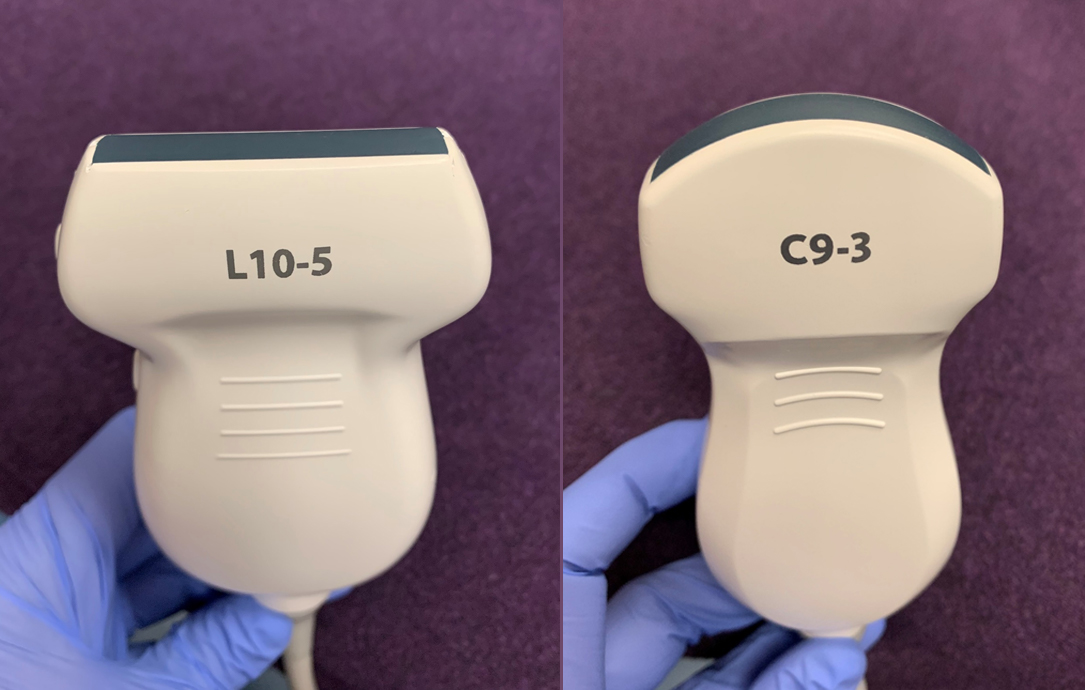
Figure 1: Linear probe (left) and curvilinear probe (right)
If time permits, pre-scan the patient’s neck to locate the trachea. Adjust the gain and depth accordingly to visualize the trachea clearly in the middle of the screen.
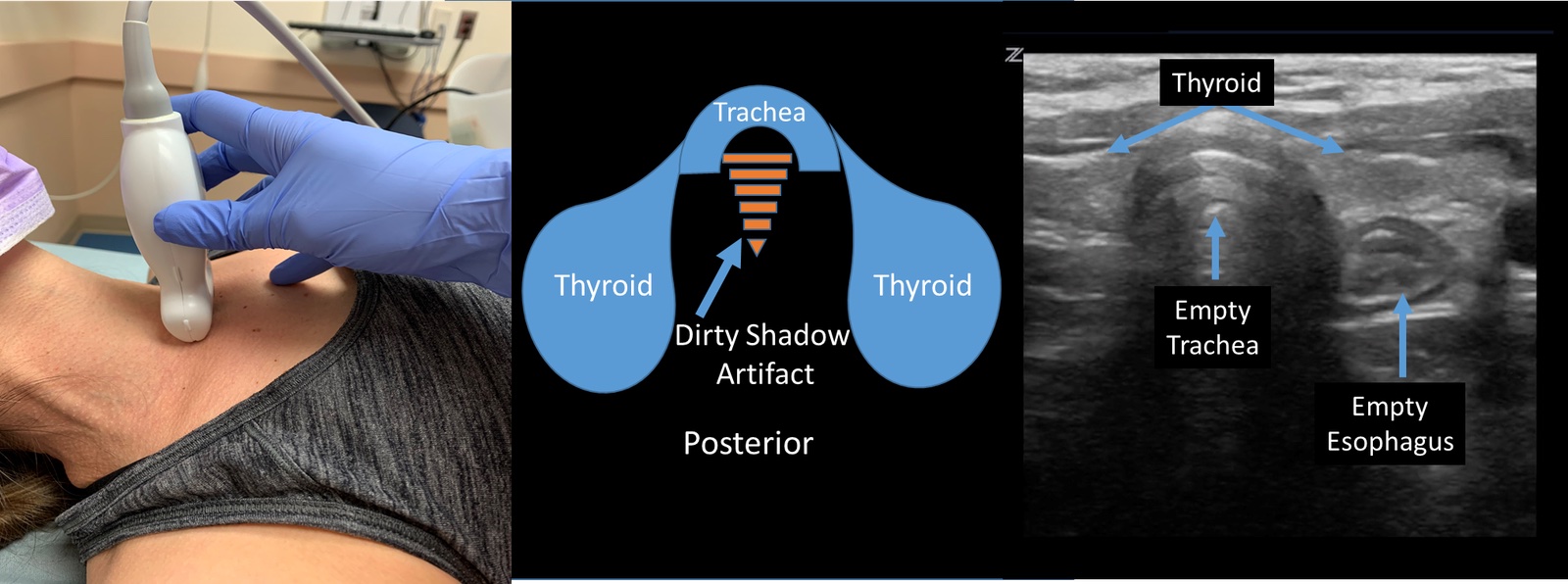
Figure 2: Positioning and ultrasound images of the anterior neck anatomy for ETT placement confirmation. Left: Transverse orientation of the linear probe just above the suprasternal notch. Center: Corresponding pictorial display of the trachea and surrounding structures. Note that below the trachea is a dirty shadow artifact, resulting from the air-mucosa interface. Right: Corresponding ultrasound image of the thyroid lobes flanking the empty trachea, with the ovoid esophagus seen posterolaterally (ultrasound image by Jade Sequin).
When the ETT is placed correctly in the trachea, you should still see only a SINGLE air-mucosa interface, similar to an empty trachea. An ETT properly positioned in the trachea will have a similar ultrasonographic appearance with one air-mucosal interface as the air-filled tube will be in the trachea and the esophagus will be decompressed without air (figure 2, right).
Dynamic assessment involves watching the ETT pass into the trachea in real-time. In this technique, you will see a brief disturbance within the trachea termed the “snowstorm” which is a subtle finding (Video 1). A dynamic assessment is made more challenging with the multiple tasks and personnel at the bedside during intubation.
If the ETT is placed incorrectly in the esophagus, there will be TWO air-mucosa interfaces with reverberation artifact and posterior shadowing. This has been called the “double trachea sign” or “double tract sign” (figure 3, left). Contrast this to normal anatomy with an empty esophagus (figure 3, right).

Figure 3. Left: Double tract or double trachea sign on ultrasound, visualized when the ETT is placed incorrectly in the esophagus. Note the esophagus appears curved with dirty shadow artifact like the trachea. Right: Normal collapsed esophagus. Images credit: Jade Sequin.
This indirect visualization method uses ultrasound to identify bilateral lung sliding as a means to confirm ETT placement, because this implies that both lungs are ventilated. This method is often used in conjunction with and after direct confirmation using POCUS, seeing the ETT in the trachea.
Place the linear transducer on the superior, most-anterior chest wall in the mid clavicular line over the 3rd-5th intercostal space. Ensure that the probe marker is towards the head. Scan both lungs (Figures 4).
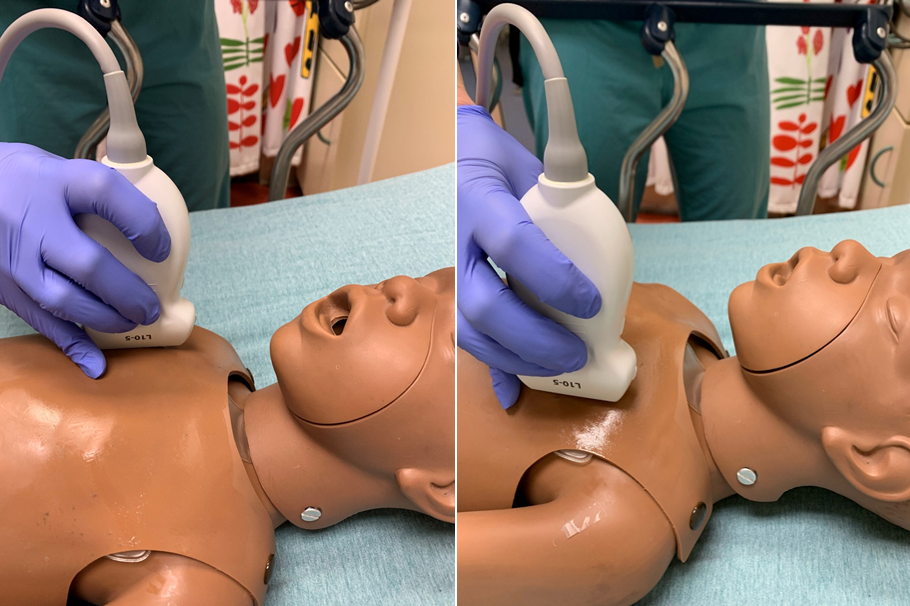
Figure 4. Positioning of the linear probe on the patient’s anterior chest wall to check for lung sliding
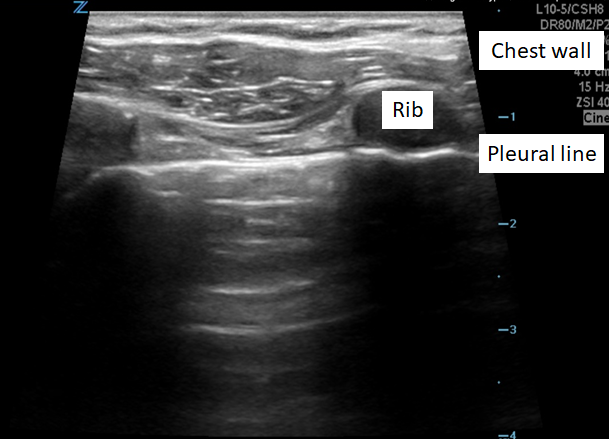
Figure 5. Ultrasound of a normal lung: Just deep to the chest wall and ribs, the pleural line of the lung slides horizontally to and fro with each breath.This line is the first hyperechoic line deep to the rib and is the place to look for lung sliding.
Alveoli filled with air have the ARTIFACTS that are the hallmark of airway POCUS.

Figure 6. Normal lung with A lines – The most superficial hyperechoic line below the chest wall is the pleural line. The subsequent hyperechoic lines parallel and deep to the pleural line are A lines. A lines are always normal findings.
In contrast to A lines, B lines may be visualized in patients with abnormal lungs. B lines are hyperechoic lines (typically vertical) that arise at the pleural line and go all the way to the bottom of the screen (at least 4-8 cm depth with some experts recommending to 16 cm). This is in contrast to Z lines which do not go to the bottom of the screen. The presence of multiple B lines indicates increased fluid in the interstitium of the lungs, which can be seen in conditions such as bronchiolitis and pulmonary edema (figure 7, videos 5 and 6). Note that the presence of B lines also indicate aerated lungs.

Figure 7. Lung POCUS showing A and B lines. A lines are the hyperechoic lines parallel to the pleural line. B lines are the hyperechoic projections perpendicular to the pleural line that extends to the bottom of the screen. A lines are normal, while multiple B lines may be pathogenic.
For additional confirmation of lung sliding, press the M mode button (motion mode) without lifting the probe to visualize motion of the sliding pleura. The M-mode view represents a small narrow slice of the ultrasound image (where the bold white vertical line appears) and runs only that portion over time.

Figure 8: Lung ultrasound with M-mode view in a normal, aerated lung (left), showing the grainy, “sandy beach” appearance of the lines deep to the pleural line. Contrast this to an abnormal, non-aerated lung (right), showing the horizontal “barcode” appearance of the lines deep to the pleural line.

Figure 9: Another example of a normal (left) and non-aerated (right lung) in M-mode view
Visualize lung sliding in both 2D (also known as B mode and is the typical ultrasound mode) and M mode on the both the left and right chest.
Abnormal lung sliding on ultrasound may be worrisome for an esophageal intubation, because the lungs are not aerated with PPV breaths. However, there are other causes to consider before removing the ETT for a re-intubation attempt.
In order to see lung sliding, visceral and parietal pleural need to be touching. With a pneumothorax, there is air in the pleural space. The parietal pleura will still be visible, but the visceral pleura and moving interface are not seen. In the M-mode view, a “barcode sign” will be present (figure 10), highlighting the importance of evaluating both 2D (B mode) and M mode if there is any doubt about lung sliding.

Figure 10: Lung POCUS demonstrating no lung sliding (“barcode sign”) in M-mode view
If there is no lung sliding in just one lung (especially if it occurs on the left), this may be caused by the ETT being too deep into a mainstem bronchus. This results in non-ventilation of the contralateral lung. Be aware that since the visceral and parietal pleural are still touching (unless there is also a pneumothorax), you could see some sliding movement, as the heart still causes some movement of the lungs.
This results in the loss of lung sliding bilaterally.
When you see symmetric lung sliding on both sides of the chest, the ETT is in good position in the trachea.
Use a curvilinear probe, because it gives you deeper tissue penetration than the linear probe. This allows you to better visualize the diaphragm, which is a deeper structure.

Figure 11. Left: Using a curvilinear probe with the probe marker towards the head, position it along the mid-axillary line to identify the diaphragm. Continue sliding the probe to the lower edge of the ribcage until you see the diaphragm meeting the spine along the bottom of the ultrasound image. Right: Ideal ultrasound view of the hyperechoic diaphragm. Also seen is the liver with mixed echotexture, a hypoechoic kidney, and the hyperechoic spine.
Best seen at the costophrenic angle because fluid is dependent, a hemothorax or effusion will appear anechoic or hypoechoic. Additionally the spine can now be seen cephalad to the diaphragm, known as the “spine sign,” because air now no longer obscures the view of the spine (figure 12). A hemothorax and pleural effusion can look the same on POCUS. The clinical scenario aids in determining the potential cause of the fluid.

Figure 12. Left: Normal lung showing the spine only caudal to the hyperechoic diaphragm. Right: Hemothorax on lung POCUS. Right: Lung POCUS showing a pleural effusion, suggested by the hypoechoic fluid collection and “spine sign”.
In a patient paralyzed for intubation and thus with no spontaneous respirations, the ETT is in good position when you see movement of the diaphragm towards the abdomen on both sides of the chest with PPV.
Lin et al. published a systematic review of bedside ultrasound for tracheal tube verification in pediatric patients. The authors proposed the following algorithm (figure 13) for confirming ETT placement.

Figure 13: Algorithm for using and interpreting POCUS to confirm ETT placement in pediatric patients. Image permission granted by author of [3].
In a metanalysis of 30 adult studies assessing the use of POCUS for ETT placement confirmation, the overall sensitivity was 0.98 (95% CI 0.97–0.99) and specificity was 0.96 (95% CI 0.90–0.98) [4].
Other studies have evaluated using various techniques for POCUS evaluation of ETT placement, with no clear winner (Table 1).
| Variable | Source | Findings | Recommendation |
|---|---|---|---|
| No difference | Linear probe | ||
| Technique: Static vs Dynamic | No difference | Static technique | |
Probe placement:
|
Lonchena 2017 [5] | Successful ETT visualization
|
Place probe transverse in suprasternal notch in the anterior neck |
The pediatric literature for the application of POCUS to evaluate ETT placement is not as robust compared to adult studies; however, it is still compelling. A systematic review by Lin et al. in 2016 [3] included studies that evaluated intubations using direct visualization of tube tip in trachea, diaphragmatic movement and/or lung sliding. All modalities had high sensitivities though the esophageal intubation rates included in the studies were relatively low (Table 2).
| Study | Endotracheal Intub | Esophageal Intub | POCUS Technique Used | Sensitivity | Specificity |
|---|---|---|---|---|---|
| Galicinao 2007 [6] | 50 | 1 | Direct visualization of tube tip in trachea | 1.00 (0.93-1.00) | 1.00 (0.03-1.00) |
| Alonso Quintela 2014 [7] | 31 | 5 | Direct visualization of tube tip in trachea | 0.92 (0.75-0.99) | 1.00 (0.48-1.00) |
| Hsieh 2004 [8] | 61 | 2 | Diaphragmatic or lung pleural movement | 1.00 (0.94-1.00) | 1.00 (0.16-1.00) |
| Kerrey 2009 [9] | 127 | 0 | Diaphragmatic or lung pleural movement | 1.00 (0.97-1.00) | Not reported |
Another systematic review of using POCUS to confirm ETT position in the pediatric population by Jaeel et al [10], found that POCUS was comparable to confirming ETT placement by x-ray and capnography for patients outside the neonatal intensive care unit. They concluded that POCUS agreed with x-ray or capnography confirmation in 83-100% of cases. Compared to x-rays, POCUS had a sensitivity of 91-100%.
After administration of fentanyl, midazolam, and rocuronium, the patient was intubated with a 4.0 cuffed ETT by direct laryngoscopy with a Macintosh blade.
POCUS was used to confirm ETT placement by the transport team in the community hospital ED. Specifically, the provider directly visualized the in the anterior neck (with a single air-mucosa interface), the presence of bilateral lung sliding, and movement of the diaphragm towards the abdomen with PPV. End tidal CO2 further confirmed accurate placement. Once loaded into the ambulance, the ETT was again confirmed to be in the trachea.

Read this tutorial on the use of point of care ultrasonography (POCUS) for pediatric fascia iliac block. Then test your skills on the ALiEMU course page to receive your PEM POCUS badge worth 2 hours of ALiEMU course credit.
Sarah is a 3-year-old girl who comes into the emergency department complaining of acute thigh pain that started 30 minutes ago. She was playing on a trampoline when she accidentally fell off. She had immediate pain to the left thigh and she’s been unable to walk since the fall. Parents carried her in to the emergency department for further evaluation.
On arrival, her vital signs are:
| Vital Sign | Finding |
|---|---|
| Temperature | 97.5 F |
| Heart Rate | 130 bpm |
| Blood Pressure | 97/50 |
| Respiratory Rate | 22 |
| Oxygen Saturation (room air) | 100% |
The fascia iliaca nerve block anesthetizes the femoral nerve (FN), lateral femoral cutaneous (LFC) nerve, and obturator nerve (ON), as demonstrated in the lower leg nerve anatomy drawing below.

Figure 1. Thigh and lower leg sensory nerve anatomy. The expected distribution of a fascia iliaca block (via infrainguinal approach described here) includes the FN – Femoral Nerve, often but not always the LFC – Lateral Femoral Cutaneous Nerve, and unreliably the ON – Obturator Nerve. (Illustration by Dr. Muki Kangwa)
The fascia iliaca block thus can assist with pain control for:
Clinicians should keep in mind relative contraindications to this procedure particularly in nonverbal or peri-verbal patients. See the exclusion criteria from the UCSF Benioff Children’s Hospital Oakland institutional protocol:
Using ultrasonography to perform a fascia iliaca nerve block helps to identify key anatomical landmarks for appropriate administration of local anesthetic. The point-of-care ultrasound-guided fascia iliaca nerve block (POCUS-FINB) allows us to identify the area of interest, which is underneath the fascia iliaca fascial plane. Note that this plane is just deep to femoral artery and vein, in contrast to the fascia lata plane, which is superior to the femoral artery and vein (Figure 2). The area is best visualized distal to the inguinal canal and proximal to the bifurcation of the femoral artery.

Figure 2. Relevant anatomy for the fascia iliaca block for the right groin, demonstrating the location of the fascia iliaca and fascia lata planes (illustration by Dr. Muki Kangwa)
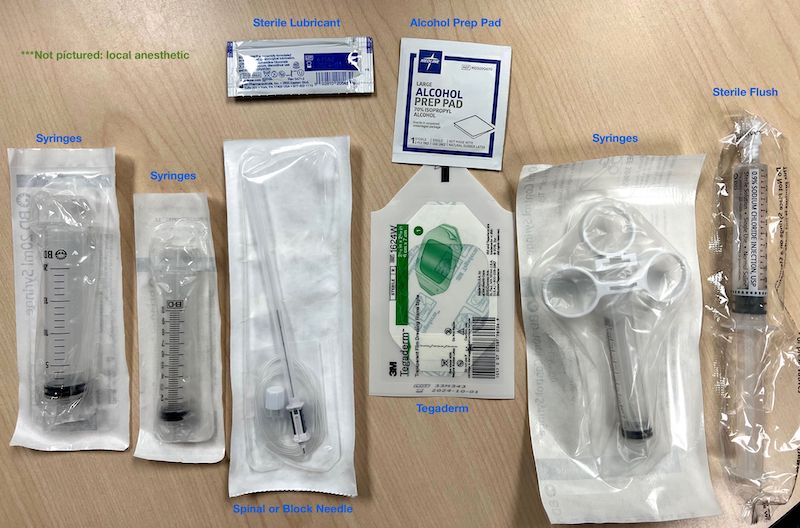
Figure 3. Key supplies needed for the ultrasound-guided fascia iliaca block

Table 1. Local anesthetic medications, their pharmacokinetics, and weight-based maximum dosages [1, 2]
A long-acting local anesthetic (e.g., ropivacaine or bupivacaine) is preferred for this block. Ropivacaine is the preferred anesthetic, because it is thought to be less lipophilic than bupivacaine and, as such, less cardiotoxic and neurotoxic. Minimizing the risk of local anesthetic toxicity is particularly relevant to fascial plane blocks, which remain far from the neurovascular bundle and thus require higher volumes of local anesthetic. This higher volume allows for bathing of the nerve via anesthetic tracking along the fascial plane. Table 1 above illustrates the pharmacokinetics and weight-based dosing maximums for the various local anesthetics.
Table 2 provides guidance on the fascia iliaca block volumes with the medication diluted in 0.9% normal saline to increase the volume. The suggested volumes of local anesthetic and saline depend on the type and concentration of local anesthetic also well as the patient’s ideal body weight, which impacts both the relative size of the potential space in the fascial plane as well as the maximum safe dose.
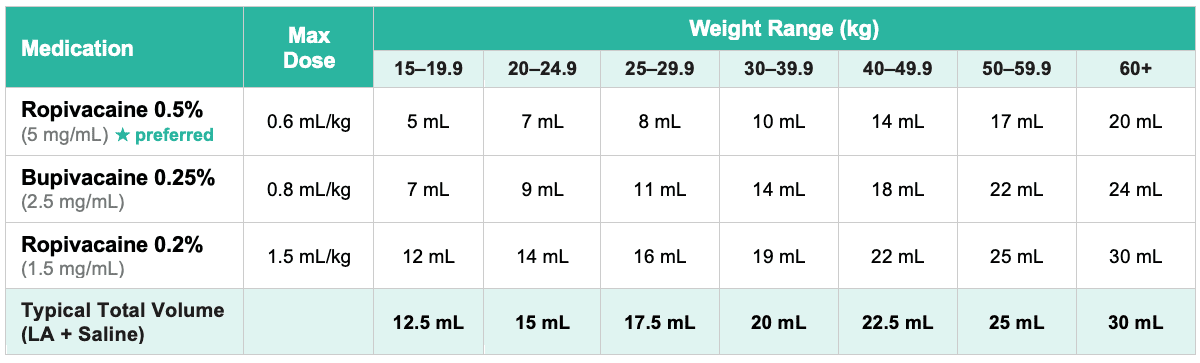
Table 2. Suggested Fascia Iliaca Block Total Volumes with Local Anesthetic + 0.9% Normal Saline [1, 3, 4]

Figure 4. Ultrasound linear transducer with wide footprint and appropriate ultrasound musculoskeletal setting

Figure 5. Appropriate patient, proceduralist, and ultrasound positioning with POCUS machine across from the affected leg

Figure 6. Linear ultrasound probe placement parallel to the inguinal ligament with probe marker (red dot) aimed towards the patient’s right (illustration by Dr. Muki Kangwa)

Figure 7. POCUS image of left hip demonstrating the normal anatomy of the femoral artery (FA), femoral vein (FV), fascia iliaca, fascia lata, femoral nerve, and iliopsoas muscle (left is medial and right is lateral)

Figure 8. POCUS image of the left hip during a fascia iliac block procedure. The adipose tissue (pink) can be confused for the femoral nerve (yellow) which lies below the fascia iliaca (red). The local anesthetic (hypoechoic) is hydrodissecting between the vascular bundle and femoral nerve. FA=femoral artery.
There are many errors that can make defining the relevant sono-anatomy difficult, but there are 2 common errors that are easily corrected by small changes in probe placement.
Problem: In order to get the view needed for a successful block, the operator must image the vasculature at the level of the common femoral artery, prior to its bifurcation. When distal to the common femoral artery, the structures that are seen are usually the superficial and deep femoral arteries (Figure 9 and Video 4). At this level, the femoral nerve and the fascia iliaca can be difficult to visualize.
Solution: Slide the probe cephalad and position it just inferior to the inguinal ligament. The common femoral artery is well-visualized at this level.

Figure 9. Arterial anatomy of the thigh, adapted from Wikimedia Commons (left); POCUS image of the femoral artery bifurcation. which is too distal for fascia iliaca block (right)
Problem: If the probe is not perpendicular to the common femoral artery, the artery will be visualized, but the fascia iliaca and iliopsoas muscle can be difficult to locate.
Solution: Keep the probe parallel to the inguinal ligament, which aligns it perpendicularly to the common femoral artery (Figure 10).

Figure 10. Proper ultrasound probe positioning means placing the probe parallel to the inguinal canal and perpendicular to common femoral artery. Grey: probe with probe marker to patients right, Purple: inguinal canal, Red: femoral artery (illustration by Dr. Muki Kangwa)
Nerve blockade is being performed widely by many emergency medicine physicians, and is now becoming standard of care in an attempt to reduce the amount of opiates used particularly in the elderly with femoral fractures. However, ultrasound guided nerve blockade it is not a core skill found in most pediatric emergency medicine curricula, and the lack of educational training presents a barrier to implementation within Pediatric Emergency Medicine. Prior studies of fascia iliaca nerve blockade have shown great success and improved pain control. A few of these studies are summarized below.
| Year | Authors | Title | Study Type | Findings |
|---|---|---|---|---|
| 2007 | Wathen JE et al. | Randomized Controlled Trial Comparing a Fascia Iliaca Compartment Nerve Block to a Traditional Systemic Analgesic for Femur Fractures in a Pediatric Emergency Department (PMID 17210208) | Randomized controlled trial | Fascia iliaca compartment block performed by pediatric emergency medicine attendings and fellows for children ages 15 months to 18 years with a femur fracture can result in lower pain scores, longer duration of analgesia, and higher staff satisfaction in comparison with traditional analgesia. |
| 2012 | Frenkel O et al. | Ultrasound-guided Femoral Nerve Block for Pain Control in an Infant with a Femur Fracture due to Non-accidental Trauma (PMID 22307191) | Case report | Case report of a 3-month-old female with a subtrochanteric femoral neck fracture due to non-accidental trauma requiring multiple doses of IV pain medication. An ultrasound-guided femoral nerve block was performed using 2 mL of 0.25% bupivacaine for placement into a Pavlik harness. The patient only required 1 dose of analgesia in 18 hours following the femoral nerve block. |
| 2014 | Turner AL et al. | Impact of Ultrasound-guided Femoral Nerve Blocks in the Pediatric Emergency Department (PMID 24651214) | Retrospective cohort study | In a pre- and post-implementation retrospective cohort study of children with femur fractures in a pediatric ED, an ultrasound-guided femoral nerve block was associated with a 3-times longer duration of initial analgesia (6 hr vs 2 hr), lower total morphine dose, and fewer nursing interventions in comparison with systemic analgesia alone. |
| 2014 | Neubrand T et al. | Fascia Iliaca Compartment Nerve Block Versus Systemic Pain Control for Acute Femur Fractures in the Pediatric Emergency Department (PMID 24977991) | Retrospective chart study | Retrospective chart review of children receiving systemic analgesia (control) vs fascia iliaca nerve block evaluating effectiveness and adverse effects. Outcomes included total doses of systemic medications received and comparison of pre- and post-intervention pain scores. Effectiveness, as measured by pain scores and total doses of systemic analgesia, was improved in the fascia iliaca nerve block group versus the control. There was no difference in adverse events between the groups. |
| 2022 | Heffler MA et al. | Ultrasound-Guided Regional Anesthesia of the Femoral Nerve in the Pediatric Emergency Department (PMID 35245015) |
Multicenter retrospective case series | Ultrasound-guided regional anesthesia of the femoral nerve (fascia iliaca compartment block, n=70; femoral nerve block, n=15) was performed by residents, fellows, and attendings with varying degrees of formal POCUS training for pediatric patients aged 50 days to 15 years at 6 pediatric emergency departments across North America. There were no reported complications across a heterogenous patient population at these 6 tertiary care centers, supporting the safety and generalizability of these techniques. |
Given that the patient remains in significant painful distress despite non-opioid analgesia, you decide to incorporate POCUS-FINB to your evaluation and treatment.
The patient is evaluated by the on-call orthopedic team member and is found to have no evidence of neurovascular compromise or signs and symptoms of compartment syndrome. You confirm the availability of lipid emulsion (intralipid) in the emergency department and calculate the maximum safe dose of your anesthetic.

Tables 1 and 2 (cropped from original tables): Local anesthetic medications and their pharmacokinetics, weight-based maximum doses, and suggested total volumes (anesthetic + 0.9% normal saline) for fascia iliaca block
The patient undergoes a safe and effective fascia iliaca nerve block with her pain score improving from a 10 to a 2. The orthopedic team is able to place the patient into traction prior to transfer to the operating room.
At her orthopedic follow-up visit 4 weeks later, she’s doing well with minimal pain. Her follow up x-ray demonstrates appropriate healing with new bone formation.

Read this tutorial on the use of point of care ultrasonography (POCUS) for pediatric ocular ultrasonography for optic nerve evaluation. Then test your skills on the ALiEMU course page to receive your PEM POCUS badge worth 2 hours of ALiEMU course credit.
Madeline is a 15-year-old female presenting to the Emergency Department with chief complaint of a headache for 1 week. She has been struggling with headaches for more than a year. The headache has been intermittent and tends to develop close to the end of the day, but it does improve with sleep. She denies photophobia, but has been complaining of blurry vision over the last week for which she is scheduled to see an ophthalmologist. Her medications include ibuprofen as needed for the headache and a daily medication for her acne.
| Vital Sign | Finding |
|---|---|
| Temperature | 97°F |
| Heart rate | 78 bpm |
| Blood pressure | 130/85 |
| Respiratory rate | 14 |
| Oxygen saturation (room air) | 100% |
| Weight | 200 lbs (90.1 kg) |
Overall she is well appearing. She has a normal cardiac, respiratory, abdominal, and neurological examination including the cranial nerves.
On ocular examination, she has normal extra-ocular movements and a pupillary examination.
Given your examination findings, you request an ophthalmology evaluation and consider head imaging. While waiting, you decide to perform an ocular point of care ultrasound (POCUS) examination.
Ocular POCUS can be performed for various complaints, and it can provide valuable information. This especially is true in cases where the physical examination is difficult to perform such as from lack of patient cooperation, sensitivity to light, or pain. In resource-limited settings and when access to advanced diagnostic imaging or an ophthalmologist could be delayed or unavailable, ocular POCUS can be easily performed and provide information within minutes.
Indications to performing ocular POCUS include:
IMPORTANT NOTE: Ocular POCUS should not be performed when there is a concern for globe rupture to avoid applying pressure on the eye and exacerbating loss of intraocular contents.


Pro Tip: A tegaderm placed over a closed eye could be used to keep the gel from going into the eye. A tegaderm placed over a closed eye could be used to keep the gel from going into the eye depending on the patient’s preference.
Pro Tip: If your POCUS machine does not have an ocular preset, a musculoskeletal or small parts preset could be used after turning down the dynamic range and mechanical index. Figure 3 is an example of how this could be done on a Mindray TE7 ultrasound machine.


Pro Tip: If the optic nerve cannot be seen, ask the patient to move the eye from one side to another. The optic nerve will move in the opposite direction (opposite to the patient gaze).

The optic disc is where the optic nerve enters the eyeball. On POCUS, it normally appears smooth and in-line with the retina. Sometimes a small elevation is noted at the optic disc. This is called Optic Disc Elevation (ODE). It can be measured from the base of the optic disc to its peak at the widest area. It normally measures < 1 mm (figure 7). If the ODE is > 1 mm, this indicates papilledema and increased ICP. Of note, normal ranges are still an active area of study, see table in Ocular POCUS: Facts and Literature Review section for more information.


Pro Tip: ONSD normative values are not well established in pediatrics. Multiple studies attempted to set normal cutoffs for ONSD in various age groups. While measurement more than 5 mm in adults is considered abnormal, a value of 4 mm for infants and 4.5 mm in older children is used as the cut off [1]. The are different cutoffs that are used in the literature with variable sensitivity and specificity. See literature review section. ONSD is also highly operator dependent. An inappropriate technique in measuring the ONSD can lead to under- or over-estimation of the diameter.
When ODE is >1 mm, it suggests papilledema, which is concerning for an increased ICP. The following figures and videos below illustrate abnormal ODE measurements. Note that normal ODE ranges are an active area of study.
Assessment of the optic nerve can provide information about intracranial pressure. Increased ICP is suggested when you see an enlarged ONSD.


Pro Tip: Pseudopapilledema (anomalous elevation of one or both optic discs without edema of the optic nerve) is a mimicker of papilledema and can be caused by a number of conditions including:
In these mimic cases, the POCUS ODE is typically <1 mm, whileas true papilledema is ≥1 mm. If the findings are equivocal, providers should perform additional evaluation for papilledema and elevated ICP.

Ocular POCUS has been used in the Emergency Department for detection of various ocular conditions, including increased ICP. The American Academy of Pediatrics (AAP) supported its use for ocular evaluation in its policy statement [2].
ODE has been reported as a method for detection of increased ICP with decent accuracy. There has been multiple attempts to assess the quantitative measurement of ODE and its correlation with increased ICP (table 1). This is an area of ongoing research with early studies limited by small sample sizes.
| Study | Sensitivity | Specificity | Comments |
|---|---|---|---|
| Teismann et al 2013 [3] | At 0.6 mm cut off: 82% (95% CI 48-98%) At 1 mm cut off: 73% (95% CI 39-94%) | At 0.6 mm cut off: 76% (95% CI 50-93%) At 1 mm cut off: 100% (95% CI 81-100%) | Sample size: 14 adults These measurements were compared to ophthalmology-performed fundus exam. Only 6 of 14 patients had papilledema. |
| Tessaro et al 2021 [4] | At 0.66 mm cut off (for mean of ODE of both eyes): 96% (95% CI 79–100%) | 93% (95% CI 79–100%) | Sample size: 40 children (mean age 11.4 years) 26/40 patients had increased ICP. |
Normal values for ONSD have been established in adults [5]. It is still a controversial topic in children. The current standard is that an ONSD >4 mm in infants and 4.5 mm in children older than 1 year is considered abnormal, based on pediatric study of 102 healthy children [1]. There have been multiple studies to assess the sensitivity and specificity of this exam (table 2).
| Study | Abnormal ONSD if | Sensitivity | Specificity | Comments |
|---|---|---|---|---|
| Blaivas et al 2003 [5] | >5 mm | 100% | 95% | Sample size: 34 adults This is an adult study comparing ONSD on POCUS with CT results. |
| Le et al 2009 [6] | >4 mm for infants >4.5 mm for children >1 year old | 83% (95% CI 60-94%) | 38% (95% CI 23-54%) | Sample size: 64 children 24/64 patients had confirmed ICP based on CT, MRI, or direct ICP monitoring. |
| Marchese et al 2018 [7] | >4.5 mm | 90% (95% CI 67–98%) | 57% (95% CI 43–70%) | Sample size: 76 children 20/76 patients had concern for optic nerve swelling on ophthalmology exam. The test characteristics of ONSD changed with increasing or decreasing cutoffs or adding ODE as another marker for increased ICP. |
You perform an ocular POCUS exam with a linear probe. The following image was obtained. What do you see?

This patient’s POCUS showed optic disc swelling with optic disc elevation and an enlarged optic nerve sheath diameter suggesting elevated ICP. The brain MRI was normal without signs of hydrocephalus. Ophthalmology evaluation confirmed the presence of papilledema. After consulting with neurology, an ultrasound-assisted lumbar puncture (LP) was performed. The patient’s opening pressure was 35 mm H2O. CSF was removed until a goal pressure of 25 mm H2O was achieved. The patient was diagnosed with idiopathic intracranial hypertension (formerly known as pseudotumor cerebri). The patient symptoms were resolved after the LP. She was admitted for further evaluation and management.
The patient was evaluated by neurology while on the inpatient unit. She was started on acetazolamide and discharged home. After multiple follow-up visits at the neurology clinic, her symptoms continue to be well-controlled.

Read this tutorial on the use of point of care ultrasonography (POCUS) for pediatric peripheral IV placement. Then test your skills on the ALiEMU course page to receive your PEM POCUS badge worth 2 hours of ALiEMU course credit.
Abigail is a 10-year-old girl with known sickle cell disease, who presents with severe atraumatic pain in her hips and back. She is afebrile, but tachycardic and tachypneic with 10/10 pain. Nurses have made several attempts but have been unsuccessful in establishing a peripheral IV(PIV) for giving IV fluids and medications. They now ask you to obtain access. You decide to perform an ultrasound-guided PIV placement.
| Vital Sign | Finding |
|---|---|
| Temperature | 37.6C |
| Heart rate | 135 bpm |
| Blood pressure | 135/90 |
| Respiratory rate | 23 |
| Oxygen saturation (room air) | 99% |
Veins and arteries can be difficult to distinguish. Below is a table to help differentiate using ultrasonography.
| Characteristic | Veins | Arteries |
|---|---|---|
| Diameter | Typically larger than arteries (is dependent on fluid status) | Relatively fixed in size, round in shape |
| Wall Thickness | Thin | Thick |
| Compressibility | Easy | More difficult |
| Color Doppler Flow | Non-pulsatile | Pulsatile |
| Vessel Valves | Present (but not always visible) | Absent |
Nerves can be confused with blood vessels when looking on ultrasound. The following are ways to identify a nerve.


Fun fact: Certain gemstones like tiger’s eye and figured woods like flamed maple exhibit chatoyance which is analogous to anisotropy, but occurs under visible light, rather than ultrasound beams like anisotropy.

Needles exhibit ultrasound artifacts which can help with identification.
Typically, pediatric patients receive a peripheral IV in the upper extremity in one of 2 locations:


If unable obtain upper extremity access, the lower extremity can also be accessed. This is more typically performed in infants and young children.


There are 2 approaches in using POCUS for cannulating peripheral veins based on if the operator is using the transverse or longitudinal orientation.
After the needle tip is visualized entering the vein and a flash of blood appears in the hub of the needle, advance the needle forward an additional 1-2 mm before threading the catheter. Why? The catheter does not extend fully to the tip of the needle. Thus the needle must be advanced past the initial flash of blood to ensure that the catheter has also penetrated the vein. If there is resistance when threading the angiocatheter into the vein, reassess the needle tip position using the ultrasound and confirm the needle is still positioned intravascularly.

After successful threading, retract the needle, attach pre-primed IV tubing, and flush and lock the tubing. Secure the catheter in place.
There have been many studies evaluating ultrasound-guided peripheral IVs in patients, and below are several key articles involving pediatric patients. Overall, ultrasound-guidance appears to be helpful in pediatric patients with difficult access, but the exact technique involved and the experience of the operator likely have an effect.
| Year | Authors | Title | Major Findings |
|---|---|---|---|
| 2009 | Doniger et al. [1] | Randomized controlled trial of ultrasound-guided peripheral intravenous catheter placement versus traditional techniques in difficult-access pediatric patients | Ultrasound-guided peripheral IV placement in difficult-access patients took less time, was more often successful, and required fewer needle re-directions. |
| 2010 | Oakley and Wong [2] | Ultrasound-assisted peripheral vascular access in a paediatric ED | Ultrasound-guidance was associated with slightly increased success rates in peripheral IV placement. This effect was more pronounced in cases with difficult-access patient. |
| 2018 | Otani et al. [3] | Ultrasound-guided peripheral intravenous access placement for children in the emergency department | In contrast to many other publications on ultrasound-guided peripheral IV procedures, the authors report a LOWER success rate for patients that had one failed IV attempt, as compared to the conventional method. An important potential confounder was that this study used a “dual-operator” method, in which one clinician operates the ultrasound, and the other places the IV. |
| 2018 | Desai et al. [4] | Longevity and complication rates of ultrasound guided versus traditional peripheral intravenous catheters in a pediatric emergency department | Ultrasound-guided peripheral IVs had a longer catheter survival time compared with traditionally-placed peripheral IVs. Complications from the peripheral IVs were similar between the two groups. |
Using POCUS, you begin by visualizing Abigail’s veins at the antecubital fossa and are able to identify the basilic and cephalic veins. Tracing the basilic vein proximally, you note that it is relatively large and straight; however, you see a honeycomb-like structure nearby it, which displays anisotropy and appears to be a nerve. You opt instead to follow the cephalic vein. There do not appear to be any nerves or other vessels nearby. You clean her skin appropriately and apply a sterile glove over the probe, and apply sterile gel. After these preparations, you re-identify the vessel in the transverse plane, use dynamic needle tip visualization with an out-of-plane approach, and successfully guide the tip of the needle into the vein.
After visualizing the tip of the needle in the vein, you slightly advance the needle another 2 mm and then thread the catheter. You are able to obtain bloodwork. After flushing the catheter and cleaning the surrounding skin, you secure the catheter. Abigail is now able to get pain medications and fluids.
She soon feels much improved after 3 hours. Her laboratory results are similar to her baseline values. She is able to return home with ongoing management as an outpatient basis with close follow-up.
The PEM POCUS series was created by the UCSF Division of Pediatric Emergency Medicine to help advance pediatric care by the thoughtful use of bedside ultrasonography.
Read other PEM POCUS tutorials. Learn more about bedside ultrasonography on the ALiEM Ultrasound for the Win series.

Read this tutorial on the use of point of care ultrasonography (POCUS) for pediatric hip effusion. Then test your skills on the ALiEMU course page to receive your PEM POCUS badge worth 2 hours of ALiEMU course credit.
Sarah is a 4-year-old girl who comes into the emergency department complaining of a limp for the last day. She had an upper respiratory infection which started a week ago for which she had been taking acetaminophen and ibuprofen with her last dose of either being 2 days ago. Those symptoms have improved. Yesterday, she started complaining of diffuse right leg pain primarily at her hip, thigh, and knee. Today, her parents noted she was walking with a limp.
On arrival, her vital signs are:
| Vital Sign | Finding |
|---|---|
| Temperature | 100.1F |
| Heart rate | 100 bpm |
| Blood pressure | 97/50 |
| Respiratory rate | 19 |
| Oxygen saturation (room air) | 100% |
She is well appearing and walks with an antalgic gait favoring the left leg. She has a normal HEENT, neck, cardiac, respiratory, abdominal, and back examination. She points to her right anterior thigh when you ask her where her pain is. She has limited range of motion with internal and external rotation of her right hip and complains of pain. She cries when you palpate any part of her leg, but is able to range her knee, ankle, and foot fully. She has 2+ dorsalis pedis and posterior tibialis pulses and intact sensation to light touch throughout.
Given her pain with range of motion at her hip, you order a hip radiograph, but while waiting for it, decide to perform a hip point of care ultrasound (POCUS) examination.
It can be difficult for children to locate the exact area of pain and often hip pain can present with referred knee and thigh pain. A thorough physical examination along with hip POCUS can help localize the area of discomfort. When we use POCUS to evaluate the hip, we are primarily looking for a joint effusion in the synovial space. This is best visualized anterior to the femoral neck.


A hip effusion will appear anechoic (black) in the synovial space anterior to the femoral neck (anterior synovial recess). Measure the distance between the anterior surface of the femoral neck and the posterior surface of the iliopsoas muscle. Examples are illustrated in figures 5 and 6.

There have been different methods used to assess if an effusion is present including:1,2
Note that hip POCUS does not tell you the cause of an effusion but rather only whether an effusion is present or not. Effusions can result from infectious, inflammatory, and traumatic etiologies, and thus it is important to take into account the context of the patient’s presentation.
There have been multiple case reports of hip POCUS identifying hip effusions in children with fractures, septic joints, and in the work up of children with limps.1–3 There are limited studies examining the accuracy of hip POCUS compared to radiology-performed ultrasound in children (table 1).
| Study | N | Sensitivity | Specificity | Comments |
|---|---|---|---|---|
| Vieira et al., Ann Emerg Med, 20104 | 28 | 85% | 93% | If the pediatric emergency physician had a high confidence in ultrasound accuracy, the sensitivity increased to 90% and specificity to 100% |
| Cruz et al., Am J Emerg Med, 20185 | 516 | 85% | 98% | For each additional hip POCUS performed, the odds of an accurate scan increased by 2.4%. |
The patient’s hip plain film radiographs are unremarkable. You decide to incorporate hip POCUS to your evaluation. You place a linear, high-frequency transducer and visualize the patient’s bilateral hips. You observe the following:
Though the child complained of hip, knee, and thigh pain, your POCUS evaluation identifies a right hip effusion which helps you narrow the location of her pain.


The patient’s labs result, and she has reassuring labs, which include a serum WBC 8.3 x10⁹/L and ESR 34 mm/hr. The patient receives ibuprofen during her visit and within 1 hour is able to walk without a significant limp and states she feels better. The patient’s family notes they have spent the last few weeks of summer in a Lyme-endemic region, and so you send off Lyme titers.
Given the resolution of limp, lack of fever, and reassuring lab values, you do not believe the patient has a septic joint. Her effusion is more likely the result of a transient tenosynovitis. You recommend close pediatrician follow-up.
At her pediatrician clinic visit 1 week later, her Lyme titers return negative, and the patient continues to be limp-free.
The PEM POCUS series was created by the UCSF Division of Pediatric Emergency Medicine to help advance pediatric care by the thoughtful use of bedside ultrasonography.
Read other PEM POCUS tutorials. Learn more about bedside ultrasonography on the ALiEM Ultrasound for the Win series.

Read this tutorial on the use of point of care ultrasonography (POCUS) for pediatric intussusception. Then test your skills on the ALiEMU course page to receive your PEM POCUS badge worth 2 hours of ALiEMU course credit.
Johnny is a 2-year-old boy who comes into the emergency department for abdominal pain for the last day. His parents are concerned that he has been having intermittent abdominal pain and has seemed very tired all day. Parents deny bloody stool.
On arrival, his vital signs are:
| Vital Sign | Finding |
|---|---|
| Temperature | 36.9C |
| Heart rate | 110 bpm |
| Blood pressure | 97/50 |
| Respiratory rate | 22 |
| Oxygen saturation (room air) | 99% |
He is tired appearing, and his abdominal exam is soft but diffusely tender. Given his intermittent abdominal pain, you decide to perform an intussusception point of care ultrasound (POCUS) exam.
Intussusception is when one part of the bowel telescopes, or gets stuck, in another part of the bowel. Typically intussusception refers to ileocolic intussusception where the ileum becomes stuck in the colon. To perform the ultrasound, start in the right lower quadrant and trace the colon. See below for a step-by-step technique.

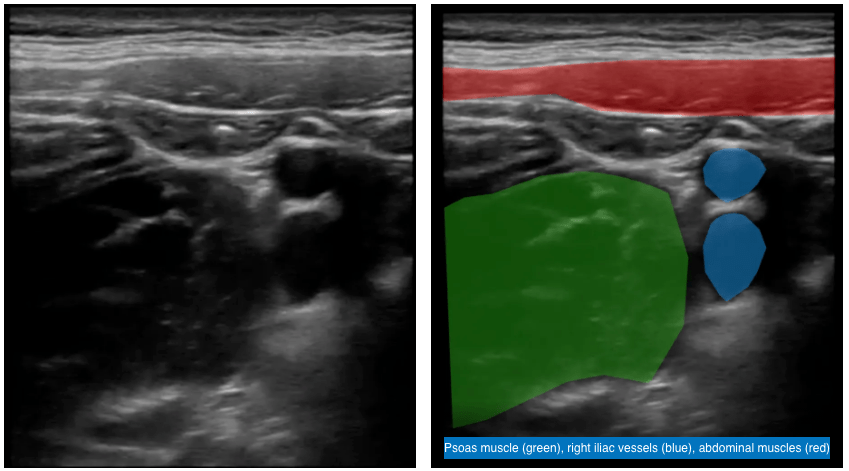
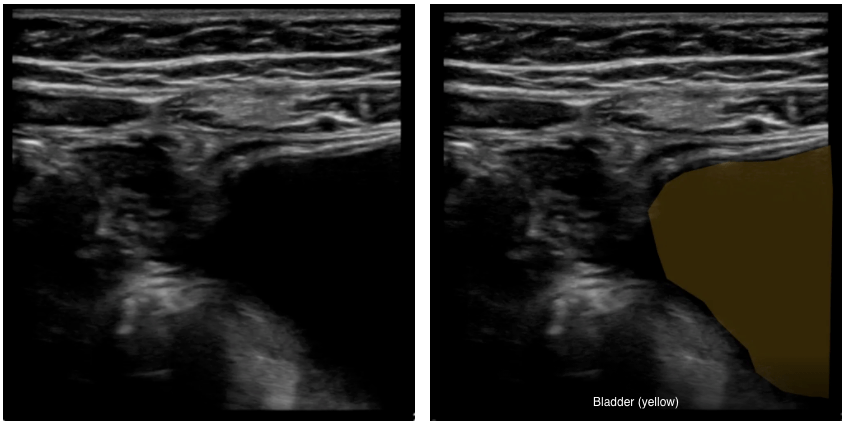

Abnormal findings

Pro Tip
It can be difficult to distinguish intussusception of the small bowel-small bowel (i.e., when the ileum or part of the small bowel telescopes into itself) versus ileocolic (i.e., when the ileum becomes telescopes into the colon). The former often does not require a procedure for reduction, while the latter typically does. If the target sign diameter is <2 cm and transient, a small bowel-small bowel intussusception should be suspected. The length of the intussusception, or how many quadrants are involved, can also be measured for an idea of how much bowel is involved.
There are additional pathologies that can be mistaken for intussusception such as an intussuscepted appendix, appendicitis surrounded by abscess, and Meckel’s diverticulum, which are beyond the scope of this course. Any concerning finding for intussusception should be followed by a confirmatory study by the radiology department.
Although few studies have looked at point of care ultrasonography (POCUS) for intussusception, the existing studies have shown excellent test characteristics and a decreased length of stay with using POCUS.
Two studies assessed the test characteristics of the intussusception POCUS.
| Publication | Study Methodology | Sensitivity | Specificity |
|---|---|---|---|
| Riera et al. (2012)1 | This journal publication was a prospective study of 82 patients who underwent POCUS by pediatric emergency medicine (PEM) providers. The gold standard was a comprehensive radiology ultrasound. | 85% | 97% |
| Trigylidas et al. (2017) 2 | This abstract reported a retrospective study of 105 intussusception POCUS scans by PEM providers. The gold standard was either a direct radiology over-read of the POCUS scans or a radiology department ultrasound. | 96.2% | 92.6% |
| Lin-Martore et al. (2020)6 | This systematic review and meta analysis included 1,303 patients and 6 studies. | 94.9% | 99.1% |
| Bergmann et al. (2021)7 | This prospective study of 256 children across 17 sites (35 sonologists) compared POCUS and radiology performed ultrasound using a gold standard of clinically important intussusception which was defined as an intussusception that required radiographic or surgical reduction during or within 7 days of the incident ED visit. | 96.6% | 98% |
In terms of ED length of stay (LOS), Kim et al. (2017) reported that after the introduction of an intussusception POCUS scanning protocol, the LOS decreased by >200 minutes.3
In general, true ileocolic intussusceptions are:
There have been studies looking at distinguishing small bowel-small bowel from ileocolic intussusception. These, however, have been radiology-based and not POCUS studies, making generalizability to the ED setting challenging. Thus, if there is a concern for an intussusception, a radiology ultrasound should be ordered.
One small study with 27 patients by Wiersma et al. (2006) found that small bowel-small bowel intussusceptions had a smaller mean diameter and length compared to ileocolic intussusceptions.4
| Type of intussusception | # of patients and scans | Mean diameter (range) | Mean length (range) | Location |
|---|---|---|---|---|
| Small bowel-small bowel | 10 patients, 11 scans | 1.5 cm (1.1-2.5 cm) | 2.5 cm (1.5-6 cm) | Distributed throughout the abdomen (6 paraumbilical, 2 RUQ, 2 RLQ, 1 LLQ) |
| Ileocolic | 14 patients, 16 scans | 3.7 cm (3-5.5 cm) | 8.2 cm (5-12.5 cm) | All on right side of abdomen |
Lioubashevsky et al 20135 had a larger sample size (174 patients) with similar findings. The authors also measured the ratio of the inner fat core to the intussusception outer wall and identified the presence or absence of lymph nodes within the lesion.
| Type of Intussusception | # of patients | Mean diameter (range) | Mean length (range) | Ratio of fat core to the intussusception outer wall | % of patients with lymph nodes in the lesion |
|---|---|---|---|---|---|
| Small bowel-small bowel | 57 patients | 1.4 cm (1.1-2.5 cm) |
2.5 cm (1.5-6 cm) |
<1 | 14% |
| Ileocolic | 143 patients | 2.6 cm (1.3-4 cm) |
8.2 cm (5-12.5 cm) |
>1 | 89.5% |
You place a linear, high-frequency probe on the right side of the patient’s abdomen. You perform a bedside ultrasound scan, viewing transversely and longitudinally through the upper and lower abdomen. You observe the following:
This is an intussusception!

The intussusceptum (red) is the part of the bowel that has telescoped into the intussuscipiens (blue). When ileum becomes trapped in the colon, this can lead to ischemia and necrosis over time. This is what causes the classic “currant jelly stools”, which are bloody stools.
Tip: The classic triad of colicky abdominal pain, palpable mass and bloody stool are present in less than 50% of patients, and intussusception should be suspected for patients with vomiting, abdominal pain, and/or lethargy.1
Johnny underwent an air enema reduction in the Radiology department, which successfully reduced the ileocolic intussusception.
The PEM POCUS series was created by the UCSF Division of Pediatric Emergency Medicine to help advance pediatric care by the thoughtful use of bedside ultrasonography.
Learn more about bedside ultrasonography on the ALiEM Ultrasound for the Win series
