Critical Care Series by new ALiEM writer Dr. Todd Seigel

SEIGEL Photo squareWelcome a new superstar blogger, Dr. Todd Seigel (@ToddSeigelMD), to the ever-growing ALiEM team. I first met Todd at the recent Society of Academic Emergency Medicine meeting. At that time, he was an already established clinician-scholar-educator at Brown University. He had already graduated from residency and was returning to fellowship training to get his board-certification in Critical Care Medicine. I’m thrilled that he is now at my home institution (UCSF) doing this fellowship, where I couldn’t resist recruiting him to join our all-star cast of blog authors. Today is the first of hopefully a long series of critical care/resuscitation topics that are practically relevant for all practicing emergency physicians.

(more…)

By |2016-11-11T19:02:41-08:00Jul 30, 2013|Critical Care/ Resus|

Paucis Verbis: Delayed sequence intubation

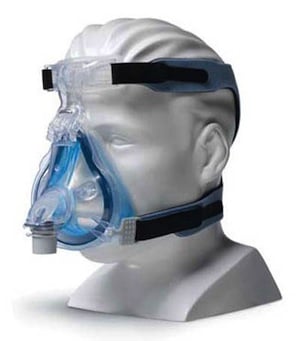
Bipap

A 40-year-old man presents with significant agitation and severe respiratory distress from a COPD exacerbation. His oxygen saturation is 75% on room air, and he has diffuse, tight wheezes on exam. You prepare to intubate the patient using a rapid sequence induction protocol: etomidate, succinylcholine, 8-0 endotracheal tube.

Or do you?

This pocket card discusses the delayed sequence intubation (DSI) protocol made famous by Dr. Scott Weingart and Dr. Rich Levitan.1 Thanks to Dr. Michelle Reina (EM resident at Univ of Utah) and Dr. Rob (Intermountain Medical Center in Utah) for designing this helpful card. Rob has even implemented a DSI protocol in his ED.

The card breaks down the reasoning and steps behind DSI. Anecdotally, ketamine has often calmed patients down enough during the preoxygenation phase to enhance oxygenation/ventilation so much so that intubation is not required.

PV Card: Delayed Sequence Intubation (DSI)


Go to ALiEM (PV) Cards for more resources.

Reference

  1. Weingart S, Levitan R. Preoxygenation and prevention of desaturation during emergency airway management. Ann Emerg Med. 2012;59(3):165-75.e1. [PubMed]
By |2022-04-05T15:07:58-07:00Aug 31, 2012|ALiEM Cards, Critical Care/ Resus|
Go to Top