


Trick of the Trade: Bubble Study for Confirmation of Central Line Placement

The safe placement a central venous catheter (CVC) remains an important part of caring for critically ill patients.1 Over 5 million CVCs are placed each year in the United States. It is crucial to confirm that the central line is placed in the correct position in order to rule out potential complications of the procedure (e.g. pneumothorax) and begin administration of life-saving medications. Post-procedure chest radiographs (CXR) are the standard of care for CVC placements above the diaphragm. However, the annual cost to the U.S. healthcare system for CXRs after CVC placement is estimated to be over $500 million.2 Further, in a busy ED, the limited availability of portable radiography may pose a considerable time delay. Radiography may also be limited in resource‐poor and austere settings, particularly the prehospital and military environments. We review a faster, cheaper, and more accurate alternative for evaluating CVC placement: point of care ultrasound (POCUS).
(more…) Accidental hypothermia is a life threatening condition that can lead to a challenging resuscitation. The very young, old, and intoxicated patient are at high risk to developing hypothermia, even in temperate climates. The pathophysiologic changes from hypothermia make the standard ACLS approach insufficient to care for the hypothermic patient. This article will discuss the physiology of hypothermia and how you should alter your approach in the hypothermic patient, including early consideration of extracorporeal membrane oxygenation (ECMO).
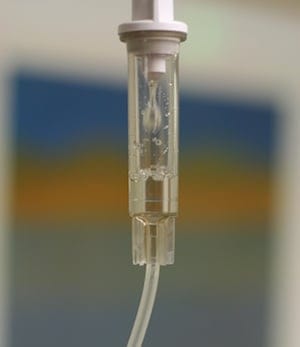
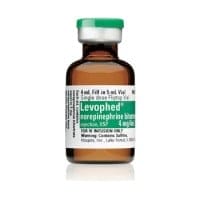 Despite the widespread clinical use, and their well-documented life-saving properties, vasopressors are often maligned, accused of causing ischemia to fingers, toes, mesentery, kidneys, and so forth. Not only is the evidence that this happens poor, but, a fear of this dreaded complication can unwarrantedly lead good clinicians to limit or withhold potentially life- and organ-saving medications. This article showcases the importance of end-organ perfusion and explains how vasopressors may in fact be one of the most important therapies in an emergency physician’s armamentarium.
 The role of extracorporeal membrane oxygenation (ECMO) in the management of acute respiratory distress syndrome (ARDS) has been a source of debate within the critical care community.
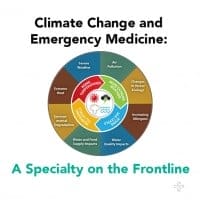 Emergency medicine (EM) is on the frontlines of climate change, which the Lancet Commission declared “the biggest global health threat of the 21st century” with “potentially catastrophic risk to human health.”