


Shock Index: A Predictor of Morbidity and Mortality?
 Emergent airway management and severe sepsis are both high-risk situations that are commonly encountered by emergency physicians. It is well known that complications can be high in both situations, which in turn can lead to increased morbidity and mortality. For instance, about 1/4 of patients who are hemodynamically stable prior to intubation get post-intubation hypotension (PIH) after rapid sequence intubation. Also septic patients may not be reliably identified by systemic inflammatory response syndrome (SIRS) markers early in their disease course. The Shock Index (SI) may be an adjunct that is easy to calculate and could predict both PIH and severe sepsis.
 To provide a resource for evidence-based Emergency Medical education, this list of must-read landmark articles was created to supplement the Emergency Medicine (EM) internship year of training. There are 52 articles so that one article can be read at leisure each week of the year. I searched national databases and polled faculty at the University of Washington to identify articles that faculty would expect any EM resident to be familiar with or that they felt were practice-changing in EM. Articles were selected for the final list based on the quality of study design, sample size, and relevance for EM residents.
 Pauses in chest compressions are known to be detrimental to survival in cardiac arrest, so much so that the 2010 American Heart Association (AHA) emphasize high-quality compressions while minimizing interruptions. There have been some studies that now advocate for continuous chest compressions during a defibrillation shock. There have been substantial changes to external defibrillation technology including:
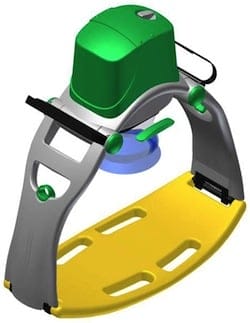 When talking about Out of Hospital Cardiac Arrest (OHCA) there are really only three things that make a true difference on outcomes (i.e. survival and neurologic function):
 Derangements in acid-base status are commonly discovered on routine emergency department evaluation and often suggest the presence of severe underlying disease. Many acute conditions can disrupt homeostatic mechanisms used to buffer and excrete acid, and these changes may necessitate immediate intervention. When you discover a patient with an abnormal pH, what is your approach to the diagnosis?