


Patwari Academy: ECG Rate, Rhythm, Axis
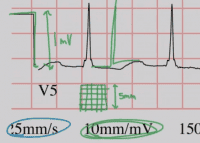
Dr. Rahul Patwari reviews the basics on how to determine an ECG’s rate, rhythm, and axis. It’s always nice to review these concepts. Do you remember how many seconds a traditional ECG typically spans on a single page? What’s the significance of the numbers: 300, 150, 100, 75, 60, 50? Spend a few minutes on these 2 refresher videos.
(more…)

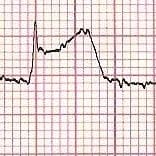 It is well known that primary percutaneous coronary intervention (PPCI) is the gold standard in STEMI treatment and that decreased door-to-balloon time has better patient outcomes. Guidelines recommend that the interval between arrival at the hospital and intracoronary balloon inflation (door-to-balloon time) should be 90 minutes or less.

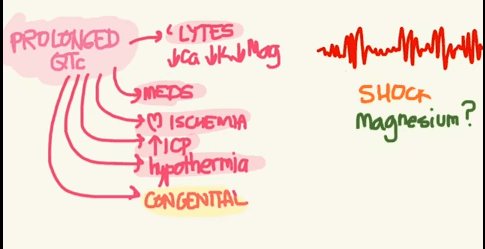 Torsades de pointes is a polymorphic form of ventricular tachycardia. Why does this occur? What does it characteristically look like? Why is this an important form of ventricular tachycardia to differentiate from the more classic monomorphic ventricular tachycardia? View this short 9 minute video on QT intervals and Torsades de Pointes.