



ALiEM Cards is point-of-care reference library of narrowly focused, easily digestible cards for the practicing emergency physician or learner (formerly known as PV Cards). As of July 2017 led by the team of Dr. Jeremy Voros and Derek Sifford, we have rebranded these into “ALiEM Cards”.
Index of Topics
| Topic | Major Subject | Minor Subject | Blog page | Date | |
|---|---|---|---|---|---|
| Abdominal pain, diagnostic studies | Surgery, trauma | Diagnostics | Blog | 2011/07/22 | |
| Abdominal trauma, blunt (likelihood ratios) | Surgery, trauma | Bayes | Blog | 2012/04/20 | |
| Abdominal trauma, penetrating | Surgery, trauma | Blog | 2010/07/09 | ||
| ABG interpretation | Pulmonary, critical care | Diagnostics | Blog | 2010/04/02 | |
| Acetaminophen toxicity | Toxicology, pharmacology | Blog | 2011/11/04 | ||
| Acute limb ischemia | Cardiovascular | Blog | 2010/08/13 | ||
| Acute vestibular syndrome and HINTS exam | Neurology | Blog | 2011/12/02 | ||
| Alcohol: Ethylene glycol | Toxicology, pharmacology | Blog | 2012/06/08 | ||
| Alcohol: Isopropyl alcohol | Toxicology, pharmacology | Blog | 2012/06/22 | ||
| Alcohol: Methanol | Toxicology, pharmacology | Blog | 2012/06/15 | ||
| Anaphylaxis | Allergy, Immunology | Blog | 2012/02/24 | ||
| Angioedema | Allergy, Immunology | Blog | 2010/03/26 | ||
| Ankle and Hindfoot Fractures | Orthopedics | Blog | 2016/06/06 | ||
| Ankle fractures | Orthopedics | Blog | 2010/02/18 | ||
| Anticoagulation for atrial fibrillation | Cardiovascular | Blog | 2010/04/09 | ||
| Aortic dissection (IRAD) | Cardiovascular | Blog | 2011/05/20 | ||
| Appendicitis: ACEP clinical policy | Surgery, trauma | Blog | 2010/06/18 | ||
| Asthma NIH classifications | Pulmonary, critical care | Blog | 2011/04/29 | ||
| Bayes nomogram | Bayes | 2012/05/17 | |||
| Bell’s Palsy: Treatment | Neurology | Blog | 2013/02/21 | ||
| Blood culture indications | Infectious disease | Bayes | Blog | 2012/08/17 | |
| Blunt cardiac injury | Surgery, trauma | Blog | 2012/06/29 | ||
| Brugada syndrome | Cardiovascular | Blog | 2011/05/06 | ||
| Burns | Surgery, trauma | Blog | 2016/04/22 update (original 7/2/2010) | ||
| C1-C2 fractures | Orthopedics | Blog | 2010/09/24 | ||
| C3-C7 fractures | Orthopedics | Blog | 2010/10/01 | ||
| Cardiac tamponade | Cardiovascular | Bayes | Blog | 2011/07/08 | |
| Cerebrovascular injury, blunt | Surgery, trauma | Blog | 2011/07/01 | ||
| Cervical spine rules | Surgery, trauma | Blog | 2010/12/10 | ||
| Cervical spine, distracting injury | Surgery, trauma | Blog | 2011/09/09 | ||
| Charting and Coding | Administrative | Blog | 2016/08/15 | ||
| Chemical sedation | Toxicology, pharmacology | Blog | 2011/03/25 | ||
| Chest pain, low risk ACS | Cardiovascular | Blog | 2010/01/29 | ||
| CHF likelihood ratios | Cardiovascular | Bayes | Blog | 2012/08/24 | |
| Cholecystitis tests | Surgery, trauma | Bayes | Blog | 2011/03/18 | |
| Clostridium difficile | Infectious disease | Blog | 2011/06/24 | ||
| CNS infections | Neurology | Blog | 2009/12/29 | ||
| Continuous end tidal CO2 monitoring in cardiac arrest | Pulmonary, Critical Care | Blog | 2015/10/20 | ||
| Continuous infusions | Toxicology, pharmacology | Blog | 2012/03/09 | ||
| Croup | Pediatrics | Blog | 2010/08/20 | ||
| CT cancer risk | Radiology | Blog | 2011/06/10 | ||
| Cystitis/Pyelonephritis Women Antibiotics | Genitourinary | Blog | 2011/09/02 | ||
| D-dimer | Hematology, oncology | Diagnostics | Blog | 2012/07/12 | |
| Delayed sequence intubation | Airway, pulmonary | Blog | 2012/08/31 | ||
| Dental infections | ENT | Blog | 2011/04/22 | ||
| Dental trauma | ENT | Blog | 2011/04/15 | ||
| Dermatomes and myotomes | Neurology | Anatomy | Blog | 2010/05/28 | |
| Diabetic foot osteomyelitis | Orthopedics | Bayes | Blog | 2011/09/23 | |
| Diverticulitis outpatient | Surgery, trauma | Blog | 2011/05/27 | ||
| Drug Card Emergency Department | Toxicology, pharmacology | Blog | 2013/09/11 | ||
| DVT Diagnostic Guidelines (ACCP) | Cardiovascular | Blog | 2013/01/24 | ||
| Dysphagia | ENT | Blog | 2010/02/03 | ||
| Early goal directed therapy in sepsis | Infectious disease | Blog | 2010/04/16 | ||
| ECG: Early repolarization vs STEMI | Cardiovascular | Blog | 2013/05/16 | ||
| ECG: Electrolyte imbalance | Cardiovascular, Endocrine | Blog | 2012/09/21 | ||
| ECG: Geography of AMI | Cardiovascular | Diagnostic | Blog | 2011/04/08 | |
| ECG: Lead aVR | Cardiovascular | Diagnostic | Blog | 2011/11/18 | |
| ECG: Right and posterior leads | Cardiovascular | Diagnostic | Blog | 2011/03/11 | |
| Ectopic Pregnancy | Obstetrics/gynecology | Bayes | Blog | 2013/05/09 | |
| EMTALA rules in the transfer of ED patients | Administrative | Blog | 2012/09/14 | ||
| Genital ulcers | Genitourinary | Blog | 2012/05/04 | ||
| GRACE score | Cardiovascular | Blog | 2012/04/13 | ||
| Head CT before LP | Neurology | Blog | 2010/04/23 | ||
| Head CT in trauma: Decision rules | Surgery, trauma | Blog | 2011/05/13 | ||
| Hyperkalemia | Endocrine, metabolic | Blog | 2010/03/12 | ||
| Hypertension: First line treatment | Cardiovascular | Blog | 2011/02/11 | ||
| Hypothermia, accidental | Environmental | Blog | 2011/02/04 | ||
| Influenza treatment | Infectious disease | Blog | 2011/10/28 | ||
| Intimate partner violence | Trauma | Blog | 2013/07/31 | ||
| Intraosseous lab interpretation | Hematology, oncology | Diagnostics | Blog | 2012/01/13 | |
| IV fluid composition and Chloride-restrictive fluids in ICU | Endocrine, metabolic | Blog | 2012/01/03 | ||
| Kawasaki disease | Pediatrics | Blog | 2012/03/23 | ||
| Knee exam | Orthopedics | Blog | 2010/03/19 | ||
| Laceration repair and sutures | Trauma | Blog | 2017/03/06 | ||
| Legionnaires disease | Pulmonary, critical care | Blog | 2011/09/16 | ||
| Local anesthetic toxicity | Toxicology, pharmacology | Blog | 2014/06/13 | ||
| Metacarpal fracture | Orthopedics | Blog | 2013/12/13 | ||
| Methotrexate and ectopic pregnancy | Gynecology, obstetrics | Blog | 2011/11/11 | ||
| Murmurs and need for echocardiography | Cardiovascular | Blog | 2010/09/17 | ||
| Neutropenic fever and cancer | Infectious disease | Blog | 2011/10/07 | ||
| NSAID bleeding risk | Toxicology, pharmacology | Blog | 2011/07/15 | ||
| One minute preceptor: NERDS mnemonic | Education | Blog | 2015/08/01 | ||
| Open fractures and antibiotics | Orthopedics | Blog | 2012/01/20 | ||
| Osmolal gap | Toxicology, pharmacology | Blog | 2012/06/01 | ||
| Ottawa knee, ankle, foot rules | Orthopedics | Blog | 2010/05/07 | ||
| Overanticoagulation and supratherapeutic INR | Hematology, oncology | Blog | 2012/08/10 | ||
| Pain medications: Initial options in the ED | Toxicology | Blog | 2015/10/23 | ||
| Palliative Care Screening in the ED | Palliative Care | Blog | 2015/07/27 | ||
| Paracentesis and ascites assessment | Gastroenterology | Blog | 2010/06/25 | ||
| PE clinical decision rules | Pulmonary, critical care | Blog | 2011/06/03 | ||
| PE indications for fibrinolysis | Pulmonary, critical care | Blog | 2011/07/29 | ||
| Pediatric assessment triangle | Pediatrics | Blog | 2013/05/30 | ||
| Pediatric fever (1-3 months old) | Infectious disease | Pediatrics | Blog | 2012/02/02 | |
| Pediatric fever (3 mo- 3 yrs old) | Infectious disease | Pediatrics | Blog | 2012/02/09 | |
| Pediatric fever (neonate) | Infectious disease | Pediatrics | Blog | 2012/01/27 | |
| Pediatric head trauma (PECARN) | Surgery, trauma | Pediatrics | Blog | 2010/02/04 | |
| Pediatric ingestion dose thresholds for ED referral | Toxicology, pharmacology | Pediatrics | Blog | 2014/07/09 | |
| Pediatric pertussis algorithm | Pulmonary, critical care | Pediatrics | Blog | 2010/10/29 | |
| Pediatric sizes and doses | Pediatrics | Blog | 2010/10/23 | ||
| Pericarditis | Cardiovascular | Blog | 2015/02/05 | ||
| Pertussis | Pulmonary, critical care | Bayes | Blog | 2010/09/03 | |
| PESI score for pulmonary embolism | Pulmonary, critical care | Blog | 2012/11/17 | ||
| Pneumonia scores | Pulmonary, critical care | Blog | 2011/02/25 | ||
| Post-exposure prophylaxis, non-occup | Infectious disease | Blog | 2011/04/01 | ||
| Procedural sedation | Toxicology, pharmacology | Blog | 2010/08/06 | ||
| Rapid sequence intubation | Toxicology, pharmacology | Blog | 2010/07/16 | ||
| Rashes, approach to | Dermatology | Blog | 2011/08/26 | ||
| Red eye | Ophthalmology | Blog | 2010/01/22 | ||
| Salicylate toxicity | Toxicology, pharmacology | Blog | 2015/06/15 | ||
| Scaphoid fracture | Orthopedics | Blog | 2016/02/01 | ||
| Seizure, first time | Neurology | Blog | 2011/01/13 | ||
| Seizure, status epilepticus | Neurology | Blog | 2011/01/20 | ||
| Septic arthritis | Orthopedics | Bayes | Blog | 2010/06/11 | |
| Serotonin syndrome | Toxicology, pharmacology | Blog | 2012/01/06 | ||
| Sgarbossa criteria for LBBB | Cardiovascular | Bayes | Blog | 2010/11/05 | |
| Shift feedback card | Education | Blog | 2011/12/09 | ||
| Shock and RUSH protocol | Cardiovascular | Blog | 2009/12/22 | ||
| Shock, vasopressors and inotropes | Cardiovascular | Blog | 2010/04/30 | ||
| Shoulder exam | Orthopedics | Blog | 2011/01/28 | ||
| Spinal epidural abscess | Neurology | Blog | 2011/08/05 | ||
| Streptococcal pharyngitis | ENT | Blog | 2010/07/30 | ||
| Stroke scale NIH | Neurology | Blog | 2010/02/26 | ||
| Stroke: Contraindications for Thrombolytics | Neurology | Blog | 2013/05/23 | ||
| Subarachnoid hemorrhage, atraumatic | Neurology | Blog | 2010/03/05 | ||
| Subarachnoid hemorrhage, high risk | Neurology | Blog | 2010/12/17 | ||
| Suicide risk stratification | Psychiatry | Blog | 2011/02/18 | ||
| Supraventricular Tachycardia (SVT) Aberrancy vs Ventricular Tachycardia (VT): Brugada Criteria | Cardiovascular | Blog | 2013/02/27 | ||
| Suture materials | Surgery, trauma | Blog | 2011/01/07 | ||
| Tachycardia, approach to | Cardiovascular | Blog | 2011/08/19 | ||
| TIMI score | Cardiovascular | Blog | 2010/08/27 | ||
| Toxidromes and vital signs | Toxicology, pharmacology | Blog | 2010/11/19 | ||
| Transient ischemic attack (TIA) | Neurology | Blog | 2010/01/05 | ||
| Ultrasound: 1st Trimester Pregnancy (Transabdominal) | Gynceology, obstetrics | Blog | 2015/02/25 | ||
| Ultrasound: 1st Trimester Pregnancy (Transvaginal) | Gynceology, obstetrics | Blog | 2015/03/04 | ||
| Ultrasound: Abdominal Aorta | Radiology | Blog | 2014/09/13 | ||
| Ultrasound: Biliary Exam | Gastroenterology | Blog | 2015/01/01 | ||
| Ultrasound: Deep Vein Thrombosis (DVT) | Cardiovascular | Blog | 2015/02/18 | ||
| Ultrasound: FAST | Radiology | Blog | 2014/09/14 | ||
| Ultrasound: Focused Echocardiography | Cardiovascular | Blog | 2015/02/11 | ||
| Ultrasound: Lung Exam | Pulmonary, critical care | Blog | 2015/02/04 | ||
| Ultrasound Measurements: Normal Values | Radiology | Ultrasound | Blog | 2015/10/15 | |
| Ultrasound: Ocular Exam | Ophthalmology | Blog | 2015/01/28 | ||
| Ultrasound: Skin and Soft Tissue | Dermatology | Blog | 2015/01/07 | ||
| Ultrasound: Testicular Exam | Genitourinary | Blog | 2015/01/21 | ||
| Upper GI bleed | Gastroenterology | Bayes | Blog | 2011/06/17 | |
| Urine toxicology | Toxicology, pharmacology | Diagnostic | Blog | 2010/07/22 | |
| UTI, cystitis | Genitourinary | Blog | 2010/02/11 | ||
| VBG versus ABG | Pulmonary, critical care | Blog | 2013/01/31 | ||
| Ventilator settings: Lung protection | Pulmonary, critical care | Blog | 2011/10/14 | ||
| Ventilator settings: Obstructive disease | Pulmonary, critical care | Blog | 2011/10/21 |
(adsbygoogle = window.adsbygoogle || []).push({});
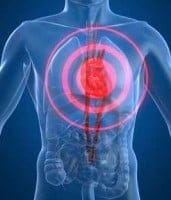 How do you risk-stratify undifferentiated chest pain patients in the Emergency Department? There are a multitude of causes for chest pain. We are always taught to think of the 5 big life-threats: ACS, PE, aortic dissection, tension pneumothorax, and pericardial tamponade.
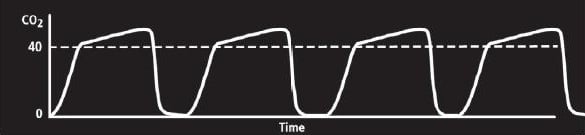 From time to time, our patients need moderated and deep sedation in order to tolerate painful procedures such as joint reductions or incision and drainage procedures. There are many medications available to us including some newer ones such as Ketofol and Dexmedetomidine.
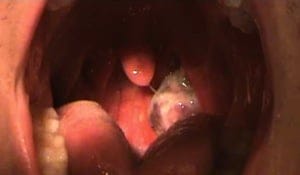 Have you heard of the Modified Centor Score for strep pharyngitis? Interestingly, it has been validated in adults and children. The methodology builds on the traditional Centor Score by incorporating the patient’s age, because this disease is more prevalent in kids than adults. In fact, you actually lose a scoring point if you are older than 44 years old.
