PEM POCUS Series: Pediatric Renal and Bladder Ultrasound

Read this tutorial on the use of point of care ultrasonography (POCUS) for pediatric renal and bladder ultrasonography. Then test your skills on the ALiEMU course page to receive your PEM POCUS badge worth 2 hours of ALiEMU course credit.
Module Goals
- List the indications for performing a pediatric renal/bladder point-of-care ultrasound (POCUS)
- Describe the technique for performing renal/bladder POCUS
- Identify hydronephrosis and its appearance at different severities
- List the limitations of renal/bladder POCUS
- Advanced: Recognize direct and other indirect signs of nephrolithiasis as well as gross renal/bladder structural anomalies such as cysts and masses
Case Introduction: Child with abdominal pain
Serena is a 9-year-old girl who comes into the emergency department complaining of one day of left flank and left lower quadrant pain (LLQ). The pain is intermittent, sharp, severe, and associated with 2 episodes of nonbloody, nonbilious emesis. Her mother denies any fevers, upper respiratory symptoms, sore throat, or diarrhea. She adds that her daughter has complained of 2-3 episodes of dysuria and gross hematuria over the last few days.
On arrival, her vital signs are:
| Vital Sign | Finding |
|---|---|
| Temperature | 99 F |
| Heart Rate | 115 bpm |
| Blood Pressure | 97/50 |
| Respiratory Rate | 19 |
| Oxygen Saturation (room air) | 100% |
You find her lying on the gurney, uncomfortable appearing, and intermittently crying. She has a normal HEENT, neck, cardiac, respiratory, and back examination. She has no flank tenderness, but she does cry out with palpation of the LLQ and suprapubic areas.
Given her pain with a history of intermittent hematuria and dysuria, you perform a renal and bladder point of care ultrasound (POCUS) examination.
Pediatric Renal and Bladder POCUS
- Hematuria
- Flank pain
- Abdominal distension or palpable mass
- Anuria, oliguria, or urinary retention
- Concern for nephrolithiasis
- Bladder volume assessment prior to urinary catheterization
Probe choice [1]
- Typically based on the size of the child (Figure 1)
- If unsure, perform test scans and choose the probe that most effectively provides the desired views and level of detail
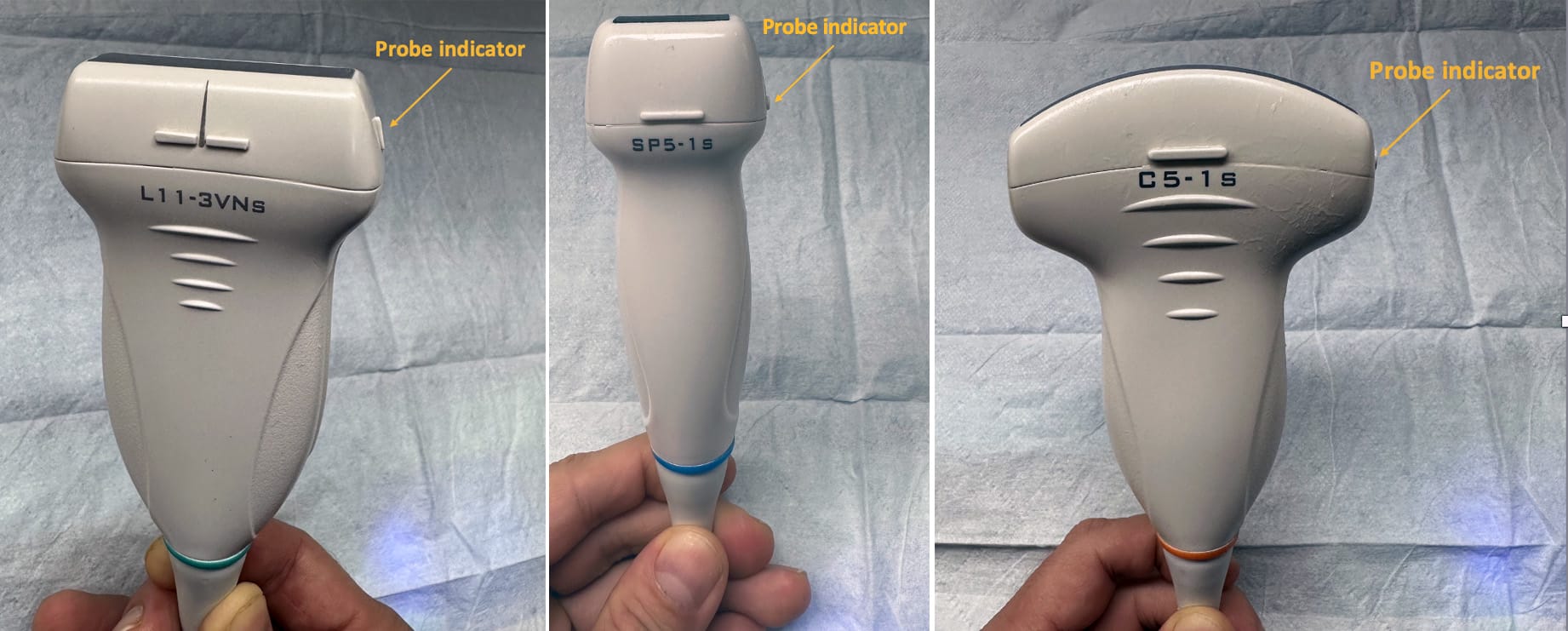
Figure 1. Ultrasound probes from left to right: linear (nenoates), phased array (infants/younger children), and curvilinear (older children/adolescents)
Pro tips for performing renal/bladder POCUS on a child [1]
- Addressing potential anxiety leads to a more efficient and comfortable examination.
- Explain to the parent (and child if old enough), the areas you need to examine.
- Set up distractions such as toys or videos on a tablet or smartphone
- When appropriate, demonstrate the probe(s) to the child and apply some ultrasound gel to the back of their hand so they understand it will not be painful.
- Pre-warmed ultrasound gel is helpful when available.
- Examine the patient in a position that maximizes comfort and minimizes anxiety.
- Lay the patient supine when possible. They can lay on the stretcher, or in the parent’s lap if it calms them (Figure 2, left). This is also an optimal position in which the parent can hold a tablet or smart device above the patient’s face as a distractor.
- If supine positioning is unsuccessful, the patient can be placed upright in their parent’s lap facing away from the sonographer (Figure 2, right). In this position, the parent can hug and hold the patient if needed.
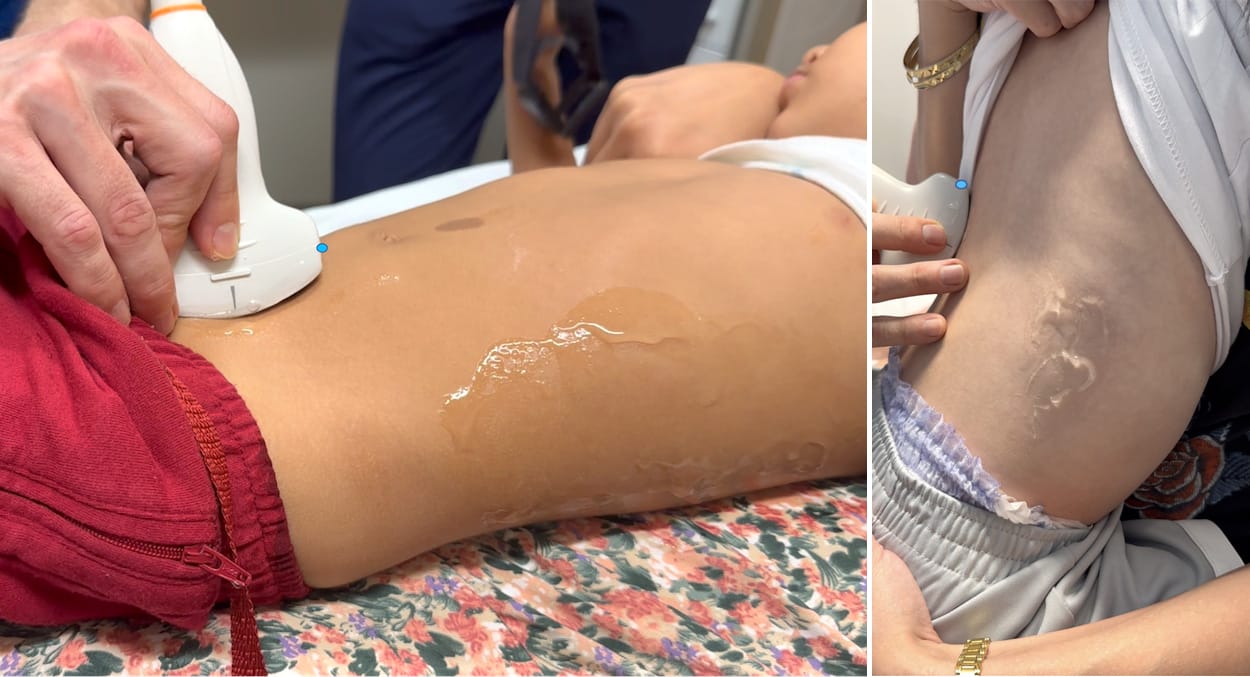
Figure 2: Patient positioning options: Left (supine) – Patient playing with the distractors during bladder POCUS; Right (upright) – Toddler facing away from sonographer during renal POCUS. Note: Blue dot represents the probe indicator.
Right Kidney (Longitudinal View)
- Begin in the mid-axillary line around the 10th or 11th intercostal space with the probe marker pointed toward the patient’s head and identify the renal structures (Figure 3).
- While maintaining probe contact on the skin, tilt it perpendicular to its long axis in each direction (also known as fanning) to assess the entire kidney (Video 1).
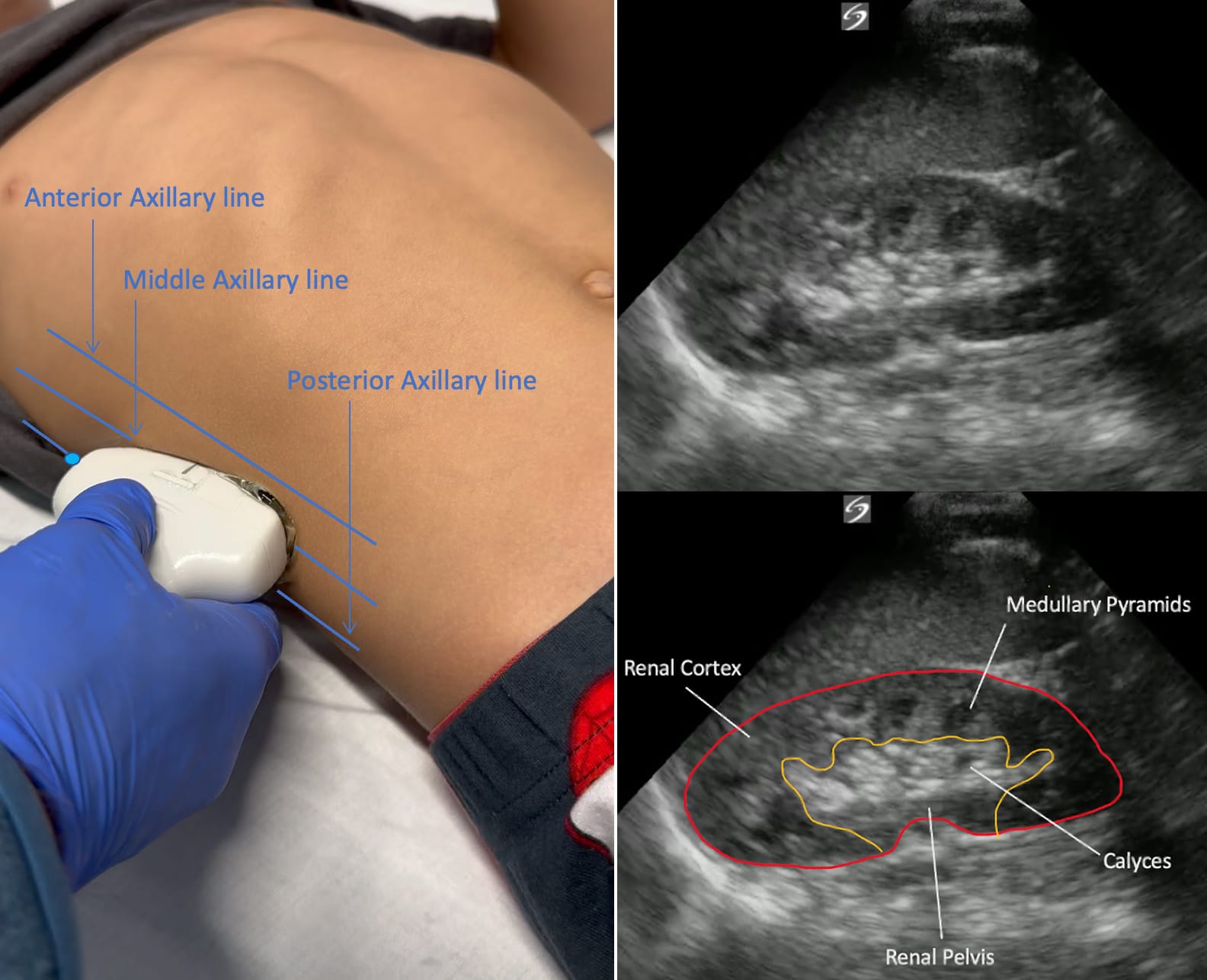
Figure 3. Longitudinal view of the right kidney: Left – Probe placement in right mid-axillary line; Right – Unlabeled and labeled ultrasound view
Video 1. Longitudinal view of the right kidney
Right Kidney (Transverse View)
- From the longitudinal view, rotate the probe 90 degrees and fan the probe to assess the entire kidney in the transverse plane (Video 2).
- Identify the medullary pyramids, calyces, renal cortex, and renal pelvis (Figure 4).
Video 2. Transverse view of the right kidney
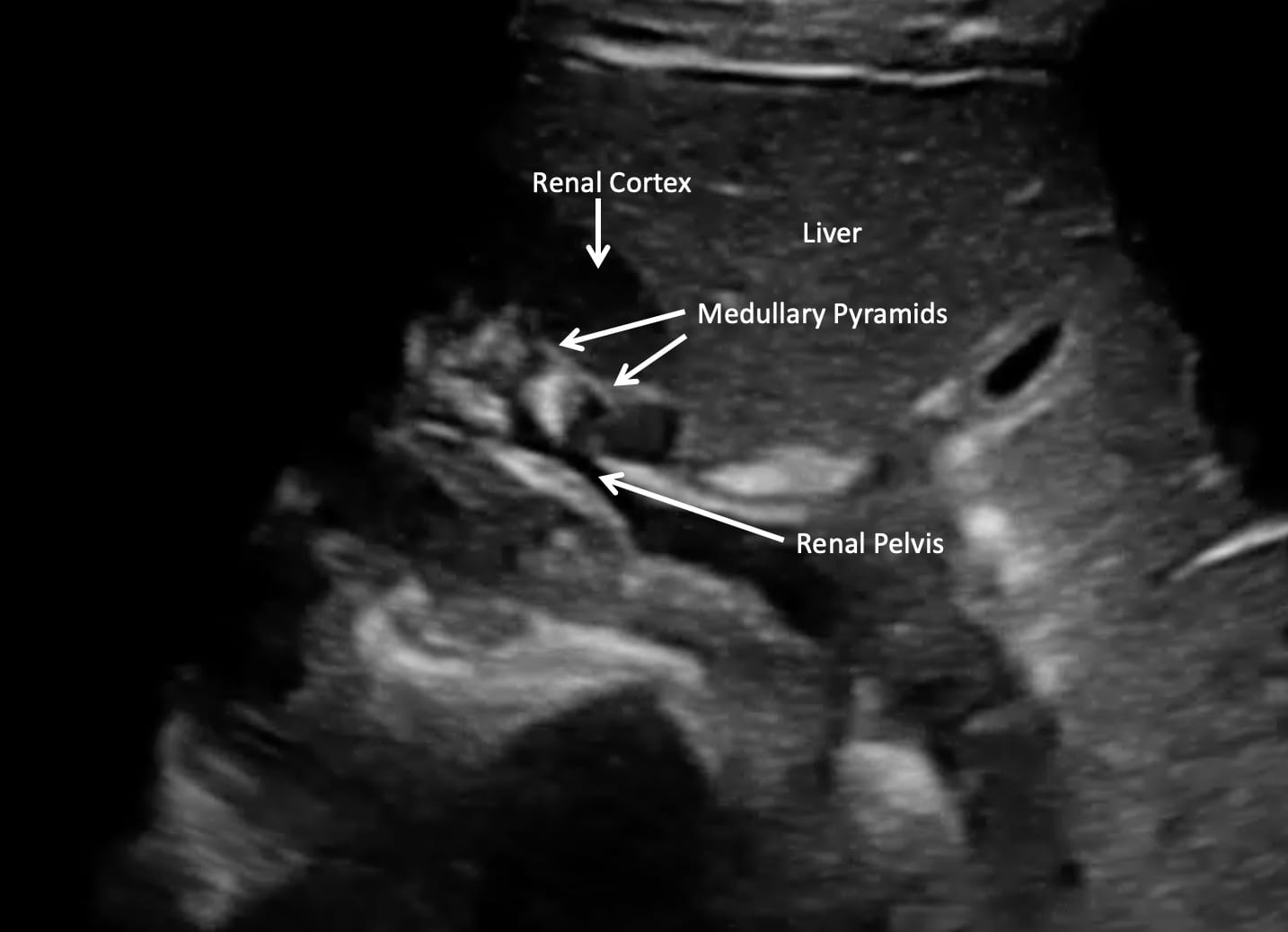
Figure 4. Transverse ultrasound view of the right kidney with anatomical labels
Left Kidney (Longitudinal View)
- Place the probe in the left posterior axillary line (the left kidney is slightly more superior and posterior than the right) around the 8th to 10th intercostal space (Figure 5).
- As performed on the right kidney, identify the relevant structures and fully assess the left kidney by fanning through (Video 3).
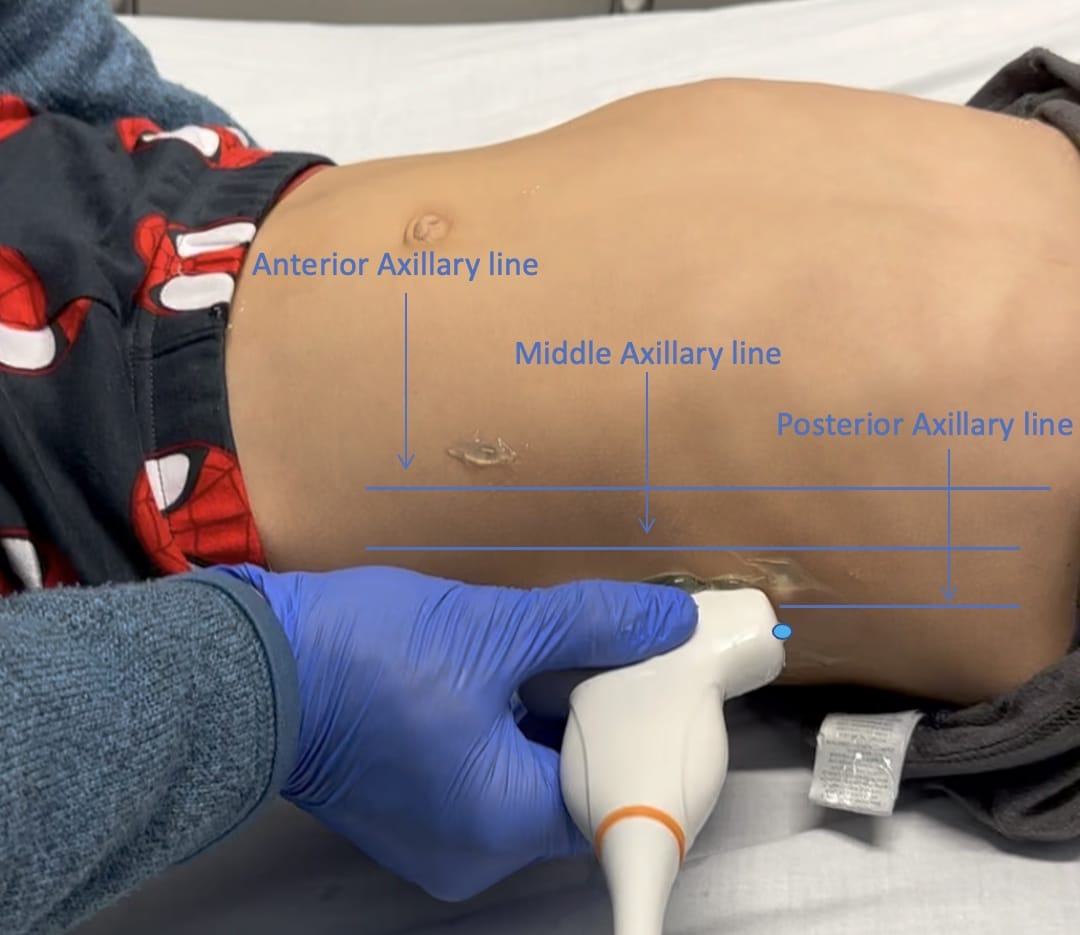
Figure 5. Longitudinal view of the left kidney with probe placement in posterior axillary line
Video 3. Longitudinal view of the left kidney
Left Kidney (Transverse View)
- From the left longitudinal view, rotate the probe 90 degrees. Identify the relevant structures and fully assess the left kidney by fanning through (Video 4).
Video 4. Transverse view of the left kidney
Bladder (Transverse View)
- With the indicator towards the patient’s right, place the probe on the patient’s midline just above the pubic symphysis and fan the probe downward into the pelvis (Figure 6). The pelvis, the bladder, uterus, prostate, and rectum can be seen in this view (Figure 7).
- Pro Tip: The bladder is always directly behind the pubic symphysis, so if you cannot locate it, the probe may be too superior. 2
- Fan through the entire bladder from superior to inferior borders (Video 5).
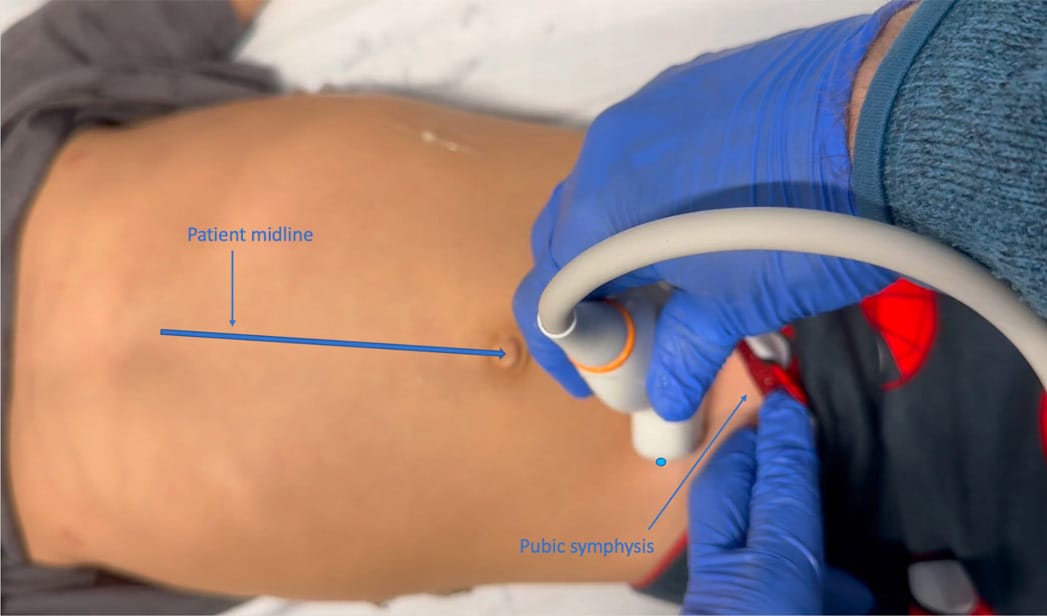
Figure 6. Probe positioning for transverse view of the bladder
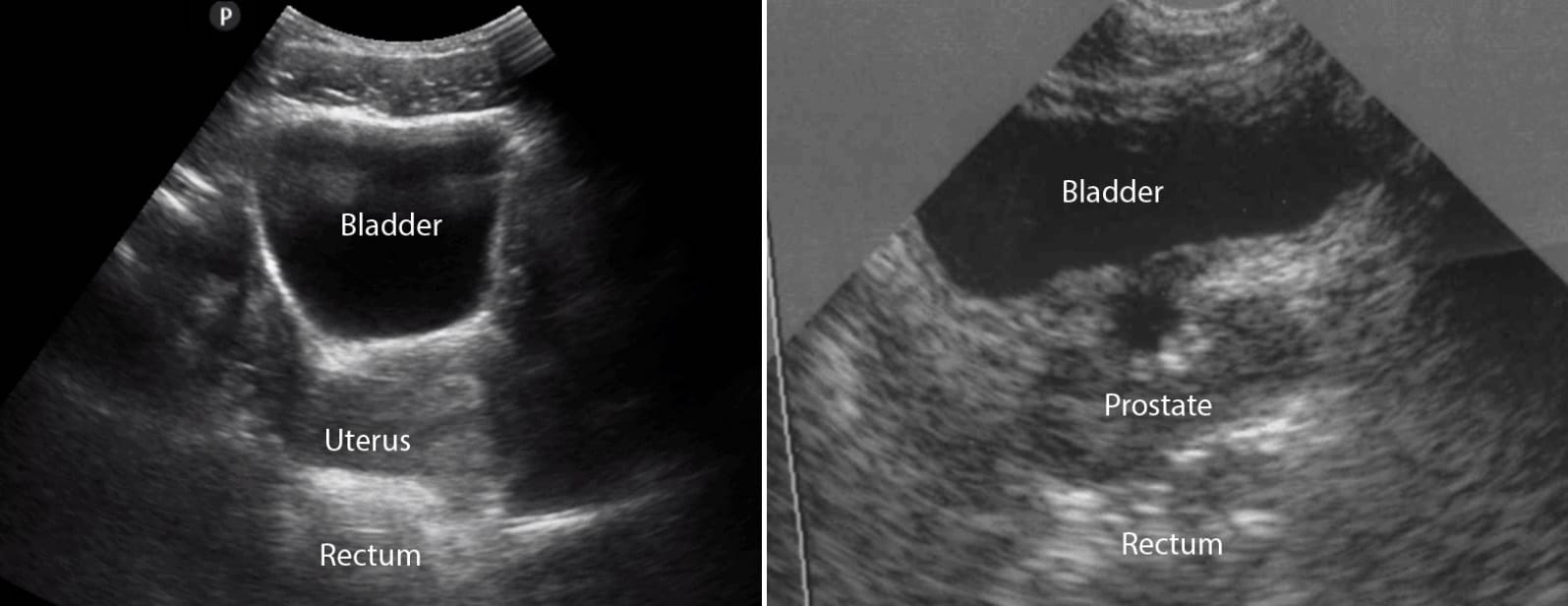
Figure 7. Transvere ultrasound views of the bladder: Left – Uterus identified posteriorly in girl; Right – Prostate identified posteriorly in boy (Images courtesy of Dinh et al.)
Video 5. Transverse view of the bladder
Bladder (Longitudinal/Sagittal View)
- From the transverse view, rotate the probe 90 degrees clockwise so the indicator is now pointing to the patient’s head.
- Identify the bladder, bowel gas, uterus or prostate, and rectum (Figure 8). Then fan to scan from one lateral border of the bladder to the other (Video 6).
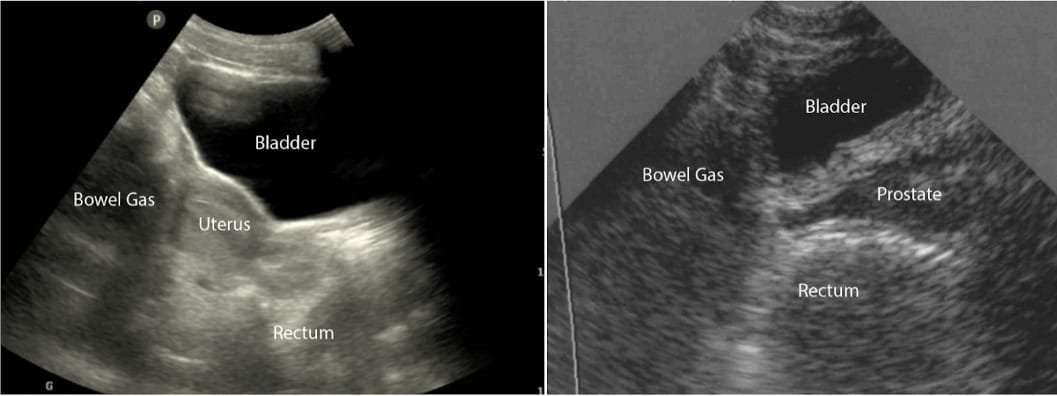
Figure 8. Sagittal view of bladder: Left – Uterus identified posteriorly in girl; Right – Prostate identified posteriorly in boy (Images courtesy of Dinh et al.)
Video 6. Sagittal view of bladder
Formula
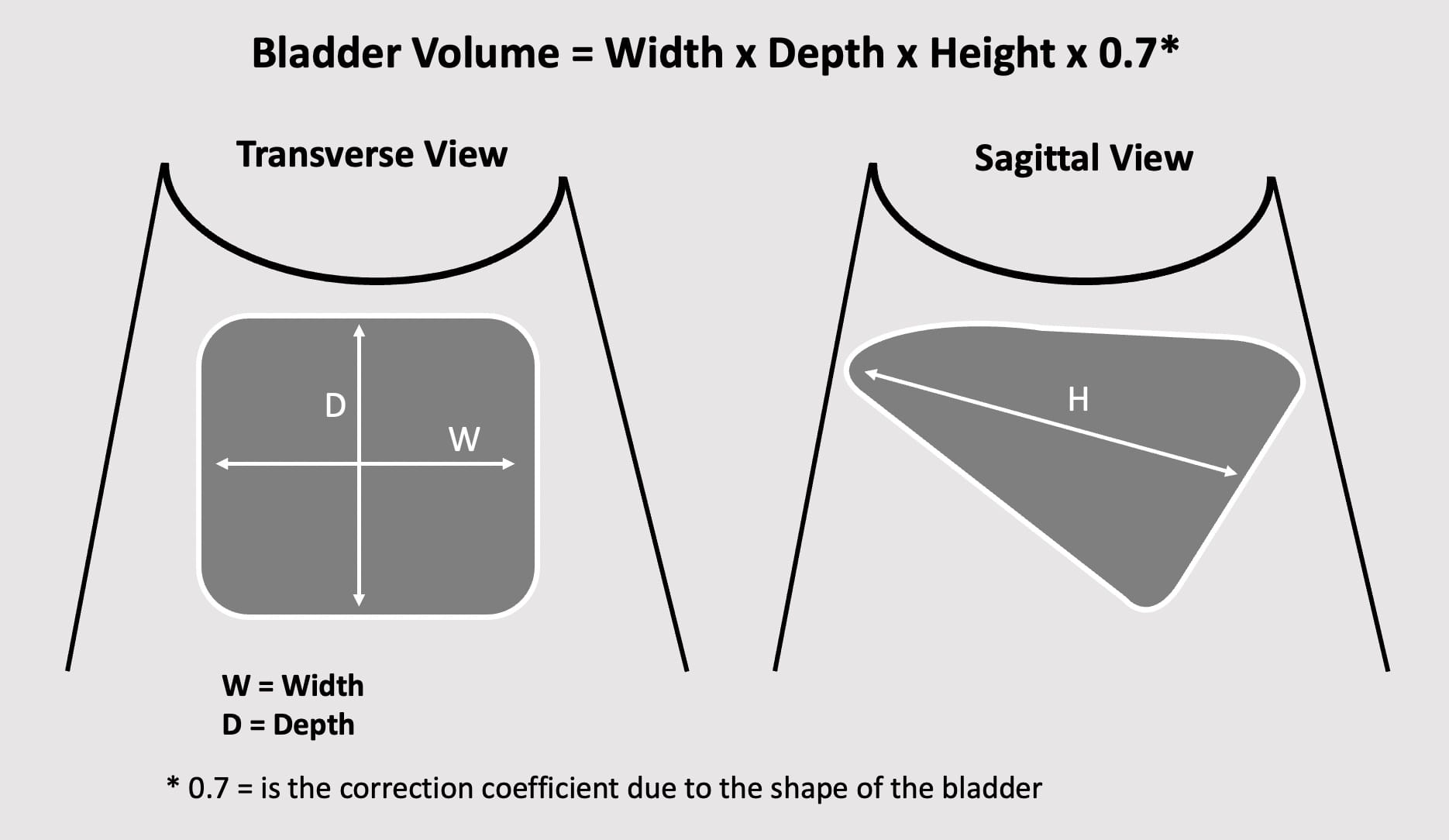
Figure 9. Bladder volume calculation per dimension
The bladder’s shape may appear more rounded when it is full or distended. Bladder volume may be assessed prior to urinary catheterization to avoid an unsuccessful catheterization. Many ultrasound machines also have software which can calculate estimated bladder volume based on the above measurements.
Manual Measurement (Figure 10)
- In the transverse view, measure the width and depth.
- In the sagittal view, measure the height from the apex to the base.
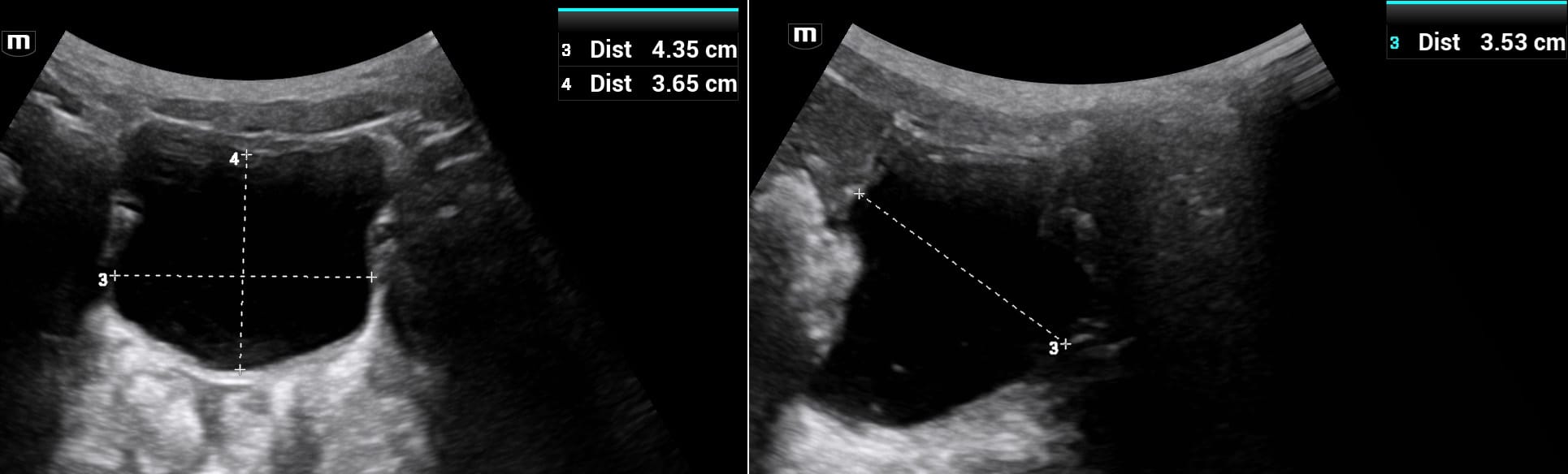
Figure 10. Bladder measurement example: Left – Transverse view with width (4.35 cm) and depth (3.65 cm); Right – Sagittal view with height (3.53 cm). Estimated volume = 39.2 mL
Estimated Bladder Capacity by Age
- [Age of the child (yr) x 30] + 30 = bladder capacity in mL
- In a toilet-trained child, a post-void volume of ≤20 mL is normal [1].
The scope of POCUS focuses on the detection of hydronephrosis which would necessitate further workup. Hydronephrosis may be secondary to various obstructive etiologies such as nephrolithiasis, masses, or anatomical anomalies.
Severity Grading
Hydronephrosis severity grading begins with dilation at the renal pelvis (grade 1 or pelviectasis), which can be present in normal individuals who have not urinated in some time. The greater the degree of hydronephrosis, the more the dilation extends outwards into the calyces and the renal cortex (Figures 11-15 and Videos 7-9).
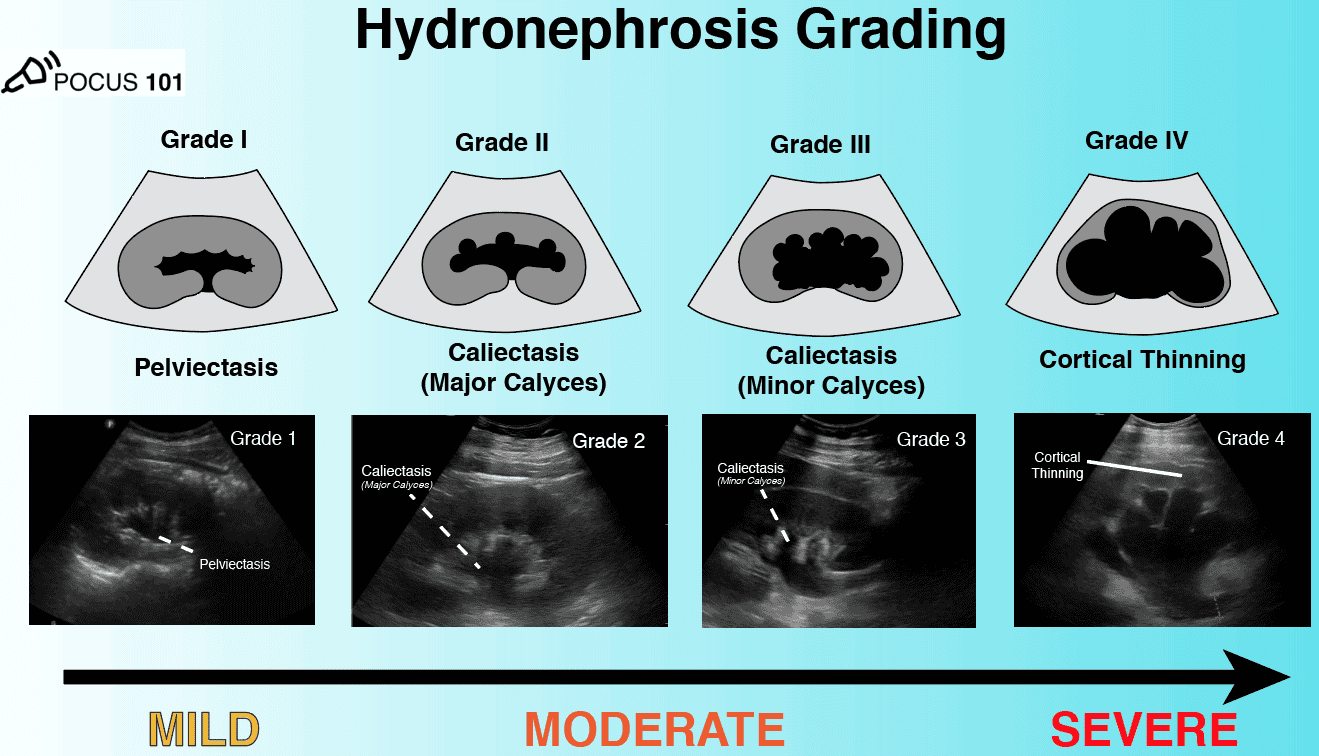
Figure 11. Hydronephrosis grading scale (courtesy of Dinh et al.)
Hydronephrosis: Hydroureter
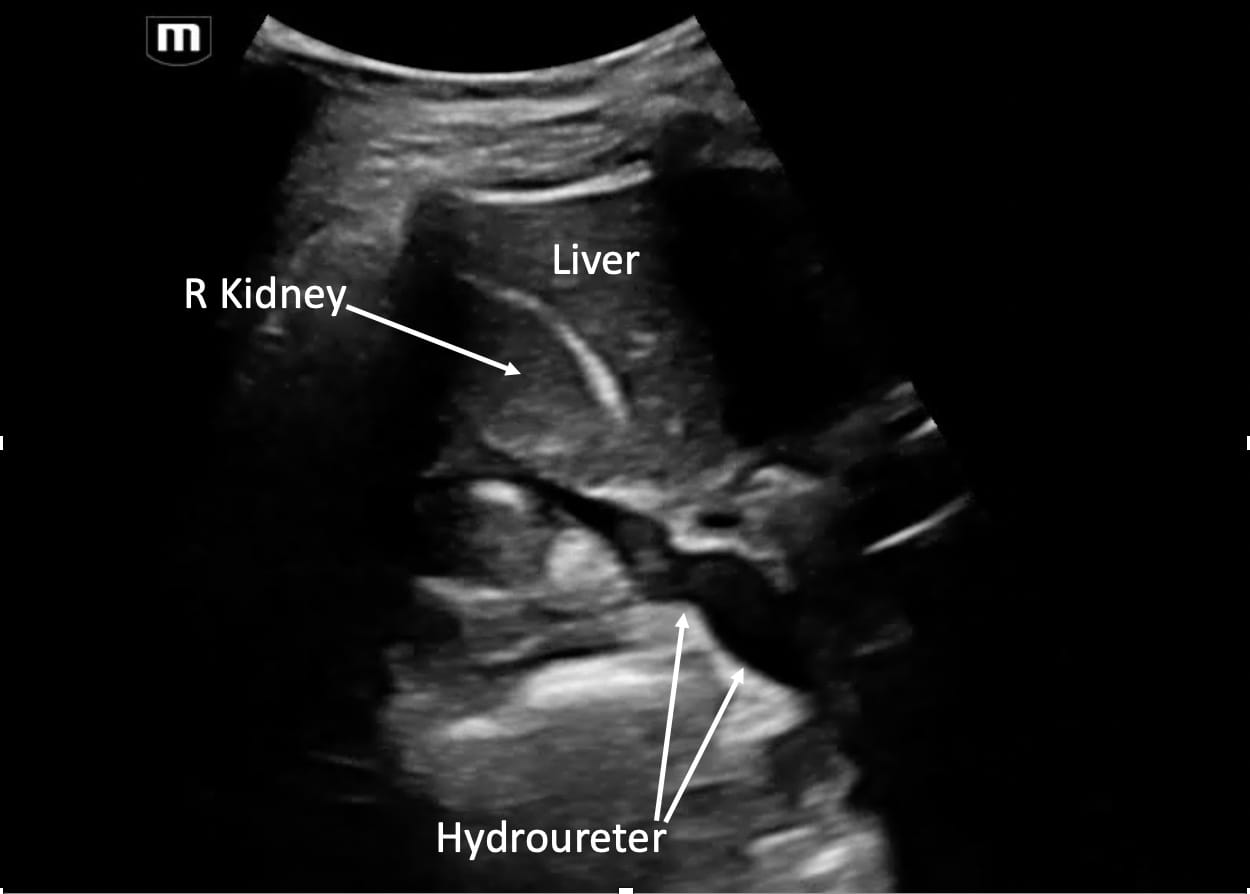
Figure 12. Hydroureter on ultrasound of the right kidney
Hydronephrosis: Mild
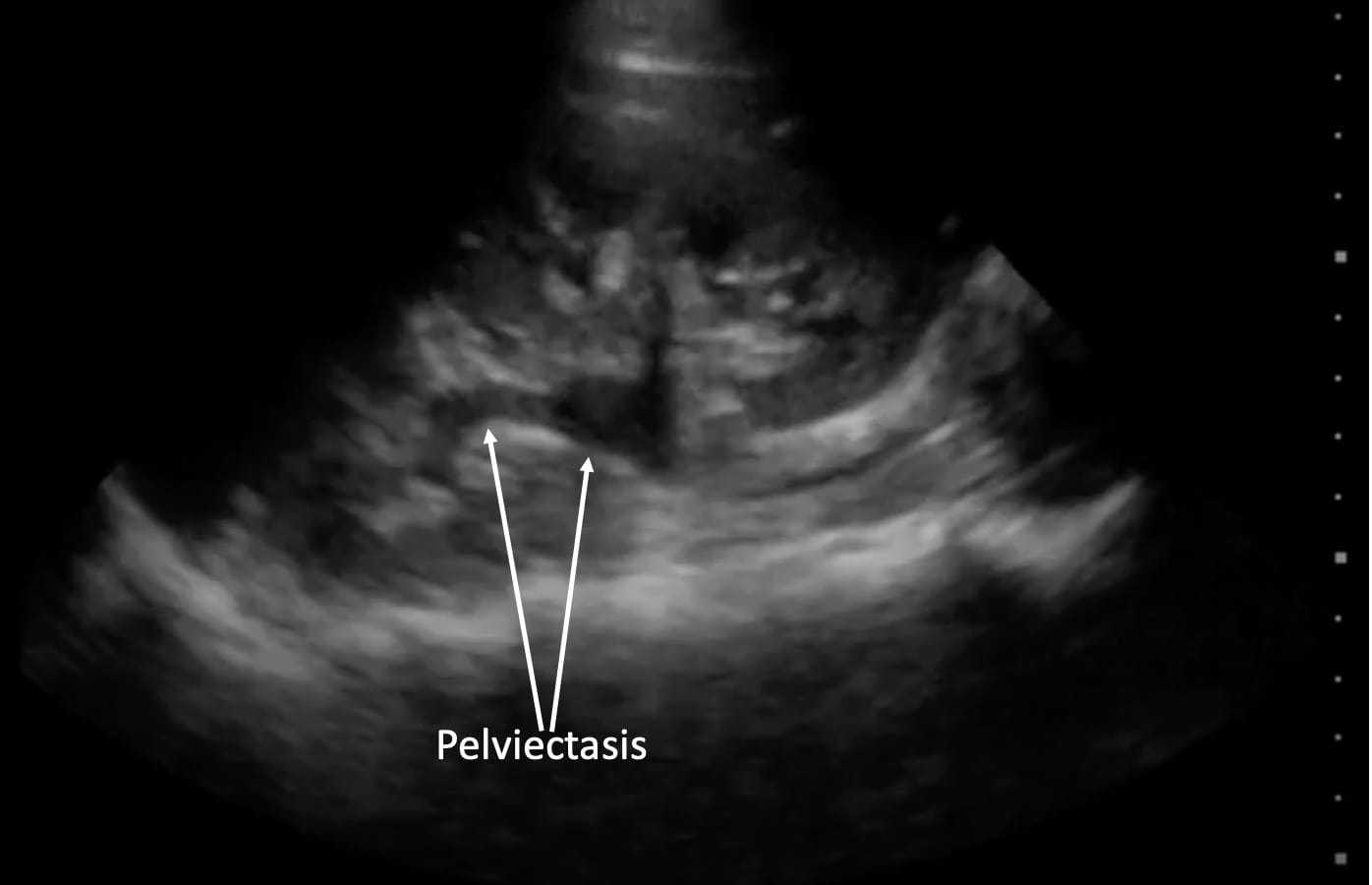
Figure 13. Mild hydronephrosis on ultrasound with only pelviectasis, or dilation of the renal pelvis (Image courtesy of Dr. Jim Tsung)
Video 7. Renal ultrasound showing pelviectasis
Hydronephrosis: Moderate
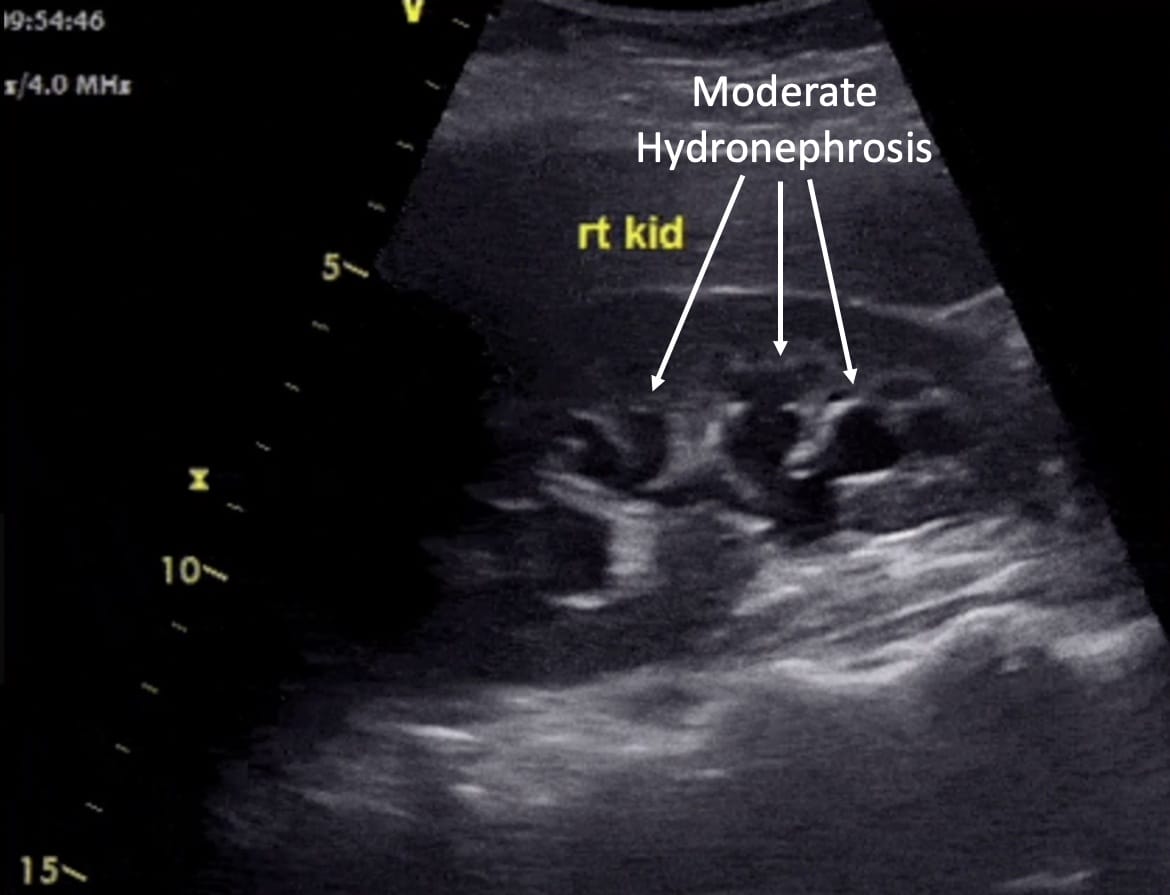
Figure 14. Moderate hydronephrosis showing dilation extending into the major/minor calyces (Image courtesy of POCUS atlas)
Video 8. Moderate hydronephrosis (full video from Figure 14)
Hydronephrosis: Severe
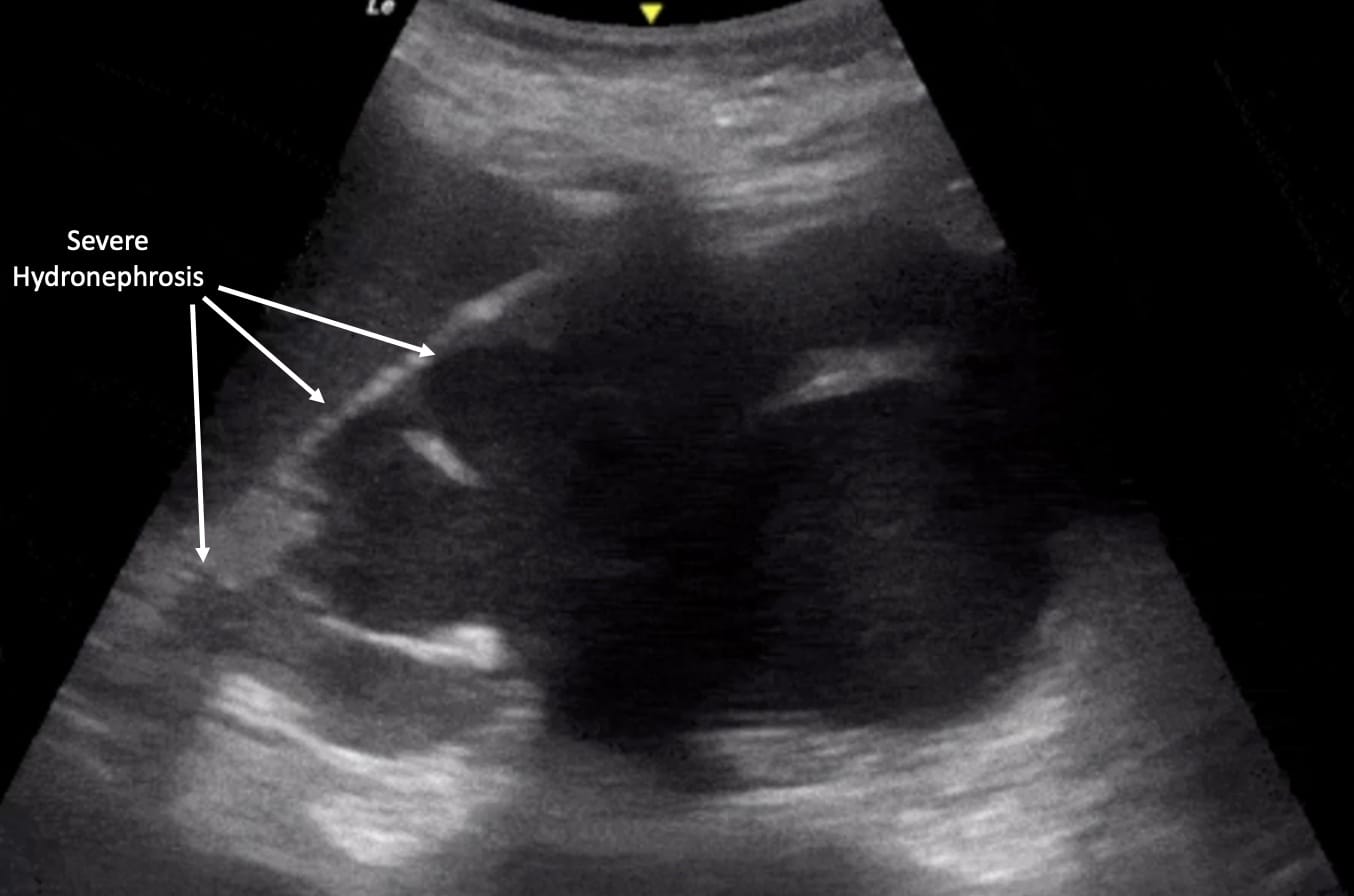
Figure 15. Severe hydronephrosis with dilation causing cortical thinning (Image courtesy of POCUS Atlas)
Video 9. Severe hydronephrosis with “bear claw” sign (full video from Figure 15)
Direct Visualization
Stones may be located anywhere along the urogenital tract. If directly visible, stones will appear as hyperechoic structures and may have acoustic shadowing (Figure 16).
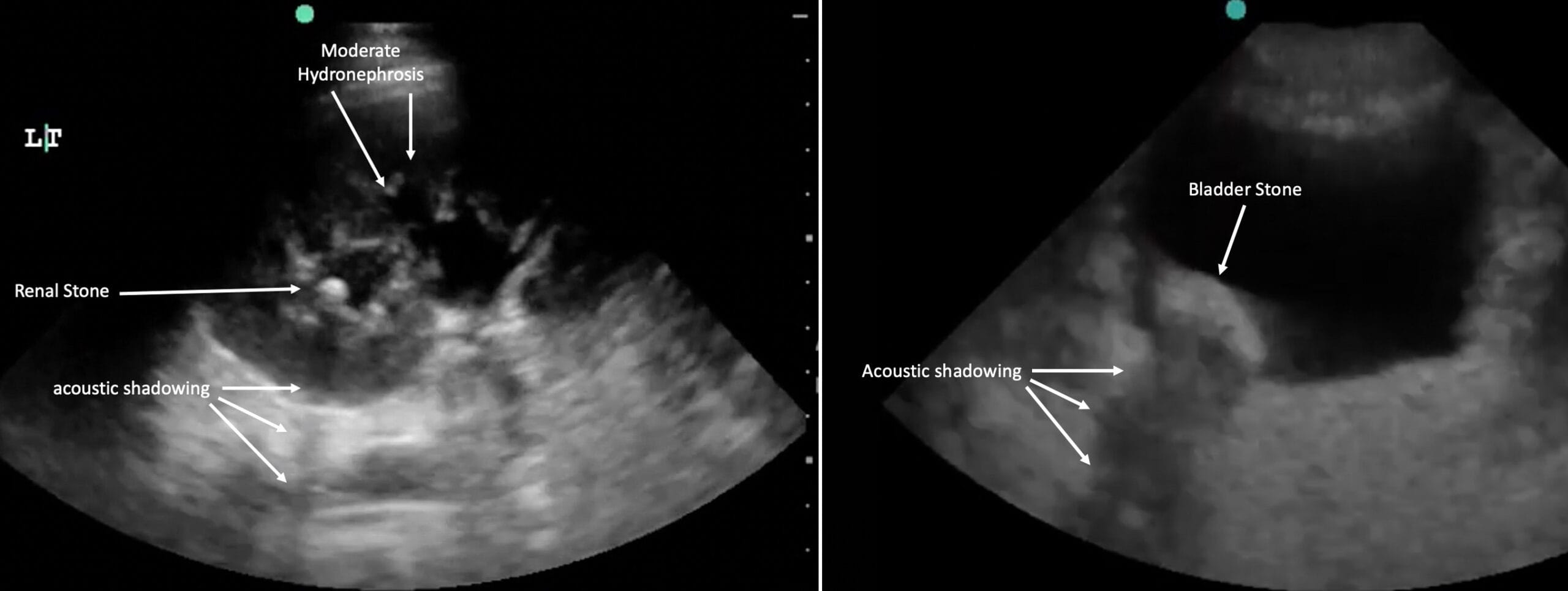
Figure 16. Left – Hyperechoic renal stone with acoustic shadowing and associated moderate hydronephrosis; Right – Bladder stone with acoustic shadowing (images courtesy of Dr. James Tsung)
Video 11. Renal stone with acoustic shadowing and moderate hydronephrosis
Indirect Visualization
Direct visualization will not always be possible since stones are most commonly located in the ureters and may be obscured by bowel gas. Indirect signs of stones include hydronephrosis, twinkling artifact, and absence of ureteral jet [1, 4].
Twinkling artifact is a color Doppler finding that can help identify a stone that may not be directly visible in B-mode. It is generated from turbulent flow around a rough-edged structure (i.e, a stone). Color Doppler interrogation will produce a multi-colored high high-intensity structure behind the stone (Figure 17). The turbulent flow depicted can be seen even if the causative hyperechoic stone is not visible [1, 3].
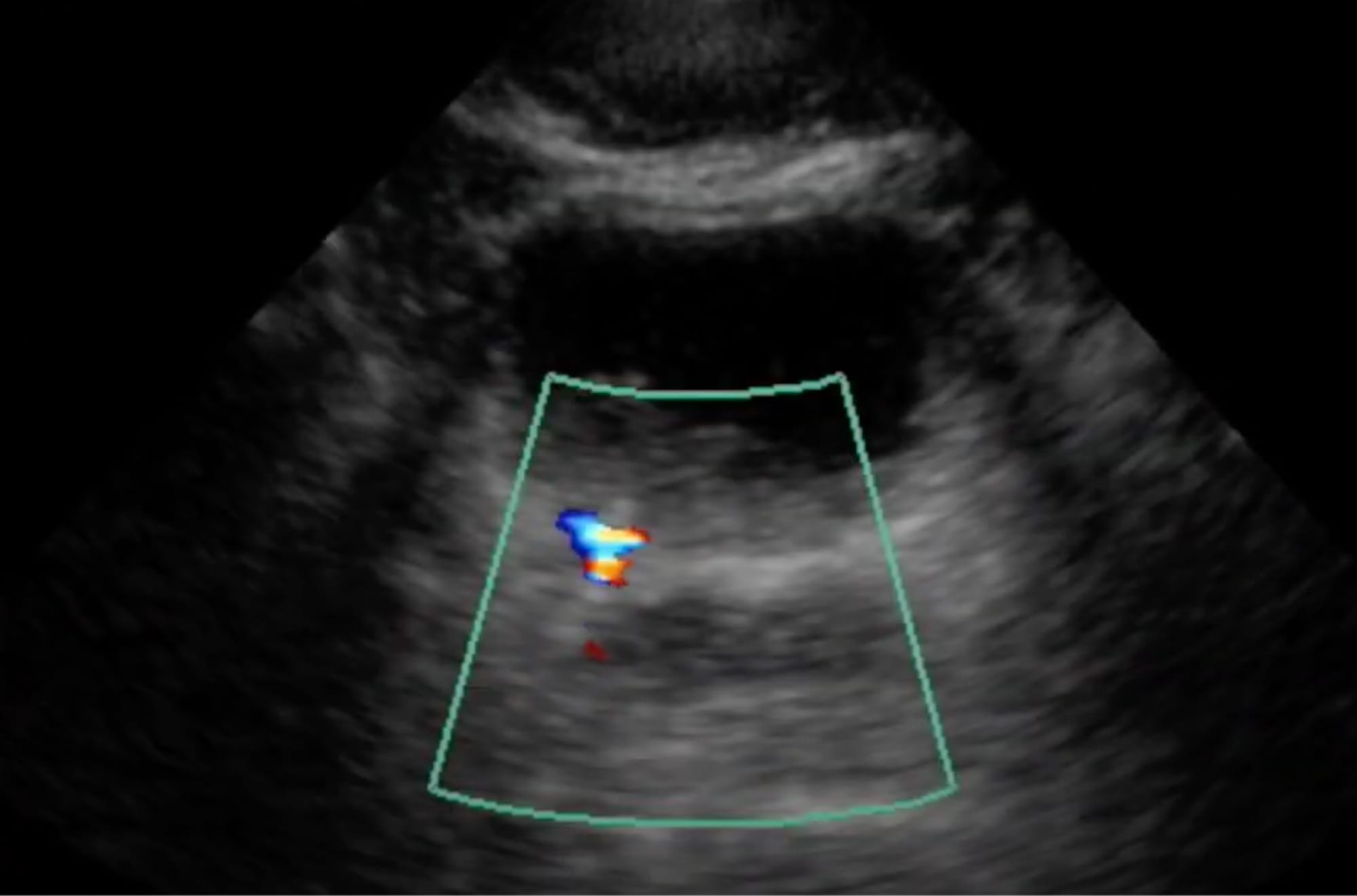
Figure 17. Twinkling artifact in a patient with a right ureterovesciular junction stone (Image courtesy of Dr. James Tsung)
Video 12. Twinkling artifact from a renal stone
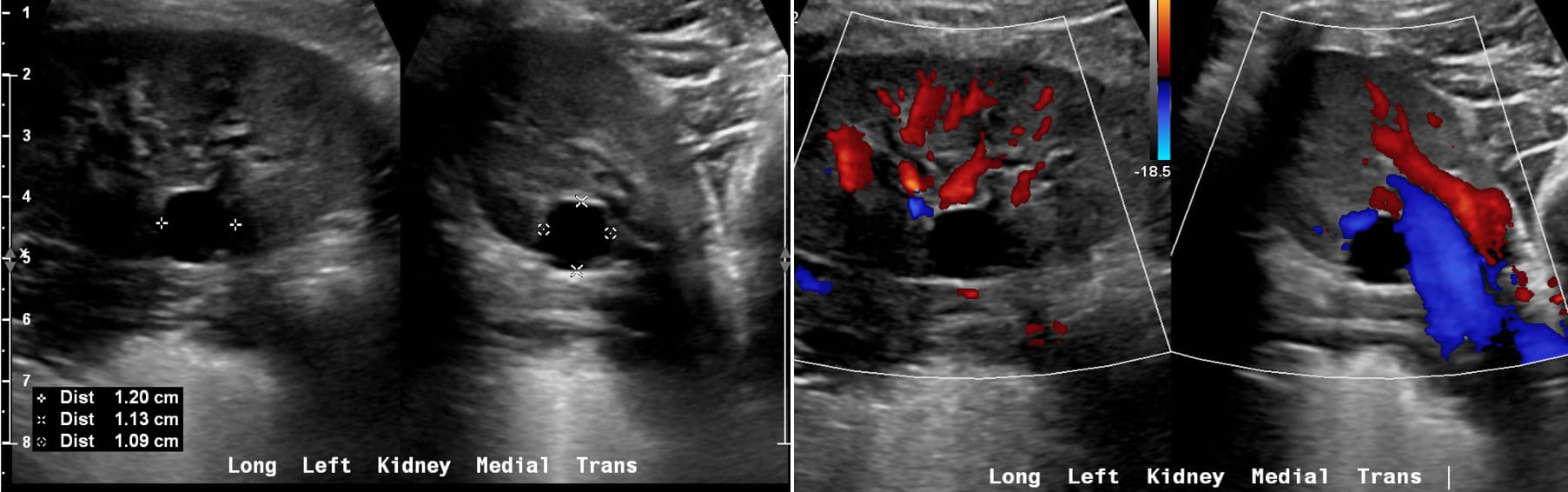
Figure 19. Single renal cyst without (left) and with (right) color Doppler flow to differentiate from vasculature (Images courtesy of Dr. Jeffrey Tutman)
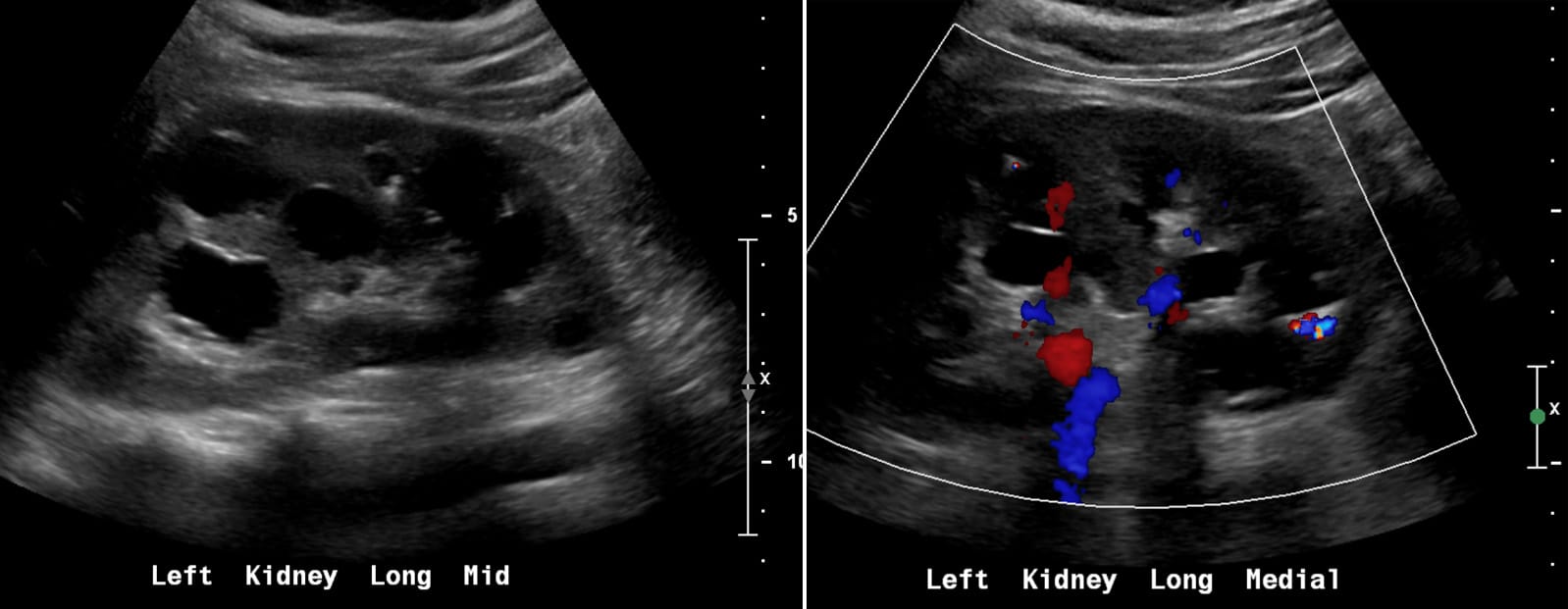
Figure 20. Multiple renal cysts without (left) and with (right) color Doppler flow differentiating from vasculature (Images courtesy of Dr. Jeffrey Tutman)
Hyperechoic and heterogeneous lesions that distort or do not conform to typical renal architecture are concerning for renal masses. Wilms tumor is the most common renal malignancy in children with peak incidence between ages 1 and 5 years old. On ultrasound, it appears as an echogenic intrarenal mass that may have cystic areas from hemorrhage and necrosis (Figure 21) [4].
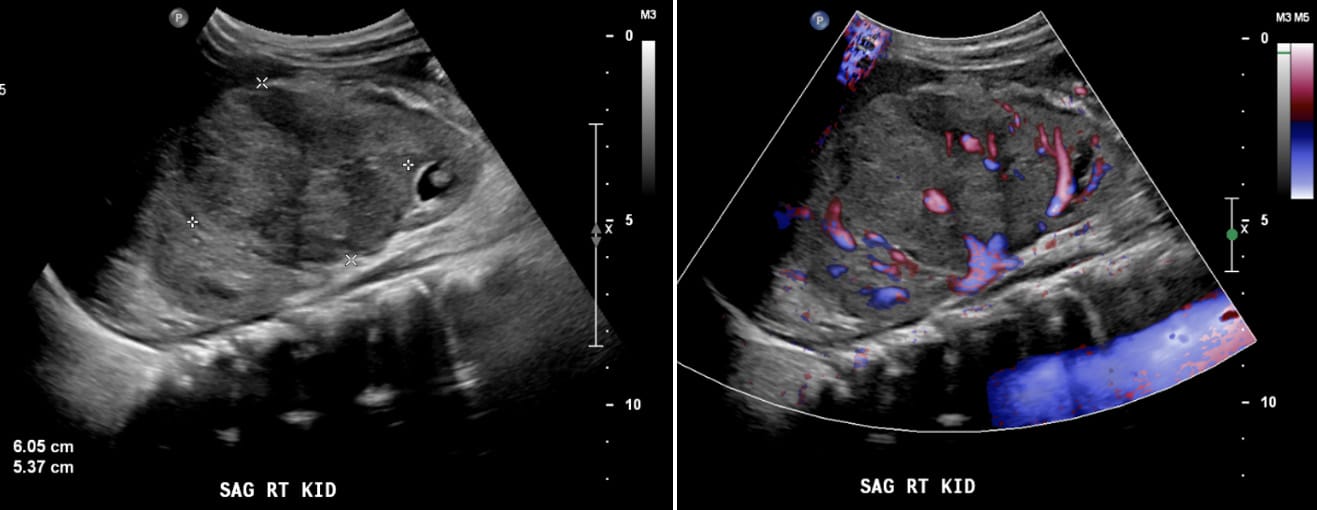
Figure 21. Wilms tumor in the right kidney without (left) and with (right) color Doppler flow (Images courtesy of Dr. Jeffrey Tutman)
Other potential neoplasms within or adjacent to the genitourinary system include but are not limited to neuroblastoma, rhabdoid tumor, rhabdomyosarcoma, renal cell carcinoma, and clear cell carcinoma [4, 6]. The most common malignant bladder mass is rhabdomyosarcoma, and the genitourinary tract is the second most common tumor site. It is usually large, nodular, well-defined, homogeneous, and slightly hypoechoic (Figure 13) [6].
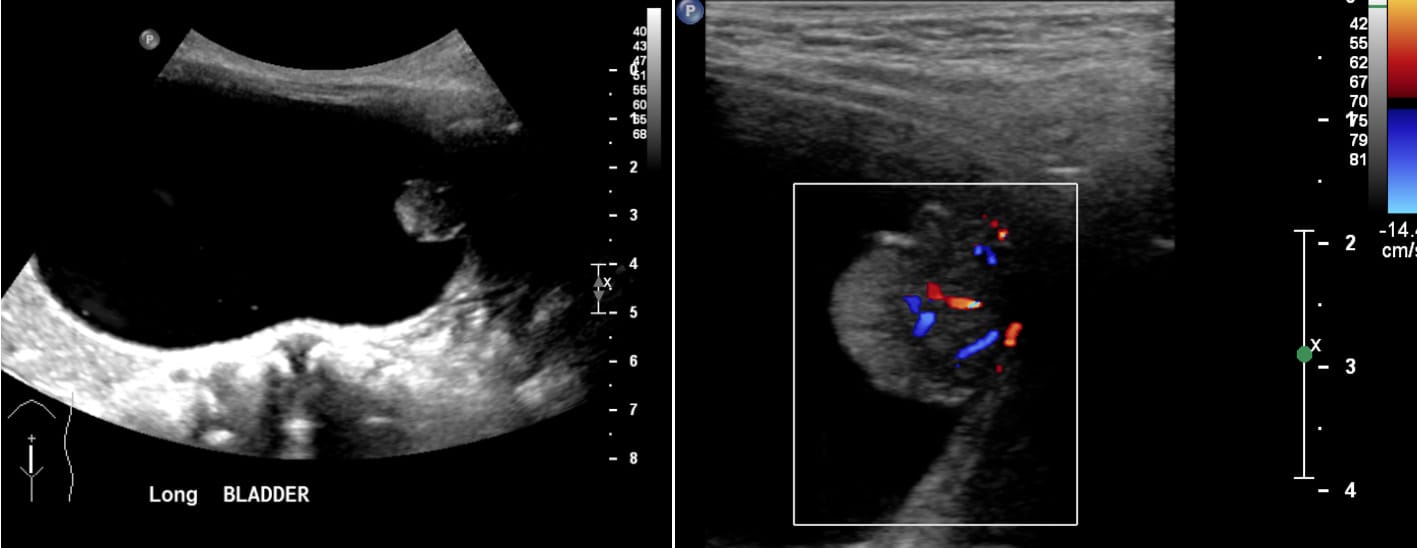
Figure 22. Bladder rhabdomyosarcoma tumor without (left) and with (right) color Doppler flow (Images courtesy of Dr. Jeffrey Tutman)
- Always scan both kidneys for comparison
- Scan the bladder when evaluating the kidneys
- Rib shadowing – attempt to maneuver around rib shadows by reangling the probe or moving up or down a rib space.
- Bladder dimension calculations may be inaccurate if the calipers are not placed in the right orientations.
- Large ovarian cysts may be mistaken for the bladder.
- Because renal stones can be difficult to visualize directly, look for secondary signs such as hydronephrosis.
- Because renal vasculature may be mistaken for hydronephrosis, use color Doppler to differentiate.
- Renal cysts can be confused for hydronephrosis, and both warrant further imaging by Radiology.
Bladder volume estimation
Measuring bladder volume via POCUS in pediatric patients has been studied, demonstrating a benefit on Emergency Department workflow and length of stay (Table 1). For example, POCUS can confirm urine in the bladder, prior to catheterization in infants [7-8].
| Author, Title, Journal, Publication Year | Study Type, Location, Time Frame | N, Ages | Summary |
|---|---|---|---|
| Milling et al., Use of ultrasonography to identify infants for whom urinary catheterization will be unsuccessful because of insufficient urine volume: validation of the urinary bladder index. Ann Emer Med, 2005 [7] | Prospective, blinded, observational study performed in the pediatric ED, 3 month period | N=44, < 2 years of age |
|
| Chen et al., Utility of bedside bladder ultrasound before urethral catheterization in young children. Pediatrics, 2005 [8] | Prospective 2 -hase study, performed in the pediatric ED, 6 month period | N=136 for observation phase
N=112 for intervention phase Ages 0-24 months |
|
| Dessie et al., Point-of-Care Ultrasound Assessment of Bladder Fullness for Female Patients Awaiting Radiology-Performed Transabdominal Pelvic Ultrasound in a Pediatric Emergency Department: A Randomized Controlled Trial. Ann Emerg Med, 2018 [9] | Randomized controlled trial, performed in a pediatric ED, 12 month period | N=120
8-18 years |
|
Table 1. Pediatric bladder POCUS studies
Pediatric Hydronephrosis and Nephrolithiasis
Although adult studies (Table 2) have shown moderate diagnostic accuracy of POCUS in detecting hydronephrosis and nephrolithiasis, there is a dearth of POCUS-based renal studies in the pediatric literature . This has led to controversy whether to perform a renal ultrasound versus CT, even when the Radiology department performs the ultrasound.
- Only 2 case series and 1 case report for POCUS-identified nephrolithiasis in children (Table 3)
- No studies have aimed to determine sensitivity and specificity of POCUS for hydronephrosis in children in the context of renal colic.
| Author, Title, Journal, Publication Year | Study Type, Location, Time Frame | N, Ages | Summary |
|---|---|---|---|
| Pathan et al., Emergency Physician Interpretation of Point-of-care Ultrasound for Identifying and Grading of Hydronephrosis in Renal Colic Compared With Consensus Interpretation by Emergency Radiologists, Acad Emerg Med, 2018 [10] | Secondary analysis of images, obtained 2014-2015 from a large volume ED. | N=651, Adults |
|
| Wong et al., The Accuracy and Prognostic Value of Point-of-care Ultrasound for Nephrolithiasis in the Emergency Department: A Systematic Review and Meta-analysis. Acad Emerg Med, 2018 [11] | Systematic review & Meta-analysis, Multicenter, 2005 Through April 2016 | N=1,773, Adults |
|
| Kim et al., Usefulness of Protocolized Point-of-Care Ultrasonography for Patients with Acute Renal Colic Who Visited Emergency Department: A Randomized Controlled Study. Medicina, 2019 [12] | Prospective randomized control trial in a tertiary care ED, March 2019-July 2019 | N=164, Adults |
|
| Sibley et al., Point-of-care ultrasound for the detection of hydronephrosis in emergency department patients with suspected renal colic. Ultrasound J, 2020 [13] | Prospective observational study in 2 Canadian academic EDs, April 2011 – July 2013 | N=413, Adults |
|
Table 2. Adult POCUS studies on hydronephrosis and nephrolithiasis
| Author, Title, Journal, Publication Year | Study Type, Location, Time Frame | N, Ages | Summary |
|---|---|---|---|
| Chandra et al., Point-of-care ultrasound in pediatric urolithiasis: an ED case series. Am J Emerg Med. 2015 [14] | Case series in a pediatric ED, over a 2-year period | N=8
5-17 years |
|
| Ng et al., Avoiding Computed Tomography Scans By Using Point-Of-Care Ultrasound When Evaluating Suspected Pediatric Renal Colic. Ultrasound in EM, 2015 [15] | Retrospective case series in a pediatric ED, time frame not specified | N=5
3-21 years |
|
| Gillon et al., Diagnosis of Posterior Urethral Valves in an Infant Using Point-of-Care Ultrasound. Ped Emerg Care, 2021 [16] | Case report in a tertiary pediatric ED, date not specified | 1, infant |
|
Table 3. Pediatric POCUS studies on hydronephrosis and nephrolithiasis
Case POCUS
Using the curvilinear probe, you perform a POCUS on the bladder and both kidneys (Video 12).
Video 12. Bilateral renal ultrasound demonstrating twinkling artifact in the bladder and left-sided moderate hydronephrosis, indicative of a distal left ureteral stone (Video courtesy of Dr. Jim Tsung)
Case Resolution
Labs showed a slight leukocytosis with a serum WBC of 13 x109/L but no left shift and a normal creatinine. Urinalysis was positive for blood, RBC’s, and crystals but negative for glucose, ketones, leukocyte esterase, nitrites, WBC’s, squamous cells, and bacteria. The pain and vomiting were well-controlled with ketorolac and ondansetron, respectively. Urology was consulted and recommended medical management. The patient was discharged on tamsulosin and given urine-straining instructions.
Pediatrician Clinic Follow-Up
At her pediatrician clinic visit 2 weeks later, the patient had passed the stone and was asymptomatic.
Learn More…
References
- Paliwalla M, Park K. A practical guide to urinary tract ultrasound in a child: Pearls and pitfalls. Ultrasound. 2014 Nov;22(4):213-22. doi: 10.1177/1742271X14549795. Epub 2014 Nov 10. PMID: 27433222; PMCID: PMC4760558.
- Deschamps J, Dinh V, Ahn J, et al. Renal Ultrasound Made Easy: Step-By-Step Guide. POCUS101.com. [cited 2023 July 4].
- Sethi SK, Raina R, Koratala A, Rad AH, Vadhera A, Badeli H. Point-of-care ultrasound in pediatric nephrology. Pediatr Nephrol. 2023 Jun;38(6):1733-1751. doi: 10.1007/s00467-022-05729-5. Epub 2022 Sep 26. PMID: 36161524; PMCID: PMC9510186.
- Milla, Sarah; Lee, Edward; Buonomo, Carlo; Bramson, Robert T. Ultrasound Evaluation of Pediatric Abdominal Masses, Ultrasound Clinics, Volume 2, Issue 3, 2007, Pages 541-559.
- Koratala A, Alquadan KF. Parapelvic cysts mimicking hydronephrosis. Clin Case Rep. 2018 Feb 21;6(4):760-761. doi: 10.1002/ccr3.1431. PMID: 29636957; PMCID: PMC5889270.
- Shelmerdine SC, Lorenzo AJ, Gupta AA, Chavhan GB. Pearls and Pitfalls in Diagnosing Pediatric Urinary Bladder Masses. Radiographics. 2017 Oct;37(6):1872-1891. doi: 10.1148/rg.2017170031. PMID: 29019749.
- Milling TJ Jr, Van Amerongen R, Melville L, et al. Use of ultrasonography to identify infants for whom urinary catheterization will be unsuccessful because of insufficient urine volume: validation of the urinary bladder index. Ann Emerg Med. 2005;45(5):510-513. doi:10.1016/j.annemergmed.2004.11.010
- Chen L, Hsiao AL, Moore CL, Dziura JD, Santucci KA. Utility of bedside bladder ultrasound before urethral catheterization in young children. Pediatrics. 2005 Jan;115(1):108-11. doi: 10.1542/peds.2004-0738. PMID: 15629989.
- Dessie A, Steele D, Liu AR, Amanullah S, Constantine E. Point-of-Care Ultrasound Assessment of Bladder Fullness for Female Patients Awaiting Radiology-Performed Transabdominal Pelvic Ultrasound in a Pediatric Emergency Department: A Randomized Controlled Trial. Ann Emerg Med. 2018 Nov;72(5):571-580. doi: 10.1016/j.annemergmed.2018.04.010. Epub 2018 Jul 3. PMID: 29980460.
- Pathan SA, Mitra B, Mirza S, Momin U, Ahmed Z, Andraous LG, Shukla D, Shariff MY, Makki MM, George TT, Khan SS, Thomas SH, Cameron PA. Emergency Physician Interpretation of Point-of-care Ultrasound for Identifying and Grading of Hydronephrosis in Renal Colic Compared With Consensus Interpretation by Emergency Radiologists. Acad Emerg Med. 2018 Oct;25(10):1129-1137. doi: 10.1111/acem.13432. Epub 2018 May 28. PMID: 29663580.
- Wong C, Teitge B, Ross M, Young P, Robertson HL, Lang E. The Accuracy and Prognostic Value of Point-of-care Ultrasound for Nephrolithiasis in the Emergency Department: A Systematic Review and Meta-analysis. Acad Emerg Med. 2018 Jun;25(6):684-698. doi: 10.1111/acem.13388. Epub 2018 Mar 25. PMID: 29427476.
- Kim SG, Jo IJ, Kim T, et al. Usefulness of Protocolized Point-of-Care Ultrasonography for Patients with Acute Renal Colic Who Visited Emergency Department: A Randomized Controlled Study. Medicina (Kaunas). 2019 Oct 28;55(11):717. doi: 10.3390/medicina55110717. PMID: 31661942; PMCID: PMC6915595.
- Sibley S, Roth N, Scott C, et al. Point-of-care ultrasound for the detection of hydronephrosis in emergency department patients with suspected renal colic. Ultrasound J. 2020 Jun 8;12(1):31. doi: 10.1186/s13089-020-00178-3. PMID: 32507905; PMCID: PMC7276462.
- Chandra A, Zerzan J, Arroyo A, Levine M, Dickman E, Tessaro M. Point-of-care ultrasound in pediatric urolithiasis: an ED case series. Am J Emerg Med. 2015 Oct;33(10):1531-4. doi: 10.1016/j.ajem.2015.05.048. Epub 2015 Jun 23. PMID: 26321169.
- Ng C, Tsung JW. Avoiding Computed Tomography Scans By Using Point-Of-Care Ultrasound When Evaluating Suspected Pediatric Renal Colic. J Emerg Med. 2015 Aug;49(2):165-71. doi: 10.1016/j.jemermed.2015.01.017. Epub 2015 Apr 29. PMID: 25934378.
- Gillon JT, Cohen SG. Diagnosis of Posterior Urethral Valves in an Infant Using Point-of-Care Ultrasound. Pediatr Emerg Care. 2021 Aug 1;37(8):435-436. doi: 10.1097/PEC.0000000000002393. PMID: 34397679