SAEM Clinical Images Series: Perioral Facial Swelling
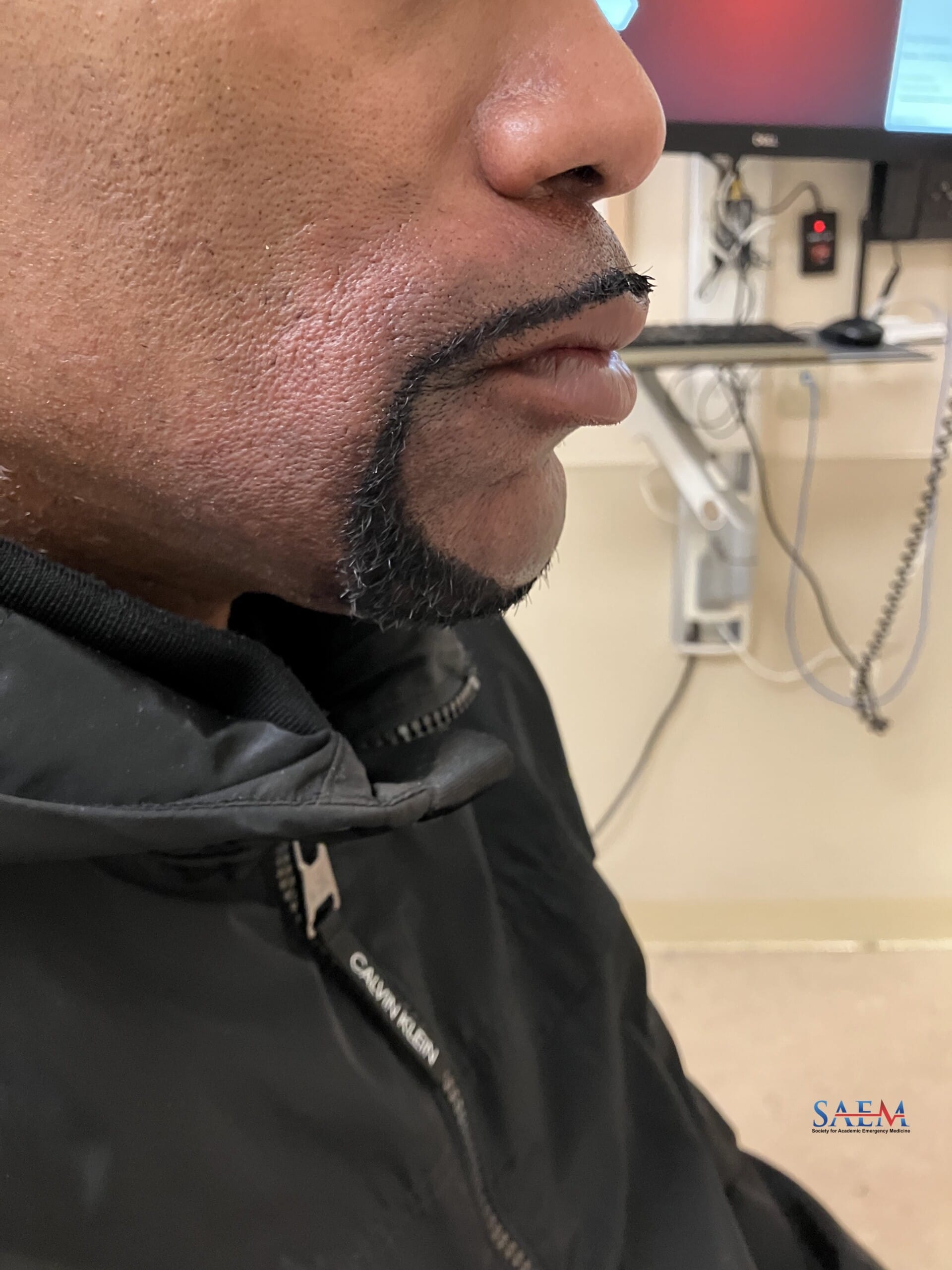
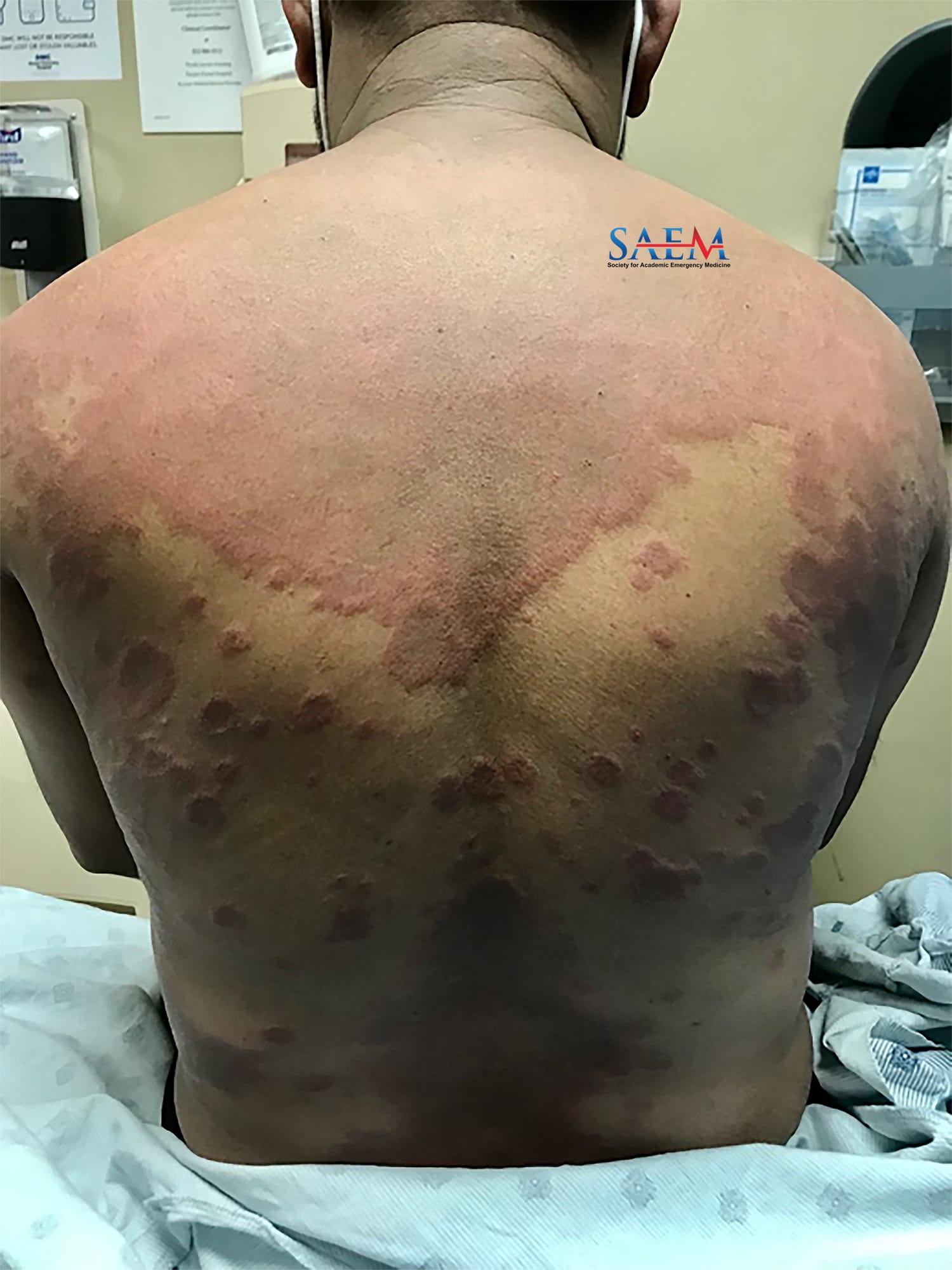
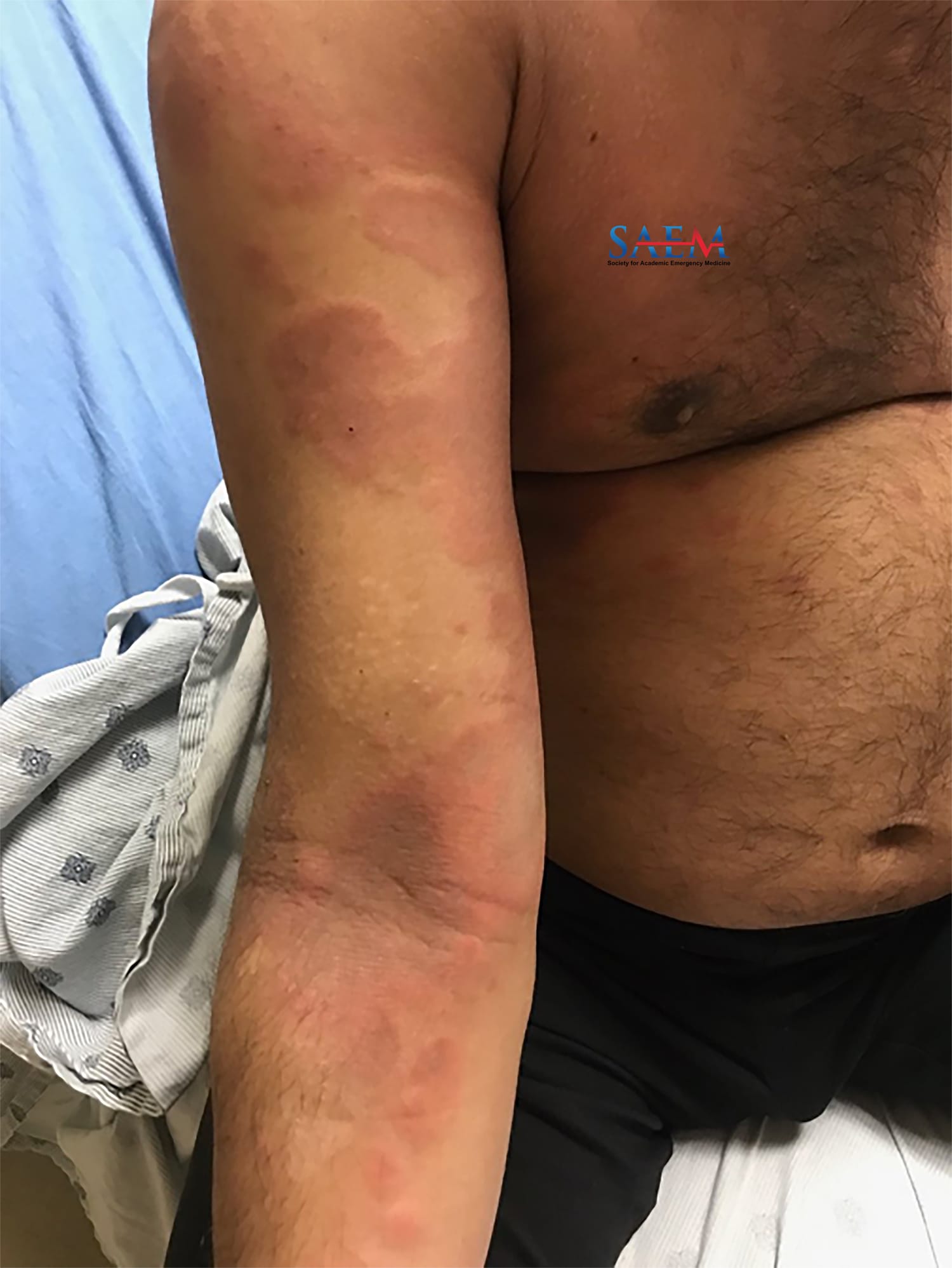
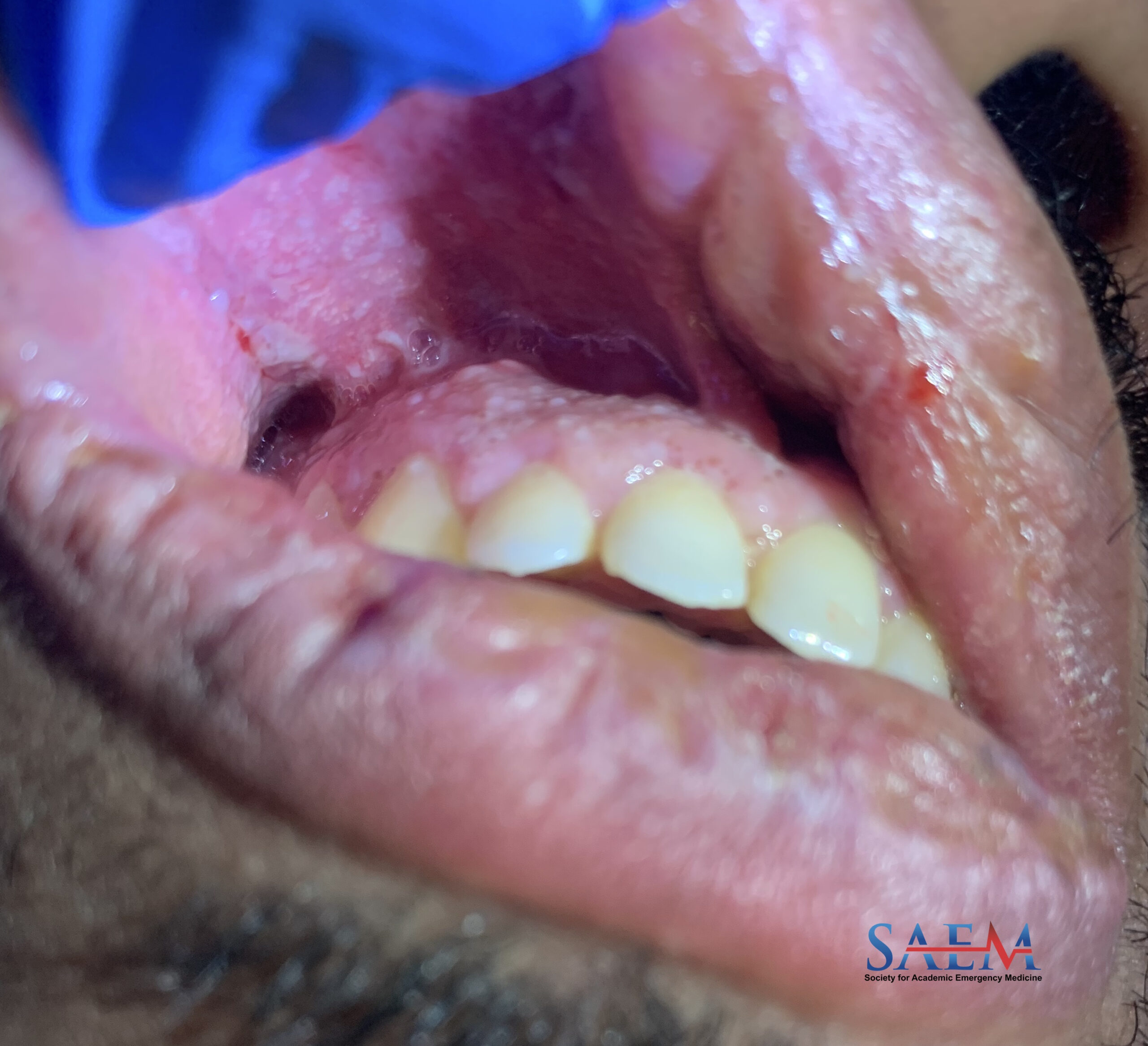
The patient is a 40-year-old male with no significant past medical history who presents to the Emergency Department with perioral rash and swelling. He had been in his normal state of health the day before and woke up in the morning with an itchy rash around his mouth. He denies lip, tongue, or intraoral swelling, throat itching or sensation of throat swelling, trouble swallowing, or swelling or itching of any other part of his face. The rash has not changed locations nor has it spread beyond the perioral area. He noted a similar episode once or twice before in his life, which had improved with taking diphenhydramine. He denies the presence of a rash or itching on any other part of his body, wheezing, shortness of breath, GI symptoms, or dizziness. He denies any exposure to new foods or medications, and he has not been exposed to ACE inhibitors nor ARBs. He has no other complaints at this time.
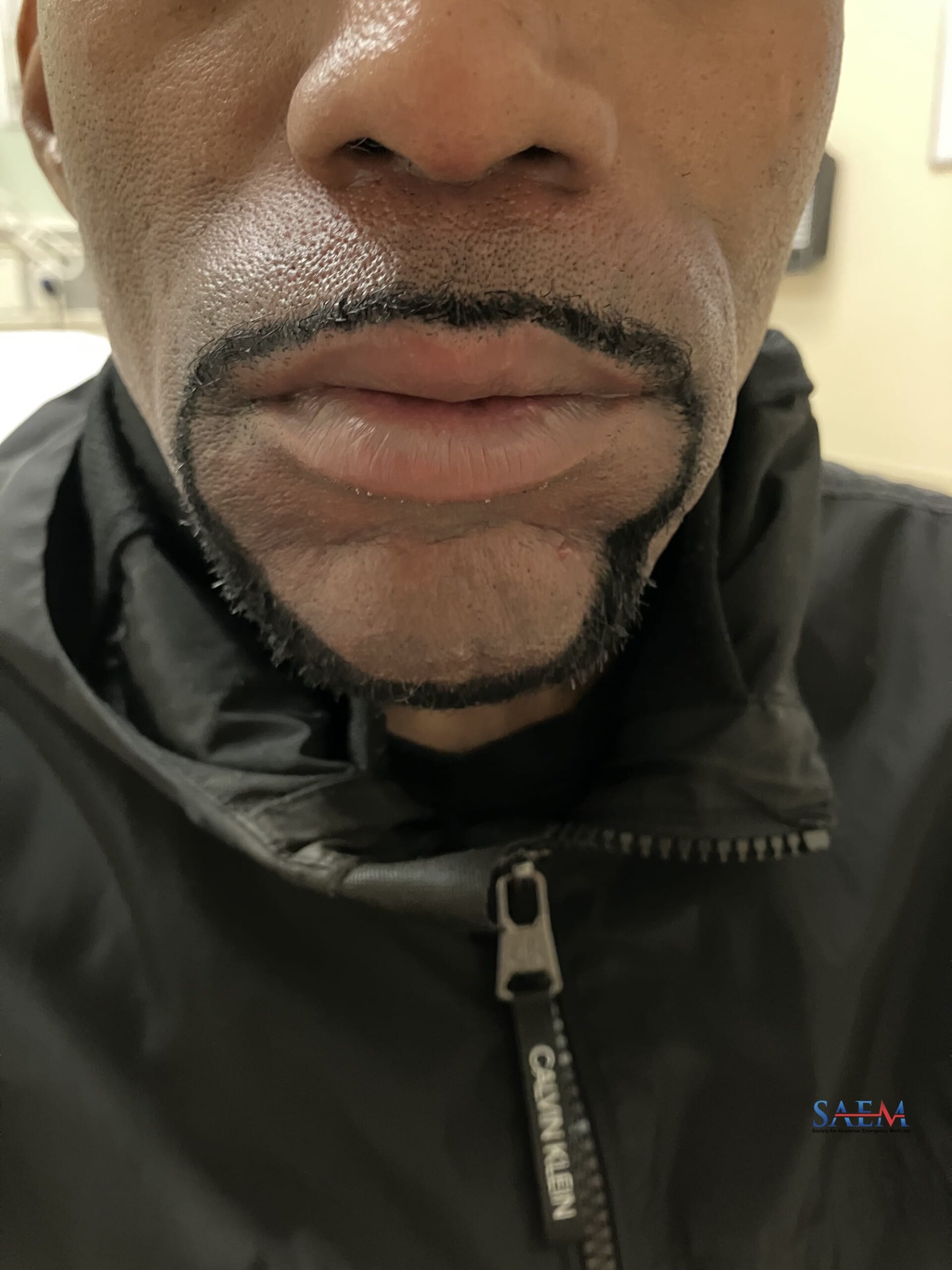
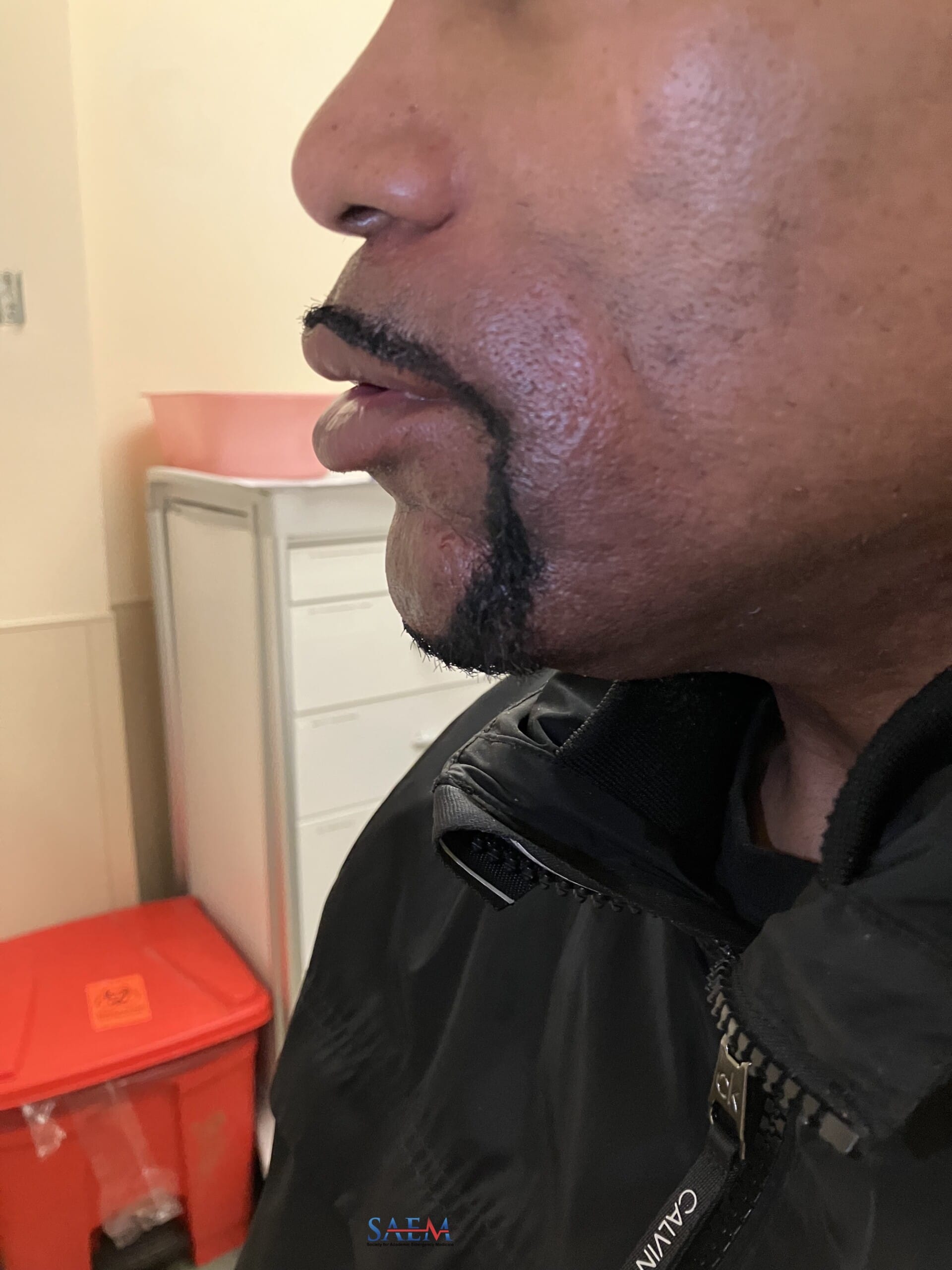
Vitals: BP 141/97; HR 88; R 19; T 98.2°F; O2 sat 98% on room air.

General: Awake and alert, no distress, speaking in a clear voice.

HEENT: As shown in the images provided. There is no oropharyngeal swelling. There is no stridor.

Respiratory: Clear to auscultation, no wheezes.

Skin: There is no rash or swelling elsewhere on the patient’s body.

Non-contributory

Upon further questioning, the patient admitted to applying an “instant hair dye shampoo” to his facial hair the day before presentation. Review of the product ingredients revealed para-phenylenediamine. He later recalled that his previous episodes of peri-oral swelling had occurred after exposure to the same product. Para-phenylenediamine can be found in commercial black and dark brown hair dyes, as well as in henna tattoos. Reactions can range from local erythema and contact dermatitis to bullous dermatitis and significant edema in severely affected patients. Symptoms may appear similar to angioedema and may only be distinguished after careful history identifies hair dye or henna exposure. Initial management is to remove the offending dye or henna with thorough washing. Topical steroids or a short course of oral steroids can be used for severe symptoms. Prevention of exposures in sensitized individuals remains the most important tenet of care. Hair dyes recommend consumers test the dye on a small patch of skin prior to using it, which has been proven to help identify those who will develop a reaction.

Take-Home Points

  • Para-phenylenediamine is a compound found in henna and hair dye that is commonly responsible for adverse skin reactions, but may be under recognized when used for facial hair.

  • Allergic contact dermatitis from this compound may show a range of clinical skin findings and sometimes may mimic angioedema.

  • Mukkanna KS, Stone NM, Ingram JR. Para-phenylenediamine allergy: current perspectives on diagnosis and management. J Asthma Allergy. 2017 Jan 18;10:9-15. doi: 10.2147/JAA.S90265. PMID: 28176912; PMCID: PMC5261844.
  • Krasteva M, Cristaudo A, Hall B, Orton D, Rudzki E, Santucci B, Toutain H, Wilkinson J. Contact sensitivity to hair dyes can be detected by the consumer open test. Eur J Dermatol. 2002 Jul-Aug;12(4):322-6. PMID: 12095875.

ALiEM AIR Series | Immune Module (2024)


Welcome to the AIR Immune Module! After carefully reviewing all relevant posts in the past 12 months from the top 50 sites of the Digital Impact Factor [1], the ALiEM AIR Team is proud to present the highest quality online content related to related to immune emergencies in the Emergency Department. 7 blog posts met our standard of online excellence and were approved for residency training by the AIR Series Board. More specifically, we identified 2 AIR and 5 Honorable Mentions. We recommend programs give 4 hours of III credit for this module.

AIR Stamp of Approval and Honorable Mentions

In an effort to truly emphasize the highest quality posts, we have 2 subsets of recommended resources. The AIR stamp of approval is awarded only to posts scoring above a strict scoring cut-off of ≥30 points (out of 35 total), based on our scoring instrument. The other subset is for “Honorable Mention” posts. These posts have been flagged by and agreed upon by AIR Board members as worthwhile, accurate, unbiased, and appropriately referenced despite an average score.

Take the Immune Module at ALiEMU

Interested in taking the AIR quiz for fun or asynchronous (Individualized Interactive Instruction) credit? Please go to the above link. You will need to create a free, 1-time login account.

Highlighted Quality Posts: Immune 2024

SiteArticleAuthorDateLabel
EM DocsKawasaki DiseaseMaha KhalidJuly 1, 2023AIR
EM DocsDRESSKatey OsborneNovember 27, 2023AIR
Rebel EMPalace trial: direct oral PCN challenge in patients with low-risk PCN allergySalim RezaieAugust 3, 2023HM
Rebel EMAngioedema Anand SwaminathanSeptember 13, 2023HM
Rebel EMCetirizine vs Diphenhydramine for treatment of acute urticaria in the EDNadia AdsideJanuary 23, 2024HM
EM DocsLiver transplant complicationsJacob KirklandNovember 18, 2023HM
EM DocsErythrocyte Sedimentation Rate and C-Reactive Protein in the EDRachel KellyMay 29, 2023HM

(AIR = Approved Instructional Resource; HM = Honorable Mention)

If you have any questions or comments on the AIR series, or this AIR module, please contact us!

Reference

  1. Lin M, Phipps M, Chan TM, et al. Digital Impact Factor: A Quality Index for Educational Blogs and Podcasts in Emergency Medicine and Critical Care. Ann Emerg Med. 2023;82(1):55-65. doi:10.1016/j.annemergmed.2023.02.011, PMID 36967275


SAEM Clinical Images Series: A Rare Case of Purpura

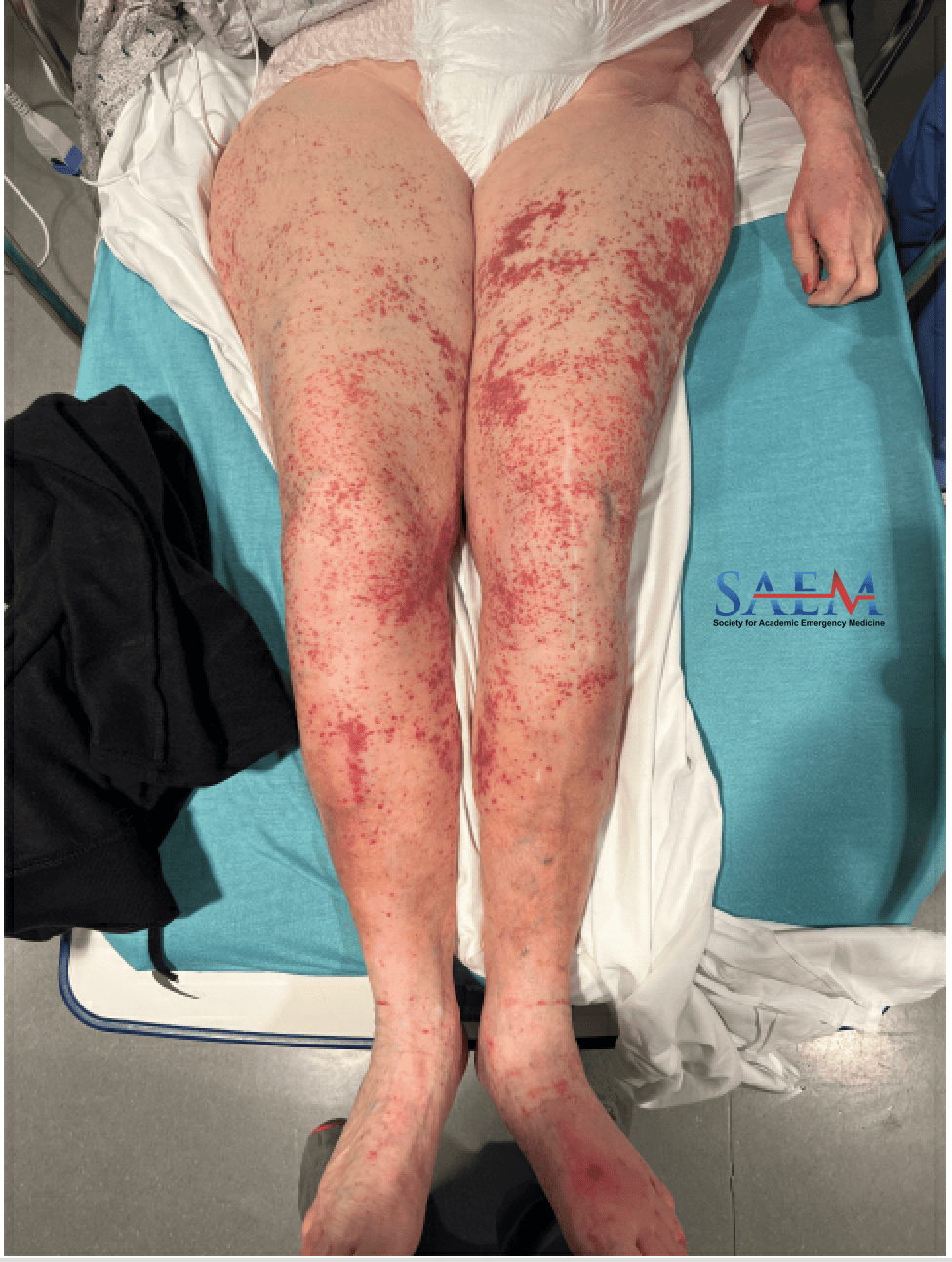
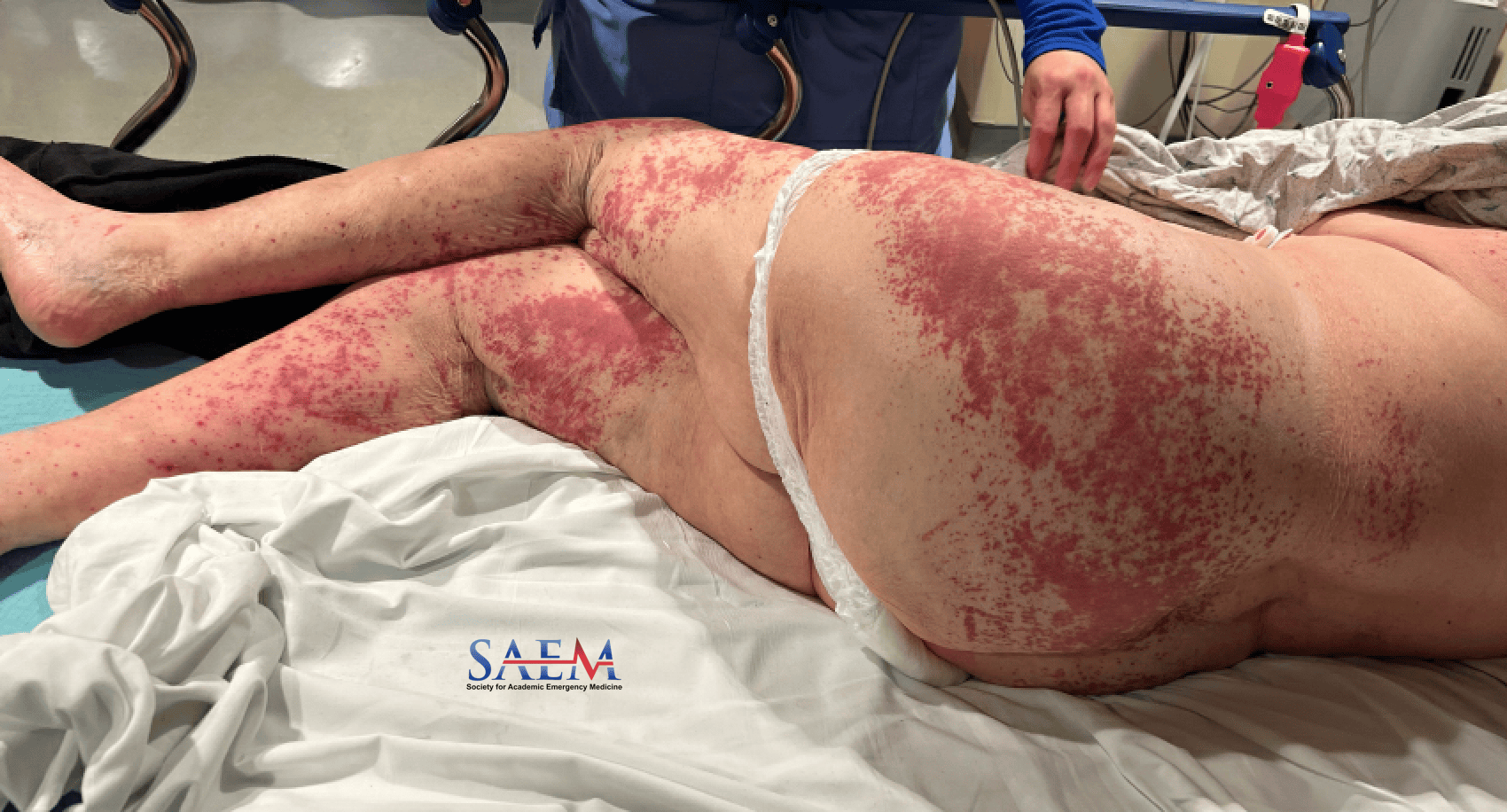
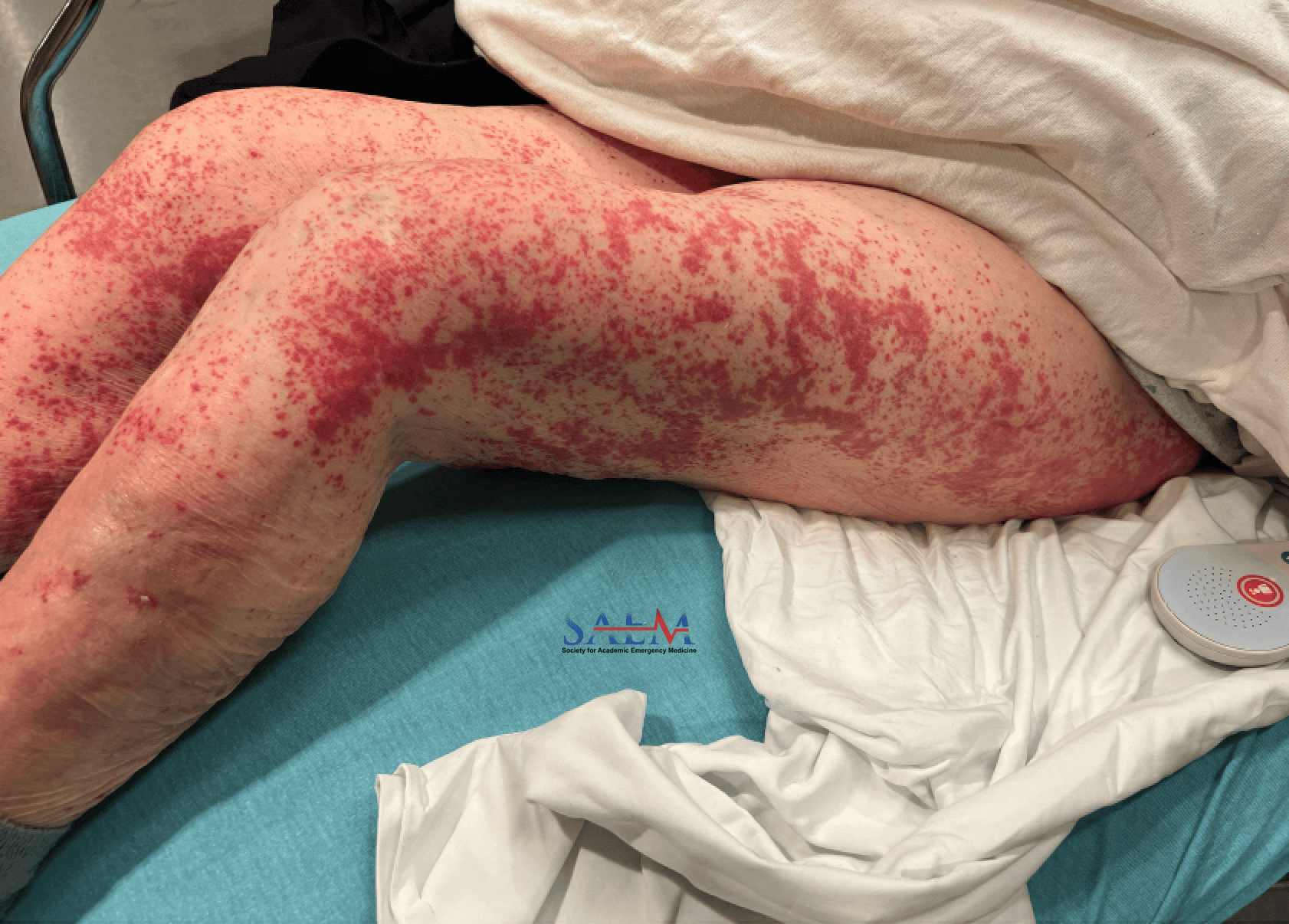
An 88-year-old female presented to the ER with a chief complaint of cough, vague abdominal pain, and a rash. The patient stated that she was started on Cipro eyedrops 1 or 2 days prior to presentation for a possible eye infection. A day prior to presentation she developed a purple purpuric rash on her lower extremities that gradually progressed up her legs, and was present on her buttocks thighs, and lower legs. It was not on her palms or soles. She had no mucous membrane involvement. She lives alone. The nursing home called EMS given the patient’s severe and progressive rash and the fact that the patient was feeling unwell. She had no fever, vomiting, foreign travel, other new drug exposure, or other complaints.

GI: Abdomen is mildly diffusely tender without guarding or rebound.

Skin: There are scattered petechiae and purpura on her lower extremities, thighs, and buttocks. They are somewhat raised, non-blanching, not itchy, and non-tender. They are most prominent on her buttocks and dependent areas of her body.

WBC: 7.8 with normal differential

Platelets: 423

Comprehensive metabolic panel (CMP): normal kidney function and electrolytes

ESR: 125 mm/hour

CRP: 89 mg/L

Urinalysis (UA): >9,8000 bacteria, nitrite positive

This patient’s history and physical are consistent with Henoch-Schönlein purpura (IgA Vasculitis).

Common triggers include infection, drugs, and autoimmune.

Take-Home Points

  • Consider IgA vasculitis, even in an older patient.
  • Ciprofloxacin has been documented as a cause of IgA vasculitis.
  • Steroids and NSAIDs are the treatment of choice, and this condition usually improves with time.

  • Gamboa F, Rivera JM, Gómez Mateos JM, Gomez-Gras E. Ciprofloxacin-induced Henoch-Schönlein purpura. Ann Pharmacother. 1995 Jan;29(1):84. doi: 10.1177/106002809502900119. PMID: 7711355.
  • Gkoufa A, Sakellariou S, Katsoulas N, Georgakopoulou VE, Lazaris A, Cholongitas E. Henoch-Schönlein purpura associated with ciprofloxacin. Dermatol Ther. 2021 Jan;34(1):e14591. doi: 10.1111/dth.14591. Epub 2020 Dec 3. PMID: 33244823.

SAEM Clinical Images Series: Post-Vaccination Rash

hypersensitivity

A 42-year old Bengali man with a history of hyperlipidemia presented to the Emergency Department with facial swelling, diffuse rash, renal insufficiency and proteinuria after receiving his COVID-19 vaccine (Moderna) booster dose. There were no adverse events with the first two doses of the vaccine except for mild transient sore throat and cough after the 2nd dose. Within a few hours after the booster dose, the patient noted a pruritic rash initially on his scalp, that then spread to his torso associated with facial swelling, fever, and chills. He presented to his primary care physician three days later. At that time, laboratory workup showed proteinuria, elevated C-reactive protein (65.2), and an elevated serum creatinine (2.84 mg/dl). He was advised to go to the Emergency Department.

General: He was in no distress; his vital signs were normal.

Skin: While the facial swelling had improved, the rash had progressed to involve the entire body. There were multiple skin lesions with raised borders, and central clearing (Figures 1 and 2); no mucosal involvement was noted.

The rest of his physical exam including lung, cardiac, gastrointestinal, and neurological examinations were normal.

Laboratory workup in the ED revealed resolution of proteinuria with serum creatinine returning to normal baseline value (0.89 mg/dl).

The patient’s rash is a classic erythema multiforme (EM) rash. The mRNA COVID-19 vaccine is a lipid nano particle-encapsulated, nucleoside-modified mRNA vaccine that encodes the perfusion spike glycoprotein of the SARS-CoV-2 virus. Local reactions include mild to moderate pain at the injection site, and systemic effects including fatigue, fever, and headache, commonly appearing within 2-5 days after the second dose. Erythema multiforme has been reported as a cutaneous reaction after the COVID-19 mRNA vaccine. As per the vaccine adverse event reporting system (VAERS) from the Centers for Disease Control and Prevention, to date, there have been 284 reported cases of EM after the Moderna COVID-19 vaccine and 500 cases reported after the Pfizer vaccine. The exact pathogenesis of EM after the vaccine is unclear. This delayed hypersensitivity reaction is likely from sensitization to a vaccine component. It appears to be a T-cell mediated response making CD4+ helper T-1 cells, release of gamma-interferon, and then recruitment of auto-reactive T-cells. It should be differentiated from immediate IgE-mediated hypersensitivity reactions such as flushing, urticaria, angioedema, and hypotension that usually appear within minutes of administering the vaccine.

While immediate hypersensitivity is a contraindication for further doses, erythema multiforme and other such delayed manifestations should not discourage the use of additional COVID-19 mRNA doses if appropriate.

Take-Home Points

  • Erythema multiforme is a delayed hypersensitive reaction that may occur after COVID-19 mRNA vaccine.
  • This type of delayed hypersensitivity reaction, likely from sensitization to vaccine component, is not a contraindication to further COVID-19 boosters.

  • Su JR, Haber P, Ng CS, Marquez PL, Dores GM, Perez-Vilar S, Cano MV. Erythema multiforme, Stevens Johnson syndrome, and toxic epidermal necrolysis reported after vaccination, 1999-2017. Vaccine. 2020 Feb 11;38(7):1746-1752. doi: 10.1016/j.vaccine.2019.12.028. Epub 2019 Dec 20. PMID: 31870573; PMCID: PMC7008074.
  • Vaccine Adverse Events Reporting System [Internet]. CDC. 2022. Available from: https://vaers.hhs.gov/data.html.

SAEM Clinical Images Series: Man with a Recurrent Rash

rash

A 33-year-old male presented to the emergency department with a diffuse pruritic rash that appeared several days after starting Trimethoprim/Sulfamethoxazole (TMP-SMX) for a dental infection. Initially beginning on the torso and low back, the rash spread to the palms, soles, and genitalia. Progression stopped after discontinuing TMP-SMX. He conveyed a remote history of a similar rash following use of an unknown medication, and noted that several of the current lesions arose at the same location as previous.

Skin: Widely distributed violaceous, non-blanching patches with a dusky center. Lesions ranged from 3 cm to 10 cm, and included palms and soles. There was no mucosal involvement.

Non-contributory

Fixed drug eruption (FDE). FDE is an uncommon, potentially life-threatening CD8+ T-helper cell-mediated hypersensitivity reaction to certain drugs, commonly NSAIDs, antibiotics, and antiepileptic [1].

Skin findings typically arise within two days of exposure and then more rapidly with subsequent exposures [2]. Characteristically, recurrent lesions appear at the same sites as prior lesions (hence “fixed”) but may arise in additional locations. The rash is classically divided into two phases: an acute phase of pruritic violaceous patches and plaques with central duskiness, followed by a residual phase of hyperpigmentation that can last several months. The sulfonamide moiety of TMP-SMX is a common cause of FDE [3]. Management of FDE anchors on identification and discontinuation of the causative agent. The majority of cases involve five or fewer lesions, however generalized or bullous cases (> 10% total body surface area, or involvement of 3 or more anatomic sites) [1], may require aggressive wound care and carry a mortality rate up to 22% [4]. Topical or systemic steroids are common adjuncts and there is limited evidence suggesting the utility of systemic cyclosporine for severe cases [1]. Patients need to be carefully advised on the risks of specific medication use and can expect a gradual resolution of lesions over the coming months.

Take-Home Points

  • FDE is a potentially life-threatening hypersensitivity reaction to certain drugs.
  • Recurrent lesions in similar distribution is a hallmark of FDE. Avoidance of the causative agent is the mainstay of management.
  1. Anderson HJ, Lee JB. A Review of Fixed Drug Eruption with a Special Focus on Generalized Bullous Fixed Drug Eruption. Medicina (Kaunas). 2021 Sep 1;57(9):925. doi: 10.3390/medicina57090925. PMID: 34577848; PMCID: PMC8468217.
  2. Flowers H, Brodell R, Brents M, Wyatt JP. Fixed drug eruptions: presentation, diagnosis, and management. South Med J. 2014 Nov;107(11):724-7. doi: 10.14423/SMJ.0000000000000195. PMID: 25365443.
  3. Chow TG, Khan DA. Sulfonamide Hypersensitivity. Clin Rev Allergy Immunol. 2022 Jun;62(3):400-412. doi: 10.1007/s12016-021-08872-3. Epub 2021 Jul 1. PMID: 34212341
  4. Lipowicz S, Sekula P, Ingen-Housz-Oro S, Liss Y, Sassolas B, Dunant A, Roujeau JC, Mockenhaupt M. Prognosis of generalized bullous fixed drug eruption: comparison with Stevens-Johnson syndrome and toxic epidermal necrolysis. Br J Dermatol. 2013 Apr;168(4):726-32. doi: 10.1111/bjd.12133. Epub 2013 Feb 16. PMID: 23413807.

SAEM Clinical Images Series: Spicy Gum Leads to Spicy Gums

gums

A 32-year-old male with a past medical history of asthma presents with a two-day history of cracked lips and progressively worsening oral pain, associated with white discharge, foul smell, and a metallic taste. The patient presented to urgent care and was sent to the Emergency Department (ED) for a sepsis workup. The worsening sores caused him to eat and drink less, including the gum he normally chews. He endorses oral sex with one female partner one week ago. No recent dental work. He recently completed a prednisone course for the same issue. Denies fevers, tooth pain, tongue pain, dysphagia, odynophagia, chest pain, difficulty breathing, abdominal pain, genitourinary discharge or lesions, sick contacts, trismus, facial swelling, or voice changes.

Vitals: T 102°F; HR 125; BP 114/81; RR 19; SPO2 94%

General: No distress. Alert and oriented.

Skin: Warm and dry, no rash.

Ears: Hearing grossly intact.

Nose: Bilateral nares patent, no bleeding.

Neck: Soft, symmetric, no adenopathy, non-tender.

Extraoral: Ulcerations on upper and lower lips.

Intraoral: 1 small ulcer on tip of the tongue on the right. Inflamed, erythematous and bleeding gingiva and interdental papilla. Uvula midline. Maximal interincisal opening ~ 40 mm. Teeth intact.

Heart: Regular rate and rhythm, no murmur.

Lungs: Clear to auscultation, air entry to bases.

Abdomen: Soft, non-tender, no guarding.

GU: Patient denied symptoms and declined exam.

White blood cell (WBC) count: 11.4

pH: 7.386

Lactic Acid: 1.7

Urinalysis (UA): Negative Blood. Culture sent.

STI workup including HSV titers and HIV testing obtained and pending.

The differential is broad, including ANUG (acute necrotizing ulcerative gingivitis) also known as “trench-mouth” and, more commonly, primary herpes gingivostomatitis and candidal infection. Consideration of periodontitis and dental abscess/pulpitis is necessary. The spectrum of erythema multiforme, Stevens-Johnson syndrome, and toxic epidermal necrolysis is important to include, as well as autoimmune disorders which commonly have mucosal involvement such as systemic lupus erythematosus (SLE), Behcet’s, and Crohn’s disease. Scurvy, although uncommon, can also present with gingival erythema and pain.

Consider the presence of a known autoimmune disorder, chronic systemic disease, or an immunocompromised state. History should include new sexual partners, dietary changes, and changes in dental hygiene. We were concerned given this patient’s vital signs on presentation, and alongside a sepsis workup, called dental to the bedside. They immediately asked the patient about the recent use of chewing gum and its flavor, and the patient described a recent preference for cinnamon gum, which he had been using for about 1-2 weeks. The dental consultant came to the diagnosis immediately. A literature search reveals a phenomenon called “cinnamon-contact stomatitis” which is believed to be caused by a delayed T-cell-mediated hypersensitivity reaction. It is characterized by white patches on the mucosa with erythema and erosions on the buccal mucosa and lateral tongue. Treatment consists of discontinuation of the offending agent, and corticosteroids in patients with severe symptoms. Lesions can take up to two weeks to heal, and appropriate follow-up with dental is needed to monitor for resolution.

Take-Home Points

  • The differential for ulcerated, painful gums is broad, and one must consider any history of systemic disease or an immunocompromised state.
  • Consider cinnamon-contact stomatitis in patients that present with extensive oral ulcerations in the absence of other risk factors.

  • Georgakopoulou EA. Cinnamon contact stomatitis. J Dermatol Case Rep. 2010 Nov 19;4(2):28-9. doi: 10.3315/jdcr.2010.1047. PMID: 21886744; PMCID: PMC3157809.
  • Vivas AP, Migliari DA. Cinnamon-induced Oral Mucosal Contact Reaction. Open Dent J. 2015 Jul 31;9:257-9. doi: 10.2174/1874210601509010257. PMID: 26312097; PMCID: PMC4541332.

SAEM Clinical Image Series: Facial Burn

levamisole

A 50-year-old female with a history of bipolar disorder, ADHD, anxiety, depression, and alcoholism presented to the ED after her family found her at home agitated, restless, and with a “large black burn” on her face. Her husband reported that she had been “picking” at this area of her face earlier in the day; at that time it appeared only slightly red. Per her husband, the patient had also felt “bugs crawling on her legs” and had been picking at and grabbing her legs on the day of presentation.

(more…)

Go to Top