Paucis Verbis: Identifying toxidromes by vital signs

A middle-age woman presents to the Emergency Department with altered mental status after having ingested a drug. Is it an opioid? Is it an antihistamine?

The key is to pay close attention to the vital signs. They are often the clue to the mystery. I found this great table from EM Clinics of North America by Dr. Timothy Erickson from 2007. I can’t imagine how long it took for him to create all these mnemonics. I’ll never remember these mnemonics, but they’re fun to read nonetheless.

PV Card: Toxidromes by Vital Signs


Go to ALiEM (PV) Cards for more resources.

By |2021-10-17T09:22:42-07:00Nov 19, 2010|ALiEM Cards, Tox & Medications|

Paucis Verbis card: Procedural sedation and analgesia

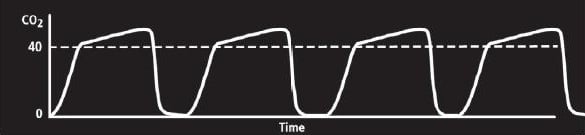
picture-shark-fin-capnogramFrom time to time, our patients need moderated and deep sedation in order to tolerate painful procedures such as joint reductions or incision and drainage procedures. There are many medications available to us including some newer ones such as Ketofol and Dexmedetomidine.

This week’s Paucis Verbis is a reference card to remind us of the importance of Airway Assessment and help us calculate the medication doses.

If you want to learn more about these medications and some strategies for different types of patients and procedures I recommend the EMCRIT Podcast PSA Lectures 1 and 2.

PV Card: Procedural Sedation and Analgesia


Adapted from [1]
Go to ALiEM (PV) Cards for more resources.

Reference

  1. Walls RM, Brown CA. Approach to the difficult airway in adults outside the operating room. UpToDate. http://www.uptodate.com/contents/approach-to-the-difficult-airway-in-adults-outside-the-operating-room. Published November 2, 2016.
By |2021-10-18T10:14:01-07:00Aug 6, 2010|ALiEM Cards, Tox & Medications|

Trick of the Trade: Prescribing opiates


PrescriptionPadAs emergency physicians, we are experts in pain control. We frequently write opiate prescriptions for patients being discharged home. Unfortunately, an occasional patient tries to forge my prescription. At times, I get a call from pharmacy for prescriptions that were suspiciously written. For instance several years ago, I had someone try to forge 100 tablets of “Mophine”.

(more…)

By |2016-11-11T19:00:35-08:00Aug 4, 2010|Tox & Medications, Tricks of the Trade|

Paucis Verbis card: Urine Toxicology Screen

urine-sample

In the Emergency Department, we often order urine toxicology screens for patients with altered mental status without an obvious cause. I find that patients are often rather forthcoming about their drug use, if they are alert enough to talk. In those cases, ordering a urine toxicology screen is unnecessary.

When you do order a tox screen, however, how do you interpret the information? While the result is a binary answer (positive vs negative), there are some nuances to interpretation. For instance, how long does a patient with urine toxicology remain positive for the drugs? Are there any medications that can cause false positives? See the helpful table below from a great review article in American Family Physician.

Check out what your laboratory screens for and, more importantly, what it does NOT screen for. Our lab, for example, does not screen for PCP but does screen for MDMA (ecstacy). That isn’t a big deal, since patients who ingest PCP aren’t too hard to detect clinically. They have crazy vertical nystagmus, and often there are at least 6 police officers trying to restrain the yelling patient.

PV Card: Urine Toxicology Screen


Adapted from [1]
Go to ALiEM (PV) Cards for more resources.

Reference

  1. Standridge J, Adams S, Zotos A. Urine drug screening: a valuable office procedure. Am Fam Physician. 2010;81(5):635-640. [PubMed]
By |2021-10-18T10:17:50-07:00Jul 23, 2010|ALiEM Cards, Tox & Medications|

Paucis Verbis card: Rapid Sequence Intubation

Laryngoscope rapid sequence intubation

The key to success in performing procedures is preparation. This is especially true for endotracheal intubations in the Emergency Department where things are chaotic. Strategic planning and anticipation of obstacles during rapid sequence intubation (RSI) are key principles to avoiding complications.

PV Card: Rapid Sequence Intubation


Go to ALiEM (PV) Cards for more resources.

By |2021-10-18T10:19:45-07:00Jul 16, 2010|ALiEM Cards, Tox & Medications|
Go to Top