


NPR Ted Talks: A non-medical podcast ready to inspire
Most of us have heard of TED talks and most of us have heard of NPR. But did you know that the two have paired together to give a fascinating weekly radio discussion? Since March 2013, NPR reporter and radio host Guy Raz (@NPRGuyRaz) has brought together innovators, leaders, and entrepreneurs among others to the radio format to inspire and enlighten the listener. This amazing free resource is a valuable non-medical podcast for doctors to access. [+]
Emergency Neurological Life Support (ENLS) course
Emergency Neurological Life Support (ENLS) is a new online course that I am taking. It is sponsored by the NeuroCritical Care Society, which focuses on the first few hours of care to neurological emergencies. It is a collaborative effort between emergency physicians and neurointensivists, both of which author each individual module. The course is co-chaired by Scott Weingart, MD of EMCrit fame and is geared towards anyone who treats neurological emergencies (physicians, nurses, PA/NP, EMS personnel). The course utilizes technology to deliver its content by podcast, video presentation of ENLS guidelines, online reading of published guidelines and an online quiz. Completion of [+]
Sign a petition: A public IN CASE OF EMERGENCY iPhone option
Hi, we’re Ben Friedman and Sara LaHue! We are third-year UCSF medical students who are passionate about using technology to improve access to medical care. We have both witnessed the difficulties of treating someone who presented to the Emergency Department whose identity or emergency contact was unknown. Think of these sample scenarios: A commercial plane crashes and injured, non-English speaking children are separated from their parents. A bicyclist is critically injured after being hit by a bus but comes with no identification information. A teenager requires intubation for status asthmaticus before we could obtain her emergency contact information. An elderly patient with dementia is [+]
Navigating the waters of medical education and social media
SUNY Downstate Department of Emergency Medicine held a lecture series May 22, 2013 as a primer for the EM residents on how to use social media to enhance medical education. This session was designed to be an introduction for the novice on how to get the most out of FOAM (Free Open Access Meducation), Twitter, and Blogging with a section on professionalism. Invited speakers included Drs. David Marcus, Jeremy Faust, Jordana Haber, and myself Nikita Joshi. The slides from the session are presented below. Enjoy! [+]
Pitfalls to avoid in collecting patient related teaching materials
Educators are eager to gather valuable learning tools such as EKGs and x-rays to be used in teaching for our learners, whether from our home institutions or internationally through the internet. However, this may not always be seen as altruistic; history and even modern day medicine is full of examples of misguided attempts to further medicine at the expense of patients such as the Tuskegee Syphilis Experiment from 1932-1972. The focus of this post is how to go about collecting patient data for teaching purposes and avoiding confidentiality and consent violations while always remaining respectful of the patient and their [+]
Should physicians be trained as “knowledge workers”?
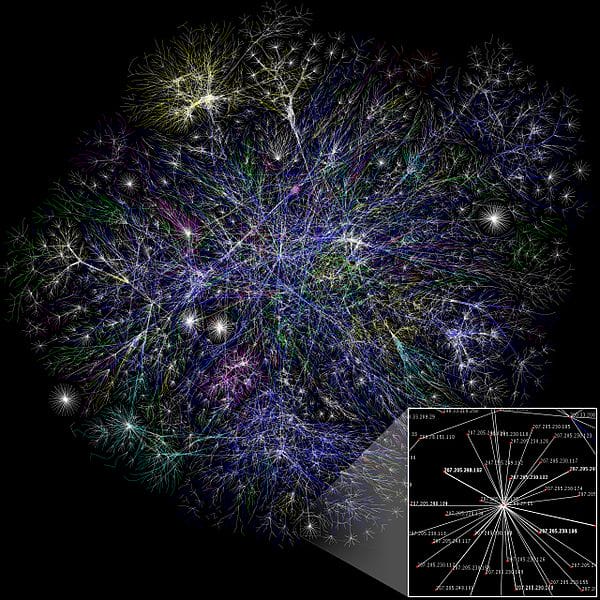
According to Wikipedia a Knowledge Worker is someone whose main job is to employ creative, divergent, convergent thinking to solve problems with the help of searching new information. In the 21st century these Knowledge Workers may use Internet tools, such as social media, to form a collaborative network of expertise. These networks might be open or not. There are plenty of companies using knowledge management in order to optimize their performance. [+]
Welcome new blog team member: Dr. Matt Astin
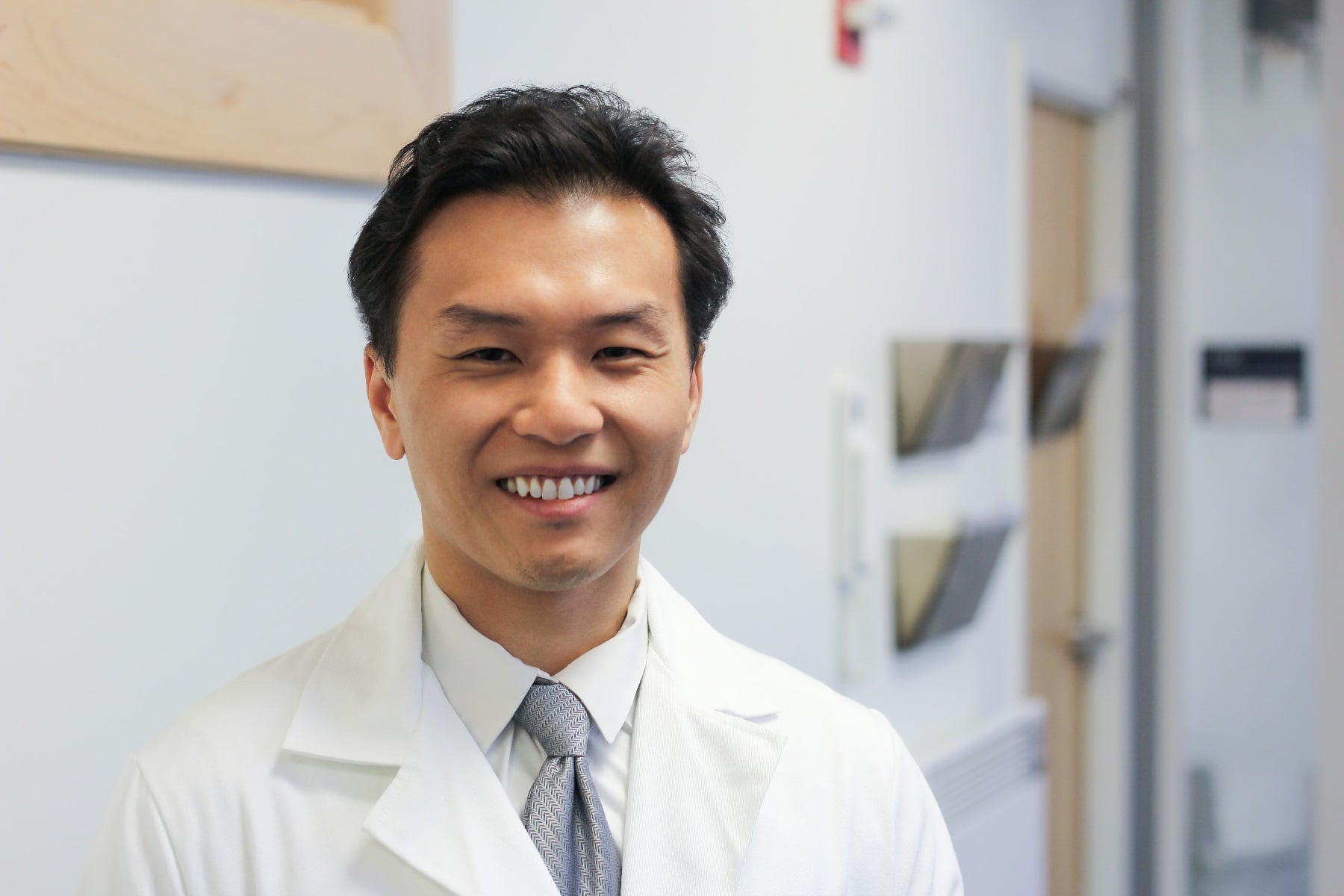
Welcome superstar Dr. Matt Astin to the ALiEM blog family. Matt is the Clinical Assistant Professor of EM and IM at Medical Center of Central Georgia, Mercer University School of Medicine. We’re incredibly happy here to add him as our new secret weapon in the social media and FOAM arena. After having met him in real-life at this past SAEM meeting, I can’t imagine a better fit for this team. Welcome! Follow him on Twitter: @mastinmd. Here is brief bio by Matt: [+]
Maximizing Conferences through Twitter
Conferences are necessary. It’s how we network, exchange research ideas, and share advances in emergency medicine. The reality is that we cannot attend every conference out there because of time, money, and schedule conflicts. But thanks to Twitter, it is no longer necessary to be physically present to reap the benefits of a conference. This post lists information on how to get involved and stay involved with the Twitter conversation and learn from our great conferences without breaking your bank or schedule. [+]

How Social Media is Making an Impact in Medicine
Whether you realize it or not, the use of social media (i.e. Facebook, twitter, and blogs) has found its way into the world of medical students, residents, physicians, and medical educators all around the world. The use of these resources has several advantages versus in-person/print educational tool: Overcomes physical or temporal barriers Provides searchable content Encourages interactivity [+]
SAEM/CORD slides: Social Media for Emergency Educators
As requested by an audience member at today’s talk at SAEM, Drs. Rob Cooney, Mike Bond, and I are sharing our slides and handout on Social Media for Emergency Medicine Educators with you here. [+]
Director of [+]