SAEM Clinical Images Series: Post-Vaccination Rash
hypersensitivity

A 42-year old Bengali man with a history of hyperlipidemia presented to the Emergency Department with facial swelling, diffuse rash, renal insufficiency and proteinuria after receiving his COVID-19 vaccine (Moderna) booster dose. There were no adverse events with the first two doses of the vaccine except for mild transient sore throat and cough after the 2nd dose. Within a few hours after the booster dose, the patient noted a pruritic rash initially on his scalp, that then spread to his torso associated with facial swelling, fever, and chills. He presented to his primary care physician three days later. At that time, laboratory workup showed proteinuria, elevated C-reactive protein (65.2), and an elevated serum creatinine (2.84 mg/dl). He was advised to go to the Emergency Department.
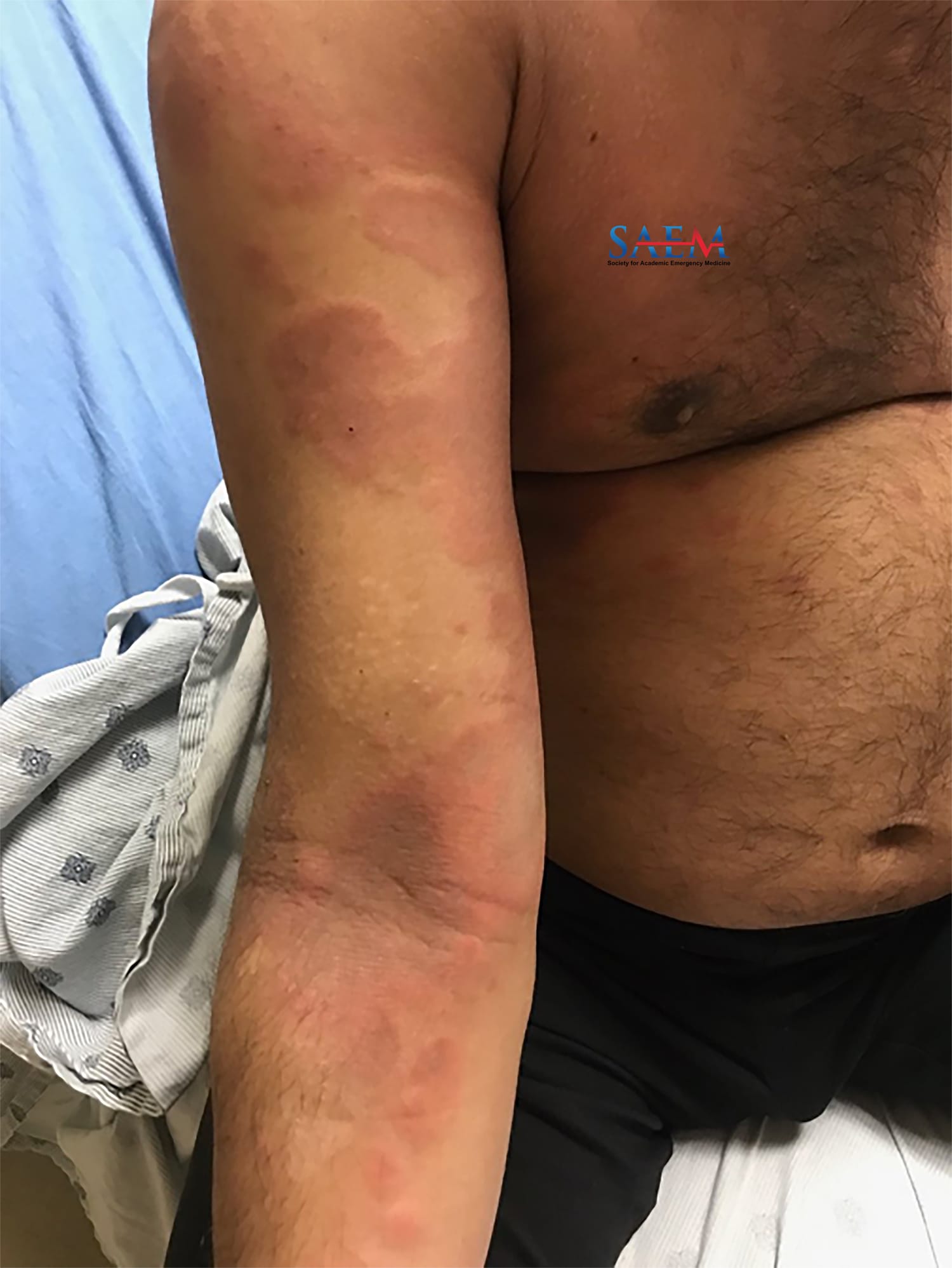
General: He was in no distress; his vital signs were normal.

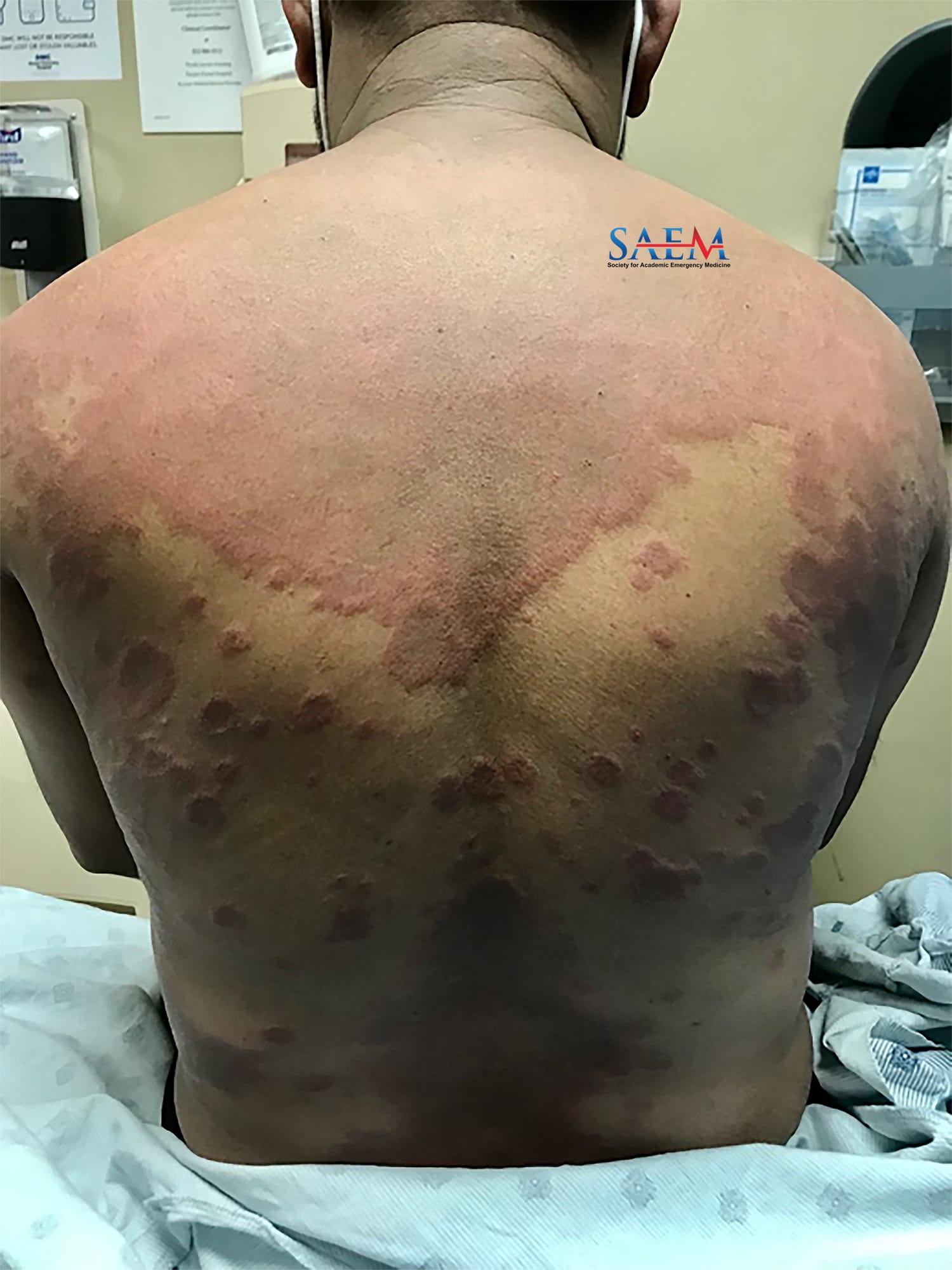
Skin: While the facial swelling had improved, the rash had progressed to involve the entire body. There were multiple skin lesions with raised borders, and central clearing (Figures 1 and 2); no mucosal involvement was noted.

The rest of his physical exam including lung, cardiac, gastrointestinal, and neurological examinations were normal.

Laboratory workup in the ED revealed resolution of proteinuria with serum creatinine returning to normal baseline value (0.89 mg/dl).

The patient’s rash is a classic erythema multiforme (EM) rash. The mRNA COVID-19 vaccine is a lipid nano particle-encapsulated, nucleoside-modified mRNA vaccine that encodes the perfusion spike glycoprotein of the SARS-CoV-2 virus. Local reactions include mild to moderate pain at the injection site, and systemic effects including fatigue, fever, and headache, commonly appearing within 2-5 days after the second dose. Erythema multiforme has been reported as a cutaneous reaction after the COVID-19 mRNA vaccine. As per the vaccine adverse event reporting system (VAERS) from the Centers for Disease Control and Prevention, to date, there have been 284 reported cases of EM after the Moderna COVID-19 vaccine and 500 cases reported after the Pfizer vaccine. The exact pathogenesis of EM after the vaccine is unclear. This delayed hypersensitivity reaction is likely from sensitization to a vaccine component. It appears to be a T-cell mediated response making CD4+ helper T-1 cells, release of gamma-interferon, and then recruitment of auto-reactive T-cells. It should be differentiated from immediate IgE-mediated hypersensitivity reactions such as flushing, urticaria, angioedema, and hypotension that usually appear within minutes of administering the vaccine.

While immediate hypersensitivity is a contraindication for further doses, erythema multiforme and other such delayed manifestations should not discourage the use of additional COVID-19 mRNA doses if appropriate.

Take-Home Points

  • Erythema multiforme is a delayed hypersensitive reaction that may occur after COVID-19 mRNA vaccine.
  • This type of delayed hypersensitivity reaction, likely from sensitization to vaccine component, is not a contraindication to further COVID-19 boosters.

  • Su JR, Haber P, Ng CS, Marquez PL, Dores GM, Perez-Vilar S, Cano MV. Erythema multiforme, Stevens Johnson syndrome, and toxic epidermal necrolysis reported after vaccination, 1999-2017. Vaccine. 2020 Feb 11;38(7):1746-1752. doi: 10.1016/j.vaccine.2019.12.028. Epub 2019 Dec 20. PMID: 31870573; PMCID: PMC7008074.
  • Vaccine Adverse Events Reporting System [Internet]. CDC. 2022. Available from: https://vaers.hhs.gov/data.html.
SAEM Clinical Images Series: A Lethal Combination of Skin and Lung Findings

dermatomyositis

A 49-year-old female with a past medical history of recurrent diverticulitis initially presented with one month of shortness of breath and a minor nonproductive cough for which she was started on doxycycline by her primary care provider. She then developed a rash on her chest, upper back, and face. Antibiotics were switched to amoxicillin and azithromycin. She underwent a brief admission of six days for shortness of breath but did not have an oxygen requirement at that time. She was evaluated by pulmonology (evaluated for cocci, unknown results), and then discharged. She then presented again to the ED with two weeks of worsening shortness of breath, intermittent fevers (Tmax 101°F), nausea/vomiting, fatigue, and arthralgias.

Vitals: BP 100/66; HR 128; Temp 37.2 °C (99 °F); Resp 44; SpO2 84%; BMI 28.25 kg/m2; Wt 79.4 kg (175 lb); Ht 1.676 m (5′ 6″)

General: NAD

Cardiovascular: Tachycardia, no m/r/g

Lungs: Coarse breath sounds at bases bilaterally, tachypneic

Abdomen: Soft, non-distended

Skin: Heliotrope rash to face (violaceous, erythematous rash to eyelids and nasolabial fold), shawl sign (erythematous patches to chest and upper back), shallow ulcers to tongue and lower inner lip, tender papules involving palms and lateral fingers bilaterally, and faint erythema of proximal nail fold

White blood cell (WBC) count: No leukocytosis

ESR: Elevated

LDH: Elevated

CK: Within normal limits

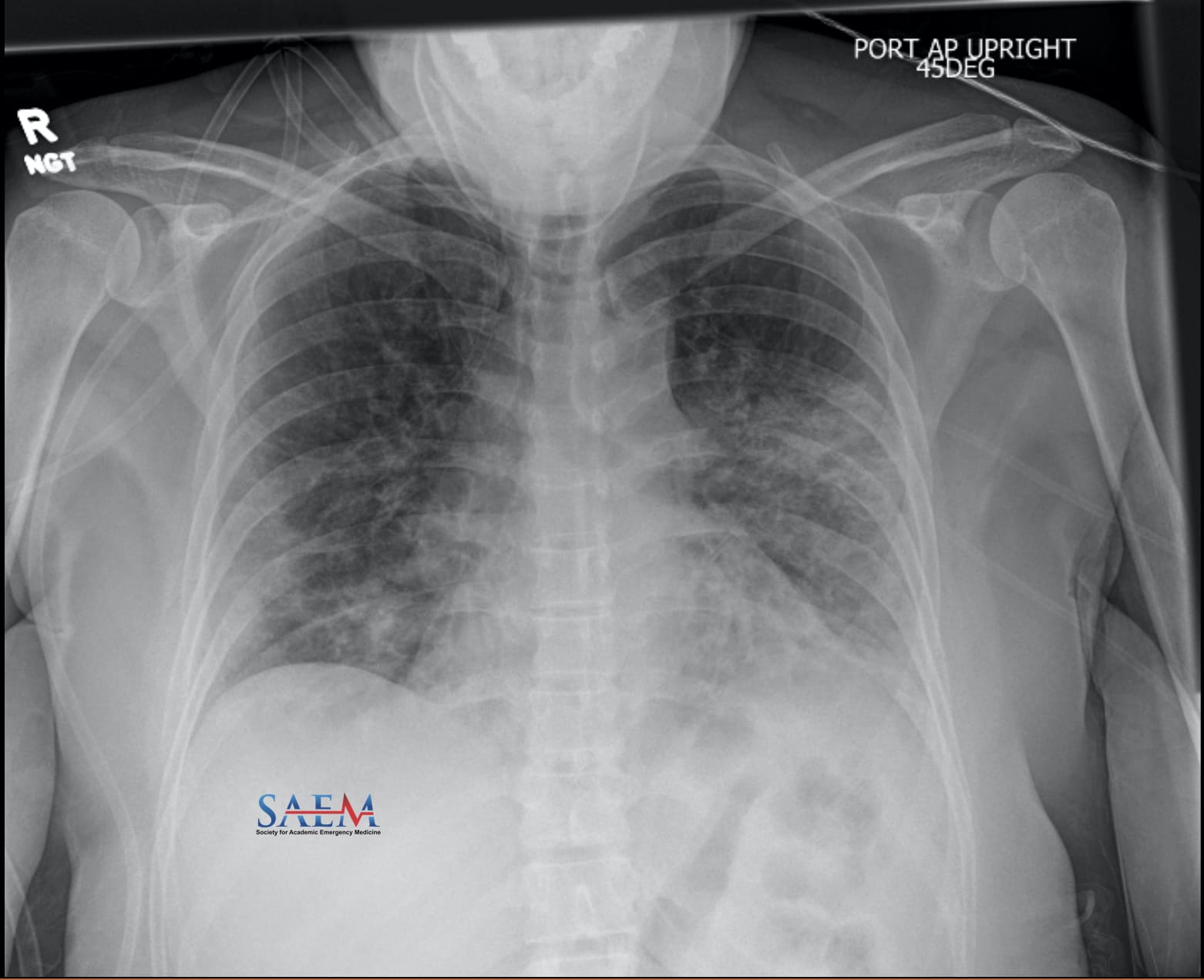
CXR: Bilateral infiltrates

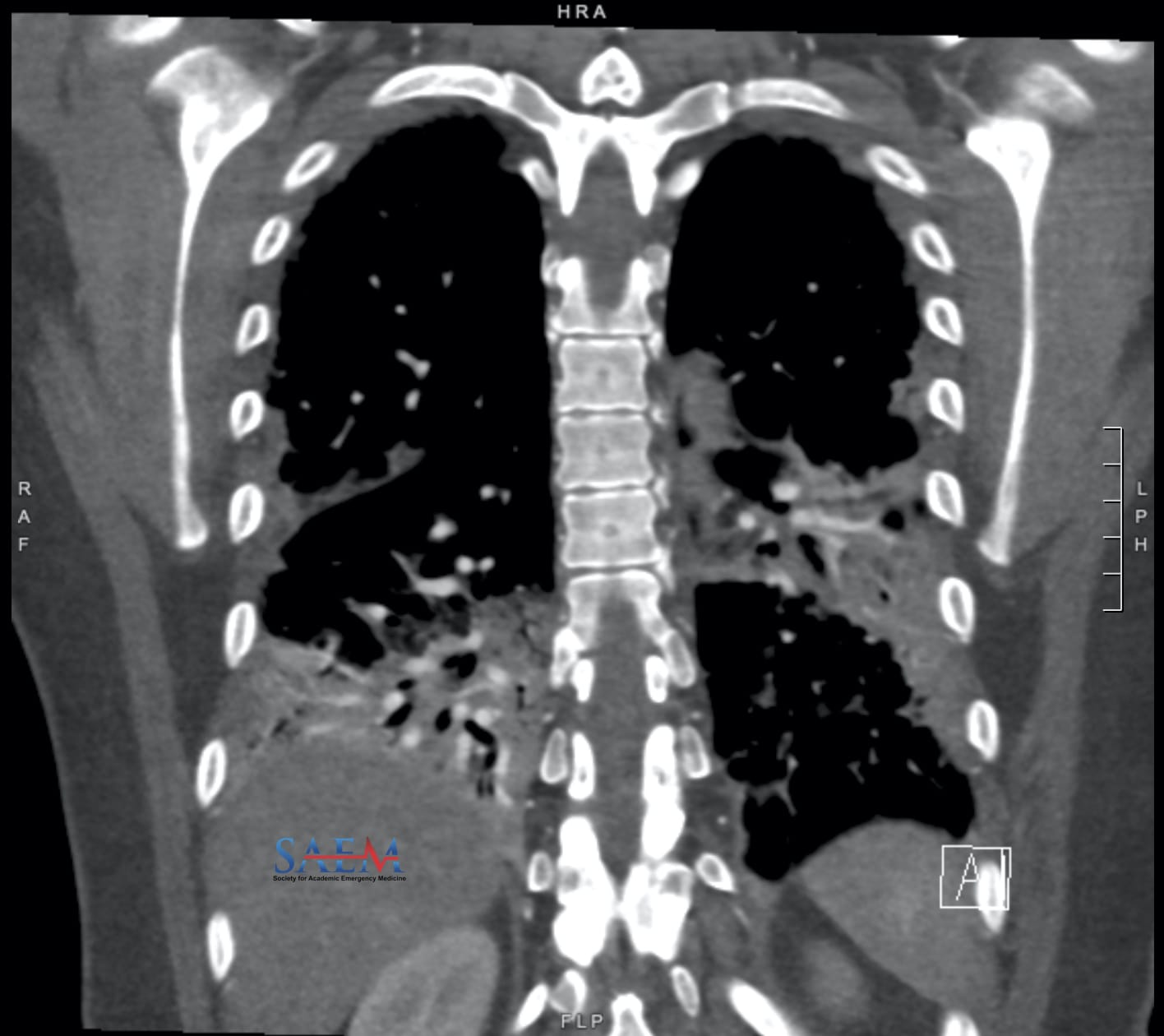
CTPE: Negative for PE, but with scattered areas of ground glass and consolidative opacities throughout both lungs.

If emergency medicine physicians consider MDA5 Dermatomyositis (MDA5 DM) with rapidly progressive interstitial lung disease (RP-ILD) on their differential for patients presenting with skin and pulmonary symptoms, this can result in more rapid diagnosis and aggressive treatment.

This patient was admitted requiring 40 L HFNC, then two days later required intubation for severe ARDS and was placed on VV-ECMO the same day. Her hospital course was complicated by tachyarrhythmias requiring cardioversion, and Takostubo physiology. She was found to be MDA-5 antibody positive and ultimately expired while waiting for a lung transplant.

Take-Home Points

  • Critical actions in approaching ED patients with dermatological physical exam findings (even in the absence of known rheumatological history) with progressive pulmonary symptoms should include early consideration of dermatomyositis, serologic testing, early rheumatology and pulmonology consults, and early consideration of ECMO as a bridge to response to immunotherapy or lung transplant
  • Beginning these critical actions with first patient contact in the ED will only help improve patient outcomes throughout hospitalization.
  • Huang K, Levy RD, Avina-Zubieta JA. Successful lung transplant in rapid progressive interstitial lung disease associated with anti-melanoma differentiation associated gene 5. Rheumatology (Oxford). 2020 Aug 1;59(8):2161-2163. doi: 10.1093/rheumatology/keaa032. PMID: 32068868.
  • Koga T, Fujikawa K, Horai Y, Okada A, Kawashiri SY, Iwamoto N, Suzuki T, Nakashima Y, Tamai M, Arima K, Yamasaki S, Nakamura H, Origuchi T, Hamaguchi Y, Fujimoto M, Ishimatsu Y, Mukae H, Kuwana M, Kohno S, Eguchi K, Aoyagi K, Kawakami A. The diagnostic utility of anti-melanoma differentiation-associated gene 5 antibody testing for predicting the prognosis of Japanese patients with DM. Rheumatology (Oxford). 2012 Jul;51(7):1278-84. doi: 10.1093/rheumatology/ker518. Epub 2012 Feb 29. PMID: 22378718.
  • Moghadam-Kia S, Oddis CV, Sato S, Kuwana M, Aggarwal R. Anti-Melanoma Differentiation-Associated Gene 5 Is Associated With Rapidly Progressive Lung Disease and Poor Survival in US Patients With Amyopathic and Myopathic Dermatomyositis. Arthritis Care Res (Hoboken). 2016 May;68(5):689-94. doi: 10.1002/acr.22728. PMID: 26414240; PMCID: PMC4864500.

SAEM Clinical Images Series: Rapidly Spreading Rash

DRESS

A 19-year-old female with a past medical history of epilepsy presented to the emergency department for evaluation of rash and fever. Two days prior to presentation she began to experience fevers with a Tmax of 103°F. One day before presentation she developed a rash that began on her face and slowly spread down her body, now involving her palms. The patient endorsed associated pruritus and cervical lymphadenopathy with the rash. The patient specifically denied mucous membrane involvement (mouth, eyes, genitalia), vomiting, diarrhea, dysuria, hematuria, neck stiffness, cough, dyspnea, chest pain, or exposure to ticks or exotic animals. Of note, she reported that her dose of lamotrigine has been slowly uptitrated, most recently two days prior changing from 50 mg BID to 75 mg BID.

Vitals: T 39.6°C; HR 140; BP 102/66; RR 15; O2 sat 97% on RA

General: Alert and oriented, well-developed female in no acute distress

Cardiovascular: Tachycardia, regular rhythm

HEENT: Bilateral cervical lymphadenopathy; facial edema; conjunctiva clear; oral mucous membranes clear

Skin: Deeply erythematous/papules coalescing into plaques diffusely on the face, trunk, extremities; no pustules, purpura, or vesicles/bullae noted; no scales or desquamation

Complete Blood Count (CBC): WBC 9.84 (eosinophils 7%), Platelets 144

Alkaline phosphatase (ALP): 180

ALT: 378

AST: 228

C-reactive protein (CRP): 91

Urine protein: 11 mg/dL

Drug reaction with eosinophilia and systemic symptoms (DRESS) syndrome. DRESS syndrome is an idiosyncratic, potentially fatal, adverse drug reaction to anticonvulsants, antimicrobials, antivirals, or allopurinol with a multifactorial pathogenesis. It has a delayed onset, typically within 2-8 weeks, after drug initiation. Clinical presentation can be diverse but is usually characterized by a diffuse skin rash, fever, lymphadenopathy, eosinophilia, and internal organ involvement (most commonly the liver). Incidence ranges from 1 in 1,000 to 1 in 10,000 with a mortality rate that can be as high as 10%, and is commonly related to fulminant hepatitis. Diagnosis can be extremely challenging due to the variability in clinical presentation. The regiSCAR diagnostic criteria is the most used diagnostic criteria and is based on a scoring system for possible, probable, or definite diagnosis.

Immediate discontinuation of the offending medication is critical. Symptoms may continue for several weeks after withdrawal of the inciting agent. The mainstay of treatment is systemic corticosteroids with tapering over a long period. Other immunosuppressants may be used in refractory cases. If DRESS syndrome occurs in the setting of an aromatic anticonvulsant, the patient should not be started on any other aromatic anticonvulsants due to their cross-reactivity.

Take-Home Points

  • DRESS syndrome is a severe, possible life-threatening adverse drug reaction that is frequently overlooked and missed because of its variable clinical presentation. Increasing familiarity with its clinical presentation is of utmost importance for recognition and treatment.
  • The inciting agent (aromatic anticonvulsant, antimicrobial, allopurinol, etc.) should be stopped immediately and should not be restarted at any time. Corticosteroids are the mainstay of treatment with gradual tapering over multiple months.
  • Cho YT, Yang CW, Chu CY. Drug Reaction with Eosinophilia and Systemic Symptoms (DRESS): An Interplay among Drugs, Viruses, and Immune System. Int J Mol Sci. 2017 Jun 9;18(6):1243. doi: 10.3390/ijms18061243. PMID: 28598363; PMCID: PMC5486066.
  • Choudhary S, McLeod M, Torchia D, Romanelli P. Drug Reaction with Eosinophilia and Systemic Symptoms (DRESS) Syndrome. J Clin Aesthet Dermatol. 2013 Jun;6(6):31-7. PMID: 23882307; PMCID: PMC3718748.

By |2023-12-15T09:19:09-08:00Dec 18, 2023|Dermatology, SAEM Clinical Images|

SAEM Clinical Images Series: Face and Chest Rash

chicken pox

A 23-year-old female with a past medical history of asthma presented with a rash that began five days ago on her face and spread to her chest. The lesions are painful and pruritic, spreading slightly to her extremities. She noted a slight sore throat and nasal congestion. She denied any known fever and had no known vaginal or oral lesions. She has a 5-year-old daughter at home with no known symptoms. She is sexually active with one male partner who has no rash or illness. She is vaccinated for COVID-19. She is unsure of childhood illnesses and believes she was never properly immunized as a child in Central America.

Vitals: BP 110/55; Temperature 37°C; pulse ox 97%

Skin: Face, thorax, and extremity papules are noted with an erythematous base, some vesicular, others with occasional crust or scabs. No dermatomal distribution. There is relative sparing of extremities with more lesions noted on the trunk and face. Negative Nikolsky sign. Otherwise, no other findings on physical examination.

Non-contributory

Herpes varicella-zoster, or chickenpox, is a viral infection transmitted by airborne droplets and direct contact. Before immunization, 90% of cases occurred in children. While primary infection in children is generally benign, adult and infant infections can have severe complications including encephalitis and pneumonia. Erythematous vesicular lesions appear in successive crops typically starting on the face and spreading to the trunk. Extremities usually have more minor involvement with sparing of palms and soles. Vesicles progress quickly to crusted erosions in 8-to-12-hour periods. Treatment should focus on symptomatic care.

Antivirals can slow the severity of the course if given within 24 hours of the onset. Severely immunocompromised patients should receive acyclovir 10 mg/kg IV every 8 hours for 7 to 10 days.

Take-Home Points

  • Chickenpox presents with several “crops” of lesions: papules, vesicles, and scabs.
  • Adult primary disease is not common and is more severe than pediatric illness.
  • Antivirals are not indicated after the first day of illness in immunocompetent adults with mild to moderate disease.

  • Gomez-Gutierrez AK, Flores-Camargo AA, Casillas Fikentscher A, et al. Primary varicella or herpes zoster? An educational case report from the primary care clinic. Cureus Apr 2022;14(4):e23732.
  • Hughes CM, Liu L, Davidson WB, et al. A Tale of Two Viruses: Coinfections of Monkeypox and Varicella Zoster Virus in the Democratic Republic of Congo. Am J Trop Med Hyg. 2020 Dec 7;104(2):604-611. doi: 10.4269/ajtmh.20-0589. PMID: 33289470
  • Kennedy PGE, Gershon AA. Clinical Features of Varicella-Zoster Virus Infection. Viruses. 2018 Nov 2;10(11):609. doi: 10.3390/v10110609. PMID: 30400213
  • Wolff K, Johnson RA Saavedra AP. Fitzpatrick’s Color Atlas of Clinical Dermatology. 7th ed. McGraw Hill. 2013:673-675.

SAEM Clinical Images Series: More Than Skin Deep

skin

A 57-year-old female college counselor living in the northeastern United States with no PMH presented for evaluation of rash, joint pain, and dyspnea for the past three weeks. The patient first noticed the rash on her upper back, describing it as being itchy. The rash then spread to her face, scalp, and thighs. Two weeks ago, she noticed swelling in her hands and had a gradual onset of dyspnea on exertion. The patient has pain in her hands and when moving her fingers. She denied fever, cough, chills, chest pain, headache, vision changes, focal weakness, abdominal pain, nausea, vomiting, and diarrhea. She denied recent travel, sick contacts, significant time spent outdoors, known tick bites, new medications, and changes in her diet. She has never had a rash like this before.

Vitals: BP 110/70; HR 86 BPM; RR 18 breaths/min; T 37°C; SpO2 96% on RA

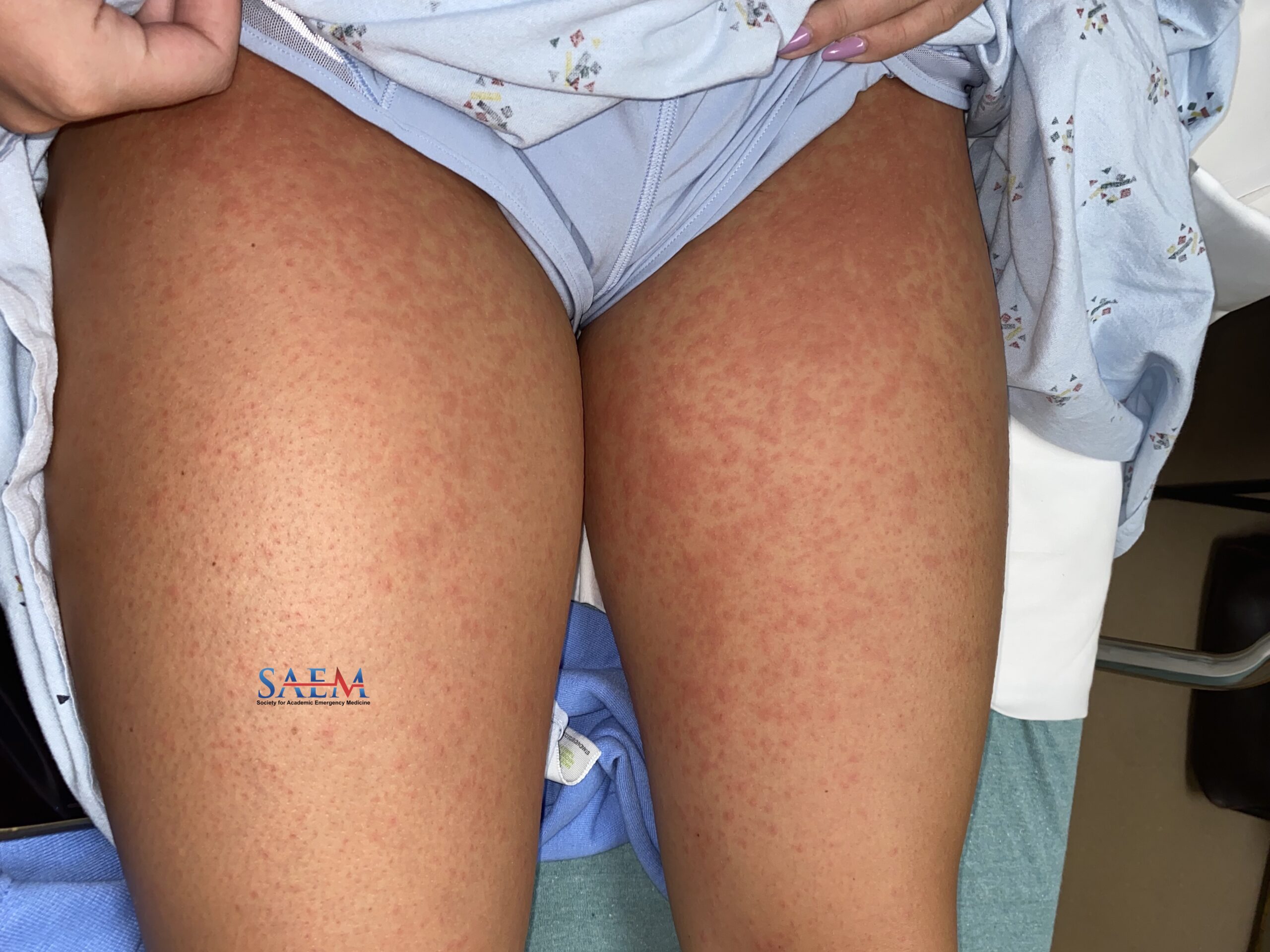
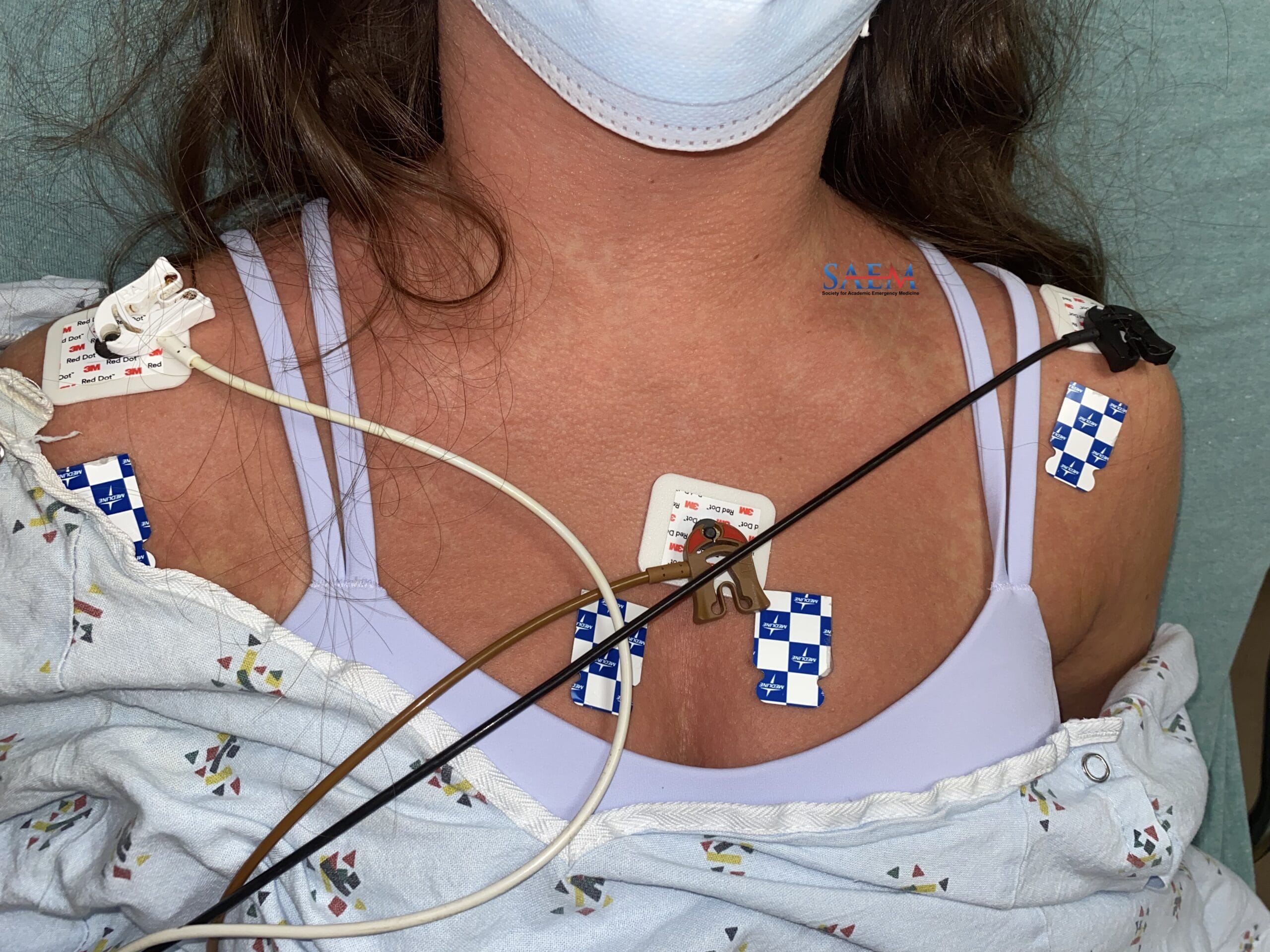
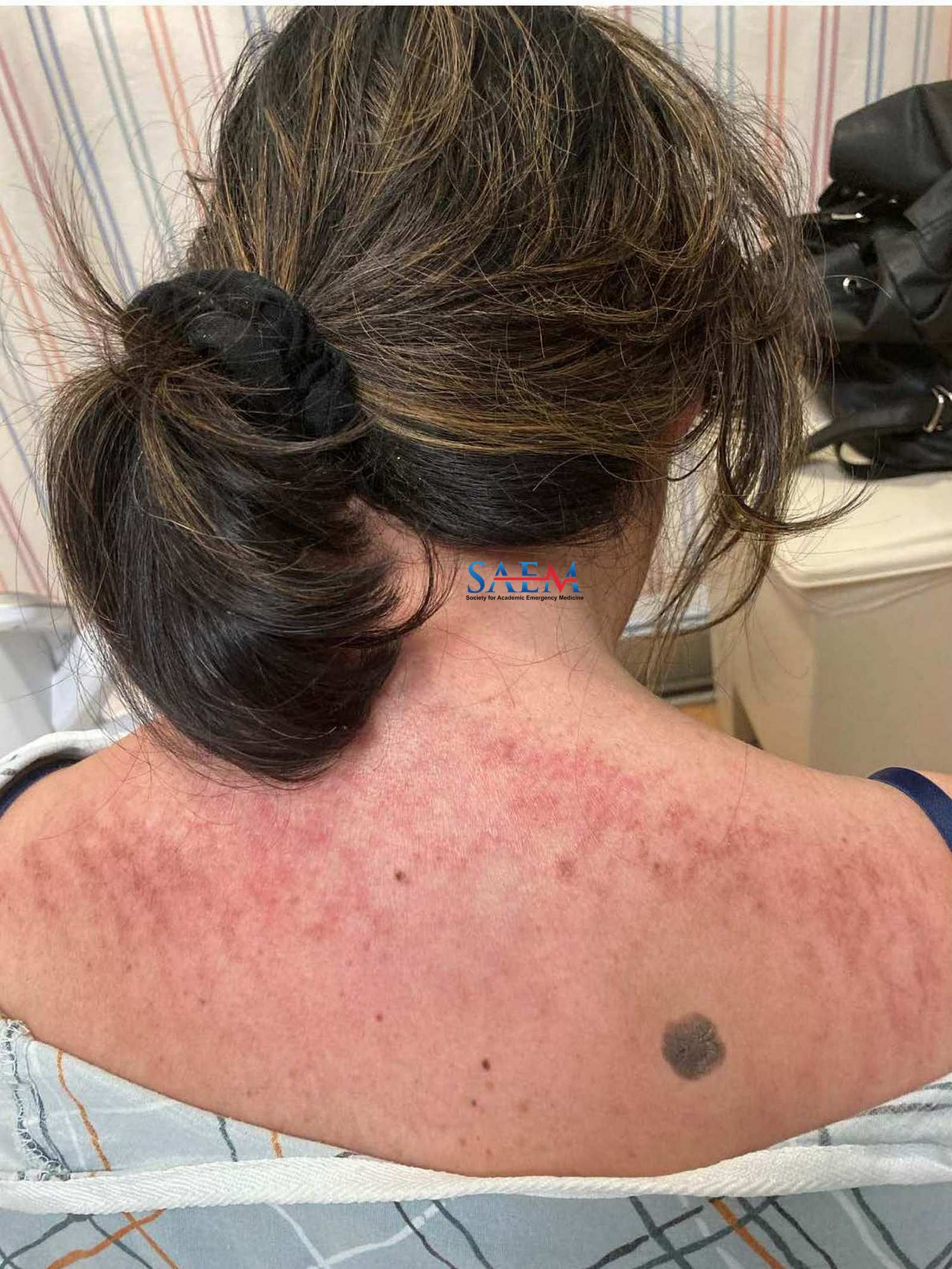
Skin: Warm and dry. There is a macular, violaceous rash to the upper back and upper thighs. The patient’s hands are slightly edematous with nontender papules on the palmar aspect of the hands.

CV: Heart sounds are normal. No jugular venous distention or lower extremity edema.

Lungs: There are faint bibasilar rales heard on auscultation of the chest.

Extremities: Full ROM of the joints and there are no bony deformities. The patient does not have muscular tenderness.

Neuro: Within normal limits; muscle strength 5/5 in all four extremities.

CBC w/ differential: Normal

BMP: Na 142, K 3.8, Cl 106, HCO3 24, BUN 16, Cr 0.44, Glu 112, Ca 8.5, Mg 2.2, Phos 3.4

LFT’s: AST 105, ALT 76, ALP 68, Tbili 0.2 Alb 3.7

PT/PTT/INR: 12.0s/32.2/1.04

D-dimer: 347

ESR: 62

CRP: 0.75

Ferritin: 625

CK: 195

LDH: 276

Procalcitonin: undetectable

Amyopathic dermatomyositis – specifically anti-melanoma differentiation-associated gene 5 (anti-MDA5) positive dermatomyositis as determined by subsequent inpatient auto-immunological workup. Compared to other dermatomyositides, anti-MDA5 positive dermatomyositis is characterized by an absence of traditional muscular involvement. Additionally, patients can present with respiratory symptoms related to interstitial lung disease (ILD). One phenotype of this condition is associated with a rapidly progressive ILD, but respiratory involvement may be delayed years after the initial symptoms are noticed. The patient’s clinical images demonstrate a macular, violaceous rash in the “shawl sign” and “holster sign” distribution patterns typical of dermatomyositides. Palmar papules (not to be confused with Gottron’s papules which are found on the dorsal surface of the metacarpophalangeal and interphalangeal joints) are fairly specific for anti-MDA5 positive dermatomyositis

There are no specific guidelines for treating anti-MDA5 positive dermatomyositis. Patients are typically started on a high-dose steroid regimen. A rheumatology consult should be obtained to determine if the patient would benefit from treatment with immunosuppressants. Given her complaints of dyspnea, the patient should undergo a non-contrast CT of the chest to evaluate for evidence of scarring or pulmonary fibrosis.

Take-Home Points

  • Anti-MDA5 positive dermatomyositis is associated with rapidly progressive ILD has a poor prognosis.
  • This rare form of dermatomyositis should be suspected if the patient has respiratory complaints in addition to the hallmark cutaneous findings commonly observed in all types of dermatomyositides. Palmar papules are fairly specific for anti-MDA5 positive dermatomyositis. It often lacks typical historical and physical features of muscular weakness.
  • Treatment involves high-dose corticosteroids and consideration of immunomodulator therapy.

  • Allenbach Y, Uzunhan Y, Toquet S, Leroux G, Gallay L, Marquet A, Meyer A, Guillaud C, Limal N, Gagnadoux F, Hervier B, Borie R, Deligny C, Terrier B, Berezne A, Audia S, Champtiaux N, Devilliers H, Voermans N, Diot E, Servettaz A, Marhadour T, Castelain V, Humbert S, Blanchard-Delaunay C, Tieulie N, Charles P, Gerin M, Mekinian A, Priou P, Meurice JC, Tazi A, Cottin V, Miyara M, Grange B, Israël-Biet D, Phin-Huynh S, Bron C, De Saint Martin L, Fabien N, Mariampillai K, Nunes H, Benveniste O; French Myositis Network. Different phenotypes in dermatomyositis associated with anti-MDA5 antibody: Study of 121 cases. Neurology. 2020 Jul 7;95(1):e70-e78. doi: 10.1212/WNL.0000000000009727. Epub 2020 Jun 2. PMID: 32487712; PMCID: PMC7371381.
  • Nombel A, Fabien N, Coutant F. Dermatomyositis With Anti-MDA5 Antibodies: Bioclinical Features, Pathogenesis and Emerging Therapies. Front Immunol. 2021 Oct 20;12:773352. doi: 10.3389/fimmu.2021.773352. PMID: 34745149; PMCID: PMC8564476.

SAEM Clinical Images Series: Man with a Recurrent Rash

rash

A 33-year-old male presented to the emergency department with a diffuse pruritic rash that appeared several days after starting Trimethoprim/Sulfamethoxazole (TMP-SMX) for a dental infection. Initially beginning on the torso and low back, the rash spread to the palms, soles, and genitalia. Progression stopped after discontinuing TMP-SMX. He conveyed a remote history of a similar rash following use of an unknown medication, and noted that several of the current lesions arose at the same location as previous.

Skin: Widely distributed violaceous, non-blanching patches with a dusky center. Lesions ranged from 3 cm to 10 cm, and included palms and soles. There was no mucosal involvement.

Non-contributory

Fixed drug eruption (FDE). FDE is an uncommon, potentially life-threatening CD8+ T-helper cell-mediated hypersensitivity reaction to certain drugs, commonly NSAIDs, antibiotics, and antiepileptic [1].

Skin findings typically arise within two days of exposure and then more rapidly with subsequent exposures [2]. Characteristically, recurrent lesions appear at the same sites as prior lesions (hence “fixed”) but may arise in additional locations. The rash is classically divided into two phases: an acute phase of pruritic violaceous patches and plaques with central duskiness, followed by a residual phase of hyperpigmentation that can last several months. The sulfonamide moiety of TMP-SMX is a common cause of FDE [3]. Management of FDE anchors on identification and discontinuation of the causative agent. The majority of cases involve five or fewer lesions, however generalized or bullous cases (> 10% total body surface area, or involvement of 3 or more anatomic sites) [1], may require aggressive wound care and carry a mortality rate up to 22% [4]. Topical or systemic steroids are common adjuncts and there is limited evidence suggesting the utility of systemic cyclosporine for severe cases [1]. Patients need to be carefully advised on the risks of specific medication use and can expect a gradual resolution of lesions over the coming months.

Take-Home Points

  • FDE is a potentially life-threatening hypersensitivity reaction to certain drugs.
  • Recurrent lesions in similar distribution is a hallmark of FDE. Avoidance of the causative agent is the mainstay of management.
  1. Anderson HJ, Lee JB. A Review of Fixed Drug Eruption with a Special Focus on Generalized Bullous Fixed Drug Eruption. Medicina (Kaunas). 2021 Sep 1;57(9):925. doi: 10.3390/medicina57090925. PMID: 34577848; PMCID: PMC8468217.
  2. Flowers H, Brodell R, Brents M, Wyatt JP. Fixed drug eruptions: presentation, diagnosis, and management. South Med J. 2014 Nov;107(11):724-7. doi: 10.14423/SMJ.0000000000000195. PMID: 25365443.
  3. Chow TG, Khan DA. Sulfonamide Hypersensitivity. Clin Rev Allergy Immunol. 2022 Jun;62(3):400-412. doi: 10.1007/s12016-021-08872-3. Epub 2021 Jul 1. PMID: 34212341
  4. Lipowicz S, Sekula P, Ingen-Housz-Oro S, Liss Y, Sassolas B, Dunant A, Roujeau JC, Mockenhaupt M. Prognosis of generalized bullous fixed drug eruption: comparison with Stevens-Johnson syndrome and toxic epidermal necrolysis. Br J Dermatol. 2013 Apr;168(4):726-32. doi: 10.1111/bjd.12133. Epub 2013 Feb 16. PMID: 23413807.

SAEM Clinical Images Series: A Case of Painful Skin Lesions

necrobiosis

A 50-year-old Caucasian female with a history of hypertension, coronary artery disease, and insulin-dependent diabetes mellitus presents to the emergency department with a complaint of painful sores on the top of her left foot. She notes that ulcerations have formed over the past two weeks and reports a history of multiple recurrent usually non-tender skin lesions to her lower extremities, forearms, and hands over the past twenty years. She is homeless and medically non-compliant secondary to financial issues.

Vitals: T 37.2°C; BP 149/77; HR 94; RR 20

Skin: Multiple yellow-brown and violaceous plaques on the pretibial lower extremities and feet, some exhibiting ulceration with central necrosis and surrounding erythema. Raised reddish-brown well-demarcated plaques with waxy centers were also noted on the dorsal forearms and hands.

Glucose: 539 (with a normal anion gap)

Hemoglobin A1C: 10.9

Necrobiosis Lipoidica – This patient had a previous skin biopsy with histopathologic changes demonstrating a granulomatous dermatitis involving the dermis and subcutaneous tissues with necrobiosis of collagen and inflammatory infiltrates of lymphocytes and plasma cells consistent with a diagnosis of necrobiosis lipoidica.

Necrobiosis lipoidica is a rare, chronic, idiopathic, granulomatous disease of collagen degeneration classically associated with type 1 diabetes (with a prevalence of 0.3 to 1.2%). It may present as the first clinical finding of or a precursor to diabetes, although its course is unaffected by glycemic control and it is unrelated to other diabetic complications including renal, ocular, and vascular problems. It has been associated with thyroid disease, inflammatory bowel disease, rheumatoid arthritis, and sarcoidosis. It may be equally common in patients without diabetes, hence was renamed without the term “diabeticorum”.

Necrobiosis lipoidica typically is asymptomatic and presents in females (average onset at age of 30) as small, well-demarcated papules that expand into waxy-centered plaques with indurated borders that may resolve spontaneously (up to 17%) or may be complicated by ulceration, infection, and occasionally transformation to squamous cell carcinoma. The differential diagnosis includes other granulomatous and inflammatory diseases such as granuloma annulare, sarcoidosis, rheumatoid arthritis, and necrobiotic xanthogranuloma. The diagnosis is suggested by clinical presentation and is proven by biopsy.

Complications of necrobiosis lipoidica include long-term scarring, ulceration (more common in males), infection, and when lesions are chronic they may rarely transform into squamous cell carcinoma. There is no cure for necrobiosis lipoidica, and some skin lesions may resolve spontaneously, therefore, treatment is focused on addressing any complications. Multiple medical and surgical interventions have been tried. Topical and intra-lesional corticosteroids have been used to stabilize rapidly enlarging lesions with limited success, however, have the potential to cause further skin atrophy. Surgical interventions including debridement and skin grafting are discouraged as in necrobiosis lipoidica trauma tends to induce the Koebner phenomenon.

Take-Home Points

  • Necrobiosis lipoidica is an idiopathic rare skin disease classically associated with insulin-dependent diabetes mellitus but may affect otherwise healthy individuals.
  • More common in females but more severe in males, necrobiosis lipoidica usually affects the pretibial lower extremities, may present in various stages, and has no known cure.
  • Non-diabetic patients presenting with necrobiosis lipoidica should be monitored for the development of diabetes mellitus, thyroid and inflammatory diseases, and squamous cell carcinoma.

  • Lepe K, Riley CA, Salazar FJ. Necrobiosis Lipoidica. [Updated 2022 Dec 1]. In: StatPearls [Internet]. Treasure Island (FL): StatPearls Publishing; 2022 Jan-. Available from: https://www.ncbi.nlm.nih.gov/books/NBK459318/ PMID:29083569.
  • Kota SK, Jammula S, Kota SK, Meher LK, Modi KD. Necrobiosis lipoidica diabeticorum: A case-based review of literature. Indian J Endocrinol Metab. 2012 Jul;16(4):614-20. doi: 10.4103/2230-8210.98023. PMID: 22837927; PMCID: PMC3401767.

Go to Top