ALiEM AIR Series | Endocrine Module (2026)

ALiEM U


Welcome to the AIR ENDOCRINE Module! After carefully reviewing all relevant posts in the past 12 months from the top 50 sites of the Digital Impact Factor [1], the ALiEM AIR Team is proud to present the highest quality online content related to endocrine emergencies in the Emergency Department. 11 blog posts met our standard of online excellence and were approved for residency training by the AIR Series Board. More specifically, we identified 6 AIR and 5 Honorable Mentions. We recommend programs give 5.5 hours of III credit for this module.


AIR Stamp of Approval and Honorable Mentions


In an effort to truly emphasize the highest quality posts, we have 2 subsets of recommended resources. The AIR stamp of approval is awarded only to posts scoring above a strict scoring cut-off of ≥30 points (out of 35 total), based on our scoring instrument. The other subset is for “Honorable Mention” posts. These posts have been flagged by and agreed upon by AIR Board members as worthwhile, accurate, unbiased, and appropriately referenced despite an average score.


Take the Endocrine Module at ALiEMU


Interested in taking the AIR quiz for fun or asynchronous (Individualized Interactive Instruction) credit? Please go to the above link. You will need to create a free, 1-time login account.


Highlighted Quality Posts: Endocrine 2025


SiteArticleAuthorDateLabel
EMCritHyperosmolar hyperglycemic state (HHS)Dr. Josh FarkasJune 1, 2024

AIR

EMCritHypokalemiaDr. Josh FarkasJuly 4, 2024AIR
EMCritHyperkalemiaDr. Josh FarkasNovember 5, 2024AIR
EMCritHyperkalemiaDr. Josh FarkasJuly 4, 2024AIR
EMCritHyponatremiaDr. Josh FarkasJuly 4, 2024AIR
EM OttawaThese are the Roids you are looking for – Steroids in the EdDr. Naman AroraJanuary 9, 2025AIR
EMCrit

Hypernatremia and dehydration in the ICU

Dr. Josh FarkasJuly 5, 2024AIR
Rebel EMHyperkalemiaDr. Anand SwaminathanJune 26, 2024HR
EM DocsAlcohol WithdrawalDr. Kyler OsborneDecember 18, 2024HR
St Emlyns BlogGLP-1A tocxicity: What do emergency clinicians need to know about drugs like ozempic and wegovy?Dr. Gregory YatesNovember 24, 2024HR
UMEM PearlsEuglycemic DKA Pitfalls and PearlsDr. Cody CouperusAugust 20, 2024HR


(AIR = Approved Instructional Resource; HM = Honorable Mention)


If you have any questions or comments on the AIR series, or this AIR module, please contact us!
Reference

    1. Lin M, Phipps M, Chan TM, et al. Digital Impact Factor: A Quality Index for Educational Blogs and Podcasts in Emergency Medicine and Critical Care. Ann Emerg Med. 2023;82(1):55-65. doi:10.1016/j.annemergmed.2023.02.011, PMID 36967275


SAEM Clinical Images Series: Caught by the Cuff

cuff

A 74-year-old male with a history of hypertension and moderate alcohol use presented to the Emergency Department with generalized weakness. He was started on low dose furosemide once a day for mild ankle swelling 3 days prior. He reported good oral intake but noted that he had been urinating more than usual. He denied any fever, chest pain, shortness of breath, or any other problems but due to worsening weakness he came in for evaluation.

Vitals: BP 185/94; HR 90; R 18; T 97.4°F; O2 sat 98% room air.

General: Well appearing, no acute distress.

Respiratory: Clear to auscultation.

Cardiovascular: Regular rate and rhythm, no murmur.

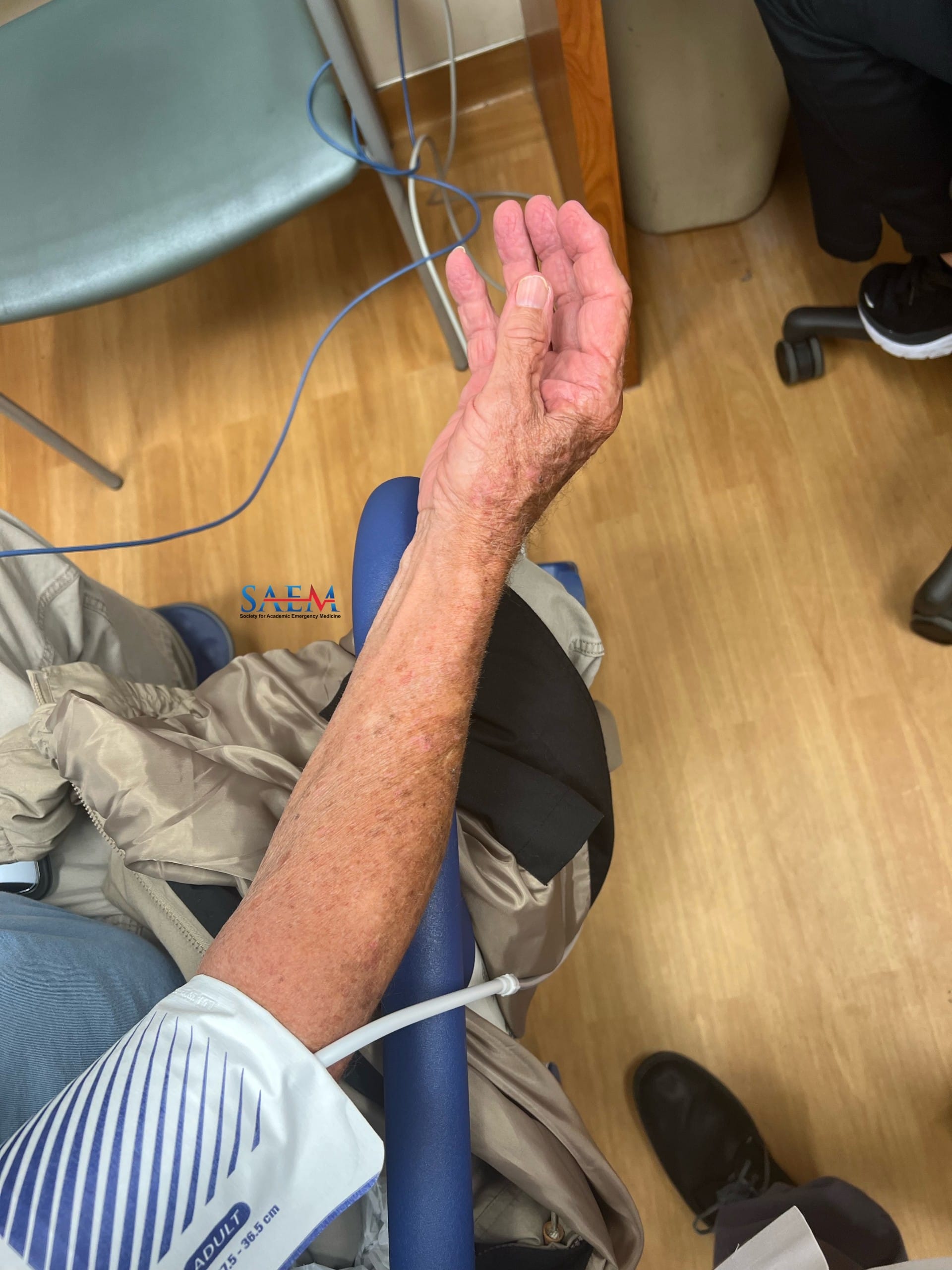
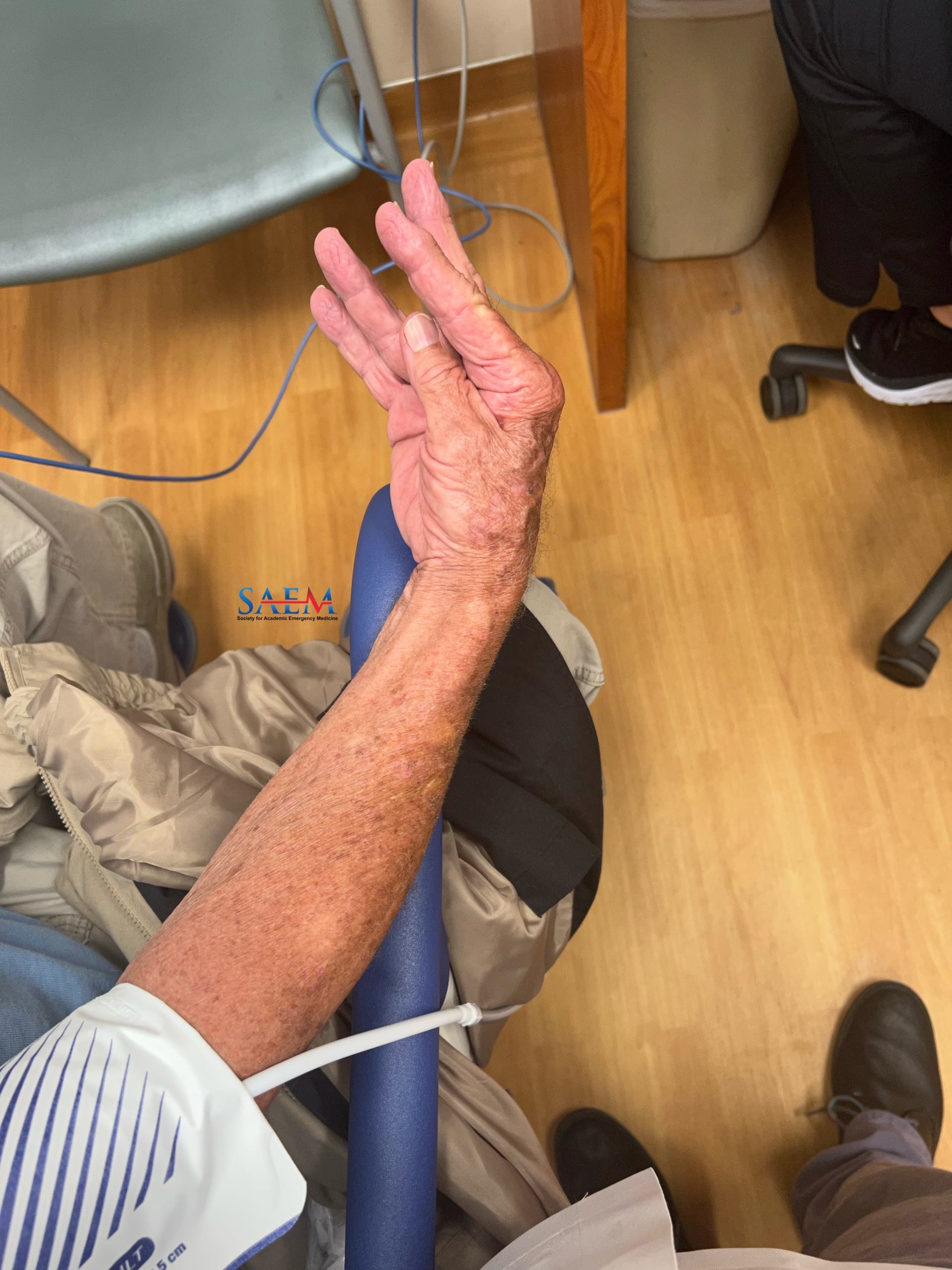
Extremities: Mild trace pedal edema bilaterally. While resting, the patient suddenly called out to the nurse for arm pain. Image 1 was taken at this time, during which his blood pressure was being measured.

CBC and BMP normal

Ca:8.4

Mg: 1.2

Trousseau’s sign of latent tetany (carpopedal spasm)

Trousseau’s sign is an involuntary, inducible carpopedal spasm that occurs when circumferential compression is applied to the limb, inhibiting blood flow (such as done by an inflated blood pressure cuff). Classically described, the metacarpophalangeal joints are flexed, the interphalangeal joints of the fingers and thumb are extended, and the thumb adopts a posture of opposition as seen in Image 1. Image 2 was taken with the blood pressure cuff deflated. Trousseau’s sign is primarily seen with hypocalcemia and hypomagnesemia, with hypocalcemia being the more common cause. Trousseau’s sign is seen most frequently in patients with disease states causing hypocalcemia and/or hypomagnesemia such as hypoparathyroidism, vitamin D deficiency, pancreatitis, renal disease, metabolic alkalosis, alcohol use disorders, and restrictive diets. The likely cause in this case is hypomagnesemia caused by furosemide diuresis and increased excretion of magnesium.

Take-Home Points

  • Trousseau’s sign is most commonly caused by hypocalcemia, but may also be less commonly associated with hypomagnesemia.

  • Trousseau’s sign of latent tetany resolves when the underlying electrolyte abnormality is corrected.

  • Trousseau A. Lectures on clinical medicine, delivered at the Hôtel-Dieu, Paris. 3rd ed [Translated by Cormack Sir John.]. London (UK): New Sydenham Society; 1872
  • Rehman HU, Wunder S. Trousseau sign in hypocalcemia. CMAJ. 2011 May 17;183(8):E498. doi: 10.1503/cmaj.100613. Epub 2011 Feb 28. PMID: 21398222; PMCID: PMC3091937.
  • Jesus JE, Landry A. Images in clinical medicine. Chvostek’s and Trousseau’s signs. N Engl J Med. 2012 Sep 13;367(11):e15. doi: 10.1056/NEJMicm1110569. Erratum in: N Engl J Med. 2012 Dec 6;367(23):2262. PMID: 22970971.


By |2025-11-17T01:53:05-08:00Nov 21, 2025|Endocrine-Metabolic, SAEM Clinical Images|

SAEM Clinical Images Series: A Rare Gastrointestinal Complication of an Endocrine Emergency

A 54-year-old woman with a history of hypothyroidism, diabetes mellitus type II, COPD, asthma, anxiety, and depression presented to the emergency department via EMS with three days of fatigue, weakness, chills, and shortness of breath without chest pain or cough. Symptoms had been progressively worsening, and she stated she felt as if she could not move her body on presentation. She also noted diarrhea without abdominal pain, melena, or hematochezia. Just prior to arrival the patient’s daughter thought she looked paler and shorter of breath and called EMS after a near syncopal episode. EMS reported that the family was concerned that the patient’s blood glucose level was low. Blood glucose upon EMS arrival was 90 and rose to 150 following their administration of oral glucose. The patient denied fever, recent sick contacts, urinary changes, hematuria, or leg swelling. She reported two missed doses of levothyroxine which was prescribed at a dose of 25 mcg daily. No recent antibiotic use reported.

Vitals: Temp 36.4°C; BP 106/64 mmHg; HR 62 bpm; Resp 16/min; SpO2 96% on RA

General: Patient drowsy, slow to answer questions, sitting with eyes closed. No obvious distress.

Skin: Warm and dry.

Cardiovascular: Regular rate and rhythm without murmur.

Respiratory: Lungs clear to auscultation bilaterally. No respiratory distress.

Abdomen: Soft, non-distended, normal bowel sounds, diffuse abdominal discomfort to palpation, which she states is chronic.

Neurological: Oriented to person, place, time. CN II-XII intact. No focal neurological deficit observed, strength 4+/5 throughout able to hold all extremities up when placed above the body.

Extremities: No obvious swelling.

CBC: Hb 11.5, WBC 9.5, Plt 186

BMP: Na 141, K 3.8, Cl 105, CO2 24, BUN 17, Cr 1.3

LFTs: AST 20, ALT 11, Bili 0.4

VBG: pH 7.28, PCO2 60, HCO2 28

Mg: 1.7

CK: 333

TSH: 196.80

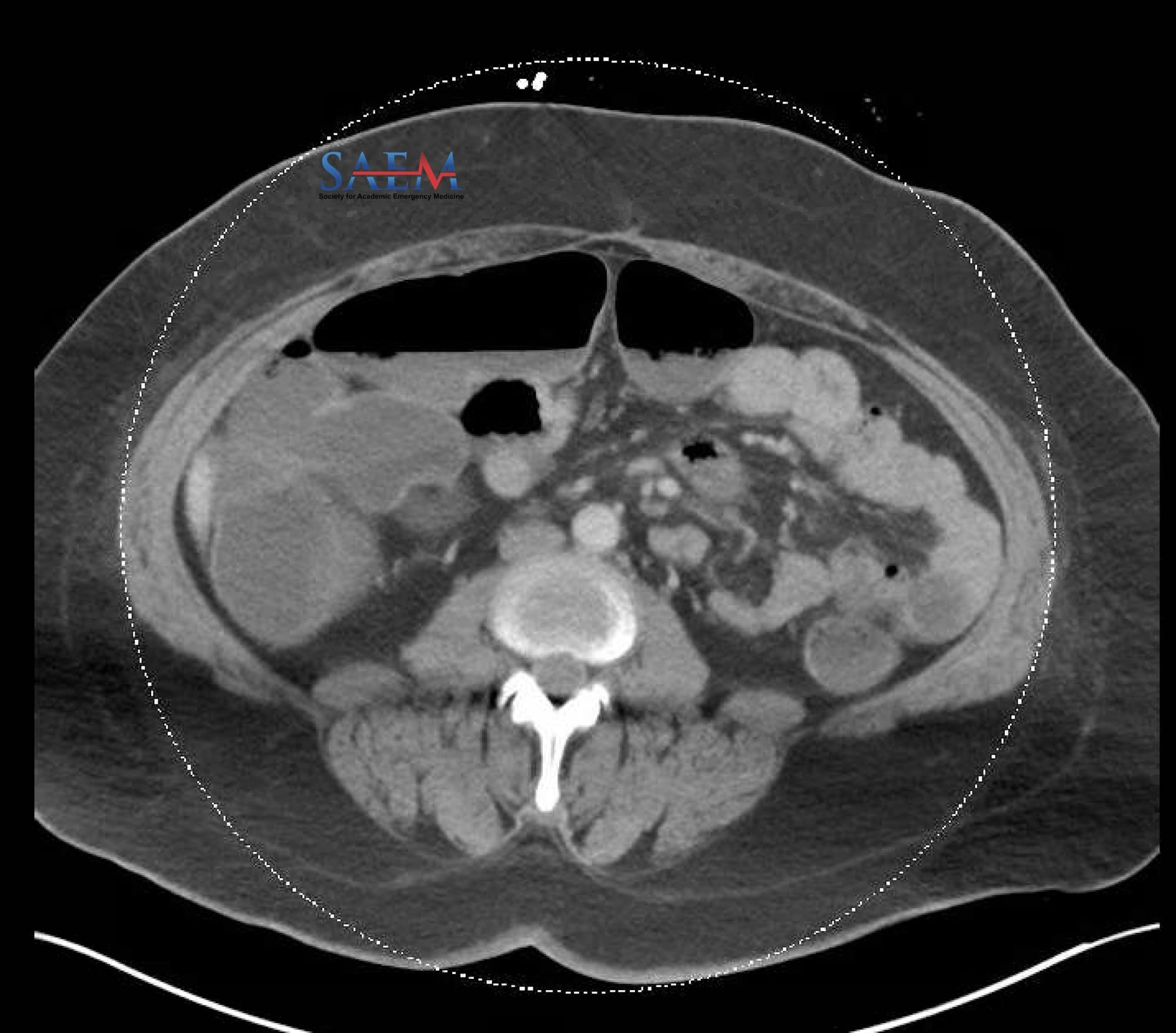
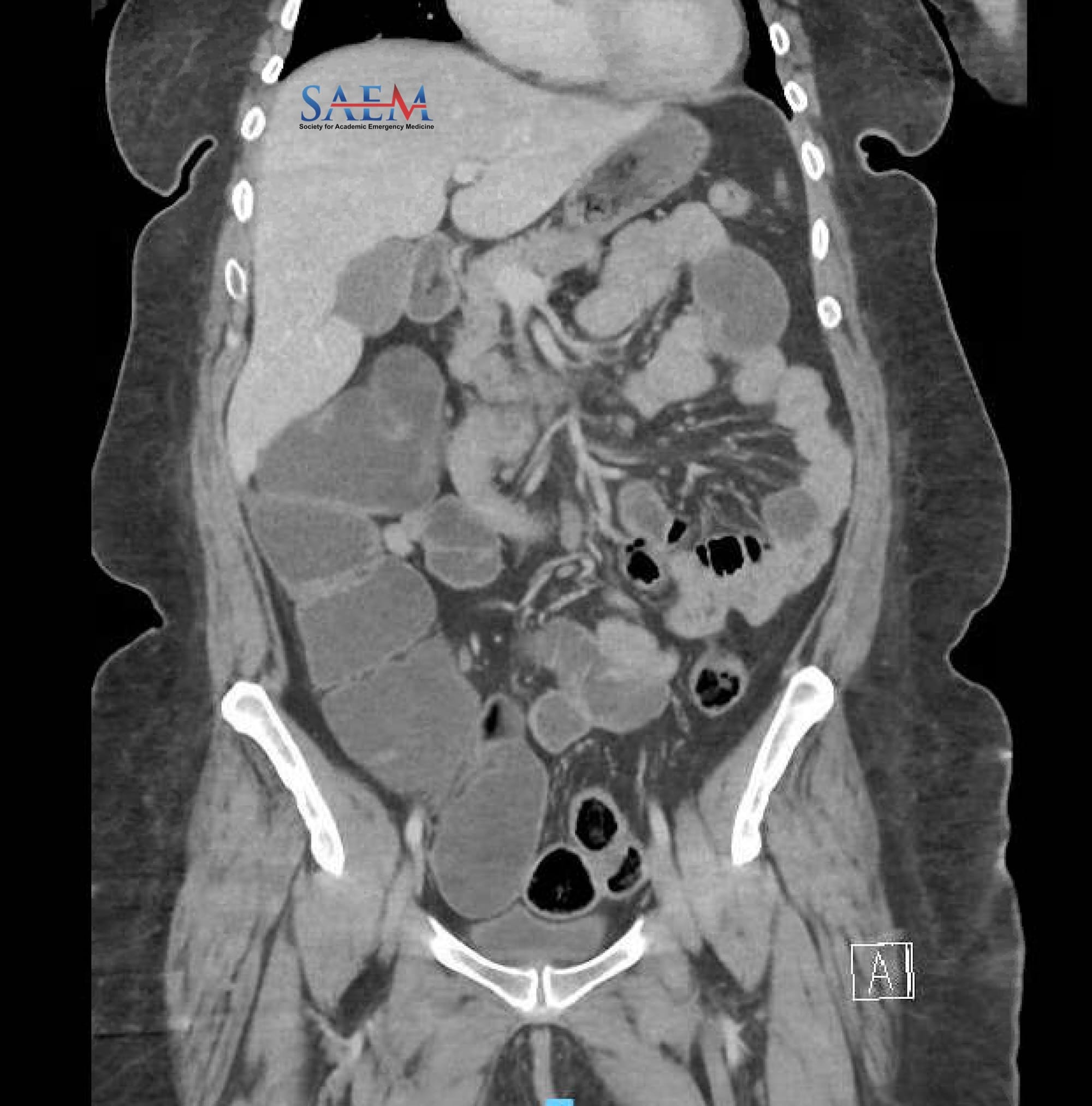
The abdominal CT scan demonstrates multiple fluid-filled mildly dilated loops of large bowel with air-fluid levels, some minimally dilated loops of small bowel, and no clear transition point identified which is concerning for developing colonic pseudo-obstruction (Ogilvie Syndrome). There are many predisposing factors that may cause Ogilvie Syndrome including recent surgery, infection, trauma, respiratory failure, cancer, and other metabolic conditions.

Given our patient’s history of hypothyroidism with missed doses of levothyroxine and an elevated TSH her cause of Ogilvie syndrome is most likely hypothyroidism. This is also known as myxedema ileus, a rare entity. Management of myxedema ileus consists of bowel decompression with a nasogastric tube and treatment of the hypothyroid condition. In our case, the patient received 200 mcg of levothyroxine, and 12.5 mcg of liothyronine while undergoing further endocrinologic workup

Take-Home Points

  • In patients with a history of hypothyroidism presenting with gastrointestinal concerns, myxedema ileus, while not common, should be considered.
  • Colonic pseudo-obstruction (Ogilvie syndrome) has many causes and the radiographic appearance of a bowel obstruction without an obvious transition point.
  • Myxedema ileus should be managed with bowel decompression and treatment of the underlying hypothyroidism. ICU level care is often needed for this severe endocrine emergency

  • Saunders MD. Acute colonic pseudo-obstruction. Best Pract Res Clin Gastroenterol. 2007;21(4):671-87. doi: 10.1016/j.bpg.2007.03.001. PMID: 17643908.

  • Vanek VW, Al-Salti M. Acute pseudo-obstruction of the colon (Ogilvie’s syndrome). An analysis of 400 cases. Dis Colon Rectum. 1986 Mar;29(3):203-10. doi: 10.1007/BF02555027. PMID: 3753674.

SAEM Clinical Images Series: Pediatric Neck Mass

neck mass

A 5-year-old female presented to the emergency department (ED) with a one-year history of gradually increasing anterior neck swelling. The patient had no significant past medical history. She also endorsed three weeks of cough and congestion, and one day of muffled voice. She denied difficulty swallowing, fatigue, cold intolerance, or hair and nail changes.

Vitals: BP 87/62; Pulse 80; Temp 36°C (96.8°F); Resp 21; SpO2 99%

Constitutional: No distress. Able to speak in full sentences

HEENT: Normocephalic and atraumatic. Right Ear: External ear normal. Left Ear: External ear normal. Congestion present. Mucous membranes are moist. Tonsils 4+ bilaterally with no exudate.

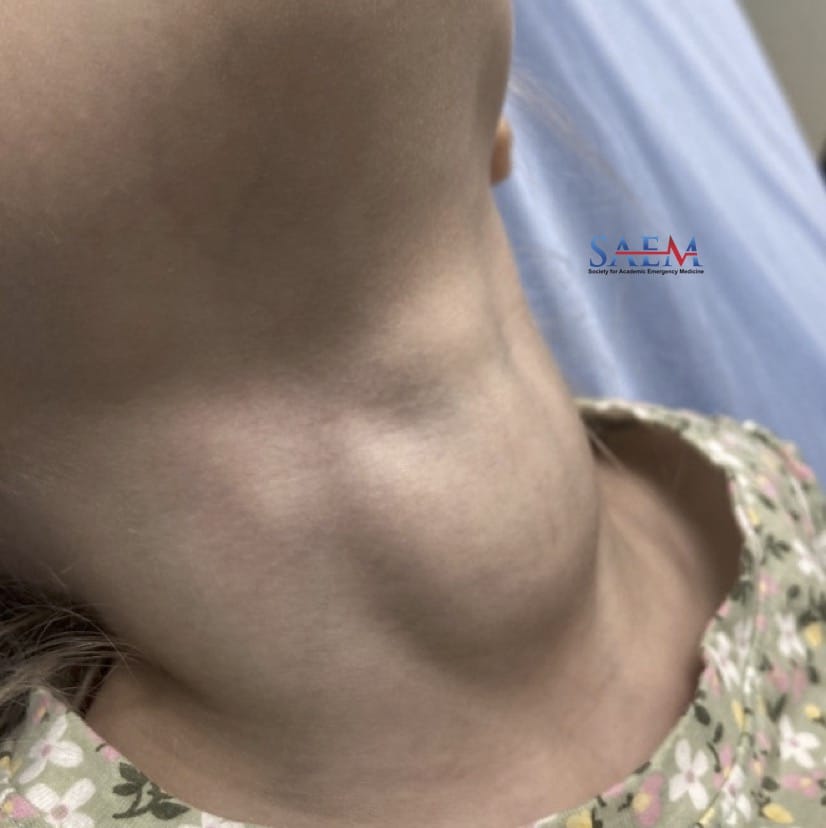
Neck: Approximately 3 cm x 4 cm mass on the anterior neck that does not move on protrusion of the tongue. Mass is midline and inferior to the laryngeal prominence. No associated erythema, tenderness to palpation, or drainage. No enlarged surrounding lymph nodes on palpation.

Cardiovascular: Normal rate, regular rhythm, and normal heart sounds.

Pulmonary: Breath sounds normal, no stridor, no respiratory distress, no decreased breath sounds, and no wheezes.

Abdominal: Soft. No distention or tenderness.

Neurological: Alert and normal muscle tone.

Thyroid stimulating hormone (TSH): > 100 (ref 0.50 – 4.50 MCU/ML).

Free T4: 0.5 (ref 0.8-2.0 NG/DL)

Ultrasound of the neck revealed an enlarged thyroid gland with lobular contours and diffuse hypoechoic echogenicity, without noticeable nodules, fluid collection, or lymphadenopathy.

Differential diagnosis of a neck mass in a pediatric patient includes branchial cleft cyst, thyroglossal duct cyst, cystic hygroma, laryngocele, dermoid cyst, teratoma, thymic cyst, hemangioma, ranula (mucocele), thyroid mass, enlarged lymph node, lymphoma, rhabdomycosarcoma, neuroblastoma, and melanoma [1]. When evaluating a neck mass, reviewing whether the mass is congenital vs acquired and midline vs lateral will help with narrowing down the differential diagnosis. The photo reveals a prominent anterior lower neck mass with the outline of right lobe of the thyroid gland clearly visible.

The patient was diagnosed with hypothyroidism with goiter, likely Hashimoto’s thyroiditis. She was discharged from the ED on levothyroxine 25 mcg daily with endocrinology outpatient follow-up. Levothyroxine monotherapy is the standard of care in hypothyroidism management [2]. Thyroid peroxidase and thyroglobulin antibodies were found to be positive on subsequent labwork, which confirmed diagnosis.

Take-Home Points

  • Enlarged goiter in the setting of hypothyroidism should be considered in a pediatric patient with a midline lower neck mass.
  • When suspecting hypothyroidism, thyroid stimulating hormone (TSH) and free T4 should be included in the evaluation. An ultrasound and thyroid antibodies may also be helpful to confirm diagnosis.

  • Geddes G, Butterly MM, Patel SM, Marra S. Pediatric neck masses. Pediatr Rev. 2013 Mar;34(3):115-24; quiz 125. doi: 10.1542/pir.34-3-115. PMID: 23457198.
  • Jonklaas J, Bianco AC, Bauer AJ, Burman KD, Cappola AR, Celi FS, Cooper DS, Kim BW, Peeters RP, Rosenthal MS, Sawka AM; American Thyroid Association Task Force on Thyroid Hormone Replacement. Guidelines for the treatment of hypothyroidism: prepared by the american thyroid association task force on thyroid hormone replacement. Thyroid. 2014 Dec;24(12):1670-751. doi: 10.1089/thy.2014.0028. PMID: 25266247; PMCID: PMC4267409.

SAEM Clinical Images Series: A Case of Painful Skin Lesions

necrobiosis

A 50-year-old Caucasian female with a history of hypertension, coronary artery disease, and insulin-dependent diabetes mellitus presents to the emergency department with a complaint of painful sores on the top of her left foot. She notes that ulcerations have formed over the past two weeks and reports a history of multiple recurrent usually non-tender skin lesions to her lower extremities, forearms, and hands over the past twenty years. She is homeless and medically non-compliant secondary to financial issues.

Vitals: T 37.2°C; BP 149/77; HR 94; RR 20

Skin: Multiple yellow-brown and violaceous plaques on the pretibial lower extremities and feet, some exhibiting ulceration with central necrosis and surrounding erythema. Raised reddish-brown well-demarcated plaques with waxy centers were also noted on the dorsal forearms and hands.

Glucose: 539 (with a normal anion gap)

Hemoglobin A1C: 10.9

Necrobiosis Lipoidica – This patient had a previous skin biopsy with histopathologic changes demonstrating a granulomatous dermatitis involving the dermis and subcutaneous tissues with necrobiosis of collagen and inflammatory infiltrates of lymphocytes and plasma cells consistent with a diagnosis of necrobiosis lipoidica.

Necrobiosis lipoidica is a rare, chronic, idiopathic, granulomatous disease of collagen degeneration classically associated with type 1 diabetes (with a prevalence of 0.3 to 1.2%). It may present as the first clinical finding of or a precursor to diabetes, although its course is unaffected by glycemic control and it is unrelated to other diabetic complications including renal, ocular, and vascular problems. It has been associated with thyroid disease, inflammatory bowel disease, rheumatoid arthritis, and sarcoidosis. It may be equally common in patients without diabetes, hence was renamed without the term “diabeticorum”.

Necrobiosis lipoidica typically is asymptomatic and presents in females (average onset at age of 30) as small, well-demarcated papules that expand into waxy-centered plaques with indurated borders that may resolve spontaneously (up to 17%) or may be complicated by ulceration, infection, and occasionally transformation to squamous cell carcinoma. The differential diagnosis includes other granulomatous and inflammatory diseases such as granuloma annulare, sarcoidosis, rheumatoid arthritis, and necrobiotic xanthogranuloma. The diagnosis is suggested by clinical presentation and is proven by biopsy.

Complications of necrobiosis lipoidica include long-term scarring, ulceration (more common in males), infection, and when lesions are chronic they may rarely transform into squamous cell carcinoma. There is no cure for necrobiosis lipoidica, and some skin lesions may resolve spontaneously, therefore, treatment is focused on addressing any complications. Multiple medical and surgical interventions have been tried. Topical and intra-lesional corticosteroids have been used to stabilize rapidly enlarging lesions with limited success, however, have the potential to cause further skin atrophy. Surgical interventions including debridement and skin grafting are discouraged as in necrobiosis lipoidica trauma tends to induce the Koebner phenomenon.

Take-Home Points

  • Necrobiosis lipoidica is an idiopathic rare skin disease classically associated with insulin-dependent diabetes mellitus but may affect otherwise healthy individuals.
  • More common in females but more severe in males, necrobiosis lipoidica usually affects the pretibial lower extremities, may present in various stages, and has no known cure.
  • Non-diabetic patients presenting with necrobiosis lipoidica should be monitored for the development of diabetes mellitus, thyroid and inflammatory diseases, and squamous cell carcinoma.

  • Lepe K, Riley CA, Salazar FJ. Necrobiosis Lipoidica. [Updated 2022 Dec 1]. In: StatPearls [Internet]. Treasure Island (FL): StatPearls Publishing; 2022 Jan-. Available from: https://www.ncbi.nlm.nih.gov/books/NBK459318/ PMID:29083569.
  • Kota SK, Jammula S, Kota SK, Meher LK, Modi KD. Necrobiosis lipoidica diabeticorum: A case-based review of literature. Indian J Endocrinol Metab. 2012 Jul;16(4):614-20. doi: 10.4103/2230-8210.98023. PMID: 22837927; PMCID: PMC3401767.

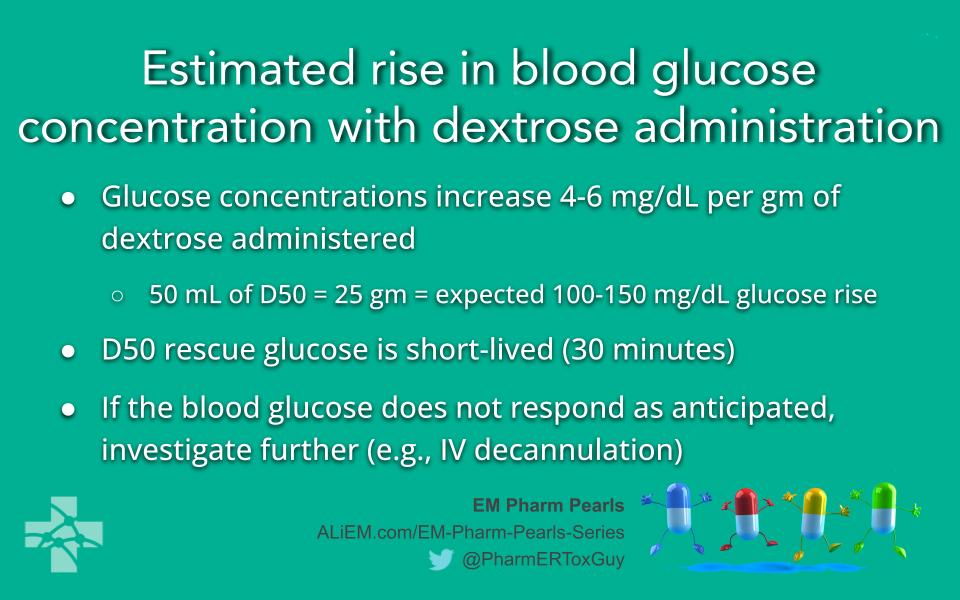
EM Pharm Pearls: Estimated rise in blood glucose concentration with dextrose administration

A common question is how much should we expect the blood glucose concentration to increase after dextrose 50% (D50) administration. Fortunately, there is an answer from 3 studies.

  1. Balentine JR, Gaeta TJ, Kessler D, Bagiella E, Lee T. Effect of 50 milliliters of 50% dextrose in water administration on the blood sugar of euglycemic volunteers. Acad Emerg Med. 1998;5(7):691-694. doi:10.1111/j.1553-2712.1998.tb02487.x PMID 9678393
    • Population: Healthy volunteers in the ED
    • Intervention: 25 gm (1 ampule of D50)
    • Result: Mean increase of 162 mg/dL at 5 min. Glucose concentrations returned to baseline by 30 minutes.
  1. Murthy MS, Duby JJ, Parker PL, Durbin-Johnson BP, Roach DM, Louie EL. Blood glucose response to rescue dextrose in hypoglycemic, critically ill patients receiving an insulin infusion. Ann Pharmacother. 2015;49(8):892-896. doi:10.1177/1060028015585574. PMID 25986006
    • Population: Critically ill patients experiencing hypoglycemia while on insulin infusions
    • Intervention: D50
    • Result: Median increase of 4 mg/dL per gm of D50 administered
  1. Adler PM. Serum glucose changes after administration of 50% dextrose solution: pre- and in-hospital calculationsAm J Emerg Med. 1986;4(6):504-506. doi:10.1016/S0735-6757(86)80004-3. PMID 3778594
    • Population: ED patients with altered mental status (23 with diabetes, 28 without diabetes)
    • Intervention: 25 gm (50 mL of D50)
    • Result: Mean increase of 166 mg/dL

Take Home Points

  • Glucose concentrations increase 4-6 mg/dL per gm of dextrose administered
    • 50 mL of D50 = 25 gm = expected 100-150 mg/dL glucose rise
  • D50 rescue glucose is short-lived (30 minutes)
  • If the blood glucose does not respond as anticipated, investigate further (e.g., IV decannulation)


Want to learn more about EM Pharmacology?

Read other articles in the EM Pharm Pearls Series and find previous pearls on the PharmERToxguy site.

Balanced Fluids in Diabetic Ketoacidosis

Background

Many guidelines and treatment algorithms for diabetic ketoacidosis (DKA) recommend sodium chloride 0.9% as the replacement fluid of choice, though alternative fluids may be a better option [1-4]. Randomized trials, in adult and pediatric patients, demonstrate faster resolution of DKA when using balanced solutions (e.g.PlasmaLyte-A, lactated Ringer’s) compared to sodium chloride [5-7]. Dr. Josh Farkas provides further review of this topic in 3 excellent and detailed EMCrit posts [8-10].

Evidence

A phase-2 study published in 2021, SCOPE-DKA, randomized 93 patients with severe DKA (median venous pH 7.0) to receive PlasmaLyte-148 (PlasmaLyte-A) or sodium chloride 0.9% [11]. During the first 48 hours of treatment, patients received a average of ~6.5 L of fluid. At 24-hours, more patients in the PlasmaLyte group had resolution of DKA (defined as base excess ≥ -3 mEq/L) as compared to the sodium chloride group (69% vs 36%, p=0.002). However, by 48-hours, both groups had similar rates of DKA resolution (96% vs 86%, p=0.111). The study authors concluded that PlasmaLyte-148 may lead to faster resolution of metabolic acidosis in patients with DKA without an increase in ketosis, in line with findings from previous studies, but these results need to be confirmed in a larger, Phase 3 trial.

To further explore the nuances, strengths, and weaknesses of this study, please read the REBEL EM review by Dr. Mark Ramzy [13].

Bottom Line

  • The available data suggests that balanced fluids are beneficial in mild, moderate, and severe DKA.
  • PlasmaLyte-148 (PlasemaLyte A) may lead to faster resolution of metabolic acidosis than sodium chloride 0.9%. Though these findings need confirmation in a large, Phase 3 trial.
  • Generally, the composition of the initial liter is less important than prompt administration. However, for subsequent liters, a balance crystalloid (e.g., PlasmaLyte-148, or lactated Ringer’s) should be used instead of sodium chloride 0.9%.

Want to learn more about EM Pharmacology?

Read other articles in the EM Pharm Pearls Series and find previous pearls on the PharmERToxguy site.

References:

  1. Wolfsdorf J, Glaser N, Sperling MA, American Diabetes Association. Diabetic ketoacidosis in infants, children, and adolescents: A consensus statement from the American Diabetes Association. Diabetes Care. 2006;29(5):1150-1159. PMID: 16644656. doi: 10.2337/diacare.2951150.
  2. Kitabchi AE, Umpierrez GE, Miles JM, Fisher JN. Hyperglycemic crises in adult patients with diabetes. Diabetes Care. 2009;32(7):1335-1343. PMID: 19564476. doi: 10.2337/dc09-9032.
  3. Canadian Diabetes Association Clinical Practice Guidelines Expert Committee, Goguen J, Gilbert J. Hyperglycemic emergencies in adults. Can J Diabetes. 2013;37 Suppl 1:S72-76. PMID: 24070967. doi: 10.1016/j.jcjd.2013.01.023.
  4. Joint British Diabetes Societies Inpatient Care Group. The Management of Diabetic Ketoacidosis in Adults. 2021; online publication. Accessed January 3, 2022. https://abcd.care/sites/abcd.care/files/site_uploads/JBDS_02%20_DKA_Guideline_amended_v2_June_2021.pdf.
  5. Mahler SA, Conrad SA, Wang H, Arnold TC. Resuscitation with balanced electrolyte solution prevents hyperchloremic metabolic acidosis in patients with diabetic ketoacidosis. Am J Emerg Med. 2011;29(6):670-674. PMID: 20825879. doi: 10.1016/j.ajem.2010.02.004.
  6. Williams V, Jayashree M, Nallasamy K, Dayal D, Rawat A. 0.9% saline versus Plasma-Lyte as initial fluid in children with diabetic ketoacidosis (SPinK trial): a double-blind randomized controlled trial. Crit Care. 2020;24(1):1. PMID: 31898531. doi: 10.1186/s13054-019-2683-3.
  7. Self WH, Evans CS, Jenkins CA, et al. Clinical effects of balanced crystalloids vs saline in adults with diabetic ketoacidosis: a subgroup analysis of cluster randomized clinical trials. JAMA Netw Open. 2020;3(11):e2024596. PMID: 33196806. doi: 10.1001/jamanetworkopen.2020.24596.
  8. Farkas J. Four DKA Pearls. 2014. Accessed January 3, 2022. https://emcrit.org/pulmcrit/four-dka-pearls.
  9. Farkas J. Dominating the acidosis in DKA. 2016. Accessed January 3, 2022. https://emcrit.org/pulmcrit/bicarbonate-dka.
  10. Farkas J. IBCC – Diabetic Ketoacidosis (DKA). 2021. Accessed January 3, 2022. https://emcrit.org/ibcc/dka.
  11. Ramanan M, Attokaran A, Murray L, et al. Sodium chloride or Plasmalyte-148 evaluation in severe diabetic ketoacidosis (Scope-dka): a cluster, crossover, randomized, controlled trial. Intensive Care Med. 2021;47(11):1248-1257. PMID: 34609547. doi: 10.1007/s00134-021-06480-5.
  12. Ramzy M. SCOPE-DKA: Normal Saline vs Plasmalyte in Severe DKA. 2021. Accessed January 3, 2022. https://rebelem.com/scope-dka-normal-saline-vs-plasmalyte-in-severe-dka.
Go to Top