SplintER Series: Diver’s Nightmare

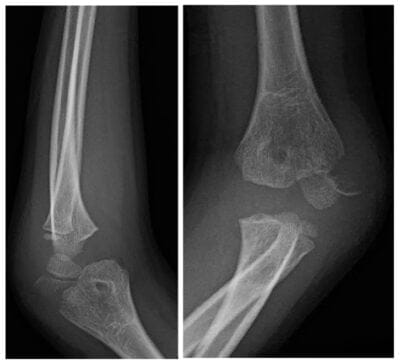
Figure 1. Case courtesy of Dr Andrew Dixon, Radiopaedia.org, rID: 9601

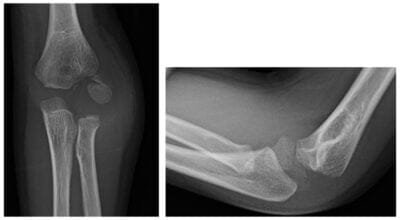
Figure 1. Case courtesy of Dr Andrew Dixon, Radiopaedia.org, rID: 9601

Read this tutorial on the use of point of care ultrasonography (POCUS) for pediatric intussusception. Then test your skills on the ALiEMU course page to receive your PEM POCUS badge worth 2 hours of ALiEMU course credit.
Johnny is a 2-year-old boy who comes into the emergency department for abdominal pain for the last day. His parents are concerned that he has been having intermittent abdominal pain and has seemed very tired all day. Parents deny bloody stool.
On arrival, his vital signs are:
| Vital Sign | Finding |
|---|---|
| Temperature | 36.9C |
| Heart rate | 110 bpm |
| Blood pressure | 97/50 |
| Respiratory rate | 22 |
| Oxygen saturation (room air) | 99% |
He is tired appearing, and his abdominal exam is soft but diffusely tender. Given his intermittent abdominal pain, you decide to perform an intussusception point of care ultrasound (POCUS) exam.
Intussusception is when one part of the bowel telescopes, or gets stuck, in another part of the bowel. Typically intussusception refers to ileocolic intussusception where the ileum becomes stuck in the colon. To perform the ultrasound, start in the right lower quadrant and trace the colon. See below for a step-by-step technique.


Abnormal findings

Pro Tip
It can be difficult to distinguish intussusception of the small bowel-small bowel (i.e., when the ileum or part of the small bowel telescopes into itself) versus ileocolic (i.e., when the ileum becomes telescopes into the colon). The former often does not require a procedure for reduction, while the latter typically does. If the target sign diameter is <2 cm and transient, a small bowel-small bowel intussusception should be suspected. The length of the intussusception, or how many quadrants are involved, can also be measured for an idea of how much bowel is involved.
There are additional pathologies that can be mistaken for intussusception such as an intussuscepted appendix, appendicitis surrounded by abscess, and Meckel’s diverticulum, which are beyond the scope of this course. Any concerning finding for intussusception should be followed by a confirmatory study by the radiology department.
Although few studies have looked at point of care ultrasonography (POCUS) for intussusception, the existing studies have shown excellent test characteristics and a decreased length of stay with using POCUS.
Two studies assessed the test characteristics of the intussusception POCUS.
| Publication | Study Methodology | Sensitivity | Specificity |
|---|---|---|---|
| Riera et al. (2012)1 | This journal publication was a prospective study of 82 patients who underwent POCUS by pediatric emergency medicine (PEM) providers. The gold standard was a comprehensive radiology ultrasound. | 85% | 97% |
| Trigylidas et al. (2017) 2 | This abstract reported a retrospective study of 105 intussusception POCUS scans by PEM providers. The gold standard was either a direct radiology over-read of the POCUS scans or a radiology department ultrasound. | 96.2% | 92.6% |
| Lin-Martore et al. (2020)6 | This systematic review and meta analysis included 1,303 patients and 6 studies. | 94.9% | 99.1% |
| Bergmann et al. (2021)7 | This prospective study of 256 children across 17 sites (35 sonologists) compared POCUS and radiology performed ultrasound using a gold standard of clinically important intussusception which was defined as an intussusception that required radiographic or surgical reduction during or within 7 days of the incident ED visit. | 96.6% | 98% |
In terms of ED length of stay (LOS), Kim et al. (2017) reported that after the introduction of an intussusception POCUS scanning protocol, the LOS decreased by >200 minutes.3
In general, true ileocolic intussusceptions are:
There have been studies looking at distinguishing small bowel-small bowel from ileocolic intussusception. These, however, have been radiology-based and not POCUS studies, making generalizability to the ED setting challenging. Thus, if there is a concern for an intussusception, a radiology ultrasound should be ordered.
One small study with 27 patients by Wiersma et al. (2006) found that small bowel-small bowel intussusceptions had a smaller mean diameter and length compared to ileocolic intussusceptions.4
| Type of intussusception | # of patients and scans | Mean diameter (range) | Mean length (range) | Location |
|---|---|---|---|---|
| Small bowel-small bowel | 10 patients, 11 scans | 1.5 cm (1.1-2.5 cm) | 2.5 cm (1.5-6 cm) | Distributed throughout the abdomen (6 paraumbilical, 2 RUQ, 2 RLQ, 1 LLQ) |
| Ileocolic | 14 patients, 16 scans | 3.7 cm (3-5.5 cm) | 8.2 cm (5-12.5 cm) | All on right side of abdomen |
Lioubashevsky et al 20135 had a larger sample size (174 patients) with similar findings. The authors also measured the ratio of the inner fat core to the intussusception outer wall and identified the presence or absence of lymph nodes within the lesion.
| Type of Intussusception | # of patients | Mean diameter (range) | Mean length (range) | Ratio of fat core to the intussusception outer wall | % of patients with lymph nodes in the lesion |
|---|---|---|---|---|---|
| Small bowel-small bowel | 57 patients | 1.4 cm (1.1-2.5 cm) | 2.5 cm (1.5-6 cm) | <1 | 14% |
| Ileocolic | 143 patients | 2.6 cm (1.3-4 cm) | 8.2 cm (5-12.5 cm) | >1 | 89.5% |
You place a linear, high-frequency probe on the right side of the patient’s abdomen. You perform a bedside ultrasound scan, viewing transversely and longitudinally through the upper and lower abdomen. You observe the following:
This is an intussusception!

The intussusceptum (red) is the part of the bowel that has telescoped into the intussuscipiens (blue). When ileum becomes trapped in the colon, this can lead to ischemia and necrosis over time. This is what causes the classic “currant jelly stools”, which are bloody stools.
Tip: The classic triad of colicky abdominal pain, palpable mass and bloody stool are present in less than 50% of patients, and intussusception should be suspected for patients with vomiting, abdominal pain, and/or lethargy.1
Johnny underwent an air enema reduction in the Radiology department, which successfully reduced the ileocolic intussusception.
The PEM POCUS series was created by the UCSF Division of Pediatric Emergency Medicine to help advance pediatric care by the thoughtful use of bedside ultrasonography.
Learn more about bedside ultrasonography on the ALiEM Ultrasound for the Win series
Bupropion ingestions are one of the scarier poisonings due to a relatively narrow therapeutic index and the numerous adverse effects that may occur. Medical toxicologist Dr. Dan Rusyniak details his hatred of this drug in overdose in a Tox & Hound blog post aptly-titled Illbutrin. When bupropion was first approved in the 1980s, the max dose was 600 mg/day [1]. However, reports of seizures, particularly in patients with bulimia, caused its temporary removal from the market [2]. It was reintroduced a few years later with a max dose of 450 mg/day [3]. Common signs and symptoms noted in overdose include seizures, agitation, sinus tachycardia, and QRS/QTc prolongation. Seizures occur in up to 40% of overdose cases, are often refractory to initial therapy, and can happen as long as 24 hours after an overdose with extended release formulations [4, 5].
A study of 256 patients from the Toxicology Investigators Consortium (ToxIC) Registry identified three factors associated with seizure development after bupropion overdose [6, 7].
Agitation and tremors are more common in patients who develop seizures with bupropion compared to those who do not [4]. Additionally, presence of tachycardia (heart rate >100 bpm) has a sensitivity of 91% and a negative predictive value of 93% for development of seizures [4].
Read other articles in the EM Pharm Pearls Series and find previous pearls on the PharmERToxguy site.

Welcome to the AIR HEENT Module! After carefully reviewing all relevant posts from the top 50 sites of the Social Media Index, the ALiEM AIR Team is proud to present the highest quality online content related to head, eyes, ears, nose, and throat emergencies in the Emergency Department. 6 blog posts within the past 12 months (as of March 2021) met our standard of online excellence and were curated and approved for residency training by the AIR Series Board. We identified 2 AIR and 4 Honorable Mentions. We recommend programs give 3 hours (about 30 minutes per article) of III credit for this module.
In an effort to truly emphasize the highest quality posts, we have 2 subsets of recommended resources. The AIR stamp of approval is awarded only to posts scoring above a strict scoring cut-off of ≥30 points (out of 35 total), based on our scoring instrument. The other subset is for “Honorable Mention” posts. These posts have been flagged by and agreed upon by AIR Board members as worthwhile, accurate, unbiased, and appropriately referenced despite an average score.
Interested in taking the HEENT quiz for fun or asynchronous (Individualized Interactive Instruction) credit? Please go to the above link. You will need to create a free, 1-time login account.
| Site | Article | Author | Date | Label |
| EMCrit | Epiglottitis | Josh Farkas, MD | July 2, 2020 | AIR |
| Taming the SRU | Jaw Dislocation | Kristin Meigh, MD | January 13, 2021 | AIR |
| EMDocs | Peritonsillar Abscess | Ryan Sumpter, MD and Rachel Bridwell, MD | Mar 7, 2020 | HM |
| PedEMMorsels | Open Globe Injuries in Children | Sean Fox, MD | August 14, 2020 | HM |
| PedEMMorsels | Nasolacrimal Duct Obstruction | Sean Fox, MD | June 12, 2020 | HM |
| St. Emlyn’s | Ludwig’s Angina | Pete Hulme, MBChB | January 9, 2021 | HM |
(AIR = Approved Instructional Resource; HM = Honorable Mention)
If you have any questions or comments on the AIR series, or this AIR module, please contact us! More in-depth information regarding the Social Media Index.
Thank you to the Society of Academic Emergency Medicine (SAEM) and the Council of EM Residency Directors (CORD) for jointly sponsoring the AIR Series! We are thrilled to partner with both on shaping the future of medical education.

Figure 1. Case courtesy of Dr Hani Makky ALSALAM, Radiopaedia.org, rID: 8720
Check out ALiEM’s SplintER Series to brush up on other can’t miss diagnoses of ankle pain.

A previous ALiEM post from 2013 by an EM pharmacist colleague argued the case against one-time vancomycin doses in the ED prior to discharge. The take-home points from this post were:
- No evidence that a one-time vancomycin has any benefit
- This practice is not recommended by the Infectious Diseases Society of America (IDSA)
- May extend the patient’s ED stay by at least an hour for the IV infusion, depending on the dose
- Increases the cost of the ED visit (e.g., IV line, medication, RN time)
- Pharmacokinetically 1 dose of vancomycin doesn’t make sense
- Vancomycin 1 gm IV x1 provides sub-therapeutic levels for patients with normal renal function
- Efficacy is based on overall exposure (e.g., AUC/MIC) achieved with repeated dosing over several days
- Subtherapeutic vancomycin concentrations lead to development of resistance
Despite the above points, a one-time dose of vancomycin prior to the patient being discharged on an oral regimen is a common practice [1].
As stated above, a single dose of vancomycin is unlikely to provide a therapeutic benefit and may only serve to reassure clinicians. The 2020 consensus guidelines regarding vancomycin monitoring for serious MRSA infections reinforce the recommendation of achieving an AUC0-24/MIC ratio of ≥400, as a ratio <400 increases resistance and has inferior efficacy [2]. Since the AUC is dependent on overall time of exposure plus concentration, a single dose for an average patient with normal renal function is not adequate (Figure 1). The graph below also demonstrates how long it generally takes for vancomycin to reach steady state when patients receive a dose every 8 hours.
*The estimated AUC above assumes a 30 yo male that weights 70kg and is 6′ tall with a serum creatinine of 1.0 mg/dL.
A randomized trial conducted at Christiane Care Health System compared patients who received a vancomycin loading dose of 30 mg/kg or 15 mg/kg [3]. Just twelve hours after this initial dose, 34.6% of patients who received 30 mg/kg had vancomycin levels in the therapeutic range (trough >15 mg/L) vs. 3% of patients who received 15 mg/kg (p < 0.01).
Even large vancomycin loading doses rarely achieve therapeutic levels after one dose. Therefore, if the plan is to discharge, skip the one-time dose altogether and choose an antimicrobial regimen that will be continued in the outpatient setting (e.g., doxycycline or sulfamethoxazole/trimethoprim if concerned for MRSA or cephalexin for most other patients).
Read other articles in the EM Pharm Pearls Series and find previous pearls on the PharmERToxguy site.