Trick of the Trade: Minimizing propofol injection pain
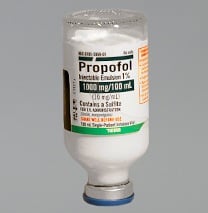
Propofol“Ow, that burnnnnssss… ow! ow! ow! … zzzzzz…

As many as 60% of patients report significant pain with the injection of IV propofol. Once a patient experiences pain, it’s too late to reverse it. Often all you can do is to tell them that the pain will subside in a few seconds. What can you do preemptively to minimize the pain of propofol injection?

(more…)

By |2019-01-28T22:23:58-08:00Jan 24, 2012|Tox & Medications, Tricks of the Trade|

Trick of the Trade: Dental Avulsion and Subluxation

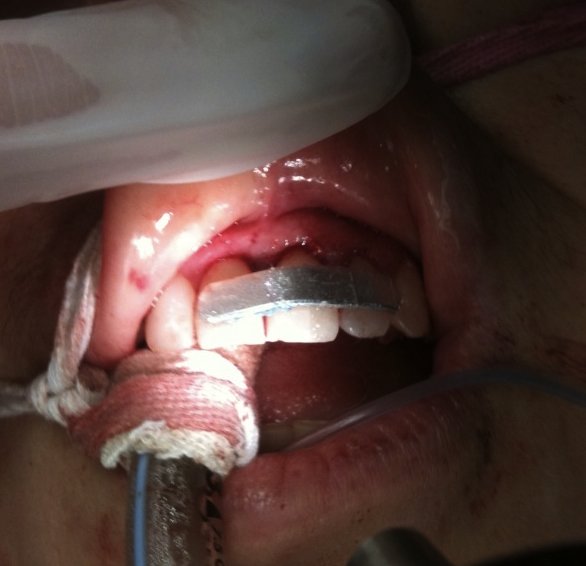
ToothAvulsionIt’s a Friday evening shift in the “minor area” of your ED and a young woman who had imbibed a little too much alcohol comes in with an avulsion of her first left upper incisor after falling and striking her face against the ground.  She’s crying because of the event but is otherwise unscathed.  At this point it’s time to take care of the avulsion.  What to do?


Close up repair 4


Trick of the Trade

Dermabond (2-octyl cyanoacrylate) and N95 Nasal Bridge Technique

Although originally described for dental avulsions, I have also used this technique to stabilize subluxations. This is temporizing fix until the patient can get to the dentist for a definitive repair. Below is a description of the technique.

  1. Lightly rinse tooth with saline solution.
  2. Rinse socket with 20-40 mL of saline solution and then pat dry with a surgical sponge.
  3. Gently reimplant tooth into a satisfactory anatomic position.
  4. Pat tooth dry and apply 2-octyl cyanoacrylate (2-OCA) to the mesial and distal edges of the tooth, thereby adhering it to the adjacent teeth. In this case of a left central incisor avulsion, “mesial” means right edge and “distal” means left edge in dental speak.
  5. Use the pliable metal nasal bridge from an N95 respirator mask as a splint. Cut it to the appropriate size. Be sure to round the edges to avoid injury.
  6. Secure the replanted tooth by applying 2-OCA to the inner aspect of the splint and buccal surface of the target and one/both adjacent teeth.
  7. Hold the splint under pressure for about 1 minute.
  8. Confirm stability.

In addition, remember to start the patient on prophylactic antibiotics. Penicillin is a reasonable choice. Keep a liquid diet and see a dentist, as soon as possible.

Warnings

  • Children: Avulsed primary teeth should not be replanted. Also ensure they will not be at aspiration risk.
  • Warn the patient that if they feel that the dental splint is loosening, simply remove it.

Special thanks to our amazing residents Dr. Mike Hickey for his assistance with the case report and Dr. Warren Cheung for providing one of the images.

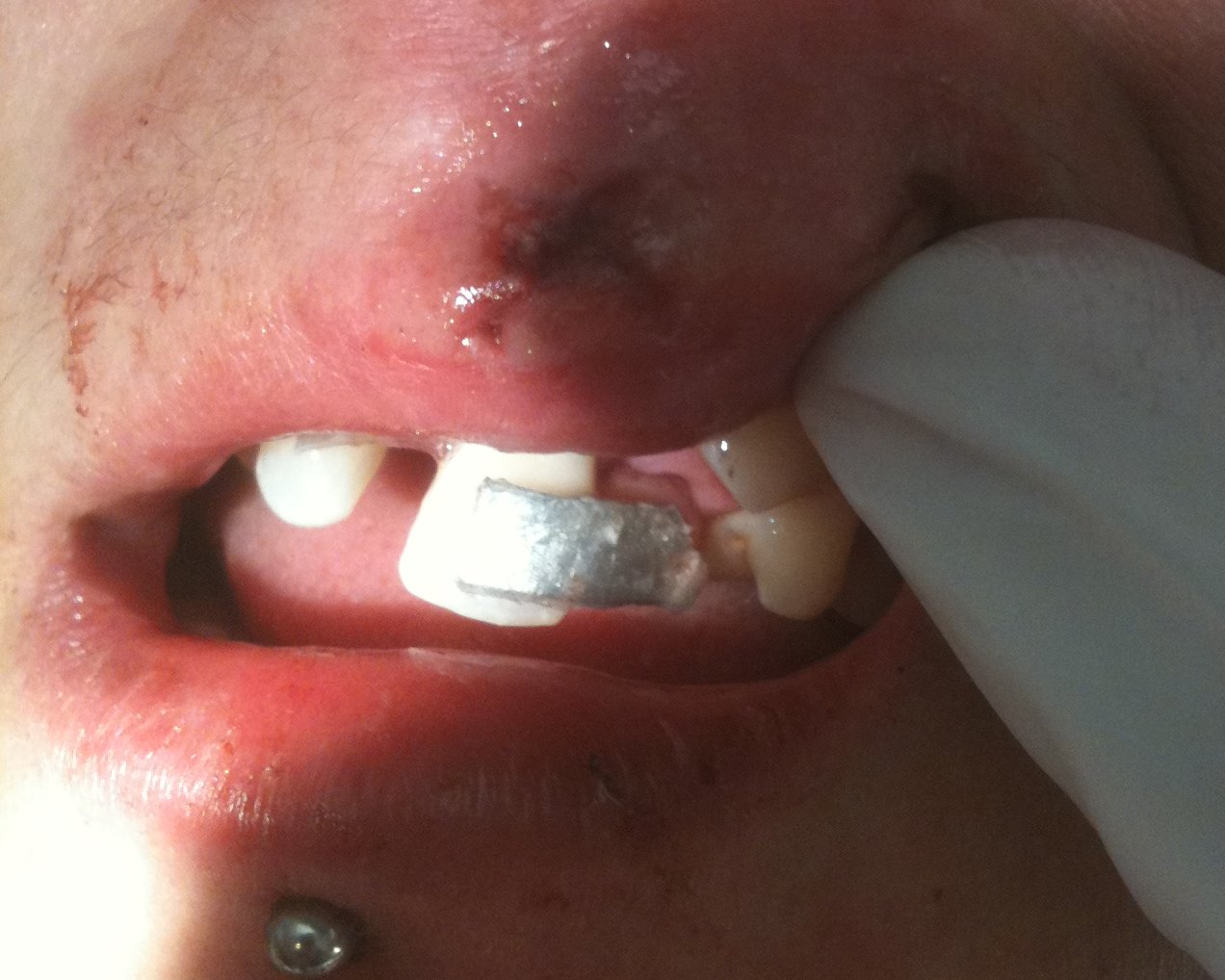
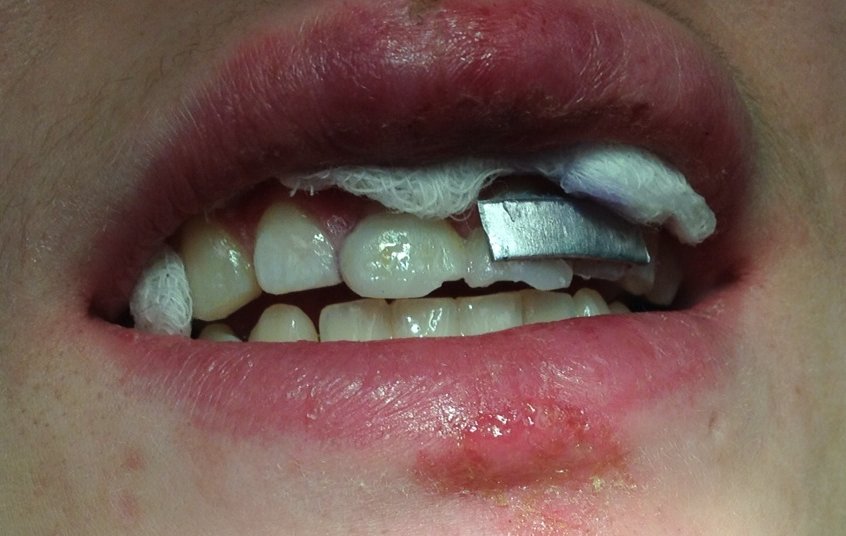
Below are other images where we have successfully used this technique in our ED.
Close up repair 3
Close up repair 2
Reference
  • Rosenberg H, Rosenberg H, Hickey M. Emergency management of a traumatic tooth avulsion. Ann Emerg Med. 2011 Apr;57(4):375–7.


By |2021-09-04T09:55:04-07:00Jan 17, 2012|Dental, Tricks of the Trade|

Trick of the Trade: A removable guidewire


GuidewireCentralLine
An essential skill of any innovative troubleshooter in the Emergency Department is the ability to recognize when one piece of equipment may be used elsewhere. For instance, what’s your go-to approach when looking for a spare guidewire? Let’s say you are trying to salvage an ultrasound-guided basilic vein IV catheterization.

Here’s where I go for guidewires:

  • Central line kits
  • Pneumothorax pigtail kits
  • Seldinger-based cricothyrotomy kits

(more…)

By |2016-11-11T18:51:26-08:00Jan 10, 2012|Tricks of the Trade|

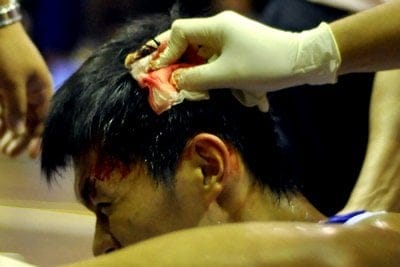
Trick of the Trade: Bandaging the scalp laceration

ScalpLac2

Scalp lacerations are one of the most common injuries which present to the Emergency Department. Applying a dry bandage over the staples or sutures can be a challenge because the tape just has nothing to adhere to.

We reviewed the use of tubular cotton gauze to create a beanie hat, but what should you do if you can’t find any tubular gauze? Ever since I wrote about the beanie hat trick, people in the ED have been using the tubular gauze more and we’re always out of stock whenever I look for it!

(more…)

By |2019-02-19T18:08:01-08:00Dec 5, 2011|Tricks of the Trade|
Go to Top