



60 Second Soapbox: Bafuma (IV Antibiotics), Favot (Nod and Smile), & Augustine (Medical Travel)
Get ready for another round of 60-Second Soapbox! Each episode, one lucky individual gets exactly 1 minute to present their rant-of-choice to the world. Any topic is on the table – clinical, academic, economic, or whatever else may interest an EM-centric audience. We carefully remix your audio to add an extra splash of drama and excitement. Even more exciting, participants get to challenge 3 of their peers to stand on a soapbox of their own! [+]

How I Podcast Smarter: The Gear
We are back this week with a new “Working Smarter” mini-series on Podcasting. An increasing number of individuals and residency programs are starting podcasts, but it’s not always obvious how to get started. What hardware is needed? What’s the workflow? What are the pitfalls? To help answer these questions we picked the brains of 9 star Emergency Medicine podcasters (@FOAMpodcast, @srrezaie, @TheSGEM, @stemlyns, @embasic, @Core_EM, @EM_Educator, @EMtogether, @EMCases) and asked them to share their secrets. From dead simple set-ups to semi-professional studios, you’ll learn from veterans how to get your voice out to the public, and do it well. In this [+]

ALiEM Chief Resident Incubator Must Read EM Journal Articles – 2016 Edition
In November 2013, the blog post 52 Articles in 52 weeks: Landmark EM Articles for EM interns was published on the ALiEM site. Over the subsequent years, many ground-breaking and practice-changing articles have been published. As part of a multi-institutional initiative launched by the ALiEM Chief Resident Incubator (“The Crincubator”), 9 chief residents from across the country pooled together lists of journal articles thought to be most important for the broad spectrum of EM learners. Additional input was obtained from FOAM leaders across the country including Dr. Ryan Radecki and Dr. Jeffrey Kline. These lists can be used by individuals for further learning or by residency programs [+]
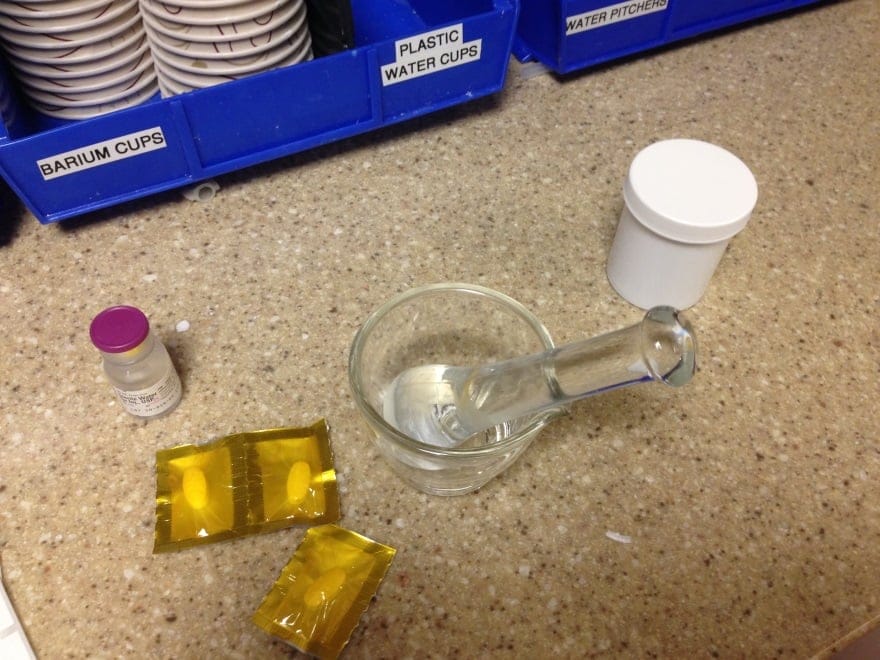
Trick of the Trade: Topical Tranexamic Acid Paste for Hemostasis
Tranexamic acid (TXA) can be used in a wide variety of settings in the Emergency Department for its hemostatic effects. Topical applications of TXA are commonly utilized to control minor bleeding from epistaxis, lacerations, or dental extractions.1–3 More in-depth reviews of topical TXA can be found on R.E.B.E.L EM4 and The Skeptics Guide to Emergency Medicine.5 [+]
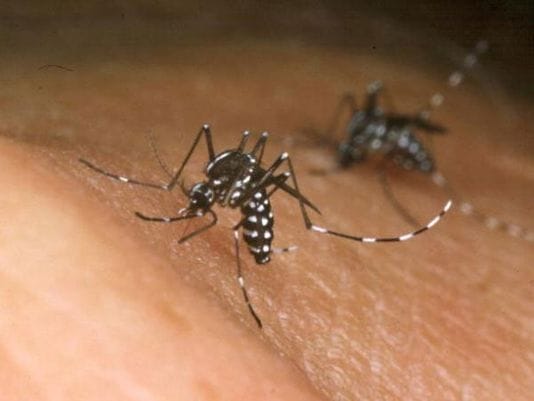
Zika Virus: What emergency department providers need to know
The Zika virus outbreak has recently been put on “Level 1” activation status by the Emergency Operations Center at the U.S. Centers for Disease Control and Prevention (CDC). If you haven’t already thought about this affecting your emergency department, you should starting now. A Level 1 status has been triggered only 3 times in the recent years: Ebola (2014), H1N1 (2009), Hurricane Katrina (2005). The following are some key facts and resources. [+]

ALiEM Bookclub: Bouncebacks! Emergency Department Cases: ED Returns
There are many pitfalls the practicing Emergency Medicine practitioner can encounter, but hopefully avoid during their time in the ED. Bounceback patients, the ones who come back the next day, usually worse off than the day before, are definitely dreaded events that most would like to avoid. Of course, the ideal goal would be to never have that happen to you or your patients, but that is just not realistic. That’s why Bouncebacks! can be integral to anyone’s reading list. [+]
Social Media Index: Entering the Debate
On February 1, 2016, the St Emlyn’s blog published a post by notable FOAMite Dr. Simon Carley (@EMManchester) that critiqued the Social Media Index (SMi) [/fusion_builder_column] [1]. The SMi is an impact metric for emergency medicine (EM) blogs and podcasts that has been hosted on ALiEM for the past few years [2]. This post provides background on its creation and evolution and responds to some of these criticisms. It will be followed by a more philosophical post by Teresa Chan (@TChanMD) on CanadiEM tomorrow. [+]

ALiEMU CAPSULES Module 5: Procedural Sedation & Analgesia in the ED
We are proud to present CAPSULES module 5: Procedural Sedation & Analgesia in the ED, now published on the Academic Life in EM University (ALiEMU) website. Here is a summary of the key points from this outstanding module by Dr. Zlatan Coralic and Dr. Nadia Awad. [+]


Traumatic Brain Injuries in Older Adults
Older adults are at high risk of poor outcomes from even minor head injuries. We see many older patients in the ED who present after a fall or head injury, and we have good decision rules for which patients need brain imaging.1 However, even patients with mild traumatic brain injuries, who have a negative CT scan, are at risk for mortality and significant long-term sequelae. The CDC has called traumatic brain injuries a ‘silent epidemic’.2,3 The first steps to breaking that silence are awareness and recognition. Case A 75 year old male who is not on any anticoagulants presents to [+]

I am Dr. Greg Wanner, Emergency Medicine Resident: How I Stay Healthy in EM
Dr. Wanner (@GregWanner) is an emergency medicine resident from Thomas Jefferson University in Philadelphia. Having been a physician assistant educator in EM for several years prior to his residency, he brings a wealth of experience on how to stay well. Despite this busy schedule, he still finds time to keep fit and spend time with this two daughters. Dr. Wanner is a big supporter of “laughter is the best medicine”. Here’s how he stays healthy in emergency medicine! [+]