


ALiEM Bookclub: Beyond the ED – Recommendations by Dr. Lainie Yarris
“Not all readers are leaders. But all leaders are readers.” – Harry S. Truman Dr. Lainie Yarris is the Program Director at Oregon Health and Sciences University Emergency Medicine Residency as well as the Co-Director of the Emergency Medicine Education Scholarship Fellowship and Co-Director for Faculty Development for OHSU School of Medicine. Beyond these multiple roles she has most readily known for her leadership in Emergency Medicine Education research, authoring over 40 publications and acting as a mentor for the MERC program, in addition to serving as an editor on multiple journals. She is an inspiration and role model for those of [+]

I am Dr. Martin Huecker, Associate PD and Research Director: How I Stay Healthy in EM
Dr. Martin Huecker is an associate program director, research director, and emergency physician from Louisville, Kentucky. When it comes to setting an example of how to maintain wellness and balance in our everyday lives, Dr. Huecker is definitely crushing it! From fulfilling his academic responsibilities, to staying active with his 4 children, Dr. Huecker doesn’t have any time to waste. His ability to prioritize, stay focused, and mentally reset in stressful situations is remarkable. If you want to learn more about ketoadaptation and sprit training, you’ll have to check this out. Here’s how he stays healthy in EM! [+]

ALiEM Bookclub | Beyond the ED – Recommendations by Dr. Maria Moreira
If you only read the books that everyone else is reading, you can only think what everyone else is thinking. – Haruki Murakami Dr. Maria Moreira is the Program Director of the Denver Health Emergency Medicine Residency. In addition to her role in her own program, she has been a fixture in the national medical education landscape. She is the chair of the County Program committee and is a member of the CORD executive board. She brings a humility and gentleness to everything that she does that belies her depth of thought and leadership skills. She is a leader, a role [+]

Managing migraine headaches in complicated patients
Case Vignette A 42-year-old female presents at 10 pm with a throbbing right frontal headache associated with nausea, vomiting, photophobia, and phonophobia. The headache is severe, rated as “10” on a 0 to 10 triage pain scale. The headache began gradually while the patient was at work at 2 pm. Since 2 pm, she has taken 2 tablets of naproxen 500 mg and 2 tablets of sumatriptan 100 mg without relief. The patient has a diagnosis of migraine without aura. She reports 12 attacks per month. The headache is similar to her previous migraine headaches. She is forced to present to [+]
Congratulations to the winners of 2016 ALiEM Awards!
Congratulations to the winners of the first ever 2016 ALiEM Awards! We had great submissions and the decision making process was tough, but ultimately we felt that these winners represent the true spirit of medical education and digital innovation! Most of all, congratulations to all the submissions, we are proud of all you do for the medical education community! [+]

Trick of the Trade: Pre-Charge the Defibrillator
In cardiac arrest care it is well accepted that time to defibrillation is closely correlated with survival and outcome.1 There has also been a lot of focus over the years on limiting interruptions in chest compressions during CPR. In fact, this concept has become a major focus of the current AHA Guidelines. Why? Because we know interruptions are bad.2,3 One particular aspect of CPR that has gotten a lot of attention in this regard is the peri-shock period. It has been well established that longer pre- and peri-shock pauses are independently associated with decreased chance of survival.4,5 Can we do better to [+]
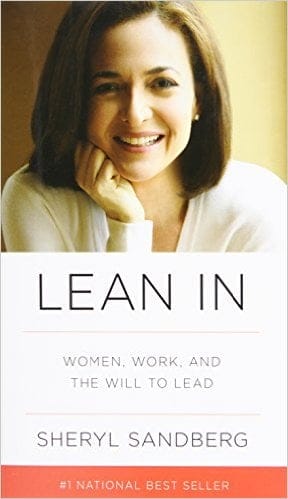
ALiEM BookClub | Lean In: Women, Work, and The Will to Lead
“We still have a problem” Sheryl Sandberg alarms us in her influential 2010 TED Talk, Why we have too few women leaders. “Women are not making it to the top of any profession anywhere in the world.” While women are getting more college degrees and graduate degrees, and more women are entering the workforce than ever before, when it comes to leadership positions, women do not come close to matching their male counterparts. “The blunt truth is that men still run the world.” [+]
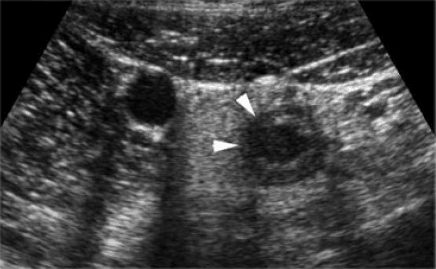
PEM Pearls: The nonvisualized appendix quandary on ultrasound
A 10-year old girl presents with progressively worsening right lower quadrant pain for the last 2 days. She reports having chills and feeling warm. Her review of systems is negative for nausea, vomiting, diarrhea, or urinary symptoms. Her abdominal exam is unremarkable except for some diffuse, mild tenderness with deep palpation in bilateral lower quadrants. Labs: WBC 9 x 10^9/L. Because of radiation exposure concerns, you order an abdominal ultrasound as the initial imaging modality to evaluate for appendicitis. The radiologist's reading was: "Unable to visualize the appendix." Now, what do you do? Appendicitis background Appendicitis is one of the [+]
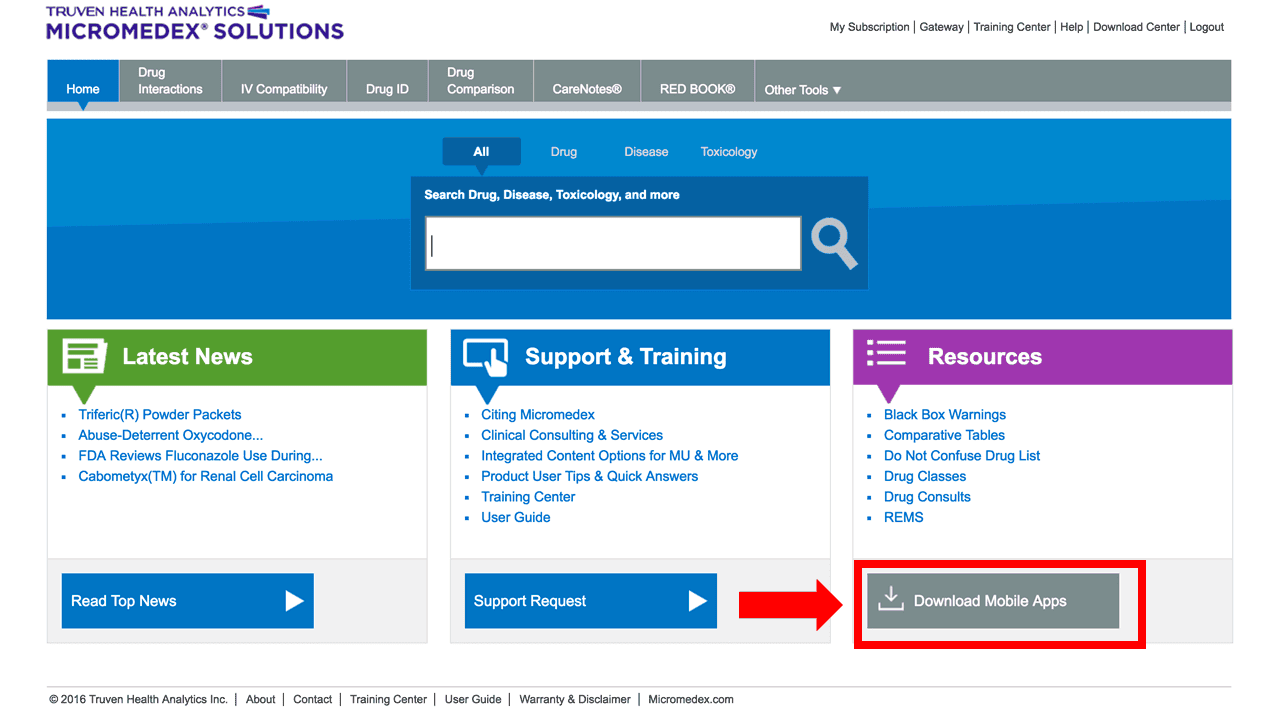
Trick-of-the-Trade: IV Compatibility Information at Your Fingertips
We often have less than optimal IV access to administer fluids, blood products, and medications in sick ED patients. If more than one medication needs to be infused in the same line, how do we know if they are compatible? The gold standard for checking IV compatibility is Trissel’s Stability of Compounded Formulations. 1 But a textbook doesn’t help us in critical situations. Is there a better way? [+]

I am Dr. Bory Kea, Assistant Professor and EM Physician: How I Stay Healthy in EM
Dr. Bory Kea is an emergency physician and assistant professor, currently practicing in Portland, Oregon. Dr. Kea’s love for her family and friends, passion for food, and commitment to enhancing medicine are just a few ways that help her maintain a balance. Whether it’s hitting the trail for a run or running after her little ones, she is constantly trying to stay active. Her ability to appreciate even the small things, is nothing but infectious! Here’s how she stays healthy in EM! [+]