


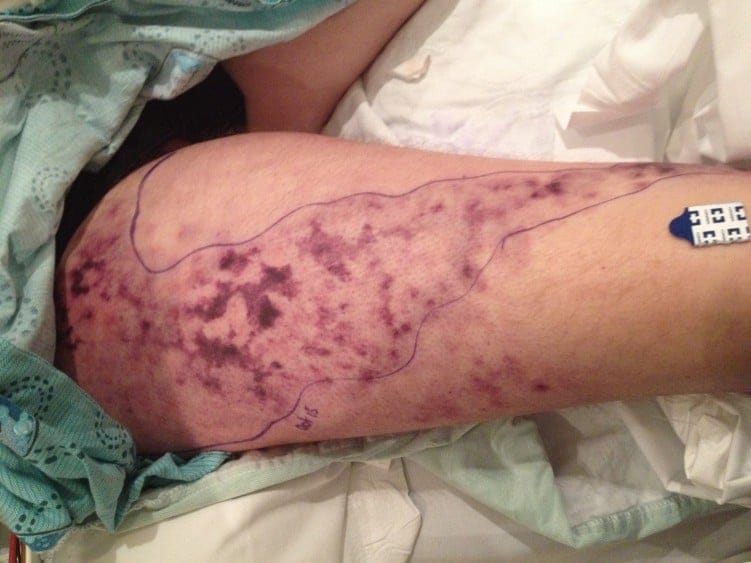
Diagnose on Sight: Swollen Leg
Case: A 58 year-old female presents with a one-day history of worsening right lower extremity pain and swelling, and an acute onset of dyspnea. Her past medical history consists of stage IV renal cell carcinoma diagnosed six months previously. Triage vitals are remarkable for a heart rate of 120 beats per minute and a blood pressure of 68/48 mmHg. What is the diagnosis? [+]

ALiEM Book Club: The Digital Doctor – Hope, Hype, and Harm at the Dawn of Medicine’s Computer Age
“Medicine is the most information-rich, knowledge-intensive human activity, probably ever.” — Matthew Burton in The Digital Doctor Medicine is becoming an even more information-intensive field as we continue to make new medical discoveries. This, among many other reasons, has prompted increasing efforts over the past couple of decades to develop computerized systems in healthcare. Through this lens, Dr. Robert Wachter examines modern medicine – both the achievements and downfalls that have manifested. [+]
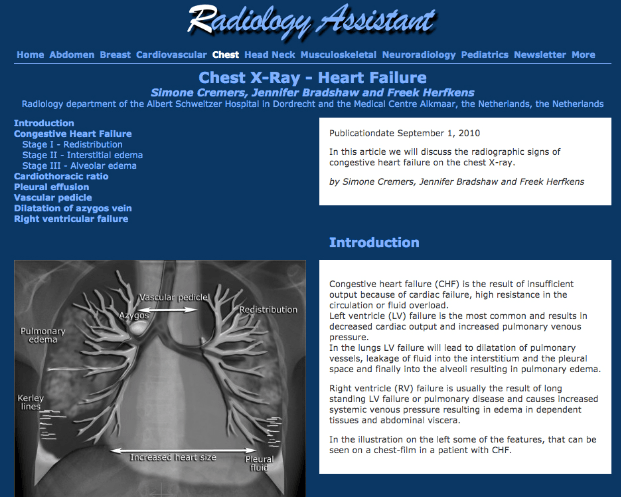
Top 5 FOAM Radiology Resources: ALiEM Chief Resident Incubator Recommendations
There is no shortage of free open access medical education (FOAM) resources available to the current emergency medicine (EM) learner. It seems that no matter what the concept, FOAM has it covered. And radiology is no different. However, with a specialty as vast as radiology, finding educational material pertinent to the emergency practitioner can be overwhelming. The 2016-2017 ALiEM Chief Resident (CRincubator) class also encountered this when attempting to create an organized FOAM radiology curriculum for EM residents. To tackle this challenge, the chief residents have brought together the best online resources to help EM practitioners gain expertise in the field [+]

5 Tips for Battling Academic Writer’s Block: Insights from the ALiEM Faculty Incubator
Academic writing is a core competency for any faculty member. As much as we hate to all admit it, professional advancement (and dissemination of your hard work) still heavily relies on academic publications – in a variety of formats original research, review papers, case reports, simulation cases, blog, and website writing. It is important to prioritize writing just as consistently as you do staying up-to-date with all the latest practice-changing evidence as a habit early in your health professions education career. [+]
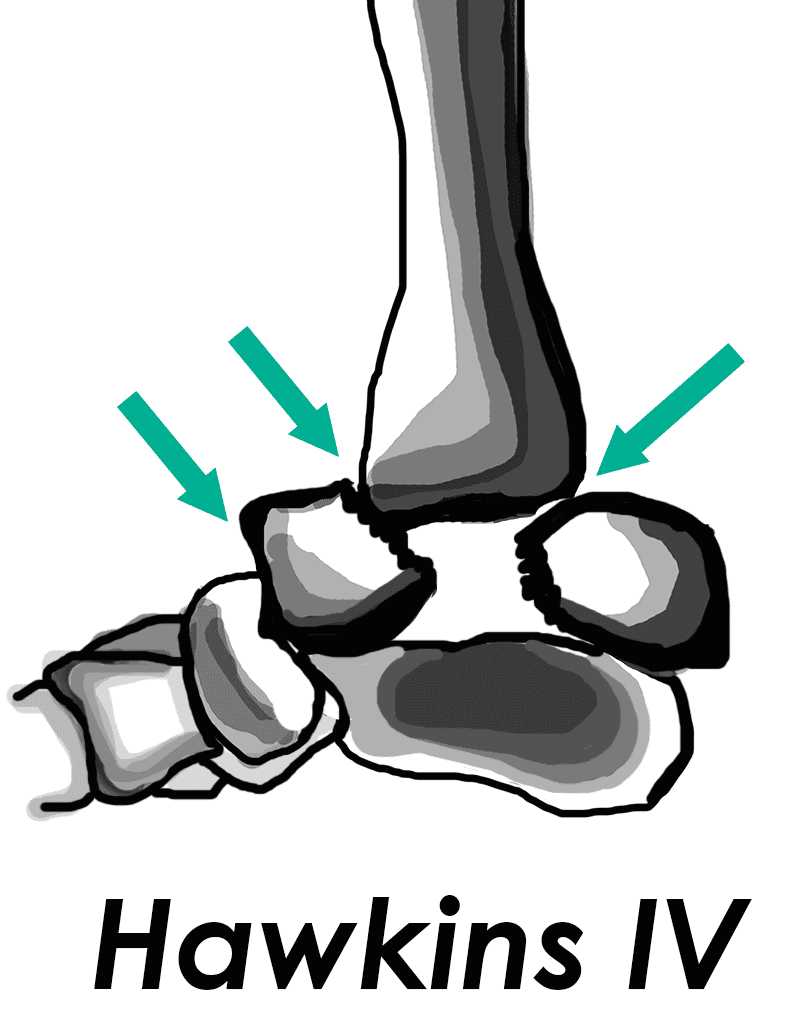
PV Card: Ankle and Hindfoot Fractures | Quick Reference Guide
Orthopedic fractures and injuries are commonly managed in the emergency department. Often a quick bedside reference card is needed to remind the clinician about the acute management and follow-up instructions. Thanks to the efforts of a 2015-16 ALiEM Chief Resident Incubator team, we are pleased to announce the first of these reference cards. Ankle and hindfoot fractures covered include ankle malleolar fractures, talus, and calcaneus fractures. These cards were expert reviewed by Dr. Scott Sherman, co-editor of the Emergency Orthopedics textbook and illustrations were created by Dr. Mary Haas. [+]
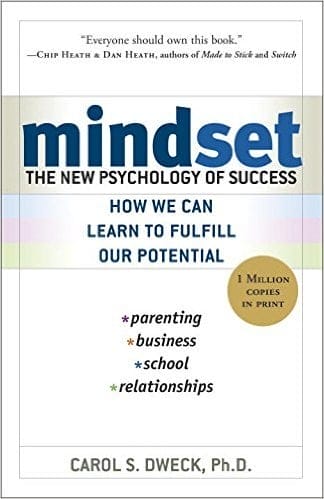
ALiEM Book Club: Beyond the ED – Recommendations from Dr. Jamie Santistevan
It is what you read when you don’t have to that determines what you will be when you can’t help it. – Oscar Wilde Dr. Jamie Santistevan is a senior resident at the University of Wisconsin EM Residency Program. Throughout residency she has been active in the FOAMed community as contributor to multiple educational blogs including emdocs.net. She has also been a leader in the American Association for Women Emergency Physicians (AAWEP) section of ACEP whose mission is to promote women leadership in EM. In July she will continue her training as the Quality and Administration fellow also at the University of [+]
IDEA Series: Team-Based Learning Activity – Fever in the Returning Traveler
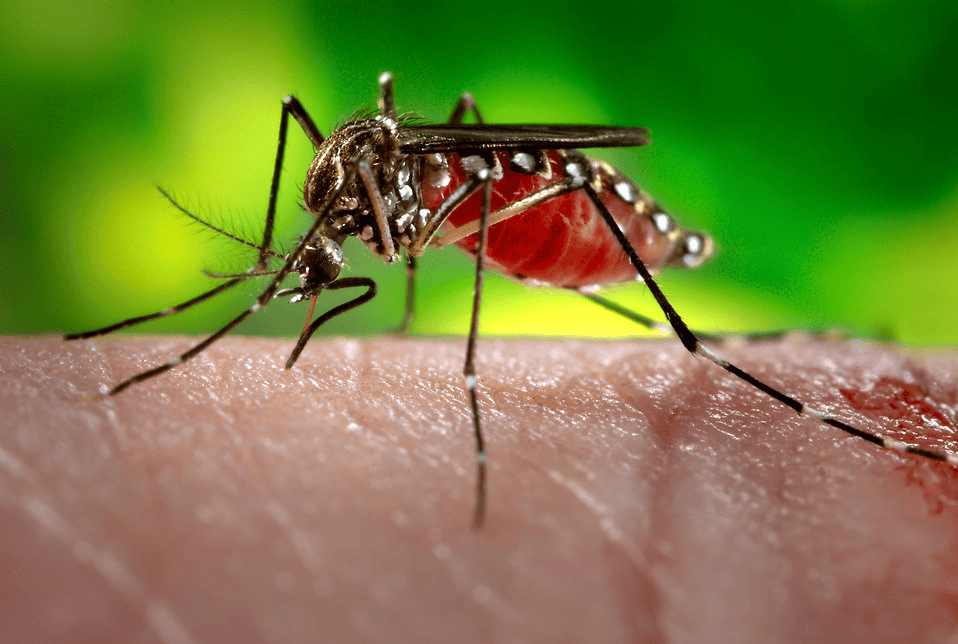
The Problem Most academic conferences are run as one-room school houses, with an audience that includes a wide variety of learners ranging from interns to highly experienced attending physicians. Engaging a group of 30 to 40 learners simultaneously can be difficult, especially when covering a particularly dense topic. Although this teaching environment presents unique challenges, it also provides an opportunity to pilot innovative techniques. [+]
MEdIC Series: The Case of the Terrible Code
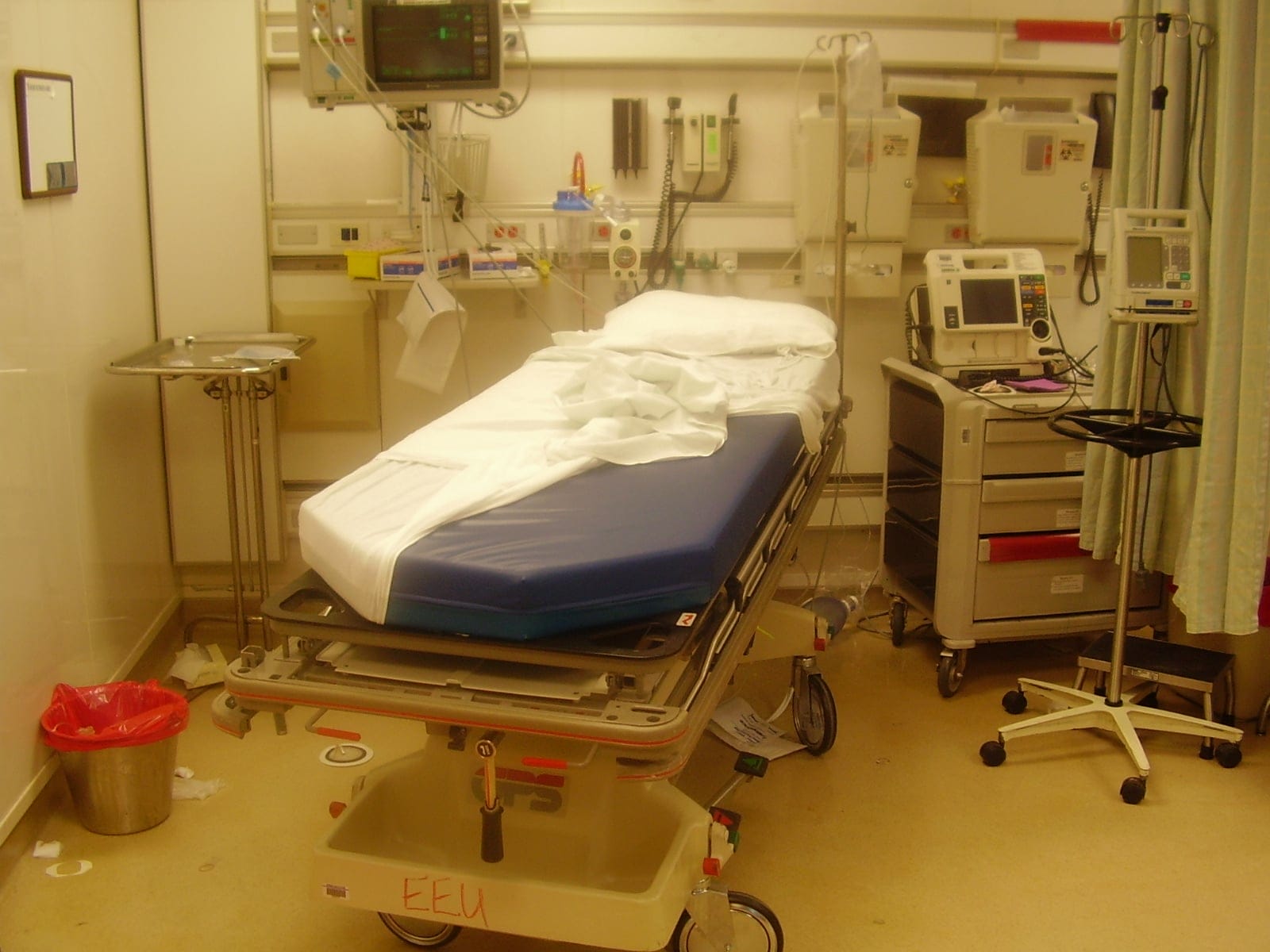
Welcome to season 3, episode 8 of the ALiEM Medical Education in Cases (MEdIC) series! Our team (Brent Thoma, Sarah Luckett-Gatopoulos, Tamara McColl, Eve Purdy, John Eicken, and Teresa Chan) is pleased to welcome you to our online community of practice where we discuss difficult medical education cases each month. As usual, the community discussion will be reviewed using qualitative research methods to produce a curated summary that will be combined with two expert responses to create a functional teaching resource. In this month’s case a resident observes a code that is not going well. She should help, shouldn’t she? But she doesn’t want to offend the [+]
5 Tips for Managing Pain in Older Adults
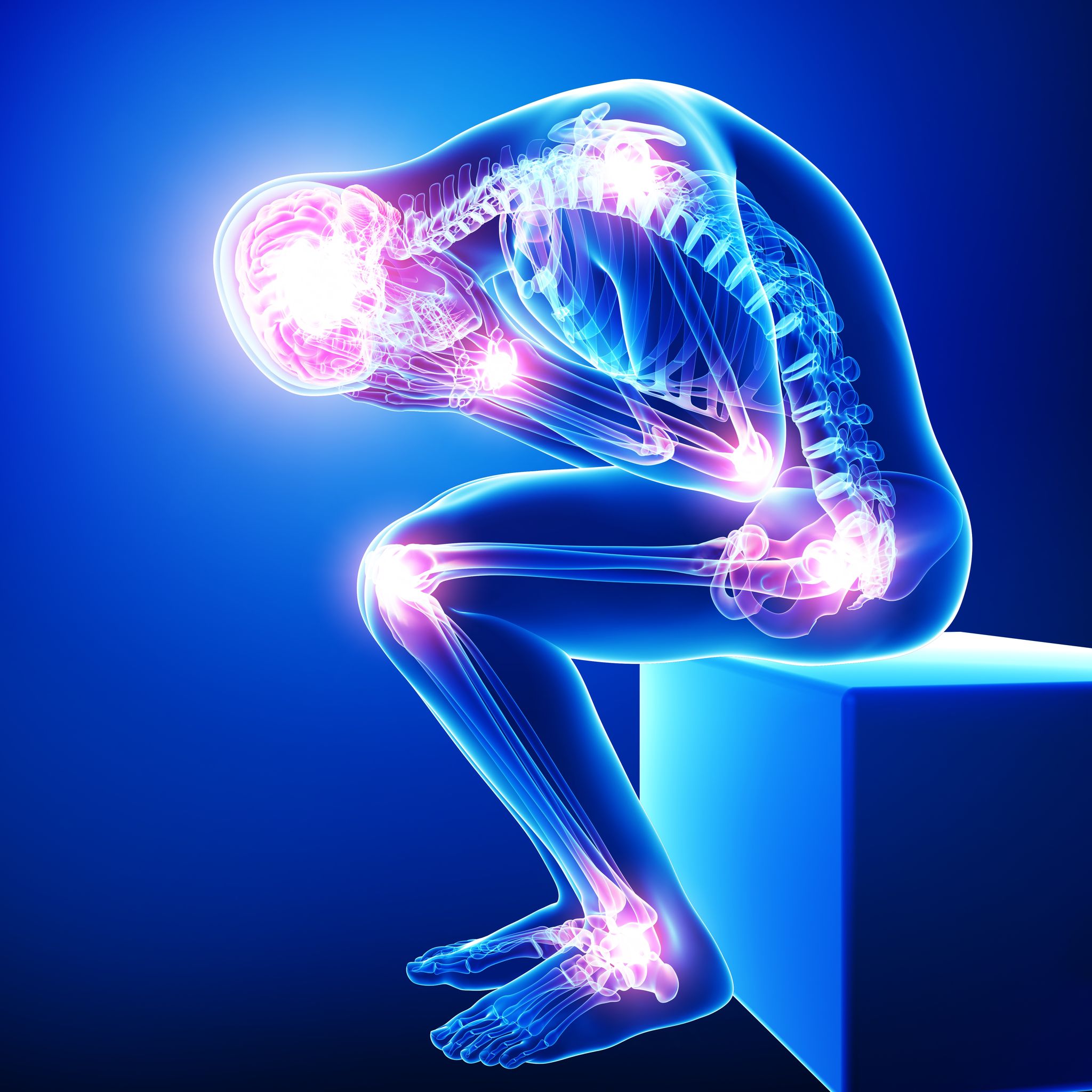
Pain is the most common reason people seek care in Emergency Departments. In addition to diagnosing the cause of the pain, a major goal of emergency physicians (EPs) is to relieve pain. However, medications that treat pain can have their own set of problems and side effects. The risks of treatment are particularly pronounced in older adults, who are often more sensitive to the sedating effects of medications, and are more prone to side effects such as renal failure. EPs frequently have to find the balance between controlling pain and preventing side effects. Untreated pain has large personal, emotional, and [+]

PEM Pearls: This may hurt! How to manage pediatric anxiety in the ED
Pain and anxiety in the emergency department (ED) are two of the most common things we see in children. Pediatric patients, whether first time visitors or those with chronic illnesses, can exhibit marked anxiety and fear when in the ED setting. Child development, parenting styles and prior medical experiences will guide their reactions in these cases. Practitioners must have a unique set of tools to work with these children and understand the optimal methods for providing care, while decreasing some of these normal reactions to a stressful environment. The most important part of treating anxiety and fear in children is recognizing [+]