About Andrew Mittelman, MD

Assistant Professor of Emergency Medicine
Boston Medical Center

SAEM Clinical Images Series: An On-Target Diagnosis
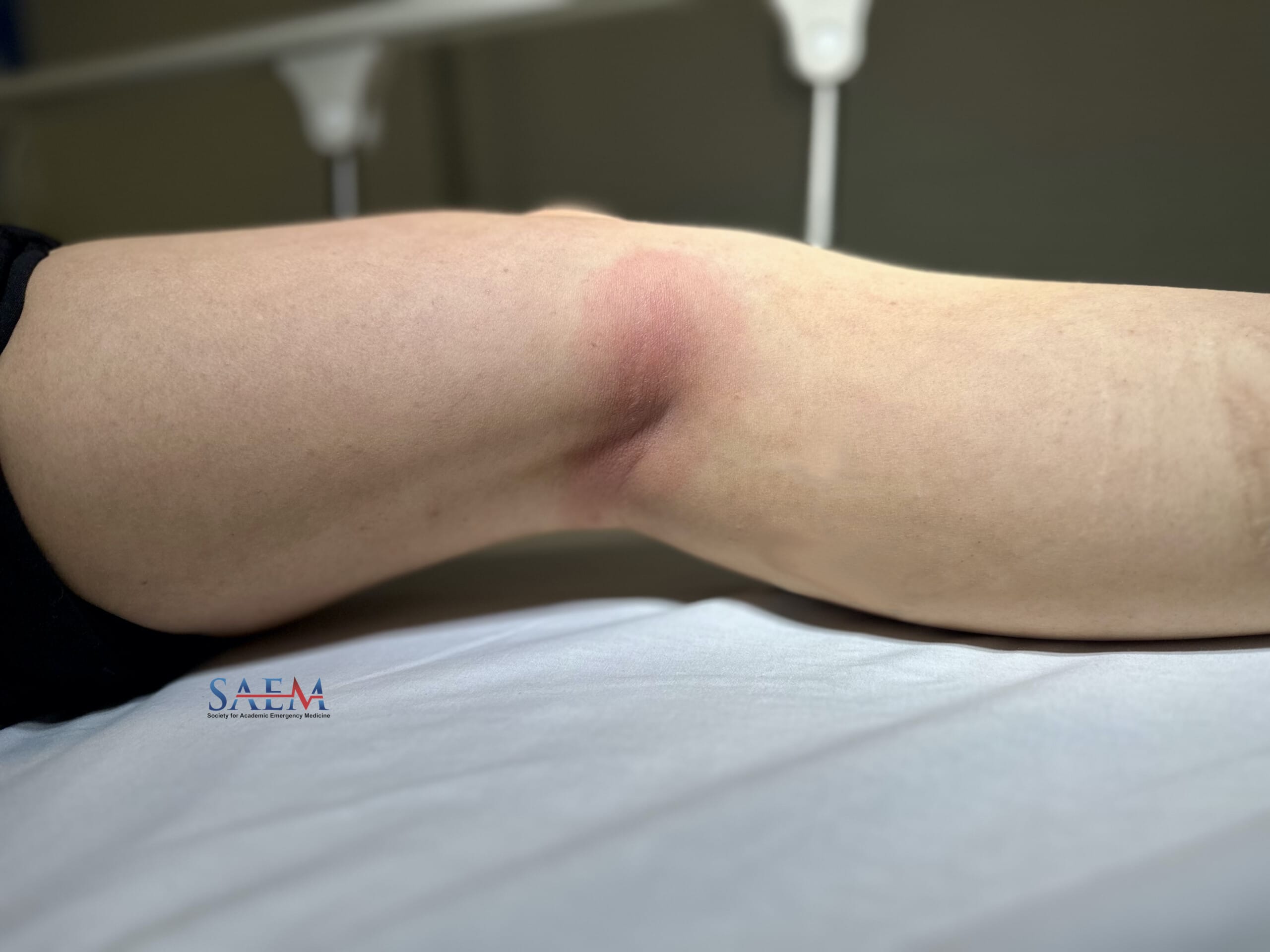
erythema

A 25-year-old female with no pertinent past medical history presented to an emergency department in Massachusetts with four days of generalized malaise, myalgias, congestion, low-grade fever, and a rash behind her left knee. The patient denied cough, shortness of breath, chest pain, abdominal pain, nausea, vomiting, and diarrhea. She lives with three roommates, none of whom were sick, and she denied any other known sick contacts. She also denied any occupational exposures or recent travel, although did endorse some recent hiking in the area.

Vitals: BP 128/84; HR 88; Temp 98°F; RR 18; SpO2 (on RA) 100%

General: Well appearing

HEENT: No conjunctival injection

Cardiovascular: S1, S2; no murmurs, rubs, or gallops

Skin: Erythematous patch with central clearing in left popliteal fossa

WBC: 5.1

Hgb: 12.6

Platelets: 223

Sodium: 139

Creatinine: 0.8

ALT/AST: 22/22

COVID/Influenza/RSV: negative

This clinical image depicts erythema migrans (EM), the classic rash seen in 70- 80% of early localized Lyme disease infections. Lyme disease is a bacterial infection caused by the spirochete Borrelia burgdorferi, transmitted through bites from Ixodes scapularis (Blacklegged Tick). Lyme disease is endemic to the northeastern part of the United States but is also commonly reported in the upper Midwest region of the country. There are three stages of Lyme disease: early localized infection, early disseminated infection, and late disseminated infection. Early localized infection starts 3-30 days after a tick bite. This stage is characterized by the EM rash as well as fatigue, low-grade fevers, malaise, myalgias, and lymphadenopathy. EM develops at the site of the tick bite, although only 25% of patients with the characteristic rash recall being bitten by a tick. Over the next several days, the rash will expand and may develop a central clearing. Thus, the rash is often described as appearing like a “bull’s eye” or a “target.” Serological testing may be negative in early Lyme disease thus diagnosis at this stage is usually clinical.

Treatment for early localized infection is typically Doxycycline 100mg PO BID x 10-14 days. Cefuroxime 500mg PO BID x 14 days is another option. Amoxicillin 500mg PO TID x 14 days is the preferred antimicrobial in patients who are pregnant and/or breast-feeding. As when treating infections caused by other spirochetes such as Treponema pallidum, a Jarisch- Herxheimer reaction may occur. Left untreated, disseminated disease will develop in 60% of patients. Most symptoms will occur within days to months, although late disseminated disease may take months to years to present. A wide range of clinical presentations are possible with early disseminated disease including diffuse annular skin lesions, meningoencephalitis, cranial nerve palsies (most commonly Bell’s Palsy), peripheral neuropathies, and AV nodal blocks. Late disseminated infection can present with transient, migratory oligoarticular arthritis and non-focal nervous system symptoms such as mild encephalopathy and fatigue. Serological studies in disseminated disease are highly sensitive and the CDC recommends two-step testing such as an enzyme immunoassay or immunofluorescent antibody assay followed by a Western blot if the initial testing is positive or equivocal. Treatment of disseminated Lyme depends on the systems involved. Given the ambiguity of early serologic testing and the potential for development of disseminated disease, erythema migrans is a clinical “can’t miss” dermatologic diagnosis in the emergency department.

Take-Home Points

  • Lyme disease is caused by bites from the Blacklegged Tick and is endemic to the northeastern United States.
  • Early localized Lyme infection often presents with the erythema migrans rash, a large targetoid or bull’s eye area of erythema with central clearing at the site of the tick bite.
  • The diagnosis of early Lyme is usually clinical and the three first-line antibiotics are Doxycycline, Cefuroxime, or Amoxicillin.

  • Kowalski TJ, Tata S, Berth W, Mathiason MA, Agger WA. Antibiotic treatment duration and long-term outcomes of patients with early lyme disease from a lyme disease- hyperendemic area. Clin Infect Dis. 2010 Feb 15;50(4):512-20. doi: 10.1086/649920. PMID: 20070237.
  • Lyme Disease. Centers for Disease Control and Prevention. 2022, Jan 19. https:// www.cdc.gov/lyme/
  • Steere AC. Lyme disease. N Engl J Med. 2001;345(2):115-125. doi:10.1056/NEJM200107123450207 4. Torbahn G, Hofmann H, Rücker G, Bischoff K, Freitag MH, Dersch R, Fingerle V, Motschall E, Meerpohl JJ, Schmucker C. Efficacy and Safety of Antibiotic Therapy in Early Cutaneous Lyme Borreliosis: A Network Meta-analysis. JAMA Dermatol. 2018 Nov 1;154(11):1292-1303. doi: 10.1001/jamadermatol.2018.3186. PMID: 30285069; PMCID: PMC6248135.

SAEM Clinical Images Series: A Blistery Mystery

blister

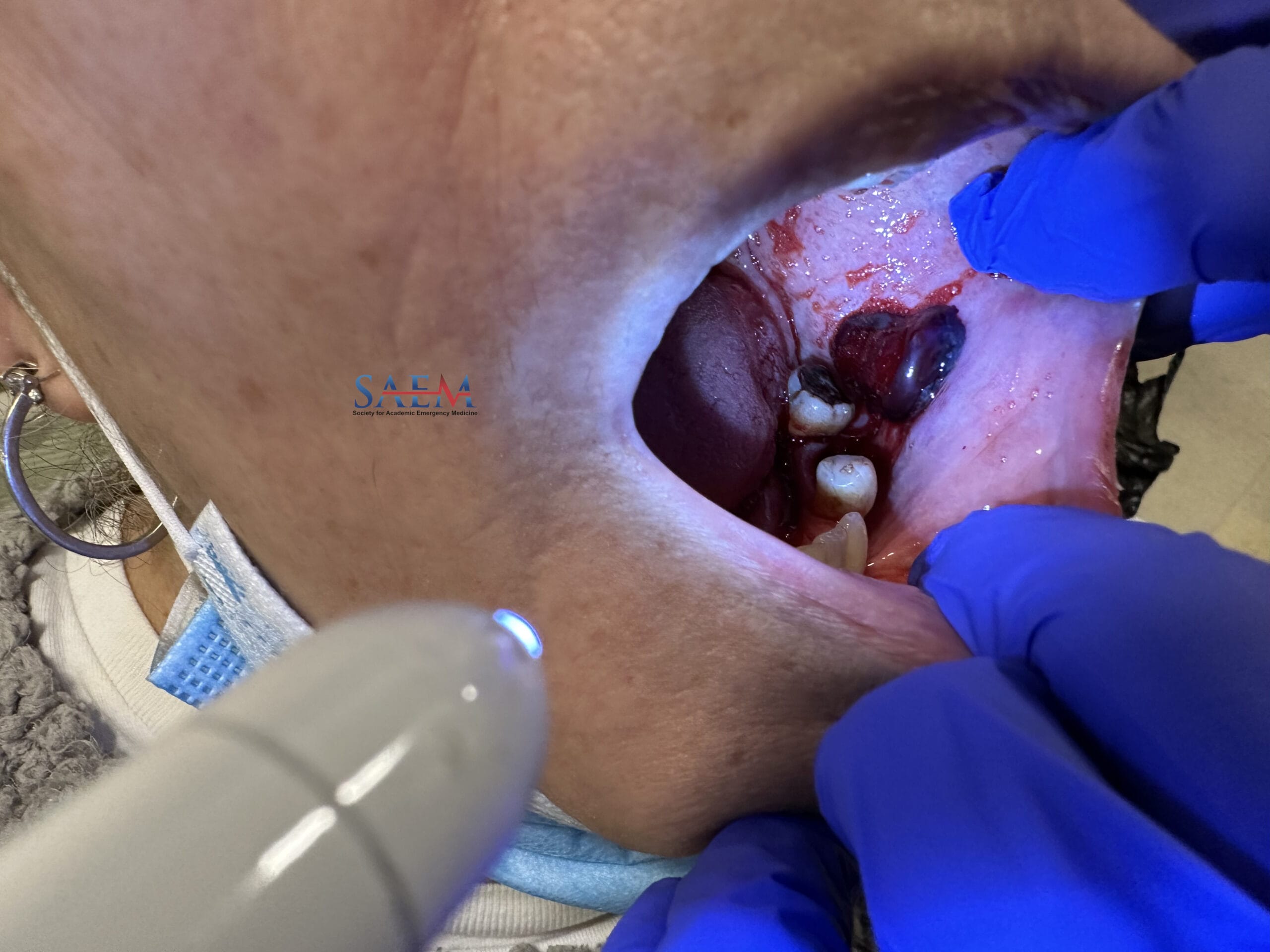
A 76-year-old female presented with a lingering cough and an oral lesion to the left lower cheek. She reported ten days of improving flu-like symptoms but had a persistent cough and nasal congestion. On the day of presentation, she developed a painful, intermittently bleeding “blood blister” to the left lower cheek that had increased in size, as well as new red spots on her arms and legs. She reported no recent trauma or history of similar lesions in the past.

Vitals: 98.3°F; HR 85; BP 178/89; RR 16; SpO2 98% on RA

HENT: Blood-filled pocket to the left lower vestibule

Skin: Diffuse petechial rash to extremities

CBC: Hb 13.6, Plt 6, WBC 10.3

PT: 12.2

INR: 1.05

PTT: 33

Immune thrombocytopenia (ITP) is an acquired autoimmune disorder caused by autoantibodies against platelet antigens. It is thought to be due to IgG directed against platelet membrane glycoprotein GPIIb/IIIa, leading to platelet destruction. Common inciting events include viral infections, autoimmune diseases, or immunodeficiency syndromes [1]. Patients typically present with bleeding or nonspecific symptoms such as fatigue or generalized weakness. The severity of bleeding can range from petechiae, purpura, and epistaxis, to (very rarely) life-threatening hemorrhage. It is important to perform a thorough skin and oral exam to evaluate for petechial rashes or mucosal bleeding. Initial diagnostics include a CBC which will show isolated thrombocytopenia, as well as hemolysis labs to exclude alternative etiologies.

Patients with life-threatening bleeding should be treated emergently with platelet transfusions, IVIG, and steroids. In all other cases, management decisions should be made in conjunction with Hematology. In general, those with mild/moderate bleeding and platelets <20,000/μL should be treated with a steroid course, with IVIG or platelet transfusions in special circumstances only [3]. Patients who receive any treatment or have diagnostic uncertainty should be admitted.

Take-Home Points

  • Immune thrombocytopenia is an acquired isolated thrombocytopenia that can be a primary disorder or secondary to viral illness, autoimmune syndrome, or immunodeficiency disease.
  • Patients typically present with minor bleeding and nonspecific symptoms such as fatigue, or, rarely, severe hemorrhage. Perform a thorough skin and oral exam to evaluate for petechial rashes or mucosal bleeds.
  • Life-threatening bleeding should be treated immediately with platelet transfusions, IVIG, and steroids. Treatment for mild/moderate bleeding is more nuanced. Consult Hematology early to guide management.

  • Cines DB, Bussel JB, Liebman HA, Luning Prak ET. The ITP syndrome: pathogenic and clinical diversity. Blood. 2009 Jun 25;113(26):6511-21. doi: 10.1182/blood-2009-01-129155. Epub 2009 Apr 24. PMID: 19395674; PMCID: PMC2710913.
  • Neunert C, Terrell DR, Arnold DM, Buchanan G, Cines DB, Cooper N, Cuker A, Despotovic JM, George JN, Grace RF, Kühne T, Kuter DJ, Lim W, McCrae KR, Pruitt B, Shimanek H, Vesely SK. American Society of Hematology 2019 guidelines for immune thrombocytopenia. Blood Adv. 2019 Dec 10;3(23):3829-3866. doi: 10.1182/bloodadvances.2019000966. Erratum in: Blood Adv. 2020 Jan 28;4(2):252. PMID: 31794604; PMCID: PMC6963252.
  • Provan D, Arnold DM, Bussel JB, et al. Updated international consensus report on the investigation and management of primary immune thrombocytopenia. Blood Adv. 2019;3(22):3780-3817. doi:10.1182/bloodadvances.2019000812

By |2024-09-28T21:40:15-07:00Oct 11, 2024|Heme-Oncology, SAEM Clinical Images|

SAEM Clinical Images Series: Doubly Double Vision

palsy

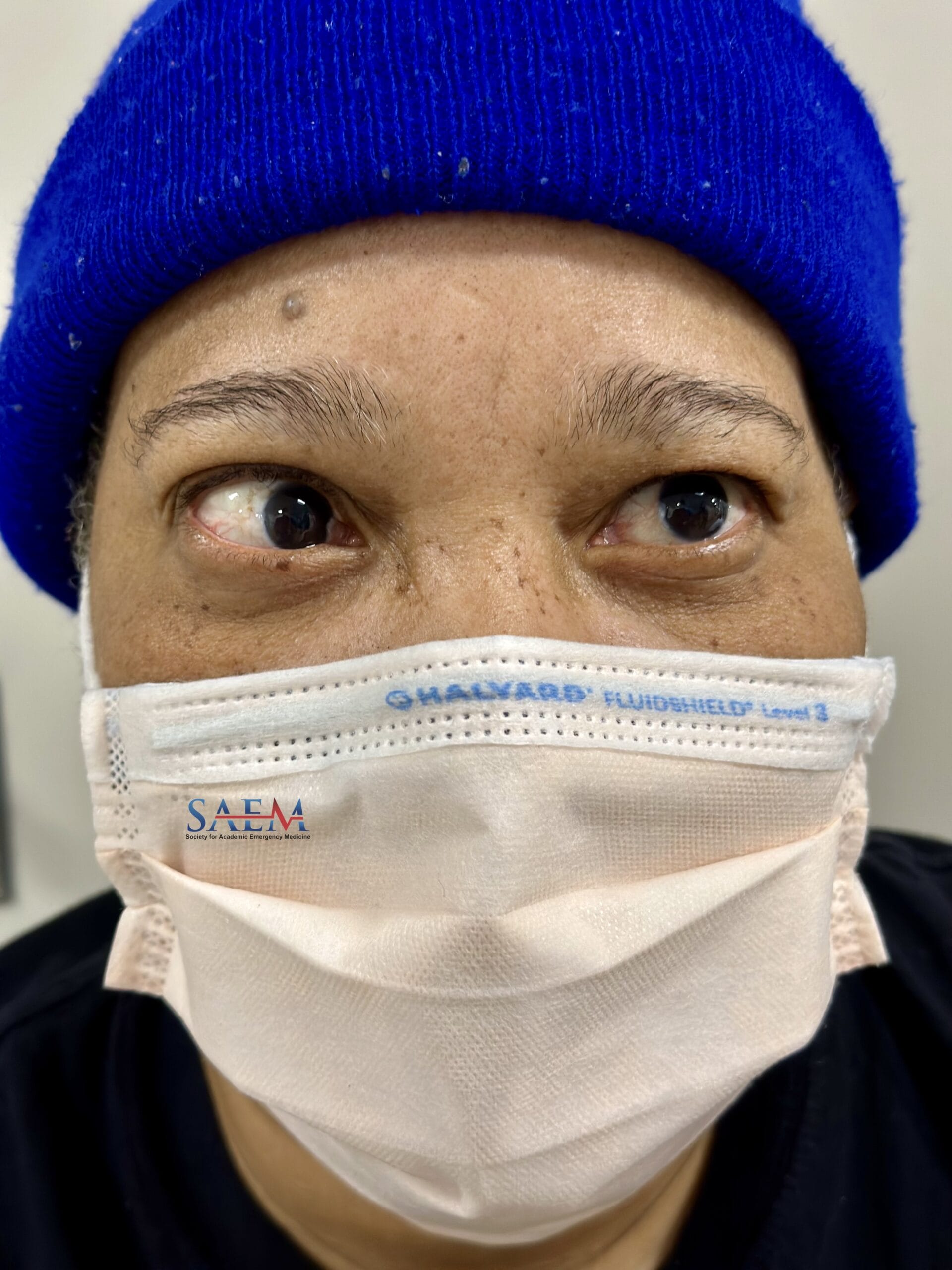
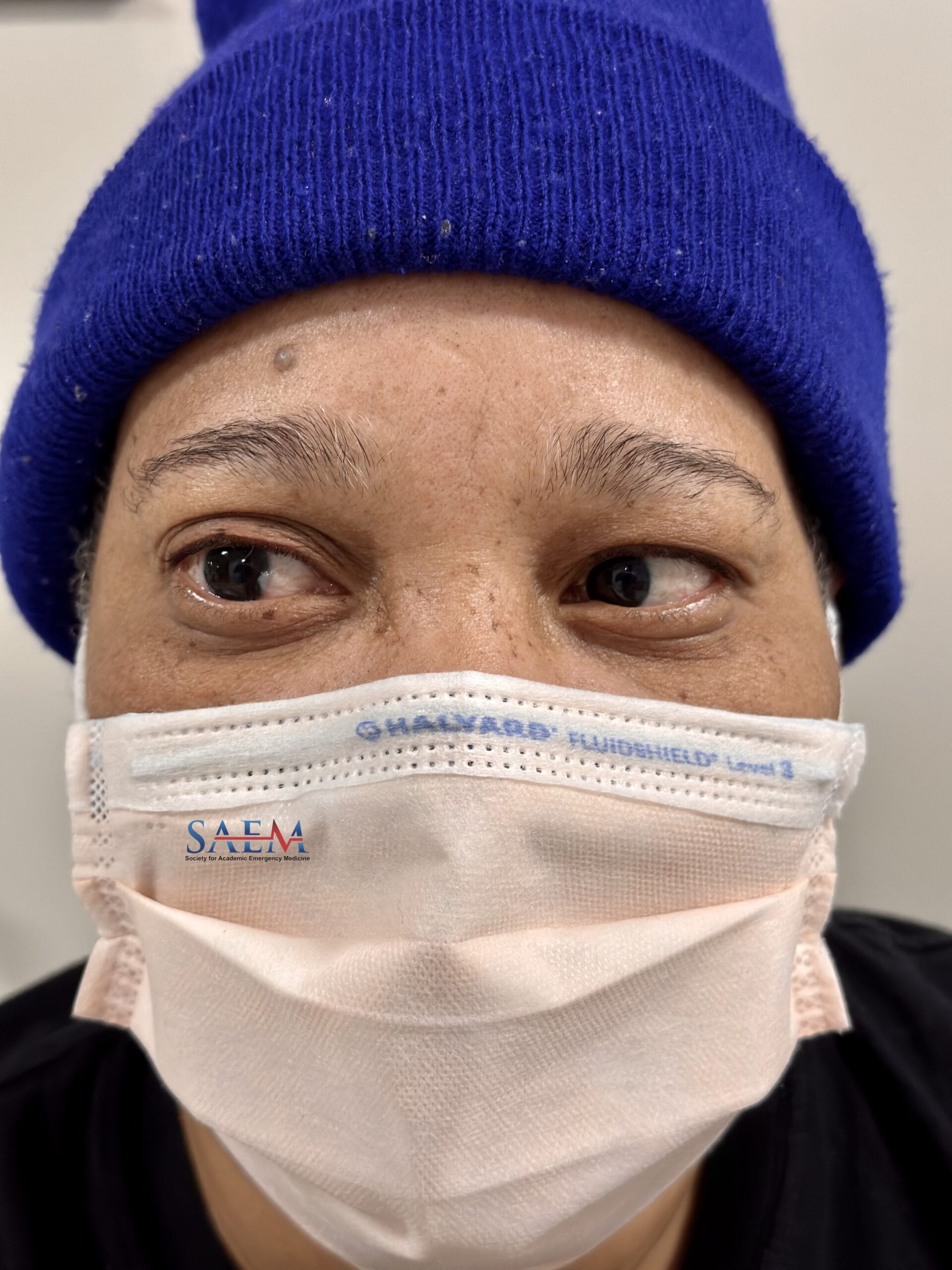
A 52-year-old female with a past medical history of hypertension and prediabetes presented to the emergency department with double vision that started one day prior to arrival. She stated that her double vision improved when she closed one eye. She denied trauma, headache, neck pain, dizziness, dysphagia, numbness, tingling, weakness, or gait instability.

Vitals: BP 181/119; HR 76; RR 18; T 98.4°F; O2 saturation 96% on room air

General: No acute distress, well-appearing

Neurologic: AOx3; Following commands. Speech without dysarthria. PERRLA. EOM: incomplete abduction of the L and R eye. No facial asymmetry. Tongue protrudes midline. No pronator drift. 5/5 strength in all extremities. Sensation is intact throughout. Finger to nose is normal. Gait is narrow and steady.

Cranial nerve 6 (CN VI), also known as the abducens nerve, is responsible for ipsilateral eye movement. CN VI palsy presents clinically with the inability to abduct the eye resulting in horizontal diplopia. Patients often present complaining of double vision that is worse with lateral gaze. Other symptoms on presentation may include headache, nausea, vomiting, hearing loss, and recent viral symptoms. CN VI is typically diagnosed clinically by an inability to abduct the eye. It is the most common oculomotor palsy in adults and can be caused by damage anywhere along the course of the abducens nerve. Etiologies in adults include ischemia, trauma, neoplasm, demyelinating lesions, increased intracranial pressure, and infection. Risk factors include microvascular disease such as hypertension and inflammatory conditions. Bilateral CN VI nerve palsy without associated intracranial abnormalities is rare. Importantly, abducens nerve palsy is the second most common oculomotor palsy in children and a frequent presenting sign of an intracranial tumor. Children with CN VI palsy should be evaluated for ataxia and other gait disturbances which may indicate a brainstem glioma.

Depending on the presenting symptoms and medical history, the workup should include an MRI/MRA brain to evaluate for microvascular ischemia and cerebrovascular accident. Treatment of CN VI palsy should be targeted at the underlying cause. In cases of CN VI palsy due to microvascular ischemia, symptoms often self-resolve. In children, treatment includes alternating patching of the eyes, but this has not been shown to be effective in adults.

Take-Home Points

  • CN VI palsy is the most common oculomotor palsy in adults and presents with an inability to abduct the eye.
  • Treatment of CN VI palsy should target the underlying pathology which may include infection, trauma, neoplasm, or increased intracranial pressure.
  • CN VI palsy in children may indicate an intracranial tumor and workup should include a full neurologic examination and intracranial imaging when appropriate.
  • Graham C, Gurnani B, Mohseni M. Abducens Nerve Palsy. 2023 Aug 24. In: StatPearls [Internet]. Treasure Island (FL): StatPearls Publishing; 2024 Jan–. PMID: 29489275.

    Merino P, Gómez de Liaño P, Villalobo JM, Franco G, Gómez de Liaño R. Etiology and treatment of pediatric sixth nerve palsy. J AAPOS. 2010 Dec;14(6):502-5. doi: 10.1016/j.jaapos.2010.09.009. PMID: 21168073.

By |2024-09-28T21:34:14-07:00Oct 7, 2024|Neurology, SAEM Clinical Images|

SAEM Clinical Images Series: Didn’t See That Coming

hyphema

A 23-year-old healthy male presented to the emergency department with left eye pain, soreness, and blurry vision after being hit in the left eye with a Nerf gun bullet two days prior. He had no prior ophthalmologic history and does not wear corrective lenses.

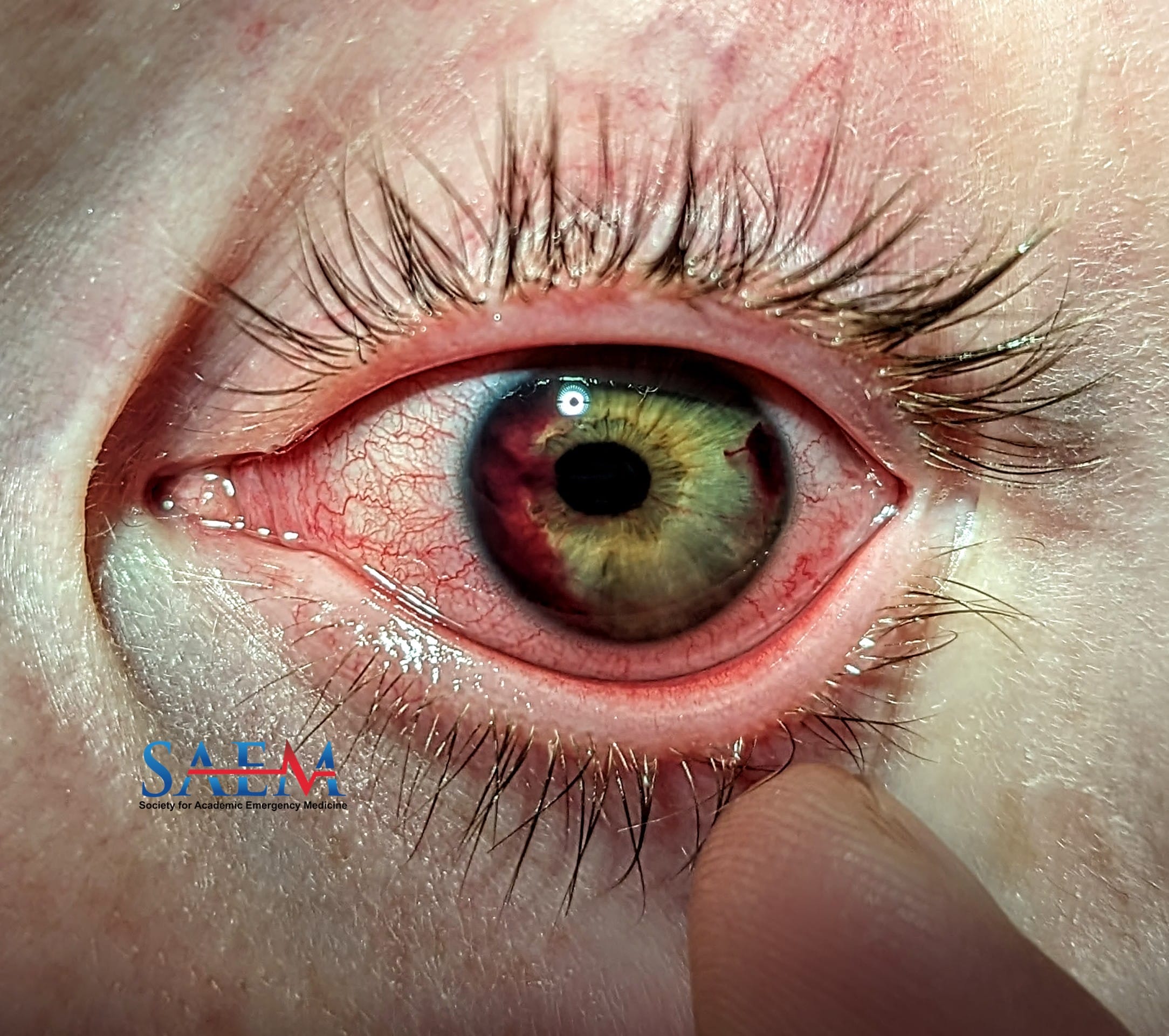
Left eye: Visual acuity 20/30. Intraocular Pressure 17. Pupil 3mm, irregular, minimally reactive. Slit lamp exam revealing 3+ RBCs, vertical layering of blood along the nasal aspect.

Vertical hyphema

Blunt trauma induces shearing forces upon the vasculature of the ciliary body and iris, resulting in the accumulation of red blood cells (RBCs) in the anterior chamber. This space normally contains only clear, aqueous humor. RBCs slowly settle to the bottom of the anterior chamber in a gravity-dependent manner. Classically this develops in a horizontal pattern, but patients who subsequently sleep on their side may experience vertical hyphema formation. Although trauma is the most common etiology, hyphema can occur due to any hematologic abnormality. It is a frequent complication of sickle cell disease. As in all cases of ocular trauma, globe rupture must be immediately ruled out before proceeding with a comprehensive ophthalmologic examination.

The patient had a Grade I hyphema.

Grade 0: No visible layering, but red blood cells within the anterior chamber (microhyphema)

Grade I: Layered blood occupying less than one-third of the anterior chamber

Grade II: Blood filling one-third to one-half of the anterior chamber

Grade III: Layered blood filling one-half to less than total of the anterior chamber

Grade IV: Total filling of the anterior chamber with blood (also known as 8-ball hyphema)

Take-Home Points

  • A hyphema is a collection of blood in the anterior chamber of the eye.
  • Before measuring intraocular pressure, remember to inspect the anterior ocular anatomy with consideration for globe rupture. If this is not excluded, avoid tonometry as it can cause extrusion of aqueous humor and further damage to the globe.
  • Blunt trauma is the most common cause of hyphema. However, non-traumatic hyphema should prompt investigation for hematologic disorders such as Sickle cell disease.

  • Brandt MT, Haug RH. Traumatic hyphema: a comprehensive review. J Oral Maxillofac Surg. 2001 Dec;59(12):1462-70. doi: 10.1053/joms.2001.28284. PMID: 11732035.
  • Gragg J, Blair K, Baker MB. Hyphema. 2022 Dec 26. In: StatPearls [Internet]. Treasure Island (FL): StatPearls Publishing; 2024 Jan–. PMID: 29939579.

By |2024-09-28T21:19:11-07:00Sep 30, 2024|Ophthalmology, SAEM Clinical Images|

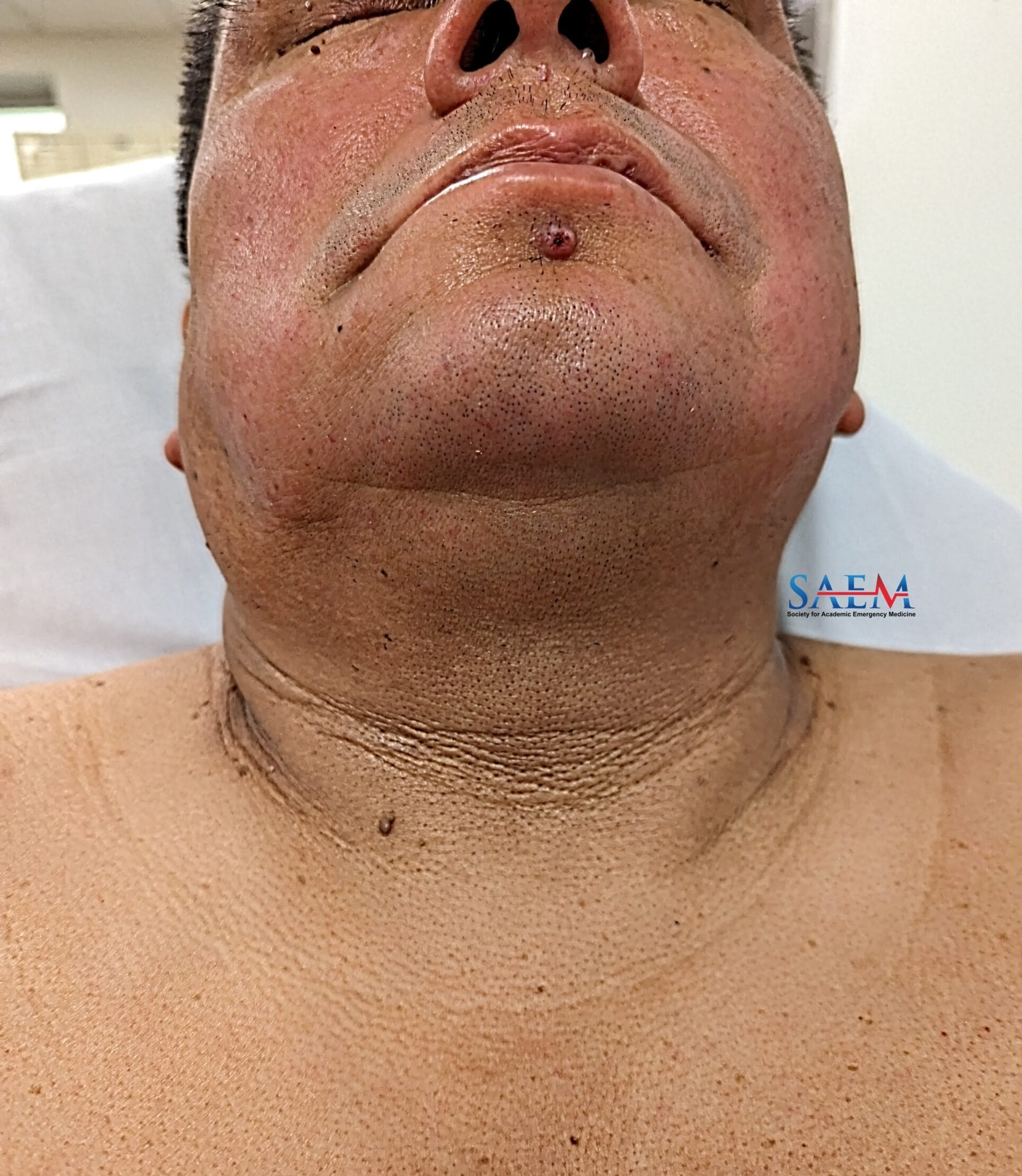
SAEM Clinical Images Series: Below the Chin, Badness Lies Within

neck swelling

A 50-year-old male with insulin-dependent Type 2 Diabetes presented to the emergency department with three days of pain and swelling on the right side of his neck. He endorsed progression of his symptoms, reporting that he was now having fevers, myalgias, and intermittent difficulty swallowing solid foods.

Vitals: BP 153/96; HR 110; T 100.0°F; RR 16; O2 sat 97%

General: Appears uncomfortable

HEENT: Mild right-sided facial swelling. No trismus. No gingival inflammation or swelling or induration to suggest abscess. There is focal swelling and tenderness to palpation, without overlying erythema, throughout the right submandibular triangle, and along the sternocleidomastoid.

MSK: Limited active right shoulder range of motion secondary to pain

WBC: 10.4

Hgb: 14.4

Plts: 213

Na: 131

K: 3.7

A1C: 13

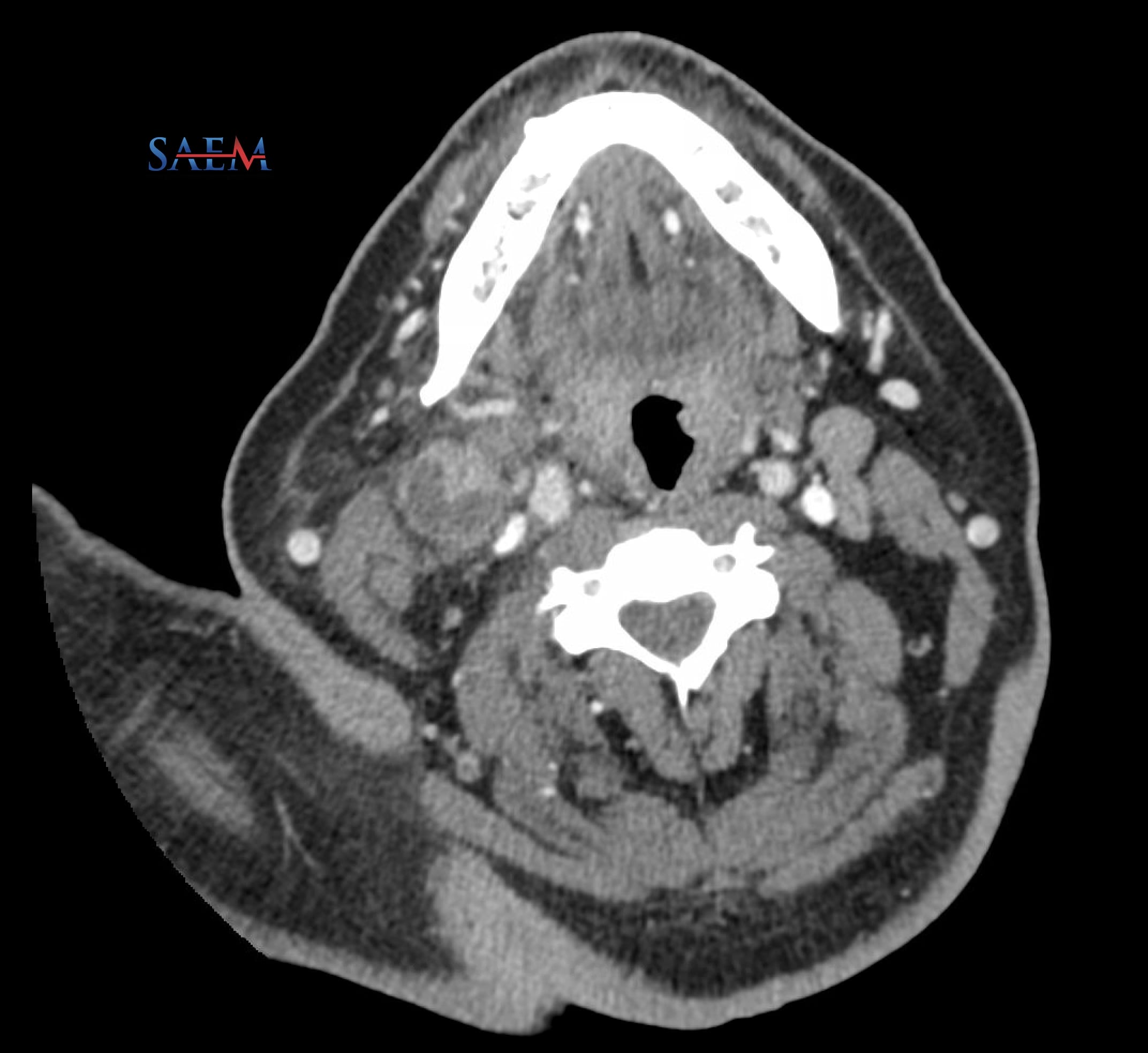
Lemierre syndrome (LS) is a rare complication of bacterial pharyngitis/tonsillitis and involves an extension of the infection into the lateral pharyngeal spaces of the neck with subsequent septic thrombophlebitis of the internal jugular vein (as seen on CT). Patients may present with trismus, dysphagia, and fever. Due to the possibility of widespread septic emboli, patients may experience sequelae of systemic infection with dyspnea, focal neurologic deficits, and abdominal pain. Treatment consists of prompt antibiosis and rapid source control.

Most cases of bacteremia in Lemierre syndrome are caused by Fusobacterium necrophorum, an anaerobic gram-negative rod that colonizes the oropharynx. This bacterium causes platelet aggregation and thrombus formation through hemagglutinin production and direct activation of the coagulation cascade. However, up to one-third of patients are found to have a polymicrobial infection with streptococcus and staphylococcus species frequently present.

Take-Home Points

  • Lemierre syndrome (LS) is a rare infection. However, the incidence of LS has been increasing in recent decades due to more judicious use of antibiotics for pharyngitis.
  • A high index of suspicion must be maintained to diagnose Lemierre syndrome, with special attention to alternative diagnoses such as Ludwig angina, retropharyngeal abscess, or meningitis.
  • A thorough investigation of associated symptoms is imperative as these may represent sequelae of septic emboli.

  • Foo EC, Tanti M, Cliffe H, Randall M. Lemierre’s syndrome. Pract Neurol. 2021 Oct;21(5):442-444. doi: 10.1136/practneurol-2021-002928. Epub 2021 May 7. PMID: 33963085.
  • Forrester LJ, Campbell BJ, Berg JN, Barrett JT. Aggregation of platelets by Fusobacterium necrophorum. J Clin Microbiol. 1985 Aug;22(2):245-9. doi: 10.1128/jcm.22.2.245-249.1985. PMID: 4031037; PMCID: PMC268368.

SAEM Clinical Images Series: Bulge in the Belly

bulge

A 45-year-old male status-post right nephrectomy secondary to a renal mass presented to the emergency department with right-sided flank pain. He endorsed low-grade intermittent right-sided flank pain since the nephrectomy one year prior, associated with an increasingly enlarging mass extending laterally from his right abdomen. Over the course of the past several days, the mass had become larger and more painful. He denied any fevers, chills, or signs of systemic illness, and reported no urinary symptoms.

Vitals: T 98°F; HR 88; RR 17; BP 121/67; SpO2 97% on RA

Respiratory: Clear to auscultation in all lung fields. No diminished breath sounds in the right lower lobe.

Abdomen: Soft, non-tender to palpation. 10 cm mobile, non-erythematous mass protruding from the right flank.

White Blood Cell (WBC) Count: 5.5 K/uL

BUN: 10 mg/dL

Creatinine: 0.88 mg/dL

Lactate: 1.1 mmol/L

Urinalysis (UA): WBC 0-5, Neg Bacteria, Neg Nitrites, Neg Leukocyte Esterase, Neg Ketones

The major risk factor that predisposes patients to the development of abdominal wall hernias is a decrease in the strength of the abdominal wall musculature. Additionally, cardiovascular co-morbidities, such as obesity, hypertension, and diabetes, can increase the risk. Urologic procedures predispose patients to flank hernias in particular due to the postoperative weakening of the muscular wall. The patient in question had a right-sided nephrectomy, which likely predisposed him to the development of this hernia (Figure 1).

The critical complications that can develop secondary to a hernia are incarceration and strangulation (which can result in subsequent necrosis). Initial management focuses on a rapid assessment to evaluate for these complications, while also providing pain control. Incarcerated hernias are erythematous, edematous, tender to palpation, and unable to be reduced. If strangulated, patients will additionally have signs of peritonitis. Ancillary laboratory tests, such as an elevated lactate, may also suggest ischemia secondary to strangulation. CT imaging should be acquired in cases of suspected incarceration or strangulation (Figure 2: CT showing right-sided abdominal wall hernia containing fat and non-obstructed bowel loops without evidence of strangulation). Patients without evidence of emergent hernia complications can be managed with outpatient surgical follow-up.

Take-Home Points

  • Abdominal wall hernias are classified by their location: ventral, groin, pelvic, and flank.
  • Major risk factors for their development include prior abdominal surgeries that weaken the musculature as well as cardiovascular co-morbidities.
  • Evaluation should include a physical exam, laboratory work (particularly a complete blood count, comprehensive metabolic panel, and lactate), and CT Abdomen/Pelvis.
  • If an incarcerated or strangulated hernia is suspected, surgery should be consulted emergently.
  • Hernias that can be reduced at the bedside can be managed with outpatient surgical follow-up.
  • Pastorino A, Alshuqayfi AA. Strangulated Hernia. 2022 Dec 19. In: StatPearls [Internet]. Treasure Island (FL): StatPearls Publishing; 2023 Jan–. PMID: 32310432.
  • Zhou DJ, Carlson MA. Incidence, etiology, management, and outcomes of flank hernia: review of published data. Hernia. 2018 Apr;22(2):353-361. doi: 10.1007/s10029-018-1740-1. Epub 2018 Jan 27. PMID: 29380158.

SAEM Clinical Images Series: Man with a Recurrent Rash

rash

A 33-year-old male presented to the emergency department with a diffuse pruritic rash that appeared several days after starting Trimethoprim/Sulfamethoxazole (TMP-SMX) for a dental infection. Initially beginning on the torso and low back, the rash spread to the palms, soles, and genitalia. Progression stopped after discontinuing TMP-SMX. He conveyed a remote history of a similar rash following use of an unknown medication, and noted that several of the current lesions arose at the same location as previous.

Skin: Widely distributed violaceous, non-blanching patches with a dusky center. Lesions ranged from 3 cm to 10 cm, and included palms and soles. There was no mucosal involvement.

Non-contributory

Fixed drug eruption (FDE). FDE is an uncommon, potentially life-threatening CD8+ T-helper cell-mediated hypersensitivity reaction to certain drugs, commonly NSAIDs, antibiotics, and antiepileptic [1].

Skin findings typically arise within two days of exposure and then more rapidly with subsequent exposures [2]. Characteristically, recurrent lesions appear at the same sites as prior lesions (hence “fixed”) but may arise in additional locations. The rash is classically divided into two phases: an acute phase of pruritic violaceous patches and plaques with central duskiness, followed by a residual phase of hyperpigmentation that can last several months. The sulfonamide moiety of TMP-SMX is a common cause of FDE [3]. Management of FDE anchors on identification and discontinuation of the causative agent. The majority of cases involve five or fewer lesions, however generalized or bullous cases (> 10% total body surface area, or involvement of 3 or more anatomic sites) [1], may require aggressive wound care and carry a mortality rate up to 22% [4]. Topical or systemic steroids are common adjuncts and there is limited evidence suggesting the utility of systemic cyclosporine for severe cases [1]. Patients need to be carefully advised on the risks of specific medication use and can expect a gradual resolution of lesions over the coming months.

Take-Home Points

  • FDE is a potentially life-threatening hypersensitivity reaction to certain drugs.
  • Recurrent lesions in similar distribution is a hallmark of FDE. Avoidance of the causative agent is the mainstay of management.
  1. Anderson HJ, Lee JB. A Review of Fixed Drug Eruption with a Special Focus on Generalized Bullous Fixed Drug Eruption. Medicina (Kaunas). 2021 Sep 1;57(9):925. doi: 10.3390/medicina57090925. PMID: 34577848; PMCID: PMC8468217.
  2. Flowers H, Brodell R, Brents M, Wyatt JP. Fixed drug eruptions: presentation, diagnosis, and management. South Med J. 2014 Nov;107(11):724-7. doi: 10.14423/SMJ.0000000000000195. PMID: 25365443.
  3. Chow TG, Khan DA. Sulfonamide Hypersensitivity. Clin Rev Allergy Immunol. 2022 Jun;62(3):400-412. doi: 10.1007/s12016-021-08872-3. Epub 2021 Jul 1. PMID: 34212341
  4. Lipowicz S, Sekula P, Ingen-Housz-Oro S, Liss Y, Sassolas B, Dunant A, Roujeau JC, Mockenhaupt M. Prognosis of generalized bullous fixed drug eruption: comparison with Stevens-Johnson syndrome and toxic epidermal necrolysis. Br J Dermatol. 2013 Apr;168(4):726-32. doi: 10.1111/bjd.12133. Epub 2013 Feb 16. PMID: 23413807.

Go to Top