Holiday Gift Guide for ALiEM Readers: Top 5 Favorite Tech Tools

Technology continues to integrate with our life — for better and worse. Our team felt that the following 5 tech tools added value and joy to our lives, and so we are sharing with you. These also make great gifts for the emergency physician or healthcare provider in your life this holiday season.
holiday tech tools blinkist

Blinkist is a professional book summary subscription service that condenses key points from non-fiction books into 15-minute reads. This is an efficient way to catch with all those books that you have been putting off.
holiday tech tools headspace app

The Headspace app is one of the frequently used mindfulness app in the world. Working in Emergency Medicine was already extremely stressful before the pandemic began. Being more intentional about self-care is as critical as ever for our personal and professional well-being.

holiday tech tools headphones

Noise-cancelling headphones, such as the Anker Soundcore Life Q20 Noise Canceling Headphones are essential, especially if need some quality time working alone or just need some “me time”. With potentially many people in our house conducting virtual meetings, doing work, and performing chores, this over-the-ear headphone does the trick.
holiday tech tools speaker

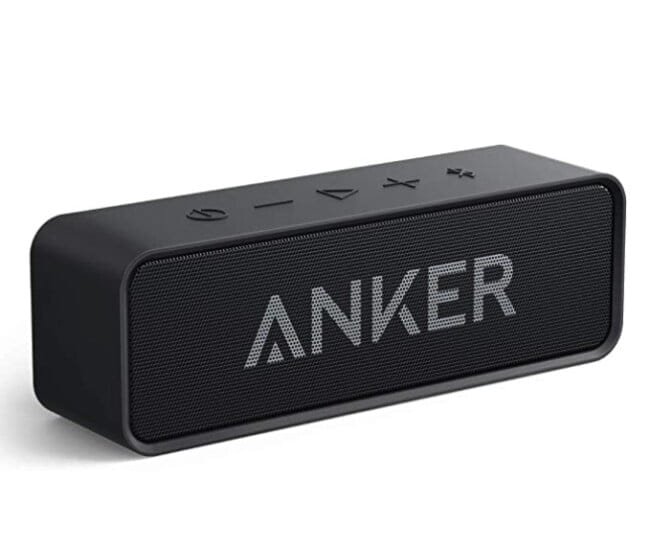
The Anker Soundcore Bluetooth Speaker is a compact, quality wireless speaker that you can take with you to your favorite “office” (such as your backyard), on your night shift to boost team morale, or play in the background for your patients as you are suturing their lacerations.
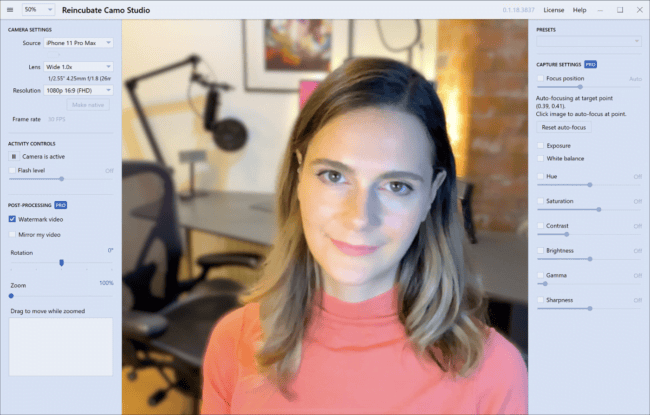
holiday tech tools blinkist camo

Reincubate’s Camo is a software that turns your iPhone into your computer’s webcam. Without needing to buy fancy videocamera equipment, you can upgrade your videoconferencing and video recordings by using your iPhone’s high-resolution camera. While the free version provides 720p video resolution, Camo Pro allows for 1080p resolution, portrait mode, and manual control of the camera features. Note: Nonprofits and educators can contact them for a discount off of the $39.99 annual subscription.

Check out our other holiday gift lists:

Disclosure: Although we do not have an official partnership with Amazon, we belong to their Amazon Affiliates program which allows us to be paid a few pennies with books purchased from our links.
By |2021-11-17T15:14:01-08:00Nov 19, 2021|Academic, Social Media & Tech|

Holiday Gift Guide for ALiEM Readers: Top 7 Favorite Level-Up Gear

The difference between a great shift in the Emergency Department and a frustrating one can sometimes be attributable to having the right gear or peri-shift routine. Listed are the top 6 “level-up” tools, recommended by our team.

holiday gift gear ALiEM socks

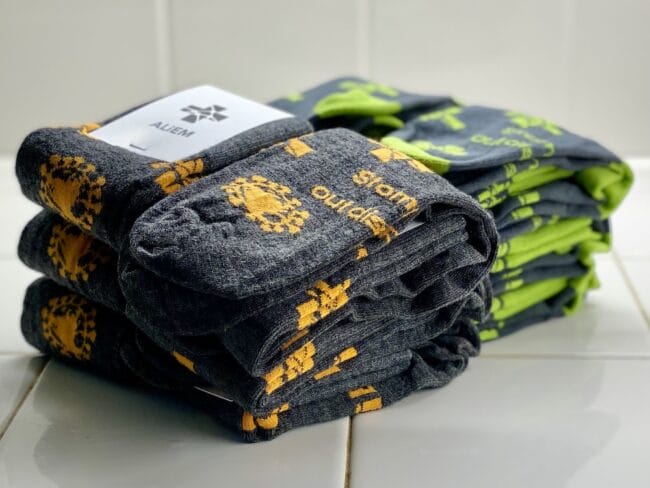
We have a very limited supply of custom ALiEM socks available at $20 per medium-sized pair. These socks have been rumored to quell the blackest of black clouds in the Emergency Department. It may be because of the “Stomping Out Disease” mantra on the socks. You’ll have to try for yourself. We have orange (with the COVID-19 graphic) and lime green socks. These are being sold until December 10, 2021 and only shipped to United States addresses.

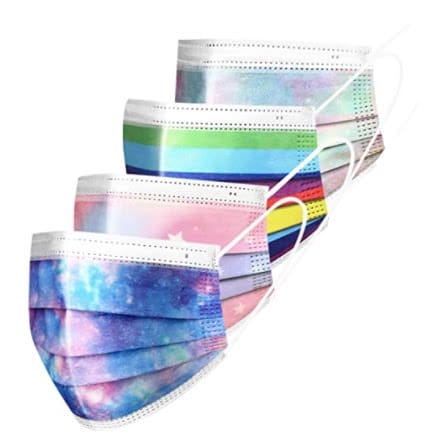
The fashion statement for 2021 is all about the face mask covering. Swap out your boring monochromatic mask for a more festive mask for the holidays.

The MZOO Sleep Eye Mask is essential, especially for those working Emergency Department night shifts. Ambient light can disrupt your deep sleep as you try to recharge for your next night shift.

A bright light source is a crucial tool for any emergency physician. With the Streamlight 250-lumen penlight, you can illuminate injured areas to identify occult wounds and almost-missed foreign bodies. Shining it briefly in the eyes of an overly somnolent may help you arouse them without a painful stimulus. Bonus: This pen is rechargeable using a USB cord and only weighs 1.2 ounces.

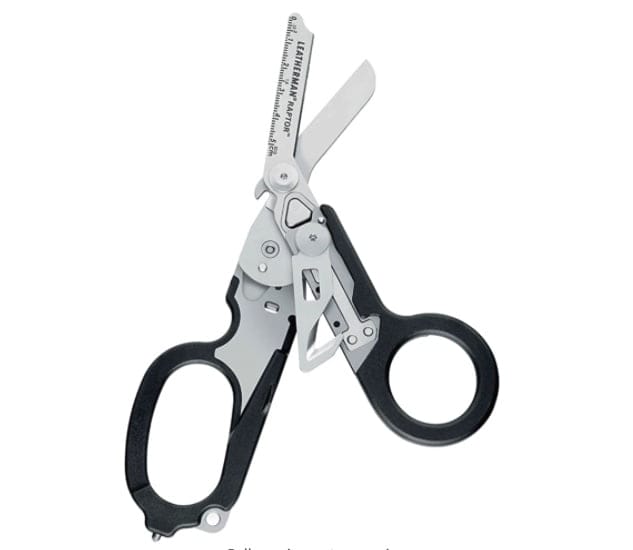
leatherman raptor shears gift

The Leatherman Raptor Shears is a durable, all-purpose scissors that can cut through thick clothing in a hurry. Although it also features a strap cutter, ruler, oxygen tank wrench, and carbide glass breaker, we especially love it for the ring-cutting feature. It has saved many of us the time and stress of troubleshooting other failed attempts at ring removal.

yeti mug turquoise green gift

Keeping cold beverages cold and hot beverages hot are challenging on an 8-12 hour shift. This 14 oz Yeti Rambler Mug with a MagSlider Lid is a stainless steel, double-walled, vacuum-insulated cup that travels well.

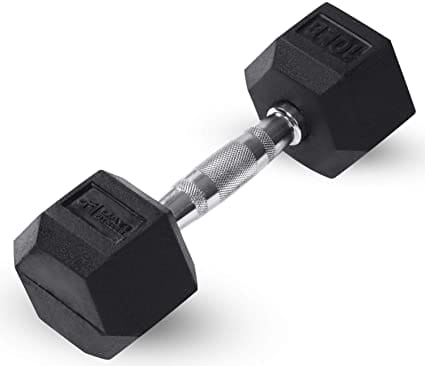
A regular exercise regimen can help reduce stress, improve brainpower, and boost your energy levels. Consider these home exercise tools, vetted by our team.

Check out our other holiday gift lists:

Disclosure: Although we do not have an official partnership with Amazon, we belong to their Amazon Affiliates program which allows us to be paid a few pennies with books purchased from our links.

By |2021-11-17T15:13:17-08:00Nov 18, 2021|Academic, Life|

Holiday Gift Guide for ALiEM Readers: Top 7 Favorite Books

With the holiday season rapidly approaching, we polled the ALiEM team on favorite books to buy for yourself or a fellow healthcare provider. Many of us try to make time to read in our busy schedules to learn, be entertained, understand, process, and grow. As Truman stated, “Not all readers are leaders, but all leaders are readers.” View our top 7 recommendations below.

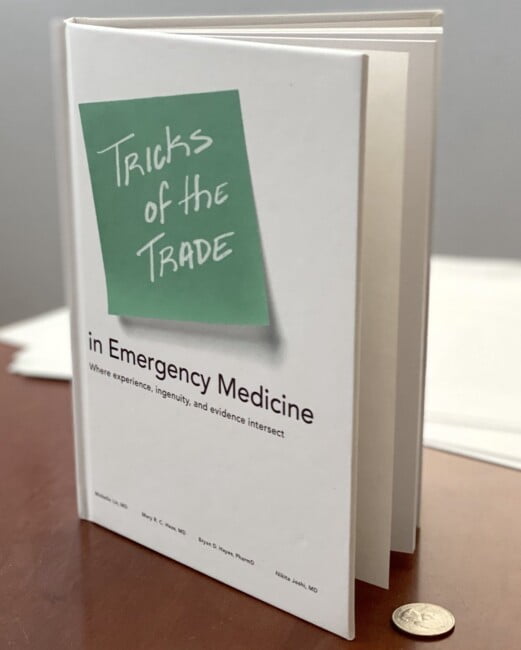
holiday gift book trick of the trade

1. Tricks of the Trade in Emergency Medicine

We are biased, but we believe that the Tricks of the Trade book would make a lovely coffee table gift for you or your colleague. The hardbound, color print book concisely describes 50 tricks, applicable in one’s Emergency Department practice. Bonus: All proceeds go to help support the ALiEM team continue to teach.

2. Steal Like an Artist

We are fans of Austin Kleon, who publishes uniquely creative (and short) books about creativity. Steal Like an Artist is a perennial favorite as a graduation gift for emergency medicine residents as well. 

3. Keep Going

Although Keep Going seems to be a lesser known work compared to Steal Like an Artist by Austin Kleon, many of our team members actually like this book more. The subtitle is “10 ways to stay creative in good times and bad.” With the pandemic throwing a wrench in everyone’s personal and professional lives, his tips and examples especially spoke to us.

4. How Stella Saved the Farm

Although How Stella Saved the Farm seems a simple parable about a farm in trouble, it has resonated across various sectors and organizations to teach about the mindset of innovation. Leading change initiatives are fraught with obstacles and conflicts, but can be predicted based on the 8 lessons provided.

5. Digital Minimalism 

During the pandemic, it has been tempting to be consumed within digital tools and platforms. Cal Newport’s Digital Minimalism book is like the Marie Kondo guide for your digital technology life so that you are more intentional and how you spend your time. 

6. Big Potential

Emergency physicians are no strangers to the “we over me” movement. But have you ever wondered just how to convince everyone around you that we can be greater than the sum of our parts? The book Big Potential uses some of the author’s advanced research in happiness and team dynamics to help offer a way forward for your team or organization and to reframe what makes us happy and just how grand it could all be.

7. The Splendid and the Vile

Ever feel like we have been stuck inside for ages, with danger lurking just outside your door? Two years into the pandemic, and it can feel like the world is ending. However, we are not alone, and people have been through similar experiences before (most notably the Blitz of London). This book, Splendid and the Vile, offers a strung-together narrative from first-hand accounts of that experience as only Erik Larson can.

Check out our other holiday gift lists (coming soon):

  • Top 7 Favorite Level-Up Gear
  • Top 7 Favorite Tech Tools

Disclosure: Although we do not have an official partnership with Amazon, we belong to their Amazon Affiliates program which allows us to be paid a few pennies with books purchased from our links.

By |2021-11-17T15:13:41-08:00Nov 17, 2021|Academic, Life|

How I Work Smarter: Mark Ramzy, DO EMT-P

One word that best describes how you work?

Focused

Current mobile device

Samsung Galaxy S20

Computer

Samsung Notebook 9

What is something you are working on now?

Ultrasound Teaching Curriculum (both image review and interpretation) that can be made virtual and in very small group sessions with focused teaching and infographics.

How did you come up with this Idea/Project?

We performed a needs assessment in ultrasound learning across different divisions and specialties (IM, Anesthesia, etc) within the hospital. This didn’t just include medical students and residents/fellows, but also included attendings and faculty members with a longitudinal component to teaching. Also planning to make infographics easily referenceable on shift for quick review.

What’s your office workspace setup like?

Well since I’m a fellow, I don’t quite have an office at work. My office (and also recording space) at home consists of a custom-built desktop computer that is essentially a replica of my laptop.

What’s your best time-saving tip in the office or home?

Chunk or group together your work, especially similar tasks. If you have articles or content to review across different slack work groups, try to do it all at the same time so that you can develop a flow to your focused work. Have similar rules for work and home. For example turn off your phone notifications when “chunking”, then when you dedicate time to yourself/family/friends, also turn off your phone and be as present as possible.

What’s your best time-saving tip regarding email management?

Don’t just get your inbox to zero, have an organized system to keep everything straight. Whether that is a folder, labels, or specific inboxes, make sure you can easily find information. Also, utilize the snooze button in GMail as it helps you prioritize emails that you need to respond to but are unable to right away if viewing on your phone.

What apps do you use to keep yourself organized?

  • OneNote AND Evernote (I think the former has drawing/writing features, allowing me to take handwritten notes and easily search them
  • Business Calendar
  • Feedly

How do you stay up to date with resources?

  • Push specific content to me (ie. Utilize email notification system on PubMed and Journals for articles on specific topics)
  • Make customized lists on Twitter following particular people and hashtags

What’s your best time-saving tip in the ED?

Count your steps and limit them when you can to ultimately see more patients and save time. Also in addition to nursing staff, make every possible effort to learn the names of the unit clerk, environmental services, and any other ancillary support staff in the ED.

ED charting: Macros or no macros?

Macros for sure. I re-read it every single time on every single patient and make sure it applies to the patient after slight modifications as needed.

Advice

  • What’s the best advice you’ve ever received about work, life, or being efficient?

    • Double-dip when working on a project. Writing an article? Turn it into a blog post as well! Spin it into a deep discussion with an expert to also make it into a podcast.
    • Find a way to make your work easily accessible on shift (with or without an internet connection), Evernote and OneNote are both great options for this.
  • What advice would you give other doctors who want to get started, or who are just starting out?

    • Treat your staff (and patients) BETTER than you would want to be treated. Actively work to know their names and develop a working relationship with them so everyone can better help take care of patients together as a team.
    • Don’t gossip or talk about others no matter how tempting it is to get pulled into the “drama”
    • Be that doctor, who staff are excited to see when you come on shift and say things like “Oh Thank God it’s you…”
  • Is there anything else you’d like to add that might be interesting to readers?

    • Make sure to have one or more hobbies outside of medicine that really push your creative boundaries. For me, it’s things like graphic design, infographics, baking cheesecakes, and artistically decorating. It’s an added bonus if others can benefit from your hobby too!

Who would you love for us to track down to answer these same questions?

  • Paul Young (@DogICUma)
  • Zaf Qasim (@ResusOne)
  • Zack Shinar (@ZackShinar)
  • Joshua Niforatos (@ReverendofDoubt)
  • Shreya Trivedi (@ShreyaTrivediMD)

Read other How I Work Smarter posts, sharing efficiency tips and life advice.

By |2021-11-11T07:33:34-08:00Nov 12, 2021|How I Work Smarter, Medical Education|

EM Match Advice: Where did all the jobs go, and did the applicants follow?

In this episode of EM Match Advice, our panel takes on the tough issues of 2021. Specifically we discuss the American College of Emergency Physicians (ACEP) Workforce Study [1] that projects fewer jobs for emergency physicians and the hot-off-the-press ERAS data showing a drop in the number of EM residency applicants, compared to 2 years ago. Did one cause the other? In this podcast, Dr. Mike Gisondi and Dr. Michelle Lin host an esteemed panel of 3 program directors, Dr. Cassandra Bradby (East Carolina University), Dr. Adam Kellogg (Baystate Health), and Dr. Craig Krausz (Saint Louis University).

The Numbers

  • The ACEP Workforce Study projects a whopping 7,845 excess of emergency physicians in 2030 who could be left without jobs. And our very smart medical students have been eyeing those numbers carefully.
  • While EM is still an attractive specialty for many medical students, some enter this year’s residency application season with a trepidation that hasn’t been seen before. And a good deal of  students clearly chose a specialty other than EM, with approximately 200 fewer applicants projected this cycle, compared to 2 years ago. Most of that drop came from students at LCME-accredited medical schools. [Silver lining: These numbers may make for a buyer’s market that greatly favors the students in the upcoming Match.]
  • Below is a summary of the ERAS data, pulled from their downloadable Excel data. Note that these data were collected on October 3 of each year and only summarize data from EM-only residencies (not EM/IM or EM/FM).
Characteristic2016-172017-182018-192019-202020-21*2021-22
Number of EM residency applicants3,2203,3303,3383,601x3,408
Average number of submitted applications in EM49.153.3557.8659.75x61.23
Average of applications received per EM program883.3866.6850.82874.58x772.82
AAMC’s ERAS data for 2016-2022 for the specialty of Emergency Medicine, collected on October 3 of each year
(* Because of the pandemic, the 2020-21 season’s timeline was shifted later by about 1 month, resulting in non-comparable data.)

EM Match Advice Podcast

Additional Resources

Read and Listen to the other EM Match Advice Episodes

Blog posts: https://www.aliem.com/em-match-advice-series/

References

  1. Marco CA, Courtney DM, Ling LJ, et al. The Emergency Medicine Physician Workforce: Projections for 2030 [published online ahead of print, 2021 Aug 2]. Ann Emerg Med. 2021; doi: 10.1016/j.annemergmed.2021.05.029. Epub ahead of print. PMID: 34353653.
By |2021-10-27T09:50:17-07:00Oct 30, 2021|EM Match Advice, Podcasts|

The 1440 Doctor: 3 Tips for Combating Distractions while Working From Home

We have all been there. You sit down to write your next masterpiece that you know any journal would be lucky to accept and “ding” your phone goes off. You check it, you type a few words on the google document, you hear some yelling in the other room (A kid? Your neighbor’s kid?). You try to focus and tell yourself not to worry about it. You need to get this section of the paper written today. The doorbell rings, you hop up to see what it is. Amazon has arrived.

Sound familiar? Our brains are hardwired for distraction. Back in the day, this was a good thing when the saber-tooth tiger was attacking us. Nowadays, it’s just taking your attention away from writing your next paper, finishing your charts, or concentrating on what is meaningful and productive. 

The case for banning distractions

You probably know distractions are bad for you. But as a data-driven cohort let’s talk about some numbers. A study out of Michigan State University found that an interruption 2.8 seconds long doubled the rate of errors in the task being performed. Not so great for ED physicians. The Harvard Business Review reported a study out of the University of California Irvine which showed that once interrupted it takes 23 minutes and 15 seconds to refocus back to the original task after an interruption (1). So that quick phone check is costing you more minutes than you think.

How do we stay focused while working from home?

Cal Newport defines “Deep Work” as “the ability to focus without distraction on a cognitively demanding task.” Doesn’t that sound nice? I’m going to give you 3 tips so that you can master deep work the next time you work from home (WFH).

distractions pause working from home WFH

We perform “time outs” in the Emergency Department to set ourselves up for success and improve the quality of our work, so why not have the same philosophy while WFH? Plan a “time out” that you will perform every time you WFH (or WFA, Work From Anywhere, for that matter). Ritualizing it, doing the same routine every day, can improve your performance (2). 

Step 1: Clear your physical environment from distractions

As we talked about in the WFH strategies post, our brains like order. My first step when I sit down to WFH is to clear my desk of anything that would lure my brain to start thinking about something other than the task at hand. Mail, paperwork, and old coffee cups all get the boot before I sit down to do deep work.

And yes, that definitely means clearing your environment of your smartphone too. Ward et al, published an article talking about the “brain drain” of a smartphone (3). The study found that working memory and fluid intelligence were both affected when a participant’s smartphone was in their visual field (it didn’t even have to be doing anything!). Out of sight (e.g., desk drawer) even had a negative effect, although not as much. If you want to retain your cognitive capacity for all that deep work you’re doing, the best place for your phone is in another room. If you think it’s heresy to have your phone that far from you, then at least put your phone out of your visual field and set it to Do Not Disturb (DND). If you are worried you are going to miss an emergency call, use the Emergency Bypass function to allow your emergency contacts to still be able to call or text.

Step 2: Declutter your digital space before starting your day

My computer lives in Do Not Disturb (DND) mode for 23 hours and 59 minutes a day. It gets one minute not in DND at 1:59 am. No banners, dings, pop-ups. As mentioned in the WFH strategies post, start your day with no icons on your desktop and only one window open for what you are currently working on. Your brain is easily nagged by things left undone or unexplored. Don’t give it options.

Step 3: Pause

Consider doing a 2-minute meditation before you start your WFH. Meditation has been shown in studies to improve your working memory, reduce mind wandering (3) and relieve stress-related memory impairments. My go-to apps are Insight timer (free!) and Headspace.

squirrel distractions

I have invested in a number of distraction busters that keep me focused while WFH. The first one I recommend is a white noise sound machine. I turn on my sound machine and I am naive to all screaming littles, construction, and traffic noises. Some studies show white noise can improve cognitive performance (5), being most favorable to those with lower attention spans (hello EMers!).

Also, consider investing in noise-canceling headphones. These have 2 purposes. First, they block out ambient noise (great if you are WFA and not home with your sound machine). Secondly, they have the bonus of creating a social cost for interrupting you. When people see headphones, they are less tempted to interrupt you since there is a subtle social barrier in their way (try it next time you have to work from the office if you are unable to shut your door).

One of my favorite distraction busters is the Be Focused Focus Timer. This iPhone app utilizes the Pomodoro technique, a nifty time management system that encourages people to work in 25 minutes blocks with 5 minute breaks. This timer sits on the top bar of my screen and counts down every second. Rather than feeling like I have endless time for a task, I know I only have 22 minutes and 24 seconds, for example, to write this section of my blog post. This sense of urgency helps me not to get sucked into distractions.

working from home distractions map plan

Probably one of my favorite time management quotes comes from Nir Eyal’s book Indistractable. He says “you can’t call something a distraction unless you know what it’s distracting you from.” I remember reading this quote and having one of those “a-ha” moments. We so often blame something, usually a technological device, for distracting us but if we haven’t planned our day, therefore our day having no traction, how can we call something a distraction?

Cal Newport, author of “Deep Work,” actually has a section in his book called “Schedule Every Minute of Your Day.” He suggests at the beginning of each workday, write down your schedule for the day with every minute accounted for. He time blocks his day, with each block being 30 minutes. He goes on to add that it’s okay if your schedule is disrupted and a task takes longer than expected. He recommends during the next transition to revise your day plan. Consider giving that task more time in the future or making “overflow conditional” blocks that are “catch up” time. This exercise encourages you to continually ask yourself “What makes sense for me to do with the time that remains?” What is my next most important task?

Action items

  1. Each time you sit down to work, be it WFH, WFA, or even your office, perform a “time out” ritual. Make it your own. Set yourself up for focused and productive work. Clear your physical environment of distractions, disconnect from all technology, and pause.
  2. Think about what distraction busters will set you up for success while WFH. Invest in a white noise sound machine or noise-canceling headphones. Close your door, let your family/housemates know you are doing deep work. Create a social barrier to interrupting your focus.
  3. Schedule every minute of your day. Write it down somewhere. I like using OmniFocus Task Management App. Make sure to have traction in your day-to-day life.

References

  1. Mark G, Gudith D, Klocke U. The cost of interrupted work: More speed and stress. Conference on Human Factors in Computing Systems – Proceedings. 2008; 107-110. https://doi.org/10.1145/1357054.1357072
  2. Wood Brooks A, Schroeder J. et al. Don’t stop believing: Rituals improve performance by decreasing anxiety, Organizational Behavior and Human Decision Processes, Volume 137, 2016, Pages 71-85, ISSN 0749-5978, https://doi.org/10.1016/j.obhdp.2016.07.004.
  3. Ward AF, Duke K, Gneezy A, Bos MW. Brain Drain: The mere presence of one’s smartphone reduces cognitive capacity. Journal of the Association of Consumer Research, 2017; 2(2), 140-154. https://doi.org/10.1086/691462
  4. Mrazek MD, Franklin MS, Phillips DT, et al. Mindfulness Training Improves Working Memory Capacity and GRE Performance While Reducing Mind Wandering. Psychological Science. 2013; 24(5), 776–781. http://www.jstor.org/stable/23409426
  5. Angwin AJ, Wilson WJ, Arnott WL, et al. White noise enhances new-word learning in healthy adults. Sci Rep 7, 2017; 13045. https://doi.org/10.1038/s41598-017-13383-3

As physicians we are managing many different roles in our lives: academician, researcher, clinical provider, spouse, parent, just to name a few. Despite our many roles, the amount of time we have in a day to complete the tasks of each role remains the same: 1,440 minutes. Is how you’re spending your 1,440 minutes in a day the way you want to spend them? By assessing your priorities, practicing time saving tips and being proactive and not reactive you can live the balanced life you’ve dreamt of. There are only 1440 minutes in a day. Are you utilizing them well?

The 1440 Doctor series, originally launched on the Medutopia site, is authored by efficiency guru, Dr. Jennifer Kanapicki.

By |2021-10-06T09:44:20-07:00Oct 22, 2021|1440 Doctor, Academic, Life|

IDEA Series: DIY Suture Kit Station

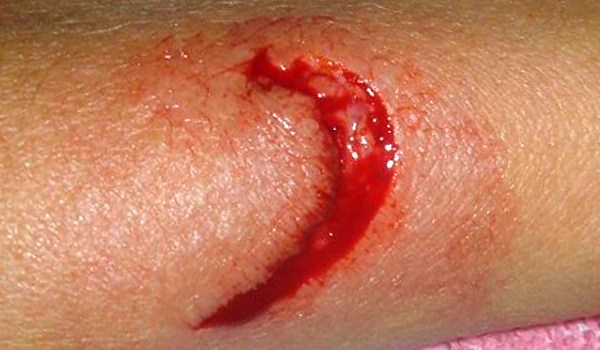
laceration suture repair closure

In medical training there is a lack of simulation based activities including procedural labs. Suturing is a critical skill for trainees to master in the emergency department. However, supervised practice is needed prior to suturing a real patient for the first time. This innovation allows early trainees to master suturing while on shift, using easy to find materials, which increases procedural competency and confidence. This activity allows the teacher to assess and correct the trainees procedural skills prior to attempting to suture a real patient.

Name of innovation

  • This Do-It-Yourself Suture Kit Station incorporates easy to find materials available in every emergency department, allowing early trainees to master suturing prior to suturing real patients.

Learners targeted

  • Medical students and early trainees who need suture practice

General group size

  • One-on-one student training is ideal, but can have multiple students who can practice using multiple suturing stations
  • If teacher unable to instruct while on shift, trainees can be shown a suture training video and practice alongside the video

DIY suture training kit for laceration repair

Materials needed

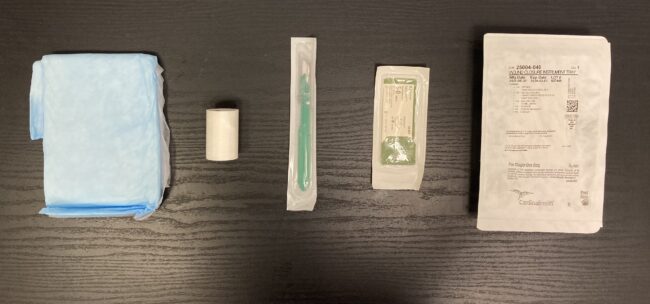
  • Blue chuck pad
  • Paper/cloth tape
  • Scalpel
  • Suture material
  • Suture kit

More detailed description of the activity and how it was run

  • Make the DIY Suture Kit Station (see above video):
    • Place a thick chuck pad on a flat sturdy surface.
    • Apply cloth tape to the entire surface of the chuck, and tape over the chuck. This is now the suturing pad.
    • Use a scalpel to make an incision to the pad.
    • Use the back blunt end of the scalpel to ‘fluff’ up incision edges to make laceration.
  • Use a laceration repair kit and suture to close the laceration.
  • Instruct the trainee on proper suturing technique on the suture station (or show a suture training video)
  • Have the trainee continue practicing until adequate comfort and proficiency level is achieved
  • Suture real patient!

Lessons learned, especially with regard to increasing resident and program buy in

  • Procedural skills require much repetition to gain proficiency. This is best done with video tutorials, supervision, and deliberate practice.
  • Practicing in a simulated environment greatly improves skill and confidence in real clinical practice.

Educational theory behind the innovation including specifics/styles of teaching involved

  • Simulation practice increases procedural competency.
  • Practicing on shift allows trainees to reach the number of repetitions required to gain mastery in suturing, Routt [1] showed that the number of repetitions required to gain proficiency was 41 times.
  • Competency in suturing is required even when cases are low. Wongkietachorn et al. demonstrated that tutoring suturing improves the trainees’ skillset. A practice suture kit helps improve retention for real-life scenarios [2].

Pearls

  • This DIY suture pad station technique is easily available and inexpensive.
  • To improve suturing techniques and enhance skill retention, medical students and early trainees need to learn with guided supervision on simulated task trainers.


References

  1. Routt E, Mansouri Y, de Moll EH, Bernstein DM, Bernardo SG, Levitt J. Teaching the Simple Suture to Medical Students for Long-term Retention of Skill. JAMA Dermatol. 2015 Jul;151(7):761-5. doi: 10.1001/jamadermatol.2015.118. PMID: 25785695.
  2. Wongkietkachorn A, Rhunsiri P, Boonyawong P, Lawanprasert A, Tantiphlachiva K. Tutoring Trainees to Suture: An Alternative Method for Learning How to Suture and a Way to Compensate for a Lack of Suturing Cases. J Surg Educ. 2016 May-Jun;73(3):524-8. doi: 10.1016/j.jsurg.2015.12.004. Epub 2016 Feb 20. PMID: 26907573.
By |2021-10-08T10:19:05-07:00Oct 15, 2021|IDEA series, Trauma|
Go to Top