


Epistaxis Management in the Emergency Department: A Helpful Mnemonic
 Epistaxis is a common presentation to the emergency department (ED)1 that can be challenging and time consuming. Knowledge of the pearls, pitfalls, and troubleshooting tips around managing nosebleeds often can be the difference between a frustrating versus straightforward ED stay for patients. Use the EPISTAXIS mnemonic to help you remember these points.
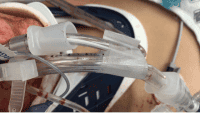 We have all been in the situation: an intubated patient needs an orogastric (OG) tube and no one has been able to place it successfully. Unfortunately, we typically find out about this situation after several failed attempts, when the patient is bleeding and/or the anatomy is distorted. It may coil in the mouth or esophagus. Here I present a novel technique to rapidly place an OG tube within seconds.
 Welcome to another ultrasound-based case, part of the “Ultrasound For The Win!” (
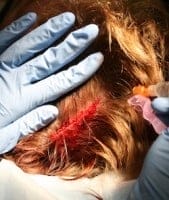 Most children who come into the Emergency Department present with pain or experience pain during their ED stay.
 A 2-month old boy was brought in by his mother after an episode of the child’s face turning blue and a pause in breathing. Mom reports this lasted a few seconds. The mother was terrified, so she brought the baby to the ED.
 A peer review process, in one form or another, has long been the de facto standard for academic publishing. In 2013, ALiEM was the first FOAM resource to initiate an attributed peer review process for all submitted content–effectively bringing a traditional standard to a new frontier of medical education.