


AIR Series Psychobehavioral 2017
 Welcome to the Psychobehavioral Module! After carefully reviewing all relevant posts from the top 50 sites of the Social Media Index the ALiEM AIR Team is proud to present the highest quality toxicology content. Below we have listed our selection of the 2 highest quality blog posts within the past 12 months (as of June 2017) related to psychology emergencies, curated and approved for residency training by the AIR Series Board. More specifically in this module, we identified 0 AIRs and 2 Honorable Mentions. We recommend programs give 1 hour (about 30 minutes per article) of III credit for this module. As of June 2017, the AIR series is now being used by over 125 residency programs with over 1,200 residents completing at least one module in the 2016-2017 academic year.

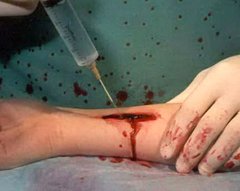 Wound irrigation is arguably one of the most important steps in closing a laceration, because all lacerations should be considered to be contaminated. Irrigation is considered the foundation in preventing infection. A common way to cleanse a wound is to irrigate a wound using a 20 cc syringe, angiocatheter, and splash protector. To achieve 500 cc of irrigation, however, it would require 25 syringe refills! Is there a better, cost-effective alternative?
 The NIH Stroke Scale is used to assess the severity of a suspected stroke. It includes 11 neurologic exam components that can be quickly performed at the bedside. The second component of the NIH Stroke Scale is testing of voluntary horizontal eye movements, a.k.a., “best gaze”.
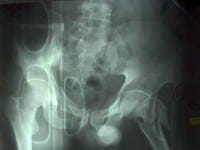 Pelvic trauma frequently is associated with other injuries from the high force required to break the pelvis. Management is focused on stabilizing the pelvis and stopping the bleeding. Due to other injuries requiring emergent surgical stabilization, pelvic trauma is primarily managed surgically with pre-peritoneal packing and external fixation, followed by angioembolization for continued bleeding. Emergency physicians must quickly resuscitate patients while gathering vital information to direct the correct definitive bleeding control strategy. New endovascular techniques such as REBOA (Resuscitative Endovascular Balloon Occlusion of the Aorta) may change future emergency department strategies and improve mortality in severe pelvic trauma.