Trick of the Trade: Paraphimosis – Pour Some Sugar On Me
 Paraphimosis occurs when a retracted foreskin can’t be reduced back over the glans of the penis. Risk factors for paraphimosis include scarring, vigorous sexual activity, chronic balanoposthitis, and forgetting to replace the foreskin after catheterization or manipulation.
Paraphimosis can be a urological emergency as the tight ring formed by the foreskin can cause ischemia to the tip of the penis and eventually gangrene. Timely reduction is of high importance. Treatment involves gentle compression of the glans and gradual manual foreskin retraction.1 Unfortunately, as time goes on, more swelling occurs making traditional reduction techniques more difficult.
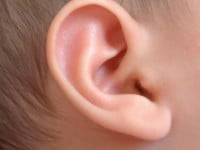 Ear irrigation is an important tool for adult and pediatric patients in the Emergency Department (ED) with ENT complaints. Irrigation can be used to clear ear cerumen, visualize tough-to-see tympanic membranes, and remove foreign bodies. This may reduce the need for subspecialist care and improve the patient’s hearing and quality of life.
 What makes a good chart? How do you write a good chart quickly? How about a good, efficient, billable chart? On average, residents and practicing physicians report they did not receive adequate training in charting and coding [1–3] and resident charts are more often down-coded due to documentation failures than those of attendings and PAs [4]. Thankfully, resident education in charting has improved over the past 15 years [5], and a little learning goes a long way to improve confidence [6] and competence [7].
 “EMS is wild and imperfect. Just like our patients. It’s dangerous and a little mad and possibly contagious…patients don’t come to us… we go to them, and where and how we find them, well, that, too, is part of the story. once in the field, we should expect no help.” – Kevin Hazzard