AIR Series: Peripheral Vascular Disease Module 2014
 Welcome to the fourth ALiEM Approved Instructional Resources (AIR) Module! In an effort to reward our residents for the reading and learning they are already doing online, we have created an Individual Interactive Instruction (III) opportunity utilizing FOAM resources for U.S. Emergency Medicine residents. For each module, the AIR board curates and scores a list of blogs and podcasts. A quiz is available to complete after each module to obtain residency conference credit. Once completed, your name and institution will be logged into our private database, which participating residency program directors can access to provide proof of completion.

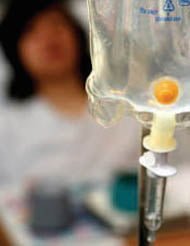
 We’re all pretty familiar with the banana bag: intravenous (IV) fluids with the addition of thiamine, folic acid, multivitamins, and sometimes magnesium. Banana bags are commonly utilized in patients at risk for alcohol withdrawal symptoms or those who present to the emergency department (ED) acutely intoxicated.
 Welcome to another ultrasound-based case, part of the “Ultrasound For The Win!” (#US4TW) Case Series. In this peer-reviewed case series, we focus on real clinical cases where bedside ultrasound changed management or aided in diagnoses. In today’s case, a 30-year-old male is brought in after blunt trauma from a high-speed MVC.