


Diagnose on Sight: “I feel like I am having a heart attack”
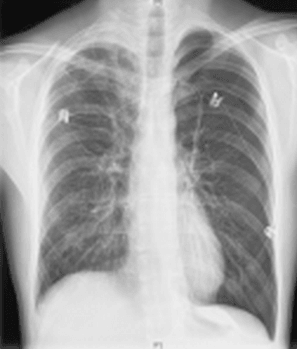 Case: A 18-year-old male with no medical history presents to the emergency department (ED) complaining of “feeling like I am having a heart attack” which started suddenly 1 hour ago. The patient ate from a food truck the night before and developed several episodes of forceful vomiting prior to arrival in the ED. What finding in this supine chest radiograph aids in the diagnosis? Click on image for a larger view.

 With several new diabetes medications available, it is important to know which ones are likely to cause hypoglycemia after overdose. Based on mechanism of action and reported cases, the likelihood of hypoglycemia after overdose is listed below by drug class.

 Welcome to the inaugural post for an exciting new ultrasound-based case series called “Ultrasound For The Win!” (