


Dexmedetomidine (Precedex) as an Adjunct to Benzodiazepines for Ethanol Withdrawal
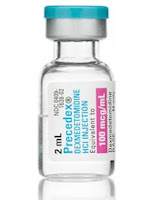 Sometimes a question is posed on Twitter that generates a great discussion from colleagues ’round the globe. Such was the case for dexmedetomidine. Although benzodiazepines remain the standard of treatment for ethanol withdrawal, particularly seizures and delirium tremens, what’s all the hype about dexmedetomidine?
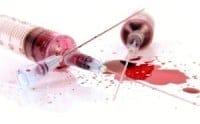 An IV drug user accidentally breaks off a 25-gauge needle in his/her forearm and presents to your ED for needle foreign body removal. How can you minimize the degree of trauma to the patient? How can you minimize the number of incisions made in order to find and remove this “needle in a haystack”?
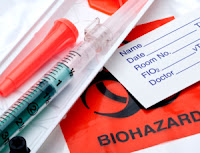 You obtain a venous blood gas (VBG) on a patient with a COPD exacerbation because you are concerned about hypercarbia. You get a value of 55 mmHg. How correlative is that compared to an arterial blood gas (ABG). There has been a lot of literature on how well the pH correlates between the ABG and VBG but what about pCO2?

