


Trick of the Trade: Rapid Oral Phenytoin Loading in the ED

A 57-year-old male (75 kg) presents to the ED after a witnessed seizure. He describes a history of seizure disorder and is prescribed phenytoin, but recently ran out. A level is sent and, not surprisingly, results as < 3 mcg/mL (negative). After a complete workup, the decision is made to ‘load’ him with phenytoin 1 gm and discharge him with a prescription to resume phenytoin. An IV was not placed.
Can you rapidly load him orally?
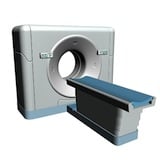 It is well known that taking a good history and physical, getting a non-ischemic EKG, and serial cardiac biomarkers, results in a risk of death/AMI of <5% in 30 days. Patients, in whom you still suspect have CAD, should undergo provocative testing within the next 72 hours based on the AHA/ACC guidelines. Their guidelines deem provocative testing as including:
 A patient’s contact lens broke when she was trying to take it off. She feels the pieces are still inside her eye, but she was unable to fish them out. When you look through the slit lamp, you are unable to to see whether there are contact lens pieces inside since they are clear.
 Nasogastric lavage (NGL) seems to be a logical procedure in the evaluation of patients with suspected upper GI bleeding, but does the evidence support the logic? Most studies state that endoscopy should occur within 24 hours of presentation, but the optimal timing within the first 24 hours is unclear. Rebleeding is the greatest predictor of mortality, and these patients benefit from aggressive, early endoscopic hemostatic therapy and/or surgery. So what are the arguments for and against NGL?

