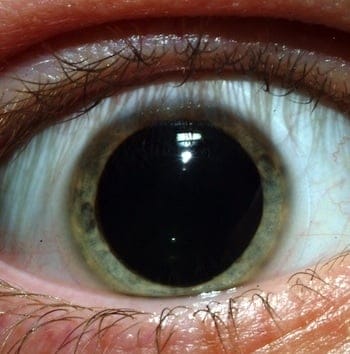
Great teaching video: Corneal FB removal
 Patients often come into the ED for eye pain. One of my favorite procedures is removal of a small foreign body embedded in the cornea. There is a great instructional video on removing such foreign bodies and the use of a ophthalmic burr on removing rust rings.
The video recommends using either a 30-gauge or 18-gauge needle. I prefer the less innocuous-looking 29-gauge insulin/TB needle. Can you imagine someone coming towards your eye with a large 18-gauge needle?!
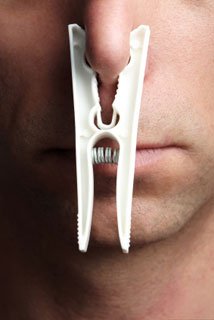
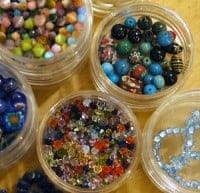 A 6-year old boy has placed a hard bead in his ear and presents to the ED for care. How do you remove this foreign body as painlessly as possible? You can just barely see the edge of the bead by just looking at the external ear.
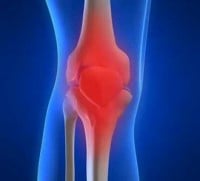 How accurate is the clinical knee exam?