SAEM Clinical Image Series: Pediatric Rash

pediatric rash

A 17-month-old girl with a history of eczema presents to the pediatric emergency department for evaluation of a rash. The rash is different from her usual eczema, developed three days prior to presentation, and is described as red with yellow crusting. Her mother also noticed blistering in her groin and under her axilla. She has associated fussiness and decreased feeding, but no fever.

Vitals: T 37.7°C; HR 161; BP 115/75; RR 24; O2 sat 100% on room air

General: Fussy but consolable

Eyes: No conjunctival erythema or discharge

Mouth: Yellow crusting and fissuring surrounding mouth; no intra-oral lesions

Neck: No nuchal rigidity

Cardiovascular: Tachycardic with regular rhythm; no murmurs

Respiratory: Normal rate; normal breath sounds

Abdomen: Non-tender to palpation; non-distended; normal bowel sounds

Neurologic: Alert

Skin: Diffusely erythematous; scaling rash over the face with areas of yellow crusting; erythematous areas with blistering/desquamation to the anterior trunk, axilla, and inguinal regions

Complete blood count (CBC) and comprehensive metabolic panel (CMP) unremarkable.

Staphylococcal scalded skin syndrome caused by impetigo.

This case describes a patient with a rash, blistering/desquamation of axilla and groin, and systemic symptoms consistent with staphylococcal scalded skin syndrome (SSSS). Clinical features of SSSS include erythema to intertriginous areas, rapid progression of erythema, and systemic symptoms such as fever, irritability, and poor oral intake. Mucous membranes are not typically involved. Physical exam findings include perioral crusting and fissuring (seen in photo), blanching erythema, desquamation, shallow skin erosions, and a positive Nikolsky sign. SSSS is caused by exfoliative toxin A (ETA) and exfoliative toxin B (ETB), two exotoxins produced by certain strains of S. aureus. ETA and ETB cause the breakdown of keratinocyte adhesions within the epidermis, leading to desquamation. Infection with S. aureus at any site can cause SSSS, including bacterial conjunctivitis, wound/skin infection, staphylococcal pneumonia, pyomyositis, septic arthritis, and endocarditis. SSSS is more common in children, a phenomenon thought to be due to a lack of protective antibodies against staphylococcal antigens. The diagnosis of SSSS is clinical but can be confirmed with histopathology. In this case, the extensive yellow, crusting lesions of the face suggest impetigo, a superficial skin infection predominantly caused by S. aureus, as the etiology of SSSS. Children with eczema are at increased risk of impetigo due to disruption of the normal skin barrier. Complications of SSSS include fluid losses due to extensive skin breakdown, electrolyte abnormalities, sepsis, and death.

Penicillinase-resistant penicillins (oxacillin, nafcillin) or first- or second-generation cephalosporins. Clindamycin monotherapy should be avoided due to high rates of resistance. Management of SSSS in most cases also includes hospitalization for IV antibiotics and supportive care. In patients with significant skin involvement, admission to either an ICU or burn unit is warranted for close monitoring and wound care.

Take-Home Points

  • Staphylococcal scalded skin syndrome (SSSS) is caused by the release of S. aureus exfoliative toxins A and B into the bloodstream, thus SSSS can be caused by any infection caused by S. aureus.
  • Penicillinase-resistant penicillins are the first-line therapy in patients with SSSS. First- and second-generation cephalosporins, as well as vancomycin, can also be considered.
  • Treatment with clindamycin monotherapy should be avoided in patients with SSSS due to high levels of resistance among strains of S. aureus which cause SSSS.

  • Mishra AK, Yadav P, Mishra A. A Systemic Review on Staphylococcal Scalded Skin Syndrome (SSSS): A Rare and Critical Disease of Neonates. Open Microbiol J. 2016 Aug 31;10:150-9. doi: 10.2174/1874285801610010150. PMID: 27651848; PMCID: PMC5012080.
  • Paller A, Mancini, A. Hurwitz Clinical Pediatric Dermatology: A Textbook of Skin Disorders of Childhood and Adolescence. Edinburgh, Scotland: Elsevier; 2015.
  • Handler MZ, Schwartz RA. Staphylococcal scalded skin syndrome: diagnosis and management in children and adults. J Eur Acad Dermatol Venereol. 2014 Nov;28(11):1418-23. doi: 10.1111/jdv.12541. Epub 2014 May 20. PMID: 24841497.
  • Braunstein I, Wanat KA, Abuabara K, McGowan KL, Yan AC, Treat JR. Antibiotic sensitivity and resistance patterns in pediatric staphylococcal scalded skin syndrome. Pediatr Dermatol. 2014 May-Jun;31(3):305-8. doi: 10.1111/pde.12195. Epub 2013 Aug 23. PMID: 24033633; PMCID: PMC4349361.
  • Neubauer HC, Hall M, Wallace SS, Cruz AT, Queen MA, Foradori DM, Aronson PL, Markham JL, Nead JA, Hester GZ, McCulloh RJ, Lopez MA. Variation in Diagnostic Test Use and Associated Outcomes in Staphylococcal Scalded Skin Syndrome at Children’s Hospitals. Hosp Pediatr. 2018 Sep;8(9):530-537. doi: 10.1542/hpeds.2018-0032. PMID: 30139766; PMCID: PMC6317540.


SAEM Clinical Image Series: I Have a Stomachache

stomachache

An 18-year-old male with no significant past medical history presents with diffuse abdominal pain and multiple episodes of non-bloody, non-bilious vomiting for three days. The patient was seen yesterday at another facility and states he was diagnosed with gastritis and discharged with Zofran, which provided no relief. He denies fever, diarrhea, or urinary symptoms and states his last bowel movement was two days ago and was consistent with his usual bowel movements.

Vitals: T 97.7ºF; HR 138; BP 122/98; RR 18; O2 sat 99% on RA

General: Thin male, appears uncomfortable

Abdominal: Mild distention with diffuse tenderness to palpation; no guarding or rebound tenderness

White blood cell (WBC) count: 13k

Complete metabolic panel (CMP): Mild hypokalemia; otherwise unremarkable

Lactate: 4.9

Urinalysis (UA): Mild ketonuria; no hematuria; no evidence of infection

Superior Mesenteric Artery (SMA) syndrome also known as Wilke’s or Cast Syndrome is a condition where the third section of the duodenum gets compressed between the superior mesenteric artery and the aorta leading to a proximal obstruction in the duodenum and stomach. The most common etiology of SMA syndrome is the loss of the mesenteric fat pad surrounding the SMA. This leads to an acute angulation between the SMA and the aorta, thus compressing the duodenum and causing a partial or complete obstruction. While the condition is rare, predisposing factors include sudden weight loss and chronic illnesses such as malabsorption syndromes, AIDS, and malignancy.

Treatment in the acute stage is conservative management including gastric decompression, IV fluids, correction of electrolyte abnormalities, and nutritional support, which may include temporary gastro-jejunostomy (GJ) tube placement. Severe refractory cases may require surgical intervention. This patient was admitted and treated conservatively, including a temporary GJ tube placement which was removed a few months later.

Take-Home Points

  • Consider SMA syndrome in patients with a history of sudden weight loss or chronic illness.
  • Look for very proximal obstruction on CT with significant gastric distension.
  • Acute management is conservative treatment.

  • Hamden, A. & Scovell, S. (2020). Superior Mesenteric Artery Syndrome. In K. Collins (Ed.), UpToDate. Retrieved January 4, 2021, from https://www.uptodate.com/contents/superior-mesenteric-artery-syndrome
  • Niknejad, M. & Ranschaert, E. (2018). Superior Mesenteric Artery Syndrome. Radiopedia.org. Retrieved January 4, 2021, from https://radiopaedia.org/articles/superior-mesenteric-artery-syndrome?lang=us
  • Karrer FM. (2017). Superior Mesenteric Artery Syndrome. Medscape Reference. Retrieved December 22, 2020, from http://emedicine.medscape.com/article/932220-overview Genetic and Rare Diseases Information Center. (2018). Superior Mesenteric Artery Syndrome. [Online]. Available at: https://rarediseases.info.nih.gov/diseases/7712/superior-mesenteric-artery-syndrome#:~:text=Superior%20mesenteric%20artery%20syndrome%20(SMAS,complete%20blockage%20of%20the%20duodenum


SAEM Clinical Image Series: Vomiting in the Pediatric Patient

vomiting

A 2-year-old boy with a past medical history of Hirschsprung disease presents to the emergency department (ED) with vomiting, abdominal distension, and inability to tolerate PO for one day. His parents had been instructed by their pediatric surgeon to perform rectal irrigations 2-3 times daily for the few days prior to presentation.

Vital signs within normal limits.

General: Appears lethargic

HEENT: Oral mucosa dry

Abdomen: Moderately distended; decreased bowel sounds

Skin: Normal turgor

Non-contributory

The differential diagnosis for pediatric patients presenting with vomiting is broad and includes but is not limited to gastritis, diabetic ketoacidosis, pyloric stenosis, appendicitis, intussusception, urinary tract infection, colic, toxic ingestion, volvulus, incarcerated hernia, and bowel obstruction. However, in a child with Hirschsprung disease who presents with vomiting, an emergency medicine physician must maintain a high degree of suspicion for Hirschsprung-associated enterocolitis (HAEC).

Hirschsprung disease is a rare congenital condition affecting approximately 1-in-5,000 births that refers to a functional intestinal obstruction due to the absence of ganglionic cells in the myenteric plexus of the distal colon. Life-threatening complications of Hirschsprung disease include bowel obstruction, Hirschsprung-associated enterocolitis (HAEC), and toxic megacolon. HAEC is the leading cause of morbidity and mortality in these patients. HAEC can present with vague symptoms such as fever, diarrhea, vomiting, rectal bleeding, constipation, and lethargy. Due to these nonspecific symptoms, it is necessary for emergency medicine physicians to maintain a high index of suspicion for HAEC. Once diagnosed, immediate resuscitation should begin with the placement of a rectal tube for decompression, initiation of broad-spectrum antibiotics and fluids, as well as urgent pediatric surgery consultation.

Take-Home Points

  • HAEC can present with nonspecific symptoms of diarrhea, vomiting, fever, lethargy, abdominal distension, and obstipation.
  • HAEC must be quickly identified in patients with Hirschsprung disease due to the risk of rapid decompensation from hypovolemic shock secondary to dehydration, septic shock from HAEC, and the development of toxic megacolon.
  • HAEC is the leading cause of morbidity and mortality in pediatric patients with Hirschsprung disease.

  • Guillaume AWD, Miller AC, Nguyen MC. Enterocolitis in a Child With Hirschsprung Disease. Pediatr Emerg Care. 2019 Jul;35(7):e131-e132. doi: 10.1097/PEC.0000000000001108. PMID: 28328696.
  • Demehri FR, Halaweish IF, Coran AG, Teitelbaum DH. Hirschsprung-associated enterocolitis: pathogenesis, treatment and prevention. Pediatr Surg Int. 2013 Sep;29(9):873-81. doi: 10.1007/s00383-013-3353-1. PMID: 23913261.
  • Gosain A. Established and emerging concepts in Hirschsprung’s-associated enterocolitis. Pediatr Surg Int. 2016 Apr;32(4):313-20. doi: 10.1007/s00383-016-3862-9. Epub 2016 Jan 19. PMID: 26783087; PMCID: PMC5321668.
  • Maloney, Patrick J. “Gastrointestinal Disorders.” Rosen’s Emergency Medicine: Concepts and Clinical Practice. 9th Edition. Chapter 171. Page 2126-2144. 2018.


SAEM Clinical Image Series: Silver Scales

A 6-year-old otherwise healthy female presented to the emergency department (ED) with a rash across all four extremities. She has had seven months of pruritic, expanding lesions starting on her shins, now beginning to expand on her forearms. No history of allergies or irritant exposure. Due to Covid-19, she has been unable to see a provider before today’s ED visit.

Vitals: T 98.3°F; BP 96/72; HR 92; RR 24; O2 sat 100%

Skin: Numerous patchy red lesions scattered across bilateral upper and lower extremities with silver plaque accumulation. No nailbed involvement. No mucous membrane involvement.

Non-contributory

Psoriasis vulgaris, plaque subtype, is a common dermatologic condition often seen in the outpatient setting. Plaques are most commonly noted on the knees, elbows, and lower back. The silvery plaques in characteristic locations are a hallmark of this diagnosis but are rarely seen to this extent. Unfortunately for this patient, this was the initial presentation due to the inability to access care during the COVID-19 pandemic.

Initial management is with high-potency topical corticosteroids. Systemic steroids should be avoided to prevent exacerbation or eruption of pustular psoriatic lesions. In this case, given the patient’s age and disease severity, she was seen in the ED by Dermatology and initiated on corticosteroid topical therapy. She was encouraged to establish care with rheumatology to be routinely screened for associated life-altering pathologies including psoriatic arthritis and uveitis.

Take-Home Points

  • When making a visual diagnosis of plaque psoriasis, evaluate for erythema, edema, or signs of superinfection.
  • Avoid systemic steroids given the risk of rash exacerbation, especially upon withdrawal.
  • Younger patients and those with more than 10% body surface area involvement should be evaluated by a dermatologist for initiation of topical corticosteroids and possible escalation to phototherapy, methotrexate, retinoids, or biologic agents.
  1. Menter A, Cordoro KM, Davis DMR, Kroshinsky D, Paller AS, Armstrong AW, Connor C, Elewski BE, Gelfand JM, Gordon KB, Gottlieb AB, Kaplan DH, Kavanaugh A, Kiselica M, Kivelevitch D, Korman NJ, Lebwohl M, Leonardi CL, Lichten J, Lim HW, Mehta NN, Parra SL, Pathy AL, Farley Prater EA, Rupani RN, Siegel M, Stoff B, Strober BE, Wong EB, Wu JJ, Hariharan V, Elmets CA. Joint American Academy of Dermatology-National Psoriasis Foundation guidelines of care for the management and treatment of psoriasis in pediatric patients. J Am Acad Dermatol. 2020 Jan;82(1):161-201. doi: 10.1016/j.jaad.2019.08.049. Epub 2019 Nov 5. Erratum in: J Am Acad Dermatol. 2020 Mar;82(3):574. PMID: 31703821.


SAEM Clinical Image Series: Pediatric Penis Swelling

A 3-year-old healthy uncircumcised male presents to the Emergency Department with five days of penis swelling and pain. Five days prior, his father noted that the patient’s foreskin appeared stuck behind the head of the penis. The patient was seen at an urgent care facility four days prior and was given an antifungal cream for presumed balanitis, however, this did not resolve the patient’s symptoms. Since that time, the penis has been getting progressively more swollen and painful. The patient has not experienced the inability to urinate, decreased urine output, penile discharge, other penile lesions, fever, chills, abdominal pain, nausea, vomiting, testicular pain, or testicular swelling.

Vitals: Within normal limits

General: Alert, anxious

Genitourinary: Penile swelling, erythema, and tenderness to palpation

Non-contributory

Paraphimosis is a medical emergency due to the risk of tissue necrosis. A preputial or phimotic ring – a circumferential band of tissue – caught behind the glans causes swelling of penile tissue.

In the evaluation of painful penile swelling, the first step is to determine whether the patient is circumcised or not through a review of the medical record or discussion with the patient’s family. In an uncircumcised male, the critical next step is to assess for an entrapped and retracted foreskin (paraphimosis). Visualization of the glans penis and the urethral meatus as in this case demonstrates that the foreskin is retracted. Additionally, visualization of the glans penis and urethral meatus makes a scarred and unretractable foreskin (pathologic paraphimosis) unlikely to be the primary diagnosis. The differential diagnosis also includes hair tourniquet syndrome, chigger bites, and inflammation of the glans and foreskin (balanitis and balanoposthitis).

Take-Home Points

  • In any male presenting with penile pain, it is critical to first ascertain his circumcision status. In an uncircumcised male, visualizing the glans and urethral meatus demonstrates that the foreskin is retracted.
  • Paraphimosis is a medical emergency caused by an entrapped, retracted foreskin.
  1. Bragg BN, Kong EL, Leslie SW. Paraphimosis. 2021 May 4. In: StatPearls [Internet]. Treasure Island (FL): StatPearls Publishing; 2021 Jan–. PMID: 29083645.
  2. 2. Simonis K, Rink M. Paraphimosis. In: Urology at a Glance. Springer Berlin Heidelberg; 2014:361-364. doi:10.1007/978-3-642-54859-8_65


By |2021-09-13T10:34:13-07:00Sep 13, 2021|Genitourinary, Pediatrics, SAEM Clinical Images|

SAEM Clinical Image Series: Sudden Onset of Facial Petechiae in Kindergartener

petechiae

A 6-year-old boy with no past medical history presented when his parents noticed facial petechiae after picking him up from school. He had a series of four recent upper respiratory infections within four months since starting public kindergarten. He occasionally also complains of leg pain.

General: Non-toxic, cooperative child

Skin: Petechial rash in periorbital and infra-auricular areas

HEENT: Normal; no lymphadenopathy

Musculoskeletal: Normal strength and range of motion

Hemoglobin: 12.6 g/dL

White blood cell (WBC) count: 6.7×10³/mL

Platelets: 352,000/mL

Increased pressure in the dermis from actions such as extended Valsalva maneuver, vomiting, crying, or coughing.

This child had a stressful day in kindergarten. He was holding his breath for extended periods of time to suppress crying. The increased pressure caused the facial petechiae, which was completely unrelated to his recent viral infection or growing pains

Take-Home Points

  • Fine petechiae around the eyes, cheeks, and ears are most often caused by crying or similar behaviors that cause increased pressure in the subcutaneous vessels of the face.
  • Mucosal and cutaneous capillaries are fragile and can easily rupture, even with minor trauma. Usually, platelets can seal these immediately, so when petechiae show up, consider a problem with primary hemostasis.
  1. Kumar V, Abbas A, Aster J. Hemodynamic Disorders, Thromboembolic Disease, and Shock. Robbins & Cotran Pathologic Basis of Disease, 10th edition. 2021. Marcdante K, Kliegman R. Immunological Assessment. Nelson Essentials of Pediatrics, 8th edition. 2019


By |2021-07-22T22:10:34-07:00Aug 9, 2021|Dermatology, HEENT, Pediatrics, SAEM Clinical Images|

PEM POCUS Series: Pediatric Ocular Ultrasound for Optic Nerve Evaluation


Read this tutorial on the use of point of care ultrasonography (POCUS) for pediatric ocular ultrasonography for optic nerve evaluation. Then test your skills on the ALiEMU course page to receive your PEM POCUS badge worth 2 hours of ALiEMU course credit.


PATIENT CASE: Child with a Headache

Madeline is a 15-year-old female presenting to the Emergency Department with chief complaint of a headache for 1 week. She has been struggling with headaches for more than a year. The headache has been intermittent and tends to develop close to the end of the day, but it does improve with sleep. She denies photophobia, but has been complaining of blurry vision over the last week for which she is scheduled to see an ophthalmologist. Her medications include ibuprofen as needed for the headache and a daily medication for her acne.

Vital Signs

Vital SignFinding
Temperature97°F
Heart rate78 bpm
Blood pressure130/85
Respiratory rate14
Oxygen saturation (room air)100%
Weight200 lbs (90.1 kg)

Exam

Overall she is well appearing. She has a normal cardiac, respiratory, abdominal, and neurological examination including the cranial nerves.

On ocular examination, she has normal extra-ocular movements and a pupillary examination.

  • Visual acuity: Right eye 20/30, left eye 20/25
  • No visual field deficits
  • You attempt to evaluate her optic discs with an ophthalmoscope. Although not confident, you believe she has blurring of the optic disc margins bilaterally.

Given your examination findings, you request an ophthalmology evaluation and consider head imaging. While waiting, you decide to perform an ocular point of care ultrasound (POCUS) examination.


Why perform an ocular POCUS?

Ocular POCUS can be performed for various complaints, and it can provide valuable information. This especially is true in cases where the physical examination is difficult to perform such as from lack of patient cooperation, sensitivity to light, or pain. In resource-limited settings and when access to advanced diagnostic imaging or an ophthalmologist could be delayed or unavailable, ocular POCUS can be easily performed and provide information within minutes. 

Indications to performing ocular POCUS include:

  • Visual changes
  • Acute loss of vision
  • Ocular trauma
  • Non-traumatic eye pain
  • Evaluation for increased intracranial pressure (ICP)

IMPORTANT NOTE: Ocular POCUS should not be performed when there is a concern for globe rupture to avoid applying pressure on the eye and exacerbating loss of intraocular contents. 

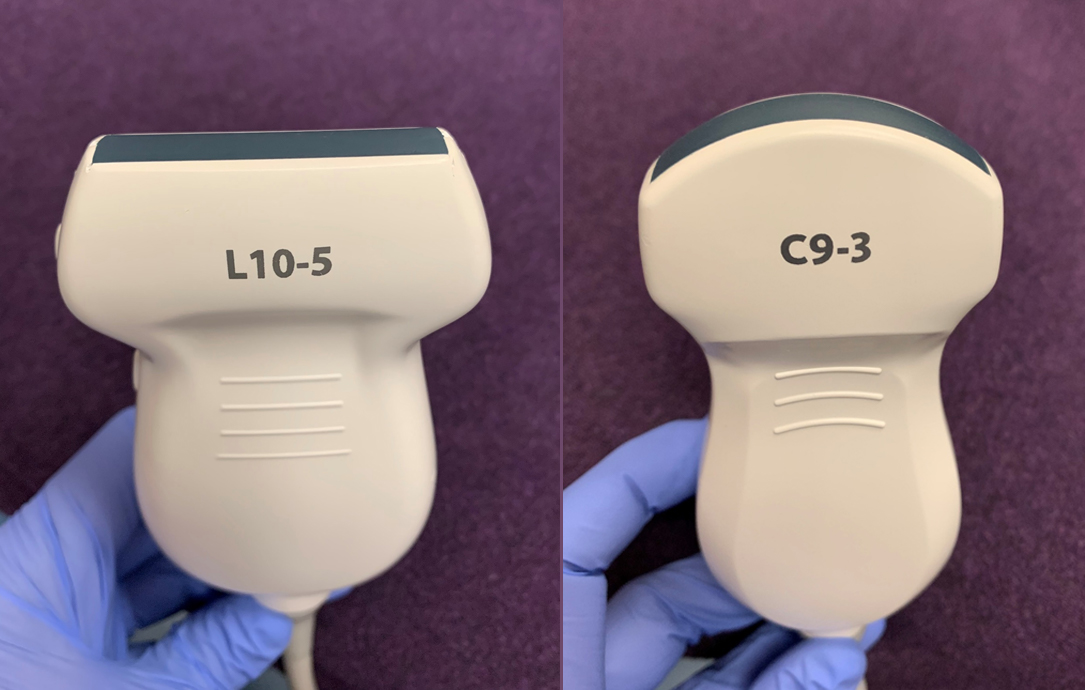
Figure 1: Hockey stick linear transducer that can be used for ocular point of care ultrasonography
Figure 2. Linear transducer to use for ocular point of care ultrasonography

Step-By-Step Technique

  • The examination can be performed with the patient in the supine position or with the head of the bed slightly elevated
  • A high frequency linear transducer (Figures 1 & 2) should be used, preferably with a smaller footprint
  • A copious amount of gel should be applied to a closed eye
    • Different types of gel could be used such as the regular water-soluble ultrasound gel, sterile gel/surgical lube, and commercially available ocular-specific ultrasound gel. All these are safe, easy to clean, and do not irritate the eye.

Pro Tip: A tegaderm placed over a closed eye could be used to keep the gel from going into the eye. A tegaderm placed over a closed eye could be used to keep the gel from going into the eye depending on the patient’s preference.

  • Ultrasound Setup: Ideally use the ocular preset. The ocular setting lowers both mechanical and thermal indices, thus decreasing the amount of ocular exposure to the energy released from the transducer. Set the depth at 4-5 cm. This will allow imaging of the globe and the orbit behind the eyeball.

Pro Tip: If your POCUS machine does not have an ocular preset, a musculoskeletal or small parts preset could be used after turning down the dynamic range and mechanical index. Figure 3 is an example of how this could be done on a Mindray TE7 ultrasound machine.

Figure 3: To change the mechanical index (highlighted in the left upper corner), press on image, then slide the A.power down. Note as you are reducing the A.power, the mechanical index decreases. A mechanical index around 26% is sufficient.
ocular ultrasound transducer probe over eye
  • Provider Positioning: Anchoring is important when performing an ocular examination to avoid applying pressure on the eyeball. Place 2 or 3 fingers on the patient’s forehead, nasal bridge, or temple (Figure 4, left). Please note: Applying high pressure to the eye can induce the oculocardiac reflex leading to bradycardia. It can also stimulate nausea and vomiting.
  • Ultrasound Views: The ocular POCUS exam can be performed in transverse and sagittal orientations (Figure 5).
    • Transverse: place the transducer on the closed eyelids with the marker towards the patient’s right. Fan the probe until you identify the optic nerve.
    • Sagittal: with the transducer in transverse, turn it 90 degrees until the marker is pointing to the forehead. Tilt Fan the probe until you identify the optic nerve.
Figure 5: Transducer positioning while performing ocular POCUS in the sagittal (left) and transverse (right) orientation

Pro Tip: If the optic nerve cannot be seen, ask the patient to move the eye from one side to another. The optic nerve will move in the opposite direction (opposite to the patient gaze).


Normal Anatomy

Figure 6: A transverse ocular POCUS showing the hypoechoic eyelid anterior, the anechoic anterior chamber, hyperechoic iris, the hypoechoic lens with hyperechoic anterior and posterior edges, anechoic posterior chamber, and a hyperechoic retina. The optic nerve is appreciated posterior to the retina as a hypoechoic structure that may run vertically or at an angle.
Video 1: Normal ocular POCUS with a view of a straight optic nerve
Video 2: Another ocular POCUS showing a normal optic nerve and disc

Assessment of the Optic Disc

The optic disc is where the optic nerve enters the eyeball. On POCUS, it normally appears smooth and in-line with the retina. Sometimes a small elevation is noted at the optic disc. This is called Optic Disc Elevation (ODE). It can be measured from the base of the optic disc to its peak at the widest area. It normally measures < 1 mm (figure 7). If the ODE is > 1 mm, this indicates papilledema and increased ICP. Of note, normal ranges are still an active area of study, see table in Ocular POCUS: Facts and Literature Review section for more information.

Figure 7: Look at the optic disc. Is it elevated? When measured, it was 0.08 cm (0.8 mm).

Assessment of the optic nerve sheath diameter (ONSD)

  • The optic nerve is covered with the optic nerve sheath that is made up of the 3 layers of meninges surrounding the brain (dura mater, arachnoid mater, and pia mater). Pressure in the subarachnoid space is transmitted to the optic nerve sheath. ONSD (which is the hyperechoic membrane covering the hypoechoic optic nerve) can be measured 3 mm behind the retina (Figures 8 & 9 below). This measurement should done from the outer wall of the optic nerve sheath (hyperechoic sheath) to the outer wall of the sheath on the other side.
    • Do not include the shadow outside the ONSD in the measurement.
    • Identify the trajectory of the optic nerve because this measurement has to be done perpendicular to the nerve’s axis. 
  • Although definitive ONSD normal ranges are still an active area of research, a rough guide for a normal ONSD measurement is:
    • Infants less than 1 year: ONSD <4 mm
    • Children older than 1 year: ONSD <4.5 mm
Figure 8: Identification of the optic nerve, sheath, and disc
Figure 9: Measuring the ONSD 0.3 cm (3 mm) behind retina results in an ONSD of 0.385 cm (3.85 mm)
  • Use color doppler to identify the central retinal vessels that run in the middle of the optic nerve. This will help identify the axis/direction of the optic nerve. However, care should be taken to limited duration of color doppler use (Figure 10).

Pro Tip: ONSD normative values are not well established in pediatrics. Multiple studies attempted to set normal cutoffs for ONSD in various age groups. While measurement more than 5 mm in adults is considered abnormal, a value of 4 mm for infants and 4.5 mm in older children is used as the cut off [1]. The are different cutoffs that are used in the literature with variable sensitivity and specificity. See literature review section. ONSD is also highly operator dependent. An inappropriate technique in measuring the ONSD can lead to under- or over-estimation of the diameter. 


Ocular POCUS: Abnormal Ultrasound Findings


Optic Disc Elevation (ODE)

When ODE is >1 mm, it suggests papilledema, which is concerning for an increased ICP. The following figures and videos below illustrate abnormal ODE measurements. Note that normal ODE ranges are an active area of study.

Optic Nerve Sheath Diameter (ONSD)

Assessment of the optic nerve can provide information about intracranial pressure. Increased ICP is suggested when you see an enlarged ONSD.

Figure 11: Optic disc elevation can be seen as bulging of the hyperechoic optic disc into the posterior chamber, measured as 1.56 mm (normal is >1 mm elevation)
Video 2: Ocular ultrasound with bulging optic disc, concerning for papilledema
Figure 12: Ocular ultrasound label showing the elevated optic disc from Video 2


Video 3: Ocular POCUS showing elevated ODE and abnormal ONSD measurements for a 6-year-old patient
Figure 13: Labeled measurement of the optic disc elevation (ODE) from Video 3.
Figure 14: The optic nerve sheath diameter (ONSD) is 4.5 mm in Video 3, as measured 3 mm posterior to the retina. This is at the upper limit of normal for the age range.

Pseudopapilledema is a mimicker

Pro Tip: Pseudopapilledema (anomalous elevation of one or both optic discs without edema of the optic nerve) is a mimicker of papilledema and can be caused by a number of conditions including:

  • Optic nerve head drusen: Calcified deposits in the optic disc appear hyperechoic with posterior shadowing, and cause swelling (Video 4, Figure 15)
  • Congenital anomalies
  • Vitreopapillary traction
  • Systemic disease

In these mimic cases, the POCUS ODE is typically <1 mm, whileas true papilledema is ≥1 mm. If the findings are equivocal, providers should perform additional evaluation for papilledema and elevated ICP.

Video 4: Optic disc drusen
Figure 15: Optic disc drusen with hyperechoic calcium deposits of the optic disc with posterior shadowing. The ODE measurement is <1 mm.

Ocular POCUS: Facts and Literature Review

Ocular POCUS has been used in the Emergency Department for detection of various ocular conditions, including increased ICP. The American Academy of Pediatrics (AAP) supported its use for ocular evaluation in its policy statement [2].

Optic Disc Elevation (ODE)

ODE has been reported as a method for detection of increased ICP with decent accuracy. There has been multiple attempts to assess the quantitative measurement of ODE and its correlation with increased ICP (table 1). This is an area of ongoing research with early studies limited by small sample sizes.

StudySensitivitySpecificityComments
Teismann et al 2013 [3]At 0.6 mm cut off: 82%
(95% CI 48-98%)

At 1 mm cut off: 73%
(95% CI 39-94%)
At 0.6 mm cut off: 76% (95% CI 50-93%)

At 1 mm cut off: 100% (95% CI 81-100%)
Sample size: 14 adults

These measurements were compared to ophthalmology-performed fundus exam. Only 6 of 14 patients had papilledema.
Tessaro et al 2021 [4]At 0.66 mm cut off (for mean of ODE of both eyes): 96%
(95% CI 79–100%) 
93% (95% CI 79–100%)Sample size: 40 children (mean age 11.4 years)

26/40 patients had increased ICP.
Table 1: Literature about optic disc elevation measurements using ultrasonography

Optic Nerve Sheath Diameter (ONSD)

Normal values for ONSD have been established in adults [5]. It is still a controversial topic in children. The current standard is that an ONSD >4 mm in infants and 4.5 mm in children older than 1 year is considered abnormal, based on pediatric study of 102 healthy children [1]. There have been multiple studies to assess the sensitivity and specificity of this exam (table 2). 

StudyAbnormal ONSD ifSensitivitySpecificityComments
Blaivas et al 2003 [5]>5 mm100%95%Sample size: 34 adults

This is an adult study comparing ONSD on POCUS with CT results.
Le et al 2009 [6]>4 mm for infants

>4.5 mm for children >1 year old
83% (95% CI 60-94%)38% (95% CI 23-54%)Sample size: 64 children

24/64 patients had confirmed ICP based on CT, MRI, or direct ICP monitoring.
Marchese et al 2018 [7]>4.5 mm90% (95% CI 67–98%)57% (95% CI 43–70%)Sample size: 76 children

20/76 patients had concern for optic nerve swelling on ophthalmology exam. The test characteristics of ONSD changed with increasing or decreasing cutoffs or adding ODE as another marker for increased ICP.
Table 2: Studies assessing correlation of optic nerve sheath diameter (ONSD) measurements with increased intracranial pressure (ICP)

Case Resolution

You perform an ocular POCUS exam with a linear probe. The following image was obtained. What do you see?

Figure 16. Ocular ultrasound of patient case

ED Course

This patient’s POCUS showed optic disc swelling with optic disc elevation and an enlarged optic nerve sheath diameter suggesting elevated ICP. The brain MRI was normal without signs of hydrocephalus. Ophthalmology evaluation confirmed the presence of papilledema. After consulting with neurology, an ultrasound-assisted lumbar puncture (LP) was performed. The patient’s opening pressure was 35 mm H2O. CSF was removed until a goal pressure of 25 mm H2O was achieved. The patient was diagnosed with idiopathic intracranial hypertension (formerly known as pseudotumor cerebri). The patient symptoms were resolved after the LP. She was admitted for further evaluation and management.

Hospital Course

The patient was evaluated by neurology while on the inpatient unit. She was started on acetazolamide and discharged home. After multiple follow-up visits at the neurology clinic, her symptoms continue to be well-controlled.

Learn More…

References

  1. Ballantyne J, Hollman AS, Hamilton R, et al. Transorbital optic nerve sheath ultrasonography in normal children. Clin Radiol. 1999 Nov;54(11):740-2. PMID: 10580764.
  2. Marin JR, Lewiss RE; American Academy of Pediatrics, Committee on Pediatric Emergency Medicine; Society for Academic Emergency Medicine, Academy of Emergency Ultrasound; American College of Emergency Physicians, Pediatric Emergency Medicine Committee; World Interactive Network Focused on Critical Ultrasound. Point-of-care ultrasonography by pediatric emergency medicine physicians. Pediatrics. 2015 Apr;135(4):e1113-22. PMID: 25825532.
  3. Teismann N, Lenaghan P, Nolan R, Stein J, Green A. Point-of-care ocular ultrasound to detect optic disc swelling. Acad Emerg Med. 2013 Sep;20(9):920-5. PMID: 24050798.
  4. Tessaro MO, Friedman N, Al-Sani F, Gauthey M, Maguire B, Davis A. Pediatric point-of-care ultrasound of optic disc elevation for increased intracranial pressure: A pilot study. Am J Emerg Med. 2021 May 21;49:18-23. PMID: 34051397.
  5. Blaivas M, Theodoro D, Sierzenski PR. Elevated intracranial pressure detected by bedside emergency ultrasonography of the optic nerve sheath. Acad Emerg Med. 2003 Apr;10(4):376-81. PMID: 12670853.
  6. Le A, Hoehn ME, Smith ME, et al. Bedside sonographic measurement of optic nerve sheath diameter as a predictor of increased intracranial pressure in children. Ann Emerg Med. 2009 Jun;53(6):785-91. PMID: 19167786.
  7. Marchese RF, Mistry RD, Binenbaum G, et al. Identification of Optic Nerve Swelling Using Point-of-Care Ocular Ultrasound in Children. Pediatr Emerg Care. 2018 Aug;34(8):531-536. PMID: 28146012.
By |2026-05-21T10:09:17-07:00Jun 17, 2021|Pediatrics, PEM POCUS|
Go to Top