The Febrile Infant: Incorporating the 2021 American Academy of Pediatrics guidelines

Can you trust a febrile infant?

“No” has been, and continues to be, the resounding answer over the last 40 years as researchers and clinicians work to determine the optimal evaluation and management of the well-appearing young febrile infant [1].

The goal remains to identify infants with bacterial infections in this at-risk cohort of patients while also considering the balance of cost-effectiveness on a population scale and the potential for iatrogenic harm with evaluation such as unnecessary lumbar punctures, unnecessary antibiotics, and unnecessary hospitalization. Fortunately, bacteremia and bacterial meningitis in this age group are uncommon [2]. Unfortunately, delayed or missed diagnosis can be devastating [1-3].

In the most recent 2021 Clinical Practice Guideline, the American Academy of Pediatrics (AAP) aims to provide guidance with 3 separate age-based algorithms for the evaluation and management of the well-appearing febrile infant [4]. These guidelines were made possible by the recent PECARN, Step by Step, and other studies and the invaluable information they have provided [5-7].

Who’s included?

  • Well-appearing febrile infants
    • The AAP acknowledges that clinician experience is likely the best determinate of what is “well-appearing”, further admitting that there is no measure or definition of either “experience” or “well-appearing”
  •  Febrile
    • Rectal temperatures of  38.0C or 100.4F at home in the past 24 hours or determined in a clinical setting
    • Subjective fevers at home are excluded
  •  Gestation
    • Between 37-42 weeks
    • Premature infants excluded
  • Age
    • Days 8 to 60 and have been discharged home following birth

Who is not included?

  • Preterm or infants with congenital/chromosomal abnormalities
  • Infants with focal bacterial infections
  • Cellulitis, omphalitis, septic arthritis, osteomyelitis
  •  Bronchiolitis
    • With or without a positive RSV test
  •  Immunocompromised
    • Either suspected or known deficiency
  • Immunizations in the previous 48 hours

It should also be noted that the AAP has named the following as high-risk inflammatory markers that will be referenced in the soon-to-be-discussed guidelines [4,5].

  • Temperature >101.3F (38.5C)
  • C-reactive protein (CRP) > 20 mg/L
  • Procalcitonin >0.5 ng/mL
  • Absolute neutrophil count (ANC) >4000 mm3  (or 5200 mm3 if your facility does not have procalcitonin available)

The Groups

While the AAP makes the distinction of an age 0-7 days group from the age 8-21 days, they provide no specific recommendations about emergency department (ED) management in the youngest group [4]. Despite this, these infant groups are likely best evaluated and managed similarly in the ED:

  • Urinalysis (UA) +/- urine culture if indicated by UA
  • Blood culture
  • Lumbar puncture (LP)
    • Cell count, Gram stain, glucose, protein, bacterial culture, and enterovirus PCR (if available)
  • Admission

Inflammatory markers are not required to determine ED management in this age group but may guide inpatient clinicians.

Treatment

  • Ampicillin IV or IM
  • Ceftazidime IV or IM or gentamicin IV or IM

The addition of acyclovir to IV antibiotics depends on the following risk factors which increase the likelihood of HSV:

  • Maternal genital HSV lesions or fever 48 hours before or after delivery
  • Infants with vesicles, seizures, hypothermia, mucous membrane ulcers
  • CSF pleocytosis with a negative Gram stain result
  • Leukopenia, thrombocytopenia, or elevated AST/ALT levels

Although many febrile infants in this group will still require a full evaluation for sepsis, there are some new alternatives in patients meeting certain criteria. At the minimum, all 22-28 day old infants will need:

  • UA +/- culture
  • Blood culture
  • Inflammatory markers (ANC, CRP, procalcitonin)

Further management of a well-appearing infant in this group can be based on the following pathways:

    1. If UA positive with negative inflammatory markers
      • LP may be performed but is not required
      • IV antibiotics and admission are required regardless
    2. If UA negative with negative inflammatory markers, then there are 2 options
      • Perform LP
        • If LP negative, then the patient can be given a dose of parenteral antibiotics and discharged home with close follow-up in 24 hours.
        • If LP is traumatic or pleocytosis is present, administer antibiotics and admit.
      • Defer LP
        • Antibiotics may be administered, but the patient should be admitted.
    3. If UA negative and ANY positive inflammatory marker (procalcitonin > 0.5 mg/mL, CRP >20 mg/L, ANC >4000, or temperature >101.3F), LP is required
      1. If LP positive
        • Admit with IV antibiotics
      2. If LP negative
        • Admit +/- antibiotics, OR
        • Discharge home after one dose of parenteral antibiotic with 24-hour follow-up

Treatment

  • Same antibiotic options as the day 0-21 infants

The nuances of this group’s decision tree revolve around the inflammatory markers.

Each infant in this group should have the following completed:

  • Urinalysis
  • Blood Cultures
  • Inflammatory markers (CRP, ANC, and procalcitonin)

If everything is negative (UA & inflammatory markers):

  • Infants may be discharged home without antibiotics and with close follow-up within 36 hours.

If inflammatory markers are negative:

  • Infants with a positive urinalysis and negative inflammatory markers may be treated with oral antibiotics.
    • They may be either admitted to the hospital for observation or discharged with 24-hour follow-up.
    • No LP needed.

If inflammatory markers are positive:

  • A LP may be performed if the clinician feels it necessary but is not required.
    • If performed and CSF is negative the infant may be discharged with close follow-up.
    • Given high risk of bacteremia with elevated inflammatory markers in this age group, a dose of parenteral antibiotics prior to discharge is appropriate.
  • If LP deferred:
    • Administer parenteral antibiotics, and likely admit to hospital.
    • The caveat to this is if they have viral testing completed that is positive and are well appearing.
      • Example: A 48-day-old infant presents with a fever of 100.6F, CRP of 22 mg/L, and otherwise normal procalcitonin, ANC, and UA. The mother reports that an older brother has had a runny nose. Viral PCR testing is positive for rhinovirus. Seeing as the UA is negative, the infant appears well with a positive viral test, they may go home with shared decision-making and close outpatient follow-up, despite a positive inflammatory marker (CRP 22 mg/L) [3].

Treatment

Urinary Tract Infection:

  • Ceftriaxone (IV/IM) or cephalexin/cefixime as oral options.

Concern for Bacteremia/Meningitis:

  • Ceftriaxone + vancomycin
  • May add acyclovir for the above-mentioned antiviral treatment indications.

What should be done if the viral panel is positive?

  • Children 29 days or older with fever from a documented viral source can be managed according to their clinical presentation and can go outside the algorithm.
  • This requires a documented positive viral swab and not just a presentation consistent with a viral syndrome.
  • UTI is common in this age group, and a UA should be obtained [8].

Conclusion

Over the course of nearly the last half century there has been a lack of clear evidence-based guidelines in evaluating the young febrile infant [1]. Although serious bacterial infections in these young, febrile infants are uncommon, studies show that in the first month of life, bacteremia can be present in nearly 3% of febrile infants, with bacterial meningitis occurring in about 1% [2]. The absence of consensus regarding management has led to significant costs due to hospitalizations and their associated iatrogenic complications [9]. In the movement to create new recommendations, shifting epidemiology pushed changes in previous guidelines with a new focus on the use of the now widely available inflammatory markers [10].  With the advent of multiple large-scale studies and the recent improvements in lab testing, the newly updated AAP guidelines provide recommendations on how to manage this challenging population [4-7].

Take Home Points

  • These management strategies can only be used in WELL-APPEARING infants – if they’re ill-appearing, do a complete workup.
  • Evaluation of febrile infants 0-21 days remains the same – do everything (blood culture, UA +/- culture, LP with CSF studies), give antibiotics, and admit.
  • For those infants 22-28 days, get the UA, blood culture, and inflammatory markers to guide management.
    • Not all febrile infants in the 22-28 day subset need an LP, though it should still be obtained in certain clinical circumstances, and discussed between  provider and parents in other situations
  • In infants ≤28 days, a complete workup is still needed even if a viral source is present.
  • Febrile infants 29-60 days old may be sent home after a negative workup with close follow-up.

References:

    1. Roberts KB. Young, febrile infants: a 30-year odyssey ends where it started. JAMA. 2004 Mar 10;291(10):1261-2. PMID: 15010450.
    2. Biondi EA, Lee B, Ralston SL, et al. Prevalence of Bacteremia and Bacterial Meningitis in Febrile Neonates and Infants in the Second Month of Life: A Systematic Review and Meta-analysis.JAMA Network Open. 2019 Mar; 2(3). PMID: 30901044.
    3. Baker MD, Avner JR, Bell LM. Failure of infant observation scales in detecting serious illness in febrile, 4- to 8-week old infants. Pediatrics. 1990;85(6):1040–1043. PMID: 2339027
    4. Pantell RH, Roberts KB, Adams WG, et al. Clinical Practice Guideline: Evaluation and Management of Well Appearing Febrile Infants 8 to 60 Days Old. Pediatrics. 2021;148(2):e2021052228. PMID: 34281996
    5. Kuppermann N, Dayan PS, Levine DA, et al. A Clinical Prediction Rule to Identify Febrile Infants 60 Days and Younger at Low Risk for Serious Bacterial Infections. JAMA Pediatr. 2019;173(4):342-351. PMID: 30776077
    6. Gomez B, Mintegi S, Bressan S, et al. Validation of the “Step-by-Step” approach in the management of young febrile infants. The Journal of Pediatrics. 2016 Aug; 138(2):e20154381. PMID: 27382134
    7. Nguyen THP, Young BR, Poggel LE, et al. Roseville Protocol for the Management of Febrile Infants 7-60 Days. Hosp Pediatr. 2020 Dec 17:hpeds.2020-0187. PMID: 33334815
    8. Shaikh N, Morone NE, Bost JE, Farrell MH. Prevalence of urinary tract infection in childhood: a meta-analysis. Pediatr Infect Dis J. 2008;27(4):302-308. PMID: 18316994
    9. Coyle C, Brock G, Wallihan R, Leonard JC. Cost Analysis of Emergency Department Criteria for Evaluation of Febrile Infants Ages 29 to 90 Days. J Pediatr. 2021 Apr;231:94-101.e2. doi: 10.1016/j.jpeds.2020.10.033. Epub 2020 Oct 31. PMID:33130155.

    Milcent K, Faesch S, Gras-Le Guen C, et al. Use of Procalcitonin Assays to Predict Serious Bacterial Infection in Young Febrile Infants [published correction appears in JAMA Pediatr. 2016 Jun 1;170(6):624].JAMA Pediatr. 2016;170(1):62-69. doi:10.1001/jamapediatrics.2015.3210 PMID: 26595253

SAEM Clinical Images Series: An 8-year-old Male with Dysuria

dysuria

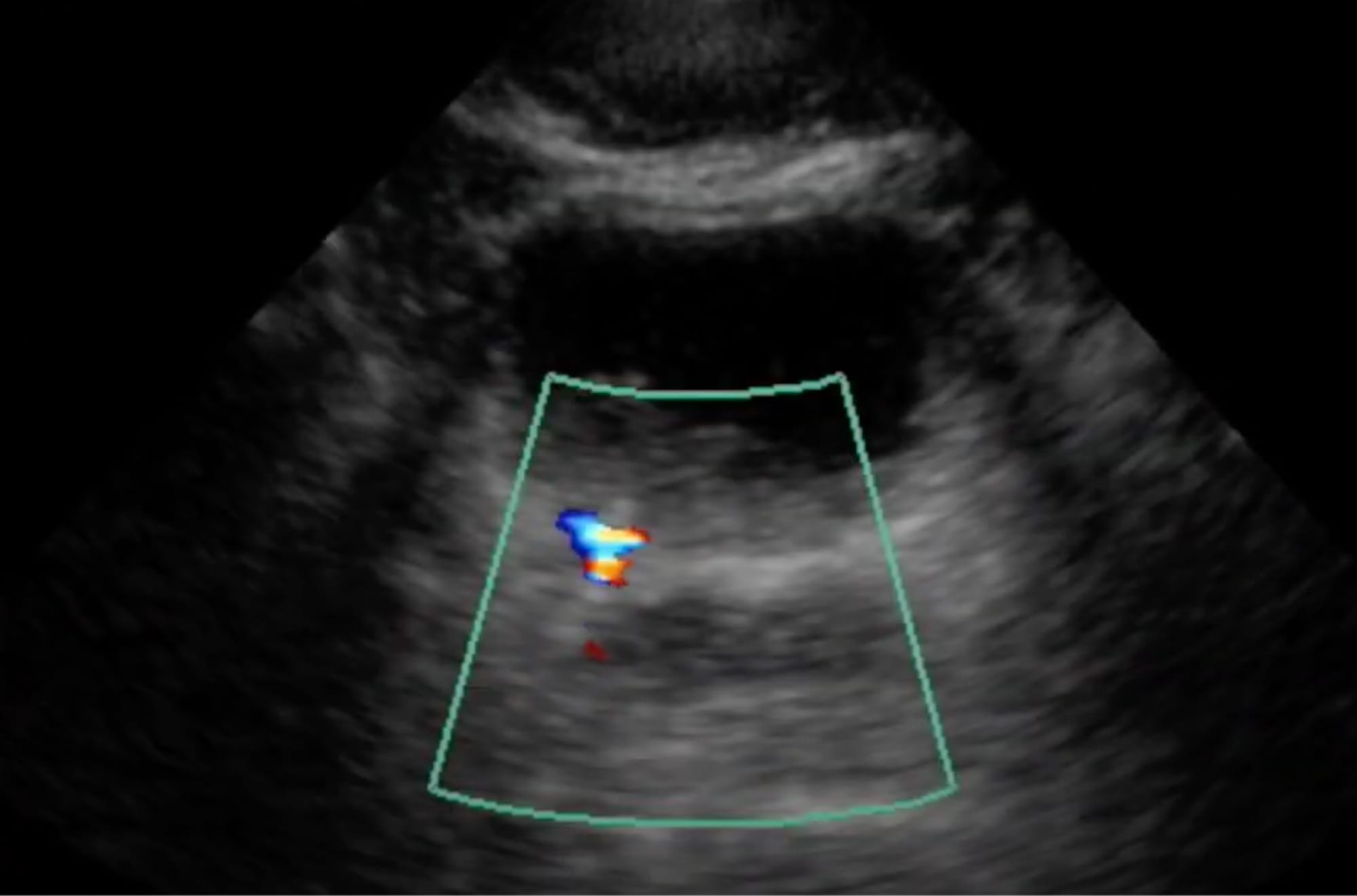
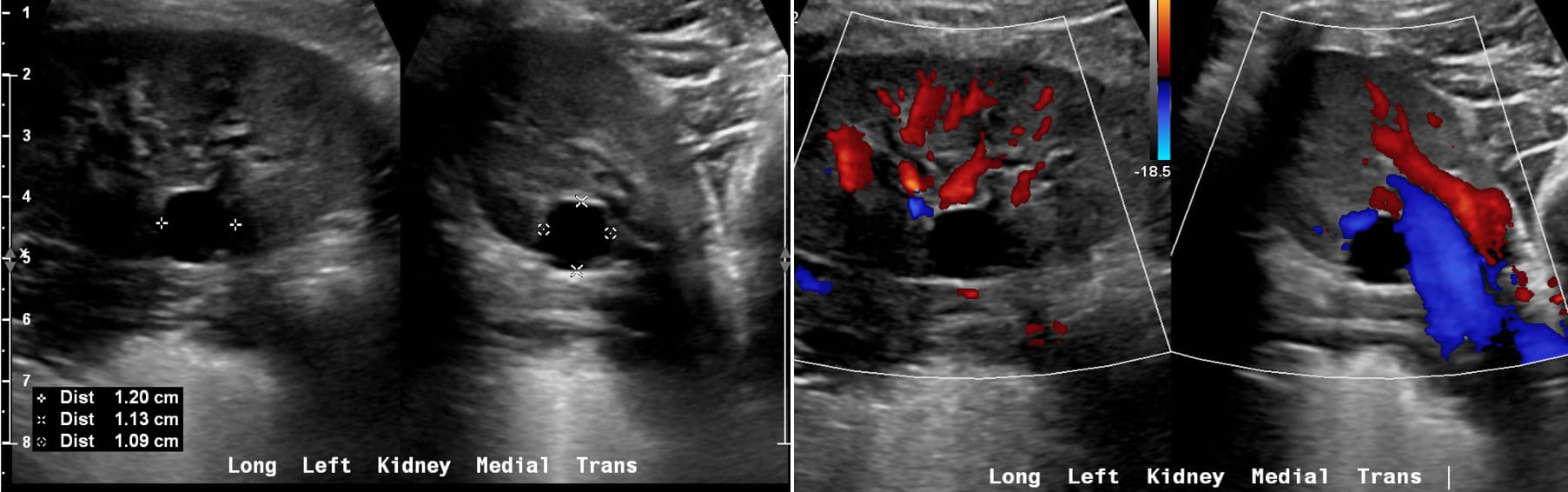
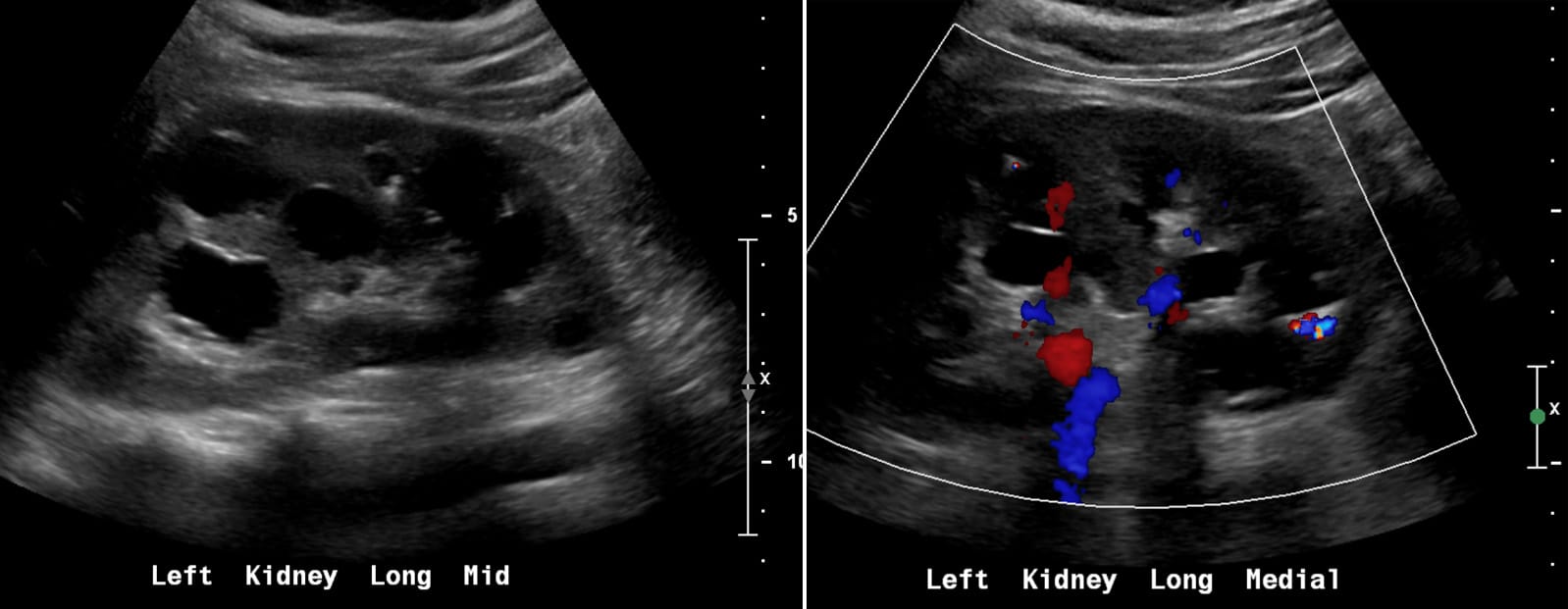
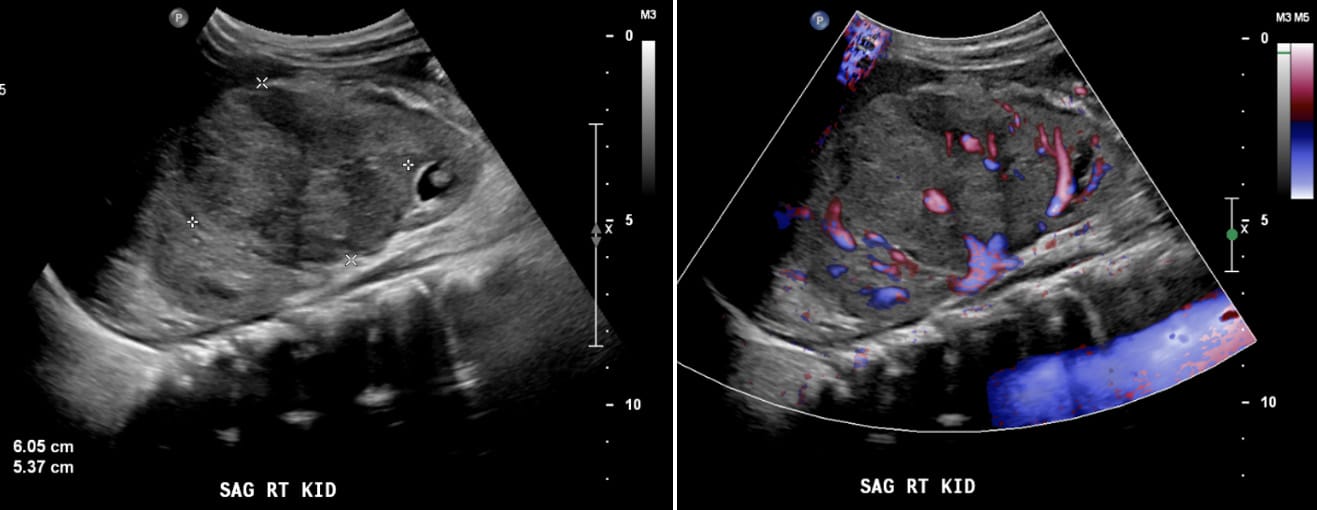
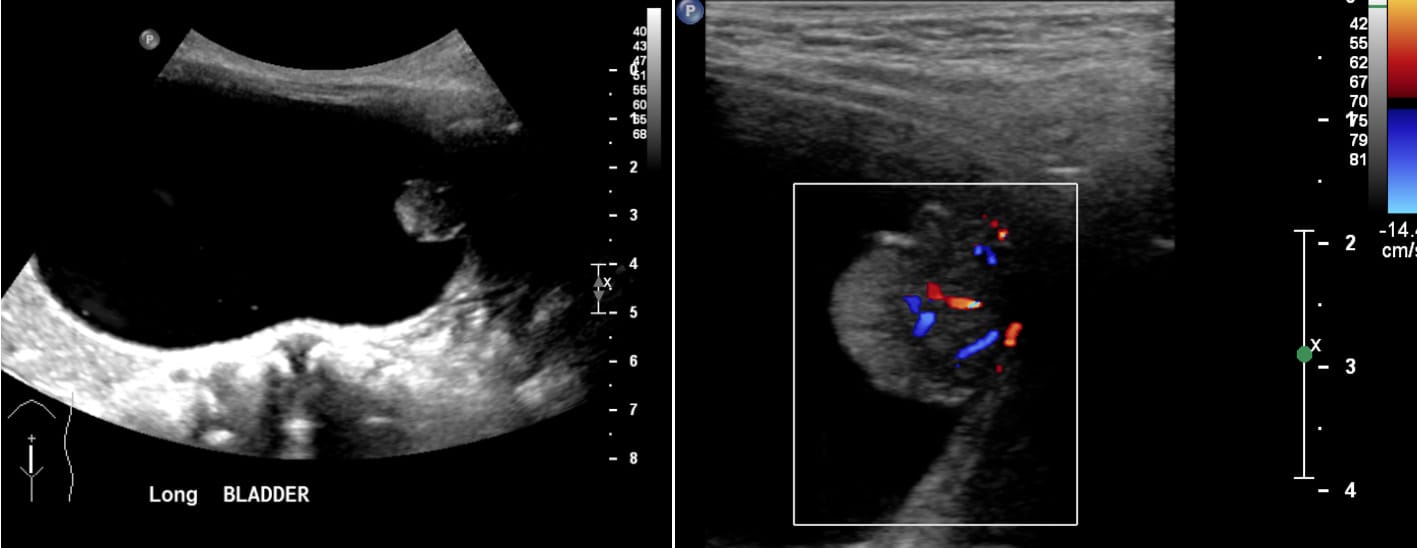
An 8-year-old Caucasian male with no significant past medical history presented to the pediatric emergency department (ED) with complaints of three days of abdominal pain and dysuria, accompanied by nausea, vomiting, and poor oral intake. The patient had previously presented to his pediatrician, where he was found to have microscopic hematuria and subsequently sent to the ED. Microscopic hematuria and increased abdominal pain in the ED prompted a point of care ultrasound (POCUS).

GI: Soft on palpation, normal bowel sounds, tender to palpation at midline below the umbilicus.

GU: No trauma or erythema of the penis.

Remaining exam wnl.

Urinalysis (UA): Yellow; Cloudy; Ketones: 15; Protein >=300; Leukocyte esterase: large; Nitrite: positive; WBC/HPF: Packed; RBC/HPF:51-100

Urine Culture: >100,000 staphylococcus CFU/mL

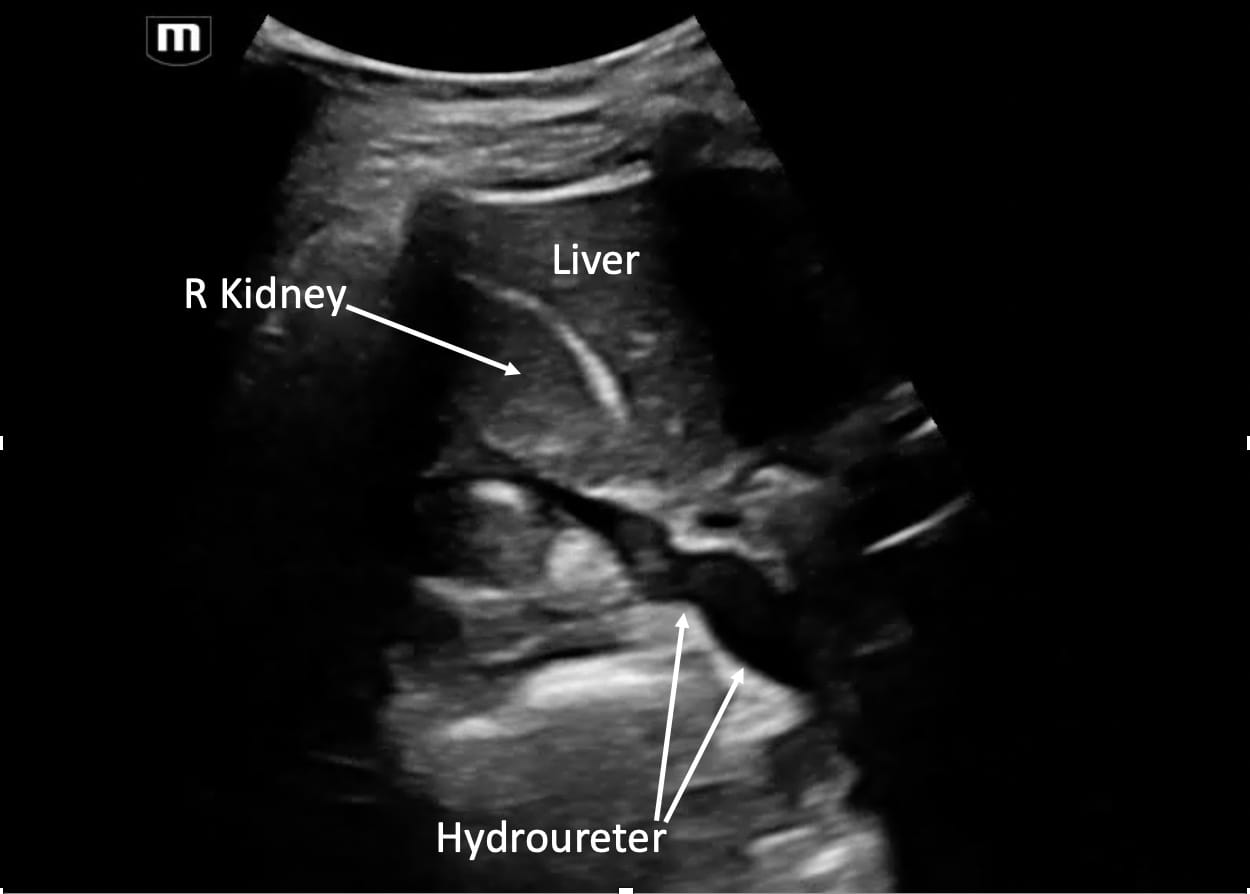
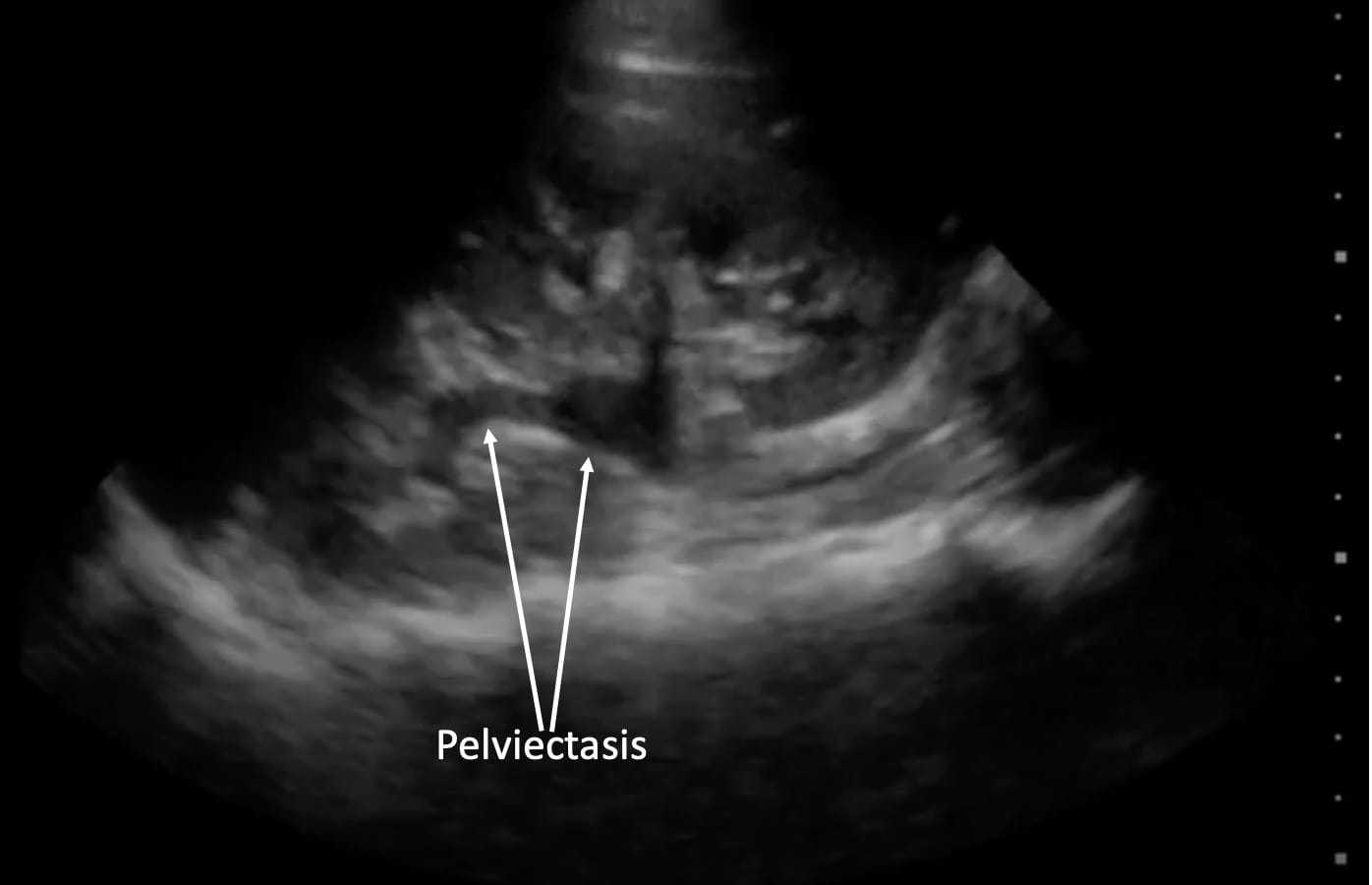
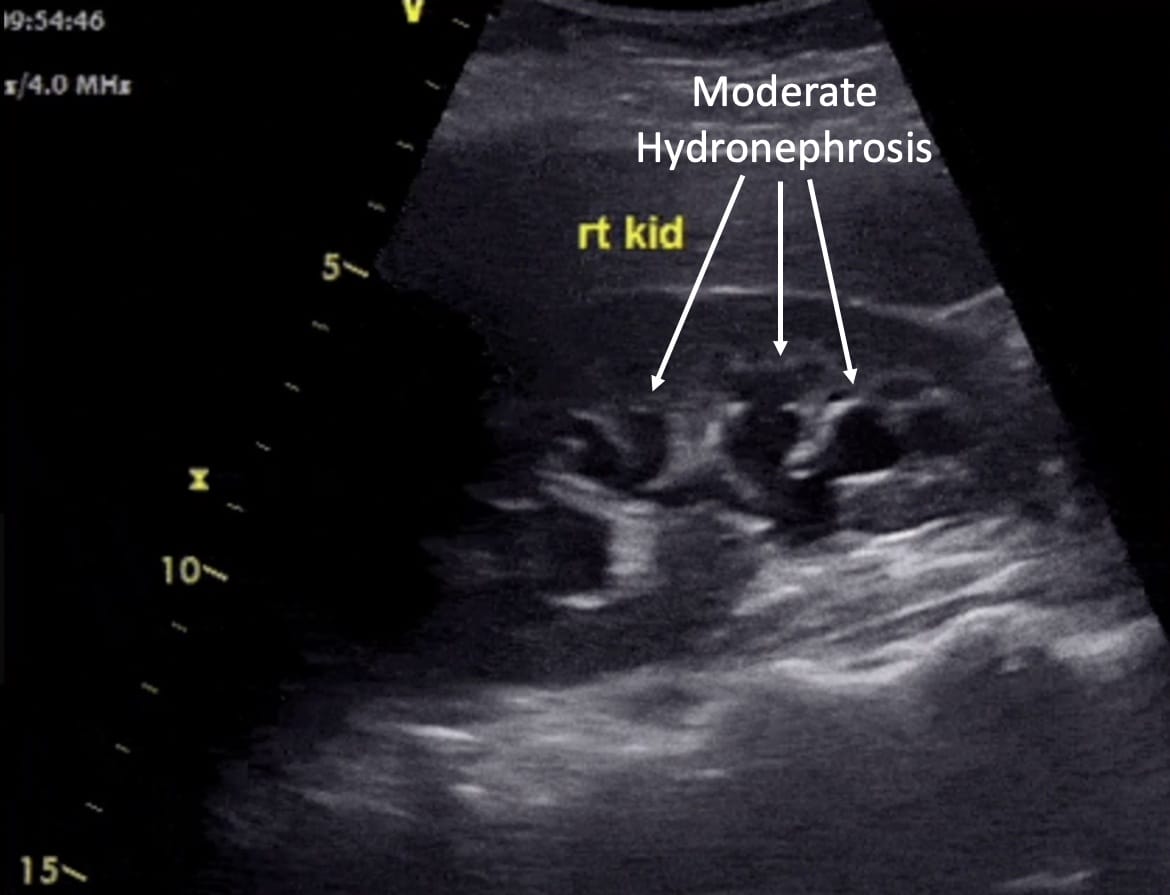
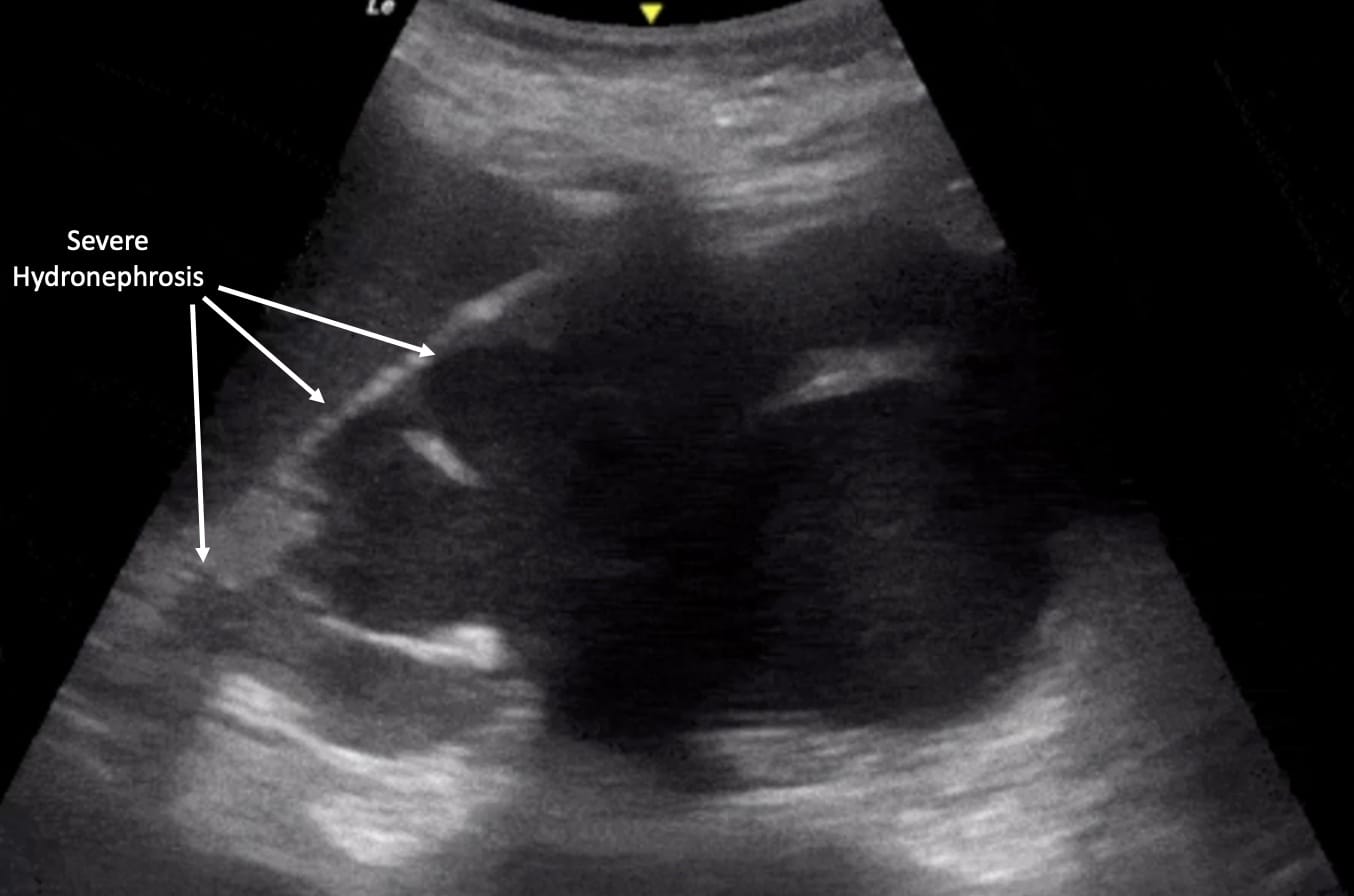
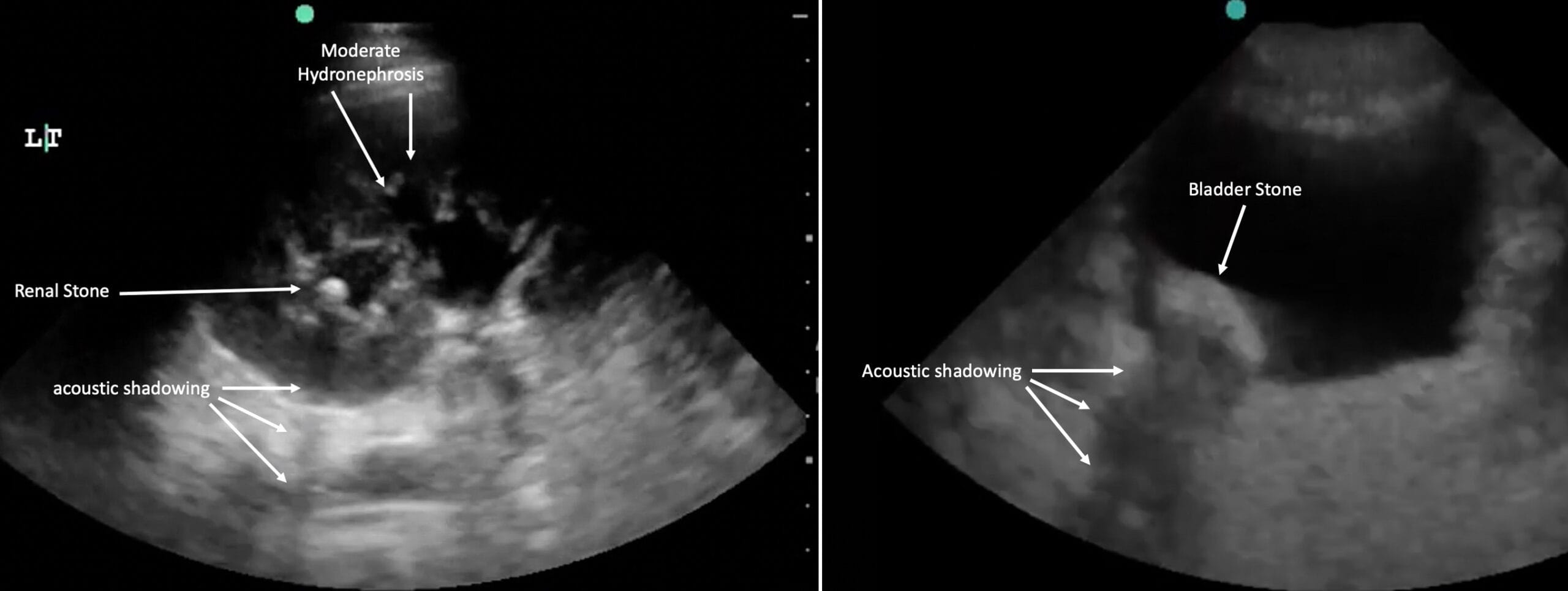
The most likely site of abnormality in this patient is the urethra. Image 1 shows massive bilateral hydronephrosis while image 2 shows hydroureter and bladder wall thickening. This presentation in a male, together with the lab findings suggestive of a UTI, should raise concerns for posterior urethral valves (PUV). PUV, a congenital obstruction of the urethra, is one of the most common causes of lower urinary tract obstruction in males. [1]

The next step in management for patients with probable PUV is a referral to a urologist for a voiding cystourethrogram (VCUG) and cystoscopy to assess for vesicoureteral reflux and valvular obstruction. Patients who are found to have PUV can then undergo incision and correction of the urethral valve. PUV typically presents in the newborn period in males with a poor urinary stream, urinary tract infections, and other voiding complaints and can be corrected with bladder catheterization or valvular ablation [1,2].

Take-Home Points

  • While rare, PUV should be considered in the differential for any pediatric patient presenting with urinary tract-related complaints, abdominal pain, and unexplained nausea or vomiting, particularly in school-aged males.
  • A school-aged male without an underlying diagnosis presenting to the hospital with a UTI should prompt clinicians to look for underlying predisposing conditions, such as PUV – an undertaking in which bedside ultrasound can be extremely useful.
  • Point of care ultrasound (POCUS) is a tool used in real time by emergency physicians to provide evidence for hydronephrosis, which can lead to the diagnosis of PUV.

  • Hodges SJ, Patel B, McLorie G, Atala A. Posterior urethral valves. ScientificWorldJournal. 2009 Oct 14;9:1119-26. doi: 10.1100/tsw.2009.127. PMID: 19838598; PMCID: PMC5823193.
  • Shields LBE, White JT, Mohamed AZ, Peppas DS, Rosenberg E. Delayed Presentation of Urethral Valves: A Diagnosis That Should Be Suspected Despite a Normal Prenatal Ultrasound. Glob Pediatr Health. 2020 Oct 15;7:2333794X20958918. doi: 10.1177/2333794X20958918. PMID: 33117862; PMCID: PMC7570289.

SAEM Clinical Images Series: A Rare Cause of Post-traumatic Neck Pain

neck pain

A 15-year-old male presents to the pediatric Emergency Department (ED) for evaluation of neck pain for three weeks. The patient is vague as to the development of his symptoms, but his mother reveals patient was assaulted by peers three weeks ago and has had progressively worsening neck pain and stiffness. The patient states symptoms have gotten to the point where he is unable to turn his head but denies fevers, chills, nausea, vomiting, focal weakness, or sensory changes.

Vitals: Temp: 99.4°F; HR 80; RR 18; SpO2 98% on room air

Constitutional: No distress, sitting rigidly in bed.

Neck: Cervical midline tenderness noted with rigid neck and severe tenderness with manipulation, no swelling, erythema, or masses noted.

HEENT: No pharyngeal injection, no visible masses in the oropharynx, no trismus.

CV: Regular rate and rhythm, no murmurs, rubs, or gallops. Good peripheral perfusion.

Abdomen: Soft, non-distended and non-tender.

Neuro: 5/5 motor function to the bilateral upper and lower extremities, normal sensory examination, cranial nerves intact. Negative Kernig’s sign.

White blood cell (WBC) count: 9.5

Platelets: 639

Glucose: 105

CRP: 128

ESR: 100

CSF: Color- Clear; Nucleated Cells- 1; Protein- 25; Glucose- 6

This patient was found to have septic arthritis of the atlantooccipital (AO) joint, noted on the CT shown above, with joint space narrowing and erosion (red arrow) of the right AO joint with associated soft tissue swelling and effusion. Seen on the MRI is further confirmation of the findings suggested on CT of septic arthritis, with additional noting of attenuation of the prevertebral space of C2/C3 suggestive of phlegmon, bilateral AO joint arthritis, and involvement of the atlantoaxial joint, all of which can be seen on the above sagittal cut of the MRI, with the most notable being the pre-vertebral phlegmon (red arrow).

Septic arthritis of the facet joints is a rarity, particularly in pediatrics and in the cervical spine; case reports largely describe a lumbar location in elderly adults with predisposing comorbidities (intravenous drug use, diabetes, immunosuppression) for spontaneous infection. There are no published case reports of traumatic, pediatric AO joint septic arthritis. This patient developed septic arthritis following trauma. As with peripheral septic arthritis, the most common cause is hematogenous spread, and even non-penetrating trauma can predispose a joint to infection as likely occurred in this case. Septic arthritis of the facet joints presents similarly to spondylodiscitis, generally with fever, neck or back pain, and elevated inflammatory markers such as CRP/ESR. If left untreated, it can be a dangerous and refractory cause of sepsis that leads to deadly complications such as concomitant epidural access formation. Oftentimes patients are initially misdiagnosed and re-present multiple times as the preferred image modality for diagnosis is MRI which is not always readily available or ordered. In general, treatment generally includes weeks-long courses of intravenous (IV) antibiotics, though this patient was discharged on oral antibiotics after significant symptomatic improvement on IV therapy after four days.

Take-Home Points

  • Septic arthritis of the cervical facet joints, namely the AO joint, is a rare cause of neck pain in patients with fever and elevated inflammatory markers, and can present after trauma. Generally, it is hematogenously spread and associated with comorbidities such as diabetes, intravenous drug use, and immunosuppression, it should be considered in patients with refractory symptoms or in which there is strong suspicion as it can have dangerous complications.
  • The preferred imaging modality for diagnosis is MRI, though CT can be useful in making the diagnosis radiographically. Treatment generally consists of weeks of IV antibiotics.

  • Sethi S, Vithayathil MK. Cervical facet joint septic arthritis: a real pain in the neck. BMJ Case Rep. 2017 Aug 3;2017:bcr2016218510. doi: 10.1136/bcr-2016-218510. PMID: 28775081; PMCID: PMC5612571.
  • Narváez J, Nolla JM, Narváez JA, Martinez-Carnicero L, De Lama E, Gómez-Vaquero C, Murillo O, Valverde J, Ariza J. Spontaneous pyogenic facet joint infection. Semin Arthritis Rheum. 2006 Apr;35(5):272-83. doi: 10.1016/j.semarthrit.2005.09.003. PMID: 16616150.

SAEM Clinical Images Series: Facial Swelling

facial swelling

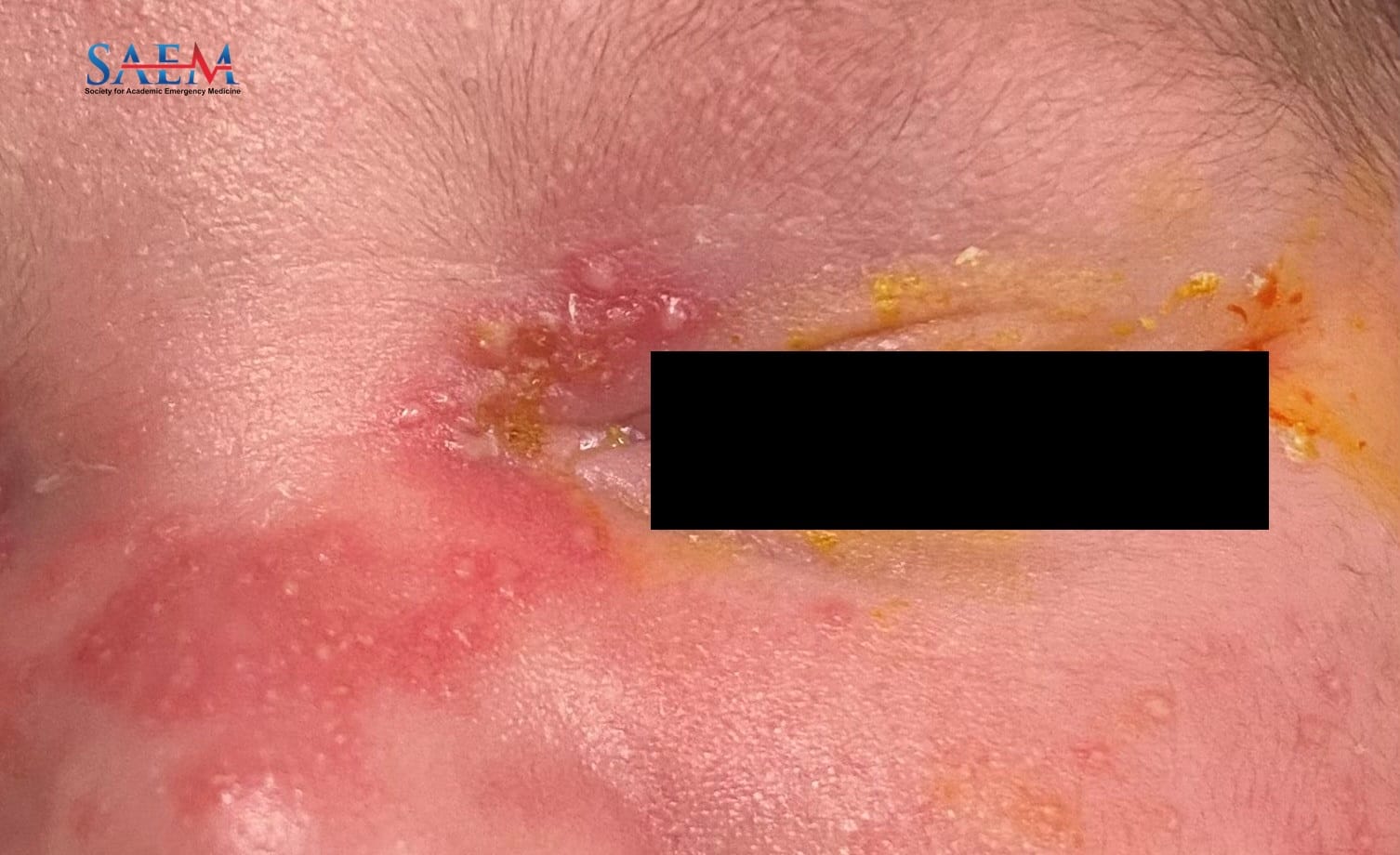
A 5-year-old male with a history of recent frontal sinusitis associated with preseptal cellulitis requiring surgery presented with facial swelling. Swelling developed in the 24 hours prior to presentation without facial pain, nausea, or emesis. Denied facial trauma as well as any neurologic deficits, loss of consciousness, headaches, or fever/chills. At the time of his prior surgery, he presented with swelling localized to the left eye along with worsening pain, nausea, and emesis. After surgery, he was discharged in stable condition on antibiotics for 10 days. He has been in his usual state of health since that time.

Vitals: BP 93/59 (Sitting); HR 84; Temp 37.3 °C (99.1 °F) (Oral); Resp 12; Wt 20.6 kg (45 lb 6.6 oz)

General: Active, alert, normal development, and in no acute distress

HEENT: Swelling over the forehead and nasal bridge. Tenderness to palpation over the forehead. No erythema or overlying skin changes.

Nose: Normal appearance. No congestion or rhinorrhea.

Mouth/Throat: Mucous membranes are moist. Oropharynx is clear.

White blood cell (WBC) count: 8.9 x 10^3/uL

Hemoglobin: 11.5 g/dL

Platelets: 365 x 10^3/uL

ANC: 4.490 x 10^3/uL

ESR: 15 mm

CRP: <0.5 mg

In the initial management of this patient, CT imaging of the head with contrast should be used to characterize the lesion and evaluate for intracranial involvement. In our patient, the CT scan showed frontal bone osteomyelitis with possible extension into the subdural space. He was admitted on broad-spectrum antibiotics and surgical washout was performed the following day.

Pott’s Puffy Tumor is a rare but serious complication of sinusitis with potential intracranial involvement. Complications include orbital cellulitis, intracranial abscess, meningitis, and cavernous sinus thrombosis.

Take-Home Points

  • Pott’s Puffy Tumor is a rare potential complication of sinusitis. Early diagnosis and treatment are essential to reduce morbidity.
  • CT of the head with contrast is the initial imaging that should be obtained in the emergency department.

  • Blumfield E1, Misra M. Pott’s puffy tumor, intracranial, and orbital complications as the initial presentation of sinusitis in healthy adolescents, a case series. Emerg Radiol. 2011 Jun;18(3):203-10. PMID: 21380513.
  • Palabiyik FB1, Yazici Z, Cetin B, Celebi S, Hacimustafaoglu M. Pott Puffy Tumor in Children: A Rare Emergency Clinical Entity. J Craniofac Surg. 2016 May;27(3):e313-6. PMID: 27100642.

By |2022-12-08T22:22:41-08:00Dec 19, 2022|HEENT, Pediatrics, SAEM Clinical Images|

SAEM Clinical Images Series: ‘Tis Not the Season to be Wheezing

wheezing

A 2-year-old male with a history of solitary kidney presented with greater than one month of daily coughing, wheezing, and decreased appetite. The patient was previously seen by his primary care physician after three weeks of symptoms where he was prescribed albuterol as needed for viral bronchospasm. The patient’s wheezing did not improve after two weeks of albuterol treatment so a chest x-ray was ordered. The patient’s mother denied any fevers, vomiting, diarrhea, weight changes, or night sweats.

Vitals: BP 131/60; Pulse 148; Temp 36.7 °C (98.1 °F) (Axillary); Resp 28; Wt 15.7 kg (34 lb 9.8 oz); SpO2 95%

General: Alert; well appearing

HEENT: Pupils equally reactive to light; moist mucous membranes; nares with normal mucosa without discharge

Cardiovascular: Regular rate; regular rhythm; normal S1, S2; no murmur noted; distal pulses 2+

Pulmonary: Good aeration throughout all lung fields; clear breath sounds bilaterally; prolonged expiratory phase; stridor with agitation

Abdomen: Soft; non-tender; non-distended

White blood cell (WBC) count: 56.1/uL (Blasts 58%)

Platelets: 288/uL

Uric acid: 8.3 mg/dL

LDH: 2231 iU/LD

D-Dimer: 3.22 ug/mL

Fibrinogen: 463 mg/dL

Bronchospasm, bronchiolitis, viral infection, pneumonia, foreign body aspiration, space-occupying lesion, vocal cord dysfunction, cardiac dysfunction, and acute chest in patients with sickle cell disease.

The radiograph shown demonstrates a mediastinal mass. This patient was ultimately diagnosed with T-cell acute lymphoblastic leukemia. T-ALL can present with fatigue, fevers, weight loss, easy bleeding/bruising, paleness, or a mediastinal mass. Mediastinal masses found on chest x-ray require further evaluation to determine the diagnosis, location, and treatment. If malignancy is suspected, an oncology referral and bone marrow sample will be necessary.

Take-Home Points

  • In patients with first-time wheezing that does not improve with bronchodilator therapy, consider alternative diagnoses and further evaluation.
  • A mediastinal mass is found at the time of diagnosis in 10% to 15% of children with acute lymphoblastic leukemia.

  • Steuber, P (2021). Overview of common presenting signs and symptoms of childhood cancer.UpToDate. Retrieved January 2, 2021.2.
  • Juanpere, S., Cañete, N., Ortuño, P., Martínez, S., Sanchez, G., & Bernado, L. (2013). A diagnostic approach to the mediastinal masses. Insights into imaging, 4(1), 29–52.https://doi.org/10.1007/s13244-012-0201-0

SAEM Clinical Images Series: An Enlarging Scalp Mass

scalp mass

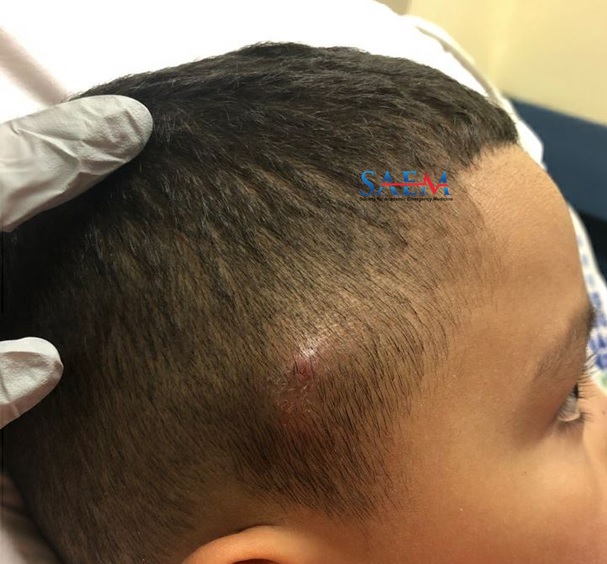
A 27-day-old female infant born at 34 weeks 4 days with a prenatal history of maternal syphilis treated with penicillin presented with an enlarging scalp mass since birth. Since birth, the patient has had a 1 cm erythematous and flat lesion on her scalp. Since that time, the lesion has continued to grow and develop scales. On the day of presentation, the lesion was noted to be 7-8cm in diameter with multiple surrounding smaller lesions. There is some clear to bloody drainage coming from the main lesion. The patient has otherwise been growing and developing normally. No fevers or other sick symptoms. Feeding well. Mom has no concerns with bowel movements or voiding habits.

General: She is active. She is not in acute distress. She is well-developed.

HEENT: No congestion or rhinorrhea. Mucous membranes are moist. No posterior oropharyngeal erythema.

Cardiovascular: Normal rate and regular rhythm. Normal pulses. No murmur heard.

Pulmonary: Respiratory effort is normal. No retractions. Normal breath sounds. No wheezing.

Skin: Skin is warm. Capillary refill takes less than 2 seconds. On the left side of the scalp, there is a large raised keratinized plaque with a stuck-on appearance. Some red blood is noted when tapped with a white sheet. The plaque is firm and non-tender. On the rest of the scalp, there are several peeling flat lesions with hair attached, and intermittent alopecia.

Neurological: No focal deficit present. She is alert. Suck is normal.

Scalp ultrasound: Posteriorly exophytic left parietal lesion is peripherally echogenic, possibly representing a calcified lesion or cephalohematoma. CT or MRI may be useful for further evaluation, as clinically indicated.

a. Seborrheic Dermatitis: A common, self-limiting eruption consisting of erythematous plaques with greasy, yellow-colored scales that distribute to the areas of the body with sebaceous glands.

b. Atopic Dermatitis: Erythematous, scaly, crusted lesions that are poorly demarcated. It is pruritic and commonly involves the cheeks, scalp, and extensor surfaces.

c. Psoriasis: Uncommon in infants, but can mimic seborrheic dermatitis with sharply demarcated, shiny, erythematous plaques with fine silvery scales in non-intertriginous regions.

d. Tinea Capitis: While rare, tinea can present with a scaly scalp rash in infants. There may be a mild to moderate inflammatory reaction associated as well as hair loss.

e. Langerhans Cell Histiocytosis (LCH): LCH can present as refractory seborrheic dermatitis. There may also be papules or reddish-brown nodules that appear with the rash.

Pityriasis Amiantacea secondary to Seborrheic Dermatitis with a significant build-up of crust and scale. Pityriasis amiantacea is an exaggerated inflammatory response to regional dermatitis, most often seborrheic dermatitis. Treatment consists of a keratinolytic and antibacterial ointment. In this patient, 1:4 part vinegar and water soaks were recommended twice daily, followed by mupirocin ointment until the resolution of the lesions.

Take-Home Points

  • Seborrheic dermatitis is a commonly presenting rash in infancy.
  • When rashes are refractory to conservative management, additional diagnoses and sequelae need to be considered.

  • Amorim GM, Fernandes NC. Pityriasis amiantacea: a study of seven cases. An Bras Dermatol. 2016 Sep-Oct;91(5):694-696. doi: 10.1590/abd1806-4841.20164951. PMID: 27828657; PMCID: PMC5087242.
  • Olanrewaju O. Falusi; Seborrhea. Pediatr Rev February 2019; 40 (2): 93–95. https://doi.org/10.1542/pir.2017-0215. PMID: 30709979.

By |2023-03-22T12:13:28-07:00Nov 7, 2022|Dermatology, Pediatrics, SAEM Clinical Images|

PEM POCUS Series: Pediatric Focused Assessment with Sonography for Trauma (FAST)

PEM POCUS fascia iliaca block

Read this tutorial on the use of point of care ultrasonography (POCUS) for Pediatric Focused Assessment with Sonography for Trauma. Then test your skills on the ALiEMU course page to receive your PEM POCUS badge worth 2 hours of ALiEMU course credit.

Module Goals

  1. Summarize the indications and role of the FAST in the evaluation of injured children
  2. Describe the technique for performing the pediatric FAST
  3. Identify anatomical views and landmarks necessary for a complete pediatric FAST
  4. Accurately interpret each pediatric FAST anatomic view and corresponding landmarks
  5. Describe the literature on the pediatric FAST

Case Introduction

You receive an emergency medical services (EMS) notification that they are 2 minutes out from your ED with a 3-year-old boy who fell down a flight of 10 concrete stairs. He is awake and breathing spontaneously but irritable and crying with an obvious deformity to his right arm. EMS placed him in a cervical-collar and are bringing him to your ED.

Vital SignFinding
Temperature37.5oC
Heart Rate158 bpm
Blood Pressure86/48
Respiratory Rate32
Oxygen Saturation98% room air

You conduct your primary assessment:

Trauma AlgorithmAssessment
AirwayPatent: Audibly crying; cervical collar in place
BreathingBilateral breath sounds heard
CirculationSymmetric radial pulses palpable bilaterally; capillary refill 2-3 seconds
DisabilityHis eyes are open, but he is irritable and withdraws to touch (GCS= 13)
ExposureDiffuse superficial abrasions to face and extremities; tenderness and swelling to right forearm; abdomen soft without distension although difficult to appreciate tenderness as patient is crying

You call a trauma consult, connect the patient to the monitor, establish IV access, and reach for your ultrasound probe to perform a FAST.

Trauma remains the leading cause of childhood death and disability in children >1 year of age [1]. While head and thoracic trauma account for most death and disability in children, missed abdominal injuries are a common cause of mortality [2]. Particularly in polytrauma scenarios, it can be difficult for children to locate the exact area of pain and assessing for abdominal injury can be difficult.

FAST is a rapid ultrasound examination of 4 locations (Figure 1) with the primary objective of detecting free fluid within the abdomen, pleural space, and pericardial sac. In injured adults, FAST is useful in rapidly triaging hemodynamically unstable patients to expedite operative management [3]. Free fluid in any one view deems the FAST positive. However, for a FAST to be determined as negative, each of the landmarks in each individual view must be interrogated and evaluated for the presence of free fluid. The role of FAST in the hemodynamically stable child after blunt abdominal trauma is nuanced.

FAST ultrasound probe locations surface anatomy

Figure 1. Location of the 4 FAST views: Right upper quadrant (A), left upper quadrant (B), pelvic (C), subxiphoid (D). Illustration by Dr. Maytal Firnberg.

FAST Technique

The FAST can be performed in parallel with the rest of the trauma evaluation. Serial FAST exams can be repeated as needed throughout the child’s ED stay, particularly if the child has an unexplained change in clinical status. For a complete FAST, each of the views needs to be assessed and every landmark in each view must be visualized. In addition to intra-abdominal hemorrhage and pericardial effusion, point-of-care ultrasound can be used to evaluate the thorax for hemothorax and pneumothorax. When included together, this exam is referred to as the extended FAST (E-FAST).

In general, the child should be positioned supine as free fluid will pool in dependent areas (Figure 2). In children, the recto-vesicular or recto-uterine pouch is the most common place for fluid to collect depending on the patient’s sex [4]. Fluid in the abdomen can move freely up the right pericolic gutter into the right upper quadrant. The left pericolic gutter is higher and the phrenicocolic ligament blocks the flow; consequently, fluid tends to flow to the right pericolic area over the left, regardless of injury type.

Some controversy exists about how much free fluid can be detected by the FAST, and most studies focused on adults. For pediatric patients, we are using 100 mL as it was the median quantity of fluid needed for ultrasound detection of the pelvic view [5].

Free fluid collection areas FAST

Figure 2. Free fluid accumulates in dependent areas. In a supine patient, this is the hepato-renal pouch (right upper quadrant view), the spleno-renal pouch (left upper quadrant view), and recto-vesicular or recto-uterine pouch (pelvic view). Illustration by Dr. Maytal Firnberg.

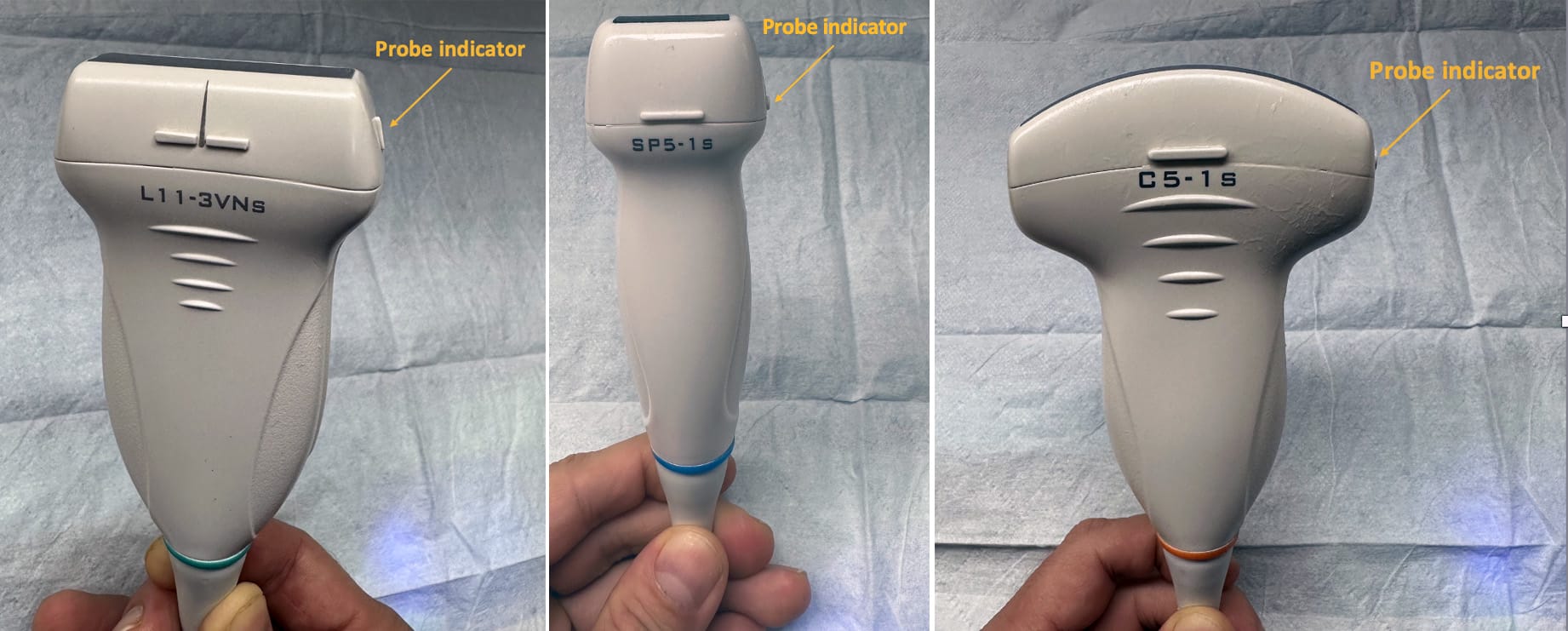
Use a low frequency ultrasound probe: phased array probe (Figure 3) or curvilinear probe (Figure 4).

    • Phased array probes can generally achieve adequate penetration particularly for smaller pediatric patients and have a smaller footprint allowing for easier intercostal views.
    • Curvilinear probes allow for further penetration and greater depth of abdominal views and may be useful in larger children.

In order to obtain each landmark in the views discussed below, the ultrasound probe will often need to be manipulated in a number of orientations.

probe types

Figure 3 (left): Phased array ultrasound probe; Figure 4 (right): Curvilinear ultrasound probe

For the 4 scanning areas, each view must be interrogated completely, and the clinician should identify all key landmarks. The red dot on the probe correlates with the probe marker.

Right ​​Upper Quadrant (RUQ) View
Probe Placement
RUQ probe placement

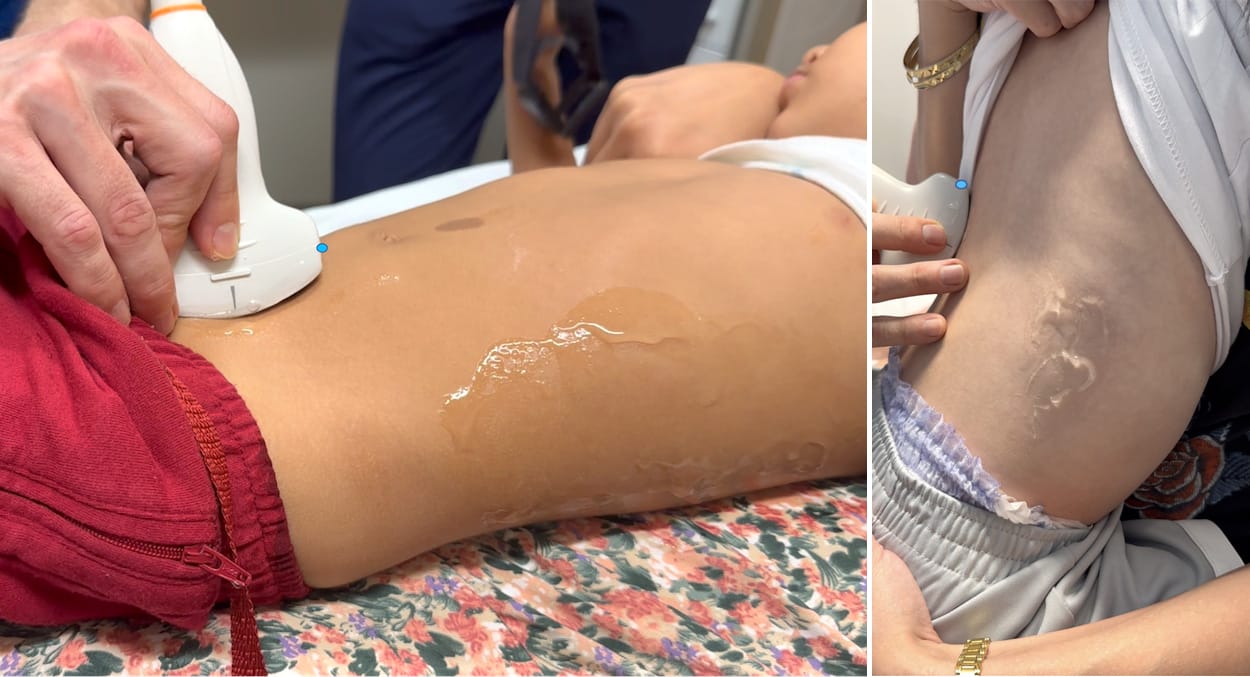
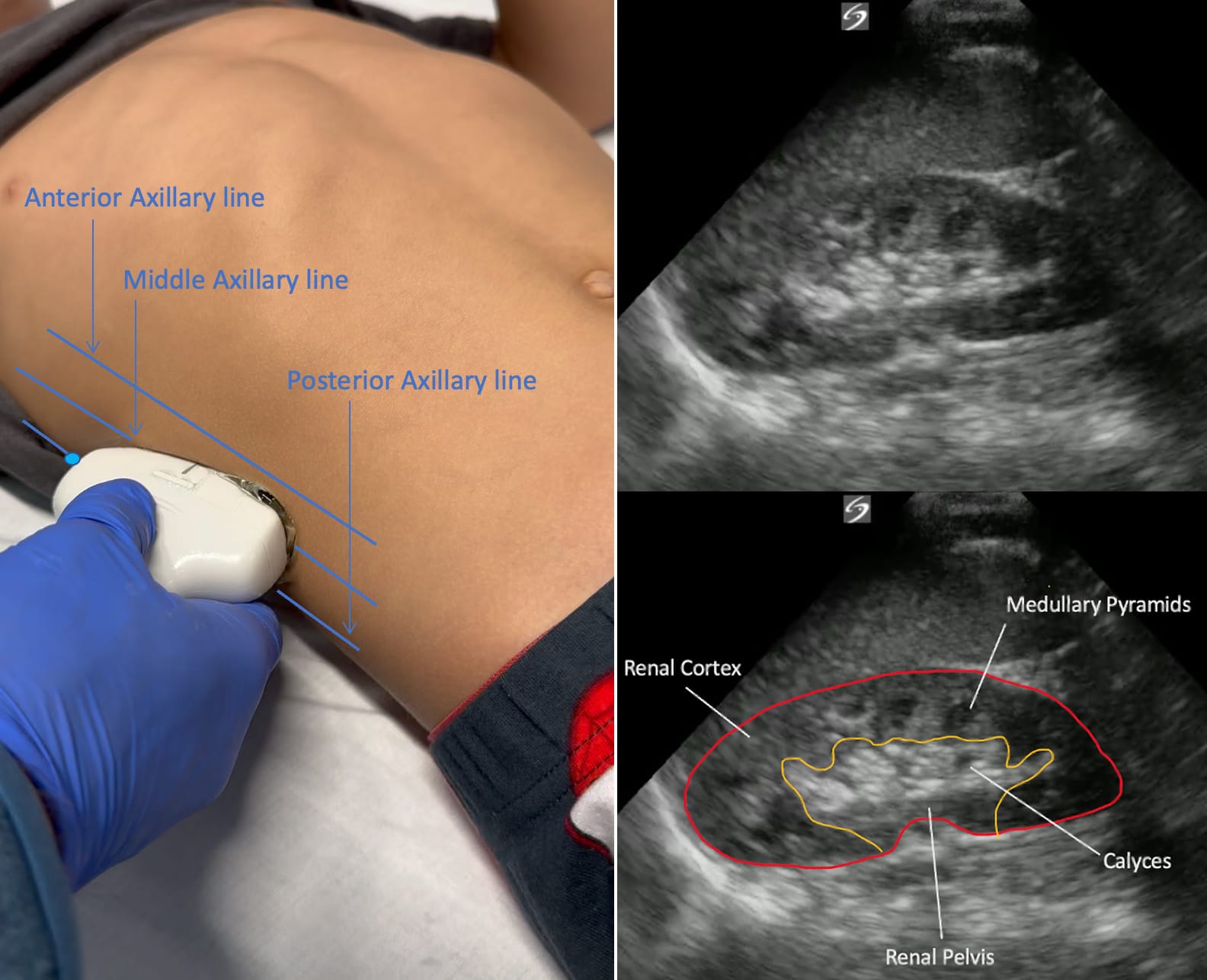
Figure 5. Place the probe in the right mid axillary line (around ribs 8-10) with the probe marker towards the head. Fan anterior and posterior and slide up or down a rib space to view the key landmarks.

Normal View and Landmarks
RUQ normal ultrasound view

Figure 6. Normal RUQ ultrasound view with labeled landmarks

  • Diaphragm (including the subdiaphragmatic intraperitoneal space and supradiaphragmatic intrathoracic space)
  • Liver (including the caudal tip of the liver)
  • Kidney (including superior and inferior poles)
  • Hepatorenal Recess (Morison’s Pouch) – A potential space between the liver and kidney where free fluid can collect
Normal Ultrasound Video

Video 1. Normal RUQ ultrasound view
Left ​​Upper Quadrant (LUQ) View
Probe Placement
LUQ probe placement

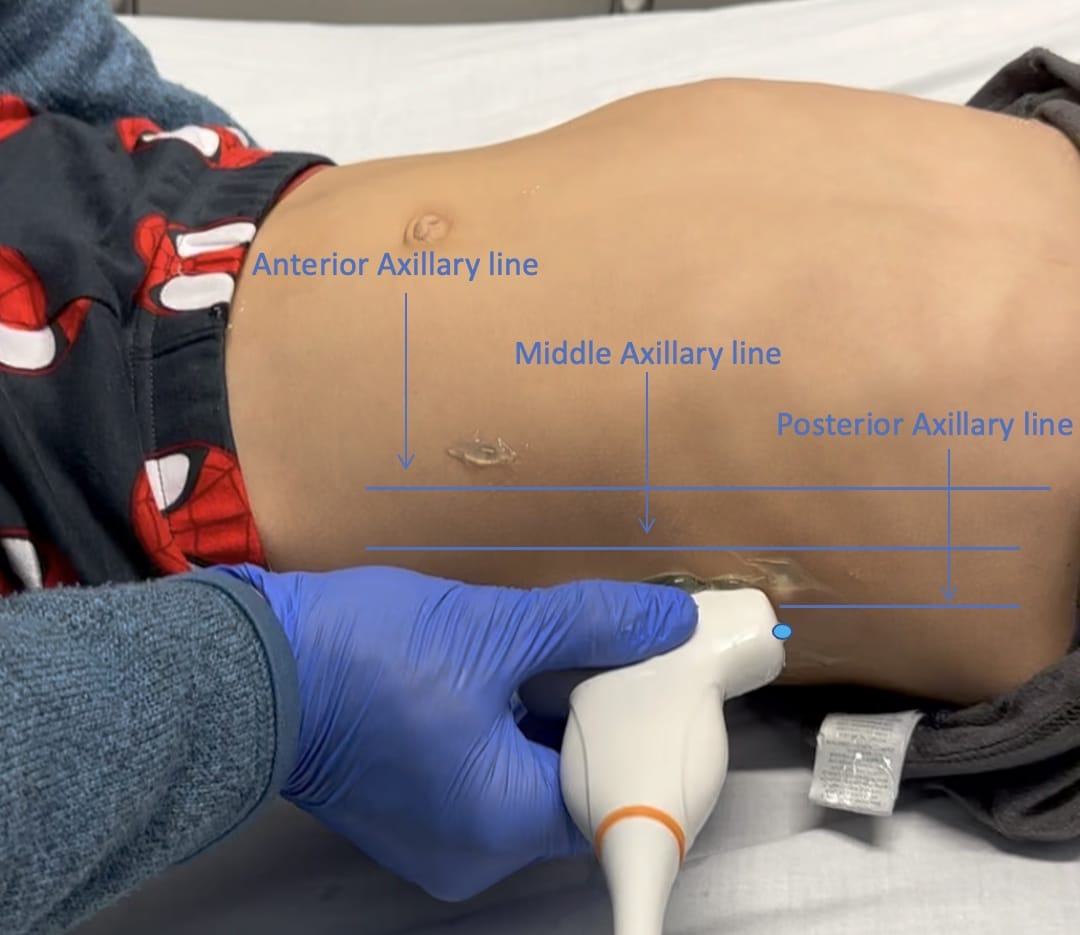
Figure 7. Place the probe in the left mid or posterior axillary line (around ribs 7-9) with the probe maker towards the head. Fan anterior and posterior and slide up or down a rib space to view the landmarks. In infants and smaller children, the midaxillary line generally provides the best view.

Normal View and Landmarks
Normal LUQ ultrasound view

Figure 8. Normal LUQ ultrasound view with labeled landmarks

  • Diaphragm (including the sub- and supradiaphragmatic areas)
  • Spleen (including splenic tip)
  • Kidney (including superior and inferior poles)
  • Splenorenal Recess – a potential space between the spleen and kidney where free fluid can collect
Normal Ultrasound Video

Video 2. Normal LUQ ultrasound view
Pelvic View
Probe Placement
pelvic probe placement

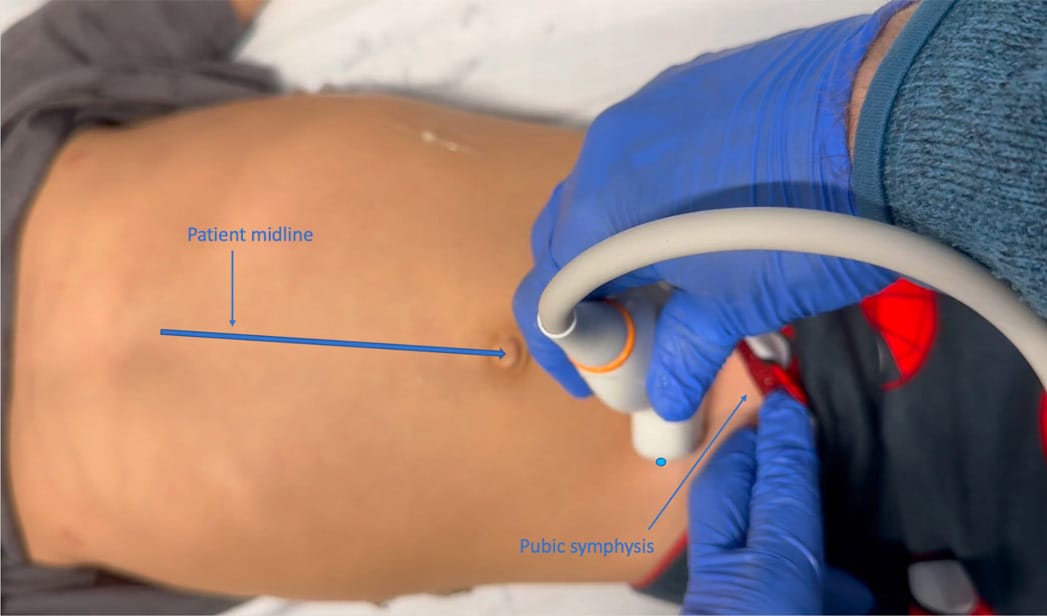
Figure 9. Place the probe in the midline below the umbilicus and fan or rock the probe down towards the feet until the bladder comes into view. Fan through the entire bladder in both transverse and sagittal orientations. For the transverse and sagittal views, the probe marker should be towards the patient’s right and head, respectively.

Normal View and Landmarks
Normal pelvic ultrasound views

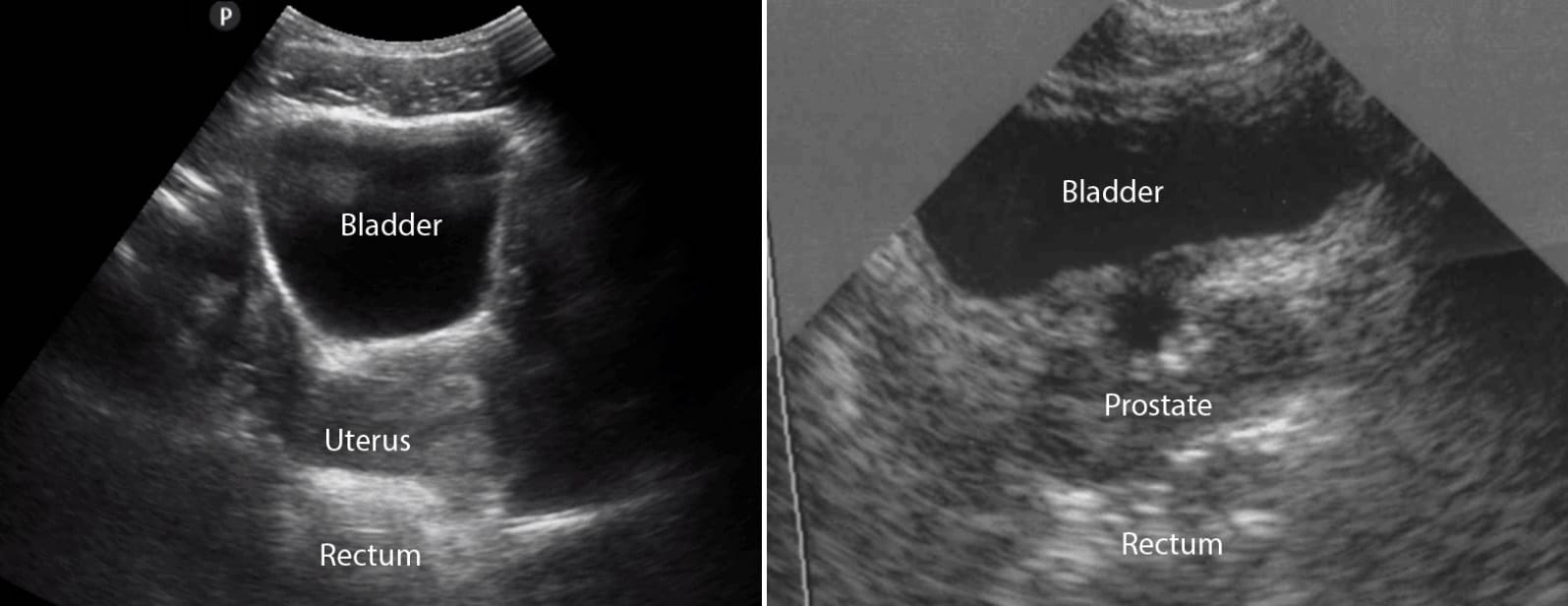
Figure 10. Normal sagittal (left) and transverse (right) views of the pelvic ultrasound with labeled bladder

  • Bladder (including anterior and posterior walls)
    • In patients with uteruses, make sure to visualize the uterus and the recto-uterine space as fluid can collect between the bladder and uterus and also behind the uterus.
Normal Ultrasound Video

Video 3. Normal pelvic ultrasound view (sagittal)

Video 4. Normal pelvic ultrasound view (transverse)
Pericardial View
Probe Placement
pericardial ultrasound probe

Figure 11. Place the probe under the sternum for a subxiphoid view. Point the probe towards the left shoulder and the probe marker towards the right shoulder. This view requires gentle downward pressure as you drop the angle of the probe down towards the patient. If unable to obtain this subxiphoid view, look parasternally.

Normal View and Landmarks
Normal pericardial ultrasound view

Figure 12. Normal pericardial subxiphoid ultrasound view with labeled landmarks

  • Hepatic-pericardial interface
  • Left and right ventricles (atria may also be visible)
  • Pericardial space
Normal Ultrasound Video

Video 5. Normal pericardial ultrasound view (no pericardial effusion and normal contractility)

Free fluid will appear anechoic (black) and will pool in dependent, unobstructed areas. On the right side, fluid in the abdomen can move freely up the pericolic gutter into the right upper quadrant. On the left, the pericolic gutter is higher and the phrenicocolic ligament may impede its flow. The RUQ view is the most sensitive view in adults while the pelvic view is the most sensitive view in children [4]. The following are examples of free fluid identified within the various views of the FAST scan.

free fluid ultrasound labelled

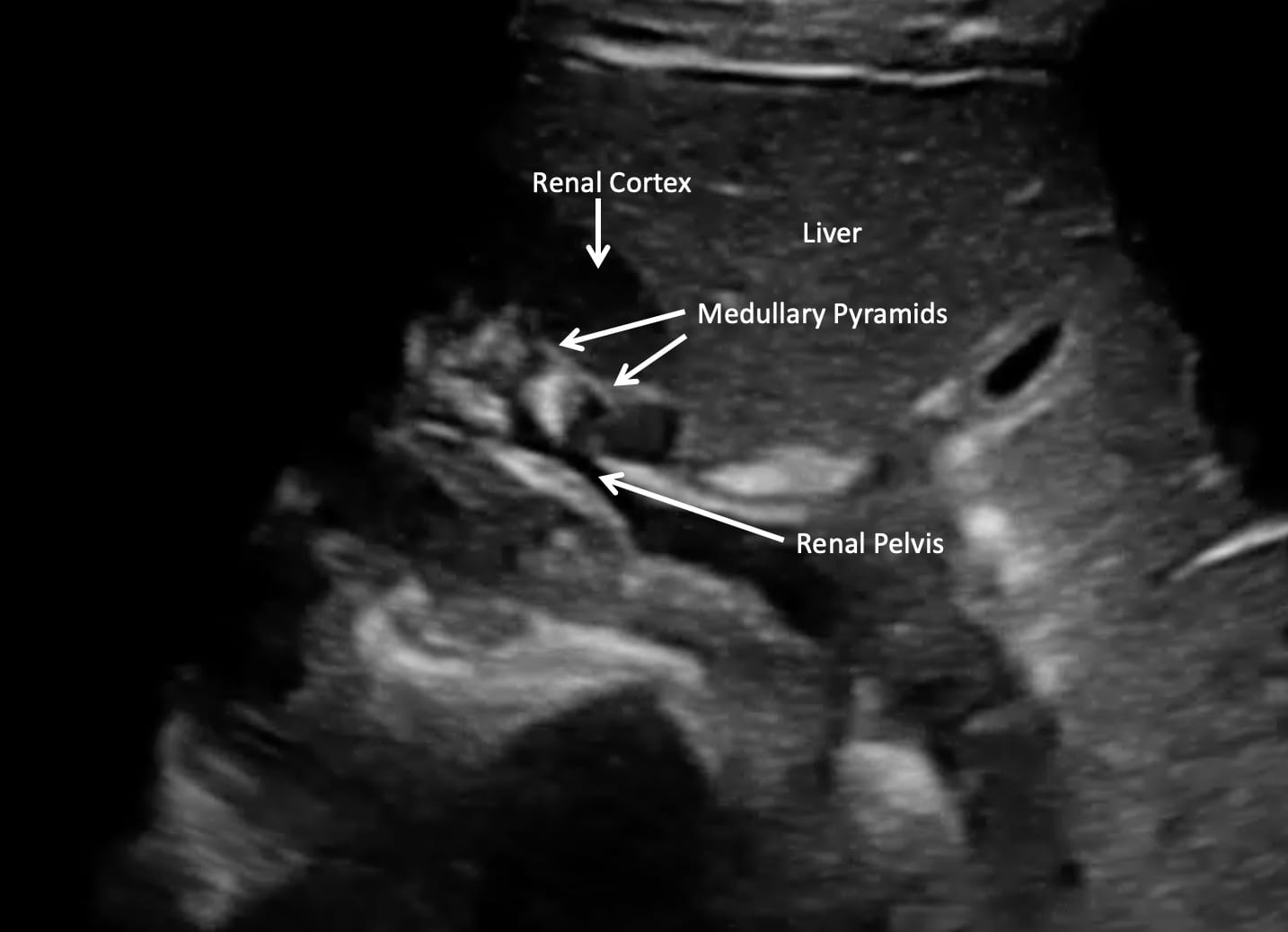
Figure 13. RUQ ultrasound view demonstrating free fluid in Morrison’s pouch in an unlabelled (A) and labelled (B) image

Abnormal RUQ Views

RUQ Free Fluid ultrasound

Figures 14 (left) and 15 (right). Abnormal RUQ ultrasound views with free fluid. Note that the right image demonstrates free fluid both above and below the diaphragm, meaning fluid that is in the peritoneal and pleural cavities, respectively.

Video 6. Abnormal RUQ ultrasound view with free fluid in the pleural space and Morison’s pouch

Abnormal LUQ Views

Tip: In the LUQ view, the free fluid tends to collect just under the diaphragm. Be sure to look at the diaphragm-spleen interface.

LUQ free fluid ultrasound

Figure 16. Abnormal LUQ view with free fluid below the diaphragm and above the spleen

Video 7. Abnormal LUQ ultrasound view with free fluid under the diaphragm

Abnormal Pelvic Views

Tip: Free fluid can collect between the bladder and colon in male patients. In female patients, fluid can collect between the bladder and uterus or between the uterus and colon.

pelvic free fluid ultrasound

Figure 17. Abnormal pelvic view showing free fluid between the bladder and colon

Video 8. Abnormal pelvic ultrasound on sagittal view showing free fluid

Abnormal Pericardial Views

abnormal pericardial FF ultrasound

Figure 18. Abnormal pericardial view showing pericardial free fluid

Video 9. Abnormal pericardial ultrasound view showing free fluid
ArtifactUltrasound Image
Mirror Artifact

These artifacts are cast above the diaphragm in the RUQ and LUQ views.

ultrasound spine sign artifact

Figure 19. The RUQ view shows liver parenchyma architecture cephalad of the diaphragm as a mirror artifact.

Spine Sign

The spine is not typically seen cephalad to the diaphragm by ultrasound due to air artifact. If the spine is visualized above the diaphragm, this indicates the lungs are no longer filled with air, which normally causes the refraction/reflection of ultrasound waves. This occurs in instances where air is replaced by fluid, such as a pleural effusion or hemothorax, or by a dense consolidation or contusion.

Figure 20. A – The spine is not visualized cephalad to the diaphragm in a normal RUQ ultrasound view. B – A pleural effusion results in a “spine sign” where the spine can be seen extended beyond the diaphragm.

Posterior Acoustic Enhancement

Since the bladder is a fluid filled structure which transmits ultrasound waves well, the waves illuminate the posterior wall of the bladder in a phenomenon called posterior acoustic enhancement. This brightness can hide free fluid settled in the pelvis. Thus, decrease the far field gain (brightness) behind the bladder to avoid missing obscured free fluid.

posterior acoustic enhancement

Figure 21. Bladder view with posterior acoustic enhancement artifact

Old Blood

As blood pools, the ultrasound appearance of clotted blood may have similar echotexture to surrounding soft tissue or organs rather than appear anechoic (black) as typical free fluid.

clotted blood artifact

Figure 22. Bladder view showing hypoechoic clotted blood that may be confused as soft tissue

Edge Artifact

Due to ultrasound physics and sound wave transmission between structures of different densities, edge artifacts are seen as a dark thin line tracing off the edge of this interface extending to the bottom of the screen. It can be misinterpreted as free fluid.

edge artifact ultrasound

Figure 23. RUQ view with an edge artifact

Stomach Sabotage

A full stomach will appear as a rounded collection of fluid and air anterior to the spleen. It may mimic a free fluid collection. Fan posterior of the stomach to visualize the spleen and perisplenic spaces.

Stomach sabotage artifact

Figure 24. The stomach obscures the LUQ view. Note the mix of bright (air) and dark (other gastric contents) inside the stomach.

Seminal Vesicles

Seminal vesicles can appear as hypoechoic, contained, symmetric structures posterior to the bladder in the transverse view and can be mistaken for free fluid.

Seminal vesicle artifact

Figure 25. Bladder view showing hypoechoic seminal vesicles  posterior to the bladder

  • The FAST evaluates for the presence free fluid only [6].
    • In trauma, the assumption is that free fluid is due to hemorrhage; however, the FAST cannot adequately distinguish between blood and other types of free fluid, such as ascites or physiologic free fluid.
    • It does not directly evaluate for injury to solid organs, bowel, diaphragm, or retroperitoneum​.
  • In isolation, the FAST cannot rule out intra-abdominal injury [7].
  • The FAST can not detect tiny amounts of hemorrhage.
    • The scan may appear initially negative with a free fluid volume under a threshold of about 100 mL [5].
    • Repeat FAST scans may help detect an accumulation of fluid over time throughout a child’s evaluation.
  • Trace pelvic free fluid may be physiologic in children, thus limiting specificity [8].

For adults, the FAST is integral in the diagnostic evaluation after blunt and penetrating trauma [9]. It improves outcomesby decreasing the time to surgical intervention, patient length of stay, surgical complications, CT scan, and diagnostic peritoneal lavage rates [3].

For children, however, the literature is less clear cut. Pediatric injury patterns commonly result in solid organ lacerations without hemoperitoneum, making the FAST a less sensitive means for detecting important intra-abdominal injury [7]. Further, the test characteristics of the FAST have variable reliability and accuracy in children [7,10,11]. This variation contributes to uncertainty of how to use results of the FAST and decreases its impact on potentially important clinical outcomes such as rates of CT scans and ED length of stay [12]. However…

  • The FAST is able to identify injuries that the physical exam can miss. When combined with the physical exam, the FAST scan has been found to have better test characteristics than the physical exam alone [13].
  • The improvement in POCUS technology, widespread pediatric-specific POCUS expertise, and a focus on clinically relevant outcomes have allowed clinicians to integrate the FAST into novel diagnostic strategies for children after blunt torso trauma [14].
  • The pediatric FAST may be used in combination with signs, symptoms, and other diagnostic testing as a screening algorithm to decrease unnecessary CTs. Investigators will need to conduct larger validation trials to confirm and clarify the algorithm.

Studies that have shaped the pediatric FAST literature landscape:

StudyStudy Type, Location (Time Frame)N, AgesNotes
Menaker et al., J Trauma Acute Care Surg 2014 [7]

Secondary Analysis of a Prospective Observational Study

Multicenter (May 2007 to January 2010)

6,468

Median age, 11.8 yrs; interquartile range (IQR) 6.3-15.5 yrs

  • Evaluated the variability of clinician-performed FAST examinations and the use of abdominal CT following FAST examination in children with blunt trauma
  • 373 (5.8%) were diagnosed with intra-abdominal injury
  • 3,015 (46.6%) underwent abdominal CT scanning. Only 887 (13.7%) underwent FAST examination before CT scan.
  • Use of the FAST increased as clinician suspicion for intra-abdominal injury increased. When clinicians had a lower suspicion, they were significantly less likely to order a CT scan, if a FAST examination was performed.
Holmes et al., JAMA 2017 [12]

Randomized Clinical Trial

University of California, Davis Medical Center (April 2012-May 2015)

925

Mean 9.7 yrs; SD 5.3 yrs

  • Studied the impact of the FAST scan on on multiple patient centered outcomes
  • Hemodynamically stable patients with blunt torso trauma were randomized a FAST or no FAST scan.
  • 50 had intra-abdominal injury, including 40 patients (80%) with intraperitoneal fluid and 9 patients underwent laparotomy.
  • No difference in the proportion obtaining CT, missed intra-abdominal injuries, length of stay, or cost.
Kornblith et al., Acad Emerg Med 2020 [13]

Retrospective Review

University of California, Benioff Children’s Hospital Oakland (November 2013 to July 2015)

354

Median age 8 yr; IQR 4-12 yr

  • Query of trauma database for children who met institutional trauma activation criteria and who also had a FAST performed.
  • 50 (14%) patients were found to have an intra-abdominal injury with 13 (4%) requiring intervention.
  • Positive FAST and positive physical exam were found to be independent predictors of intra-abdominal injury, both with a 74% sensitivity.
  • When combined, FAST and physical exam (FAST-enhanced physical exam) improved sensitivity to 88% (NPV 97.3%).
Liang et al., Pediatr. Emerg Care 2021 [11]

Systematic Review and Meta-Analysis

Multicenter (January 1966- March 2018)

2,135

Study dependent

  • Based on 8 studies, the FAST had a pooled sensitivity of 35% and specificity 96% for intra-abdomianal injury.
  • All 8 studies were prospective; 1 of the 8 was the 2017 Holmes paper mentioned above [12].
  • Conclusion: For a positive FAST, the post-test probability of an intra-abdominal injury was 63% meaning that those patients should get a CT to characterize injury. If the FAST is negative, you may still need a CT, because the post-test probability of intra-abdominal injury was still relatively high at 9%.
  • None of the studies had low enough negative likelihood ratios to obviate the need for CT.
  • Although a negative FAST alone does not exclude an intra-abdominal injury, it can identify low-risk patients with a reassuring physical exam and GCS 14-15.
Kornblith et al., JAMA 2022 [15]

Expert, consensus–based Modified Delphi

International multicenter (May 2021 to June 2021)

n/a
  • Generated definitions for complete pediatric FAST and E-FAST studies in the context of blunt trauma

Future Directions

The use of FAST in pediatric trauma is an evolving area of active research. A clear consensus on the way the FAST fits into pediatric trauma protocols is yet to be determined. Studies will need to be performed to examine the benefits of serial FAST, patient factors that may influence its test characteristics, and effect on patient centered outcomes.

There are a number of strategies to incorporate the above studies into clinical care, and one example is illustrated in the algorithm below. Keep in mind that FAST should be used in conjunction with other signs and symptoms of intra-abdominal injury (vomiting, decrease breath sounds, abdominal pain, thoracic wall trauma). Also consider laboratory testing such as liver function tests and urinalysis, depending on the clinical context and consulting your surgical colleagues.

Sample Algorithm for Pediatric Blunt Torso Trauma

Zuckerberg San Francisco General Pediatric Blunt Torso Trauma Algorithm (shared with permission)

Case Resolution

The primary survey is completed with airway, breathing, and circulation noted to be intact. As someone starts the secondary survey, you grab a phased array probe and perform a FAST . You observe the following:

RUQ View

LUQ View

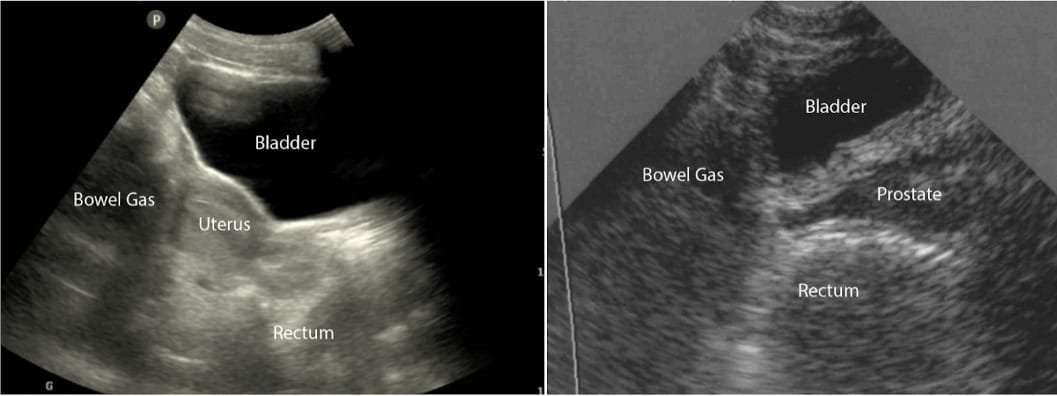
Pelvis View, Sagittal

Pelvis View, Transverse

Pericardial View

You call out ‘FAST negative’ to the documenting nurse and team leader.

ED Course

The patient has radiographs performed of his chest, pelvis, neck, and right forearm. He is diagnosed with a type 3 supracondylar humeral fracture but the other radiographs are negative for fracture and pneumothorax. The rest of his evaluation is reassuring. Orthopedics is consulted and they admit him for surgery. He is discharged home the next day with pediatrician follow up.

Pediatrician Clinic Follow-Up

At her pediatrician clinic visit 1 week later, he is playful and active with his arm in a cast. He has been eating and drinking normally without any complaints of abdominal pain. He has orthopedics follow up scheduled for the following week.

Learn More…

References

  1. Leading Causes of Death by Age Group United States 2018. Centers for Disease Control and Prevention. Accessed September 28, 2022
  2. Kenefake ME, Swarm M, Walthall J. Nuances in Pediatric Trauma. Emerg Med Clin North Am. 2013;31(3):627-652. doi:10.1016/j.emc.2013.04.004
  3. Melniker LA, Leibner E, McKenney MG, Lopez P, Briggs WM, Mancuso CA. Randomized controlled clinical trial of point-of-care, limited ultrasonography for trauma in the emergency department: the first sonography outcomes assessment program trial. Ann Emerg Med. 2006;48(3):227-235. doi:10.1016/j.annemergmed.2006.01.008
  4. Brenkert TE, Adams C, Vieira RL, Rempell RG. Peritoneal fluid localization on FAST examination in the pediatric trauma patient. Am J Emerg Med. 2017;35(10):1497-1499. doi:10.1016/j.ajem.2017.04.025
  5. Jehle DVK, Stiller G, Wagner D. Sensitivity in Detecting Free Intraperitoneal Fluid With the Pelvic Views of the FAST Exam.
  6. Netherton S, Milenkovic V, Taylor M, Davis PJ. Diagnostic accuracy of eFAST in the trauma patient: a systematic review and meta-analysis. CJEM. 2019;21(6):727-738. doi:10.1017/cem.2019.381
  7. Menaker J, Blumberg S, Wisner DH, et al. Use of the focused assessment with sonography for trauma (FAST) examination and its impact on abdominal computed tomography use in hemodynamically stable children with blunt torso trauma. J Trauma Acute Care Surg. 2014;77(3):427-432. doi:10.1097/TA.0000000000000296
  8. Berona K, Kang T, Rose E. Pelvic Free Fluid in Asymptomatic Pediatric Blunt Abdominal Trauma Patients: A Case Series and Review of the Literature. J Emerg Med. 2016;50(5):753-758. doi:10.1016/j.jemermed.2016.01.003
  9. Bloom BA, Gibbons RC. Focused Assessment with Sonography for Trauma. In: StatPearls. StatPearls Publishing; 2021. Accessed November 14, 2021.
  10. Holmes JF, Gladman A, Chang CH. Performance of abdominal ultrasonography in pediatric blunt trauma patients: a meta-analysis. J Pediatr Surg. 2007;42(9):1588-1594. doi:10.1016/j.jpedsurg.2007.04.023
  11. Liang T, Roseman E, Gao M, Sinert R. The Utility of the Focused Assessment With Sonography in Trauma Examination in Pediatric Blunt Abdominal Trauma: A Systematic Review and Meta-Analysis. Pediatr Emerg Care. 2021;37(2):108-118. doi:10.1097/PEC.0000000000001755
  12. Holmes JF, Kelley KM, Wootton-Gorges SL, et al. Effect of Abdominal Ultrasound on Clinical Care, Outcomes, and Resource Use Among Children With Blunt Torso Trauma: A Randomized Clinical Trial. JAMA. 2017;317(22):2290-2296. doi:10.1001/jama.2017.6322
  13. Kornblith AE, Graf J, Addo N, et al. The Utility of Focused Assessment With Sonography for Trauma Enhanced Physical Examination in Children With Blunt Torso Trauma. Acad Emerg Med Off J Soc Acad Emerg Med. 2020;27(9):866-875. doi:10.1111/acem.13959
  14. Riera A, Hayward H, Torres Silva C, Chen L. Reevaluation of FAST Sensitivity in Pediatric Blunt Abdominal Trauma Patients: Should We Redefine the Qualitative Threshold for Significant Hemoperitoneum? Pediatr Emerg Care. 2021;37(12):e1012. doi:10.1097/PEC.0000000000001877
  15. Kornblith AE, Addo N, Plasencia M, et al. Development of a Consensus-Based Definition of Focused Assessment With Sonography for Trauma in Children. JAMA Netw Open. 2022;5(3):e222922. Published 2022 Mar 1. doi:10.1001/jamanetworkopen.2022.2922
Go to Top