SAEM Clinical Images Series: When in Doubt, Swab It Out
eczema

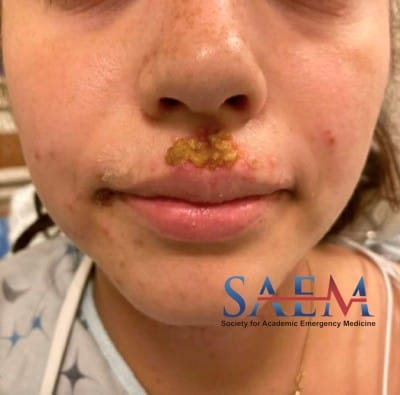
A 26-year-old female with a history of atopic dermatitis presents with one week of rash that began on her lower lip but spread over her face, eyelids, and neck, plus one day of fevers and headache. She was seen at an urgent care and referred to the emergency department for evaluation and management of “impetigo.” On presentation, she endorsed nausea, headache, and mild neck pain.

Vitals: Temp 100.7° F; BP 134/85; HR 121; SpO2: 100%

General: Uncomfortable appearing.

Cardiovascular: Tachycardia

Neurological: AOx3. CN II-XII grossly intact. Moves all extremities equally and spontaneously.

Skin: Upper cutaneous lip – eroded plaque with yellow crust. Bilateral jaw line, cheek, neck, eyelids – eroded papules. Lichenified patches in antecubital fossa bilaterally.

CBC: WBC 10.7; PLT 244

Lactate: 1.31

CSF: Colorless, clear; WBC 1; RBC<1; Protein 23; Glucose 55, Gram Stain Negative

Given the patient’s history of atopic dermatitis and evidence of crusted over papules/pustules on exam, this patient’s presentation was most consistent with diagnosis of eczema herpeticum (EH).

Swabs of the upper lip lesion were positive for HSV1 DNA, which confirmed the diagnosis. Early identification and treatment of EH is critical to preventing dangerous complications including ocular involvement, viremia, meningoencephalitis, hepatitis, or secondary infection with S. aureus resulting in bacteremia. Patients with EH involving the face, periocular areas, or systemic symptoms should be admitted for intravenous antiviral therapy and supportive care.

Take-Home Points

  • The diagnosis of EH is primarily based on history and physical, but the presence of HSV in skin lesions can be confirmed by PCR.
  • Delayed treatment is associated with increased risk of complications and prolonged hospitalization.

1.Wollenberg A, Wetzel S, Burgdorf WH, Haas J. Viral infections in atopic dermatitis: pathogenic aspects and clinical management. J Allergy Clin Immunol. 2003 Oct;112(4):667-74. PMID: 14564342.

2.Aronson PL, Yan AC, Mittal MK, Mohamad Z, Shah SS. Delayed acyclovir and outcomes of children hospitalized with eczema herpeticum. Pediatrics. 2011 Dec;128(6):1161-7. PMID: 22084327.
By |2025-10-27T08:24:25-07:00Sep 29, 2025|Dermatology, SAEM Clinical Images|

SAEM Clinical Images Series: Pain and Swelling in a Roofer’s Right Wrist

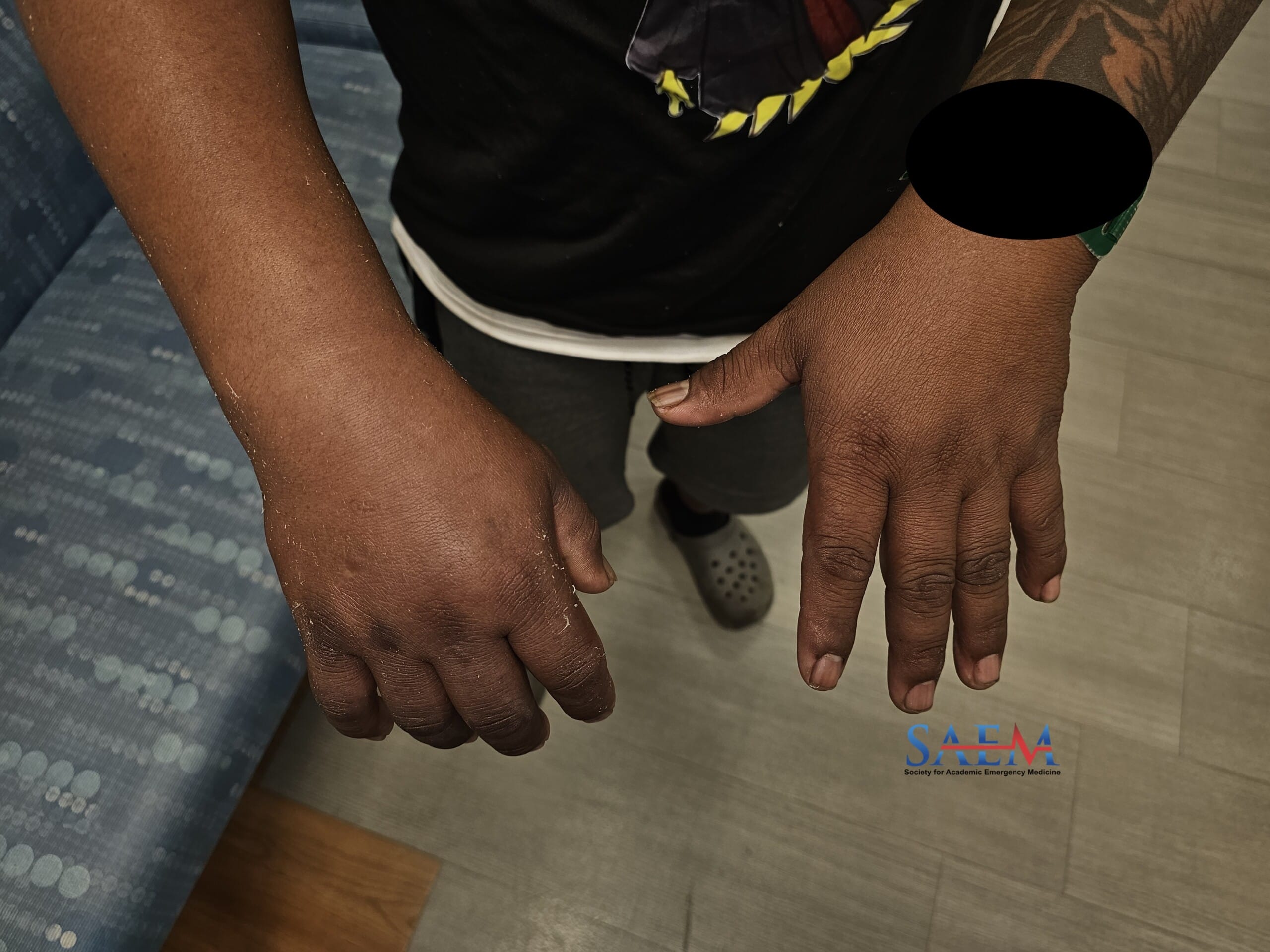
A 27-year-old male with no significant past medical history presented to the ED due to right hand pain and swelling. The patient reported that he works as a roofer and felt severe, sharp pain in his right hand immediately after using a nail gun this morning. The pain was followed by gradual swelling of the right wrist and hand. There was no loss of sensation or bleeding from the injury site. He additionally denied any injury from the nail itself. The patient was in moderate pain but hemodynamically stable while in the ED.

Vitals: Temp 36.6 °C; BP 155/99; HR 71; RR 18; SpO2 99%

General: Alert, mild distress.

Musculoskeletal: No gross deformities to right hand, reduced right hand flexion/extension due to pain, normal ROM of right shoulder and elbow, pain with right forearm supination/pronation, swelling of right hand and fingers and diffusely tender carpal bones.

Non-contributory

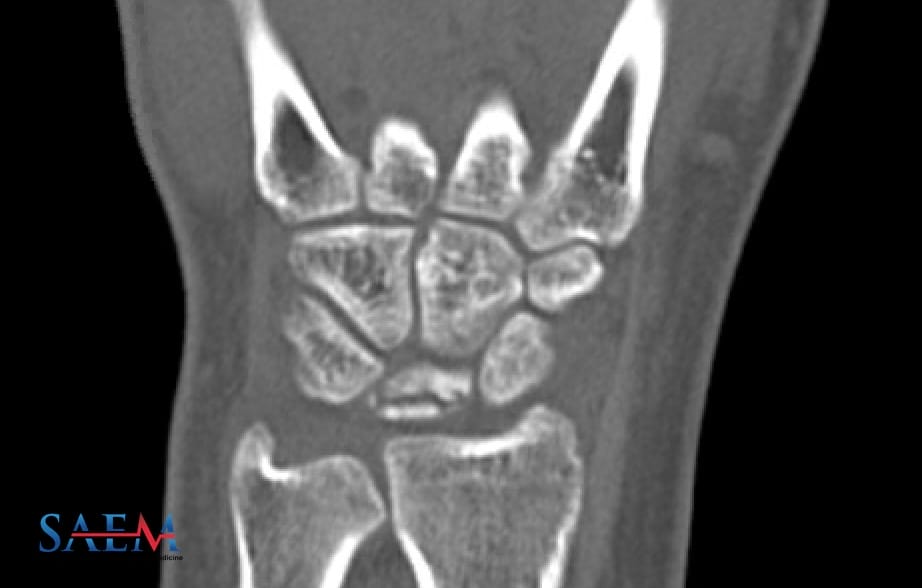
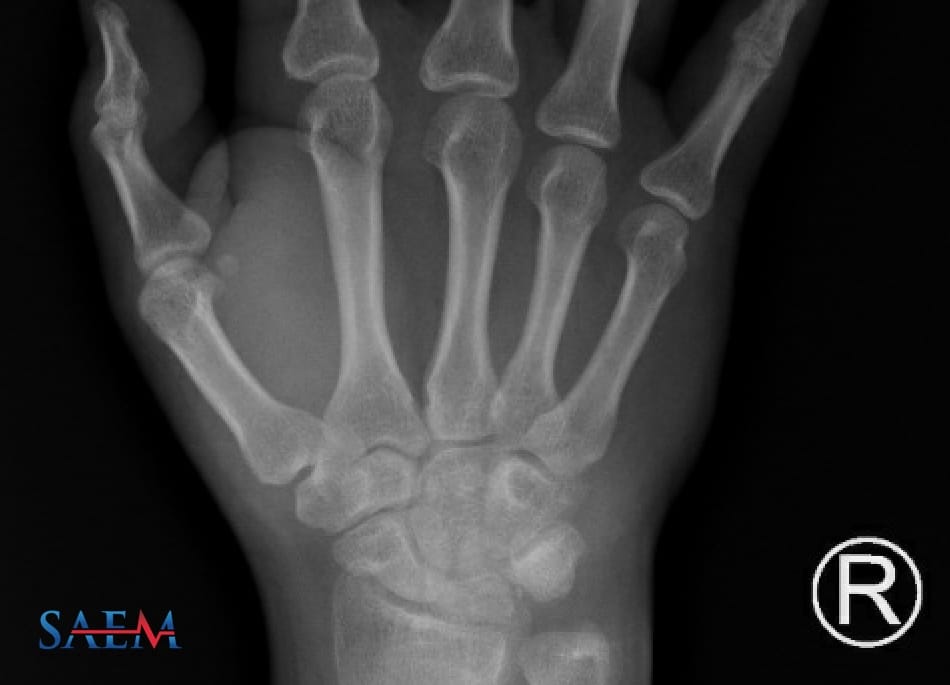
Comminuted lunate fracture. Lunate fractures, especially comminuted lunate fractures, usually result from high-energy trauma, with an incidence ranging from only 0.5% to 6.5% of carpal fractures. Up to one-third of wrist fractures appear to be overlooked on traditional radiography. Further imaging should be warranted for patients who are clinically suspicious of wrist fractures in the ED. Multidetector Computed Tomography (MDCT) with multiplanar reformat capability is a useful method to identify occult wrist fractures.

The blood supply of the lunate bone comes from the palmar and medial arteries of the carpometacarpal branch of the radial artery. Damage to the artery may lead to avascular necrosis (Kienböck disease). Comminuted lunate fractures may result in severe intraosseous destruction of vasculature, increasing the risk of lunate bone necrosis. An at-risk nerve is the median nerve, which runs through the carpal tunnel. If the lunate is fractured or displaced, it may compress or damage the median nerve, resulting in pain, paresthesia, or sensory loss in the palmar surface of the thumb, index, and middle fingers and radial half of the ring finger.

Take-Home Points

  • Associated risk factors for a lunate fracture include occupations or sports involving repetitive pressure to the base of the hand with the wrist in extension (eg, roofer, gymnast, jack-hammer operator).

  • Due to complex carpal anatomy, traditional radiography may not be sufficient to detect lunate fractures.

  • At-risk structures that require evaluation in the case of lunate fracture include the palmar and medial branches of the radial artery and the median nerve.

  • Li, Jun, et al. “Comminuted lunate fracture combined with distal radius fracture and scaphoid fracture: A case report.” Medicine, vol. 102, no. 29, 2023, https://doi.org/10.1097/md.0000000000034393.

  • Balci, Ali, et al. “Wrist fractures: Sensitivity of radiography, prevalence, and patterns in MDCT.” Emergency Radiology, vol. 22, no. 3, 2014, pp. 251–256, https://doi.org/10.1007/s10140-014-1278-1.

  • Geissler, William B. “Carpal fractures in athletes.” Clinics in Sports Medicine, vol. 20, no. 1, 2001, pp. 167–188, https://doi.org/10.1016/s0278-5919(05)70254-4.

By |2025-04-28T14:39:34-07:00May 2, 2025|Orthopedic, SAEM Clinical Images|

SAEM Clinical Images Series: Painful Great Toe

great toe

A 63-year-old-male with a past history of hypertension, renal failure with dialysis three times per week, and prior infective endocarditis appropriately treated with a regimen that ended four weeks ago presented with left great toe pain that started three weeks ago. The toe began swelling two weeks ago with continued pain and tenderness, becoming discolored approximately one week ago. He noted subjective fever and chills, but had no other complaints.

Vitals: Heart Rate 104, BP 111/69 mmHg, Temperature oral 38.1°C, Respiratory Rate 16; SpO2: 99% on room air

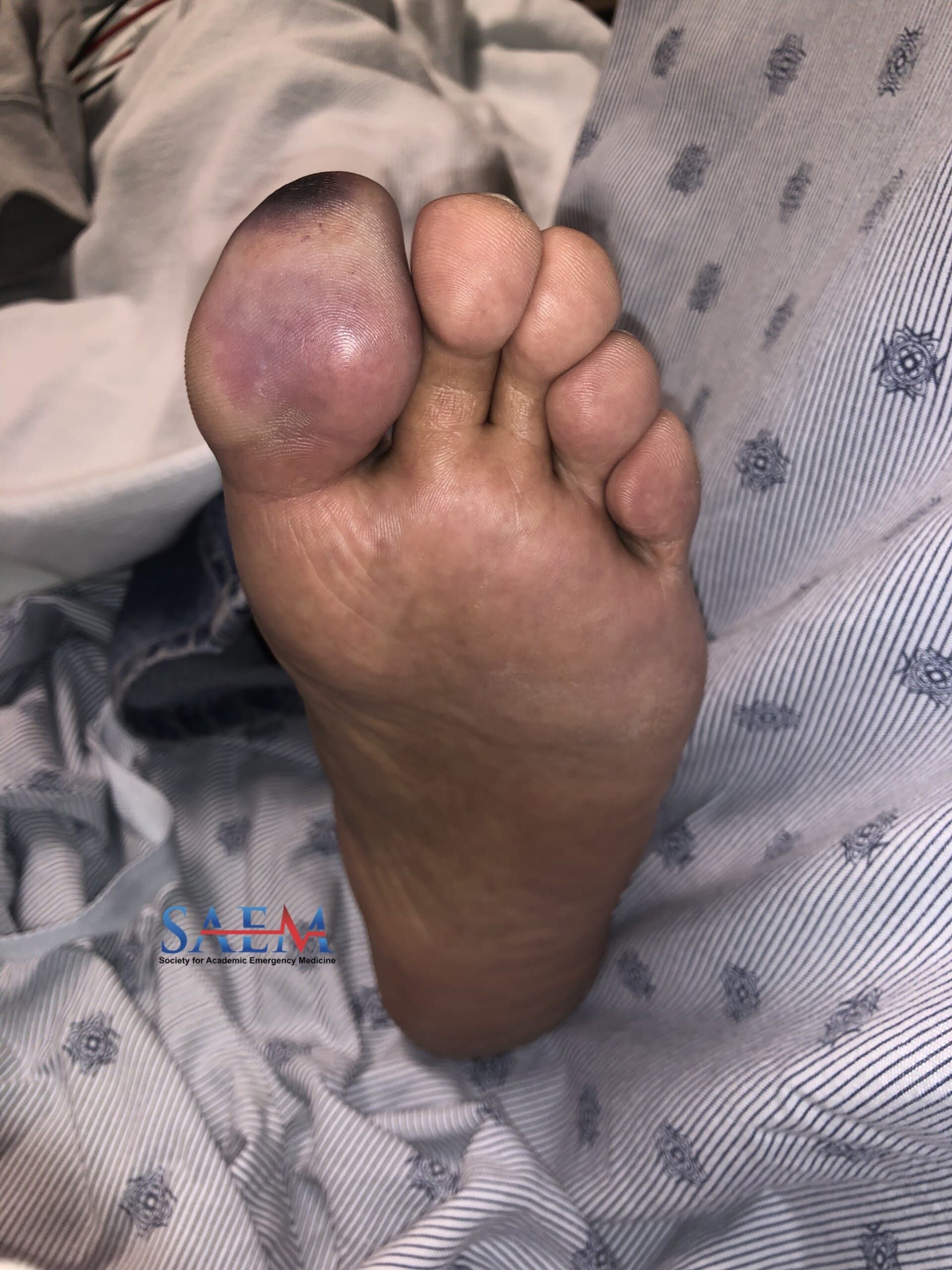
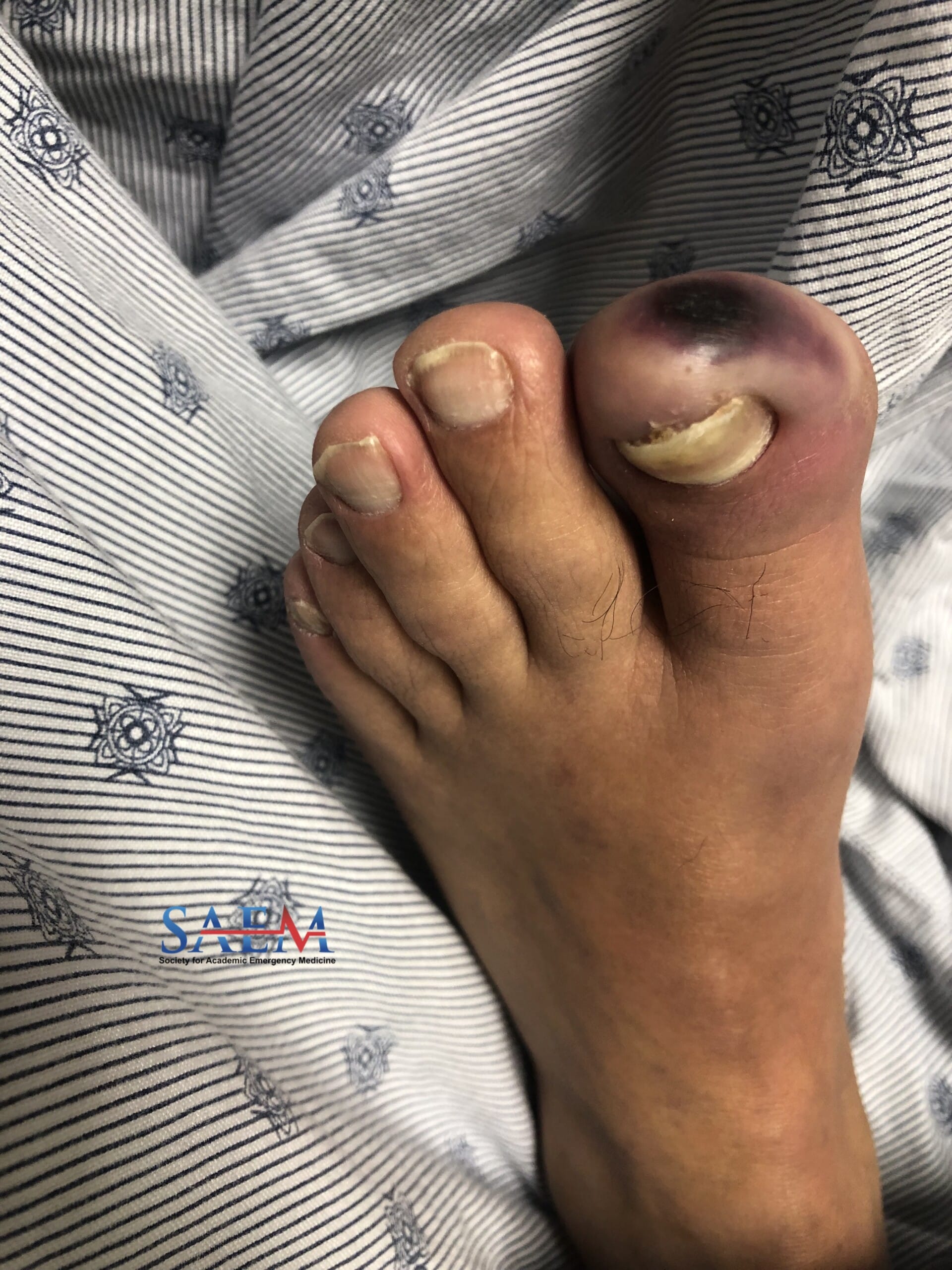
Skin: The plantar surface of the left great toe has violaceous discoloration extending to the dorsum of the distal phalanx around the nail. It is tender to touch at the plantar surface only. There is dark brown to black discoloration 16 mm x 8 mm at the distal medial aspect of the toe without ulceration.

Musculoskeletal: Good range of motion at all joints without pain.

Cardiovascular: 3/6 systolic murmur noted at the right sternal border.

The rest of the examination is normal.

BMP: BUN 19 mg/dL, Creatinine  5.21 mg/dL

Hemoglobin: 12.3 g/dL

WBC: 12.28 x 10^9/L

Imaging: X-ray of the left foot is unremarkable

Yes, the patient should be admitted; an Osler node or Janeway lesion is indicative of active endocarditis. An Osler node is a painful, tender, nodular lesion that is bluish-purple and is located on the distal phalanx of the fingers or toes. Classically, pain precedes any swelling, with subsequent discoloration occurring with skin pigmentation being described as reddish, cyanotic, bluish-purple, vivid pink, or erythematous. The skin may desquamate or darken, but ulceration is rare. Histologic evaluation reveals necrotizing vasculitis and inflammatory infiltration of the vascular channels. Aspiration and culture of the lesions typically yields no organisms, though several case reports note positive bacterial growth with organisms that match the underlying endocarditis bacteria. Whether an Osler node is caused by micro-septic emboli or by an immune response is a controversy that has not yet been settled. Janeway lesions, also seen in endocarditis, are similar discolored macules on the palms or soles. However, Janeway lesions are normally painless, which is a key factor that differentiates them from Osler nodes. Osler nodes or Janeway lesions are indicative of active endocarditis. Patients with these lesions, such as the patient in this case, should be admitted for blood cultures, echocardiography, and intravenous antibiotics. This patient was admitted, and his echo confirmed multiple vegetative lesions with severe aortic valvular disease. The patient was subsequently transferred for valve replacement surgery after three weeks of intravenous antibiotics.

Take-Home Points

  • Osler nodes are tender, violaceous nodules located on the finger or toe pads.

  • Janeway lesions, located on the palms or soles, have similar discoloration but are not tender.

  • Osler nodes and Janeway lesions are uncommon but important manifestations of infective endocarditis.

  • Farrior JB, Silverman ME. A consideration of the differences between a Janeway’s lesion and an Osler’s node in infectious endocarditis. Chest. 1976 Aug;70(2):239-43. doi: 10.1378/chest.70.2.239. PMID: 947688.

  • Philip J, Bond MC. Emergency Considerations of Infective Endocarditis. Emerg Med Clin North Am. 2022 Nov;40(4):793-808. doi: 10.1016/j.emc.2022.07.001. Epub 2022 Oct 7. PMID: 36396222.

SAEM Clinical Images Series: I Cannot See My Rashes

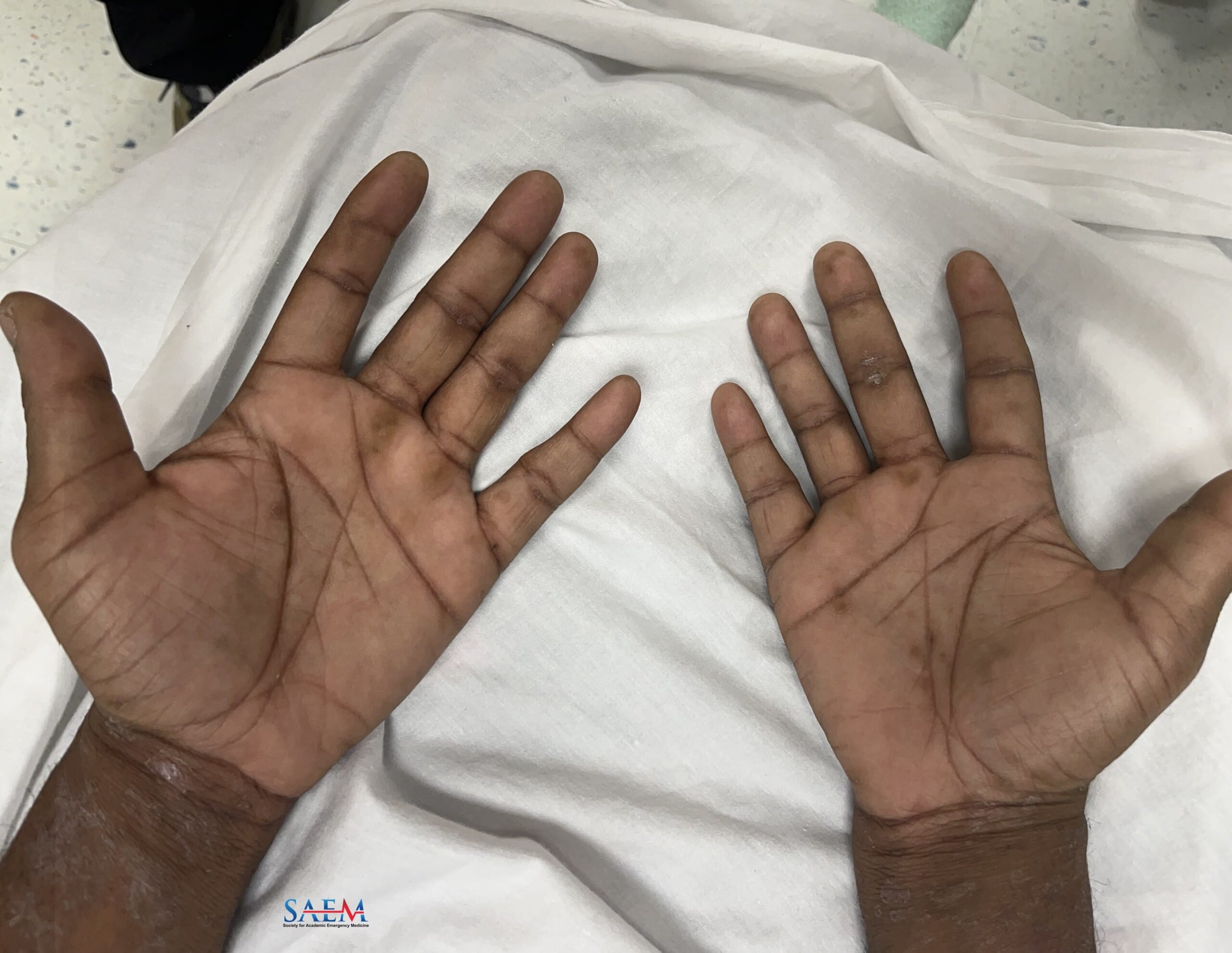
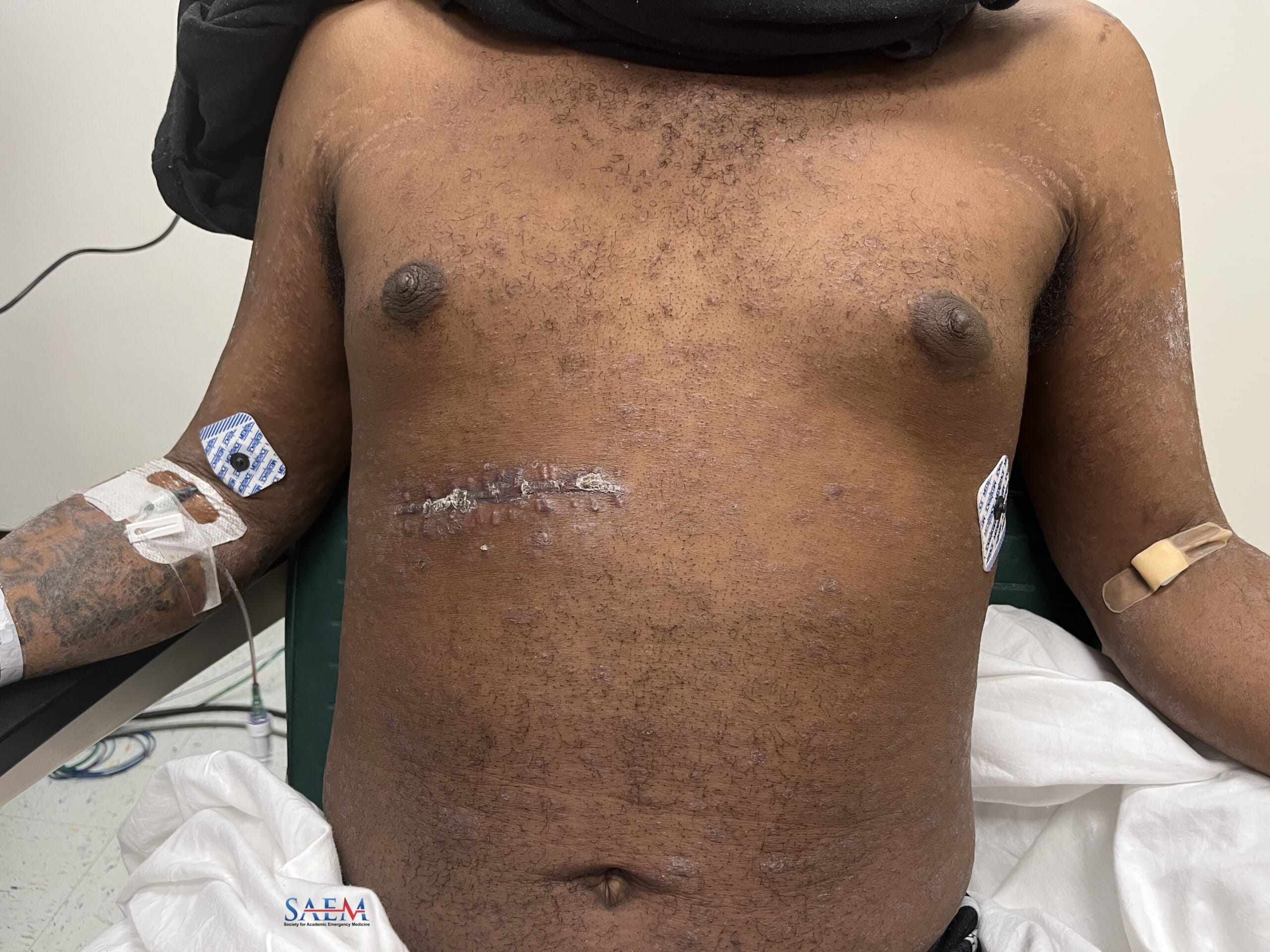
A 37-year-old African-American transgender patient presented with progressive, bilateral painful vision loss. The symptoms began acutely in the right eye two weeks prior to presentation, eventually extending to the left eye. Symptoms were worse in the right eye and included headache, blurry vision, photophobia, and pain with eye movement. Additionally, the patient reported the appearance of a diffuse, generalized, non-pruritic, non-tender rash of unknown duration or timeline. The rash was hyperpigmented and located on the trunk, face, genitalia, palms, and soles. The patient denied any recent trauma, using eye drops, wearing glasses, recent new detergents, soaps, illness, nausea, vomiting or sick contacts.

Vitals: HR 114; Temp 101.4 °F; BP 120/77; Resp 16; O2 98%

HEENT: Erythematous eyelids, bilateral conjunctival injection with a hazy cornea. Dilated and poorly reactive pupils, and overlying corneal edema without abrasion. Slit-lamp examination showed keratic precipitates in the anterior chamber. Visual acuity RE 20/200, LE 20/70. Intraocular Pressure (IOP) notable for OD 52, LOS 32.

Respiratory: Good bilateral air entry, clear breath sounds.

Cardiovascular: Normal rate, regular rhythm, S1,S2, no added sounds.

Skin/Extremities: Disseminated maculopapular rash all over the body, not itchy/crusty, nontender.

Neuro: At baseline mental status, AO X 3

WBC: 11.6

Hgb: 11.2

Platelets: 507

ALT: 70

AST: 80

ALK PHOS: 1449

HIV: Non-reactive

Hepatitis B: Non-reactive

Orthopoxvirus DNA: Not-detected

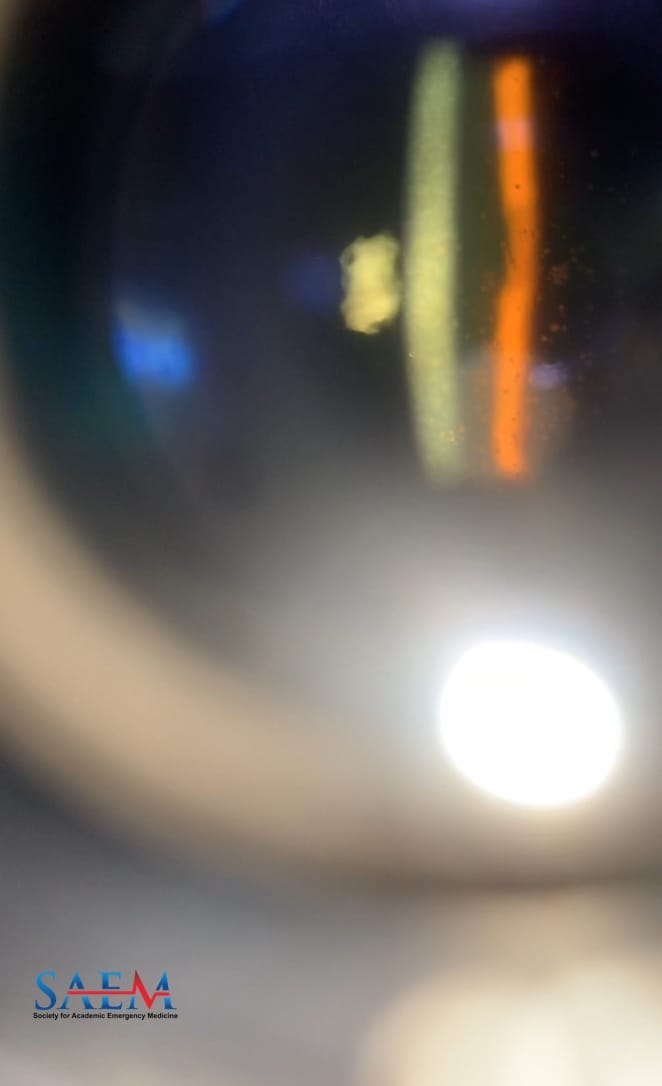
If emergency medicine physicians consider glaucoma due to syphilitic uveitis on their differential for patients presenting with skin and ocular symptoms, this can result in more rapid diagnosis and aggressive treatment. The CDC reported 176,713 cases of syphilis in 2021, showing an annual increase and a collective surge of 28.6% from 2020 to 2021. While the frequency of confirmed syphilis cases can vary, the global trend reveals a consistent rise in reported incidences, suggesting continued transmission of the infection. This is especially concerning because some individuals may not exhibit noticeable symptoms due to its challenging diagnosis and presentation. As a result, not all cases of syphilis are diagnosed or confirmed. Prompt recognition and treatment are crucial to save the patient’s vision and quality of life. The patient was empirically started on IOP-reducing medications, intravenous penicillin and admitted with a presumptive diagnosis of ocular syphilis. During admission, both Rapid Plasma Reagin (RPR) and trepanomal tests confirmed the syphilis diagnosis. Subsequently, the patient’s IOP normalized and vision improved to 20/200 in the right eye and 20/70 in the left.

Take-Home Points

  • High suspicion, improved awareness, increased testing, and effective surveillance systems are essential for accurately assessing the prevalence of syphilis in a given population.

  • Beginning treatment early on and before confirmatory testing in the ED will only help improve patient outcomes throughout hospitalization.

  • Centers for Disease Control and Prevention. Sexually Transmitted Disease Surveillance 2021 – Syphilis. Centers for Disease Control and Prevention. https://www.cdc.gov/std/statistics/2021/overview.htm#Syphilis. Accessed January 10, 2024.

  • Mathew D, Smit D. Clinical and laboratory characteristics of ocular syphilis andneurosyphilis among individuals with and without HIV infection. Br J Ophthalmol.2021;105:70-74.

SAEM Clinical Images Series: I’m Plugged Up

foreign body

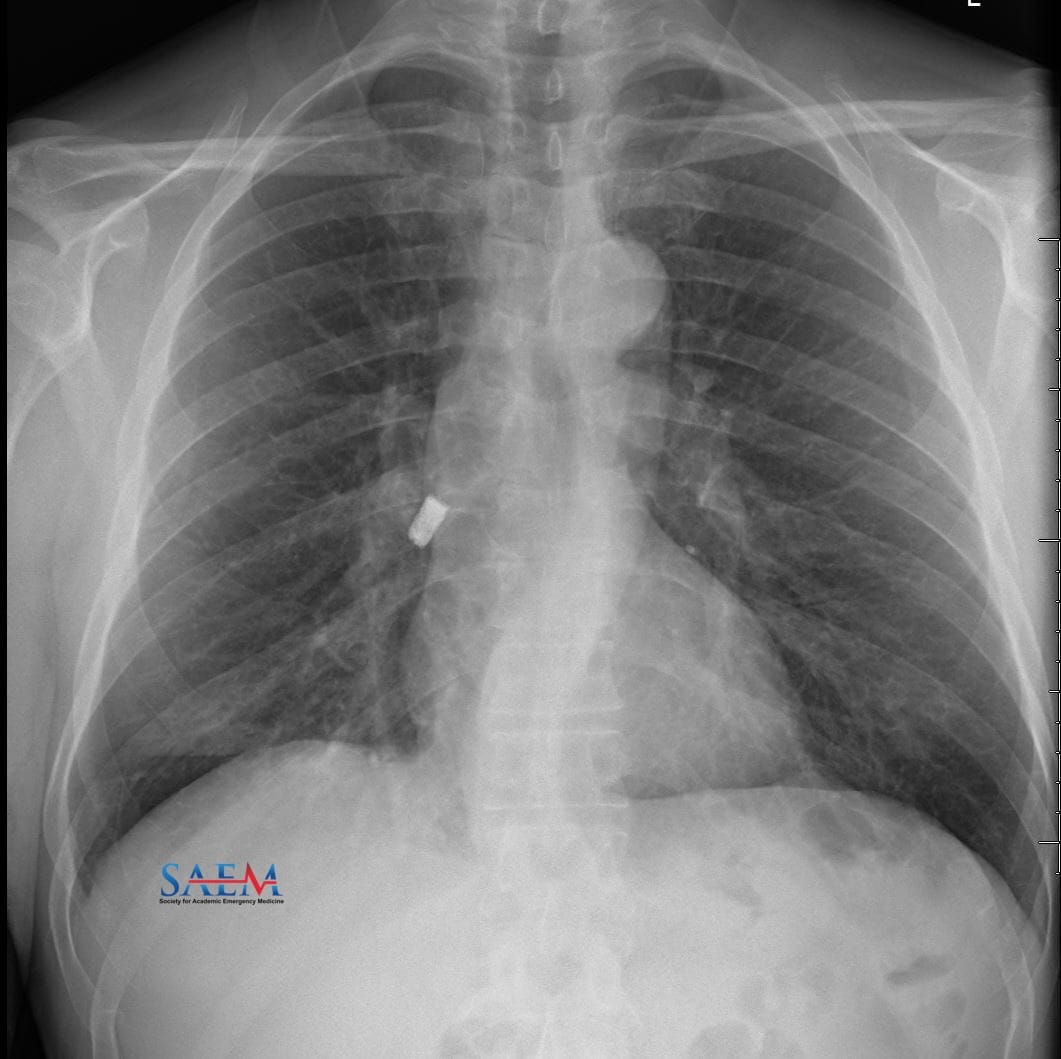
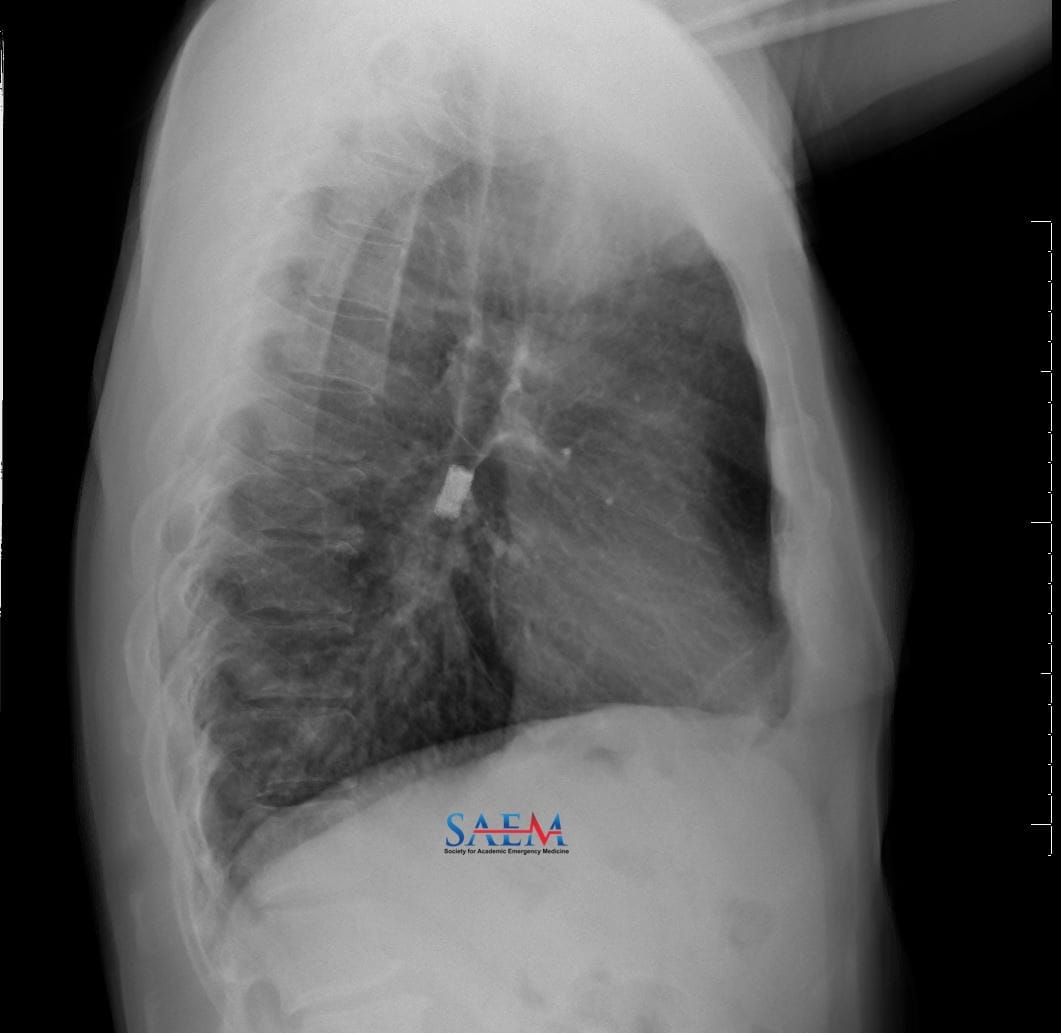
A 56-year-old male with a history of crack cocaine and opiate drug use presented to the Emergency Department (ED) with concerns about a persistent dry cough for seven days. The cough started after smoking cocaine from a homemade glass pipe. The day before arrival, he developed sharp chest pain with coughing associated with shortness of breath and a sore throat. The patient denied fevers, chills, or shortness of breath. He denied hemoptysis, nausea, vomiting, and diarrhea. A chest x-ray was obtained with the findings seen below.

Vitals: Temp: 36.6°C; HR: 78 bpm; RR: 18; BP: 128/85 mmHg; SpO2: 98% RA

General: Disheveled male who is alert in no acute respiratory distress.

Neck: Supple, no crepitus.

Cardiovascular: Regular rate and rhythm, No murmur, gallop, rubs.

Respiratory: Decreased air movement in the right lower lobe without wheezes, rales, rhonchi.

Chest wall: No tenderness.

Gastrointestinal: Soft, Nontender, Non distended, Normal bowel sounds.

WBC: 16.59 x10(3)/mcL

Images 1 and 2 show a radiopaque object in the right bronchus intermedius. By age 15 the aorta makes a prominent indent on the trachea and left mainstem bronchus, increasing the acute angle of the left bronchus compared to the trachea. This results in a relative straightening of the right mainstem bronchus in relation to the trachea and left mainstem bronchus. Thus, foreign bodies are more commonly found in the right bronchial tree of adults and children over 15 years old. In children younger than 15 years of age the angle of the left and right bronchus are symmetrical thus bronchial aspirated foreign bodies are equally likely to be found in either lung. In younger children the relative anatomical narrowing of the tracheobronchial tree results in more proximal airway obstructions at the level of the glottis, larynx, or trachea. (1)

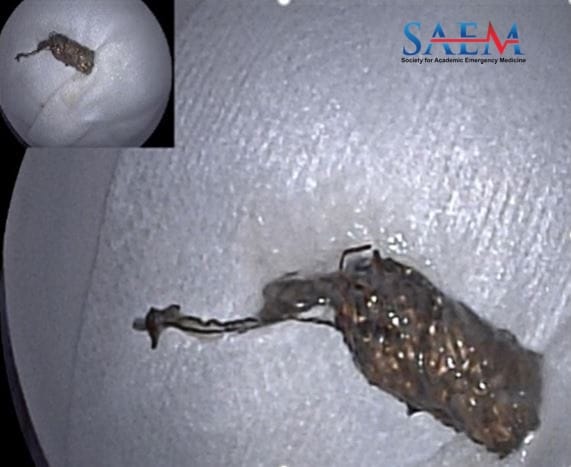
Picture 3 shows a steel wool plug after it was removed from the right bronchus by flexible bronchoscopy. The patient had used the steel wool as a filter for smoking cocaine and accidentally inhaled it during use. Steel wool, like most foreign bodies, causes direct trauma to the tracheobronchial tree as well as post-obstructive pneumonia. Steel wool filters present an added hazard in crack cocaine smoking due to thermal injury to the upper airway (2). Flexible bronchoscopy is the preferred modality for evaluation and treatment of tracheobronchial tree foreign bodies in adults. It has several advantages over rigid bronchoscopy. Flexible bronchoscopy allows better visualization of the distal airways and may be performed using local anesthesia under procedural sedation. (3) In one meta-analysis the procedure had a 90% success rate for foreign body removal. (4) The use of flexible bronchoscopy in children is less clear. A comparison of rigid verses flexible bronchoscopy in children showed a lower rate of respiratory complication in the rigid bronchoscopy group. However, there was no statistically significant overall complication rate for the two modalities. (5)

Take-Home Points

  • Right bronchial foreign bodies are more common after age 15.

  • Steel wool used as a filter in a glass pipe may lead to thermal or mechanical injuries to the upper airway, and post obstructive pneumonia due to aspiration of the entire steel wool plug.

  • Flexible bronchoscopy is the procedure of choice for the removal of bronchial foreign bodies in adults.

  • Cramer N, Jabbour N, Tavarez MM, et al. Foreign Body Aspiration. [Updated 2023 Jul 31]. In: StatPearls [Internet]. Treasure Island (FL): StatPearls Publishing; 2023 Jan-.Available from: https://www.ncbi.nlm.nih.gov/books/NBK531480/

  • Alda Moettus, Dan Tandberg, Brillo® pad crack screen aspiration and ingestion. The Journal of Emergency Medicine, Volume 16, Issue 6, 1998, Pages 861-863, ISSN 0736-4679, https://doi.org/10.1016/S0736-4679(98)00099-7. (https://www.sciencedirect.com/science/article/pii/S0736467998000997)

  • Bajaj D, Sachdeva A, Deepak D. Foreign body aspiration. J Thorac Dis. 2021 Aug;13(8):5159-5175. doi:10.21037/jtd.2020.03.94. PMID: 34527356; PMCID:PMC8411180.

  • Sehgal IS, Dhooria S, Ram B, Singh N, Aggarwal AN, Gupta D, Behera D, Agarwal R. Foreign Body Inhalation in the Adult Population: Experience of 25,998 Bronchoscopies and Systematic Review of the Literature. Respir Care. 2015 Oct;60(10):1438-48. doi: 10.4187/respcare.03976. Epub 2015 May 12. PMID: 25969517.

  • Wiemers A, Vossen C, Lücke T, Freitag N, Nguyen TMTL, Möllenberg L, Pohunek P, Schramm D. Complication rates in rigid vs. flexible endoscopic foreign body removal in children. Int J Pediatr Otorhinolaryngol. 2023 Mar;166:111474. doi: 10.1016/j.ijporl.2023.111474. Epub 2023 Feb 1. PMID: 36753891.

By |2025-04-15T21:24:51-07:00Apr 18, 2025|Pulmonary, SAEM Clinical Images|

SAEM Clinical Images Series: Weird Flex

tenosynovitis

A 29-year-old female with a history of depression, anxiety, and tobacco use disorder presented with worsening right index finger pain, swelling, and redness for the previous three days. Additionally, she reported that she was unable to further flex or extend her finger. She denied fevers, chills, rashes, or recent illness. There was no history of trauma, aquatic or other environmental exposures, insect bites, or intravenous drug use. She did note that she uses a copper brillo pad to clean her dishes at home which often causes small abrasions to her fingers.

Vitals: BP 160/112; PR 73; Temp 36.4°C; RR 18; SpO2 100% on RA

General: Well-appearing, no acute distress.

Cardiovascular: Right index finger capillary refill <2 sec.

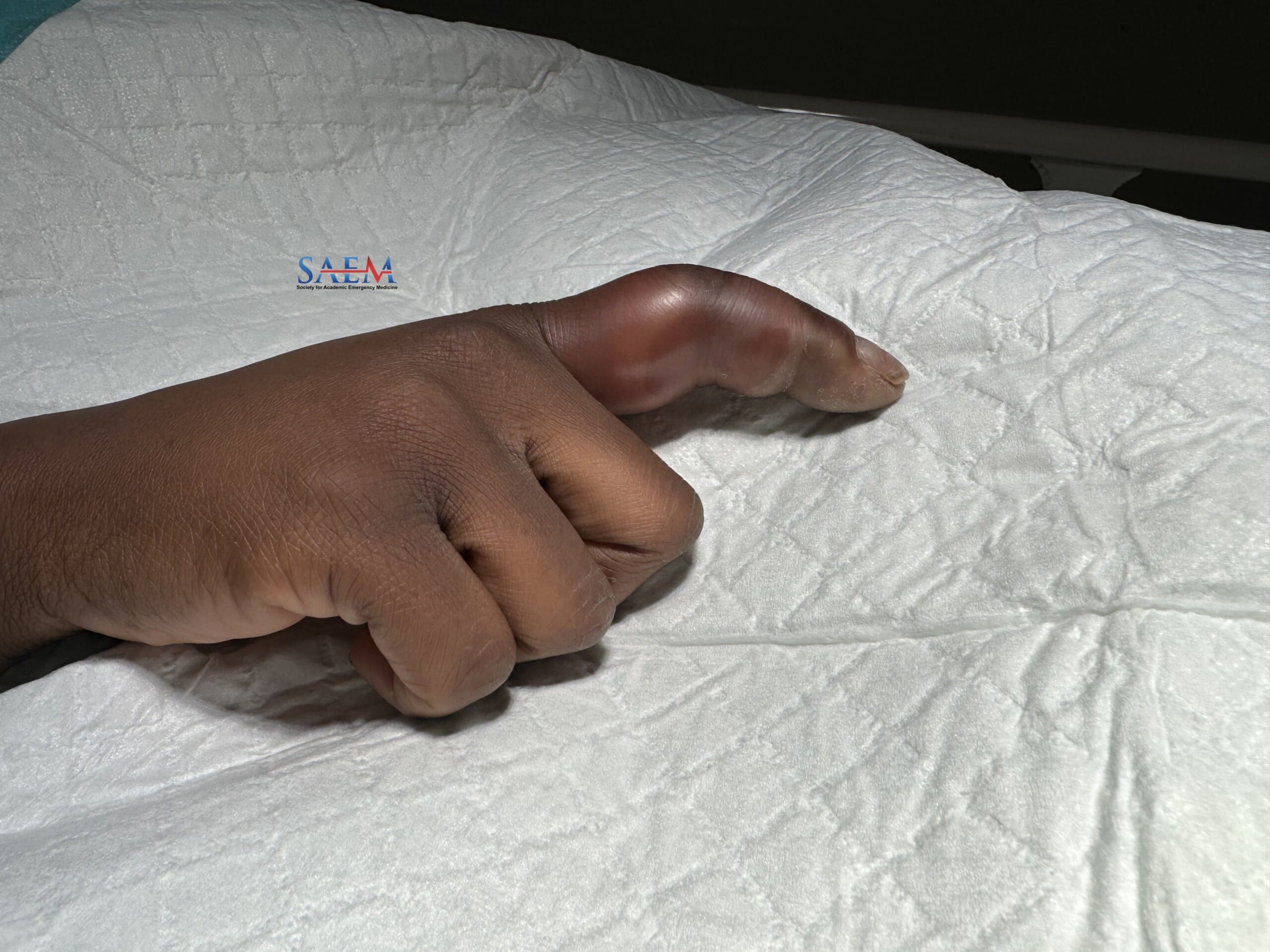
Skin: Right index finger uniformly edematous and erythematous with tenderness to palpation along the tendon sheath; small healed abrasions over distal palmar aspect of the digit; no focal area of fluctuance.

MSK: right index finger held in flexion, pain with passive extension.

WBC: 8.6

ESR: 129

CRP: 105.5

This patient has flexor tenosynovitis, an infection of the synovial sheath surrounding the flexor tendon of the hand. The condition is usually caused by local inoculation from penetrating trauma although can also result from hematogenous spread. Flexor tenosynovitis is considered a surgical emergency, as delayed intervention can lead to significant morbidity including tendon rupture, deep space infection, abscess development, soft tissue necrosis, amputation, and/or chronically compromised hand function. Diagnosis is usually clinical, based on history and physical exam findings; however, laboratory evaluation may reveal leukocytosis and/or elevated inflammatory markers. If there is a history of penetrating trauma, x-rays of the affected digit are recommended to rule out retained foreign body. Management in the ED includes prompt surgical consultation and broad-spectrum antibiotics against common cutaneous pathogens. Antibiotic coverage should be broadened in patients with a history of marine exposure or Pseudomonal risk factors including immunocompromised status.

Flexor tenosynovitis presents with four classic exam findings called “Kanavel Signs.” Kanavel Signs include (1) flexion of the involved digit, (2) tenderness to palpation over the tendon sheath, (3) pain with passive extension, and (4) uniform swelling of the finger. The presence of all four Signs has a sensitivity for flexor tenosynovitis as high as 97.1%, although early in the course of infection, pain with passive extension may be the only finding.

Take-Home Points

  • Flexor tenosynovitis is an infection of the flexor tendon sheath of the hand and a history of trauma or penetrating injury to the area should raise suspicion.

  • Flexor tenosynovitis is a “can’t miss” clinical diagnosis in the ED as there is a risk of significant complications with delayed antibiotics and surgical intervention.

  • Infection can reliably be identified by the presence of the four Kanavel Signs on physical exam.

  • Chan E, Robertson BF, Johnson SM. Kanavel signs of flexor sheath infection: a cautionary tale. Br J Gen Pract. 2019 Jun;69(683):315-316. doi: 10.3399/bjgp19X704081. PMID: 31147342; PMCID: PMC6532803.

  • Chapman T, Ilyas AM. Pyogenic Flexor Tenosynovitis: Evaluation and Treatment Strategies. J Hand Microsurg. 2019 Dec;11(3):121-126. doi: 10.1055/s-0039-1700370. Epub 2019 Nov 2. PMID: 31814662; PMCID: PMC6894957.

  • Hermena S, Tiwari V. Pyogenic Flexor Tenosynovitis. In: StatPearls. StatPearls Publishing; 2022.

  • Kennedy CD, Huang JI, Hanel DP. In Brief: Kanavel’s Signs and Pyogenic Flexor Tenosynovitis. Clin Orthop Relat Res. 2016 Jan;474(1):280-4. doi: 10.1007/s11999-015-4367-x. Epub 2015 May 29. PMID: 26022113; PMCID: PMC4686527.

By |2025-03-30T20:30:57-07:00Apr 7, 2025|Orthopedic, SAEM Clinical Images|

SAEM Clinical Images Series: Ptosis? A Don’t Miss Diagnosis!

ptosis

A 50-year-old female with no past medical history presented to the emergency department for a headache. She developed progressive dull, left-sided head pain with sinus pressure one week prior, associated with sleep disturbance. In addition, she described two days of left eyelid drooping. She had no fever, chills, cough, difficulty breathing, neck pain, jaw claudication, vision changes, dizziness, numbness, or recent weight loss. She also denied any recent trauma to the head or neck.

Vitals: BP 119/59; PR 92; Temp 37°C; RR 16; SpO2 100% on RA

General: Well-appearing, no acute distress.

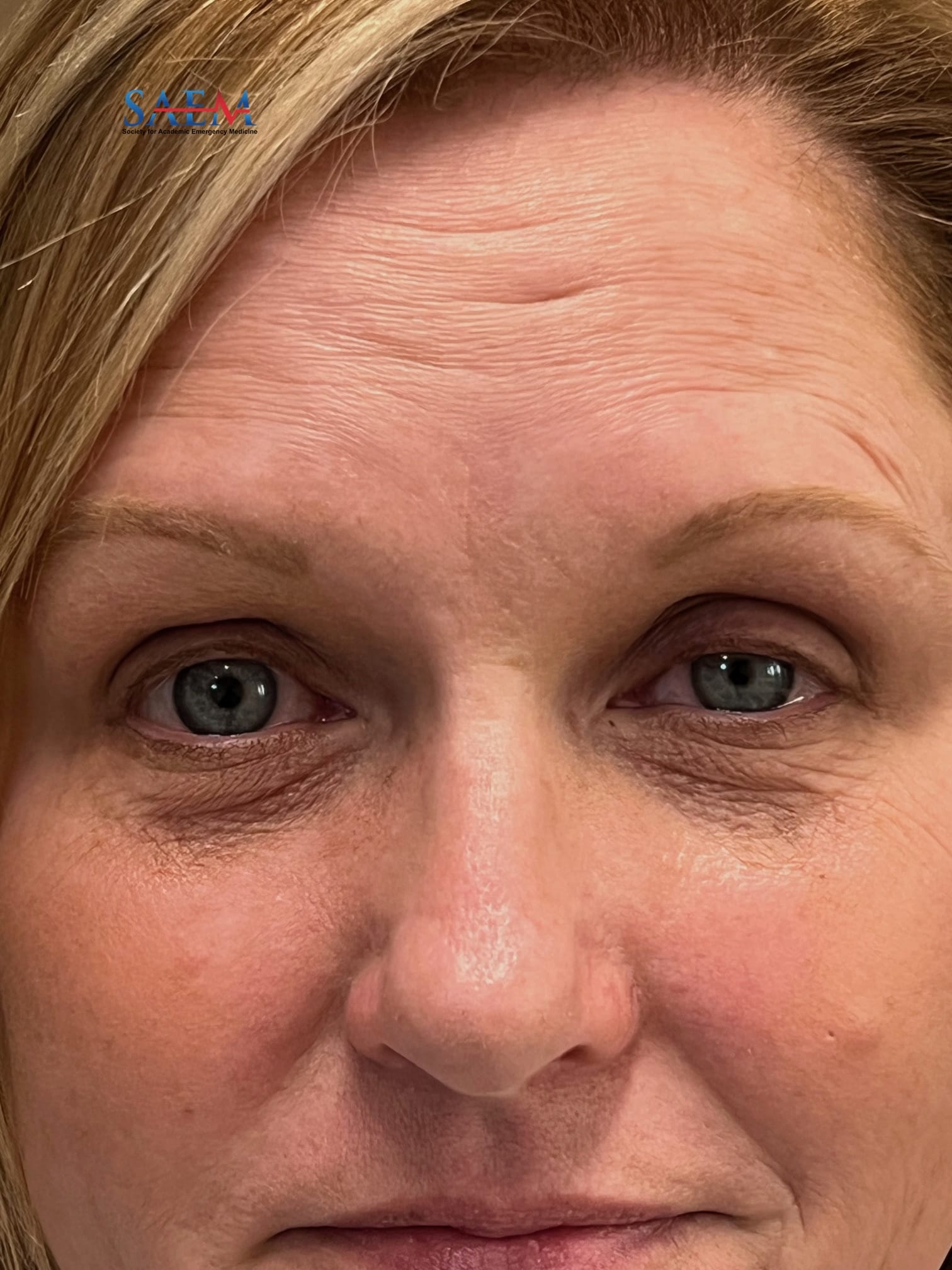
HEENT: EOMI, left eyelid ptosis with miosis of left pupil.

Cardiovascular: RRR, normal S1/S2, no murmur.

Neurologic: Alert and oriented x 3, normal strength and sensation bilateral upper and lower extremities, left ptosis and miosis, otherwise cranial nerves II-XII unremarkable.

WBC: 8.9

INR: 0.9

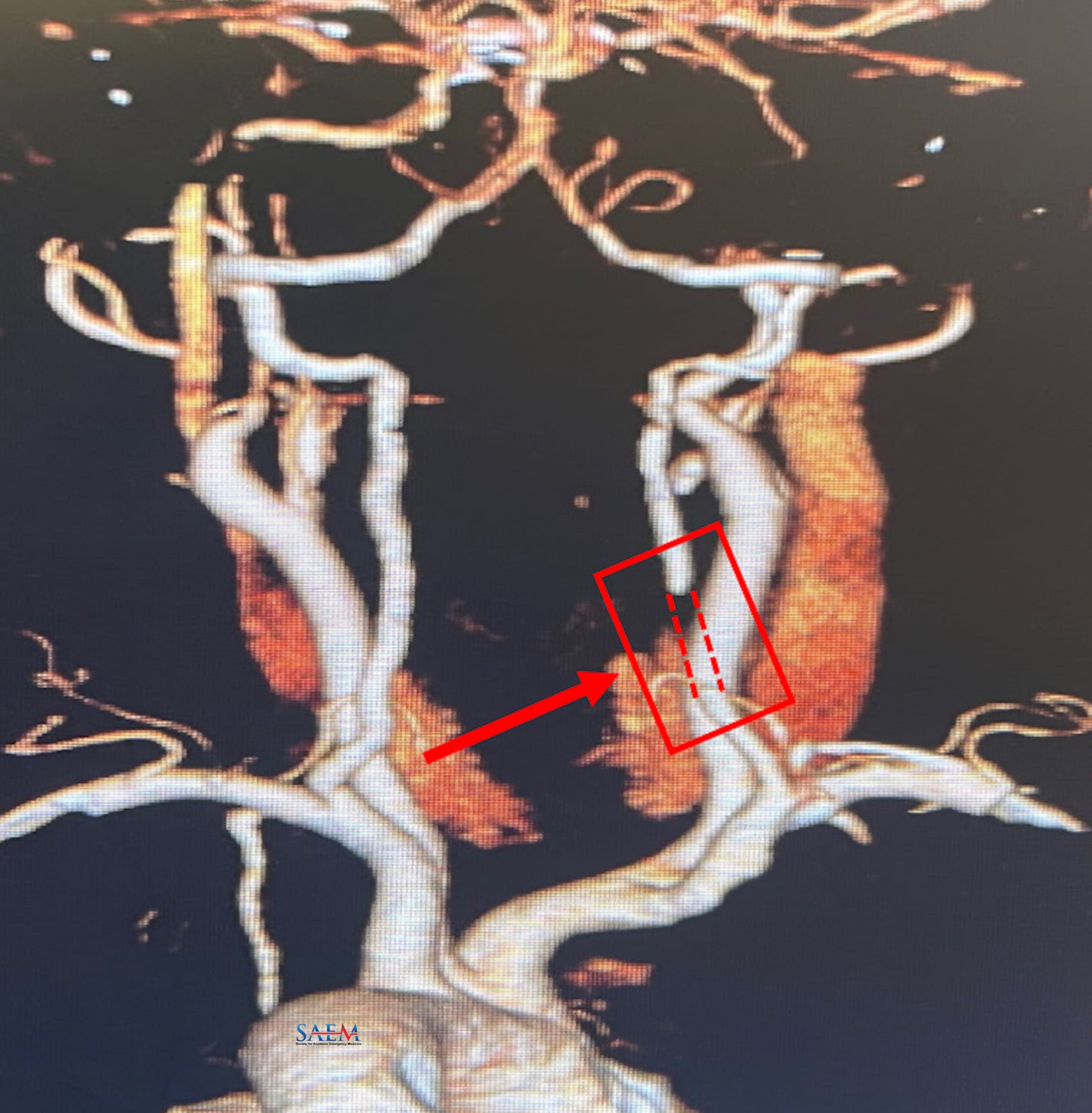
This patient presented with Horner Syndrome, a triad of ipsilateral anhidrosis, miosis, and ptosis, the latter two of which are evident in this clinical image. Horner Syndrome presents when a lesion or insult disturbs the three-order sympathetic pathway that innervates the head, neck, and ipsilateral eye. Physical examination findings may be variable and/or subtle in patients with carotid dissection. Interestingly, isolated Horner Syndrome is the only abnormal physical finding in up to 50% of patients with carotid dissection. Further, patients with carotid dissection may present with only a partial Horner’s, with anhidrosis limited to the ipsilateral eyebrow, which can be difficult to identify. Evaluation of a patient with a new Horner Syndrome in the emergency department should include CT brain, CXR, and, if there is concern for carotid artery dissection, CTA or MRA head/neck. Carotid artery dissection is a neurologic emergency with significant morbidity and mortality ranging between 25-46% if left untreated. Management requires emergent neurology consultation with activation of the stroke team, as the treatment may require systemic thrombolytics and/or mechanical thrombectomy. Patients who present outside the time-window for stroke care, or who demonstrate resolving symptoms should be treated with antiplatelet or anticoagulant therapy. Notably, for patients with intracranial dissection or dissection involving the aorta, the preferred treatment is antiplatelet therapy in conjunction with neurology consultation.

Horner syndrome has a broad differential diagnosis including stroke, neoplastic disease (brain, neck or lung), vascular injury, demyelinating disease, lymphoma, and iatrogenic injuries. This patient’s Horner syndrome was attributable to a carotid artery dissection (the most common vascular cause of Horner’s). Carotid dissection may occur after blunt trauma to the neck, but also as a result of seemingly innocuous movements of the neck. For example, evidence suggests that yoga, massage, and roller coaster rides each may increase risk for carotid dissection.

Take-Home Points

  • Horner syndrome is the triad of ipsilateral anhidrosis, miosis, and ptosis, although physical exam findings may be subtle.

  • The differential for Horner Syndrome includes several urgent and emergent underlying etiologies.

  • Carotid artery dissection is an important cause of Horner Syndrome to consider in the appropriate clinical context.

  • Hakimi R, Sivakumar S. Imaging of Carotid Dissection. Curr Pain Headache Rep. 2019 Jan 19;23(1):2. doi: 10.1007/s11916-019-0741-9. PMID: 30661121.

  • Keser Z, Chiang CC, Benson JC, Pezzini A, Lanzino G. Cervical Artery Dissections: Etiopathogenesis and Management. Vasc Health Risk Manag. 2022 Sep 2;18:685-700. doi: 10.2147/VHRM.S362844. PMID: 36082197; PMCID: PMC9447449.

  • Flaherty PM, Flynn JM. Horner syndrome due to carotid dissection. J Emerg Med. 2011 Jul;41(1):43-6. doi: 10.1016/j.jemermed.2008.01.017. Epub 2008 Sep 14. PMID: 18790590.

  • Maloney WF, Younge BR, Moyer NJ. Evaluation of the causes and accuracy of pharmacologic localization in Horner’s syndrome. Am J Ophthalmol. 1980 Sep;90(3):394-402. doi: 10.1016/s0002-9394(14)74924-4. PMID: 7425056.

  • Stein DM, Boswell S, Sliker CW, Lui FY, Scalea TM. Blunt cerebrovascular injuries: does treatment always matter? J Trauma. 2009 Jan;66(1):132-43; discussion 143-4. doi: 10.1097/ TA.0b013e318142d146. PMID: 19131816.

By |2025-04-03T09:22:20-07:00Apr 4, 2025|Neurology, SAEM Clinical Images|
Go to Top