SAEM Clinical Images Series: When it is Not Just a Knot
knot

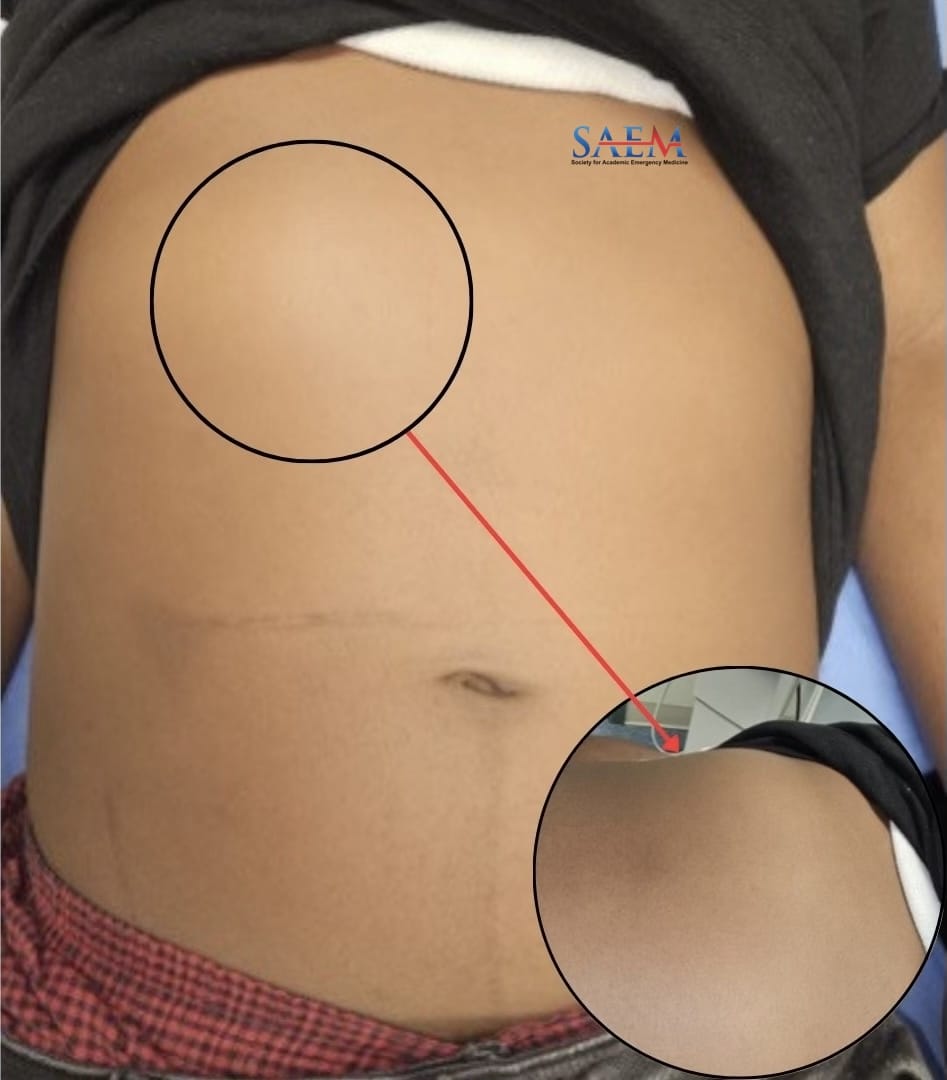
A 12-year-old male with a history of hydrocephalus status post ventriculoperitoneal (VP) shunt placement presented with an abdominal “knot.” The patient’s mother noticed the knot two days ago, on the right anterolateral thorax, which has steadily been increasing in size. The patient had no known trauma to the area or had been bitten or stung by any insect. He has otherwise been complaining of a headache, generalized, without positional changes, improved with home acetaminophen, ice pack, and rest. There were otherwise no associated vision changes, nausea, vomiting, mental status changes, or fever.
Vitals: T-36.2°C; HR 74 bpm; BP 144/75 mm Hg; RR 20; O2 Sat 96% RA

General: Well-appearing teenager in NAD.

HEENT: NC/AT. PERRL approximately 2-3 mm bilaterally. EOMI.

Neck: Supple, no meningismus.

Chest Wall: Induration to the right anterolateral thorax 5 cm x 4 cm without erythema, fluctuance, or drainage, non-tender to palpation.

Neurological: Alert. No focal neurological deficit observed.

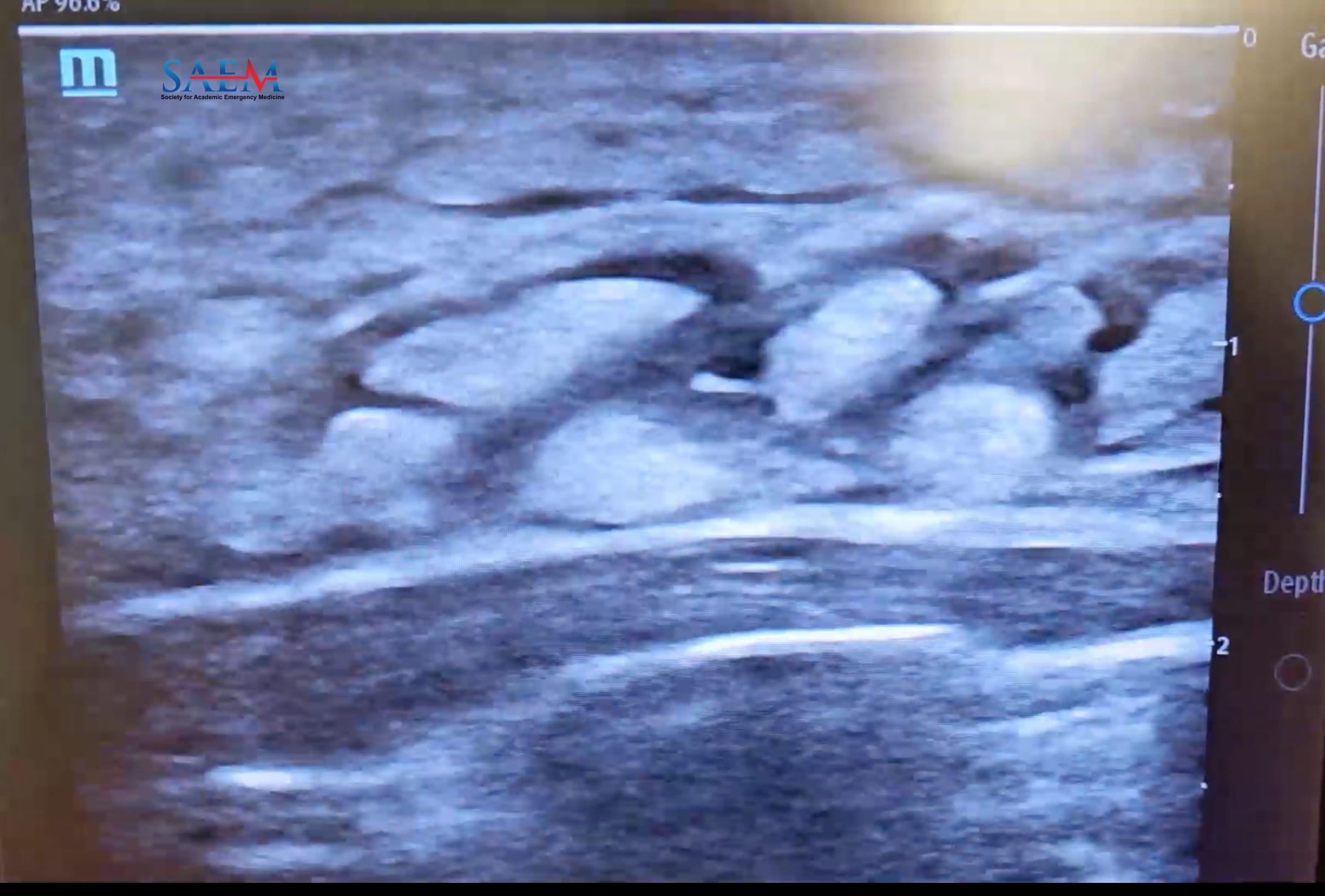
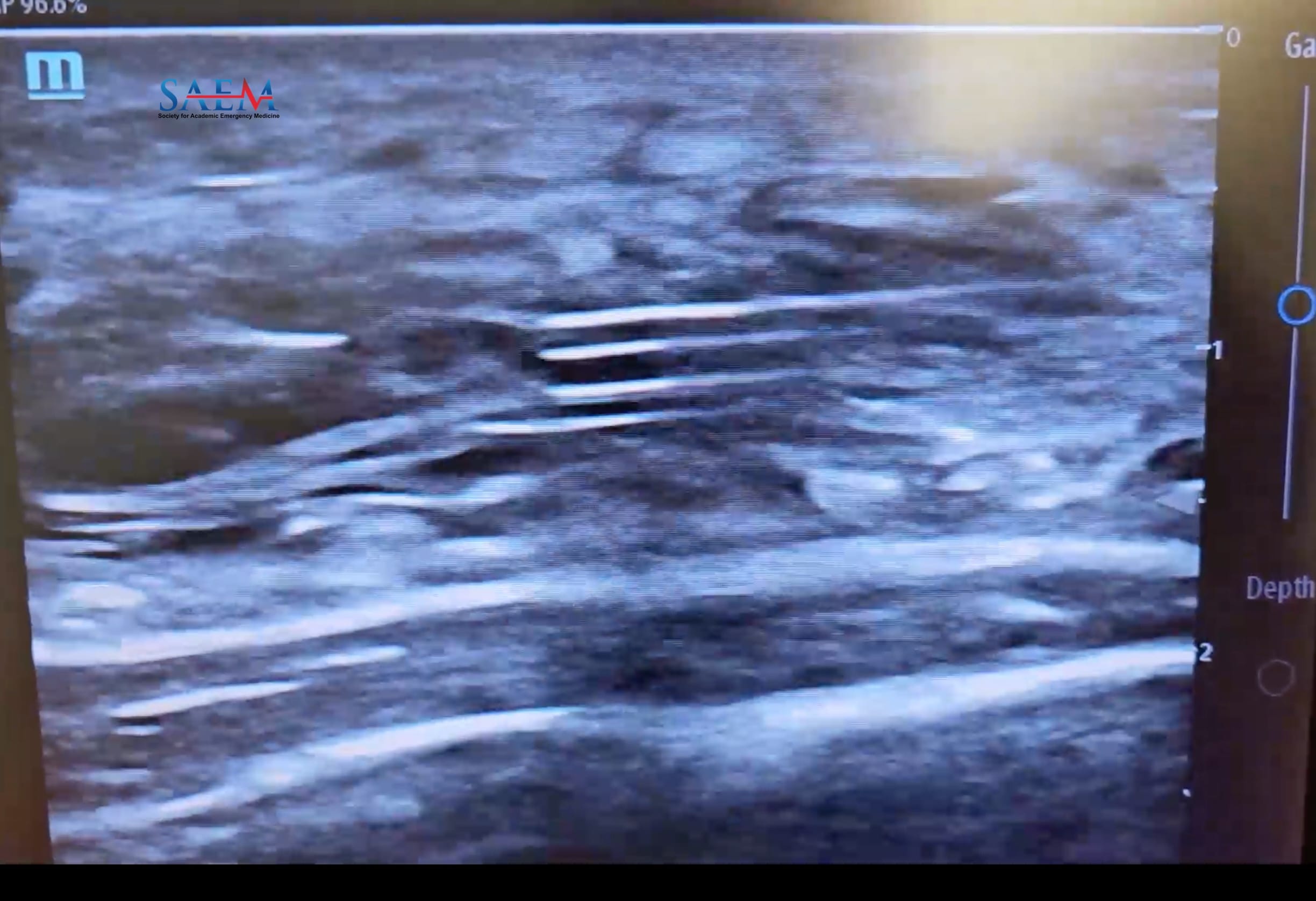
The cause of the knot is subcutaneous cerebrospinal fluid from a shunt malfunction. The ultrasound images show characteristic “cobblestoning,” indicating fluid in the subcutaneous tissue, around a linear hyperechoic object, the catheter of the VP shunt. On the plain film imaging, a disconnect was found between the thoracic and abdominal portions of the VP shunt. Up to 80% of patients with VP shunts will have experienced a shunt malfunction after 12 years, according to one study, with fractured tubing causing shunt failure in around 15% of all cases (1).

Nausea, vomiting, headache, irritability, or decreased mental status are common but nonspecific findings in shunt malfunction. Pediatric patients may present with other signs such as bulging fontanelles, increasing head circumference, or feeding and behavioral changes. An increase in the interval ventricular size can be seen in neuroimaging but can be absent in as many as 20% of patients (2). If there is a high degree of clinical suspicion for shunt malfunction, normal or unchanged neuroimaging should not preclude neurosurgical consultation.

Take-Home Points

  • In the United States, mechanical causes of VP shunt malfunction are the most common presentation, such as catheter obstruction, fracture along the clavicle or ribs, degradation of tubing, and migration of the distal catheter due to changes in height or weight.
  • Rarely, patients can develop an accumulation of CSF at the distal catheter of the VP shunt due to migration into the abdominal wall forming an abdominal pseudocyst.
  • In patients with VP shunts, abdominal complications should be considered as a sign of shunt malfunction.
  • Consider pertinent physical exam findings and POCUS to confirm the diagnosis of shunt malfunction at the distal catheter.

  • Sainte-Rose C, Piatt JH, Renier D, Pierre-Kahn A, Hirsch JF, Hoffman HJ, Humphreys RP, Hendrick EB. Mechanical complications in shunts. Pediatr Neurosurg. 1991-1992;17(1):2-9. doi: 10.1159/000120557. PMID: 1811706.

  • Reynolds RA, Ahluwalia R, Krishnan V, Kelly KA, Lee J, Waldrop RP, Guidry B, Hengartner AC, McCroskey J, Arynchyna A, Staulcup S, Chen H, Hankinson TC, Rocque BG, Shannon CN, Naftel R. Risk factors for unchanged ventricles during pediatric shunt malfunction. J Neurosurg Pediatr. 2021 Sep 24;28(6):703-709. doi: 10.3171/2021.6.PEDS2125. PMID: 34560626.
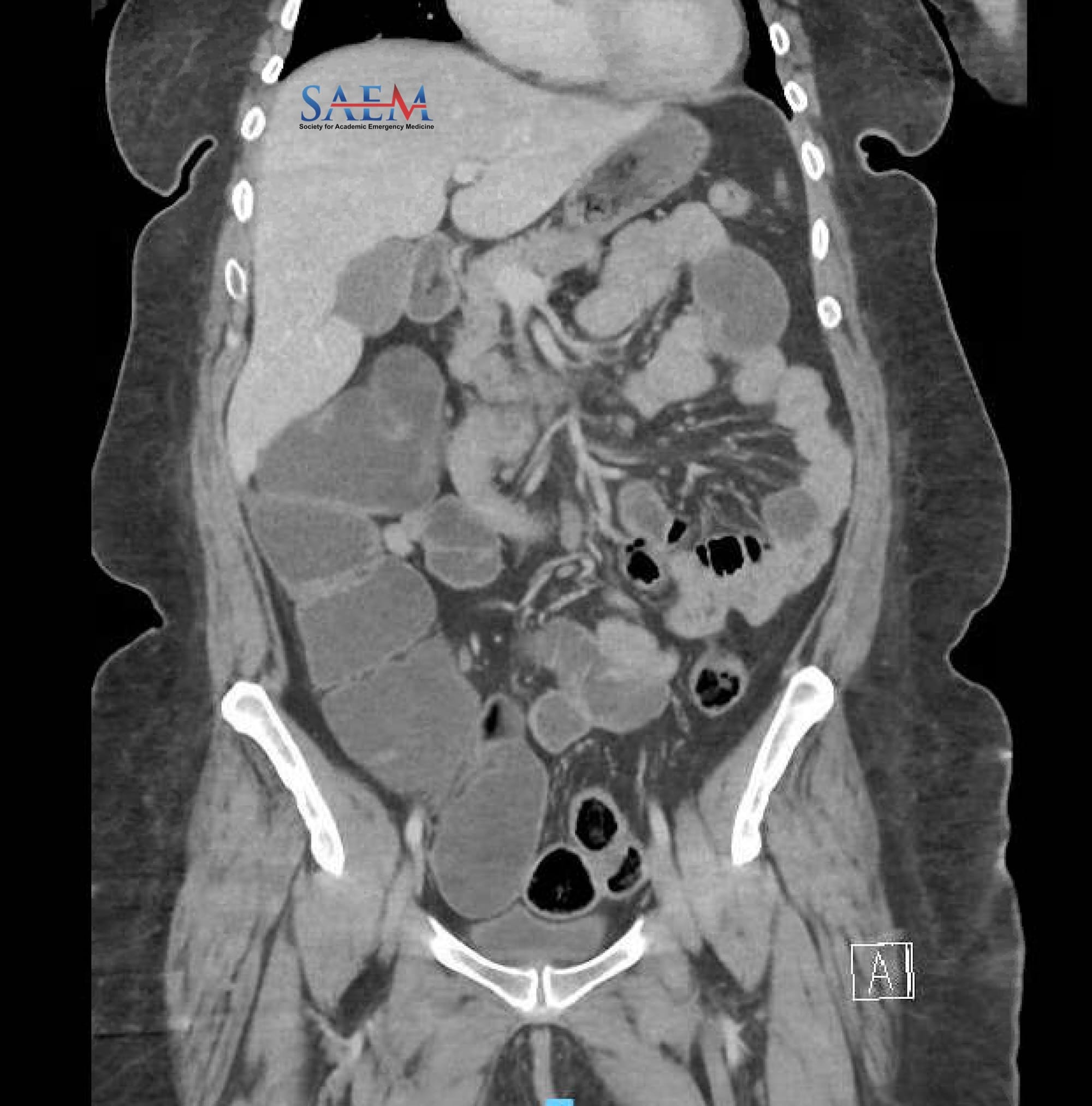
SAEM Clinical Images Series: A Rare Gastrointestinal Complication of an Endocrine Emergency

A 54-year-old woman with a history of hypothyroidism, diabetes mellitus type II, COPD, asthma, anxiety, and depression presented to the emergency department via EMS with three days of fatigue, weakness, chills, and shortness of breath without chest pain or cough. Symptoms had been progressively worsening, and she stated she felt as if she could not move her body on presentation. She also noted diarrhea without abdominal pain, melena, or hematochezia. Just prior to arrival the patient’s daughter thought she looked paler and shorter of breath and called EMS after a near syncopal episode. EMS reported that the family was concerned that the patient’s blood glucose level was low. Blood glucose upon EMS arrival was 90 and rose to 150 following their administration of oral glucose. The patient denied fever, recent sick contacts, urinary changes, hematuria, or leg swelling. She reported two missed doses of levothyroxine which was prescribed at a dose of 25 mcg daily. No recent antibiotic use reported.

Vitals: Temp 36.4°C; BP 106/64 mmHg; HR 62 bpm; Resp 16/min; SpO2 96% on RA

General: Patient drowsy, slow to answer questions, sitting with eyes closed. No obvious distress.

Skin: Warm and dry.

Cardiovascular: Regular rate and rhythm without murmur.

Respiratory: Lungs clear to auscultation bilaterally. No respiratory distress.

Abdomen: Soft, non-distended, normal bowel sounds, diffuse abdominal discomfort to palpation, which she states is chronic.

Neurological: Oriented to person, place, time. CN II-XII intact. No focal neurological deficit observed, strength 4+/5 throughout able to hold all extremities up when placed above the body.

Extremities: No obvious swelling.

CBC: Hb 11.5, WBC 9.5, Plt 186

BMP: Na 141, K 3.8, Cl 105, CO2 24, BUN 17, Cr 1.3

LFTs: AST 20, ALT 11, Bili 0.4

VBG: pH 7.28, PCO2 60, HCO2 28

Mg: 1.7

CK: 333

TSH: 196.80

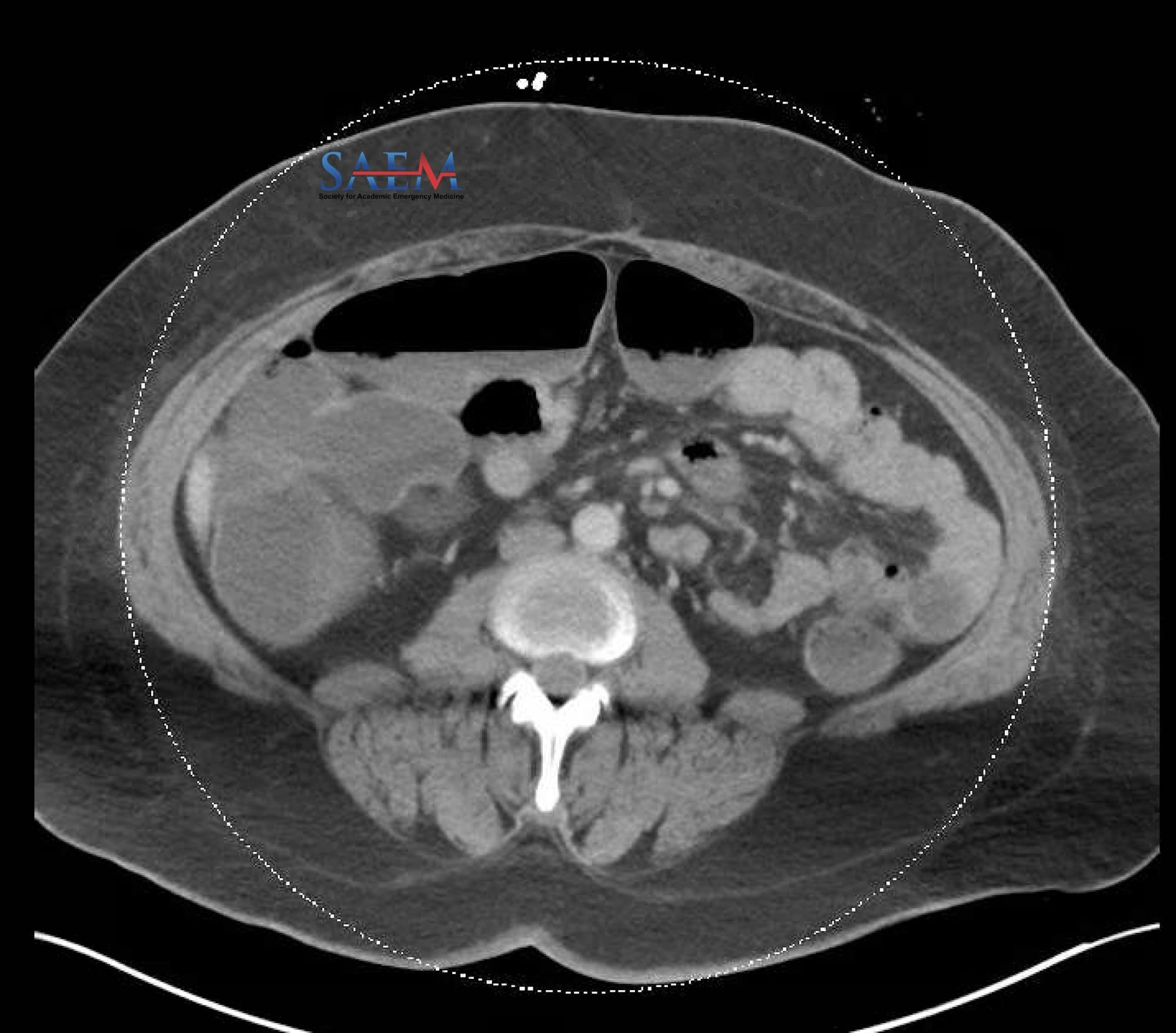
The abdominal CT scan demonstrates multiple fluid-filled mildly dilated loops of large bowel with air-fluid levels, some minimally dilated loops of small bowel, and no clear transition point identified which is concerning for developing colonic pseudo-obstruction (Ogilvie Syndrome). There are many predisposing factors that may cause Ogilvie Syndrome including recent surgery, infection, trauma, respiratory failure, cancer, and other metabolic conditions.

Given our patient’s history of hypothyroidism with missed doses of levothyroxine and an elevated TSH her cause of Ogilvie syndrome is most likely hypothyroidism. This is also known as myxedema ileus, a rare entity. Management of myxedema ileus consists of bowel decompression with a nasogastric tube and treatment of the hypothyroid condition. In our case, the patient received 200 mcg of levothyroxine, and 12.5 mcg of liothyronine while undergoing further endocrinologic workup

Take-Home Points

  • In patients with a history of hypothyroidism presenting with gastrointestinal concerns, myxedema ileus, while not common, should be considered.
  • Colonic pseudo-obstruction (Ogilvie syndrome) has many causes and the radiographic appearance of a bowel obstruction without an obvious transition point.
  • Myxedema ileus should be managed with bowel decompression and treatment of the underlying hypothyroidism. ICU level care is often needed for this severe endocrine emergency

  • Saunders MD. Acute colonic pseudo-obstruction. Best Pract Res Clin Gastroenterol. 2007;21(4):671-87. doi: 10.1016/j.bpg.2007.03.001. PMID: 17643908.

  • Vanek VW, Al-Salti M. Acute pseudo-obstruction of the colon (Ogilvie’s syndrome). An analysis of 400 cases. Dis Colon Rectum. 1986 Mar;29(3):203-10. doi: 10.1007/BF02555027. PMID: 3753674.

SAEM Clinical Images Series: Male Weightlifter with Chest Pain

hyperacute

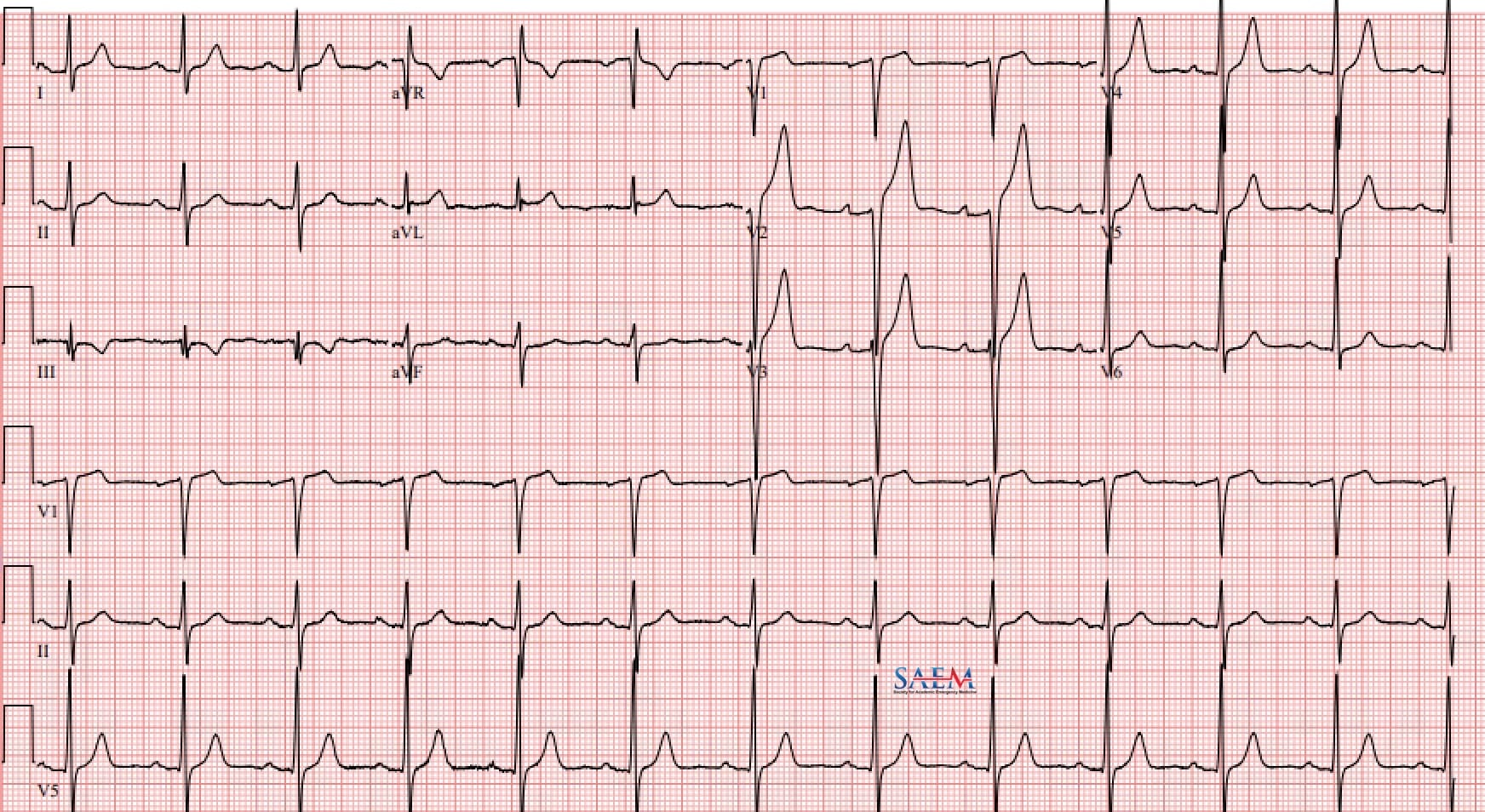
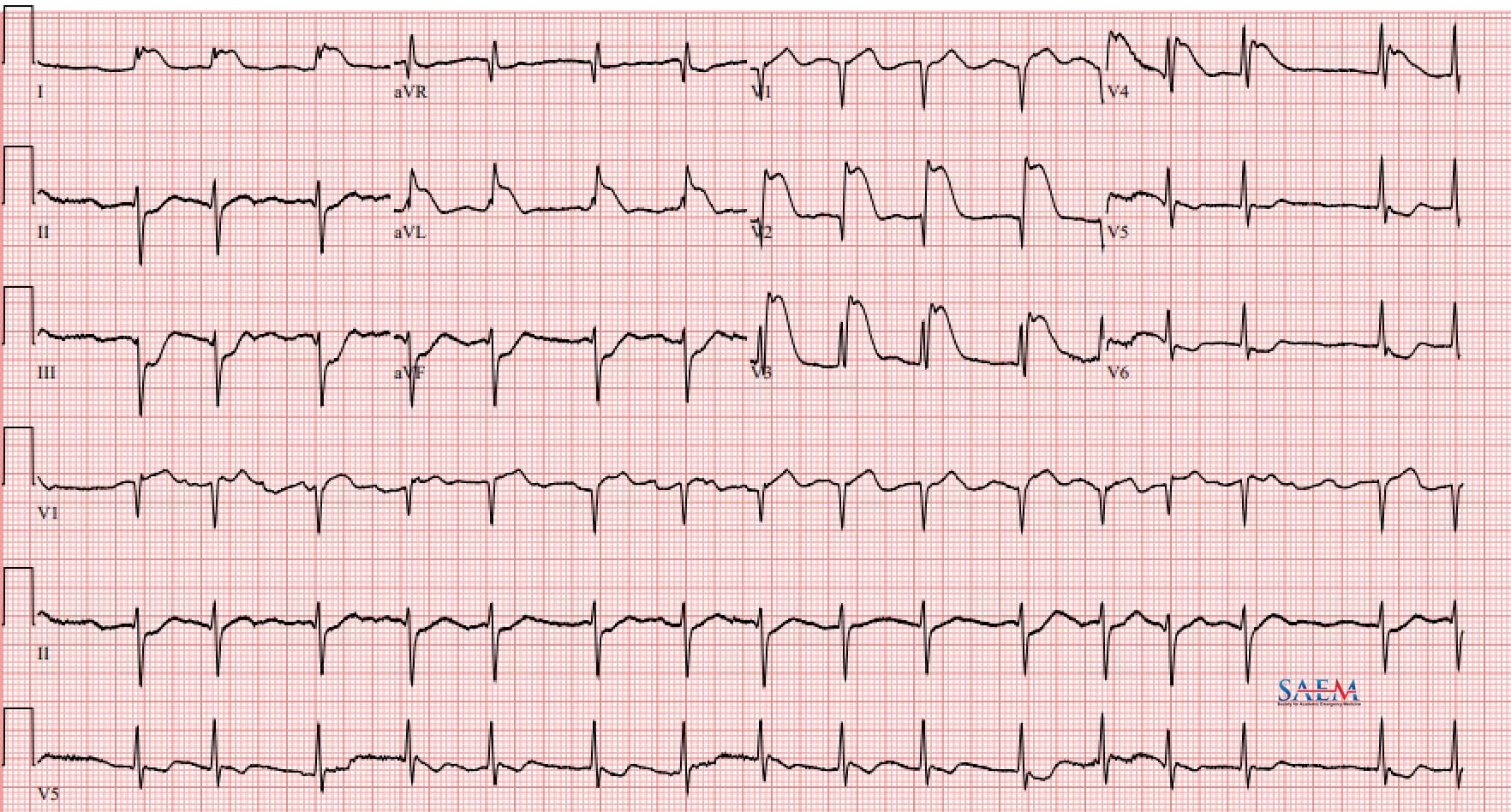
An otherwise healthy 45-year-old male presented to the emergency department (ED) with substernal chest pain radiating down his left arm over the previous two days. On the first day of symptoms, his pain began several hours after using a new pre-workout supplement and weightlifting. The symptoms lasted for a few hours and self-resolved. The pain returned the following day under the same conditions, although this time persistent, which brought him in for evaluation. Associated symptoms included shortness of breath, nausea, and one episode of emesis. He denied pleuritic pain, lower extremity edema, hemoptysis, syncope, cough, or chest wall trauma. On further history, he reported prior use of anabolic steroids, with the last being six weeks prior to presentation. It was unclear what were the contents of the pre-workout supplement, but he denied any tobacco or illicit drug use. Notably, he had a significant family history of heart disease with his father having undergone coronary bypass at age 47. His initial ECG (Image 1) and interval ECG (Image 2) are shown.

Vitals: T 36.5°C; HR 74; RR 16; BP 161/107; SpO2 98% on RA

General: Uncomfortable and diaphoretic in moderate distress.

Cardiovascular: Normal rate and rhythm, no murmurs. Equal radial and PT pulses bilaterally.

Pulmonary: Non-labored breathing, lungs CTA bilaterally with equal breath sounds.

Extremities: Lower extremities without significant edema, symmetric in size.

Neuro: Alert and oriented, neurologically intact.

Complete blood count (CBC): mild polycythemia (Hgb 19.0 g/dL) and leukocytosis (WBC 10.1 x 10(9)/L)

Basic metabolic panel (BMP): Cr 1.22 mg/dL, GFR 75 mL/min/BSA, K 4.5 mmol/L

Troponin T, 5th generation: 97 ng/L (ref. range: <=15 mg/L)

Acute coronary syndrome (ACS) with myocardial infarction. Hyperacute T waves are seen on the initial ECG.

This patient’s initial ECG (Image 1) raised concern for hyperacute T waves, which are often described as broad-based with a large amplitude. This subtle finding is difficult to differentiate from normal variants, hypertrophy, or hyperkalemia (1,2). Hyperacute T waves have been considered an early sign of acute coronary occlusion, however, current literature is mixed regarding their clinical utility, particularly given the lack of a formal ECG definition (3,4,5). The American College of Cardiology (ACC) recommends obtaining serial ECGs in patients with hyperacute T waves to assess for progression to STEMI (3). In this patient’s case, interventional cardiology was consulted, and the patient was given aspirin and sublingual nitroglycerin. He developed worsened chest pain, and a repeat ECG showed no significant changes. Shortly after, he went into ventricular fibrillation and cardiac arrest. A post-ROSC ECG (Image 2) showed concave ST elevations in the anterolateral leads with reciprocal ST depressions in the inferior leads, meeting STEMI criteria. Coronary angiography showed severe multivessel disease and 100% occlusion of the left anterior descending (LAD) artery. A drug-eluting stent was placed, and the patient was discharged home one week later with an intact neurologic status.

History of anabolic steroid use, pre-workout supplementation, and significant family history of CAD. In more recent years, the number of younger patients (35-54 years) hospitalized for ACS has increased (6). This trend is believed to be related to the increased use of illicit drugs, including marijuana and androgenic-anabolic steroids (AAS) (6). AAS is known to increase the risk of cardiac hypertrophy, ACS, and sudden cardiac death by increasing lipoprotein production, causing intimal hyperplasia of coronary arteries, and increasing clotting factors leading to a procoagulant state (7,8). Consensus on the adverse effects and overall safety of pre-workout supplements remains under debate and they remain unregulated by the FDA. Studies suggest that synephrine, a common product found in pre-workout supplements, may raise safety concerns due to its androgenic properties (9). A 2023 systematic review of adverse outcomes related to synephrine found associations with cardiomyopathy, ACS, arrhythmias, and cerebrovascular disease (9,10).

Take-Home Points

  • Hyperacute T waves, although not diagnostic in isolation, may be an early marker for occlusion myocardial infarction and if seen, serial ECGs should be performed.

  • A high degree of clinical suspicion for ACS should be maintained among patients with a history of androgenic-anabolic steroid use, even in young and otherwise healthy individuals.

  • Pre-workout supplements, especially those that contain the compound synephrine have been associated with ACS and other cardiovascular pathology.

  • Somers MP, Brady WJ, Perron AD, et al. The prominent T wave: electrocardiographic differential diagnosis. Am J Emerg Med 2002 May;20(3):243-51

  • Levis JT. ECG Diagnosis: Hyperacute T Waves. Perm J. 2015 Summer;19(3):79. doi: 10.7812/TPP/14-243. PMID:26176573; PMCID: PMC4500486.

  • Writing Committee; Kontos MC, de Lemos JA, Deitelzweig SB, Diercks DB, Gore MO, Hess EP, McCarthy CP, McCord JK, Musey PI Jr, Villines TC, Wright LJ. 2022 ACC Expert Consensus Decision Pathway on the Evaluation and Disposition of Acute Chest Pain in the Emergency Department: A Report of the American College of Cardiology Solution Set Oversight Committee. J Am Coll Cardiol. 2022 Nov 15;80(20):1925-1960. doi: 10.1016/j.jacc.2022.08.750. Epub 2022 Oct 11. PMID: 36241466; PMCID: PMC10691881.

  • Koechlin L, Strebel I, Zimmermann T, Nestelberger T, Walter J, Lopez-Ayala P, Boeddinghaus J, Shrestha S, Arslani K, Stefanelli S, Reuthebuch B, Wussler D, Ratmann PD, Christ M, Badertscher P, Wildi K, Giménez MR, Gualandro DM, Miró Ò, Fuenzalida C, Martin-Sanchez FJ, Kawecki D, Bürgler F, Keller DI, Abächerli R, Reuthebuch O, Eckstein FS, Twerenbold R, Reichlin T, Mueller C; APACE investigators. Hyperacute T Wave in the Early Diagnosis of Acute Myocardial Infarction. Ann Emerg Med. 2023 Aug;82(2):194-202. doi: 10.1016/j.annemergmed.2022.12.003. Epub 2023 Feb 10. PMID: 36774205.

  • Smith SW, Meyers HP. Hyperacute T-waves Can Be a Useful Sign of Occlusion Myocardial Infarction if Appropriately Defined. Ann Emerg Med. 2023 Aug;82(2):203-206. doi: 10.1016/j.annemergmed.2023.01.011. Epub 2023 Mar 3. PMID: 36872197.

  • Bhatt DL, Lopes RD, Harrington RA. Diagnosis and Treatment of Acute Coronary Syndromes: A Review. JAMA. 2022;327(7):662-675.

  • Melchert RB, Welder AA. Cardiovascular effects of androgenic-anabolic steroids. Med Sci Sports Exerc. 1995;27(9):1252-1262.

  • Pope HG, Jr., Kanayama G, Athey A, Ryan E, Hudson JI, Baggish A. The lifetime prevalence of anabolic-androgenic steroid use and dependence in Americans: current best estimates. Am J Addict. 2014;23(4):371-377.

  • de Jonge MLL, Kieviet LC, Sierts M, Egberink LB, van der Heyden MAG. Review of Case Reports on Adverse Events Related to Pre-workout Supplements Containing Synephrine. Cardiovasc Toxicol. 2023 Jan;23(1):1-9. doi: 10.1007/s12012-022-09777-z. Epub 2023 Jan 13. PMID: 36639595; PMCID: PMC9859859.

  • Flo FJ, Kanu O, Teleb M, Chen Y, Siddiqui T. Anabolic androgenic steroid-induced acute myocardial infarction with multiorgan failure. Proc (Bayl Univ Med Cent). 2018;31(3):334-336

SAEM Clinical Images Series: Snake it Off

snake

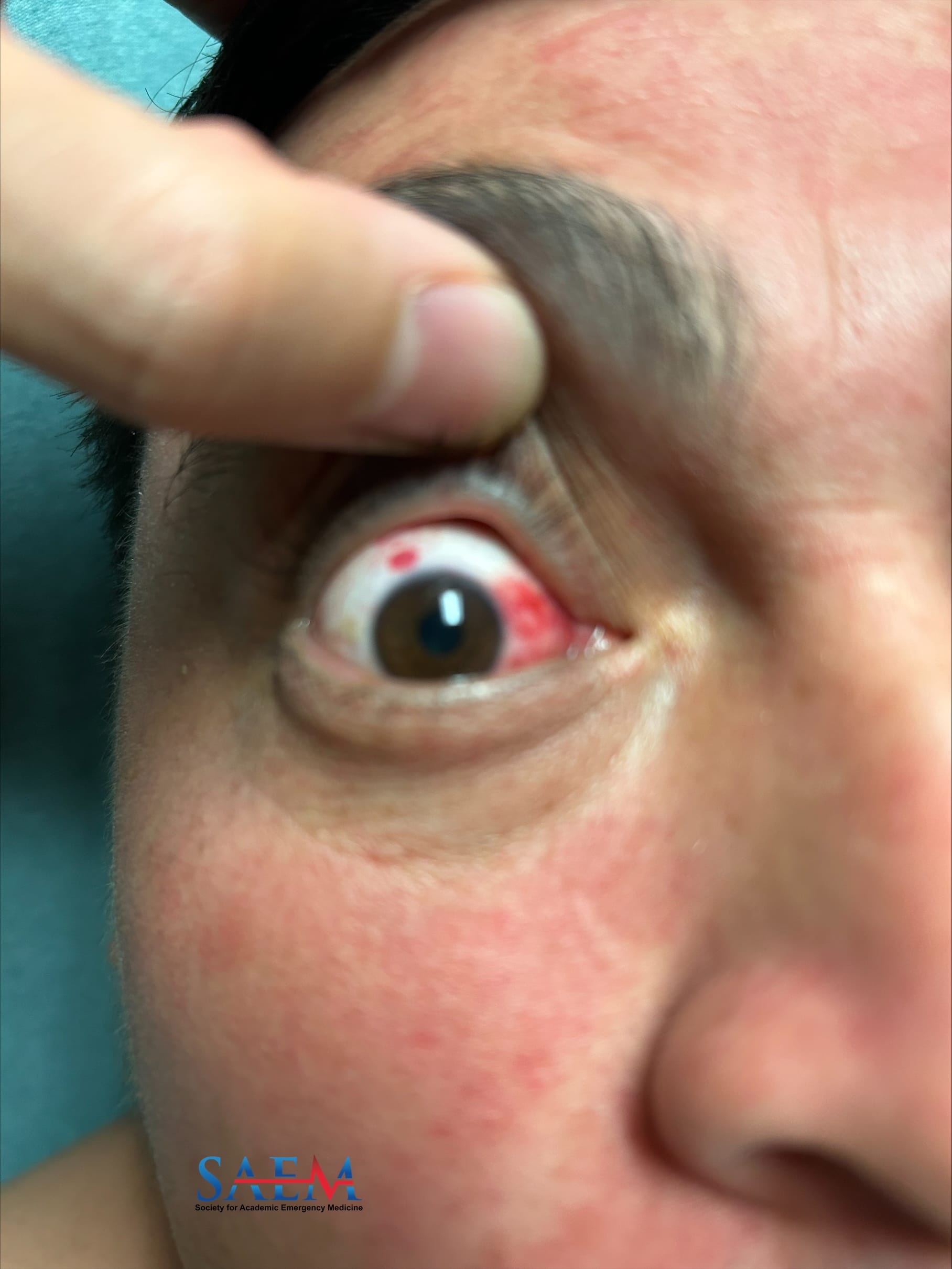
A 35-year-old male with no past medical history presented to the Emergency Department with eye redness. Two days prior, the patient reported he was cutting brush with a chainsaw when he felt something “spray” into his face. After inspecting the area, the patient found the remnants of a dead rattlesnake that unfortunately got in the way of his chainsaw. He subsequently developed bilateral eye redness without pain or vision changes, as well as a painless, pruritic facial rash. The patient denied any additional trauma, injury, snake bite, headache, fever, chills, cough, congestion, or other symptoms.

Vitals: T 36.8°F; BP 147/90 mmHg; HR 81; pulse ox 99% on room air; RR 20

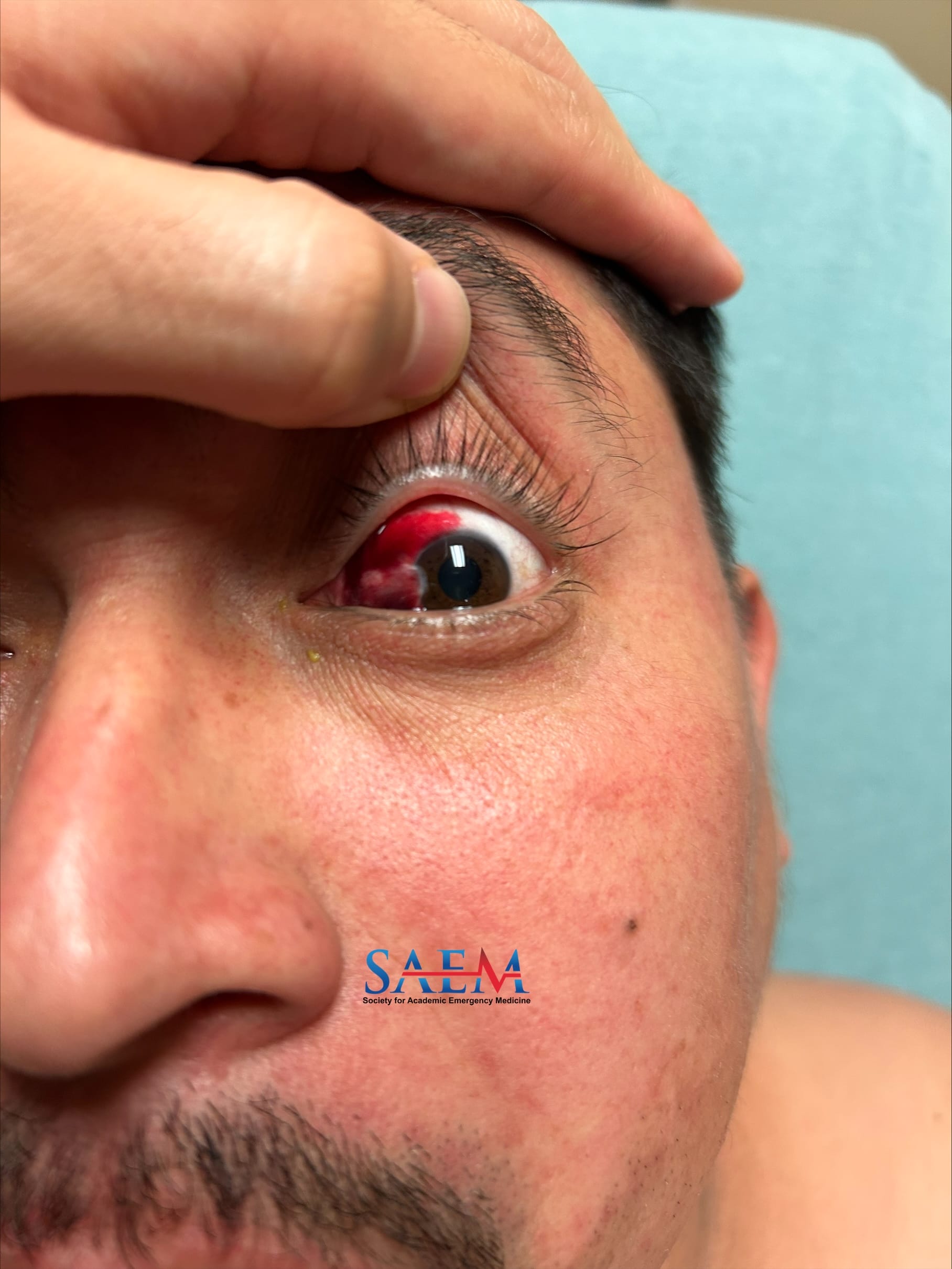
Ophthalmic: OD (right eye) – Visual acuity: 20/20. Tonometry: 18 mmHg. Pupil equal and reactive to light. Conjunctiva: Nasal subconjunctival hemorrhage with small area of fluorescein uptake on the nasal conjunctiva. OS (left eye) – Visual acuity: 20/20. Tonometry: 20 mmHg. Pupil equal and reactive to light. Conjunctiva: Nasal subconjunctival hemorrhage with small area of fluorescein uptake on the nasal conjunctiva. Pterygium on the nasal side.

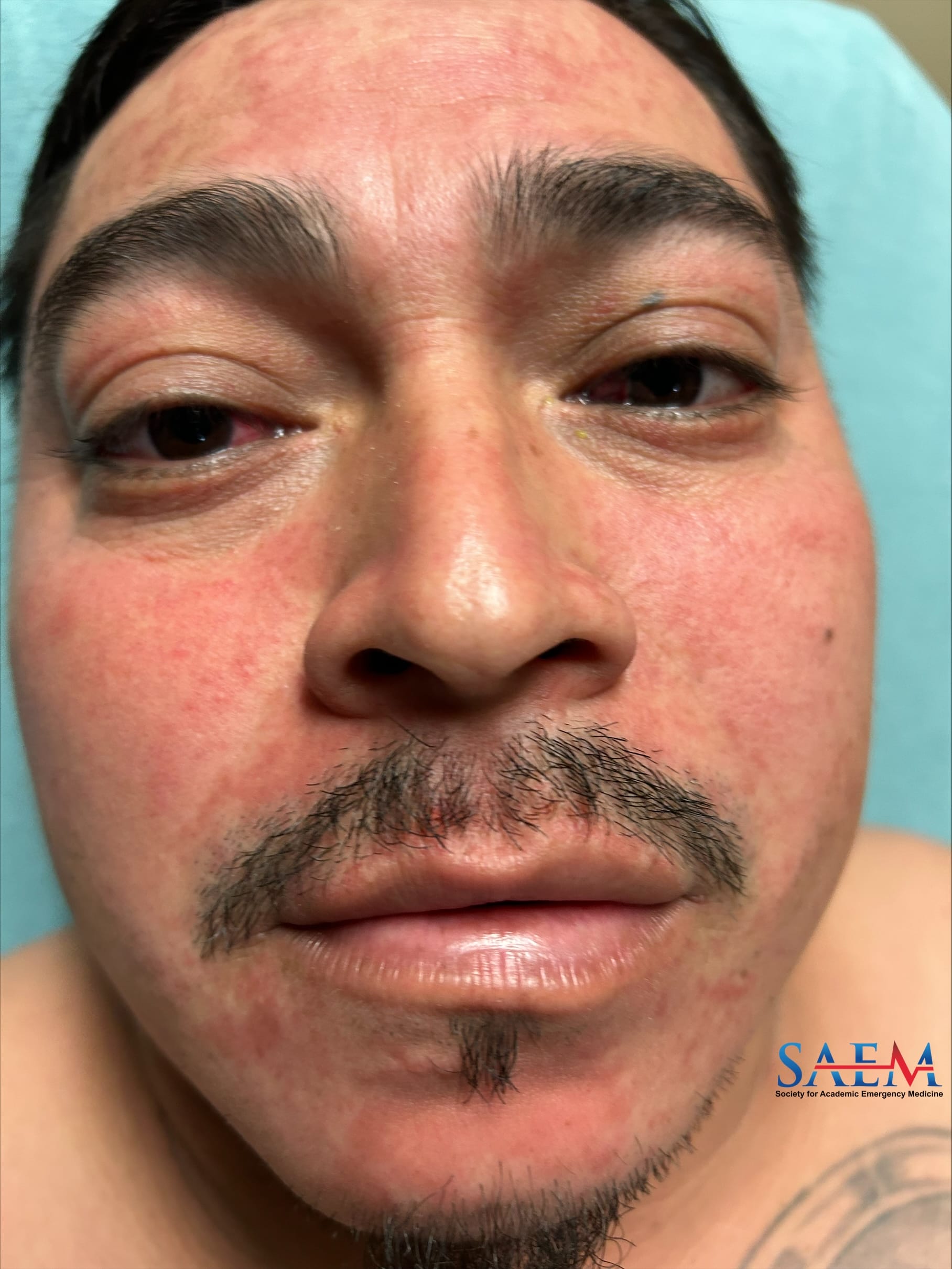
HENT: Maculopapular, erythematous, blanching rash across the forehead and bilateral cheeks. The remainder of the body is spared.

No other abnormal findings on physical examination.

WBC: 8.97 x 10^9/L

Platelets: 280 x 10^9/L

Hemoglobin: 15.4 g/dL

Fibrinogen: 203 mg/dL

Diagnosis: Ophthalmic Envenomation.

This is a case of ophthalmic envenomation causing subconjunctival hemorrhage. The patient also exhibits irritant contact dermatitis of the face related to topical cutaneous venom exposure. Ophthalmic envenomation is extremely rare in North America but occurs more commonly in areas of the world where “spitting” cobras are native species. Snake venom consists of a complex mixture of cytotoxins, including metalloproteinases and hyaluronidases. Topical ocular venom exposure can cause pain, photophobia, conjunctivitis, subconjunctival hemorrhage, keratitis, uveitis, corneal ulceration, angle-closure glaucoma, retinal hemorrhage, and rarely, blindness. The classic patient is a snake handler who lacks proper eye protection when encountering “spitting” cobras. However, inadvertent ocular exposure, such as accidental venom aerosolization after cutting through a rattlesnake’s head and venom glands with a chainsaw, can also cause ophthalmic envenomation.

The treatment for suspected ophthalmic envenomation is copious ocular irrigation with neutral fluids to clear venom and reduce subsequent damage. Topical antibiotics and supportive care measures can then be applied to prevent infection and minimize irritation. Unlike venomous snake bites, there is usually no indication for antivenom unless the patient develops systemic symptoms.

Take-Home Points

  • Ocular envenomation from aerosolized snake venom can cause pain, photophobia, conjunctivitis, subconjunctival hemorrhage, keratitis, uveitis, corneal ulceration, angle-closure glaucoma, retinal hemorrhage, and rarely, blindness.

  • Dilution is the solution! Early ocular irrigation can decrease the morbidity of ophthalmic envenomation. There is no utility for antivenom for simple ocular envenomation. Save the CroFab for those with severe, systemic signs of envenomation.

  • Eye protection is strongly recommended for those working with power tools, as well as snake handlers (especially when working with spitters!).

  • Hoffman, R. S., Howland, M. A., Lewin, N. A., Nelson, L., Goldfrank, L. R., & Smith, S. W. (Eds.). (2019). Goldfrank’s toxicologic emergencies (Eleventh edition.). McGraw-Hill.

  • Chu ER, Weinstein SA, White J, Warrell DA. Venom ophthalmia caused by venoms of spitting elapid and other snakes: Report of ten cases with review of epidemiology, clinical features, pathophysiology and management. Toxicon. 2010 Sep 1;56(3):259-72. doi: 10.1016/j.toxicon.2010.02.023. Epub 2010 Mar 21. PMID: 20331993.

  • Chang KC, Huang YK, Chen YW, Chen MH, Tu AT, Chen YC. Venom Ophthalmia and Ocular Complications Caused by Snake Venom. Toxins (Basel). 2020 Sep 8;12(9):576. doi: 10.3390/toxins12090576. PMID: 32911777; PMCID: PMC7551025.

SAEM Clinical Images Series: Unusual Presentation of an Exophytic Tumor

cutaneous horn

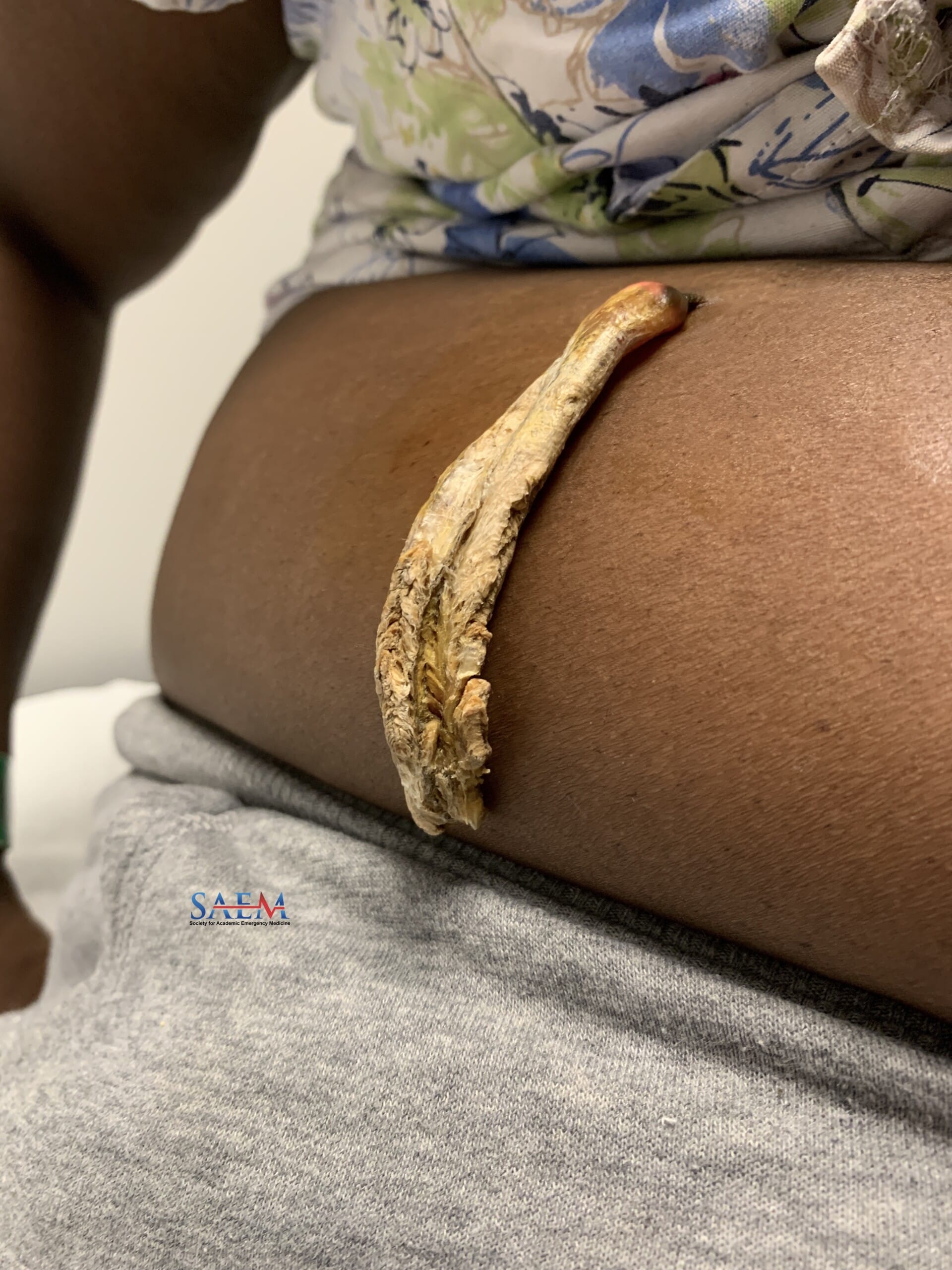
A 60-year-old African American female without a past medical history presented to the emergency department with a complaint of a “hard, yellowish brown, growth” on her right upper abdomen. The patient reported that it had been present and slowly enlarging over a two-year period and was now causing pain when it “snags on clothing”.

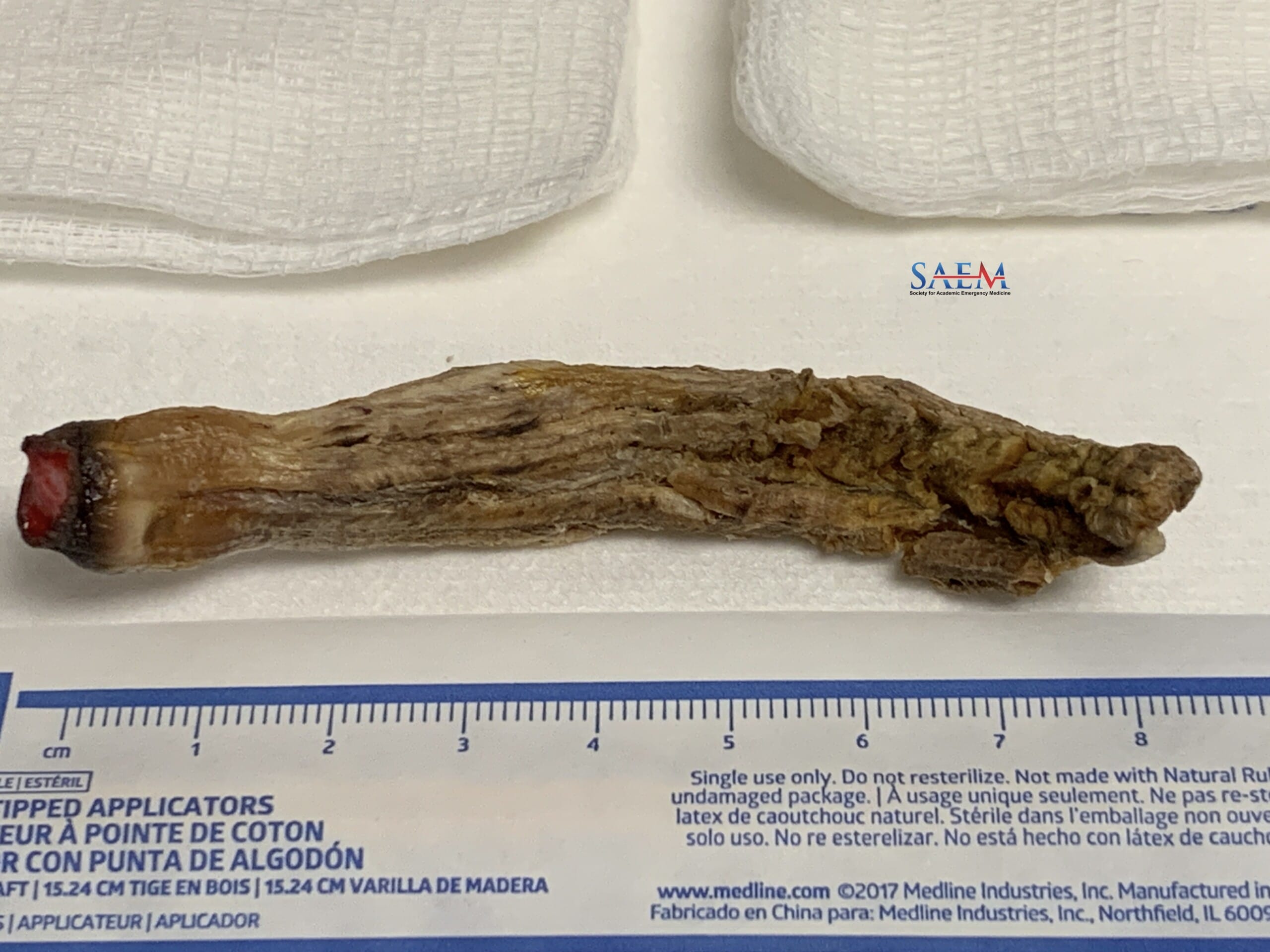
Skin: 9.5 cm, firm, curved, exophytic, keratotic, tumor protruding from the right upper abdominal wall.

Non-contributory

Histopathology confirmed a diagnosis of a benign Cutaneous Horn a.k.a. Cornu Cutaneum (latin). Cutaneous horns are yellow or white exophytic hyperkeratotic projections formed in reaction to a number of physical and disease processes. Defined by having a height more than one-half the size of their base in diameter, they are slow-growing and found in conical, cylindrical, pointed, or curved configurations. Their exact pathogenesis is unknown, they occur equally among genders, are more common in the elderly and fair-skinned individuals, and are predominant in sun-exposed areas of the body.

Cutaneous horns are formed in reaction to a number of underlying conditions and are most commonly (>60%) benign, however underlying premalignant and malignant diseases may exist. Histopathologic evaluation of the skin at the base of the lesion is necessary to establish any associated disease. Benign cutaneous horns may form from chronic irritation and are affiliated with numerous skin conditions, most commonly seborrheic keratosis. Links to multiple other skin diseases including psoriasis, discoid lupus erythematosus, sarcoidosis, molluscum contagiosum, and Bowen’s disease exist. Actinic keratosis is the most common premalignant etiology. Cutaneous horns reflecting a malignancy are predominantly associated with wider and erythematous bases in sun-exposed areas of the body in elderly males. Cutaneous horns arising from malignancy tend to occur from squamous cell carcinoma although associations with at least nine other malignancies including basal cell carcinoma, malignant melanoma, Paget’s disease of the breast, Kaposi’s sarcoma, and renal cell carcinoma exist.

Take-Home Points

  • Cutaneous horns occur most frequently with aging in fair-skinned individuals on areas exposed to ultraviolet radiation.

  • Cutaneous horns are hyperkeratotic epithelial lesions formed in reaction to multiple conditions.

  • Complete excisional biopsy including full thickness skin from the base is the treatment of choice and is required for histopathologic analysis.

  • Cutaneous horns, although most commonly benign, may reflect a premalignant or malignant disease process requiring further evaluation and surveillance.

  • Cohen PR. Cornu Cutaneum: Case Reports of Patients With a Cutaneous Horn Associated With Either a Verruca Vulgaris or an Inverted Follicular Keratosis and a Review of the Etiologies of Cutaneous Horns. Cureus. 2023 Oct 9;15(10):e46747. doi: 10.7759/cureus.46747. PMID: 38022343; PMCID: PMC10631572.

  • Thiers BH, Strat N, Snyder AN, Zito PM. Cutaneous Horn. 2023 Mar 7. In: StatPearls [Internet]. Treasure Island (FL): StatPearls Publishing; 2023 Jan–. PMID: 33085427.

  • Vanik S, Mehta S, Shah R, Trivedi P, Rathod P, Bhatt S. Giant Cutaneous Horn: Is It a Tip of An Iceberg? Two Case Reports and a Review of Literature. Indian J Otolaryngol Head Neck Surg. 2022 Dec;74(Suppl 3):5432-5435. doi: 10.1007/s12070-021-02719-1. Epub 2021 Jul 6. PMID: 36742859; PMCID: PMC9895721.

  • Copcu E, Sivrioglu N, Culhaci N. Cutaneous horns: are these lesions as innocent as they seem to be? World J Surg Oncol. 2004 Jun 3;2:18. doi: 10.1186/1477-7819-2-18. PMID: 15176977; PMCID: PMC421749.

By |2025-01-21T09:36:34-08:00Jan 31, 2025|Dermatology, SAEM Clinical Images|

SAEM Clinical Images Series: Bilateral Periorbital Edema

peri-orbital edema

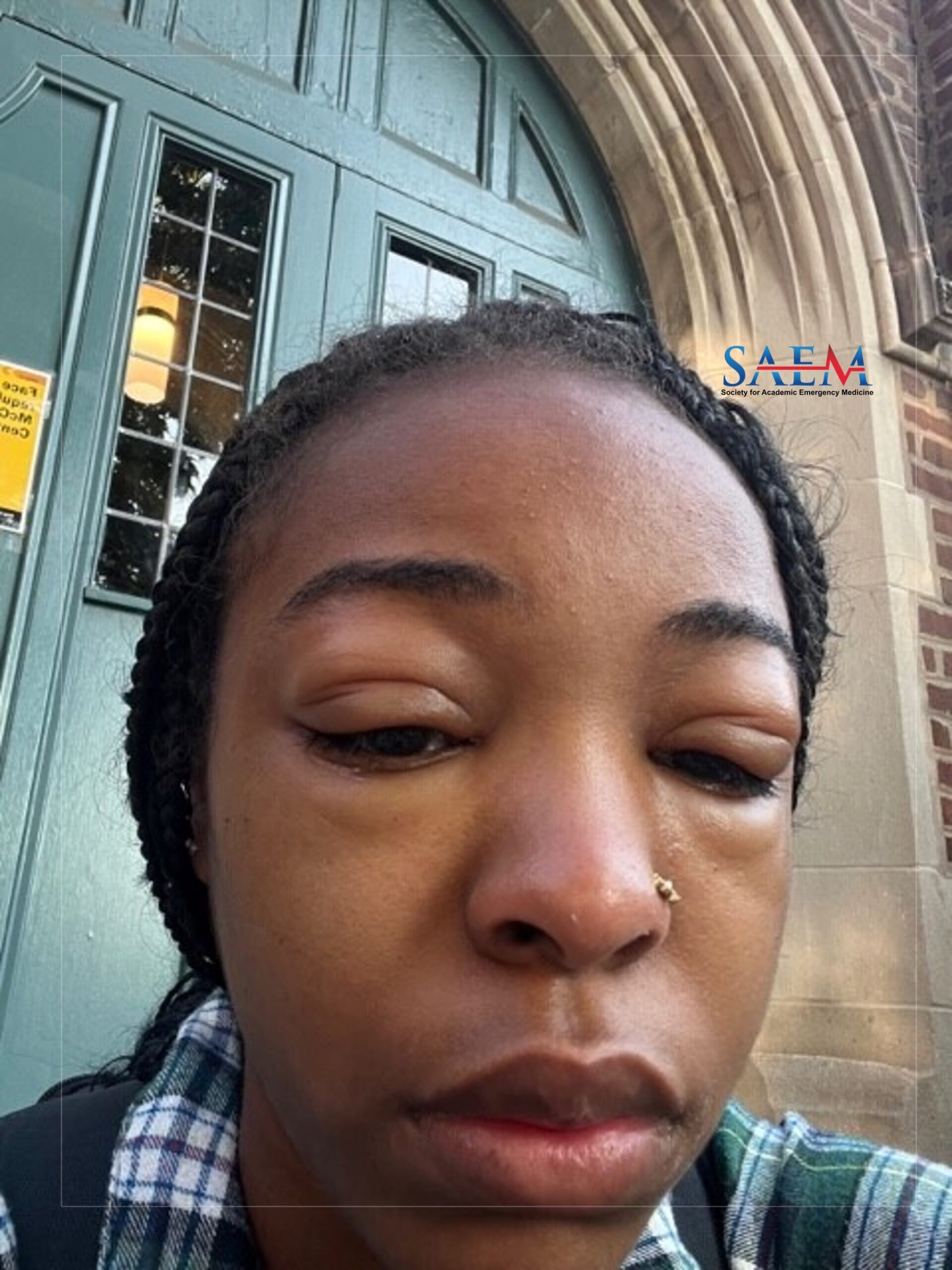
A 20-year-old previously healthy student-athlete female presented with a 2-week history of bilateral periorbital swelling unresponsive to steroids and anti-histamines prescribed by her PCP. The edema had been worsening, and there was a new development of throat tightening and discomfort. She denied rash, allergies, fever, URI symptoms, urinary symptoms, or new medications.

General: No acute distress.

HEENT: Significant bilateral periorbital edema with an otherwise normal eye exam. 2+ bilateral tonsillar swelling and erythema, no exudates. No uvula swelling or deviation. No oral mucosal lesions.

Neck: Anterior and posterior cervical lymphadenopathy.

Respiratory: No stridor.

Skin: No rash.

Abdomen: No hepato/splenomegaly. Otherwise, exam WNL.

CBC: WBC 14 with 18% Neut, 63% Lymphs, 9% Reactive lymphs

BMP: Wnl

ALT: 194

AST: 121

UA: Wnl, no protein, no blood

Urine pregnancy: Negative

Strep: Negative

Flu/Covid: Negative

*Monospot and EBV titers returned next day positive

This case presentation is an impressive example of bilateral periorbital edema as a very early sign of mononucleosis, appearing two weeks before the classic triad of fever, tonsillitis, and cervical lymphadenopathy. Peri-orbital edema has been reported in the literature to be present in 10-30% of mononucleosis cases and when present, it is often the earliest sign/symptom. Common symptoms of mononucleosis are fever, tonsillitis, lymphadenopathy, and fatigue. Less common symptoms include periorbital edema, splenic pain/rupture, rash, and neurologic syndromes.

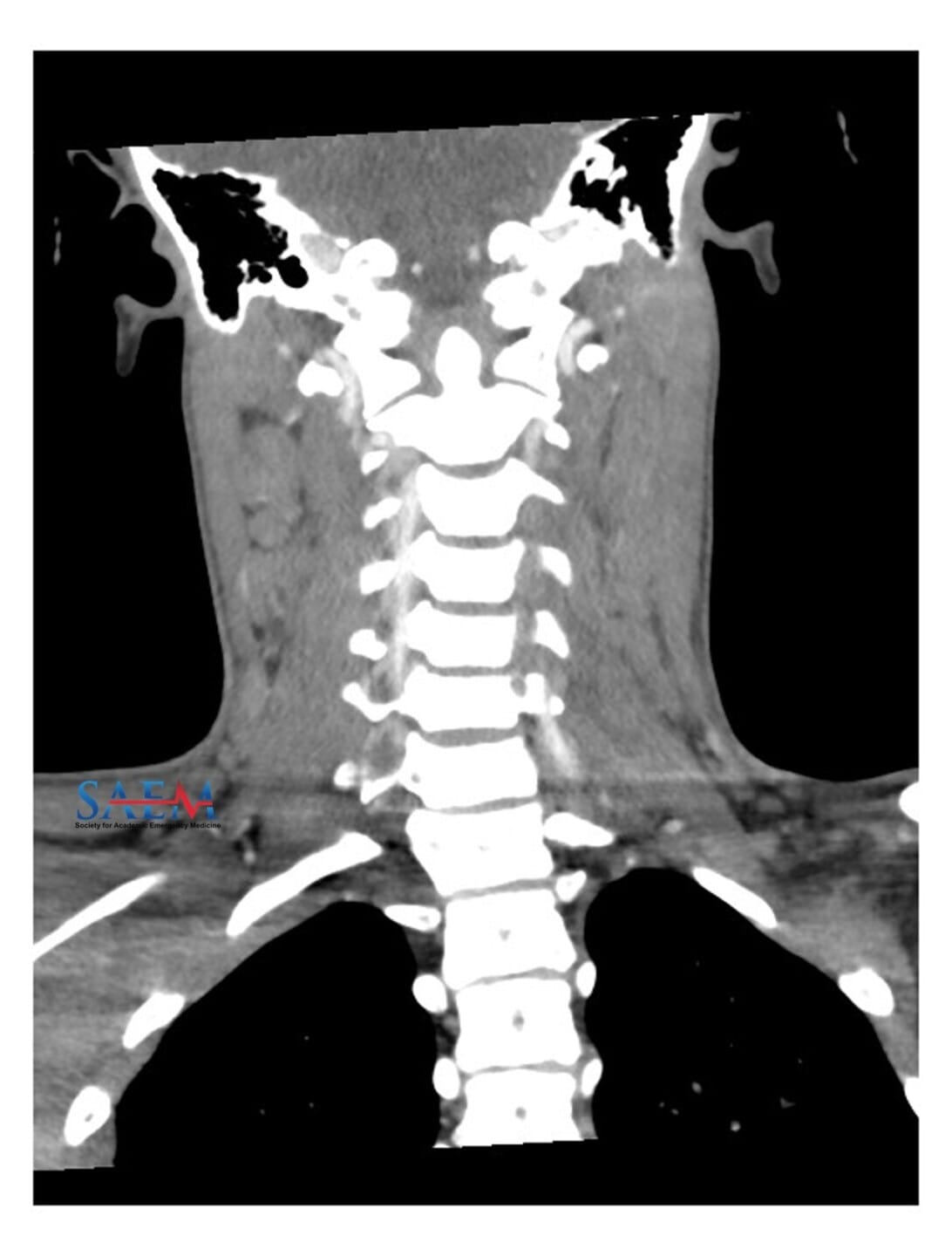
CT image shows bulky posterior cervical lymphadenopathy. Lab studies show hematologic abnormalities, including reactive lymphocytes and mild LFT elevation, suggestive of mononucleosis. Heterophile monospot and EBV titers often are not available as STAT labs and return after the ED evaluation.

Take-Home Points

  • Bilateral peri-orbital edema can be an early sign of mononucleosis.

  • Reactive lymphocytes and mild LFT elevations can be suggestive of mononucleosis.

  • HOAGLAND RJ. Infectious mononucleosis. Am J Med. 1952 Aug;13(2):158-71. doi: 10.1016/0002-9343(52)90154-x. PMID: 12976417.

  • Luzuriaga K, Sullivan JL. Infectious mononucleosis. N Engl J Med. 2010 May 27;362(21):1993-2000. doi: 10.1056/NEJMcp1001116. Erratum in: N Engl J Med. 2010 Oct 7;363(15):1486. PMID: 20505178.

  • Aronson A and Auwaeter P. Infectious mononucleosis In: Post TW, ed. UpToDate. UpToDate; 2021.

By |2025-01-21T09:24:19-08:00Jan 27, 2025|Infectious Disease, SAEM Clinical Images|

SAEM Clinical Images Series: Painful Weeping Scalp

An otherwise healthy 11-year-old female presented to the Emergency Department (ED) with one week of scalp pain and discharge. Her symptoms began as a dry and itchy rash in the scalp area that was unresponsive to triamcinolone 0.1% ointment. She was initially seen in clinic and was diagnosed with an abscess of the scalp and treated with Trimethoprim/ Sulfamethoxazole (TMP-SMX) for seven days. Two days before her presentation to ED, the rash started to increase in size and pain, and her mother noticed a purulent oozing coming from her scalp. The patient denied any trauma to her head or scalp. There is no history of rashes or other skin infections on her scalp. Review of systems is negative for any systemic symptoms including fever, chills, nausea, vomiting or diarrhea.

Vitals: BP 105/68; HR 113; T 99.7°F; RR 16, O2 sat 98%, RA

General: Patient has an irritable mood and scratches her head.

Head: Normocephalic, matted hair with dried yellow drainage at crown of scalp visible, no occipital lymphadenopathy.

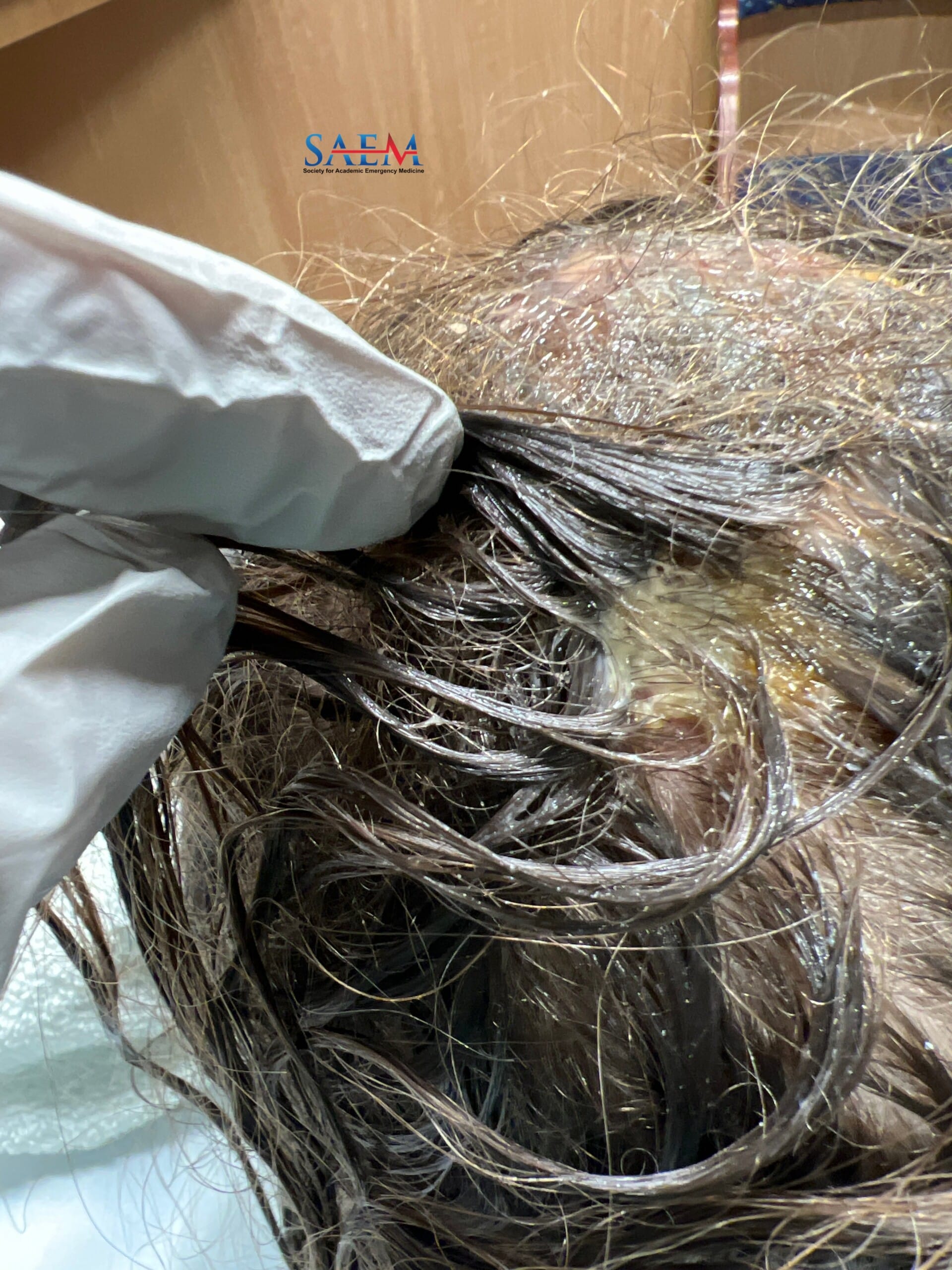
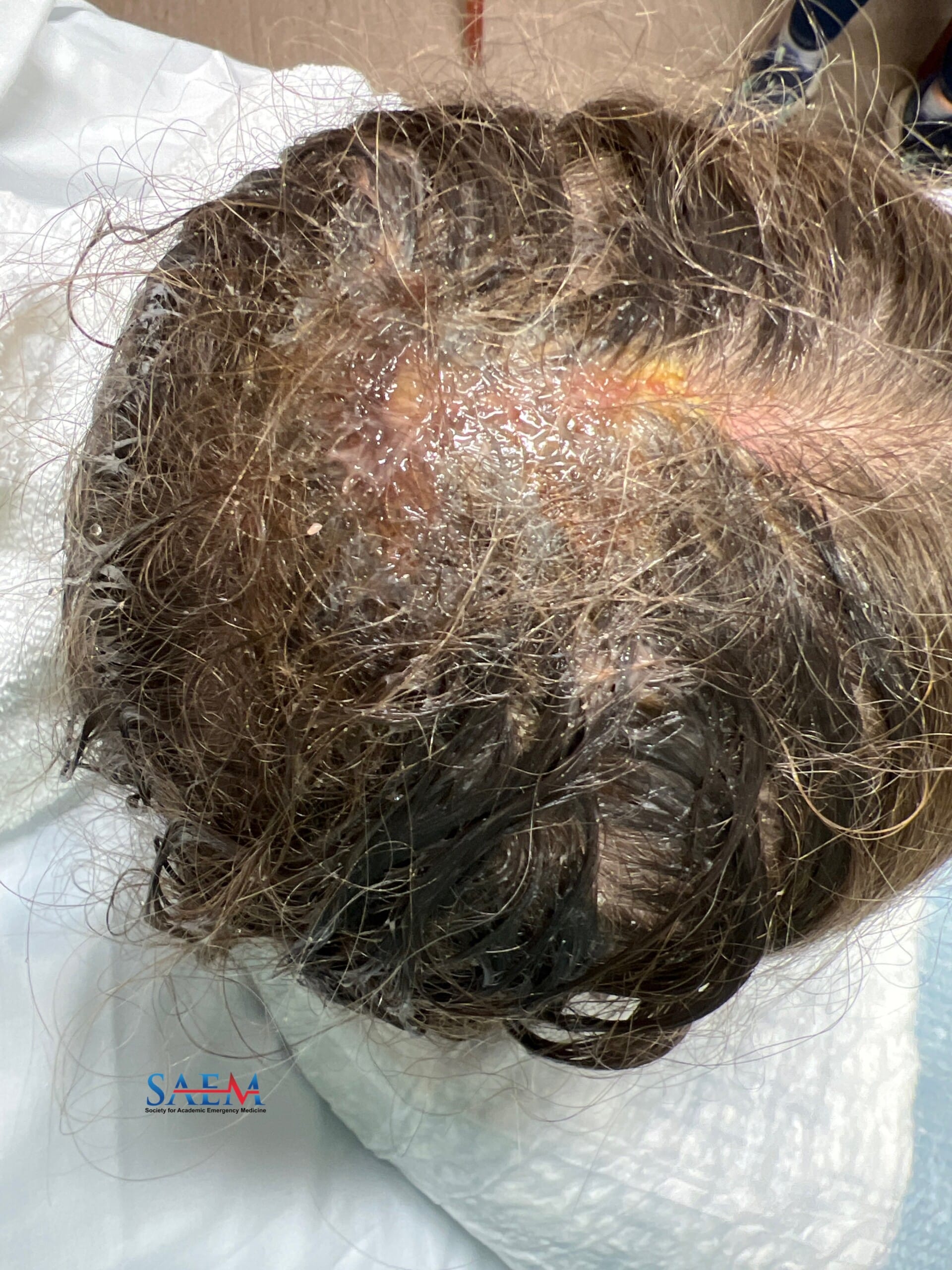
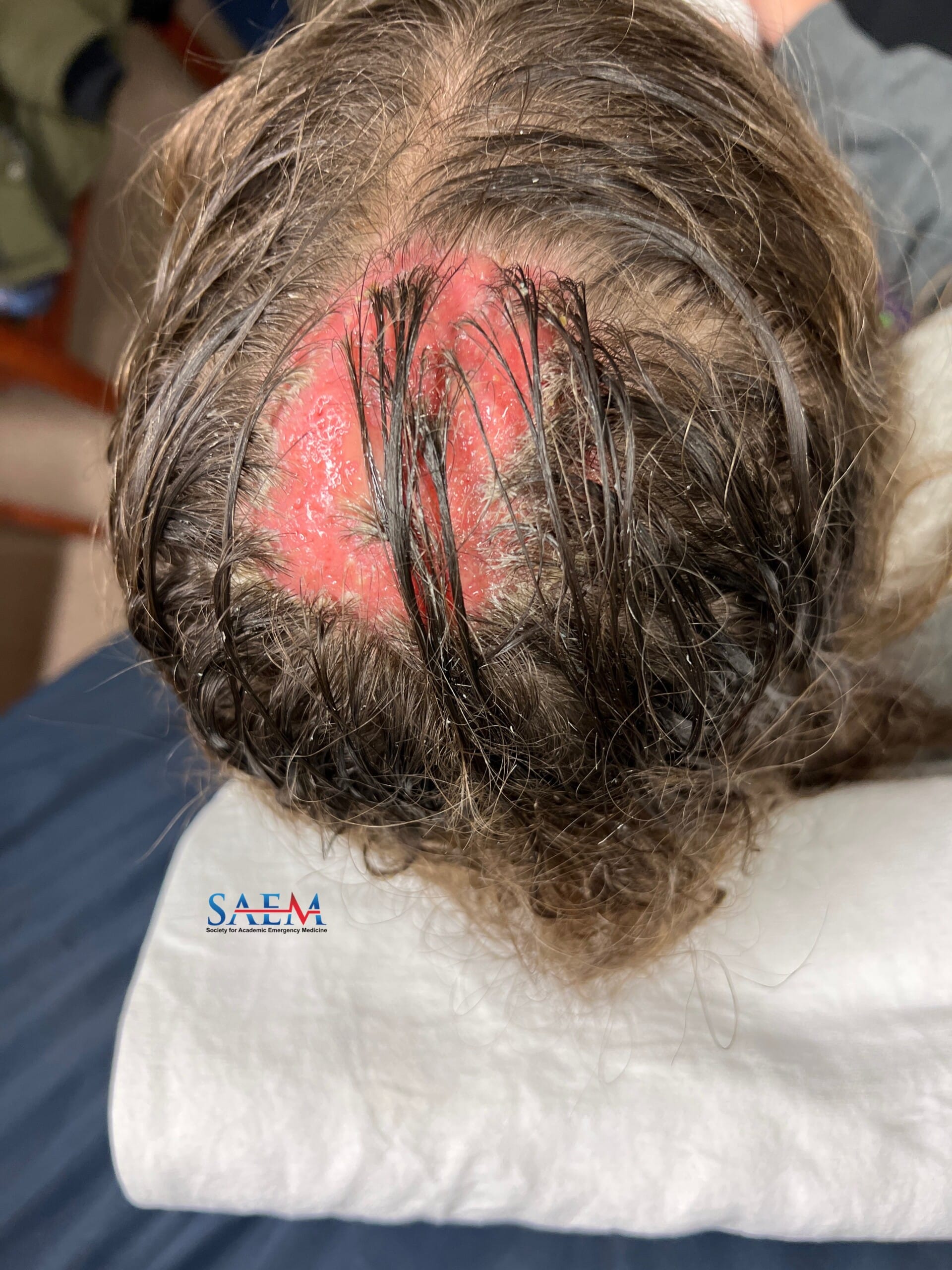
Skin: Inspection reveals an erythematous, crusted, scaly, boggy plaque at the vertex of the patient’s scalp with significant yellow serosanguinous drainage and tenderness to palpation (Figure 1).

Eyes: Conjunctivae clear, EOM intact, PERRL, fundi normal.

Ears: External ears and canals normal, TM’s normal landmarks bilaterally.

Nose: Nares normal, mucosa normal, no drainage.

Mouth/Throat: Moist mucosa without lesions.

Neck: Supple, no cervical lymphadenopathy.

Bacterial aerobic swab with sensitivities

Fungal smear and sensitivities

Kerion is an inflammatory type of tinea capitis characterized by swelling and alopecia of the scalp, which could be mistaken as bacterial infection. It is caused by dermatophyte fungi found on animals and in the soil such as Trichophyton spp. and Microsporum spp. It occurs almost exclusively in children and is more common in patients of African descent and males. Secondary bacterial infection needs to be suspected if there is associated fever, pain, or occipital lymphadenopathy. If left untreated, scarring, and permanent alopecia can develop. Location and the presence of other signs of a fungal infection, such as scaling can distinguish it from cellulitis [1]. The diIerential diagnosis includes bacterial abscess, psoriasis, seborrheic dermatitis, contact dermatitis, pseudolymphoma and dissecting cellulitis of the scalp. The patient’s clinical image demonstrates a boggy, suppurative plaque consistent with kerion (Figure 2).

Initial management in the ER should focus on adequate pain control, debridement and obtaining bacterial and fungal cultures. Our patient was given ibuprofen and oxycodone for pain control and the area was cleansed and gently debrided. After irrigation and removal of matted hair, there was an erythematous boggy plaque with scaling and associated overlying hair loss (Figure 3). Fungal culture of hairs or biopsy will provide speciation but will take several weeks. In the ED setting, potassium hydroxide (KOH) preparation of infected plucked hairs or skin scrapings under the microscope can provide early diagnosis. When the diagnosis is uncertain, early antibiotics are prudent to prevent exacerbation and systemic spread. Treatment of suspected kerion should also include oral antifungal medication [2]. Our patient was transitioned from TMP-SMX to cefadroxil for better streptococcus coverage. Pediatric dermatology recommended dilute acetic acid soaks, oral terbinafine and ketoconazole shampoo for 12 weeks, and a one-week course of prednisone. Bacterial culture returned positive for three colonies of Streptococcus dysgalactiae, Acinetobacter parvus, and Staphylococcus epidermidis. Fungal cultures grew a filamentous fungus – Trichophyton verrucosum.

Take-Home Points

  • Superimposed bacterial infection should be suspected if a scalp lesion is painful and there is discharge.

  • Treatment should consist of both, an antifungal, and antibiotics.

  • Pain control and gentle debridement constitute the initial management of a suppurative scalp lesion.

  • Bacterial and fungal cultures should be obtained in the ER to optimize the management in outpatient setting.

  • John AM, Schwartz RA, Janniger CK. The kerion: an angry tinea capitis. Int J Dermatol. 2018 Jan;57(1):3-9. doi: 10.1111/ijd.13423. Epub 2016 Oct 1. PMID: 27696388.

  • Leung AKC, Hon KL, Leong KF, Barankin B, Lam JM. Tinea Capitis: An Updated Review. Recent Pat Inflamm Allergy Drug Discov. 2020;14(1):58-68. doi: 10.2174/1872213X14666200106145624. PMID: 31906842.

By |2025-01-06T21:27:38-08:00Jan 17, 2025|Dermatology, SAEM Clinical Images|
Go to Top