SAEM Clinical Images Series: Male Weightlifter with Chest Pain

hyperacute

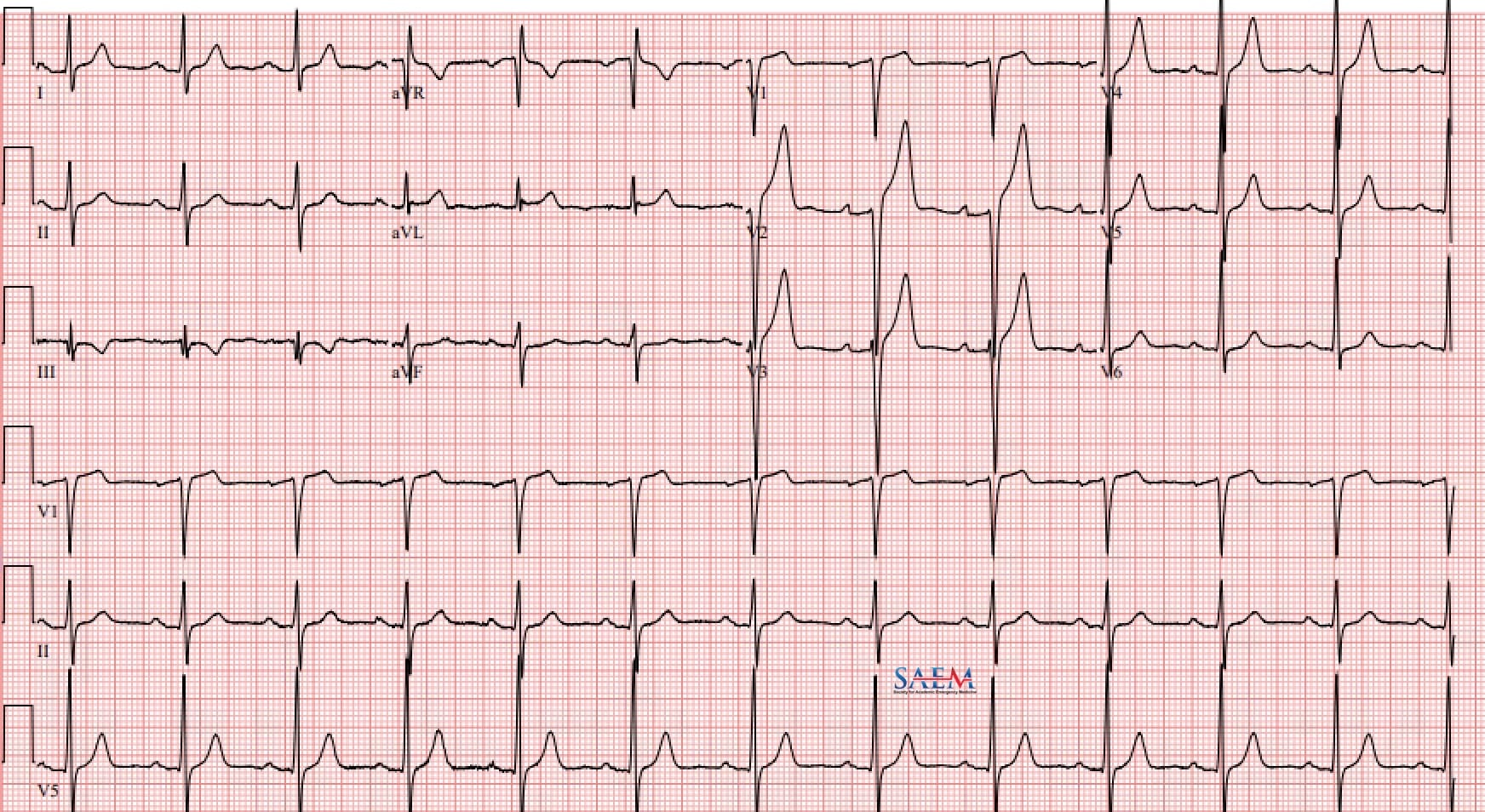
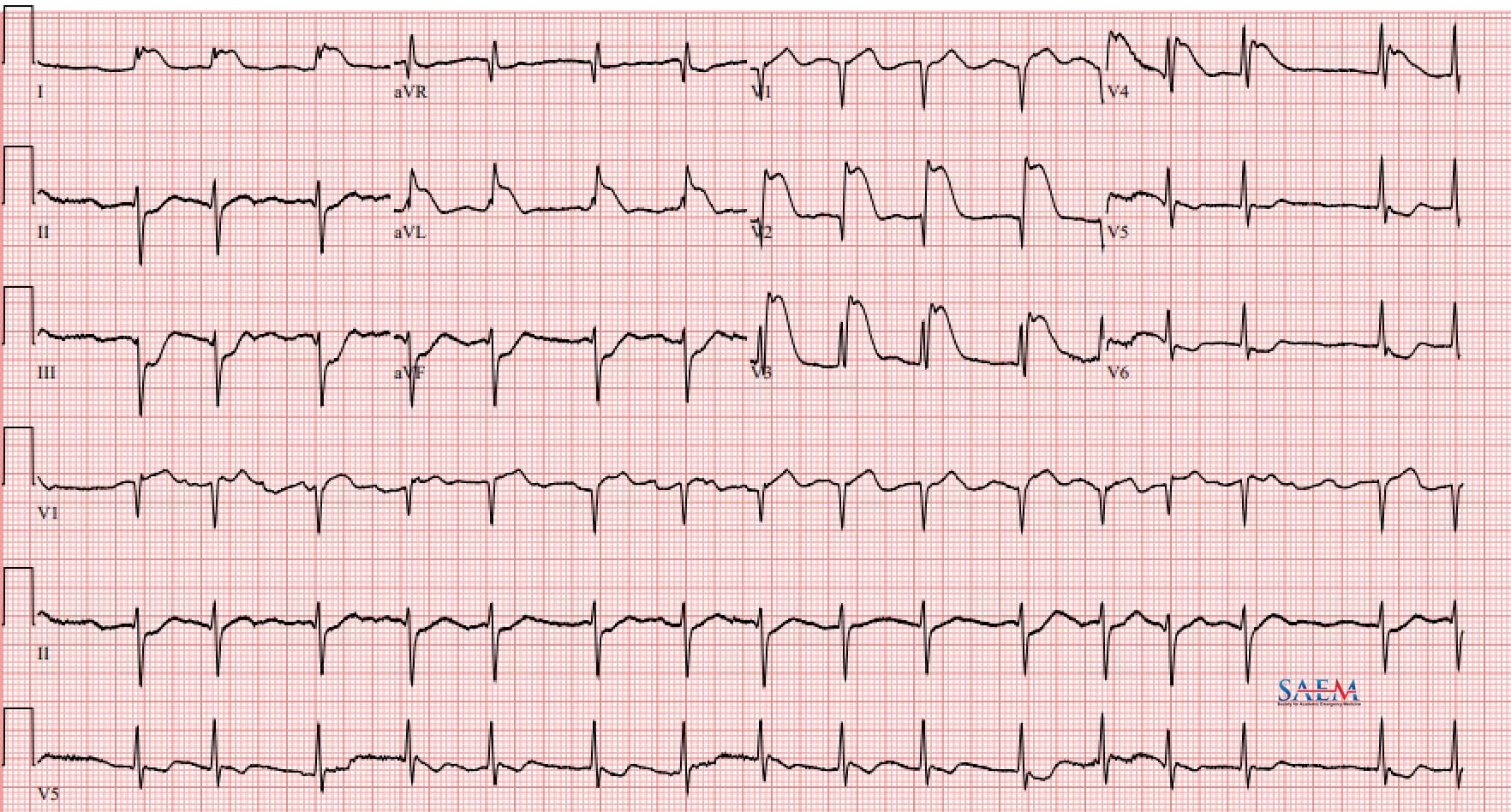
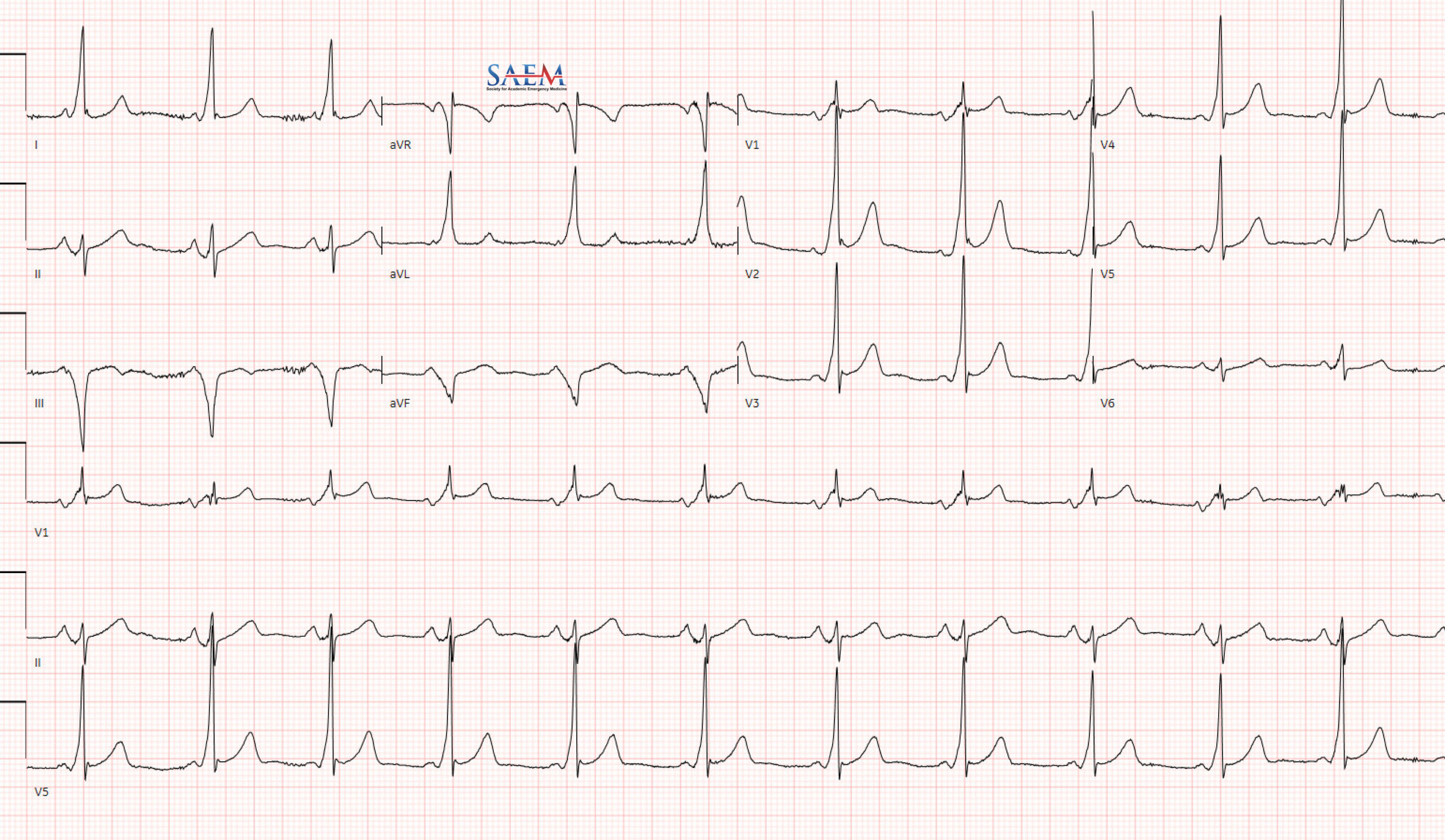
An otherwise healthy 45-year-old male presented to the emergency department (ED) with substernal chest pain radiating down his left arm over the previous two days. On the first day of symptoms, his pain began several hours after using a new pre-workout supplement and weightlifting. The symptoms lasted for a few hours and self-resolved. The pain returned the following day under the same conditions, although this time persistent, which brought him in for evaluation. Associated symptoms included shortness of breath, nausea, and one episode of emesis. He denied pleuritic pain, lower extremity edema, hemoptysis, syncope, cough, or chest wall trauma. On further history, he reported prior use of anabolic steroids, with the last being six weeks prior to presentation. It was unclear what were the contents of the pre-workout supplement, but he denied any tobacco or illicit drug use. Notably, he had a significant family history of heart disease with his father having undergone coronary bypass at age 47. His initial ECG (Image 1) and interval ECG (Image 2) are shown.

Vitals: T 36.5°C; HR 74; RR 16; BP 161/107; SpO2 98% on RA

General: Uncomfortable and diaphoretic in moderate distress.

Cardiovascular: Normal rate and rhythm, no murmurs. Equal radial and PT pulses bilaterally.

Pulmonary: Non-labored breathing, lungs CTA bilaterally with equal breath sounds.

Extremities: Lower extremities without significant edema, symmetric in size.

Neuro: Alert and oriented, neurologically intact.

Complete blood count (CBC): mild polycythemia (Hgb 19.0 g/dL) and leukocytosis (WBC 10.1 x 10(9)/L)

Basic metabolic panel (BMP): Cr 1.22 mg/dL, GFR 75 mL/min/BSA, K 4.5 mmol/L

Troponin T, 5th generation: 97 ng/L (ref. range: <=15 mg/L)

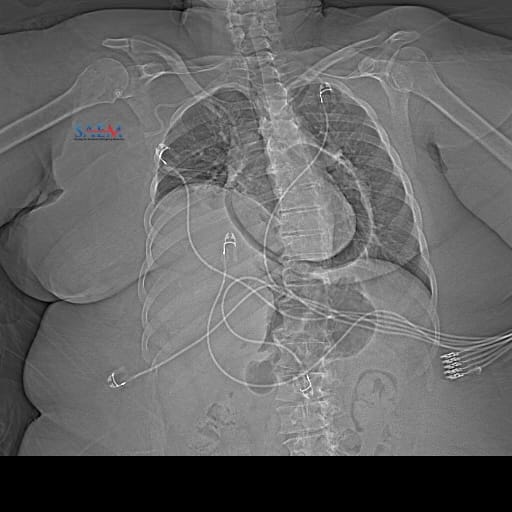
Acute coronary syndrome (ACS) with myocardial infarction. Hyperacute T waves are seen on the initial ECG.

This patient’s initial ECG (Image 1) raised concern for hyperacute T waves, which are often described as broad-based with a large amplitude. This subtle finding is difficult to differentiate from normal variants, hypertrophy, or hyperkalemia (1,2). Hyperacute T waves have been considered an early sign of acute coronary occlusion, however, current literature is mixed regarding their clinical utility, particularly given the lack of a formal ECG definition (3,4,5). The American College of Cardiology (ACC) recommends obtaining serial ECGs in patients with hyperacute T waves to assess for progression to STEMI (3). In this patient’s case, interventional cardiology was consulted, and the patient was given aspirin and sublingual nitroglycerin. He developed worsened chest pain, and a repeat ECG showed no significant changes. Shortly after, he went into ventricular fibrillation and cardiac arrest. A post-ROSC ECG (Image 2) showed concave ST elevations in the anterolateral leads with reciprocal ST depressions in the inferior leads, meeting STEMI criteria. Coronary angiography showed severe multivessel disease and 100% occlusion of the left anterior descending (LAD) artery. A drug-eluting stent was placed, and the patient was discharged home one week later with an intact neurologic status.

History of anabolic steroid use, pre-workout supplementation, and significant family history of CAD. In more recent years, the number of younger patients (35-54 years) hospitalized for ACS has increased (6). This trend is believed to be related to the increased use of illicit drugs, including marijuana and androgenic-anabolic steroids (AAS) (6). AAS is known to increase the risk of cardiac hypertrophy, ACS, and sudden cardiac death by increasing lipoprotein production, causing intimal hyperplasia of coronary arteries, and increasing clotting factors leading to a procoagulant state (7,8). Consensus on the adverse effects and overall safety of pre-workout supplements remains under debate and they remain unregulated by the FDA. Studies suggest that synephrine, a common product found in pre-workout supplements, may raise safety concerns due to its androgenic properties (9). A 2023 systematic review of adverse outcomes related to synephrine found associations with cardiomyopathy, ACS, arrhythmias, and cerebrovascular disease (9,10).

Take-Home Points

  • Hyperacute T waves, although not diagnostic in isolation, may be an early marker for occlusion myocardial infarction and if seen, serial ECGs should be performed.

  • A high degree of clinical suspicion for ACS should be maintained among patients with a history of androgenic-anabolic steroid use, even in young and otherwise healthy individuals.

  • Pre-workout supplements, especially those that contain the compound synephrine have been associated with ACS and other cardiovascular pathology.

  • Somers MP, Brady WJ, Perron AD, et al. The prominent T wave: electrocardiographic differential diagnosis. Am J Emerg Med 2002 May;20(3):243-51

  • Levis JT. ECG Diagnosis: Hyperacute T Waves. Perm J. 2015 Summer;19(3):79. doi: 10.7812/TPP/14-243. PMID:26176573; PMCID: PMC4500486.

  • Writing Committee; Kontos MC, de Lemos JA, Deitelzweig SB, Diercks DB, Gore MO, Hess EP, McCarthy CP, McCord JK, Musey PI Jr, Villines TC, Wright LJ. 2022 ACC Expert Consensus Decision Pathway on the Evaluation and Disposition of Acute Chest Pain in the Emergency Department: A Report of the American College of Cardiology Solution Set Oversight Committee. J Am Coll Cardiol. 2022 Nov 15;80(20):1925-1960. doi: 10.1016/j.jacc.2022.08.750. Epub 2022 Oct 11. PMID: 36241466; PMCID: PMC10691881.

  • Koechlin L, Strebel I, Zimmermann T, Nestelberger T, Walter J, Lopez-Ayala P, Boeddinghaus J, Shrestha S, Arslani K, Stefanelli S, Reuthebuch B, Wussler D, Ratmann PD, Christ M, Badertscher P, Wildi K, Giménez MR, Gualandro DM, Miró Ò, Fuenzalida C, Martin-Sanchez FJ, Kawecki D, Bürgler F, Keller DI, Abächerli R, Reuthebuch O, Eckstein FS, Twerenbold R, Reichlin T, Mueller C; APACE investigators. Hyperacute T Wave in the Early Diagnosis of Acute Myocardial Infarction. Ann Emerg Med. 2023 Aug;82(2):194-202. doi: 10.1016/j.annemergmed.2022.12.003. Epub 2023 Feb 10. PMID: 36774205.

  • Smith SW, Meyers HP. Hyperacute T-waves Can Be a Useful Sign of Occlusion Myocardial Infarction if Appropriately Defined. Ann Emerg Med. 2023 Aug;82(2):203-206. doi: 10.1016/j.annemergmed.2023.01.011. Epub 2023 Mar 3. PMID: 36872197.

  • Bhatt DL, Lopes RD, Harrington RA. Diagnosis and Treatment of Acute Coronary Syndromes: A Review. JAMA. 2022;327(7):662-675.

  • Melchert RB, Welder AA. Cardiovascular effects of androgenic-anabolic steroids. Med Sci Sports Exerc. 1995;27(9):1252-1262.

  • Pope HG, Jr., Kanayama G, Athey A, Ryan E, Hudson JI, Baggish A. The lifetime prevalence of anabolic-androgenic steroid use and dependence in Americans: current best estimates. Am J Addict. 2014;23(4):371-377.

  • de Jonge MLL, Kieviet LC, Sierts M, Egberink LB, van der Heyden MAG. Review of Case Reports on Adverse Events Related to Pre-workout Supplements Containing Synephrine. Cardiovasc Toxicol. 2023 Jan;23(1):1-9. doi: 10.1007/s12012-022-09777-z. Epub 2023 Jan 13. PMID: 36639595; PMCID: PMC9859859.

  • Flo FJ, Kanu O, Teleb M, Chen Y, Siddiqui T. Anabolic androgenic steroid-induced acute myocardial infarction with multiorgan failure. Proc (Bayl Univ Med Cent). 2018;31(3):334-336

SAEM Clinical Images Series: Dusky Feet

dusky

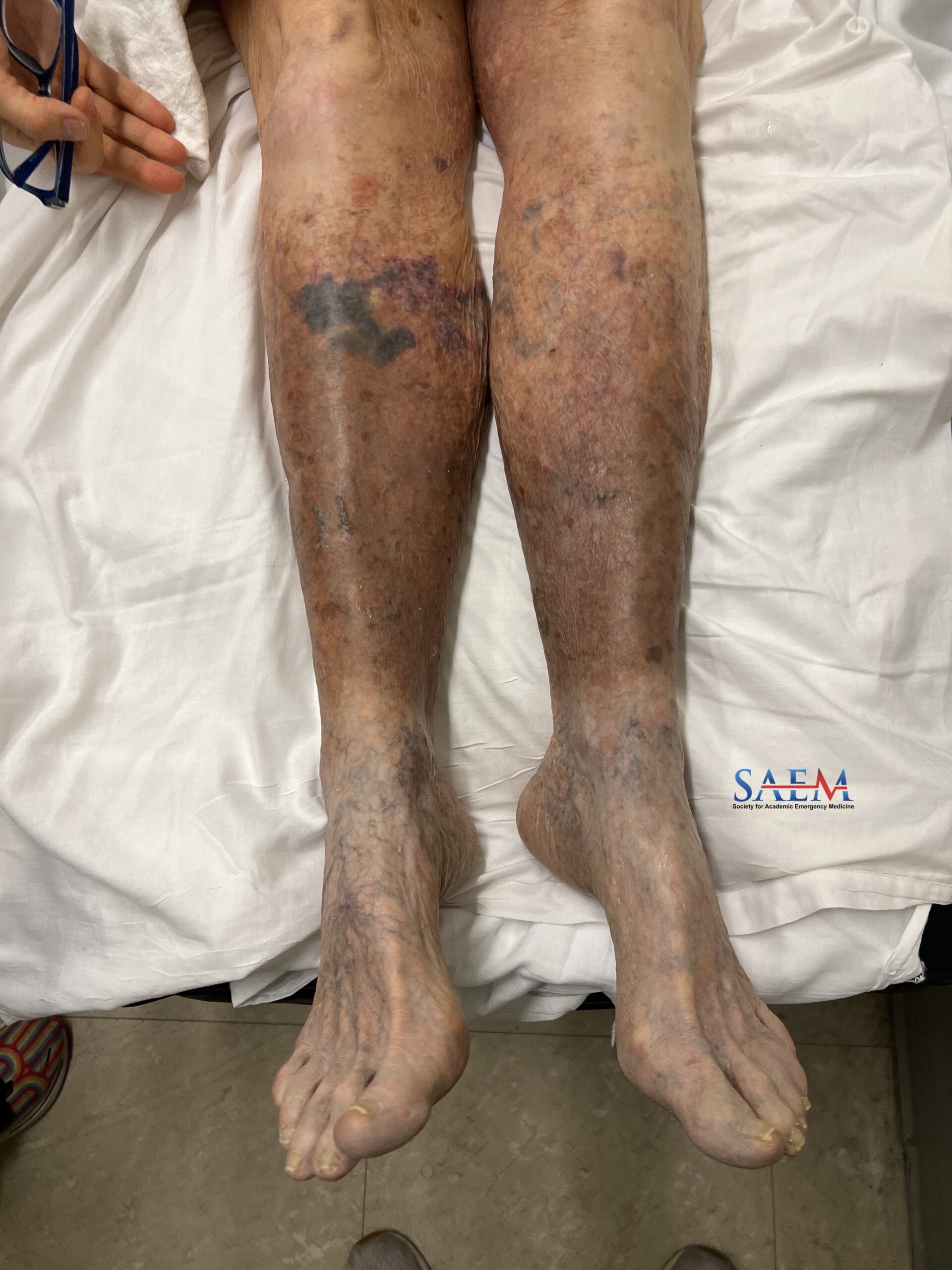
A 94-year-old female with a past medical history of hypertension, coronary artery disease, chronic venous stasis, and permanent pacemaker placement initially presented to triage complaining of left hip pain in the setting of a fall shortly prior to arrival. Upon further evaluation, she endorsed developing sudden bilateral lower extremity weakness causing her to fall to the floor. She then experienced excruciating pain from her umbilicus down to her groin, hips, and legs (left greater than right), describing it as “being in labor.” She denied any recent fevers, chills, chest pain, shortness of breath, leg swelling, back pain, urinary symptoms, or bloody stools,

Vitals: BP 109/58; Temp 36°C; Pulse 89; RR 18; SpO2 96%

Constitutional: Uncomfortable

Abdominal: No tenderness to palpation or distension No visible or palpable hernias.

Neuro: Awake, alert, oriented x 3. 0/5 strength in bilateral lower extremities. 5/5 strength in bilateral upper extremities.

Extremities: Bilateral radial pulses intact and palpable. Bilateral feet with chronic venous stasis. They are dusky in appearance. They are cool to the touch with poor capillary refill. Palpable left dorsalis pedis pulse, absent right dorsalis pedis pulse. Within 10 minutes of initial exam, bilateral lower extremity pulses are no longer palpable or dopplerable.

Hemoglobin/Hematocrit: 13.2 g/dL, 41.5%

BUN/Creatinine: 27 mg/dL, 0.99 mg/dL

Troponin: 20 (reference range <40)

Lactic acid: 3.61

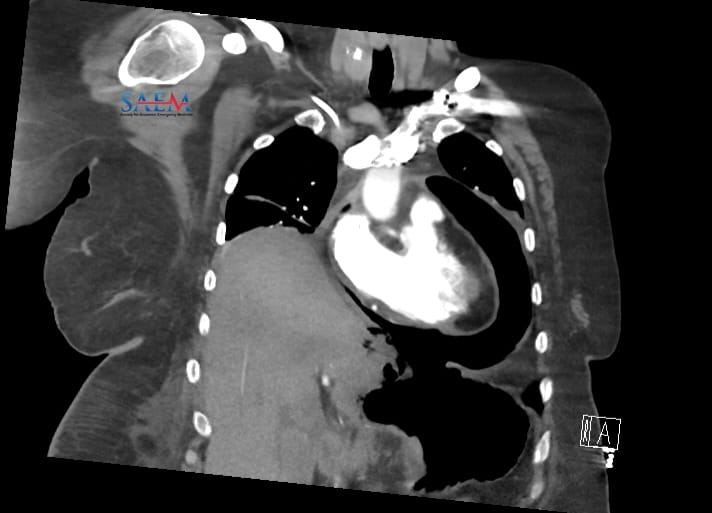
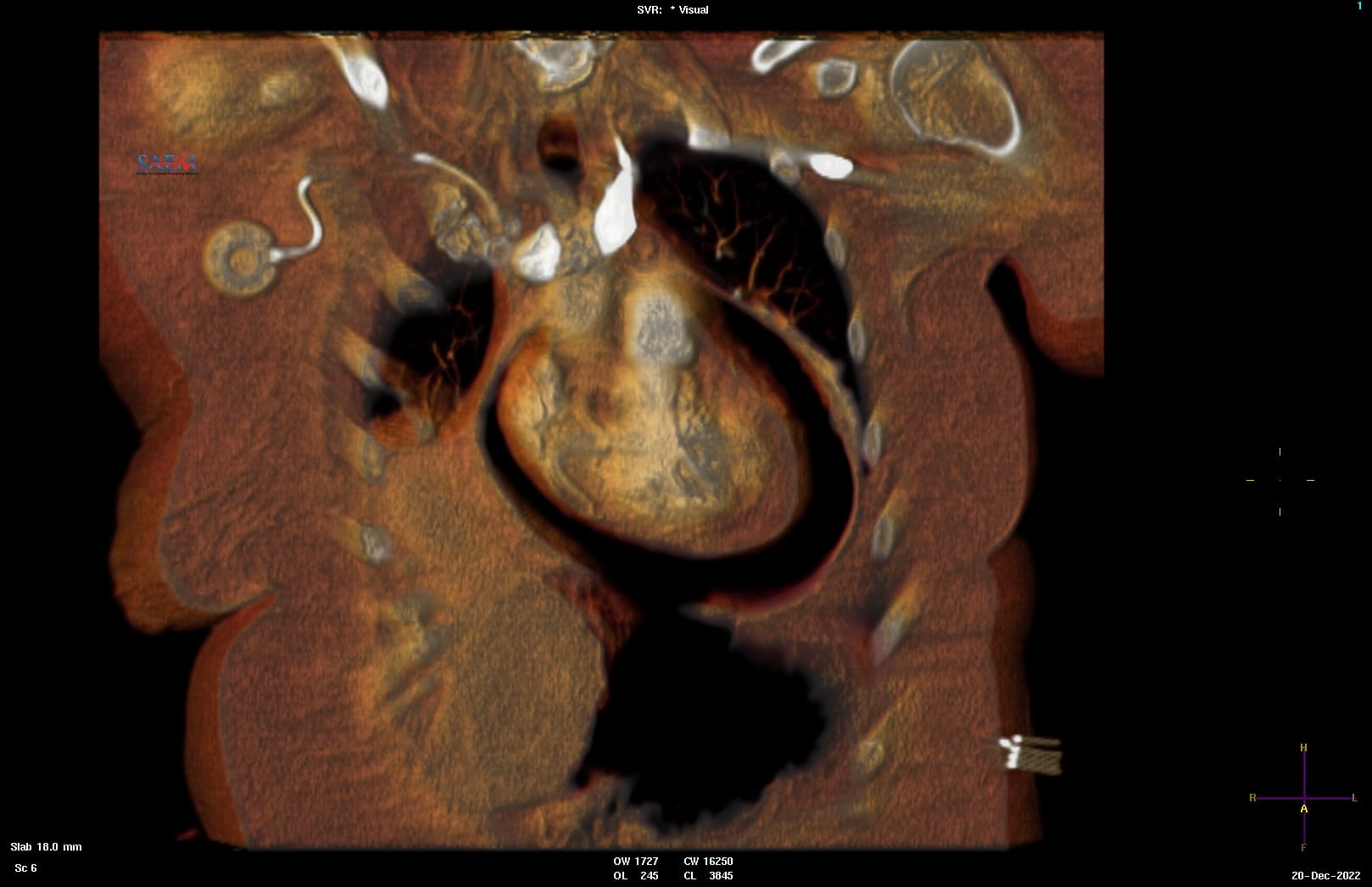
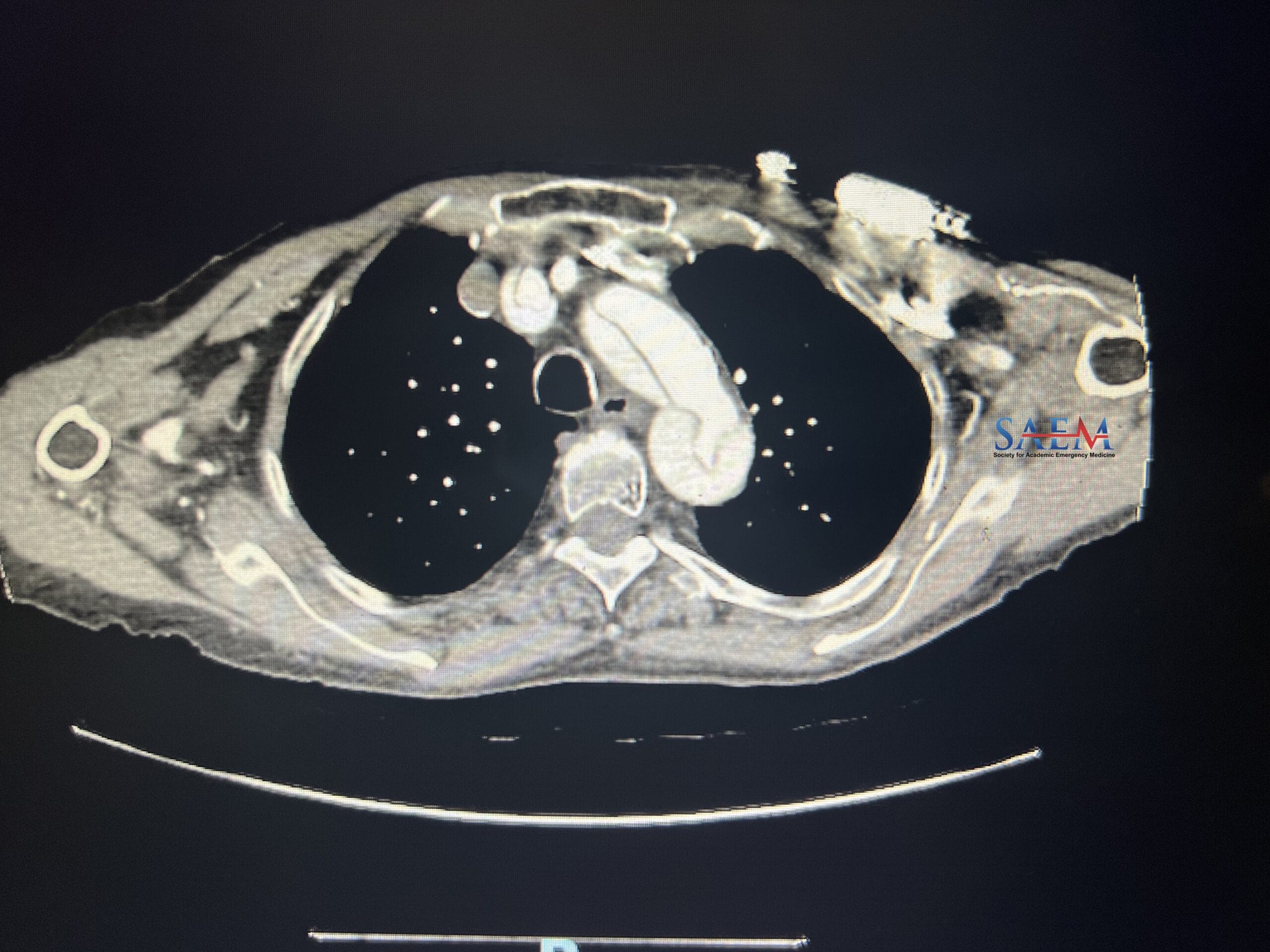
This is a case of a Type A aortic dissection. An aortic dissection is a vascular emergency that occurs when the inner wall of the aorta is weakened to the point where it tears and causes blood to accumulate between the inner and middle layers. The type of aortic dissection depends on the location of the tear; Type A dissections involve the ascending aorta whereas Type B dissections involve the descending portion of the aorta. Patients most commonly present with severe chest and back pain, however, a combination of these symptoms with abdominal and neurological complaints are sometimes seen. The exam can include hypertension, wide pulse pressure, diastolic murmur, muffled heart sounds, loss of pulses, and even neurological deficits. While a history and physical exam can strongly suggest the diagnosis, a Computed Tomography Angiography (CTA) of the chest, abdomen, and pelvis can confirm it.

Aortic dissection malperfusion syndromes imply end-organ ischemia to the vascular distributions being compromised. There can be renal, mesenteric, neurological, and even extremity malperfusion. If malperfusion is already present during the diagnosis of the aortic dissection, this can increase the patient’s mortality. In the case of this specific patient, there was lower extremity malperfusion and thus ischemia secondary to the extension of her dissection from the diaphragm to the bilateral external iliac arteries with likely occlusion of the vessels by the dissection flap. This explained her lower extremity discoloration and pulse deficits.

Take-Home Points

  • The diagnosis of an aortic dissection is made via a CTA of the chest, abdomen, and pelvis.
  • Aortic dissections with malperfusion syndromes have increased mortality.
  • Lower extremity malperfusion includes loss of extremity pulses with pain, paresthesias and/or paralysis.

  • Levy D, Goyal A, Grigorova Y, Farci F, Le JK. Aortic Dissection. StatPearls [Internet]. Treasure Island (FL): StatPearls Publishing. 2023 Jan.
  • Crawford TC, Beaulieu RJ, Ehlert BA, Ratchford EV, Black JH 3rd. Malperfusion syndromes in aortic dissections. Vasc Med. 2016 Jun;21(3):264-73. doi: 10.1177/1358863X15625371. Epub 2016 Feb 8. PMID: 26858183; PMCID: PMC4876056.
  • Harris C, Croce B, Cao C. Type A aortic dissection. Ann Cardiothorac Surg. 2016 May; 5(3):256. doi: 10.21037/acs.2016.05.04. PMID: 27386417; PMCID: PMC4893534.
  • Gargiulo M, Bianchini Massoni C, Gallitto E, Freyrie A, Trimarchi S, Faggioli G, Stella A. Lower limb malperfusion in type B aortic dissection: a systematic review. Ann Cardiothorac Surg. 2014 Jul; 3(4):351-67. doi: 10.3978/j.issn.2225-319X.2014.07.05. PMID: 25133098; PMCID: PMC4128931.
  • Hasan I, Brown JA, Serna-Gallegos D, Zhu J, Garvey J, Yousef S, Sultan I. Lower-extremity malperfusion syndrome in patients undergoing proximal aortic surgery for acute type A aortic dissection. JTCVS Open. 2023 May 6;15:1-13. doi: 10.1016/j.xjon.2023.04.015. PMID: 37808049; PMCID: PMC10556830.

By |2024-09-06T22:00:28-07:00Sep 16, 2024|Cardiovascular, SAEM Clinical Images|

Trick of the Trade: Ultrarapid adenosine push for SVT with a pressure bag

With some things in life, speed is everything. Adenosine is one of those things. With an ultrafast half-life estimated to be between 0.6 to 10 seconds [1], parenterally administered adenosine needs to reach the cells of the AV-node and cardiac pacemaker cells in an expedited fashion to facilitate the termination of supraventricular tachycardias (SVTs).

Known Techniques of Adenosine Administration

Currently, there are 2-syringe and 1-syringe methods that are widely accepted for the administration of adenosine. Recent data suggests that they are non-inferior to each other [2].

Adenosine flush 2 syringe method

Classic 2-syringe method: Benefit = undiluted adenosine to the heart; Limitation = limited by the syringe flush volume [3]

adenosine single syringe method

1-syringe method: Benefit = large volume; Limitation = dilution of adenosine with IV fluid. Read more about the single syringe trick of the trade.

Trick of the Trade: Pressure bag setup

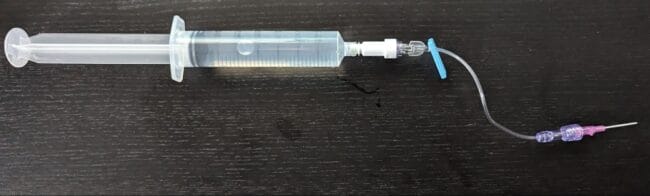
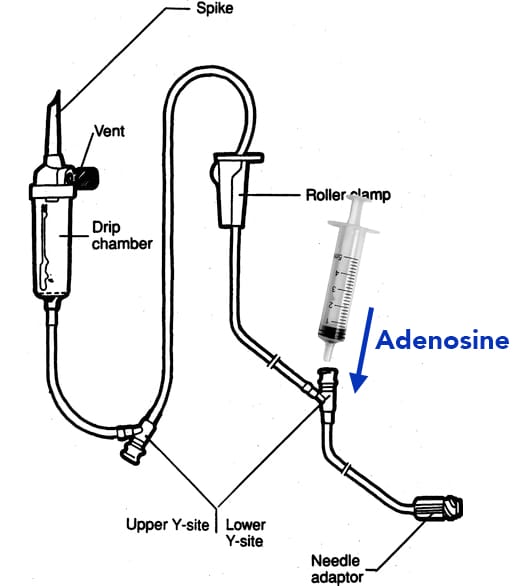
We propose administering undiluted adenosine in an ultra-rapid fashion via an in-line, primed saline tubing with a pressure bag setup.

adenosine iv tubing in y-injection site port

The unique aspect of the trick is to incorporate a high-pressure, unidirectional IV fluid administration system. It is similar to the 2-syringe system except that the flush syringe is replaced with high-pressure IV fluids.

How to set-up

  1. Setup a pressure bag with a primed saline line in the standard fashion.
  2. Close the roller clamp so that no IV fluid is flowing through the tubing.
  3. Attach the IV line to the patient’s angiocatheter.
  4. Attach a syringe with undiluted adenosine to the Y-site port as close to the patient’s IV as possible.
  5. Open the roller clamp to start the high-pressure IV fluid administration.
  6. Rapidly push the adenosine into the tubing.

Video demonstration

In this video, adenosine is the colored fluid for demonstration purposes. Notice how quickly the adenosine reaches the patient.

References

  1. Parker RB, McCollam PL. Adenosine in the episodic treatment of paroxysmal supraventricular tachycardia. Clin Pharm. 1990 Apr;9(4):261-71. PMID: 2184971.
  2. Miyawaki IA, Gomes C, Caporal S Moreira V, et al. The Single-Syringe Versus the Double-Syringe Techniques of Adenosine Administration for Supraventricular Tachycardia: A Systematic Review and Meta-Analysis. Am J Cardiovasc Drugs. 2023;23(4):341-353. doi:10.1007/s40256-023-00581-w. PMID 37162718
  3. Kotruchin P, Chaiyakhan I, Kamonsri P, et al. Abstract 10470: Comparison between the double-syringe technique and the single-syringe diluted with normal saline technique of adenosine for a termination of supraventricular tachycardia: A pilot, randomized, single-blind controlled trial (DO-single trial). Circulation. 2021;144(Suppl_1). doi:10.1161/circ.144.suppl_1.10470

High sensitivity cardiac troponins for ED chest pain evaluation (2022 ACC pathway)

How do we best use high-sensitivity cardiac troponin (hs-cTn) to risk stratify patients with symptoms concerning for an acute myocardial infarction (AMI)? The 2022 American College of Cardiology (ACC) pathway provides timely guidance [1]. We help you translate this to your clinical practice, by illustrating with a case. Time to know your hs-cTn better.

Take-to-work points

  • When interpreting the hs-cTn, you can use either of the following pathways to optimize both accuracy and patient throughput:
    • European Society of Cardiology (ESC) 2020 0/1 hour or 0/2 hour pathway
    • High-Sensitivity Troponin in the Evaluation of Patients With Acute Coronary Syndrome (High-STEACS)
  • These clinical decision pathways utilizing hs-cTn are complicated to calculate on your own.
    • Encourage your ED to set up an algorithm that you can follow based on your laboratory’s assay.
    • Otherwise, apply a simplified approach. When patients present with <6 hours of symptoms, they are low risk if the 0- and 3-hour troponin levels are less than the 99th percentile upper reference limit (URL).
  • Low-risk patients do not routinely require stress testing in the ED.
  • Intermediate-risk patients may be further stratified based on recent stress testing or coronary angiogram findings plus a modified HEART or Emergency Department Assessment of Chest Pain (EDACS) score.

Applying the 2022 ACC guideline

Before delving into the specifics of the hs-cTn pathways, start with the ECG. The ACC 2022 pathway has a section dedicated to ECGs in ischemia [1], and FOAMcast has a great visual summary.

The 2022 ACC pathway [1] endorses clinical decision pathways that:

  • Use hs-cTn AND
  • Enable rapid rule-out using very low hs-cTn values (far below the 99th percentile) on arrival, or a very small change (delta) between 2 hs-cTn values.

Examples of such pathways include [2]:

  • The ESC 0/1 hour pathway, where hs-cTn is obtained on arrival, and if needed, 1 hour later.
  • The ESC 0/2 hour pathway, where hs-cTn is obtained on arrival, and if needed, 2 hours later.
  • The High STEACS pathway, where hs-cTn is obtained on arrival, and if needed, 3 hours later.

These clinical decision pathways take advantage of the diagnostic power of the delta hs-cTn value, resulting in higher sensitivity for AMI (99%) [3], more patients being able to be ruled-out for AMI [4], and more patients being discharged home with a shorter ED length of stay [5]. This contrasts traditional risk-stratification approaches, which compare hs-cTn values solely to the 99th percentile upper reference limit.

  • Note: Using the pathways and using a single hs-cTn result are not mutually exclusive concepts. Clinical decision pathways DO allow us to rule out AMI with a single hs-cTn value in some instances. An example is if the patient has a very low value (e.g., below limit of detection) AND the chest pain onset is >3 hours ago AND the ECG is non-ischemic.

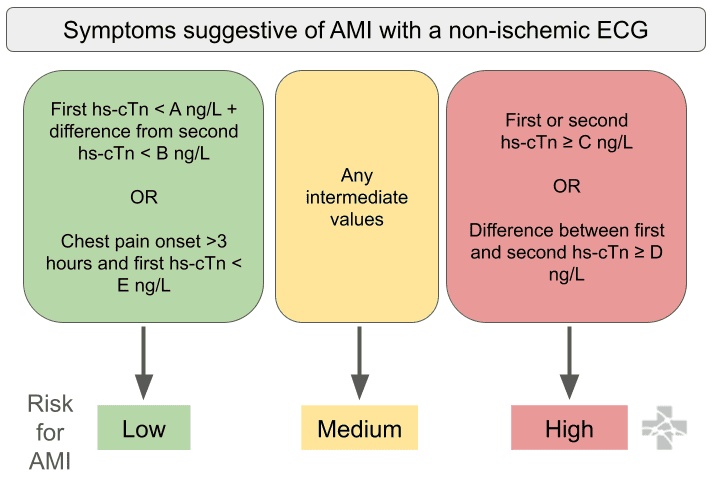
Let’s apply the ESC 2020 0/1 hour pathway [2], with some modifications based on the 2022 ACC guidelines [1]:

high sensitivity cardiac troponin hs-cTn risk stratification

Figure 1. Stratification of patients for AMI based on high sensitivity troponin testing and the ESC 0/1 hour pathway (second hs-cTn drawn 1 hour after the initial hs-cTn test)

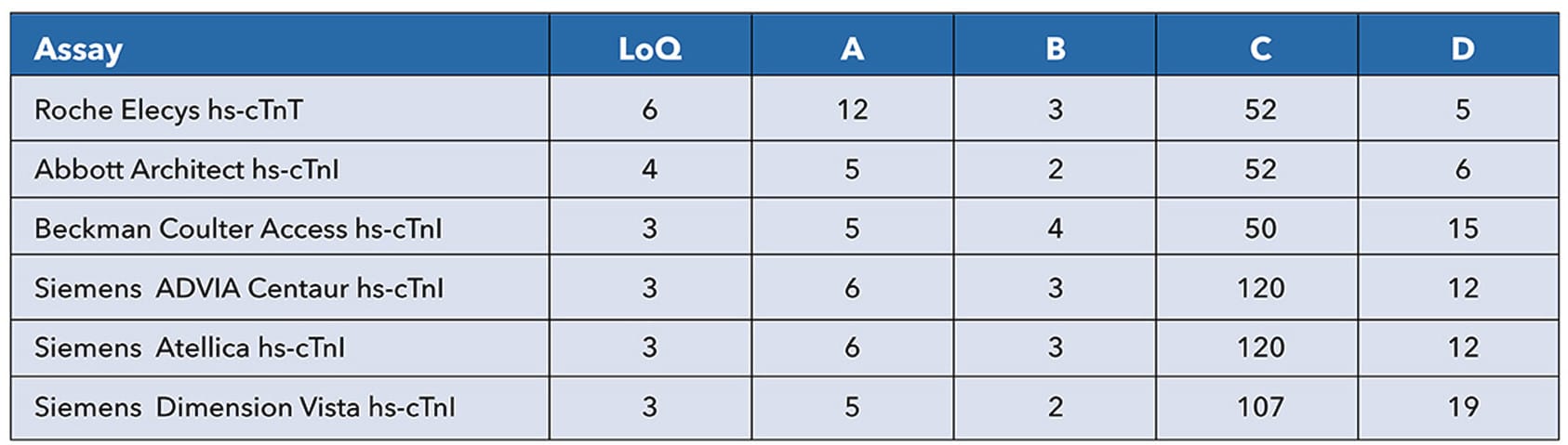
Notice how numbers are replaced with values A, B, C, D and E. That’s because these values are assay specific. You (or someone in your department) needs to know which assay your ED has, and use the appropriate values for that assay. Examples of cutoffs:

Figure 2: Assay-based cutoffs for different high sensitivity cardiac troponin tests from the 2022 ACC guideline [1] (Limit of quantification, LoQ)

One concept that cuts across all assays is the limit of quantification (LoQ). That’s the lowest hs-cTn value that can be reliably reported as a number for that assay. In the risk stratification pathway (figure 1), value E is often the LoQ, or an optimized threshold slightly above the LoQ.

Case #1

A 52-year-old woman presents with vague heaviness over the left side of the chest that does not radiate elsewhere. She does not recall clearly how it started, and it has been persistent for 5 hours. Its intensity does not change with walking or changes in posture. There are no associated symptoms such as diaphoresis, breathlessness, vomiting, fever, cough, or leg swelling.

She has hypertension and hyperlipidemia treated with lifestyle modification. She does not smoke. There is no family history of heart disease. She has no other recent illnesses or travel history.

On examination, her vital signs are normal. Heart sounds are dual with no murmurs and breath sounds are equal bilaterally. Pulses are well felt in all four limbs. There is no lower limb swelling or tenderness.

A 12-lead electrocardiogram (ECG) and chest x-ray (CXR) are unremarkable. The hs-cTn level on arrival is below the limit of quantification (LoQ).

Because the patient’s chest pain started >3 hours ago and she has a non-ischemic ECG, the initial hs-cTn is below LoQ already stratifies her as a LOW-RISK patient for AMI by the pathway. She does not need a repeat hs-cTn test. Caveat: Patients with known coronary artery disease might still have considerable risk for AMI even with this constellation of findings, requiring clinical judgment beyond this pathway [6].

Also do not forget that you still need to address other important potential causes of chest pain:

  • Aortic dissection appears unlikely, given the lack of suggestive features on history or physical examination. The onset was gradual with no radiation to the back or abdomen, and no features of distal ischemia such as neurological or pulse deficits. The CXR did not show any abnormalities consistent with a dissection.
  • Pulmonary embolism (PE) appears unlikely. She would be low risk by gestalt or structured scoring systems (Wells or revised Geneva), and a negative D-dimer would essentially rule out pulmonary embolism here. Note that the PE rule-out criteria do not help in this case, because she is >50 years old.

Thankfully, most patients will be low risk after walking through the above. What’s the disposition and follow-up plan for them? In short, less is more. As long as your clinical judgment concurs with a low-risk stratification, you should send the patient home with chest pain advice, return precautions, and recommendations to follow-up with their primary care provider within 30 days for optimal management of cardiovascular risk factors. You do not have to routinely order stress testing from the ED! This is endorsed in the 2022 ACC pathway [1] and the 2021 AHA chest pain guidelines [7].

The high-risk category

High-risk category hs-cTn values in the ESC 2020 0/1 hour pathway or high STEACS pathway come in 2 types:

  • A high absolute value
  • A high delta between two hs-cTn samples, which is suggestive of the rise or fall seen in AMI

Those values are assay- and pathway-specific, so you’ll need to find out more about your local assay. These in the high-risk category are usually admitted to the hospital to assess for AMI as well as other causes of troponin elevation.

What if you have a patient with intermediate findings?

Case #2

A 66-year-old man with hypertension, hyperlipidemia, diabetes mellitus, and chronic renal failure presents with poorly localized central chest discomfort while trying to sleep. It started 2 hours ago. The discomfort has a burning character, though he has never been diagnosed with reflux before.

His vital signs and physical exam are unremarkable other than an arteriovenous fistula on his left arm for hemodialysis. His ECG shows left ventricular hypertrophy.

The first hs-cTn results in the intermediate range on your assay-specific cutoff for the ESC 2020 pathway or high-STEACS pathway.

The first step is to repeat hs-cTn testing in 3-6 hours. Those with a significant change in hs-cTn (e.g., ≥ value D in the ESC 2020 pathway) will be diagnosed with acute myocardial infarction or acute myocardial injury (e.g., as seen in heart failure, arrhythmias, or sepsis).

How about those with no significant change? The ACC now endorses that these intermediate-risk patients can be considered for discharge with rapid follow-up, if 1 of these 4 criteria are met:

  1. Invasive or CT coronary angiogram <2 years ago without coronary plaque
  2. Stress test <1 year ago without ischemia
  3. Modified HEART score (where troponin is excluded) ≤3 [MDCalc] or EDACS<16 [MDCalc]
  4. Chronic elevations in hs-cTn similar to previously measured levels

Patients who do not meet these criteria above should get some form of additional evaluation such as non-invasive testing, such as a CT coronary angiogram, myocardial perfusion imaging, or stress echocardiography. If not, consider cardiology consultation or admission, or at least a shared decision-making with the patient for an expedited outpatient workup with the understanding that this group has a 30-day rate of death or MI ranging from 5% to 22% [1, 8, 9].

You repeat a hs-cTn 3 hours later and it remains unchanged. The patient has no previous stress testing or coronary angiogram, and he is not low risk by HEART or EDACS scoring.

You thus consult the cardiologist, who recommends to admit the patient to the hospital for further observation and evaluation.

References

  1. Writing Committee, Kontos MC, de Lemos JA, et al. 2022 ACC Expert Consensus Decision Pathway on the Evaluation and Disposition of Acute Chest Pain in the Emergency Department: A Report of the American College of Cardiology Solution Set Oversight Committee. J Am Coll Cardiol. 2022;80(20):1925-1960. doi:10.1016/j.jacc.2022.08.750
  2. Collet JP, Thiele H, Barbato E, et al. 2020 ESC Guidelines for the management of acute coronary syndromes in patients presenting without persistent ST-segment elevation [published correction appears in Eur Heart J. 2021 May 14;42(19):1908] [published correction appears in Eur Heart J. 2021 May 14;42(19):1925] [published correction appears in Eur Heart J. 2021 May 13;:]. Eur Heart J. 2021;42(14):1289-1367. doi:10.1093/eurheartj/ehaa575
  3. Burgos LM, Trivi M, Costabel JP. Performance of the European Society of Cardiology 0/1-hour algorithm in the diagnosis of myocardial infarction with high-sensitivity cardiac troponin: Systematic review and meta-analysis [published online ahead of print, 2020 Jun 29]. Eur Heart J Acute Cardiovasc Care. 2020;2048872620935399. doi:10.1177/2048872620935399
  4. Badertscher P, Boeddinghaus J, Twerenbold R, et al. Direct Comparison of the 0/1h and 0/3h Algorithms for Early Rule-Out of Acute Myocardial Infarction. Circulation. 2018;137(23):2536-2538. doi:10.1161/CIRCULATIONAHA.118.034260
  5. Chew DP, Lambrakis K, Blyth A, et al. A Randomized Trial of a 1-Hour Troponin T Protocol in Suspected Acute Coronary Syndromes: The Rapid Assessment of Possible Acute Coronary Syndrome in the Emergency Department With High-Sensitivity Troponin T Study (RAPID-TnT) [published correction appears in Circulation. 2021 Jun 22;143(25):e1118]. Circulation. 2019;140(19):1543-1556. doi:10.1161/CIRCULATIONAHA.119.042891
  6. Ashburn NP, Snavely AC, O’Neill JC, et al. Performance of the European Society of Cardiology 0/1-Hour Algorithm With High-Sensitivity Cardiac Troponin T Among Patients With Known Coronary Artery Disease. JAMA Cardiol. 2023;8(4):347-356. doi:10.1001/jamacardio.2023.0031
  7. Gulati M, Levy PD, Mukherjee D, et al. 2021 AHA/ACC/ASE/CHEST/SAEM/SCCT/SCMR Guideline for the Evaluation and Diagnosis of Chest Pain: A Report of the American College of Cardiology/American Heart Association Joint Committee on Clinical Practice Guidelines [published correction appears in Circulation. 2021 Nov 30;144(22):e455]. Circulation. 2021;144(22):e368-e454. doi:10.1161/CIR.0000000000001029
  8. Mueller C, Giannitsis E, Christ M, et al. Multicenter Evaluation of a 0-Hour/1-Hour Algorithm in the Diagnosis of Myocardial Infarction With High-Sensitivity Cardiac Troponin T. Ann Emerg Med. 2016;68(1):76-87.e4. doi:10.1016/j.annemergmed.2015.11.013
  9. Twerenbold R, Neumann JT, Sörensen NA, et al. Prospective Validation of the 0/1-h Algorithm for Early Diagnosis of Myocardial Infarction. J Am Coll Cardiol. 2018;72(6):620-632. doi:10.1016/j.jacc.2018.05.040

Featured image adapted from Adobe Firefly

SAEM Clinical Images Series: Wolf in Sheep’s Clothing

wolf

A 55-year-old female with a history of hyperlipidemia presents after a syncopal episode. She had mild nausea and diarrhea on the morning of presentation but otherwise had no prodromal symptoms before suddenly losing consciousness in a grocery store. Of note, she recalls a similar syncopal episode in the remote past, also preceded by gastrointestinal symptoms at that time. At present, she is symptom-free.

Vitals: BP 135/71; HR 52; Temp 98°F; RR 18; SpO2 100% on room air

General: Tired appearing

CV: 2+ peripheral pulses. Regular rate and rhythm, no murmurs, rubs, or gallops.

Pulmonary: No increased work of breathing. Lungs clear to auscultation bilaterally.

GI: Soft, non-distended, non-tender to palpation.

Non-contributory

Wolff-Parkinson-White Syndrome (WPW)

Short PR interval (< 0.12 seconds) and slowed upstroke of the QRS complex, referred to as a delta wave, which are both seen in our patient. These particular EKG findings define a “Wolff-Parkinson-White Pattern.”

WPW is a pre-excitation syndrome characterized by an accessory pathway caused by a congenital failure of cells to resorb near the AV valves. This accessory pathway conducts impulses faster than the AV node, causing a short PR interval. WPW Syndrome consists of characteristic EKG findings as well as symptomatic arrhythmias. Patients with WPW may classically present after a syncopal episode due to an arrhythmia involving the accessory pathway. Most commonly, WPW is associated with atrioventricular nodal reentrant tachycardia (AVNRT) and atrial fibrillation.

First-line treatment for WPW-mediated tachyarrhythmia consists of procainamide, which blocks conduction through the accessory pathway. An exception to this would be the hemodynamically unstable patient, who should be cardioverted. AV nodal blocking agents should be avoided in patients with tachyarrhythmias as they can cause increased conduction to the ventricles through the accessory pathway, leading to potential ventricular arrhythmias and hemodynamic instability. Ablation of the accessory pathway is indicated in those with symptomatic tachyarrhythmias and leads to successful remission in about 90 percent of cases.

Take-Home Points

  • The WPW pattern on EKG consists of a short PR interval and a delta wave.
  • Patients with WPW Syndrome classically present with symptomatic arrhythmias (including syncope) and EKG findings consistent with WPW pattern.
  • The most common arrhythmias seen in WPW include AVNRT and atrial fibrillation, which should be managed with procainamide. Avoid the use of AV nodal blocking agents.

  • Conover MB. Diagnosis and management of arrhythmias associated with Wolff-Parkinson-White syndrome. Crit Care Nurse. 1994 Jun;14(3):30-9; quiz 40-1. PMID: 8194348.
  • Dagres N, Clague JR, Kottkamp H, Hindricks G, Breithardt G, Borggrefe M. Radiofrequency catheter ablation of accessory pathways. Outcome and use of antiarrhythmic drugs during follow-up. European heart journal. 1999 Dec 1;20(24):1826-32.
  • Wolff L, Parkinson J, White PD. Bundle-branch block with short P-R interval in healthy young people prone to paroxysmal tachycardia. 1930. Ann Noninvasive Electrocardiol. 2006 Oct;11(4):340-53. doi: 10.1111/j.1542-474X.2006.00127.x. PMID: 17040283; PMCID: PMC6932258.

By |2023-11-12T13:55:35-08:00Nov 6, 2023|Cardiovascular, ECG, SAEM Clinical Images|

Trick of Trade: Alternative to a Pressure Bag for IV Fluids

pressure bag IV fluidsYou have a severely dehydrated patient with a peripheral IV line, requiring urgent fluid resuscitation. However, the crystalloid fluids are not flowing freely. Multiple attempts were made to place this line with the latest having a flash of blood return and a smoothly flowing saline flush. You can not seem to find your pressure infusion cuff to squeeze the IV bag and accelerate fluid administration.
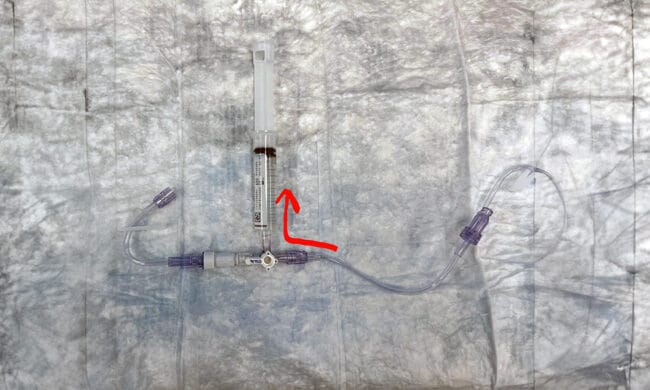
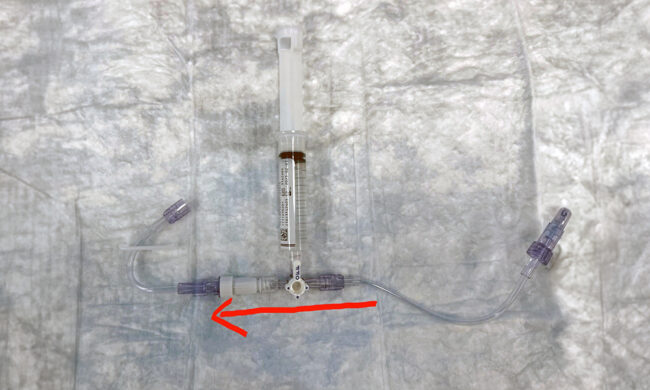
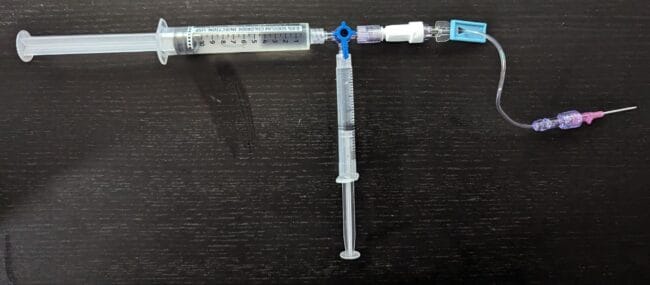
Trick of the Trade: Manually provide positive pressure fluids using a 3-way stopcock

  1. Attach a 3-way stopcock between the angiocatheter and IV tubing.
  2. In the unused port, attach a 10 or 20 cc syringe.
  3. Fill the syringe with fluids from the IV bag (turn off flow to the angiocatheter using the stopcock)

Trick of the trade stopcock pressure infusion IV fluids syringe start

  1. Rotate the stopcock 180-degrees and push the syringe fluid into the angiocatheter.

Trick of the trade stopcock pressure infusion end

  1. Repeat this process several times.
  2. After manually pushing 100-200 cc of fluid through the line, turn the stopcock to shut off the syringe port. The fluids should flow more rapidly with gravity alone.

Word of Caution: Syringe Fluid Contaminant

Thanks to Twitter feedback from @cpatrick_89, be careful of introducing bacteria when attaching these pieces to the IV tubing, based on an in vitro study. Wearing gloves helped reduce bacterial contamination [1].

Note that conventional pressure bags may not be readily available in emergency departments and could blow the line you worked hard to secure. This “gentle pressure” technique allows the clinician to gauge how much positive pressure to administer to minimize the risk of fluid extravasation.

Interested in Other Tricks of the Trade?

Reference

  1. Kawakami Y, Tagami T. Pumping infusions with a syringe may cause contamination of the fluid in the syringe. Sci Rep. 2021;11(1):15421. Published 2021 Jul 29. doi:10.1038/s41598-021-94740-1
Go to Top