


Herbal Induced Delirium: The Toxicologist Mindset
 The Toxicologist Mindset series features real-life cases from the San Francisco Division of the California Poison Control System.
Case: A previously healthy 49-year-old woman presented to the emergency department (ED) with acute onset of confusion. Family members noticed her to have unsteady gait and she complained of blurry vision and difficulty urinating. She denied the use of any drugs or alcohol and took no medications. In the ED, her vital signs were: T 98.7, BP 95/59, P 130, RR 16, and O2 sat 100% on room air. Her pupils were 7 mm and reactive and her skin was dry. Bowel sounds were present. She had no focal neurological findings, but appeared “very confused” and “frightened.”
Serum electrolytes, CBC, and liver function tests were all unremarkable. She had a negative urine drug screen and alcohol level. The ECG demonstrated sinus tachycardia with normal intervals, and the brain CT was normal.
What are your next thought processes?
 A middle-aged man with a history of diabetes and hypertension presents with nausea, vomiting, and shortness of breath. His laboratory testing is remarkable for a leukocytosis, ketonemia, and an anion gap acidosis (pH of 7.13). The EM resident caring for this patient is surprised to find that the blood glucose is 121 mg/dL.
 Our fifth case of season 5,
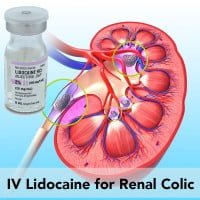 Pain management in the ED has become a balancing act. EPs must continually balance adequate pain management with the risks of opioids prescribing. As providers reach into their pain management toolbox it is always nice to have as many options as possible because one size does not fit all. Specifically for the management of acute renal colic, IV preservative-free (cardiac) lidocaine has been gaining popularity as a potential alternative when opioids are unable to get job done or are contraindicated due to co-morbidities or a history of addiction. Is it safe? Does it work?
 We are proud to present Capsules Module 10: Concepts in Infectious Disease, now published on