


ACMT Toxicology Visual Pearls: Snake Bite
 Envenomation by the pictured snake would be expected to produce which clinical effects?
- Bradycardia and hypotension
- Bruising and epistaxis
- Difficulty swallowing and muscle weakness
- Severe swelling and blistering
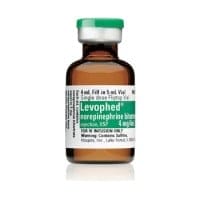 Despite the widespread clinical use, and their well-documented life-saving properties, vasopressors are often maligned, accused of causing ischemia to fingers, toes, mesentery, kidneys, and so forth. Not only is the evidence that this happens poor, but, a fear of this dreaded complication can unwarrantedly lead good clinicians to limit or withhold potentially life- and organ-saving medications. This article showcases the importance of end-organ perfusion and explains how vasopressors may in fact be one of the most important therapies in an emergency physician’s armamentarium.
 The Emergency Department (ED) is the frontline of the opioid crisis, treating patients with opioid-related infections, opioid withdrawal, and overdose. These encounters can be difficult or even downright confrontational. But that does not have to be the case! With the use of buprenorphine, we can “flip the script” for these encounters, encouraging patient-provider collaboration in the treatment of opioid addiction as medical disease.
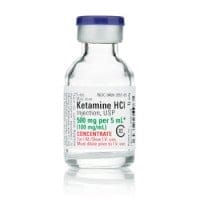 Ethanol withdrawal is a complex disease state. Two of the main players are GABA (an inhibitory neurotransmitter) and glutamate (an excitatory transmitter that can act on NMDA receptors). Simplistically, chronic ethanol use leads to a down-regulation of GABA receptors and an up-regulation in glutaminergic receptors, such as NMDA. When ethanol is abruptly discontinued, we are left with a largely excitatory state with less ability for GABA-mediated inhibition and more capacity for NMDA/glutamate-mediated excitation. While much of the treatment of severe ethanol withdrawal is focused on GABA, there are agents, such as phenobarbital and propofol, that can suppress the glutaminergic response. Ketamine seems like it should confer benefit, as well, due to its NMDA antagonist properties. Until recently there was only one clinical study using ketamine for severe ethanol withdrawal.
