About Wendi Wendt, MD

Attending Physician
Pediatric Emergency Medicine
Medical College of Wisconsin

SAEM Clinical Images Series: A Mucous Membrane Mystery
eye

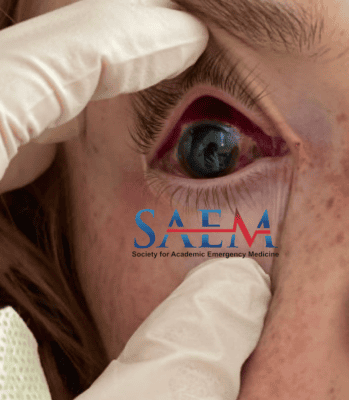
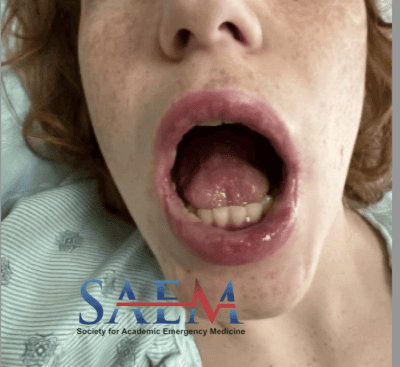
The patient is a healthy 14-year-old male without past medical history who presents to the Emergency Department with oral lesions, eye swelling, intermittent fevers, and pain with urination. Over the past 10 days he has been seen by his PCP and at an outside ED for a cough, sore throat, fevers, and oral pain. Three days ago he was seen by his PCP, had a positive rapid strep test, and was started on amoxicillin. His oral lesions and lip swelling have been progressively worsening over the past 2 days. Monospot testing was also performed yesterday and is negative. Today he was seen again by his PCP for new pain with urination and was sent to the ED for concern for Kawasaki disease. The patient has had decreased oral intact due to his pain, but otherwise has no other complaints.

Vitals: BP 124/88 HR 112 R 28 T 100.2 F O2sat 94% room air.
HEENT: Relevant findings are shown in the images provided. Tonsillar exudate is present. No meningismus. Voice is normal.
Respiratory: Coarse breath sounds with diffuse wheezing.
Cardiovascular: Tachycardic, no murmurs, no rubs.
Skin: No rash. Negative Nikolsky sign. No palmar desquamation.
Lymph: Cervical lymphadenopathy is present
Genitourinary: See image provided.

CBC, CMP, Urinalysis: negative

COVID/Flu/RSV: negative

Mycoplasma NAAT: positive.

CRP: 13.5 mg/L

ESR: 48 mm/Hr

This child has RIME (reactive infections mucocutaneous eruption), a rare post-infectious cause of mucositis in children and adolescents.

Prolonged fevers and illnesses are frequent reasons for pediatric ED visits. Children and adolescents can be more prone than adults to a variety of immune-mediated and other inflammatory reactions such as Kawasaki disease, serum sickness like reactions, erythema or urticaria multiforme, SJS/TEN, MISC, among others. RIME is a relatively recently described post-infectious condition characterized by mucositis in at least two mucus membranes, with or without an area of cutaneous eruption. It was previously called mycoplasma-induced rash and mucositis (MIRM), and mycoplasma is the most common trigger, though the designation RIME implies that other common infectious agents (covid, influenza, and other viral and bacterial pathogens) have been identified as causal agents. Management is supportive, including treatment of the underlying illness (in this case, treatment of mycoplasma). Corticosteroids and other immunomodulatory agents may be used in more severe cases.

Take-Home Points

  • RIME is a reaction primarily involving mucosal surfaces that is often associated with Mycoplasma pneumoniae infections in pediatric populations.
  • Treatment of RIME involves treating Mycoplasma pneumoniae with azithromycin and supportive care including hydration and appropriate consultations for wound management as needed.

  • Lofgren D, Lenkeit C. Mycoplasma Pneumoniae-Induced Rash and Mucositis: A Systematic Review of the Literature. Spartan Med Res J. 2021 Aug 30;6(2):25284. doi: 10.51894/001c.25284. PMID: 34532621; PMCID: PMC8405277.
  • Meyer Sauteur PM, Theiler M, Buettcher M, Seiler M, Weibel L, Berger C. Frequency and Clinical Presentation of Mucocutaneous Disease Due to Mycoplasma pneumoniae Infection in Children With Community-Acquired Pneumonia. JAMA Dermatol. 2020 Feb 1;156(2):144-150. doi: 10.1001/jamadermatol.2019.3602. PMID: 31851288; PMCID: PMC6990853.
  • Rehmus, W. E., Phillips, J., & Flegel, L. (2023). In Pediatric Dermatology (pp. 274–274). essay, UBC LIBRARY. Retrieved January 6, 2025,.
By |2026-02-06T12:12:18-08:00Feb 20, 2026|SAEM Clinical Images, Uncategorized|

SAEM Clinical Images Series: Can I Snooze on This Bruise?

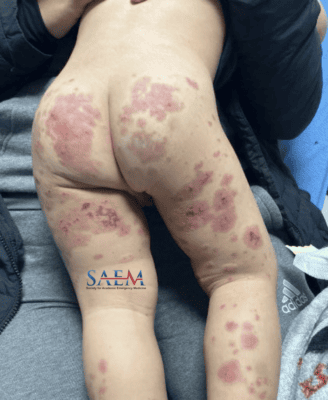
The patient is a 21-month-old male with no medical problems who is brought into the Emergency Department with concerns for bruising of the lower extremities and swelling of feet. His parents noticed the patient was walking differently 4 days ago and then noted bruising and edema of his feet bilaterally. They state there has been no known injury or trauma, and at least one of the parents has been with the child at all times. The bruising has spread and darkened to become widespread on both legs and today they noticed a few new spots on his arms and face. They report some possible subjective fevers and mild congestion, but there have been no other symptoms. There has been no recent weight loss and there is no history easy bleeding.

Vitals: HR 150, RR 28, Temp 98.1, O2sat 100% room air.

General: Awake, alert. Appears uncomfortable but in no acute distress.
Respiratory: Breath sounds normal. No increased work of breathing.
Cardiovascular: Mild regular tachycardia, no murmur.
Abdominal: Abdomen soft. There is no tenderness. No organomegaly.
Neurologic: At neurologic baseline. No focal deficits.
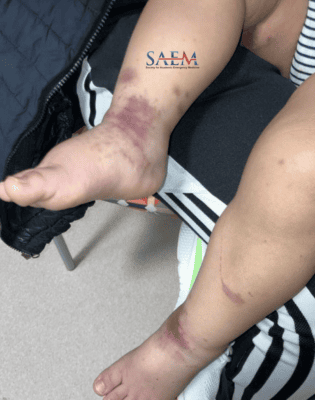
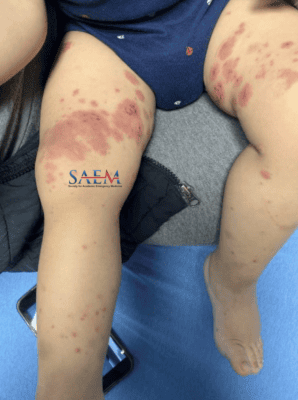
Skin: See images provided. Image 1 was on the first day of illness,
whereas Images 2 and 3 were taken on day four of the illness.

CBC: WBC 10.3, Hgb10.9, Plt 412,000

Creatinine normal at 0.25.

Urinalysis without blood or protein.

Acute Hemorrhagic Edema of Infancy (AHEI).

Acute Hemorrhagic Edema of Infancy (AHEI) is a small vessel vasculitis characterized by palpable purpuric skin lesions, edema, and fever. AHEI normally develops in children between the ages of 4 months to 2 years, as opposed to Henoch-Schönlein Purpura, which is more typical in children 2-10 years of age (peak age 4-6). Triggers can include infections, medications including penicillin, cephalosporins, and Trimethoprim- sulfamethoxazole, and immunizations. Clinical features are often preceded by a mild prodromal illness, followed by the rapid development of palpable purpura, ecchymosis, and petechia over 24-48 hours that is distributed mainly on the extremities and face, specifically the ears, eyelids and cheeks. The mucus membranes and the trunk are spared. Because AHEI is an immune-mediated vasculitis, internal organ involvement is possible, although rare, and can include nephritis, arthritis, and gastrointestinal tract problems. Diagnosis of AHEI is clinical, although other serious conditions must be considered in the differential such as non-accidental trauma, leukemia, and Kawasaki Disease. AHEI is a self-limited disease that resolves spontaneously over 1-3 weeks.

Take-Home Points

  • AHEI is characterized by palpable purpuric skin lesions, edema and fever. It is distinguished from HSP clinically primarily by the age of onset, with HSP affecting children usually from age 2-10 years.
  • Serious conditions such as non-accidental trauma, leukemia, and Kawasaki Disease should be considered and excluded.

  • Cunha DF, Darcie AL, Benevides GN, Ferronato AE, Hein N, Lo DS, Yoshioka CR, Hirose M, Cardoso DM, Gilio AE. Acute Hemorrhagic Edema of Infancy: an unusual diagnosis for the general pediatrician. Autops Case Rep. 2015 Sep 30;5(3):37-41. doi: 10.4322/acr.2015.020. PMID: 26558246; PMCID: PMC4636105.
  • Jindal SR, Kura MM. Acute hemorrhagic edema of infancy-a rare entity. Indian Dermatol Online J. 2013 Apr;4(2):106-8. doi: 10.4103/2229-5178.110630. PMID: 23741666; PMCID: PMC3673373.

By |2026-01-06T10:05:22-08:00Jan 9, 2026|Pediatrics, SAEM Clinical Images|

SAEM Clinical Images Series: What is in my Child’s Mouth?

cyst

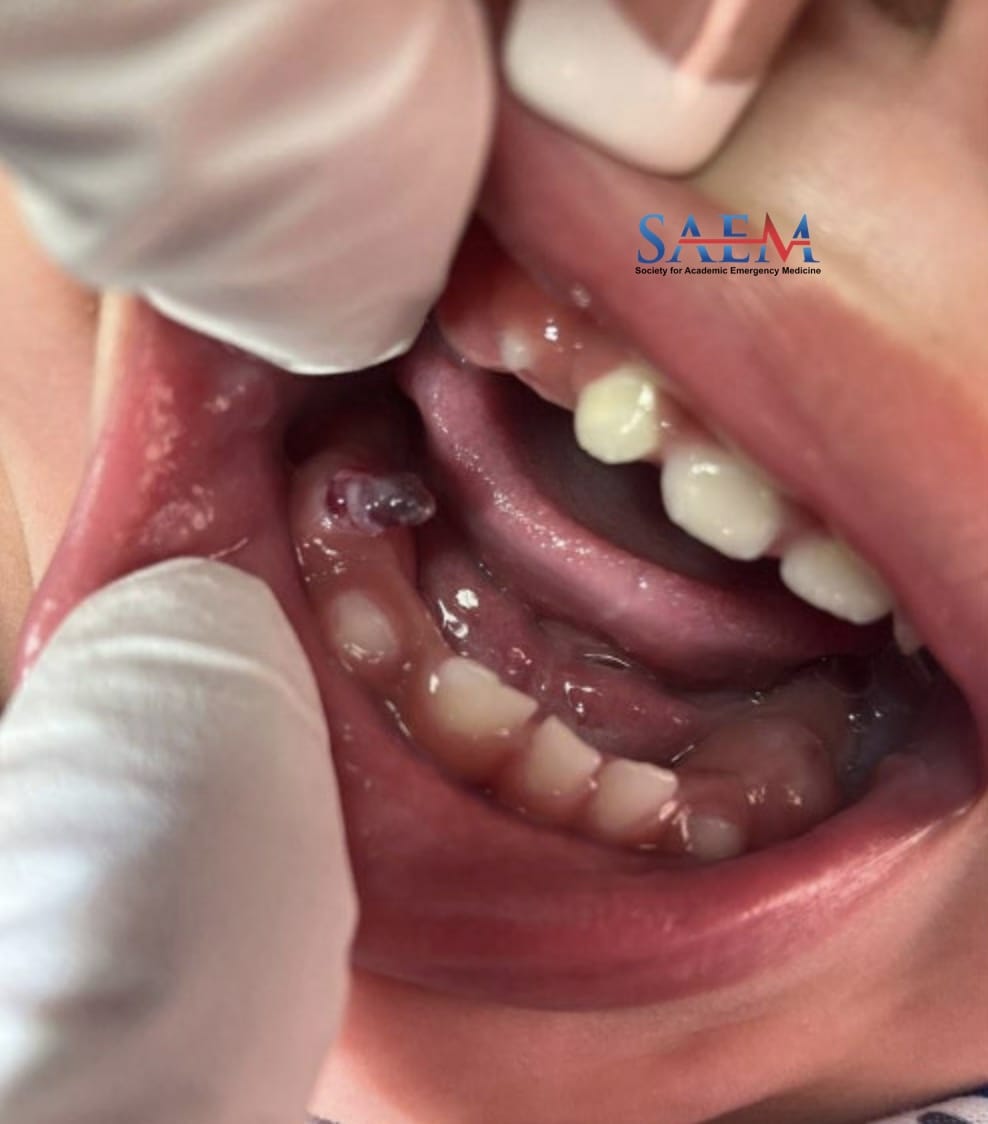
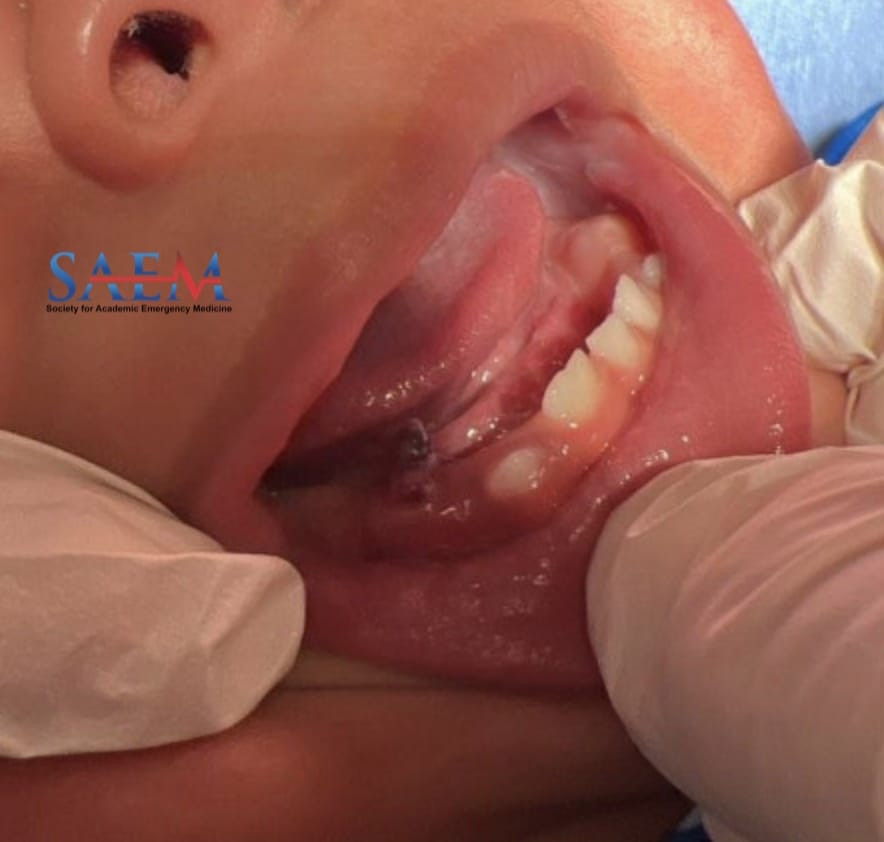
A 16-month-old male with no significant past medical history presented with a chief complaint of bleeding from the mouth. The patient’s mother looked inside his mouth and described a “black ball of flesh” near the right side of his lower gum. The mother noted that he had been more fussy than usual and appeared to have a decreased appetite over the past few days. The mother was unsure how long the lesion had been present. The mother denied any recent witnessed falls, trauma, or injury. The mother denied any recent fever, emesis, skin rashes, or lesions. She reported that the patient is an otherwise healthy child without any drug allergies or daily medications.

General: He is not in acute distress. He is well-developed.

HEENT: Head: Normocephalic and atraumatic. Nose: Nose normal. No congestion or rhinorrhea. Mouth: Mucous membranes are moist. Purple-colored flesh- appearing nodule erupting from right lower gum. Dentition is intact and well-appearing.

Pharynx: Oropharynx is clear.

Skin: Warm and dry. No other skin rashes, lesions, or abrasions.

An eruption cyst (EC) is a dome-shaped soft tissue lesion associated with the eruption of primary or permanent teeth. An eruption hematoma forms when the cyst fluid contains blood, often appearing blue or black.

Differential diagnosis:

  • Retrocuspid papillae are small, firm, round, pink to red papules on the posterior surface of the gums, typically behind the lower canine teeth in most children. They are often bilateral.
  • Parulis or “gum boil” is a soft, solitary, red papule on the gums above or below a necrotic tooth, typically forming over a fistulous tract between the abscess and gums.
  • Dentigerous cyst (DC) is a well-defined area of radio-opacity that is characterized by permanent teeth that are incapable of eruption.
  • Neonatal alveolar lymphangioma (NAL) is a rare, benign condition that presents with a bluish-black fluid-filled dome on the alveolar ridge surface. This condition is most often seen in black neonates.
  • Oral hemangiomas are benign tumors that develop due to endothelial cell proliferation. The majority of these tumors will resolve over time and do not require treatment.
  • Amalgam tattoo is a localized area of blue, gray, or black pigmentation that is caused by excess amalgam inadvertently embedded during a dental procedure.

Eruption cysts are typically asymptomatic and will not require active treatment. The majority of ECs burst spontaneously with the passage of the tooth. If the cyst is symptomatic, simple surgical excision by a dental profressional is recommended, as well as pain control with acetaminophen and ibuprofen. This procedure consists of incising the cyst roof to allow drainage of fluid and descent of the tooth.

Take-Home Points

  • Eruption cysts can be managed conservatively with pain control and anticipatory guidance.

  • If symptomatic, patients with eruption cysts should be referred to a dental provider for further evaluation and possible surgical excision.

  • If the eruption cyst does not resolve within two weeks, the patient should be evaluated for other causes.

  • Dhawan, Preeti, et al. “Eruption cysts: A series of two cases.” Dental Research Journal, vol. 9, no. 5, 2012, p. 647, https://doi.org/10.4103/1735-3327.104889.

  • Keels, Martha Ann. “Soft Tissue Lesions of the Oral Cavity in Children.” UpToDate, www.uptodate.com/contents/soft-tissue-lesions-of-the-oral-cavity-in-children/print. Accessed 28 Dec. 2023.

  • Sen-Tunc, E, et al. “Eruption cysts: A series of 66 cases with clinical features.” Medicina Oral Patología Oral y Cirugia Bucal, 2017, pp. 0–0, https://doi.org/10.4317/medoral.21499.

By |2025-03-09T22:05:32-07:00Mar 17, 2025|Dental, SAEM Clinical Images|

SAEM Clinical Images Series: Alternative Block

A 10-year-old female with a history of constipation presented with intermittent lower abdominal pain with difficulty urinating. Pain was in the suprapubic area. The patient stated she last urinated the morning of presentation and typically urinates 1-2 times a day. She reported that it is sometimes hard to initiate urination and that she has pain at the conclusion of urination. She typically takes MiraLAX daily for constipation but ran out one week ago. She denied fever, chills, nausea or vomiting.

Constitutional: Awake, alert and in no acute distress.

HEENT: PERRLA. Moist mucus membranes.

Cardiovascular: Regular rate and rhythm. No murmur.

Pulmonary: Breath sounds normal. No increased work of breathing.

Abdominal: Abdomen soft. There is tenderness in the suprapubic area. There is no guarding or rebound.

Neurologic: Awake and alert. At neurologic baseline. No focal deficits.

UA: Trace ketones, 100 protein.

Post void residual: 430 cc.

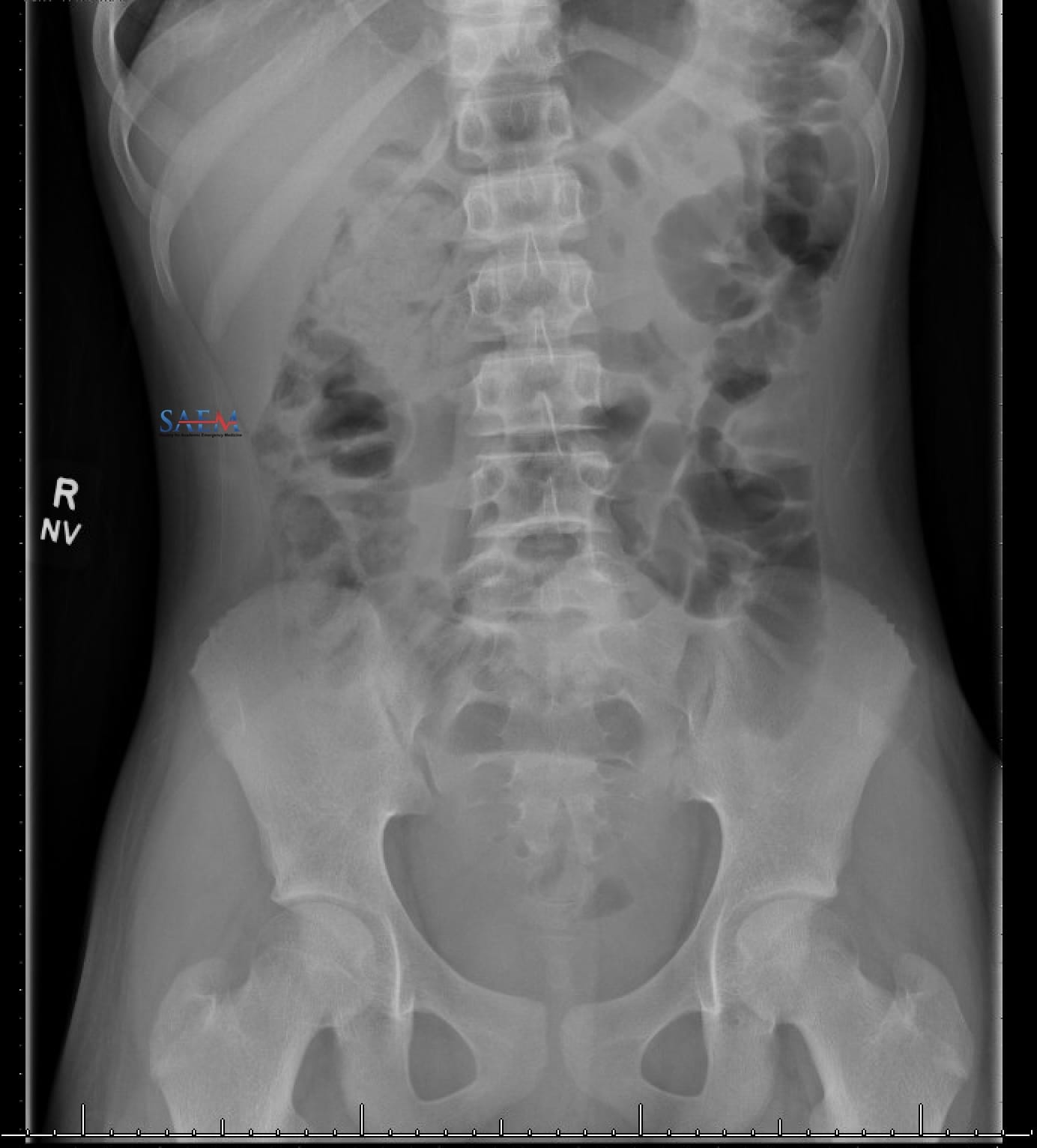
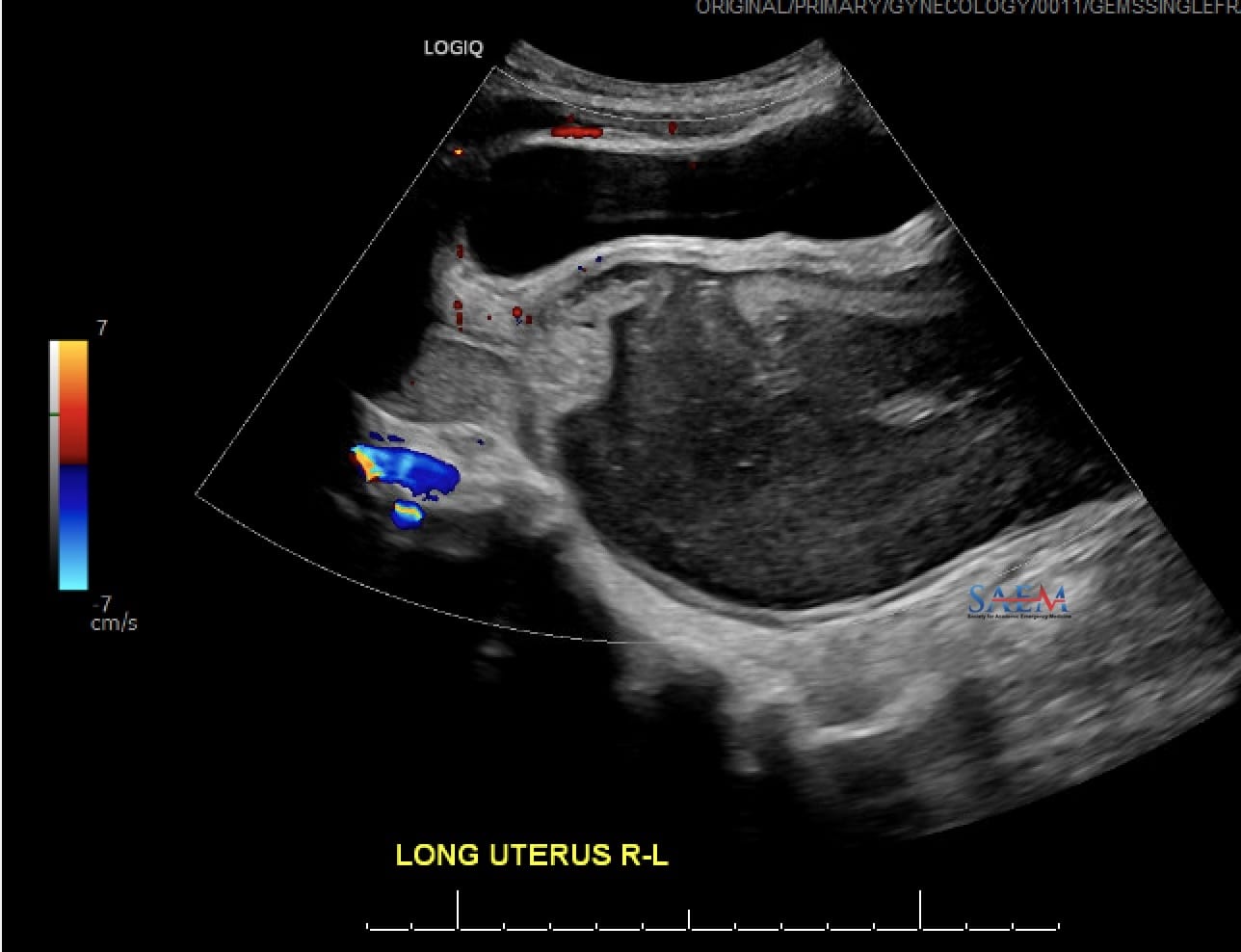
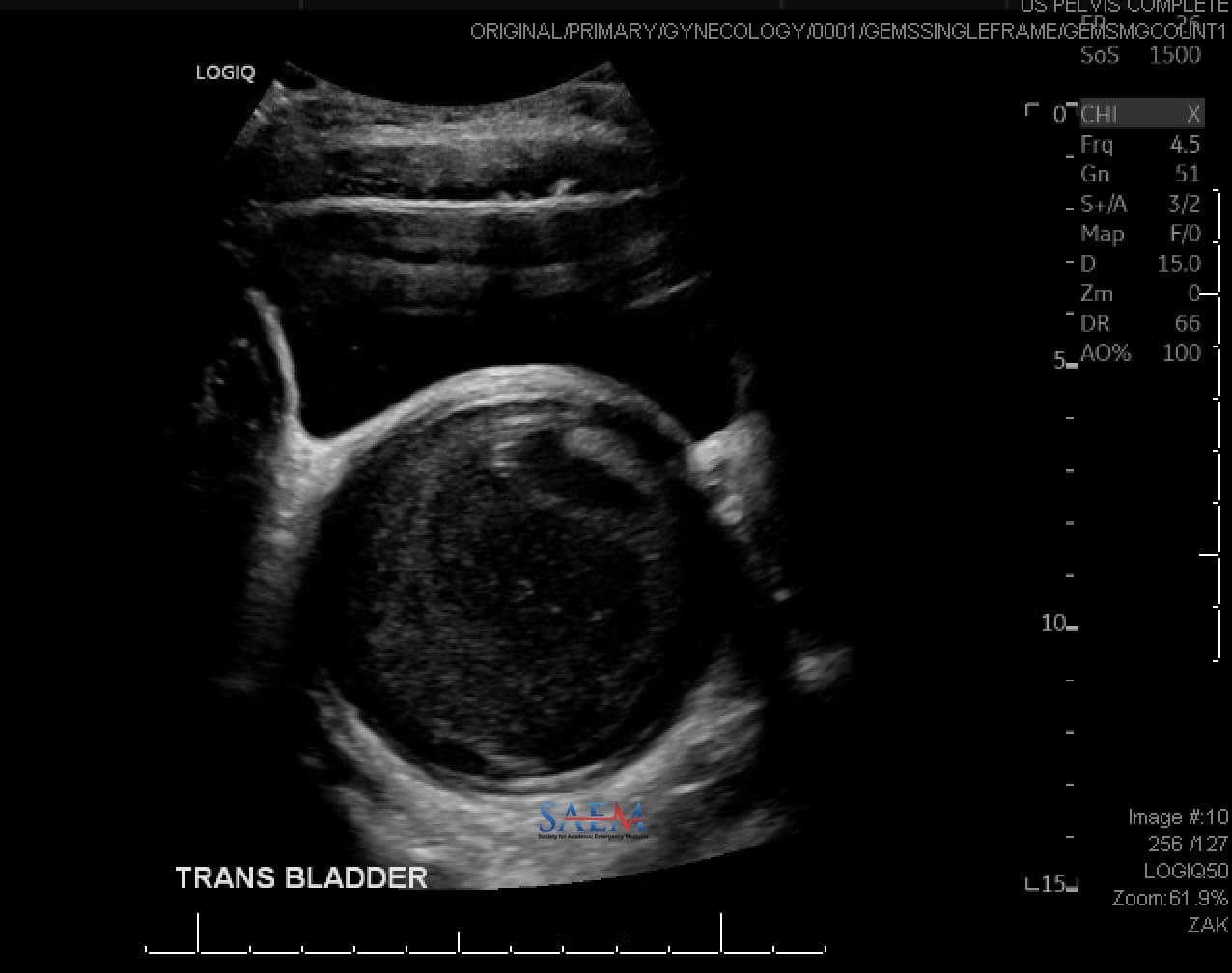
X-ray of the abdomen is normal without obstruction or a significant stool burden. Ultrasound demonstrates a distended fluid-filled vagina.

Imperforate hymen. The opening of the vagina is typically surrounded by a thin membrane with an opening in the center, called the hymen. In the case of an imperforate hymen, the membrane does not have an opening and therefore blocks the vaginal canal. Symptoms of imperforate hymen vary. It can present early in life if normal mucous builds up and causes a bulge of the membrane. Imperforate hymen may not be diagnosed until adolescence when menstruation begins. Symptoms at that time include amenorrhea, back pain, lower abdominal pain, or difficulty with urinating or stooling. In an adolescent with imperforate hymen, physical exam may demonstrate a vaginal bulge with a bluish discoloration, caused by the accumulation of blood in the vagina (hematocolpos). This patient had urinary retention secondary to imperforate hymen and accumulation of blood in the vaginal canal that compressed the urethra. A genitourinary exam was later performed and confirmed the diagnosis. Imperforate hymen is treated with a minor surgical procedure to remove the extra tissue.

Take-Home Points

  • Imperforate hymen occurs when the hymen covers the vaginal entire vaginal opening, therefore blocking it. It may present early in life or later during adolescence.

  • Consider imperforate hymen as a differential diagnosis for female patients who present with lower abdominal or back pain, amenorrhea, or difficulty with urinating or stooling.

  • Diagnosis and management of hymenal variants. ACOG. (2019, May 23). https://www.acog.org/clinical/clinical-guidance/committee-opinion/articles/2019/06/diagnosis-and-management-of-hymenal-variants

  • Hamouie A, Dietrich JE. Imperforate Hymen: Clinical Pearls and Implications of Management. Clin Obstet Gynecol. 2022 Dec 1;65(4):699-707. doi: 10.1097/GRF.0000000000000703. Epub 2022 Mar 11. PMID: 36260009.

By |2025-02-26T14:55:11-08:00Feb 28, 2025|Ob/Gyn, Pediatrics, SAEM Clinical Images|

SAEM Clinical Images Series: A Rare Pediatric Scalp Rash

rash

The patient is a 3-month-old, full-term male who presents with a rash on his head. The rash started one day prior to presentation on his forehead and spread to the rest of his head. Today, it developed a central clearing with surrounding redness. He has a history of sensitive skin since birth with patches of eczema and cradle cap. He treats these with Aquaphor and Honest Co. Cream; he has never been prescribed topical steroids for his rashes. Denies fever, cough, rhinorrhea, congestion, decreased appetite, diarrhea, and decreased urination. He had an uncomplicated birth history.

General: Well appearing, no distress.

Skin: Large, serpiginous rash on the left forehead and scalp with central clearing and peripheral erythema as well as areas of erythematous plaques. He has some erythema of the left medial epicanthus. He also has a large erythematous patch at the base of his skull. The remainder of his skin is clear.

CV: Normal rate and rhythm, no murmur.

White blood cell (WBC) count: 8.4

Hemoglobin: 12.4

Hematocrit: 37.1

Platelet Count: 468

Complete metabolic panel (CMP): ALT 30, AST 60, Alk phos 266, Tbili 0.7, Total Protein 6.4

The image is of the cutaneous manifestation of neonatal lupus erythematosus. Neonatal lupus erythematosus is an autoimmune disease caused by transplacental passage of maternal autoantibodies to Sjögren’s syndrome A or B autoantigens (SS-A/SS-B). It can present with reversible changes including cutaneous lesions (most common, in up to 40% of patients), hepatobiliary disease, and cytopenias, which resolve once maternal autoantibodies have been cleared.

All infants that present with concern for neonatal lupus erythematosus should have screening labs performed to evaluate for hematologic, cardiac, and hepatobiliary involvement including a CBC with differential, liver enzymes, and antibody testing. In addition, an EKG is essential given that neonates can present with irreversible total atrioventricular heart block, which can present in utero or after birth.

The rash typically presents in the first few weeks of life but can present as late as 2-3 months of life (usually within 1-2 days of first sun exposure). Eighty percent of cases are not clear at birth and present in the first month of life. The rash appears as a coalescing rash with raised margins, with annular and discoid erythema involving the head in 95% of cases. It is often misdiagnosed as skin infections or eczema if the mom is asymptomatic. Fifty percent resolve by four months of life and 100% by one year.

Any neonate with a slow fetal heart rate or the postnatal diagnosis of atrioventricular heart block warrants immediate maternal testing for these autoantibodies. Most cardiac changes from neonatal lupus are diagnosed before 26 weeks gestation, with <20% later in pregnancy and 2% detected postnatally.

Take-Home Points

  • While cutaneous findings of neonatal lupus most commonly present in the first month of life, they can present as late as 2-3 months.
  • The cutaneous findings associated with neonatal lupus most of the time resolve in 4-6 months (when maternal antibodies are cleared from the infant’s circulation).
  • Any baby with findings concerning for neonatal lupus should have an EKG performed. Around 2% of infants present with heart block postnatally within the first month.

  • Diaz-Frias J, Badri T. Neonatal Lupus Erythematosus. [Updated 2021 Jun 30]. In: StatPearls [Internet]. Treasure Island (FL): StatPearls Publishing; 2021 Jan-. Available from: https://www.ncbi.nlm.nih.gov/books/NBK526061/
  • Lee LA. Neonatal lupus erythematosus: clinical findings and pathogenesis. J Investig Dermatol Symp Proc. 2004 Jan;9(1):52-6. doi: 10.1111/j.1087-0024.2004.00827.x. PMID: 14870986.

By |2023-04-05T14:00:29-07:00Apr 10, 2023|Dermatology, Pediatrics, SAEM Clinical Images|

SAEM Clinical Images Series: Facial Swelling

facial swelling

A 5-year-old male with a history of recent frontal sinusitis associated with preseptal cellulitis requiring surgery presented with facial swelling. Swelling developed in the 24 hours prior to presentation without facial pain, nausea, or emesis. Denied facial trauma as well as any neurologic deficits, loss of consciousness, headaches, or fever/chills. At the time of his prior surgery, he presented with swelling localized to the left eye along with worsening pain, nausea, and emesis. After surgery, he was discharged in stable condition on antibiotics for 10 days. He has been in his usual state of health since that time.

Vitals: BP 93/59 (Sitting); HR 84; Temp 37.3 °C (99.1 °F) (Oral); Resp 12; Wt 20.6 kg (45 lb 6.6 oz)

General: Active, alert, normal development, and in no acute distress

HEENT: Swelling over the forehead and nasal bridge. Tenderness to palpation over the forehead. No erythema or overlying skin changes.

Nose: Normal appearance. No congestion or rhinorrhea.

Mouth/Throat: Mucous membranes are moist. Oropharynx is clear.

White blood cell (WBC) count: 8.9 x 10^3/uL

Hemoglobin: 11.5 g/dL

Platelets: 365 x 10^3/uL

ANC: 4.490 x 10^3/uL

ESR: 15 mm

CRP: <0.5 mg

In the initial management of this patient, CT imaging of the head with contrast should be used to characterize the lesion and evaluate for intracranial involvement. In our patient, the CT scan showed frontal bone osteomyelitis with possible extension into the subdural space. He was admitted on broad-spectrum antibiotics and surgical washout was performed the following day.

Pott’s Puffy Tumor is a rare but serious complication of sinusitis with potential intracranial involvement. Complications include orbital cellulitis, intracranial abscess, meningitis, and cavernous sinus thrombosis.

Take-Home Points

  • Pott’s Puffy Tumor is a rare potential complication of sinusitis. Early diagnosis and treatment are essential to reduce morbidity.
  • CT of the head with contrast is the initial imaging that should be obtained in the emergency department.

  • Blumfield E1, Misra M. Pott’s puffy tumor, intracranial, and orbital complications as the initial presentation of sinusitis in healthy adolescents, a case series. Emerg Radiol. 2011 Jun;18(3):203-10. PMID: 21380513.
  • Palabiyik FB1, Yazici Z, Cetin B, Celebi S, Hacimustafaoglu M. Pott Puffy Tumor in Children: A Rare Emergency Clinical Entity. J Craniofac Surg. 2016 May;27(3):e313-6. PMID: 27100642.

By |2022-12-08T22:22:41-08:00Dec 19, 2022|HEENT, Pediatrics, SAEM Clinical Images|

SAEM Clinical Images Series: ‘Tis Not the Season to be Wheezing

wheezing

A 2-year-old male with a history of solitary kidney presented with greater than one month of daily coughing, wheezing, and decreased appetite. The patient was previously seen by his primary care physician after three weeks of symptoms where he was prescribed albuterol as needed for viral bronchospasm. The patient’s wheezing did not improve after two weeks of albuterol treatment so a chest x-ray was ordered. The patient’s mother denied any fevers, vomiting, diarrhea, weight changes, or night sweats.

Vitals: BP 131/60; Pulse 148; Temp 36.7 °C (98.1 °F) (Axillary); Resp 28; Wt 15.7 kg (34 lb 9.8 oz); SpO2 95%

General: Alert; well appearing

HEENT: Pupils equally reactive to light; moist mucous membranes; nares with normal mucosa without discharge

Cardiovascular: Regular rate; regular rhythm; normal S1, S2; no murmur noted; distal pulses 2+

Pulmonary: Good aeration throughout all lung fields; clear breath sounds bilaterally; prolonged expiratory phase; stridor with agitation

Abdomen: Soft; non-tender; non-distended

White blood cell (WBC) count: 56.1/uL (Blasts 58%)

Platelets: 288/uL

Uric acid: 8.3 mg/dL

LDH: 2231 iU/LD

D-Dimer: 3.22 ug/mL

Fibrinogen: 463 mg/dL

Bronchospasm, bronchiolitis, viral infection, pneumonia, foreign body aspiration, space-occupying lesion, vocal cord dysfunction, cardiac dysfunction, and acute chest in patients with sickle cell disease.

The radiograph shown demonstrates a mediastinal mass. This patient was ultimately diagnosed with T-cell acute lymphoblastic leukemia. T-ALL can present with fatigue, fevers, weight loss, easy bleeding/bruising, paleness, or a mediastinal mass. Mediastinal masses found on chest x-ray require further evaluation to determine the diagnosis, location, and treatment. If malignancy is suspected, an oncology referral and bone marrow sample will be necessary.

Take-Home Points

  • In patients with first-time wheezing that does not improve with bronchodilator therapy, consider alternative diagnoses and further evaluation.
  • A mediastinal mass is found at the time of diagnosis in 10% to 15% of children with acute lymphoblastic leukemia.

  • Steuber, P (2021). Overview of common presenting signs and symptoms of childhood cancer.UpToDate. Retrieved January 2, 2021.2.
  • Juanpere, S., Cañete, N., Ortuño, P., Martínez, S., Sanchez, G., & Bernado, L. (2013). A diagnostic approach to the mediastinal masses. Insights into imaging, 4(1), 29–52.https://doi.org/10.1007/s13244-012-0201-0

Go to Top